codes66 retweetet
codes66
5.4K posts

codes66
@BZailey
Of the good land. #Squanchland
#Discord: Squanchland Beigetreten Haziran 2009
2.6K Folgt992 Follower

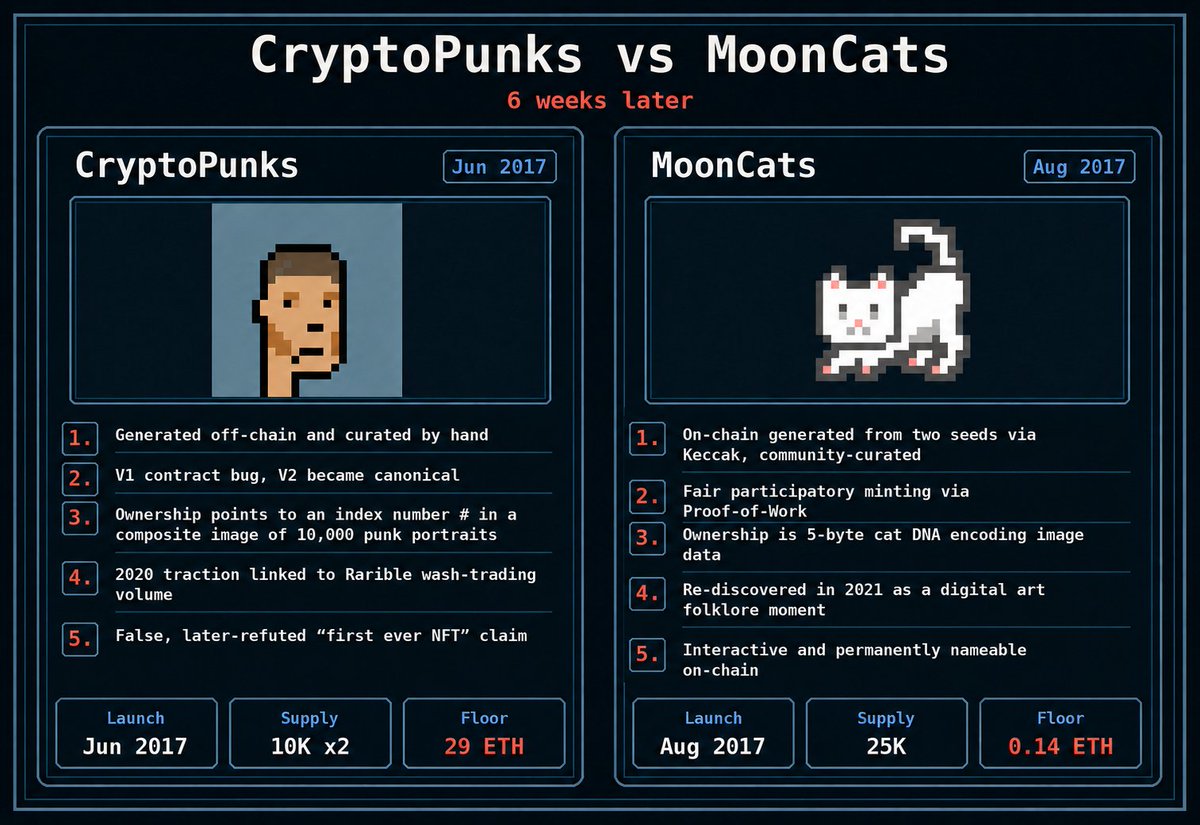
@HypioHL got me into $hype. @mooncatrescue got me into eth. @OrdinalPunks got me into bitcoin. Top shot kept me out of flow. I’ve found NFTs to be the best way to learn new chains. It usually pays off one way or another.
English
@snerko @justintrimble @mooncatrescue Held since mint. Mooncats hits different. You just had to be there.
codes66@BZailey
@King__Normie @ColeThereum Rescuing those mooncats really felt like it kicked off a massive NFT adventure for so many. Learning to mint from the contract in a race against time, outrageous gas, a feeling of uncertainty, risk and excitement. 2017 is cool, but every rescued mooncat is special.
English

@justintrimble @mooncatrescue I feel like the only MoonCats tweets I see are by collectors aggressively bullposting them.
Tell me a story instead. Make me feel something. That's what will turn me into a collector.
English

We live in an increasingly digital world.
There are literally future museum pieces just waiting to be bought for a few hundred dollars.
There is nothing more obviously asymmetrical.
English
@elliotrades $400m on Cobie, Backstreet Boys Super Bowl ad and then firing a ton of your staff when AI prob can’t yet replace them because $400m on Covid and Backstreet Boys…
English

Missing by 3825% is actually INSANE
The Earnings Correspondent@earnings_guy
$COIN (Coinbase Global) #earnings are out:
English

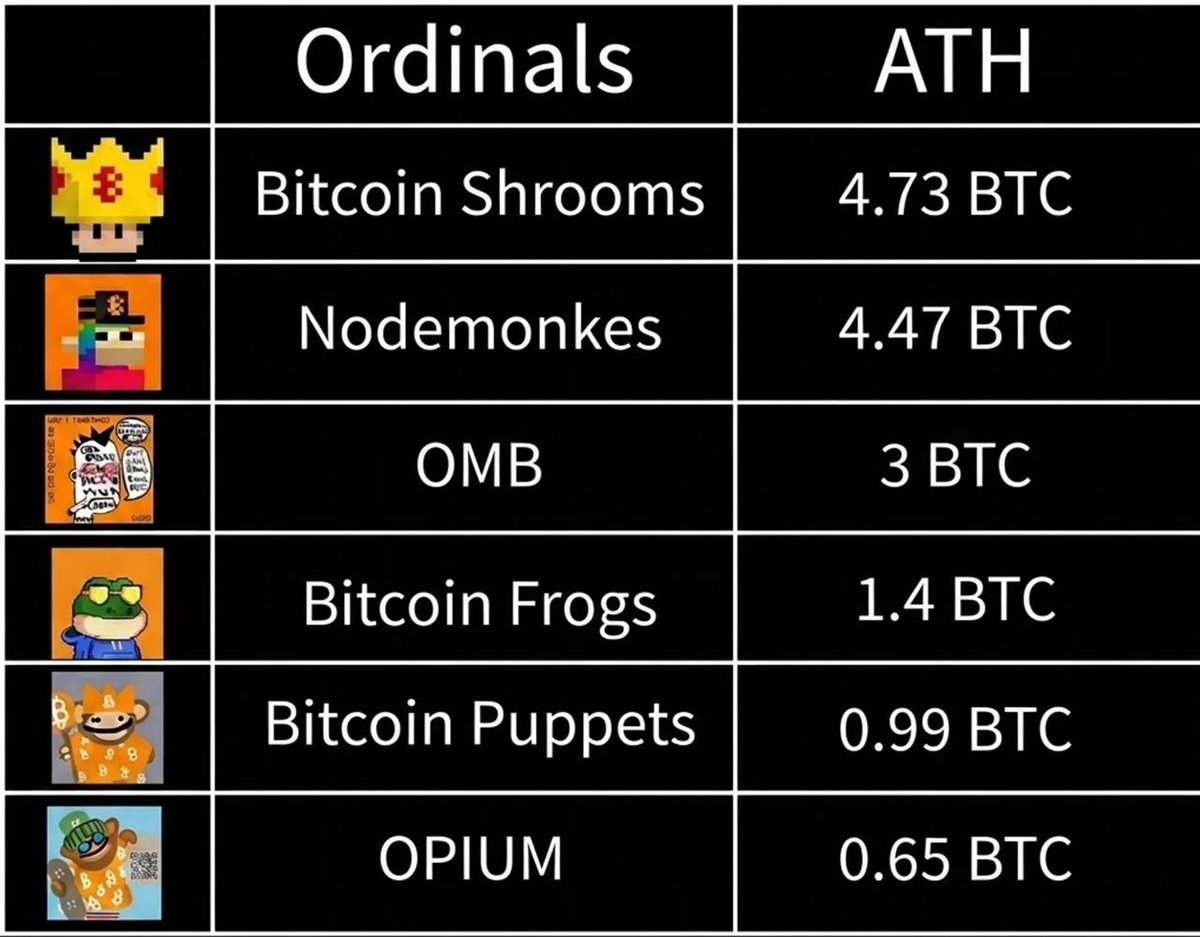
@Nikola_kingo I don’t think those are all right. Nodemonkes had higher sales than that iirc and so did Ordinal Punks.
English

codes66 retweetet

1/3 The Verse Talent Redistribution Scheme
A farming initiative, sponsored by @Tabcorp_HR.
This week we will be redistributing:
3️⃣ Birthday-Grade Comedy Core 'Clowns'
6️⃣ Ordinary Resources
Retweet to be considered for the resource attached. More ways to qualify below ↓

English
@Sonoflasg @solos_gallery I don’t know what you mean, my pfp is a mirror image of my day to day look.
English

I’ve been collecting Human Resources for a few weeks, and one thing is crystal clear...
Most people are still approaching it like it’s 2021 PFPs... asking “Do I see myself in this?”
That question doesn’t work here.
These aren’t avatars for self projection. They resist identification. They offer you someone else... fully formed, already working inside a system.
The moment I stopped trying to “wear” the characters and started asking “Who is this? What’s their role?” everything changed.
I stopped collecting likenesses. I started collecting people.
Full essay in 🧵

English

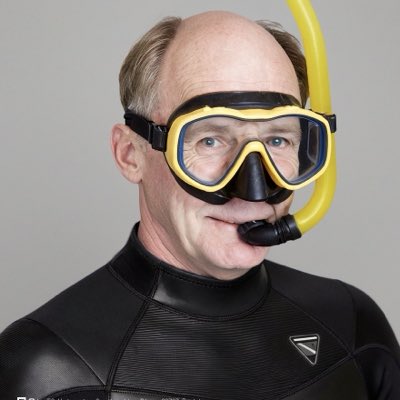

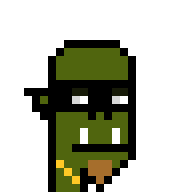
Congrats on those two choices, pretty envious of the frog in particular 🔥
Some of us at @Squanchland got fascinated by this HR collection for many of the reasons you mentioned above, and it's amazing to see that we are not alone 🤝 @gcchaps @BZailey
We minted/bought some grails too, one below, more coming soon on X 👇
x.com/matman_xyz/sta…
English

I feel Human Resources by @TaborRobak may be too sophisticated, too dry, maybe too uncomfortable for some of the most influential collectors in the Web3 Art tribe - so far! 😁
This is a White Collar PFP, it seems like it was born in an office cubicle. It is not puerile or cute, but alarmingly adult. It's the antithesis of maybe every other PFP out there. I believe great Art often twists and inverts conventions, and projects that actually really do this don't come along that often.
Its a clean piece of conceptual art, but its also a product of craft and ingenious attention to detail. (No, its not 100% AI generated). Its hard to compare this project to anything else - which has made it so exciting for me to follow.
BTW Tabor has a very unique website that documents the art he has exhibited in over 23 countries.
So before collectors who are not usually paying attention to the work of @TaborRobak get interested, I grabbed some potentially iconic pieces from the series.
The Pepe Job Trait is 'Paid Protestor' which I felt made it the perfect pairing to go along side the other chap. There is poetry in the juxtaposition of these two characters, and I love that its hard to say exactly what it all means.

English
@TaborRobak Human Resources. wen framed physicals? Best collection dropped this year. verse.works/tabor-robak

English
Pizza Ninjas only raised ~$2.4M from their mints and instead of extracting the funds they put them back into the Ordinals ecosystem and used them to build their IP and provide utility for holders:
-Hosted 10+ IRL events around the world (yacht party in Hong Kong, conference in Lisbon, pizza bus tour in NYC, Seoul, Singapore, Miami, Amsterdam, Tokyo, Nashville, Vegas, the list goes on)
-Built an IRL clubhouse for holders in Puerto Rico
-Built the first fully on-chain massive multiplayer game on Bitcoin and airdropped it for free to holders
-Ran online workshops taught by expert Bitcoin devs teaching hundreds of holders how to set up their own Bitcoin nodes
-Ran Discord providing their holders with whitelist access to 10+ mints
-Built widget-based customizable real-time Ordinals dashboard for their holders
-Inscribed SNES emulator into Bitcoin alongside 10+ fully on-chain games
-Free tattoos for holders
-Merch drops for holders (t-shirts, swimsuits, etc.)
-Their artist @boozybtc created over 1,000 new traits (the most I have ever seen in a collection)
-Got featured in a Sotheby's auction
-Made the largest 4-megger inscription ever (record still holds)
-Created and released a short animated film that won 1st place in New York Short Animation Festival
English
3 years ago today Yuga Labs earned 735 BTC from their TwelveFold mint
TwelveFold's market cap is currently 11 BTC
@yugalabs has not posted about TwelveFold in nearly 2 years
Where did the 735 BTC go?

English
@AlZeidenfeld Love to hear the mental gymnastics on how this is not betting on death.
English
This. This bullshit right here is why capitalism requires regulations.
I’m pro gambling, but this is WAY out of pocket.
David Sirota@davidsirota
Polymarket has created a market that would monetize a nuclear attack amid increasing concerns that bets are happening among government insiders who can make military decisions.
English
“Just limit OP_RETURN bro.”
Meanwhile block 938576:
No OP_RETURN.
No taproot
Still mined.
Still valid.
You’re not fighting ordinals.
You’re fighting the rules of the system.
And you’re losing.
Kristian Csepcsar@KristianCsep
🚨 JUST IN: this image was mined into block 938576 without OP_RETURN, showing Knots filtering does not prevent it. The transaction was included via MARA Slipstream. It was created by bitcoin developer Martin Habovstiak, who published a detailed research paper explaining exactly what he did and how anyone can verify it. RESEARCH TLDR 👇 His goal was to test if stricter filtering rules can actually stop arbitrary data from being embedded on-chain. Full research: KnotsLies(dot)com 🔗below WHAT THIS TRANSACTION SHOWS: • The image is stored contiguously inside a single transaction • No OP_RETURN was used • No Taproot was used • Consensus rules were followed • The transaction can be independently verified by anyone running a node His core argument: • Limiting OP_RETURN does not stop arbitrary data storage • Policy filters shift the data rather than remove the capability • If one encoding path is restricted, another can be engineered • Workarounds are practical, not theoretical SPAM OR WHACK-A-MOLE? I’m not a technical expert. But the more I read about all this, the more it feels like a whack-a-mole game. You close one door, someone finds another. I don’t like spam. I don’t like images embedded on-chain. But it doesn’t seem like there’s an effective way to fully stop it. What are your thoughts? - Full research: KnotsLies(dot)com 🔗below
English
@TheHoopCentral @AyyEnaz lil giannis is shams saying giannis wants out of Milwaukee.
English


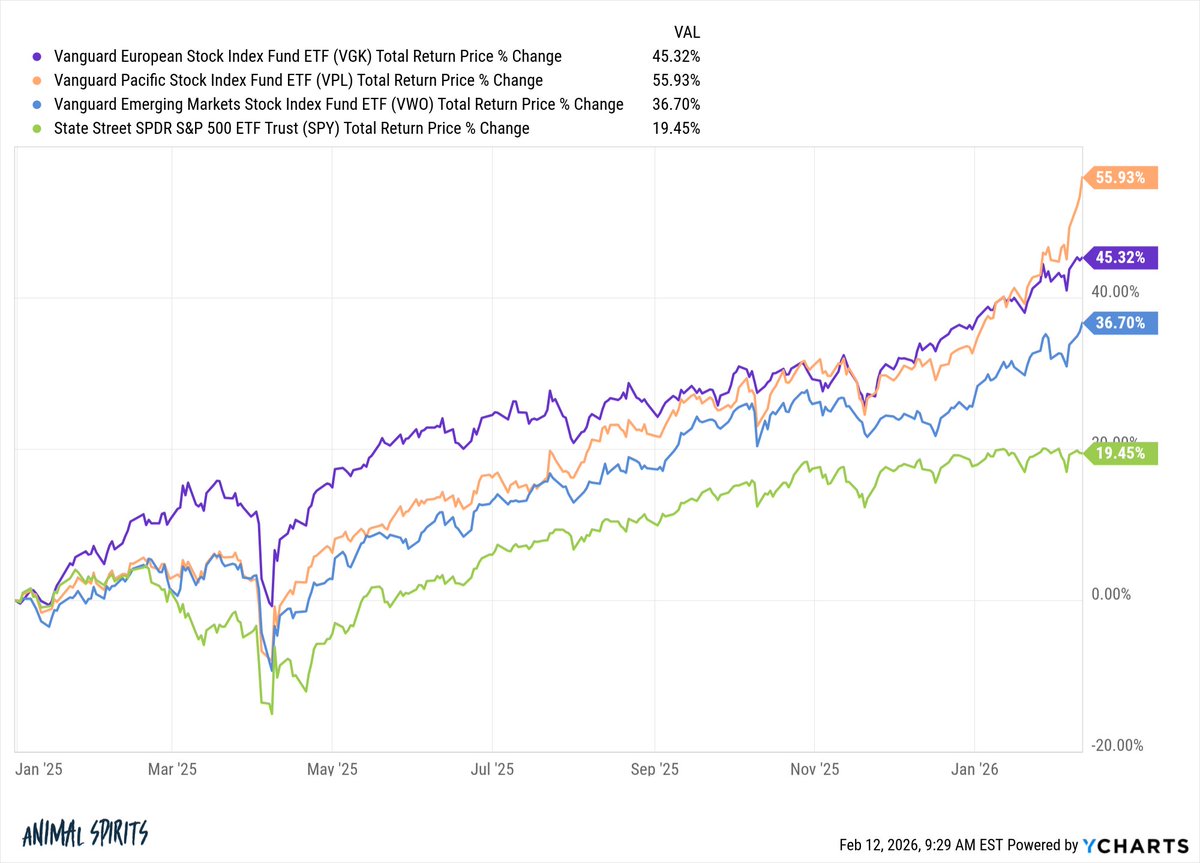
Since the start of 2025:
S&P 500 +19.5%
European stocks +45.3%
Emerging markets +50.8%
Asian stocks +55.9%
English