Surma Khatun retweetet
Surma Khatun
2.4K posts

Surma Khatun retweetet

What primary & secondary school leaders need to know about effective writing transition
Writing transition isn’t a baton pass where primary hands over and secondary drops it. It’s a compatibility problem. Primary writing rewards expression, description and voice. Secondary writing demands clarity, explanation and disciplinary argument.
Same word. Different conceptions.
open.substack.com/pub/daviddidau…

English
Surma Khatun retweetet

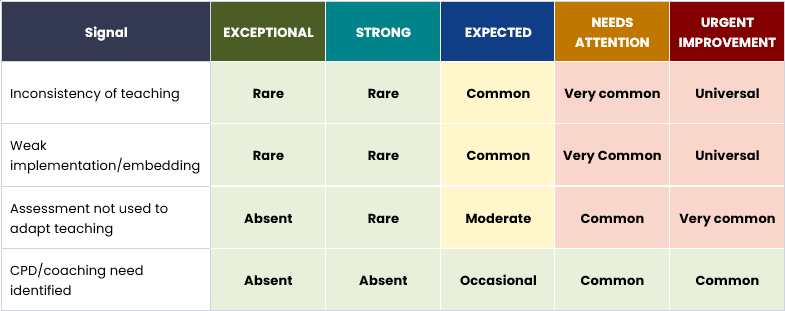
We analysed 400 Ofsted reports on curriculum & teaching, so you don’t have to.
The patterns are hard to ignore 👇
As schools move towards “needs attention” or “urgent improvement”, four patterns become increasingly common:
inconsistency, weak implementation, limited assessment use, and unclear CPD focus.
See the full analysis: innerdrive.ebforms.com/45350705522278…

English
Surma Khatun retweetet

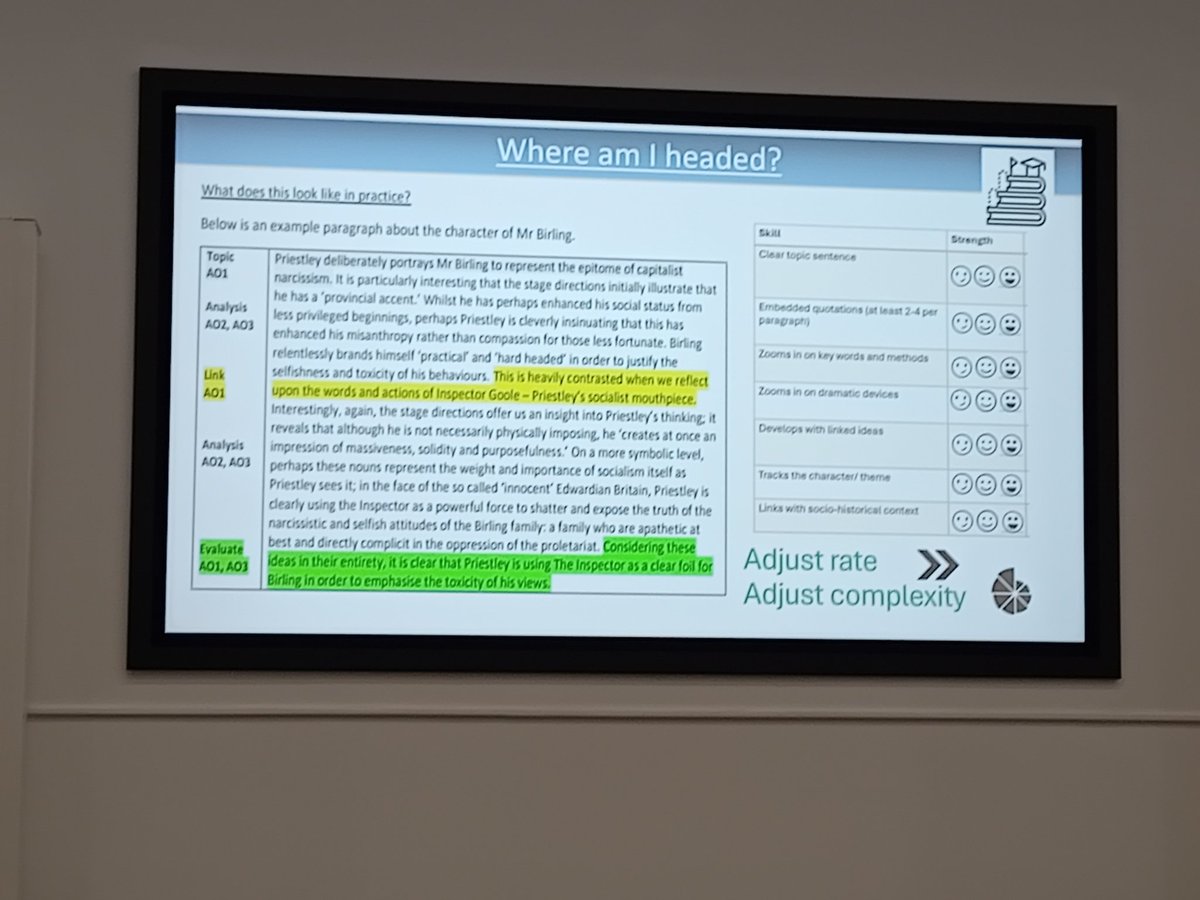
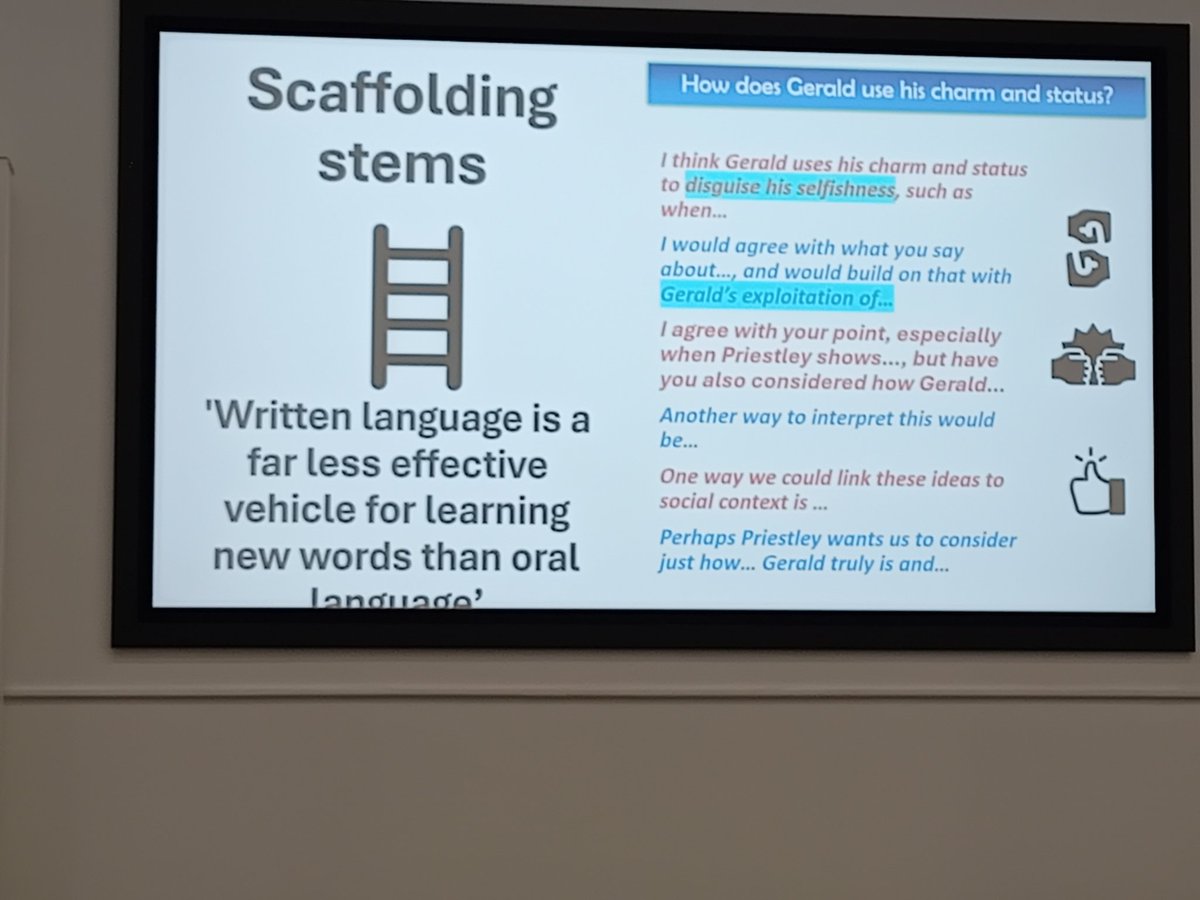
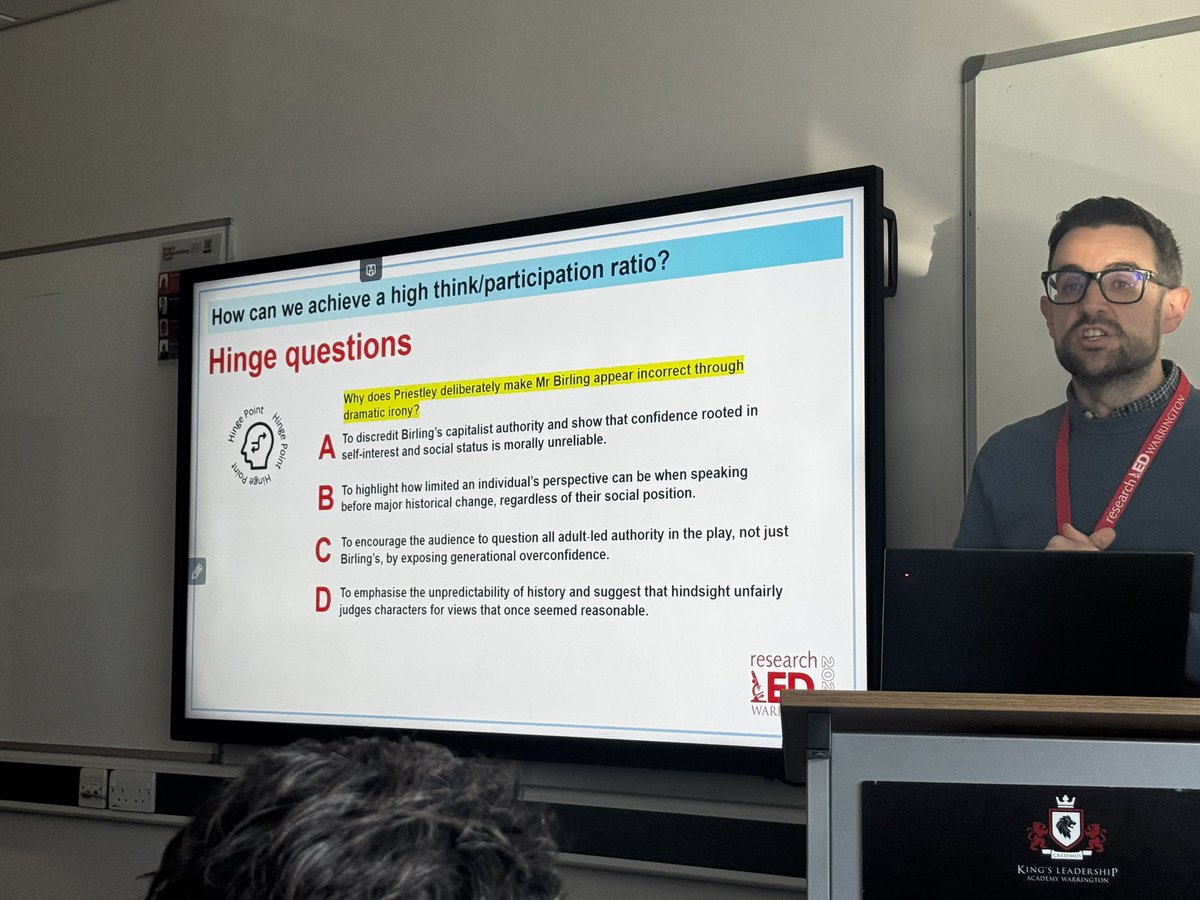
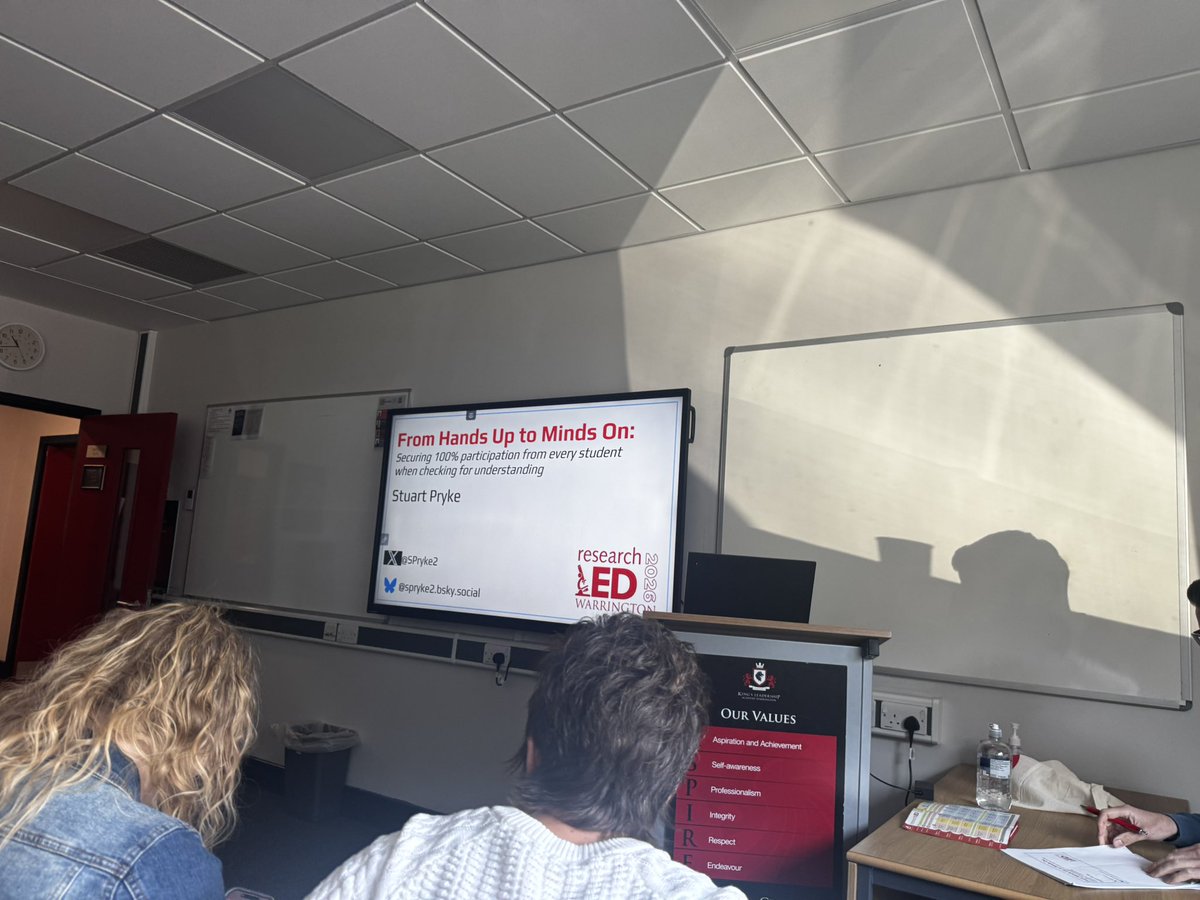
Loved @SPryke2 delivering on “hands up, minds on” @researchEDWarr today. So many takeaways that are instantly achievable. Thank you 🙏


English

Surma Khatun retweetet

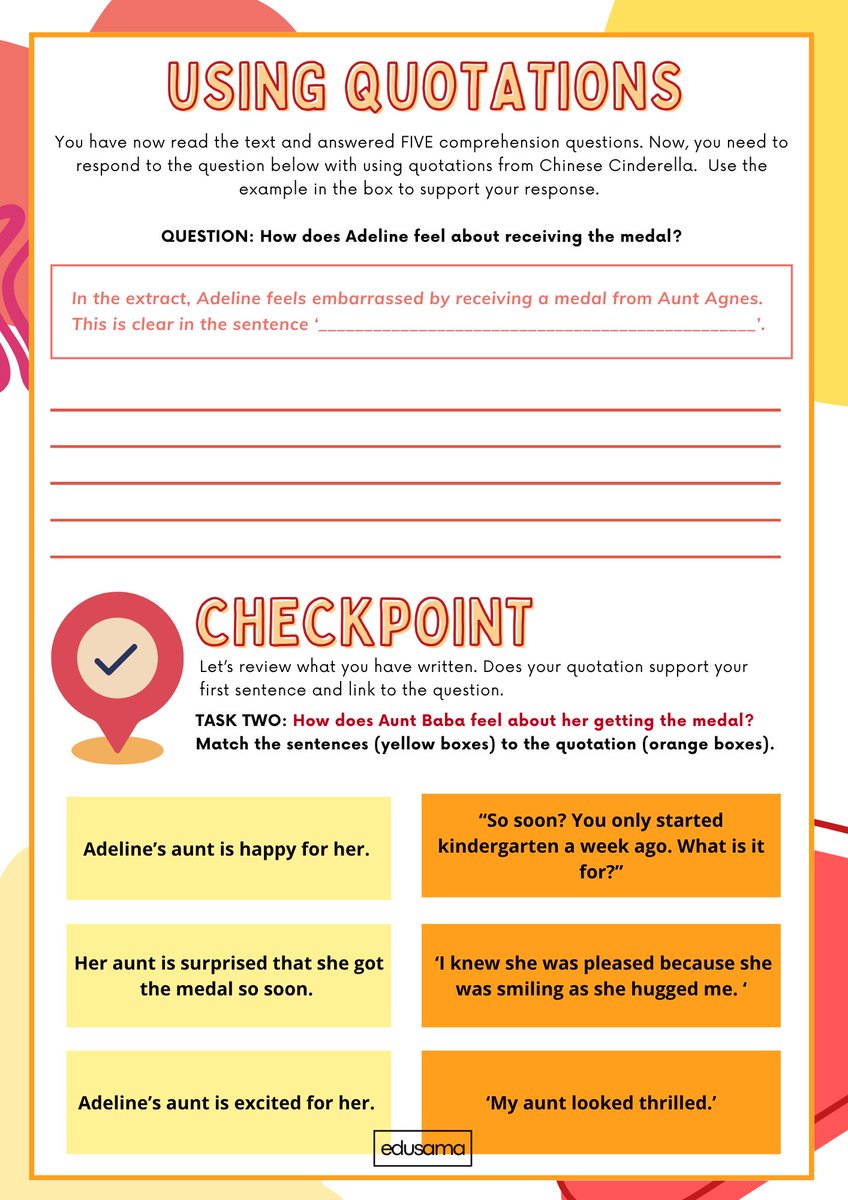
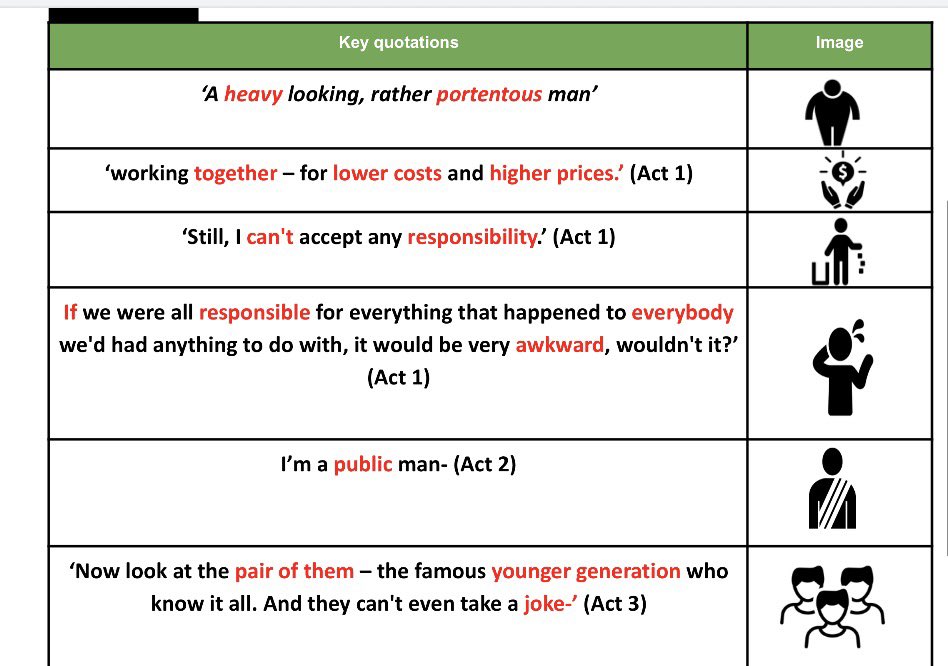
Looking to explore those #quotations further? Here is the booklet for you!
🔶Exploring Quotations Booklet 🔶tes.com/resource-detai…
Click. Download. Explore!
#TeamEnglish #GCSE #English #Revision


English
Surma Khatun retweetet

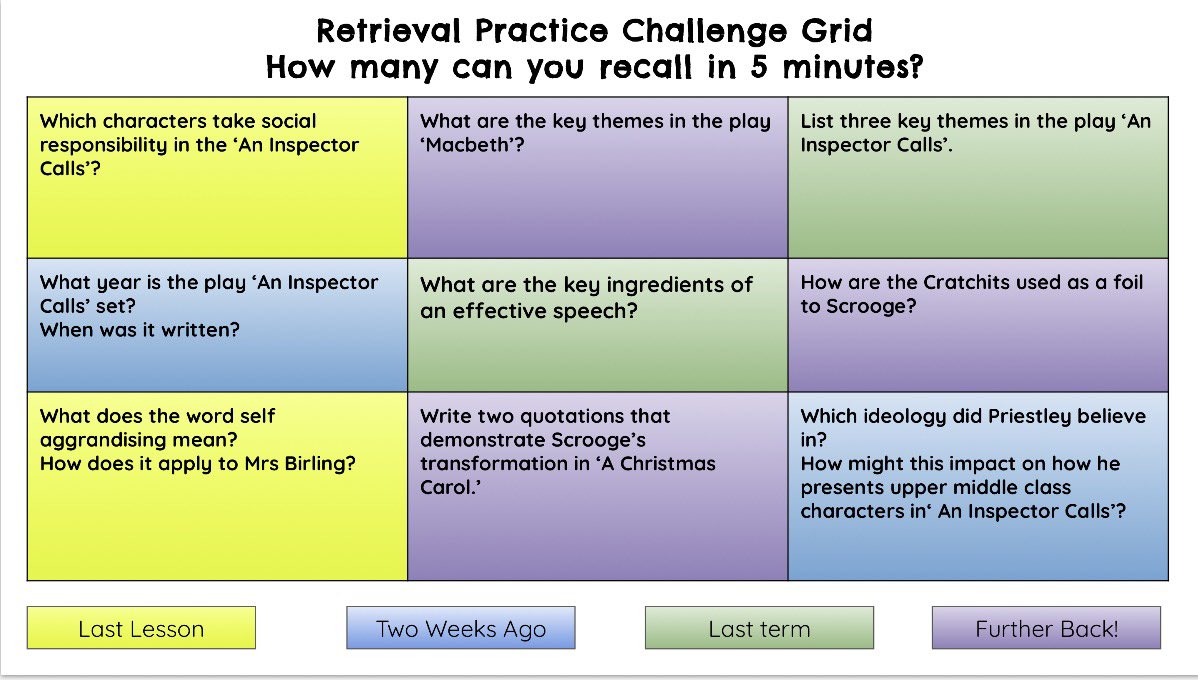
Love a retrieval practice challenge grid / quotation recall for An Inspectors Calls.
Comment if you’d like a copy #TeamEnglish

@LitdriveUK @Team_English1


English
Surma Khatun retweetet

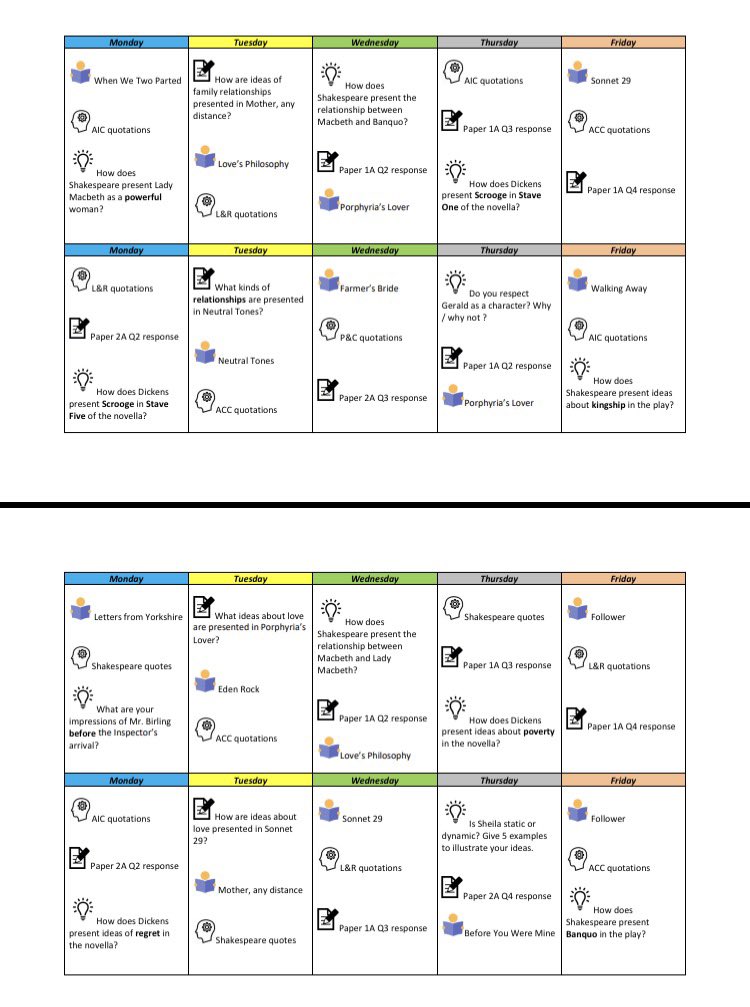
Here’s 16 weeks worth of daily revision activities for AQA Lang & Lit with the suite of ACC, MAC, AIC and L&R poetry. Choose 2 tasks, max 30 minutes revision like so 👇
Help yourself 😊
#teamenglish
dropbox.com/scl/fi/yowl67z…


English
Surma Khatun retweetet

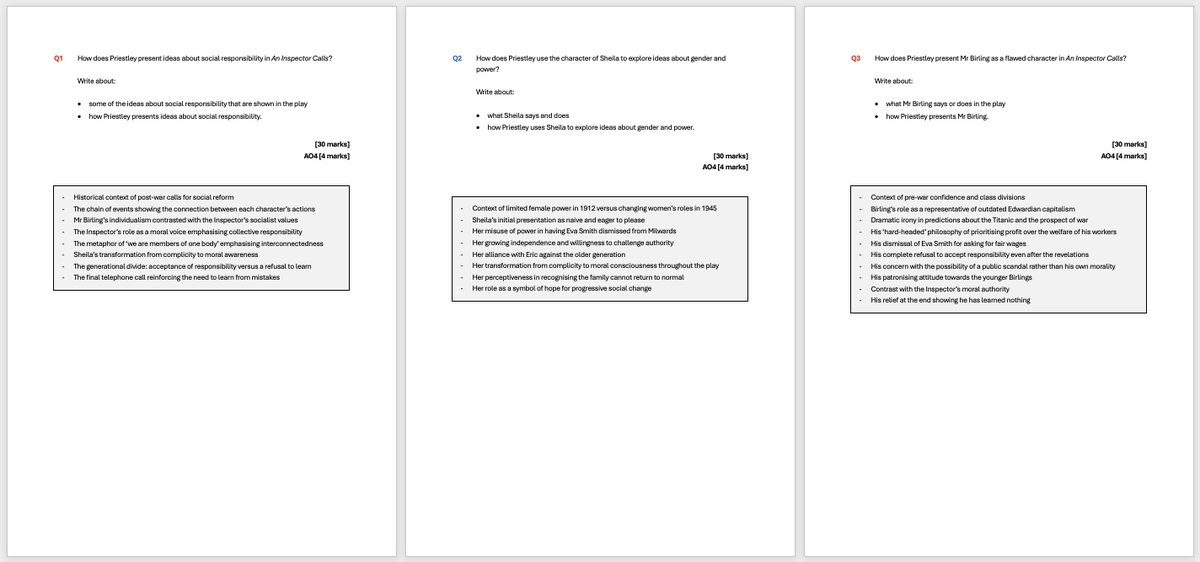
Six exam tasks for An Inspector Calls (AQA) and guidance on the sorts of points to put forward douglaswise.co.uk/blog/6-exam-ta… 🔍

English
Surma Khatun retweetet

Surma Khatun retweetet

A booklet of short non-fiction articles to use as the basis for wider reading and discussion douglaswise.co.uk/blog/non-ficti… 📙
English
Surma Khatun retweetet

Recommended reading books for KS1, KS2, KS3 and KS4 with regularly updated year group book lists for school libraries - schoolreadinglist.co.uk #librarian #sltchat
English
Surma Khatun retweetet

Surma Khatun retweetet

Conor Neill on the 3 best ways to start a speech (most people get this wrong):
"I guarantee if you go to conferences, 19 out of 20 speakers will start in one of these ways: 'My name is Conor Neill. I'm from Tango, and this talk is about the latest trend in monitoring strategies.' But all of you are sitting with a piece of paper that already says who I am and what I'm going to talk about. By repeating what you already know, I'm giving a signal that it's time to get your BlackBerry out."
Conor explains the three best ways to start instead:
Third best: A question that matters to the audience.
"How do you phrase a problem that the audience faces in a question?"
Second best: A factoid that shocks.
"There are more people alive today than have ever died. Every two minutes, the energy reaching the earth from the sun is equivalent to the whole annual energy usage of humanity. Does that change how you think about energy?"
The best way: Start like you'd start a story to a child.
"How do we start a story to a child? 'Once upon a time.' And what happens when you say once upon a time? My daughter leans forward, gets ready to hear, engages. We were all trained as kids to know when a story's coming. We also know when a teacher is about to deliver a 40-minute boring lecture."
He explains the grown-up version:
"In business, you don't hear Jack Welch saying 'once upon a time.' Steve Jobs doesn't start his speeches with 'once upon a time.' So there's a grown-up way of saying it: 'In October, the last time I was in this room, there were 120 people here. I was having a conversation with one of the world's experts on public speaking and he said something to me that changed what I think about what's important in speaking.' Now I can pause for 30 seconds, and you want to know what he said."
Conor concludes:
"Stories are about people. They're not about objects. They're not about things. If you want to tell a good story about your company, don't talk about the software talk about the people who built the software. What they do. How they are. What's important to them. What they sacrifice."
English
Surma Khatun retweetet

dropbox.com/scl/fo/8h8aa1u….
Easter themed pseudo Paper 2 lang
Can’t recall if posted last year or not - one of several like this in the pinned tweet .
#TeamEnglish
English
Surma Khatun retweetet

@SarahGi78263526 All of which will be more interesting then the actual paper : I thought tho might come up one day : dropbox.com/scl/fo/ynmlueg… but tbh is probably too narrow a focus : prob back to childhoods ; or adventure sports given prior topics
English
Surma Khatun retweetet

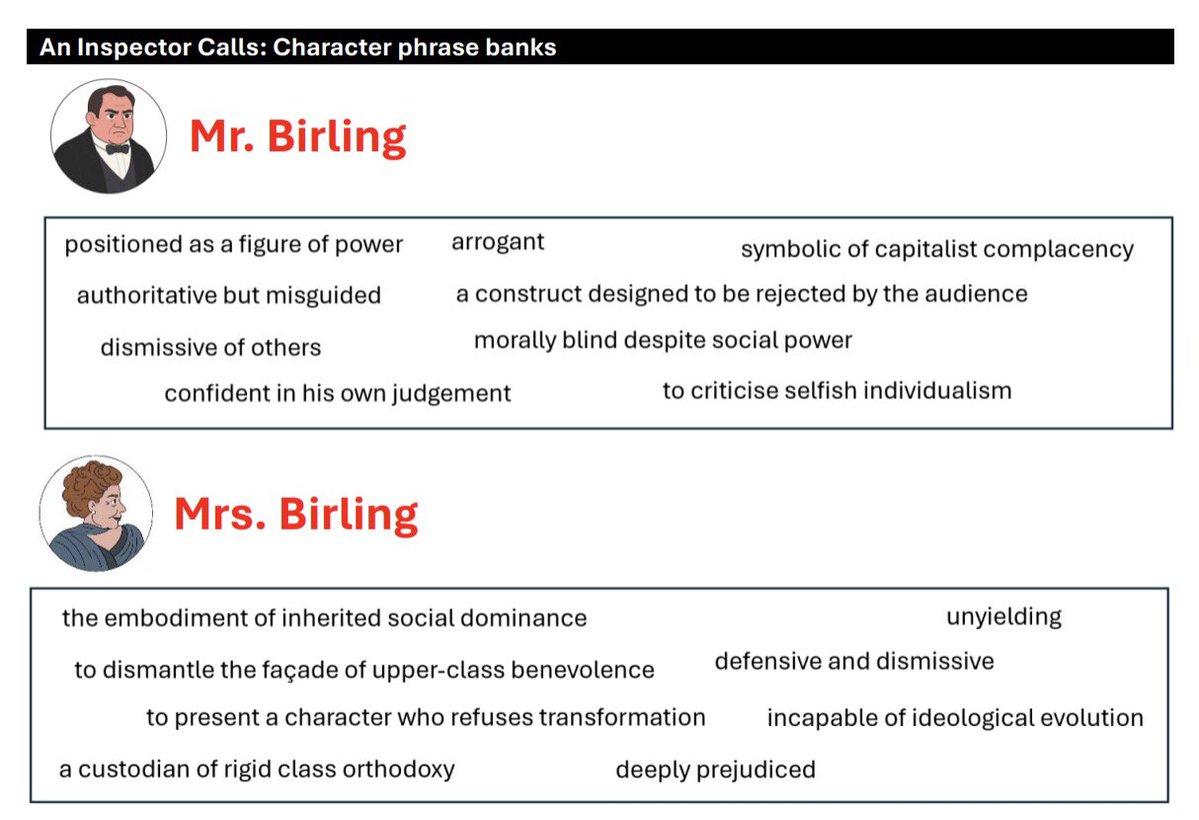
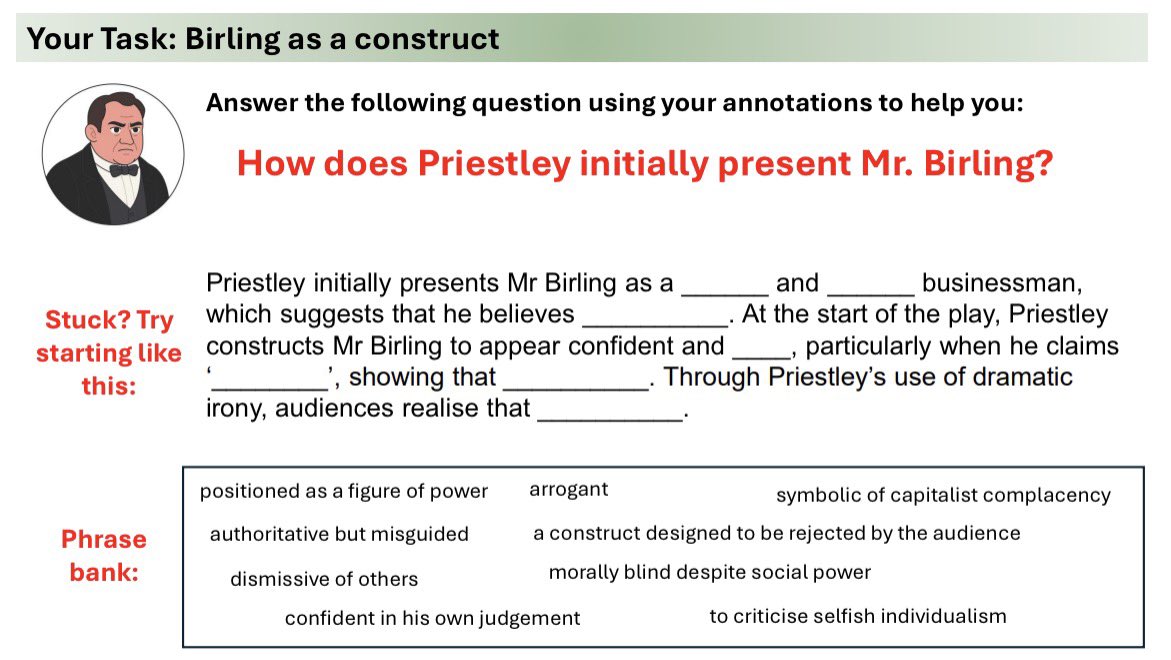
NEW RESOURCE: I’ve been experimenting with @Xris32 style ‘phrase banks’ over the past term to much success! Here are the AIC ones I’ve used in my class. Great discussions had over what each phrase means and how we can use them appropriately and effectively in our writing. Use/chuck: dropbox.com/scl/fo/ptem7ct…


English