
AdGuard

5.5K posts

AdGuard banner
AdGuard

AdGuard

@AdGuard

Blocks ads and protects your personal data on any OS/device. tg: https://t.co/Qa5xEEjtSU

Beigetreten Ağustos 2013
72 Folgt21.4K Follower
AdGuard
AdGuard@AdGuard·
💘 Not OK, Cupid: a popular dating app have been using you as an AI lab rat for years When you signed up for a dating app, you probably expected a few bad dates — but not your private photos being sold off to train facial recognition bots. It turns out OkCupid's founders had a “side hustle.” They invested in an AI company called Clarifai and treated their own users like a free data buffet, handing over 3 million user photos and sensitive location data without anyone’s knowledge or consent. This wasn't about “improving the matching algorithm.” It was about teaching algorithms how to categorize you by your age, sex, and race using the very selfies you picked to find a partner. The most frustrating part? The punishment for this massive breach of trust was basically a slap on the wrist. In a recent settlement with the FTC, OkCupid and its parent company, Match Group (who also owns Tinder and Hinge), were hit with exactly zero dollars in fines. No penalties, no payouts to users. Just a “pinky promise” to stop lying about their data practices. In 2026, when data is more valuable than oil, a settlement like this is essentially a green light for Big Tech to keep treating your privacy as an optional suggestion. This isn't just a one-off glitch, it’s a pattern. From dating apps to car companies selling your driving habits to insurance brokers, your data is increasingly being treated as company property rather than your personal information. Once your biometric data is used to train an AI, you can’t exactly “delete” it — that AI model will carry your data forever. We're diving deep into the OkCupid betrayal and what it means for the future of your “private” life in an era of hungry AI models. The full investigation is waiting for you on our blog: adguard.com/en/blog/okcupi…

AdGuard tweet media
English
1
0
3
460
AdGuard
AdGuard@AdGuard·
🥷 Remember that feeling when a long workday ends just perfectly — no extra noise, just you on the couch with your favorite show? That’s exactly what the new AdGuard VPN for Android v2.16 is like: chill, stable, and full of nice little touches. We didn’t try to reinvent the wheel, we just made the app a little bit better. Here’s what’s new in this version: 🌟Fixed a nasty bug with the Connect button It used to randomly disappear if you went back to the home screen using the system ‘Back’ button. Now the button stays put — no more disappearing acts 🌟Added a notification for when packet capture (PCAP) is turned on PCAP is great for diagnosing and analyzing traffic, but it can take a small hit on performance. Now the app will let you know upfront. 🌟Closed a security loophole You used to be able to add domains to the exclusion list right from your browser. Convenient? Yeah. Potentially risky? Also yeah. And this time, security won over convenience. All the details of this quiet little update are already waiting for you on our blog: adguard-vpn.com/en/blog/adguar…
AdGuard tweet media
English
0
0
4
566
AdGuard
AdGuard@AdGuard·
🥷 AdGuard VPN for iOS v2.10: 7‑day trial With the new version of AdGuard VPN for iOS, we figured the best way to show you what real protection feels like is to let you try it for yourself — no strings attached. That’s why the app now comes with a full 7‑day trial. For a whole week, you get access to all the premium features: unlimited traffic, every location, and protection for up to 10 devices at once. That’s plenty of time to test the VPN in any scenario: from gaming and streaming to running quietly in the background on mobile data while you’re on the go. On top of that, we did some behind‑the‑scenes work to make the app more stable and predictable. Version 2.10 includes an updated VPN client and fixes a few small rough edges: exporting exceptions from Mac works correctly now, and the app shows up better in Siri suggestions. Read more about the new version on our blog: adguard-vpn.com/en/blog/adguar…
AdGuard tweet media
English
1
1
22
1.7K
AdGuard
AdGuard@AdGuard·
AdGuard@AdGuard

Welcome to the "No-Privacy Era," where proving you’re an adult might just cost you your biometric identity for the next three years. If you’ve ever had to scan your face or upload an ID to access a website, there’s a huge chance you’ve used Yoti. They aren’t just some niche startup — they’re the invisible gatekeepers of the “age-gated” internet, running over a million checks every single day. But a recent $1 million fine just pulled back the curtain on what’s actually happening to your data once you hit “verify.” It turns out that “one-time” facial scans weren't so temporary. Regulators found Yoti was hoarding biometric templates (essentially digital fingerprints of your face) for up to three years after users stopped using the service. They were also hanging onto city and state location data for five years, long after the initial check was done. And despite the “high-tech” promises, your unencrypted government IDs could be manually reviewed by staff for weeks after you upload them. The scary part is that Yoti is the blueprint for how governments want to “protect” us online. We’re being pushed into a world where our most unchangeable data, our faces and our IDs, are being stored in massive centralized databases. You can reset a leaked password, but you can’t exactly reset your face. We’re breaking down the full Yoti ruling and why this is a massive warning sign for the future of digital freedom. If you want to see the real cost of those “mandatory” age checks, the full deep dive is waiting for you on our blog: adguard-vpn.com/en/blog/yoti-a…

ZXX
0
3
10
1.3K
AdGuard
AdGuard@AdGuard·
Governments around the world are rushing to pass “age verification” laws to protect kids online. Sounds noble, right? On paper, sure. But here's the catch: over 400 of the world's top cybersecurity and privacy experts just signed an open letter waving a massive red flag. Their message? These laws might actually be a gift to scammers and a nightmare for your privacy. Here's what's actually happening under the hood. To “verify” your age, these systems want your government ID, a facial scan, or your credit card info. That doesn't just sit somewhere safely — it creates a massive digital honeypot. And we've already seen what happens when these vaults get cracked. Remember the 2025 Discord breach? Seventy thousand IDs leaked. When you force millions of people to upload their most sensitive information to the cloud, it's not a matter of if that data gets stolen — it's when. Here's the part that really stings. The experts (the very same people who helped design the technologies behind age verification) say these systems are shockingly easy to bypass and are not ready for mass implementation. Between VPNs, AI-generated deepfakes, and “verified” accounts sold on the black market, determined kids will get through anyway. Meanwhile, regular adults get stuck in a loop of constant surveillance, and people without the “right” tech or official ID risk getting locked out of the Internet entirely. We’re all for keeping the web safe for children. But trading everyone’s fundamental privacy for “security theater” isn't the answer. Privacy shouldn't be the price of admission to the Internet. Want to see why the experts are so worried and how to keep your data off these lists? Check out our full breakdown of the report on the blog: adguard-vpn.com/en/blog/age-ve…
AdGuard tweet media
English
61
666
1.8K
70.1K
AdGuard
AdGuard@AdGuard·
Welcome to the "No-Privacy Era," where proving you’re an adult might just cost you your biometric identity for the next three years. If you’ve ever had to scan your face or upload an ID to access a website, there’s a huge chance you’ve used Yoti. They aren’t just some niche startup — they’re the invisible gatekeepers of the “age-gated” internet, running over a million checks every single day. But a recent $1 million fine just pulled back the curtain on what’s actually happening to your data once you hit “verify.” It turns out that “one-time” facial scans weren't so temporary. Regulators found Yoti was hoarding biometric templates (essentially digital fingerprints of your face) for up to three years after users stopped using the service. They were also hanging onto city and state location data for five years, long after the initial check was done. And despite the “high-tech” promises, your unencrypted government IDs could be manually reviewed by staff for weeks after you upload them. The scary part is that Yoti is the blueprint for how governments want to “protect” us online. We’re being pushed into a world where our most unchangeable data, our faces and our IDs, are being stored in massive centralized databases. You can reset a leaked password, but you can’t exactly reset your face. We’re breaking down the full Yoti ruling and why this is a massive warning sign for the future of digital freedom. If you want to see the real cost of those “mandatory” age checks, the full deep dive is waiting for you on our blog: adguard-vpn.com/en/blog/yoti-a…
AdGuard tweet media
English
8
105
339
13.3K
AdGuard
AdGuard@AdGuard·
🚨 AdGuard support delays We are currently experiencing a technical issue with our support ticketing system due to a critical surge in volume. Some messages may take up to 24 hours to reach our team. In rare cases, messages sent during peak hours may fail to deliver. How you can help: 🌟 Please do not duplicate your requests. Sending multiple emails creates further backlog and slows down response times for everyone 🌟 Check our resources. You may find an immediate solution in our Knowledge Base (adguard.com/kb/?utm_source…) or by checking our social media channels for real-time updates 🌟 Wait for a response. If you haven’t heard back from us within two days, please feel free to follow up We sincerely apologize for the inconvenience. Our team is working around the clock to restore normal operations and get back to every one of you. Thank you for your patience and support! 💚
English
0
1
22
1.5K
AdGuard
AdGuard@AdGuard·
@zach6969692 this server is active and available please contact us at support@adguard-vpn.com if you are experiencing any issues with it
English
0
0
0
86
zach696969
zach696969@zach6969692·
@AdGuard MIAMI connection not working for the past 3 weeks. Please fix
English
1
0
0
62
AdGuard retweetet
AdGuard
AdGuard@AdGuard·
🔍 Imagine you ordered a pizza, but by the time it reaches your table, the delivery guy and a few random strangers have already taken a bite. That is exactly how your internet works today. Ad networks are those “gatecrashers” eating up your data before the page even loads. There is basically an “invisible tax” on your bandwidth. Every time you load a page, there’s a shadow army of trackers and ad networks hitching a ride on your connection. We just dropped our 2026 Global Report on ad-based surveillance, and the results are, frankly, a bit wild. Here’s the kicker: trackers never travel alone. We found that for every single tracking request your browser makes, it triggers an average of four more hidden requests in the background. Think of it like a gatecrasher who doesn't just show up uninvited — they hold the door open for four more friends to follow them in. It’s a massive chain reaction. When you factor in those initial trackers and the invisible avalanche of follow-up requests they trigger, the total weight of ad-based surveillance can hijack nearly 40% of your entire web traffic. For the first time ever, the share of global internet traffic from initial tracking requests has officially hit double digits, reaching over 10%. In the US alone, we saw a massive jump from 6% to over 10% in just one year. It’s not that there are more flashing banners — those are actually fading away. Instead, the surveillance is just getting buried deeper into the code of the apps and websites you use every day, making the “invisible tax” heavier than ever. We’ve mapped out exactly how this looks across the globe, from the tech hubs in the West to the rapidly growing markets in Africa and South America. If you want to see where your country stands (or just want to see the interactive maps showing how deep the rabbit hole goes) the full deep dive is waiting for you on our blog: adguard.com/en/blog/adguar…
AdGuard tweet media
English
3
4
30
6.2K
AdGuard
AdGuard@AdGuard·
In the latest beta of AdGuard v2.19 for Mac, we focused not just on internal improvements, but also on making the app clearer and easier to use. We paid special attention to the first launch: now the onboarding process features new screens that help you better understand the protection options. Thanks to the updated CoreLibs engine, the app can now detect potentially dangerous custom scripts. If someone tries to install one, AdGuard will warn you before anything goes wrong. We also updated key internal components: Scriptlets, DnsLibs, UserscriptsWrapper. This brings support for new modifiers like $reason and $urltransform, and HTTP/3 filtering is now enabled by default in test builds. But that’s not all. Check out our website for the full list of technical fixes: #version-21902234?utm_source=twitter" target="_blank" rel="nofollow noopener">adguard.com/en/versions/ma…
AdGuard tweet media
English
1
0
21
1.5K
AdGuard
AdGuard@AdGuard·
(3/3)
AdGuard tweet mediaAdGuard tweet media
0
0
3
681
AdGuard
AdGuard@AdGuard·
(2/3)
AdGuard tweet mediaAdGuard tweet mediaAdGuard tweet mediaAdGuard tweet media
1
0
4
803
AdGuard
AdGuard@AdGuard·
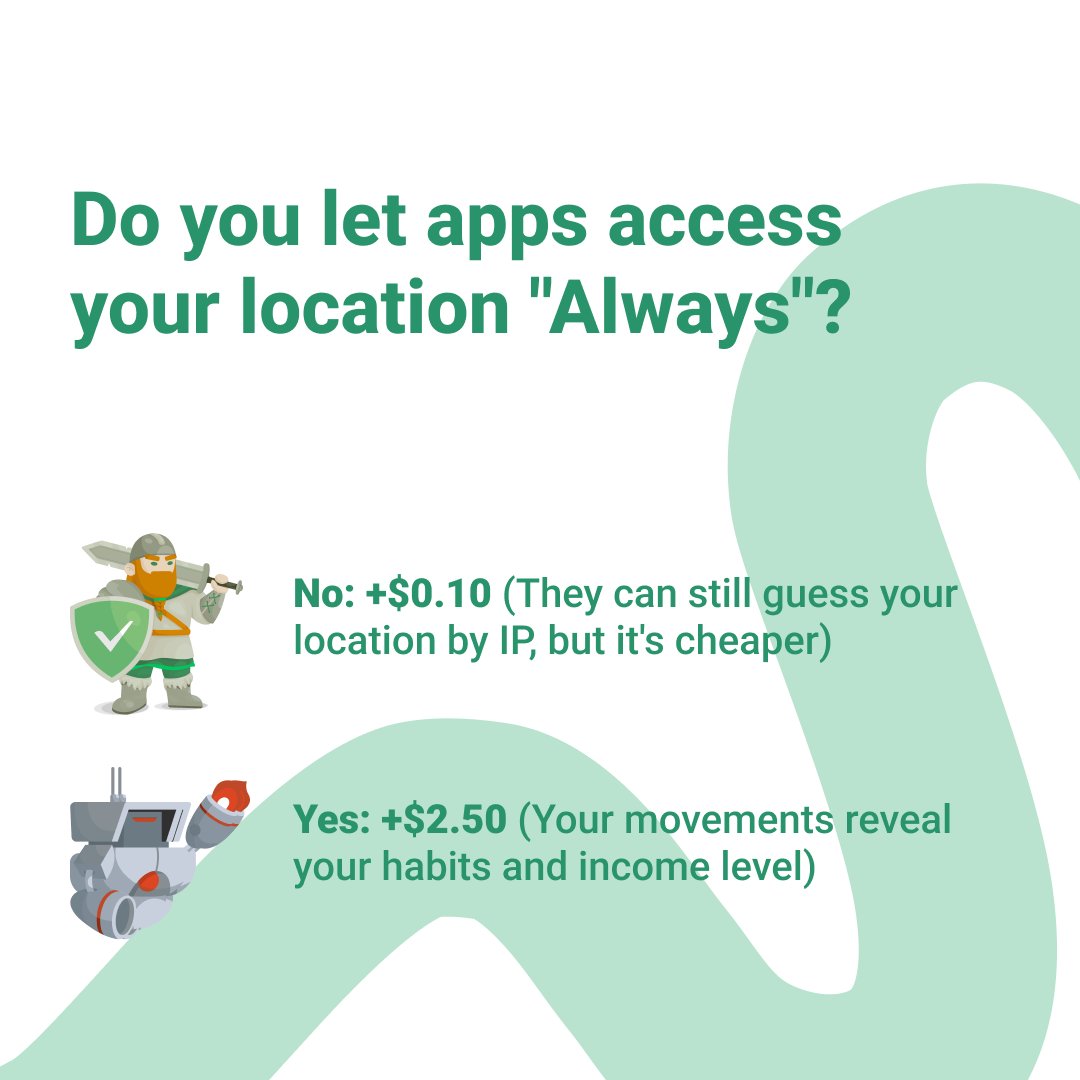
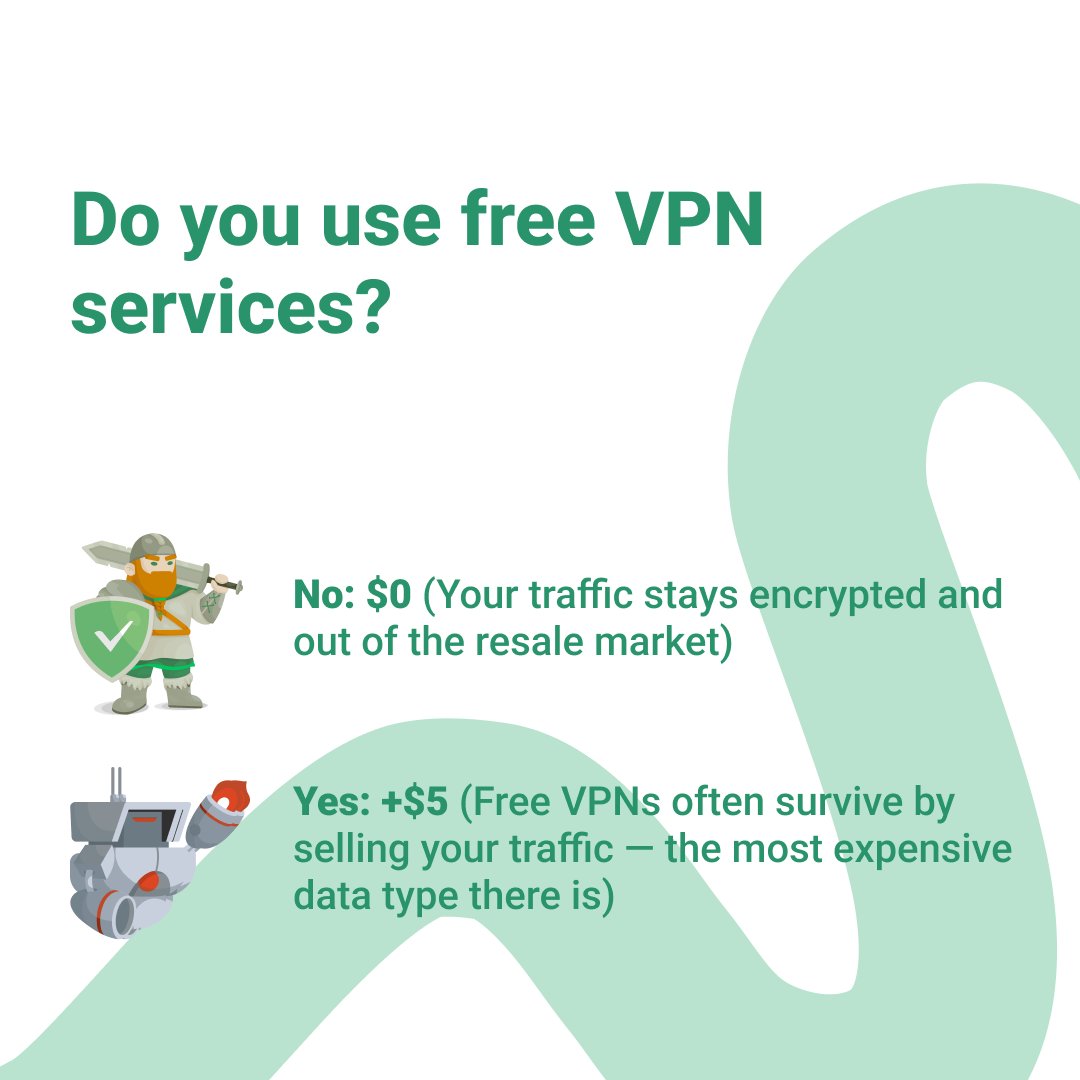
Ever wonder if, to ad companies, you're not really a person — just a line in a database with a price tag? While you're scrolling your feed, thousands of auctions are happening behind your back every millisecond. It's called RTB (Real-Time Bidding), and your attention is being constantly bought and sold, even right now. But how much are you actually worth? Let’s break down how your “price list” is made in 2026. How do they calculate it? 🕵️‍♂️ Advertisers don’t care about your name. They want your shadow profile. Data brokers pull info from thousands of sources: purchase history, search terms, even your battery level and how fast you scroll. 🌟Basic info (gender, age, location) is absolute pocket change — we’re talking fractions of a cent per profile when sold in bulk. You’re just one of a billion rows in a spreadsheet 🌟The jackpot: If you're shopping for a car, looking for an apartment, or (the big one) dealing with a health issue, your price tag skyrockets. Advertisers will pay anywhere from 10 to 50 cents just for the right to show you a single targeted ad. And a high-quality “lead” (your actual contact info) for a home loan can be resold for hundreds of dollars. Health info is the premium tier. Because it’s so sensitive, it’s the most expensive data on the market. In specialized circles, a single detailed medical record can go for $50 to $100+ 🌟AI profiling: In 2026, algorithms don't just know what you have bought — they predict what you'll want next week. That makes your profile “alive” and constantly growing in value According to recent reports, the data broker market has already crossed $500 billion. All of it built on information we give away for free. Want to know how much you're worth? We put together a quick test so you can see exactly how much ad companies “sell” you for every day 👇 (1/3)
AdGuard tweet media
English
1
0
5
1.1K
AdGuard
AdGuard@AdGuard·
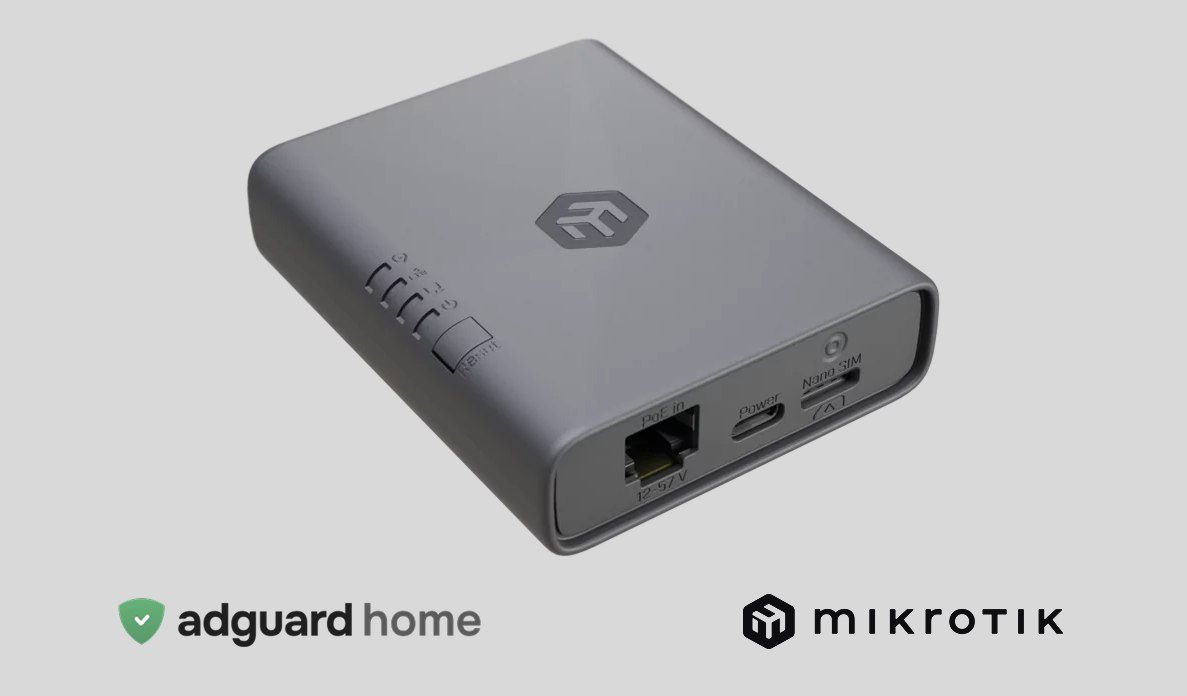
AdGuard Home just hit a major milestone: we’re officially featured in the MikroTik “Made for MikroTik” (MFM) software catalog. If you’re a networking enthusiast or a pro who swears by MikroTik gear, this is the integration you’ve been waiting for. It’s all about making high-level privacy tools more visible and even easier to deploy within the ecosystem. MikroTik users are known for wanting total control over their hardware, and AdGuard Home is the perfect partner for that. It’s a free, open-source DNS server that kills ads, trackers, and malware across your entire network at the source. No apps or extensions are required — just pure, router-level protection that covers every phone, TV, and smart device connected to your Wi-Fi. Thanks to the container support in RouterOS v7, getting AdGuard Home up and running on your hardware is now smoother than ever. You get full visibility into your DNS logs and the power to block phishing or specific services before they even touch your devices. It’s the ultimate way to turn your router into a privacy powerhouse without the usual setup headaches. As our CTO Andrey Meshkov puts it, this is another step toward making powerful, user-controlled networking accessible to everyone. We’re excited to see more MikroTik fans take back control of their traffic and customize their internet experience. Check out the catalog, give it a spin, and let us know how your new setup is running! adguard-dns.io/en/blog/adguar…
AdGuard tweet media
English
8
39
332
30.5K
AdGuard
AdGuard@AdGuard·
Remember when we all fled traditional TV to escape those endless, unskippable commercial breaks? Well, YouTube is officially bringing the “living room experience” back, and not in the way anyone actually wanted. YouTube has quietly rolled out 30-second unskippable ads on Smart TVs worldwide. Their logic? If you're lounging on the couch with a remote in hand, you're basically a “captive audience” — too comfortable to fight back. It's a straight-up throwback to the broadcast TV era, where your only options were watching the ad or staring at the wall. But the living room is just the beginning. YouTube is on a mission to plug every loophole that costs them ad revenue. For example, they've started killing background playback in mobile browsers for non-Premium users. And on desktop, if their systems detect an ad blocker, they're now hiding video descriptions and comments — basically holding your viewing experience hostage until you comply. The message is clear: subscribe or suffer. The goal is obvious: nudge everyone toward a Premium subscription. But even that's not the safe harbor it used to be. Prices keep climbing, and those cheaper “Lite” plans still shove ads in your face during searches and Shorts. An actually ad-free experience is starting to look like a premium luxury — pun intended. So here we are. While Connected TVs are the hardest nut to crack because of how they serve ads, the fight for a clean YouTube experience on desktop and mobile is far from over. We’re still locked in the classic cat-and-mouse game with Google to keep the platform watchable. The question is: are you ready to drop around $14 a month, or are you holding the line with your blockers until the bitter end? adguard.com/en/blog/youtub…
AdGuard tweet media
English
3
11
88
4.4K
AdGuard
AdGuard@AdGuard·
🚀 AdGuard DNS mobile app v1.3 is here Mass deployment just got easier for iOS and Android! AdGuard DNS continues to evolve beyond individual use cases. With new Mobile App Configuration (MAC) parameters, system administrators can deploy AdGuard DNS through MDM (Mobile Device Management) faster and with fewer manual steps. ✅ Single-touch deployment — the new MAC parameter reduces user-side setup to just one action. After DNS settings are delivered to the device, the user simply opens the AdGuard DNS app once — the remaining configuration is applied automatically ✅ Flexible onboarding — MDM administrators can streamline the activation process and reduce the number of required setup steps on user devices. One skips the EULA consent screen, while another controls whether crash reporting and app usage statistics are enabled ✅ Improved network stability — fewer DNS interruptions when switching between mobile data and Wi-Fi Perfect for organizations managing hundreds or thousands of devices. Large-scale device setup has just become much simpler and more flexible than ever! 🔗 More on this update: adguard-dns.io/en/blog/adguar…
AdGuard tweet media
English
0
1
39
2.6K
AdGuard
AdGuard@AdGuard·
⚠️ AdGuard Ad Blocker is ending support for Windows 8 / 8.1 Technology moves on — and so do we. Future versions of AdGuard for Windows will no longer support Windows 8 and 8.1. Why the change? These operating systems have already reached the end of support from Microsoft, meaning they no longer receive security updates or technical assistance. Continuing development for outdated platforms would limit our ability to improve performance, stability, and security in newer versions of AdGuard. What this means for users 🌟 New versions of AdGuard for Windows will require Windows 10 or newer 🌟If you stay on Windows 8 / 8.1, you can still use an older compatible version of the app (v7.22) 🌟However, it won’t receive future updates or improvements 💡 If you’re still on Windows 8 / 8.1, now is a good time to upgrade your OS to continue getting the latest AdGuard features, fixes, and protection. 👉 Read the full announcement: adguard.com/en/blog/adguar…
AdGuard tweet media
English
3
7
55
5.1K
AdGuard
AdGuard@AdGuard·
🎥 The Oscar for “Best privacy protection” goes to… you 🎥 The Oscars are not just about the red carpet — they’re also about the hunt for the best streaming service to watch them live. Most platforms require registration to access the broadcast. But why hand over your personal data to another corporation just for one night? If you don’t want to disclose your primary email address for a one-time stream, use a temporary inbox in AdGuard Mail 📬: adguard-mail.com/welcome.html?a… It’s free, lasts as long as you need it, and you can delete it the moment the credits roll. If you plan on staying longer, use aliases. Give them out instead of your real address — AdGuard Mail will forward everything sent to alias to your personal inbox without revealing your identity. You can use Temp mail and aliases for free — just sign in with your AdGuard account to get started. If you want more temporary inboxes, aliases, and extra features, check out the full version. It unlocks even more possibilities, and since the product is still young, you can grab it at half the price! 👉 Get AdGuard Mail: adguard-mail.com/license.html?a…
AdGuard tweet media
English
0
2
23
1.9K