caz

27.8K posts

caz banner
caz

caz

@cazzam8

Bookworm, rock music fan & Rugby Union fan

United Kingdom Beigetreten Şubat 2013
161 Folgt128 Follower
caz retweetet
Omid Djalili
Omid Djalili@omid9·
A reminder of just a few of the tens of thousands of girls who also lost their lives during the protests over the last four years. Remembered here on international women’s day 2026. #IranIsraelUSAWar
English
56
976
2.7K
23.9K
caz retweetet
Proudofus.uk
Proudofus.uk@ProudofusUK·
Wilberforce got the statue. This man got the mud. Thirty-five thousand miles of it. His name was Thomas Clarkson. Born in England. 🏴󠁧󠁢󠁥󠁮󠁧󠁿 Cambridgeshire. 1760. He was twenty-four years old when Cambridge set him an essay question. "Is it lawful to make slaves of others against their will?" He knew nothing about slavery. So he started reading. Two months later he couldn't stop. He won the prize and rode home to London with something nobody had given him. A conscience he couldn't put down. Halfway there, on a quiet country road, he stopped his horse. Sat in the silence of the English countryside. The trade was real. He had just proved it. And somebody had to stop it. So he gave up the church and got to work. Bristol. Liverpool. Every slave port in Britain. Into the taverns, the back rooms, the ships. Asking sailors what they had seen below decks. Men who had been there. Who knew what happened on the Middle Passage. Some refused. Some were threatened. Some were bought. Clarkson kept riding. Thirty-five thousand miles. Ten years. Every testimony written down in longhand on the road. All of it handed to a young MP named William Wilberforce. Wilberforce went to Parliament and gave the speeches. Clarkson saddled up and went back out. In 1792 they put a petition together. Not from London. Not from the powerful. From ordinary men and women. Market towns, village squares, chapel steps across England. Four hundred thousand signatures. The largest petition in British parliamentary history. Parliament voted it down. So they went again. And again. Eighteen years of going again. 25 March 1807. The Slave Trade Act passed. Britain outlawed the trade and turned the Royal Navy loose to hunt the ships. History gave Wilberforce the statue. Coleridge called Clarkson the moral steam engine of the abolition movement. Clarkson lived to see slavery abolished completely in 1833. An old man of seventy-three, who had started this at twenty-four. He died in 1846. The last surviving founder of the original committee. He never held office. Never gave the famous speeches. He just got back on the horse. For sixty years. Did they teach you his name? Together we keep our history alive. proudofus.co.uk/support Be part of us. Be Proud Of Us. 🏴󠁧󠁢󠁥󠁮󠁧󠁿🇬🇧
English
47
1.4K
4.1K
45.5K
caz retweetet
Sama Hoole
Sama Hoole@SamaHoole·
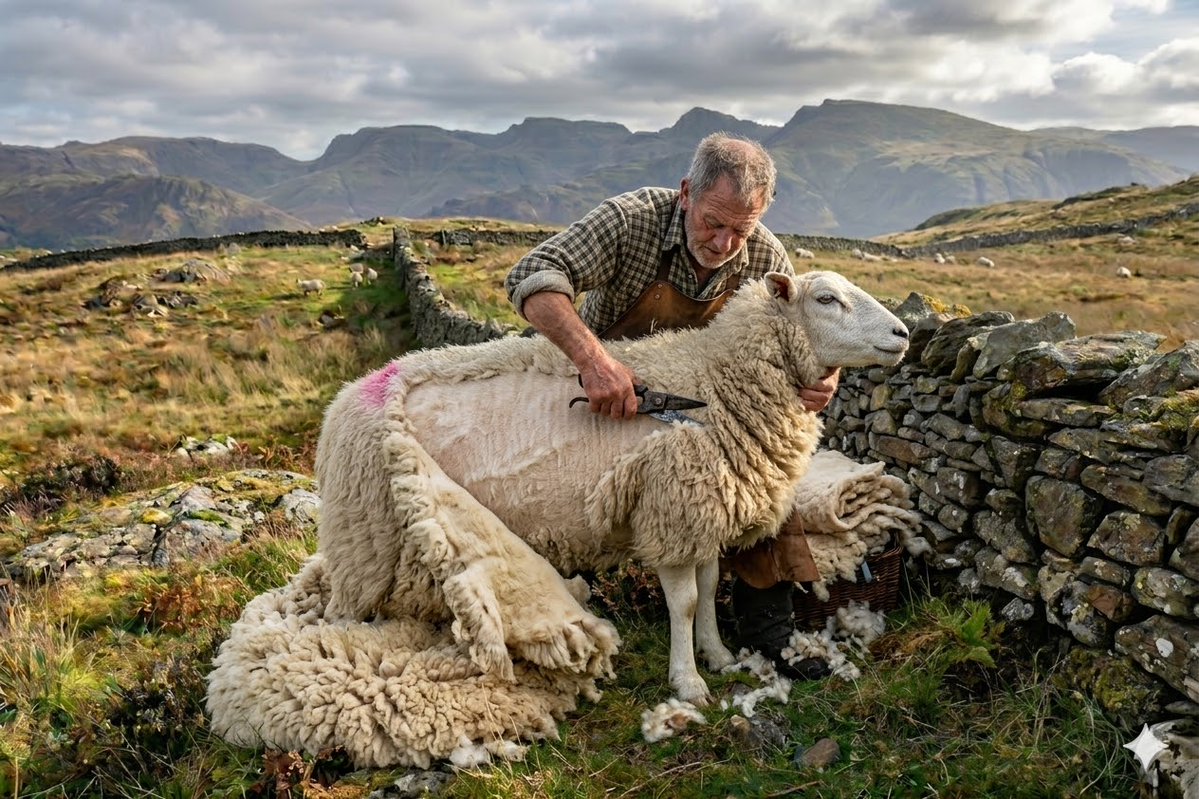
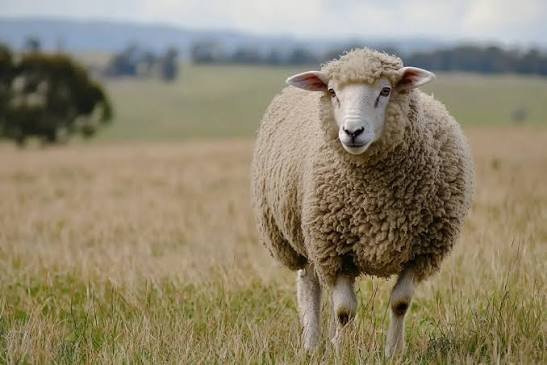
In 1300, England's primary export was wool. Not wheat. Not timber. Not fish. Wool. The Cotswolds, the Yorkshire Dales, the Welsh uplands: these were not scenic backdrops. They were the engine. The sheep were the industry. The fleece funded the cathedrals. Literally: the wool merchants of the Cotswolds paid for most of them. The wool trade funded the Hundred Years War. The Lord Chancellor of England sat on a woolsack in the House of Lords from the fourteenth century. The woolsack is still there. The Hanseatic League built their northern European trade networks largely around English wool. Flemish weavers built the city of Bruges on it. The Italian banking system, the Medici included, was capitalised in part on wool trade credit. This was Doris. Not exactly Doris. Doris's ancestors, the medieval fell sheep that grazed the same uplands Doris grazes now, producing the same wool from the same grass in the same rain. The wool that built the economy that built the architecture that people now drive three hours from Manchester to look at. The sheep built it. We have made the wool economically worthless. It now costs more to shear Doris than the wool is worth at market. The farmer shears her anyway because not shearing a sheep in summer is a welfare issue. The Yorkshire mill that has been processing British wool since 1887 is not running at capacity. The outdoor clothing industry is 70% polyester. The polyester sheds microplastics every wash. The microplastics are in the Irish Sea. The Irish Sea is not the woolsack. The woolsack is still in the House of Lords. Doris is on the fell. Doris has more where that came from.
Sama Hoole tweet media
English
22
229
952
8.3K
caz retweetet
Sama Hoole
Sama Hoole@SamaHoole·
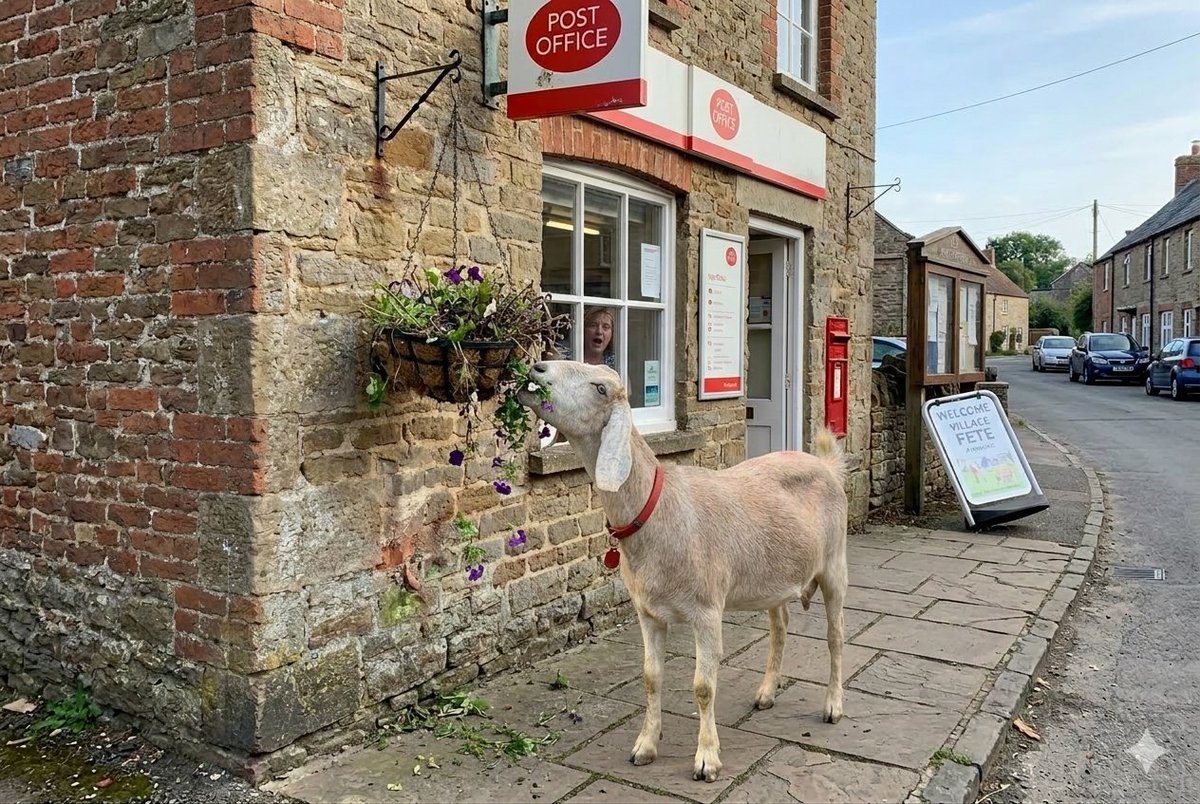
New information has emerged about the post office incident. Keith's permanent record, Entry 7, states only that Keith "was found in the village, had at some point eaten something that resulted in an incident outside the post office." Dave has now provided the full account. Keith escaped on a Wednesday. Keith was in the road for eleven minutes before Dave noticed. Dave drove to the village. Keith was outside the post office. Keith had eaten the contents of a hanging basket mounted to the wall at approximately Keith's head height, which had contained petunias, trailing lobelia, and what Dave describes as "some kind of succulent that the post office gets every year and that Maureen from the post office is particularly attached to." Maureen was not attached to it by this point. Maureen had opinions about this. There was also a display board outside the post office advertising the village fete, which had been in a plastic stand at ground level. Keith had not eaten the display board. Keith had, however, moved it. The display board was now approximately four metres from where it had started and leaning against the parish notice board. Dave could not explain how this had happened. Keith could not be asked. Maureen had two further opinions. Dave apologised. Dave paid for the hanging basket. Dave has not established what Keith was doing with the display board. Dave's log, Entry 7 addendum, added three weeks later: "I think he moved the board to read it. I don't know why I think this. It just feels consistent." Keith is back in the village occasionally on Wednesdays. The hanging basket now has a bracket extension that raises it six inches higher than before. Keith has been measuring this from the road. Maureen has been informed. Maureen has added a second bracket.
Sama Hoole tweet media
English
109
376
2.9K
32.1K
caz retweetet
BeMoreBob
BeMoreBob@bemorebob2·
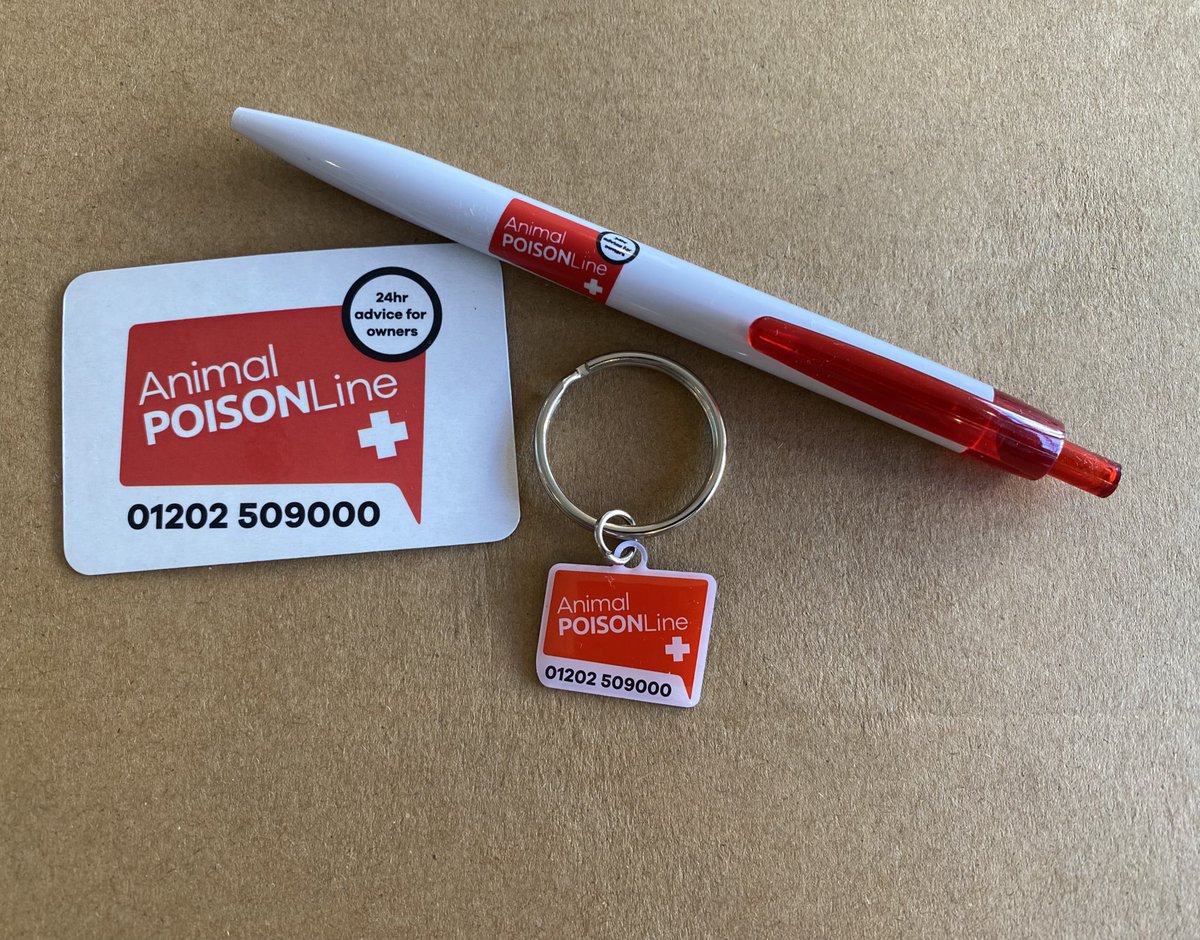
Hi pals, we’ve kindly been given lots of merch from the Animal Poison Line. A great number to keep handy, just for those unexpected moments. I’ll pop a free pen, keyring and magnet in with every online order whilst stocks last. ❤️❤️❤️ bemorebob.co.uk
BeMoreBob tweet media
English
9
86
435
3.6K
caz retweetet
Sama Hoole
Sama Hoole@SamaHoole·
The Merino sheep changed world history. Originating in Spain, developed through centuries of selective breeding into an animal producing wool so fine, fibres measuring 15-24 microns in diameter, compared to 30+ for most wool, that it feels like cashmere against skin, wicks moisture more efficiently than synthetic alternatives, and regulates temperature in both cold and heat. Spain recognised what it had. For three centuries, exporting live Merinos was a capital offence. The wool trade was state-controlled. The Mesta, the sheep farmers' guild, had legal powers exceeding those of most institutions. The Merino was a strategic national asset. When the ban eventually broke down in the 18th century and Merinos spread to Australia, the Australian wool industry that developed became the economic foundation of the country. The phrase "Australia rode on the sheep's back" described two centuries of export income that built the infrastructure of a nation. One breed of sheep. Capital offence to export. Built a country. The Merino is currently on a hillside somewhere converting grass into fibre that surgeons use in operating theatres, that aerospace engineers use in thermal management applications, and that is quietly superior to every synthetic alternative anyone has produced. Nobody has made a documentary about the Merino. The Merino does not require a documentary. The Merino has the wool.
Sama Hoole tweet media
English
59
710
3.1K
31.9K
caz retweetet
WeRateDogs
WeRateDogs@dog_rates·
We only rate dogs. This appears to be a kangaroo stuck in your trunk. Please release him he doesn't belong there. And only send dogs. Thank you... 12/10
English
45
763
12K
125.8K
caz retweetet
WeRateDogs
WeRateDogs@dog_rates·
This is Pipsqueak. Her bed is a banana. Technically speaking it is a banana split, but either way, very a-peeling. 12/10
WeRateDogs tweet media
English
43
620
10.1K
103.7K
caz retweetet
Proudofus.uk
Proudofus.uk@ProudofusUK·
She was a princess. 👑 Great-great-granddaughter of Tipu Sultan. She grew up in Paris writing children's stories about animals and kindness. 📖 Then the war came. France fell. She escaped to England and volunteered. Not as a nurse. Not as a clerk. As a spy. 🕵️‍♀️ June 1943. She was flown into occupied France by moonlight. Codename: Madeleine. The first female wireless operator sent behind enemy lines. 📻 Within weeks, the entire network was captured. Every other agent gone. Noor Inayat Khan was the last British agent in Paris. London ordered her home. She refused. ⚔️ For three months she operated alone. A different location every time she transmitted. The Gestapo tore the city apart looking for her. She was betrayed. For money. They interrogated her for weeks. She gave them nothing. She escaped. Twice. They chained her hands and feet. Classified her 'highly dangerous.' A children's author. Highly dangerous. 13 September 1944. Dachau. 🕯️ Her last word: Liberté. George Cross. Croix de Guerre. 🎖️ She never broke. Did they teach you her name? 🇬🇧 Every video we make is funded by people who believe these stories matter. 👇 proudofus.co.uk/support Be part of us. Be Proud Of Us. 🇬🇧
English
26
691
2.6K
29.8K
caz retweetet
Sama Hoole
Sama Hoole@SamaHoole·
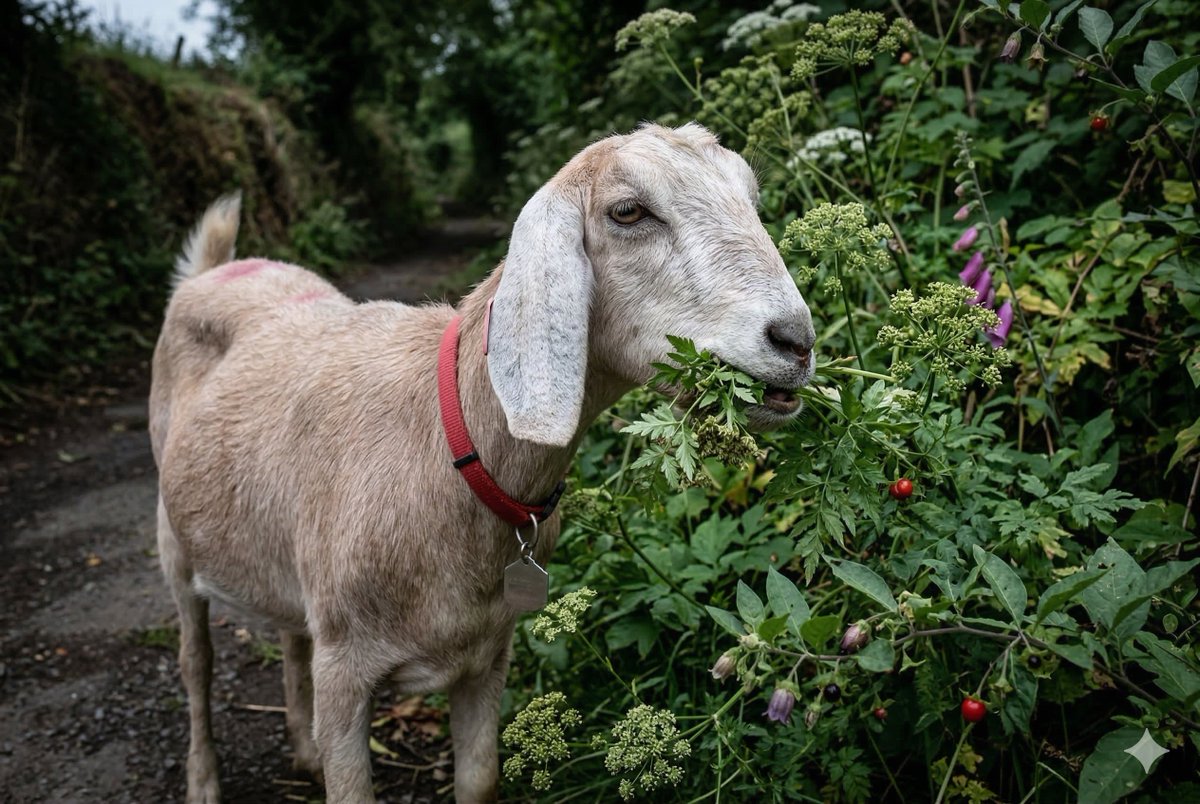
Keith eats things that will kill you. Literally. Several of the plants Keith eats routinely contain compounds that, in sufficient quantity, are toxic to humans and most other mammals. Tannins at concentrations that would cause liver damage in a dog. Oxalates that would crystallise in a human kidney. The irritant compounds in dock and nettle that produce the specific burning sensation familiar to anyone who has walked through a field in shorts. Keith eats all of it. Keith converts all of it. Keith has a rumen containing a microbial population that evolved in the Zagros Mountains of Iran over ten thousand years specifically to handle these compounds. The microbes detoxify as they ferment. The tannins are neutralised. The oxalates are broken down before they reach the bloodstream. The irritants are processed. The cheese that comes out the other end contains none of them. This is not unusual for Keith's species. It is the mechanism by which goats became the premier scrub management tool in pre-industrial land management across the entire Middle East, North Africa, and Mediterranean. The landscape of Provence, the Andalusian dehesa, the Lebanese cedar-and-scrub hillsides: all of them shaped by goat browse. The goat eats the things that defeat every other grazing animal and converts them into a stable, diverse, open landscape that nothing else could produce. In Britain, we lost this. When large-scale goat keeping declined, the browse pressure on upland and marginal scrub went with it. The bramble advanced. The blackthorn thicketed. The Japanese knotweed, introduced in the nineteenth century and now legally classified as controlled waste, established itself in the margins and ditches and riverbanks where nothing would eat it because nothing in Britain's current agricultural system can handle it. Nothing except Keith. Keith handles knotweed with the serenity of an animal that has been handling worse since before knotweed arrived in the British Isles. The rhizomes, which contain resveratrol and oxalic acid at concentrations that deter everything else, are, from Keith's rumen's perspective, fine. Keith ate 60% of Dave's knotweed stand in a single season. The Environment Agency's recommended chemical treatment for the same area: £4,000 and three years of application, with a risk of groundwater contamination. Keith's fee: some bramble, access to the east ditch, and the continued tolerance of Dave's gate budget. Keith is currently on the barn roof. The lichen up there contains compounds that are, in theory, mildly toxic to most browsers. Keith is fine. Keith has always been fine. The Zagros Mountains prepared Keith for everything Devon has.
Sama Hoole tweet media
English
92
673
3.5K
26.8K
caz retweetet
Eileen
Eileen@Eileen45614797·
Bertie with his goodies from Be More Bob. These were very kindly sent to him by these wonderful owners. We can’t thank you enough for your generosity.
Eileen tweet media
English
10
13
255
1.6K
caz retweetet
Proudofus.uk
Proudofus.uk@ProudofusUK·
They said a steamship couldn’t cross the Atlantic. 🌊 He built one anyway. They said the tunnel couldn’t be dug. He dug it anyway. They said the ship was too big to ever be built. 692 feet. Launched 1858. Biggest ship on earth for 40 years. 🚢 His name was Isambard Kingdom Brunel. He built the longest railway tunnel in the world. The widest tracks. Paddington Station. The Clifton Suspension Bridge. Designed at 24. When the two crews boring Box Tunnel from opposite ends finally met in the middle, they were one and a quarter inches out of alignment. Over two miles of rock. 🎯 He worked 20-hour days. Smoked 40 cigars. Died at 53. In 2002 the BBC asked the nation to vote for the greatest Briton of all time. He came second. 🇬🇧 Be part of us - proudofus.co.uk/support Be Proud Of Us 🙏🇬🇧
English
64
1.5K
5.5K
55.6K
caz retweetet
Proudofus.uk
Proudofus.uk@ProudofusUK·
Before William Garrow, a criminal trial in England lasted minutes. ⚖️ No lawyer for the accused. The judge asked the questions. Hearsay counted as evidence. Confessions beaten out of people were read aloud in court. If you were poor, you were guilty before you opened your mouth. In 1783, a twenty-three-year-old barrister walked into the Old Bailey. 🏛️ Son of a clergyman. No money. No connections. He chose to defend the poorest people in London. Murderers, thieves, prostitutes, servants accused by their masters. And then he did something no one had ever seen. He fought back. ⚔️ He tore into prosecution witnesses. Exposed lies. Demolished weak evidence. He told the court: you cannot testify to what you heard. Only what you saw. He challenged confessions extracted by violence. He insisted the prosecution must PROVE its case. Judges tried to silence him. He kept going. Prosecutors feared him. The establishment resented him. He won cases that should have been unwinnable. And he kept saying the same thing. Every person is presumed innocent until proven guilty. He didn't invent the idea. It existed in law books. He made it real. In courtroom after courtroom. Case after case. In 1948, "innocent until proven guilty" became Article 11 of the Universal Declaration of Human Rights. 🌍 Every common law country on earth. Britain, America, Canada, Australia, India and more. All use the adversarial system he pioneered. Over 2 billion people live under his legal principles. A clergyman's son from north London. Did they teach you his name? 🇬🇧 Be Proud Of Us. 🇬🇧
English
50
1.2K
3.7K
42.7K
caz retweetet
Proudofus.uk
Proudofus.uk@ProudofusUK·
They said treating workers decently would bankrupt Robert Owen. He proved them wrong. 🏴󠁧󠁢󠁷󠁬󠁳󠁿 Born in a tiny Welsh town. Son of a saddler. Left home at ten years old with nothing. By eighteen he'd borrowed £100 and started his own mill. By twenty-nine he owned New Lanark. One of the largest mills in Britain. Two thousand workers. Five hundred of them children. Beaten. Starving. Worked from dawn to dark. He looked at all of it. And changed everything. He stopped the beatings. Sent the children out of the mill and into school. Cut the hours. Built proper housing. Opened a village store selling goods at near cost. Evening classes. Music. Dancing. A community. And then he opened the first infant school in Britain. Every mill owner in Britain laughed at him. Every politician told him it was impossible. You cannot treat workers well and make money. The iron law of profit. New Lanark became more profitable than ever. 📈 Workers who were healthy worked harder. Workers who were educated solved problems. Workers who were respected didn't leave. He broke the iron law. 20,000 people came from across Europe to see it. Royalty. Politicians. Reformers. They came to see the impossible. A factory that treated people like people. Owen lobbied Parliament for the Factory Act of 1819. The first time in British history that Parliament said children have limits. ⚖️ His village store became the cooperative movement. His school became the blueprint for early education. His proof that decency pays changed the argument forever. New Lanark still stands. A UNESCO World Heritage Site. 🏛️ A saddler's son from Wales who left home at ten. Ordinary people from our island constantly changed the world. 🇬🇧 Be part of us - proudofus.co.uk/support Be Proud Of Us. 🙏🇬🇧
English
45
1.4K
4.6K
43K
caz retweetet
Lily Craven
Lily Craven@TheAttagirls·
Woman of the Day astronomer Caroline Herschel born OTD in 1750 in Hanover, the first woman to discover a comet, the first woman to receive a salary as a scientist, and the first woman in England to hold a government position. One of eight children, much of the household drudgery fell to her when her older sister married. Did it matter that Caroline was only five years old? Well, she was the only other daughter after all. You can’t expect boys to do housework, can you? Her education was cursory; she was taught to read and write but little more. Caroline was stricken with typhus when she was ten. She stopped growing when she reached 4’3” and lost the vision in her left eye. Her mother (who sounds a real treat) regarded her as unmarriageable and decided she’d be better off trained as a servant. Her father had wanted her to be educated and sometimes, when his wife was out, tutored his daughter or included her in her brother’s lessons, but to stop her from becoming a governess and earning her independence, she was forbidden to learn French or any advanced skills, and she was held back by her long hours of domestic chores. When their father died, her brothers invited her to join them in Bath so she could try out as a singer for her elder brother William’s musical performances at church. Her mother tried to stop her but eventually, 22 year old Caroline made her way to England. En route, she learned something of astronomy by looking at the constellations. In Bath, she managed William’s household and began learning to sing. William’s interest moved from music to astronomy - dissatisfied with the poor quality of telescopes, he constructed his own and discovered Uranus although he thought it was a comet - and it was Caroline’s “job” to feed him and read to him as he worked. She said in her Memoir, "I did nothing for my brother but what a well-trained puppy dog would have done, that is to say, I did what he commanded me." Despite this, her interest in astronomy grew and she yearned to earn her own living as an independent woman. Caroline became an expert at astronomy in her own right. During the years 1786-1797, she discovered eight comets - the first by using her brother’s telescope while he was away, making her the first woman to do so. 35P/Herschel-Rigollet is named for her. Over a twenty year period, the siblings discovered over 2,400 astronomical objects. Asteroid 281 Lucretia bears Caroline’s middle name. The Moon crater C. Herschel is named after her. In 1787, Caroline became the first woman to hold a government position as a scientist and to receive a salary for services to science. The Crown paid her £50 per year (£6,215 at today’s money) at a time when even men rarely received wages for scientific enterprises. It was the first money she had ever earned in her own right. She was the first woman to publish scientific findings in the Philosophical Transactions of the Royal Society, to be awarded a Gold Medal by the Royal Astronomical Society, and with Mary Somerville, to be named an Honorary Member of the Society. When William married a rich widow in 1788, Caroline lost her position in the household and moved to lodgings, returning daily to work with her brother, but she no longer held the keys to the observatory and workroom where she had done much of her own work. However, in August 1799, Caroline was independently recognised for her work, when she spent a week in Greenwich as a guest of the royal family. Caroline was grief-stricken when William died in 1822 and returned to Hanover where she died peacefully in 1848 at the age of 97. Her tombstone inscription reads, "The eyes of her who is glorified here below turned to the starry heavens."
Lily Craven tweet media
English
19
231
610
7.7K
caz retweetet
Proudofus.uk
Proudofus.uk@ProudofusUK·
You already know Alfred The Great saved England. 🏴󠁧󠁢󠁥󠁮󠁧󠁿👑 But you don't know who he actually was. He was the fifth son. Never supposed to be king. His four older brothers were. One by one, the Vikings killed them all. He suffered from a painful illness his entire life. Something that left him unable to move for days. This was the man who was supposed to stop the Vikings. By 878 he was hiding in a swamp. A peasant woman scolded him for burning her bread. She didn't know he was the king. That's how far he'd fallen. From that swamp he rallied every man in Wessex who still believed. At Edington he crushed the Viking army. Then instead of destroying them, he made peace. He baptised their king. Drew a line across the map. Mercy over slaughter. He built fortified towns so no one was ever more than a day's march from safety. Built ships. Rewrote the law. Added something radical: Mercy. He could barely read until he was twelve. When he learned, it changed him. He translated books into English himself. All because he believed ordinary people deserved to understand the world they lived in. He wrote: "I desired to live worthily as long as I lived, and to leave after my life, to the men who should come after, a remembering of me in good works." The only English monarch ever called "the Great." Not Henry. Not Elizabeth. Not Victoria. Alfred. Before him, there was no England. After him, there could be. These stories don't tell themselves. They survive because people like you decide they matter. No corporate backing. No agenda. Just ordinary people who believe we deserve to know who we are. Find out who we are and what we're building at 👉 proudofus.co.uk/about Be part of us. Be Proud Of Us. 🇬🇧 #ProudOfUs #BritishHistory #AlfredTheGreat #HistoryMatters #AngloSaxon
English
106
2.1K
7.4K
90.3K
caz retweetet
Rugby on TNT Sports
Rugby on TNT Sports@rugbyontnt·
Louis Bielle-Biarrey is just 8 tries behind Brian O’Driscoll’s Six Nations record total, in 51 fewer games 🤯
Rugby on TNT Sports tweet media
English
40
94
2.8K
171.1K
caz retweetet
Proudofus.uk
Proudofus.uk@ProudofusUK·
"No woman or maiden shall be forced to marry a man whom she dislikes." That's not a modern law. That was written in England 🏴󠁧󠁢󠁥󠁮󠁧󠁿 over a thousand years ago. Anglo-Saxon women had more legal rights than your great-grandmother. On the same island. A thousand years earlier. 🔑 She could own land. In her own name. Buy it. Sell it. Leave it to whoever she chose. No permission needed. Not from her husband. Not from her father. Not from anyone. She could run a business. She could stand in an open-air court, raise her hand in oath, and the law would hear her the same as any man. ⚖️ On the morning after her wedding, her husband owed her a gift. Land. Money. Property. It was called the Morgengifu, the morning gift. It wasn't symbolic. It was legally binding. And it was hers. Not jointly owned. Not held in trust. Hers. Through everything. 💍 A woman called Wynflaed owned seven estates across four counties, her will still survives. Cynethryth, wife of King Offa, struck coins bearing her own name and face. The only Anglo-Saxon queen known to have done it. The coins are still in museum collections. 🪙 Æthelflæd, Lady of the Mercians, built ten fortified towns and led armies in battle. In the tenth century. ⚔️ While most of Europe treated women as property, this island wrote their rights into law. 🇬🇧 Then the Normans came. 1066. And they took all of it away. Every. Single. Right. 🚫 A married woman's property became her husband's. She couldn't own land. Couldn't sign a contract. Couldn't keep her own wages. Under the doctrine of coverture, her legal identity was absorbed into his. Bracton wrote it plainly: "husband and wife are one person, being one flesh and one blood." In the eyes of the law, she didn't exist. For over eight hundred years. Let that satisfy. Eight. Hundred. Years. In 1882, the Married Women's Property Act gave a married woman the right to own property, keep her earnings, and exist as a separate legal person. 📜 But Britain didn't invent those rights in 1882. It restored them. Rights that Anglo-Saxon women had exercised a thousand years before. On the same island, under the same sky, in a language that became the one you're reading now. 🏴󠁧󠁢󠁥󠁮󠁧󠁿 This island forgot once. We won't let it forget again. Happy Mother's Day ❤️ Be Proud Of Us. 🇬🇧
English
156
3.3K
11.5K
411.6K
caz retweetet
BeMoreBob
BeMoreBob@bemorebob2·
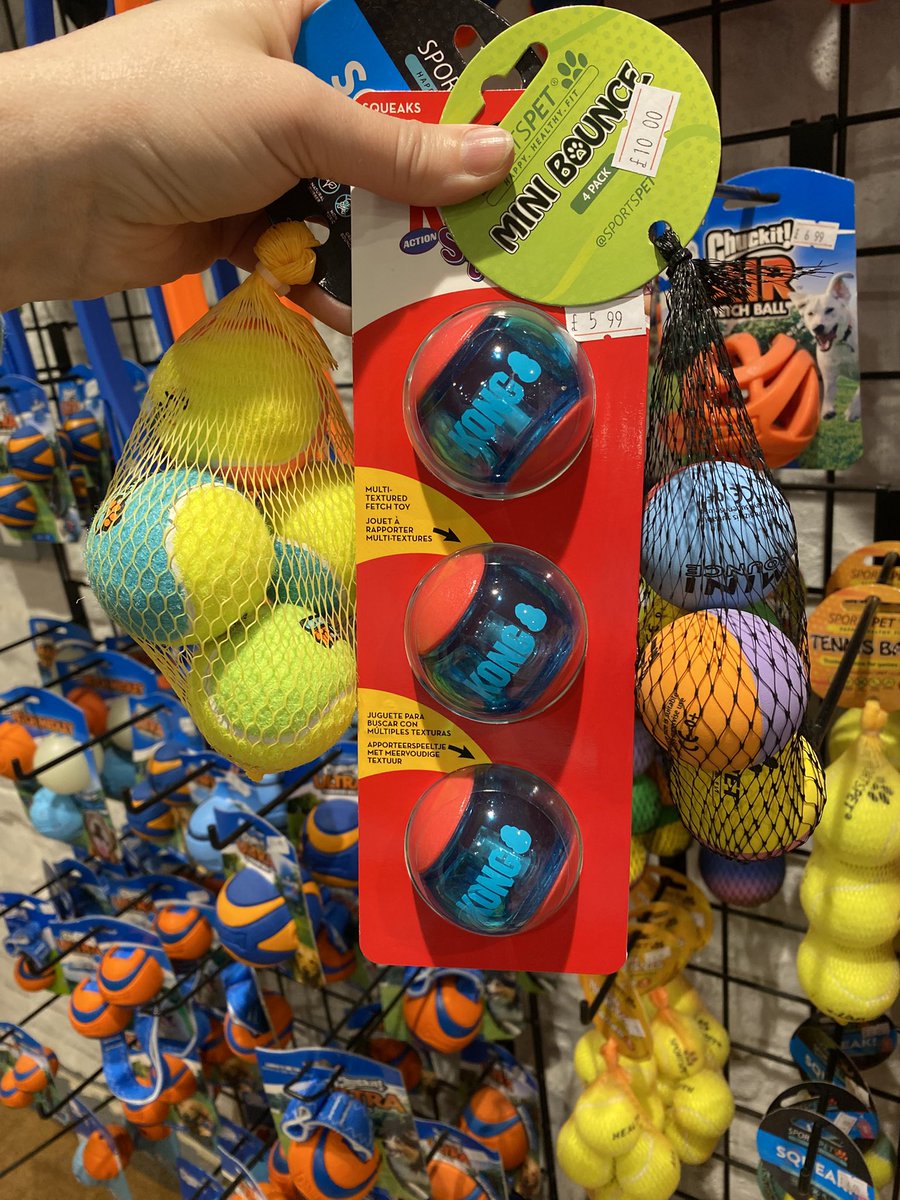
Pals, we’ve got loads of cool loot for mini and small dogs. From little ballees and toys to smaller chews and treats. bemorebob.co.uk/collections/lo…
BeMoreBob tweet mediaBeMoreBob tweet mediaBeMoreBob tweet media
English
5
80
456
3.3K
caz retweetet
Harlequins 🃏
Harlequins 🃏@Harlequins·
4 years, 8 months and 10 days 🌹 ✨ @MarcuSmith10 equals George Ford as the fastest ever player to reach 50 caps in an England jersey. #COYQ
Harlequins 🃏 tweet media
English
11
19
185
8.6K