
Let's Get Proof

299 posts

Let's Get Proof banner
Let's Get Proof

Let's Get Proof

@letsgetproof

#research and #fundraising platform combining Dynamic Review & #PrecisionFunding to make #med research efficient, inclusive & impactful. #BetterMedicineTogether

Calgary, AB Beigetreten Ocak 2022
345 Folgt583 Follower
Let's Get Proof retweetet
Aravind Ganesh
Aravind Ganesh@draravindganesh·
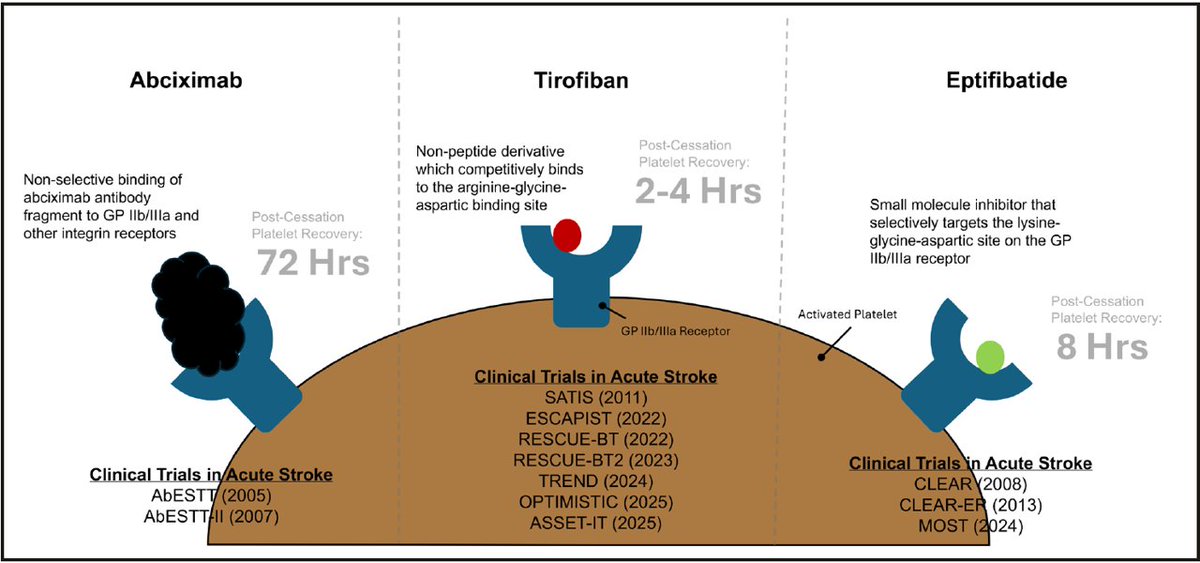
🚨 Glycoprotein IIb/IIIa agents offer hope for enhancing clot dissolution & outcomes in ischemic stroke. We discuss promising therapeutic candidates & evaluate the clinical contexts in which they are likely to be beneficial: doi.org/10.1161/stroke… @HotchkissBrain @StrokeAHA_ASA
Aravind Ganesh tweet media
English
1
14
24
1.9K
Let's Get Proof retweetet
Aravind Ganesh
Aravind Ganesh@draravindganesh·
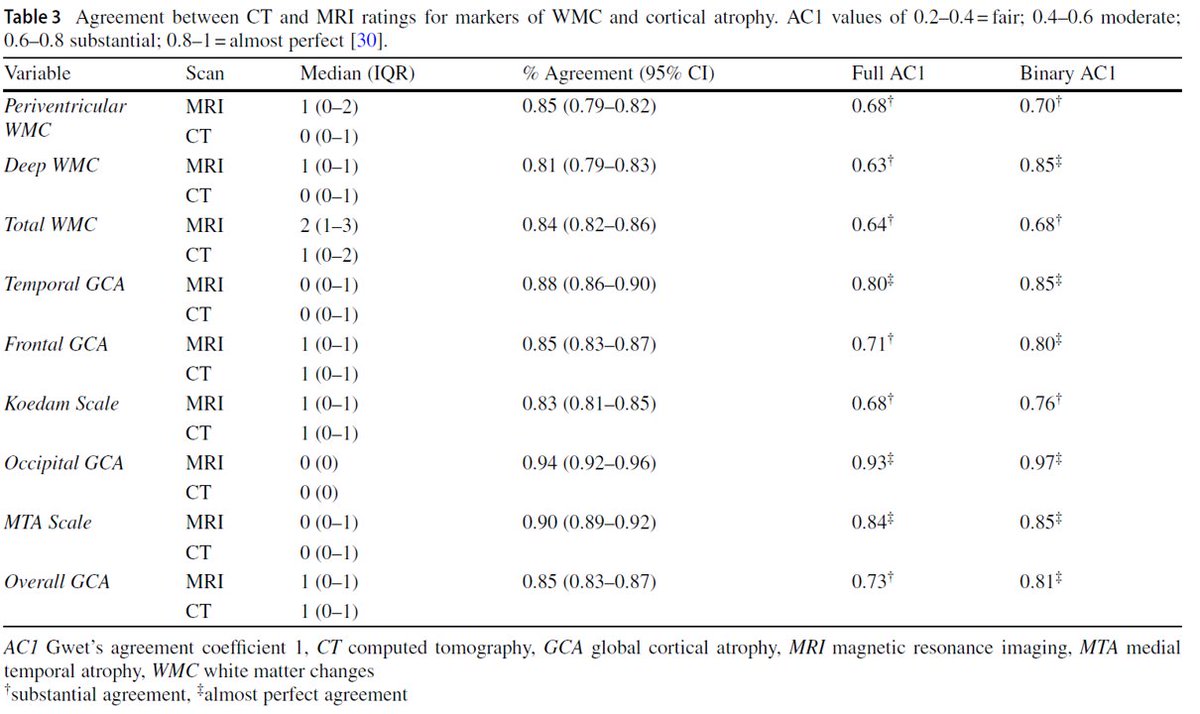
🚨 Brain frailty predicts stroke outcomes. We show that CT ratings of atrophy & white matter changes agree well w/ MRI ratings, w/ similar 90d outcome prediction- so CTs can be reasonably used to assess these features in practice & trials: doi.org/10.1007/s00062… @HotchkissBrain
Aravind Ganesh tweet media
English
0
8
14
1.1K
Let's Get Proof retweetet
nishita singh
nishita singh@nishita_singh3·
Stroke care has transformed with EVT & imaging, but recovery still varies widely. It’s time to look beyond the scan. Our invited review in @JNIS_BMJ explores how cognition, frailty, mental health, social support & financial context shape stroke recovery #ELAN. Free link below⬇️
nishita singh tweet media
English
1
3
5
196
Let's Get Proof retweetet
Maddy Russell
Maddy Russell@MaddyRussell16·
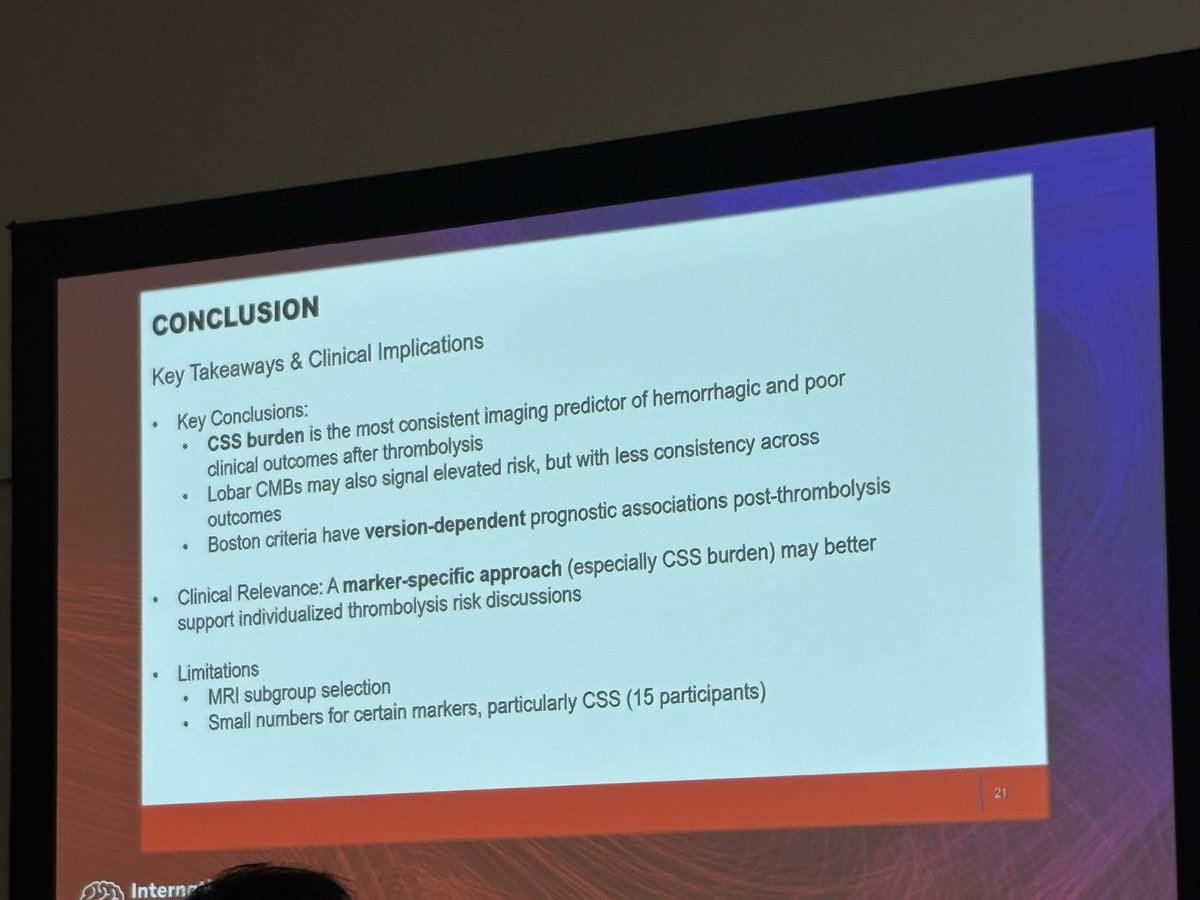
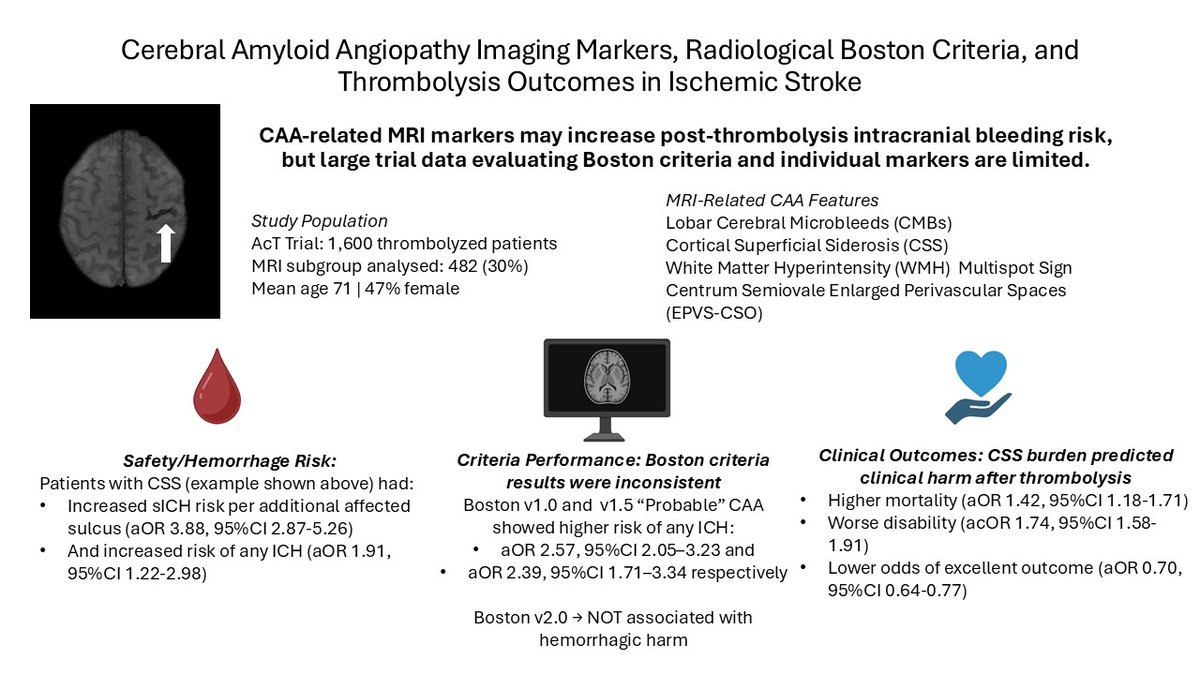
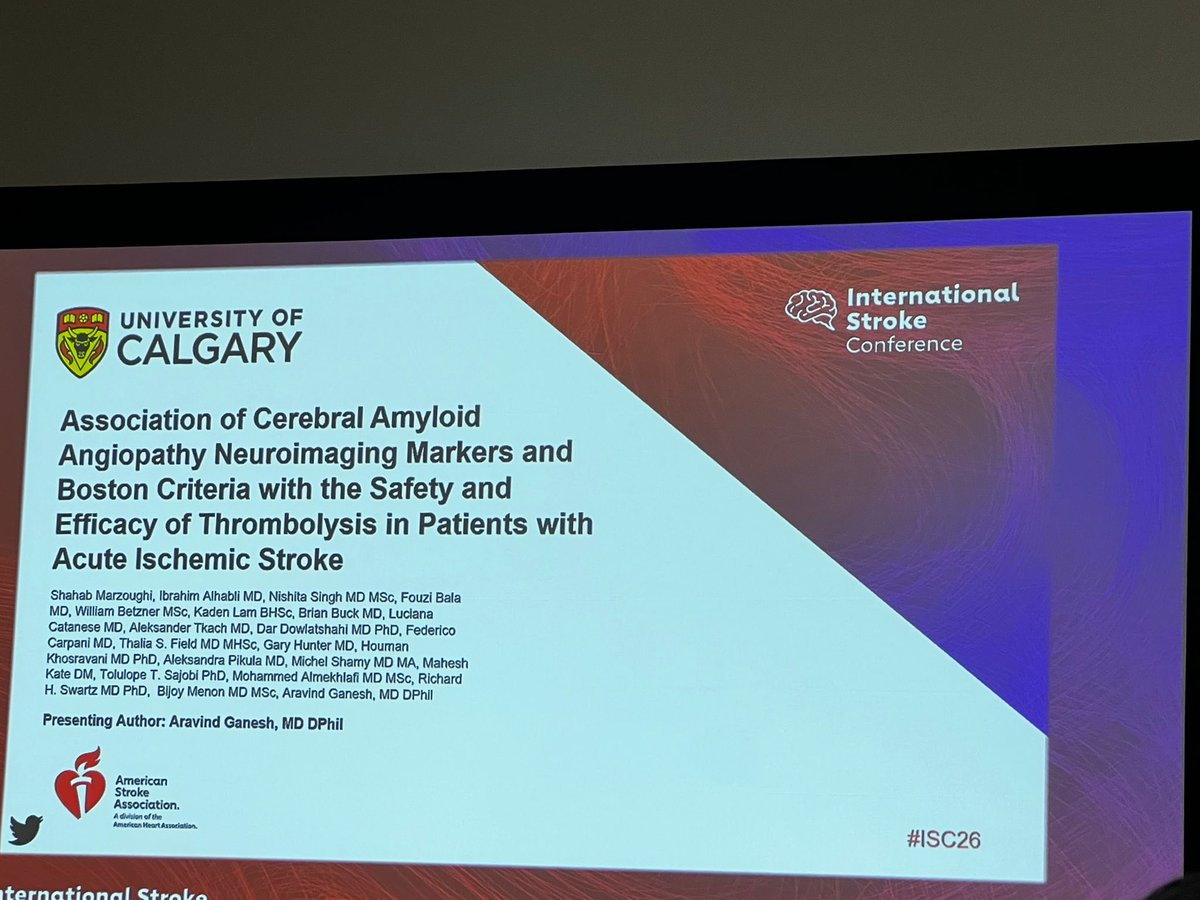
CAA and thrombolysis? Interesting insights from study from University of Calgary group (Shahab Marzoughi, presented by Aravind Ganesh) showing chronic superficial siderosis have highest association with hemorrhage after thrombolysis in CAA #ISC2026
Maddy Russell tweet media
English
1
14
43
3.1K
Let's Get Proof retweetet
Aravind Ganesh
Aravind Ganesh@draravindganesh·
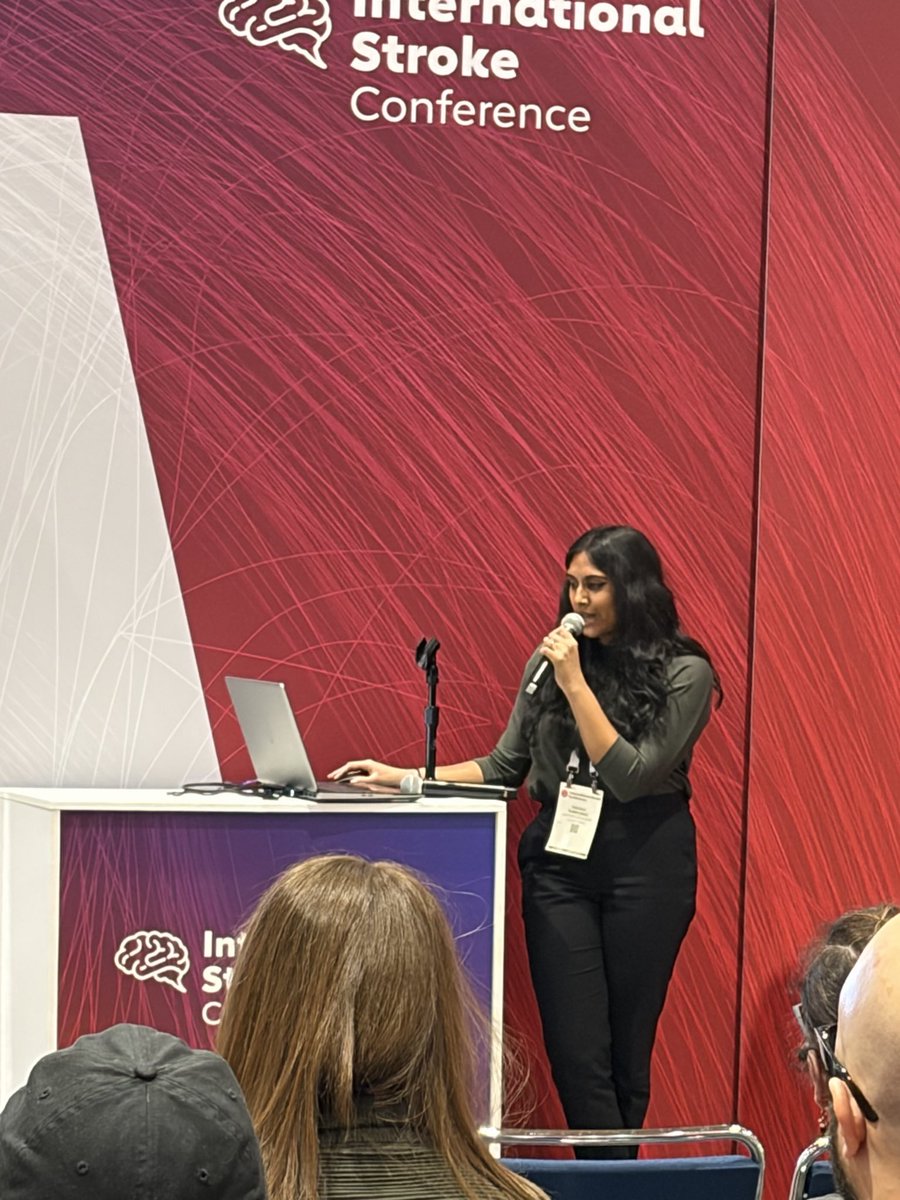
@RamkumarRaksha presenting results from the SEED mixed-methods study at #ISC2026 - with this paper focusing on physician approaches to post-acute care and rehab in patients with pre-stroke dementia or disability. Thanks to @AlzCanada @letsgetproof for funding this work.
Aravind Ganesh tweet mediaAravind Ganesh tweet media
English
1
6
8
392
Let's Get Proof retweetet
Aravind Ganesh
Aravind Ganesh@draravindganesh·
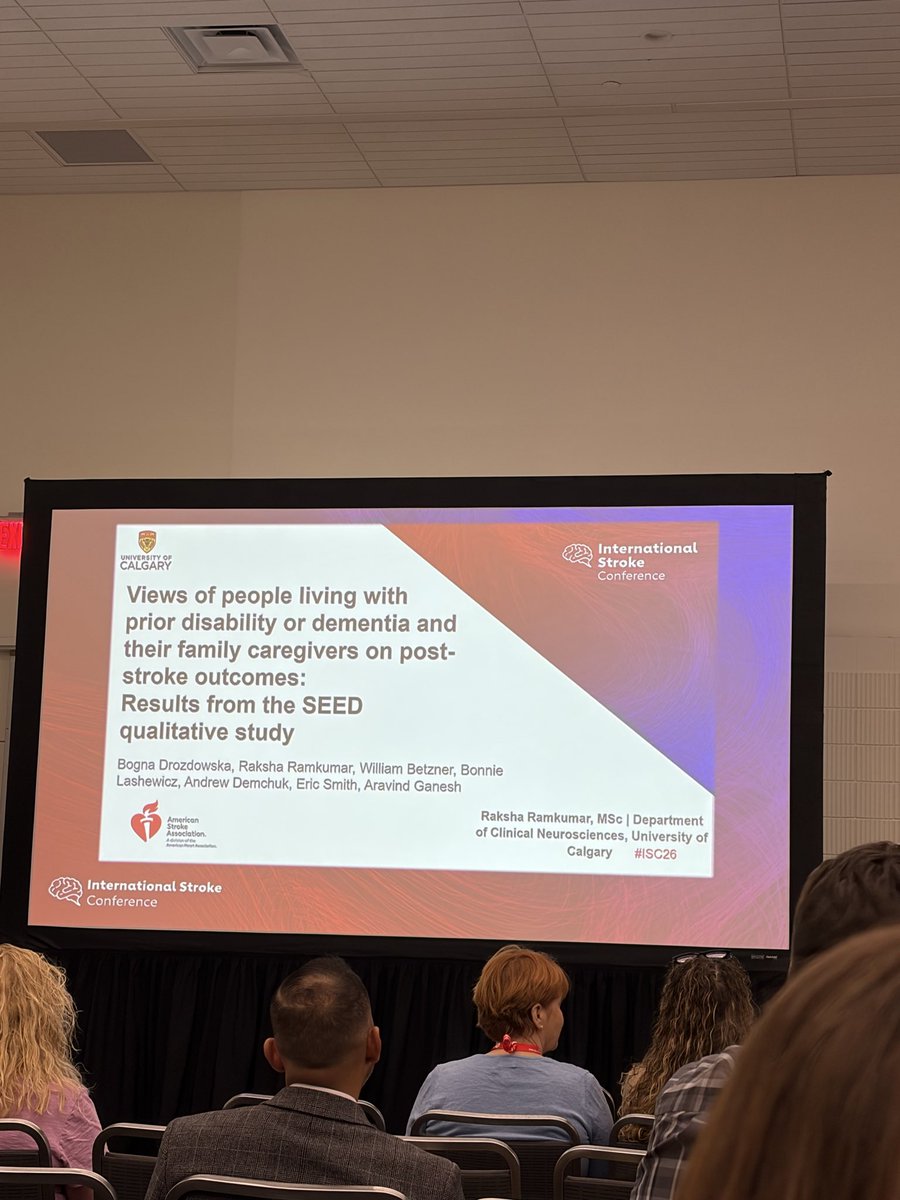
@RamkumarRaksha knocking it out of the park presenting the SEED mixed-methods study at #ISC2026, this time focused on views of people already living with dementia/disability and caregivers regarding stroke outcomes. When independence is not possible, quality of life remains key!
Aravind Ganesh tweet mediaAravind Ganesh tweet media
English
1
7
9
560
Let's Get Proof retweetet
Shadi Yaghi
Shadi Yaghi@ShadiYaghi2·
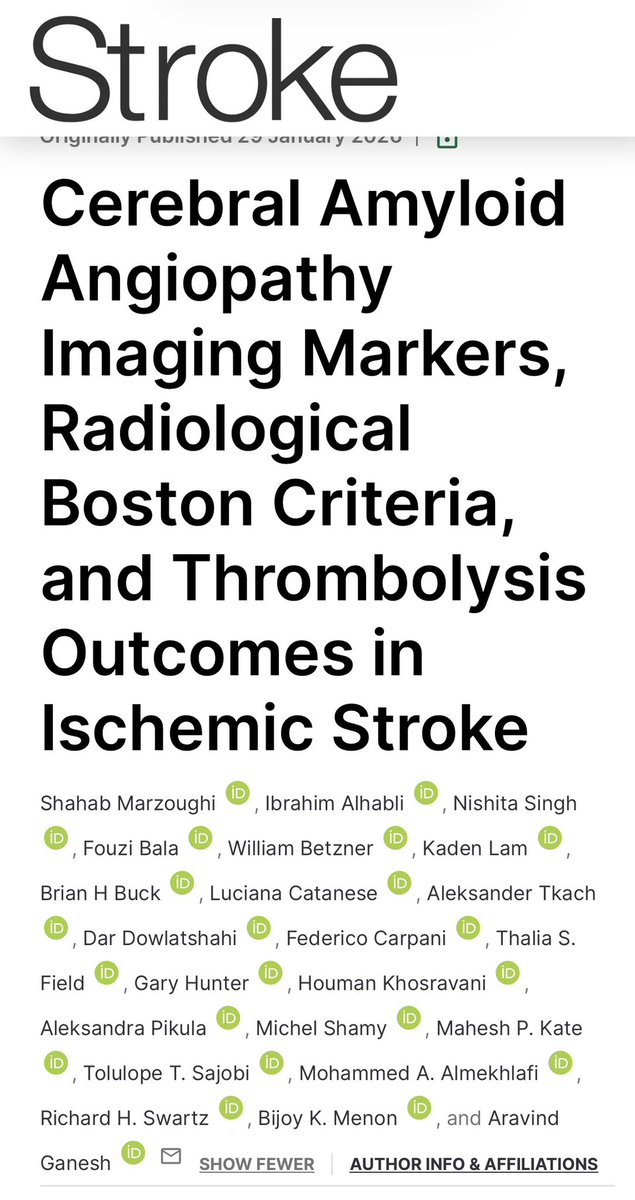
sICH risk post IVT in CAA seems to be driven by microbleeds and superficial siderosis. Check out this terrific study by my colleagues from Canada 🇨🇦 showing the risk of symptomatic intracranial hemorrhage was only seen in Boston 1.0 and 1.5 and not 2.0. ahajournals.org/doi/10.1161/ST…
Shadi Yaghi tweet media
English
3
31
120
5.6K
Let's Get Proof retweetet
Stroke AHA/ASA
Stroke AHA/ASA@StrokeAHA_ASA·
Simultaneous publication at #ISC26🔴: Cortical superficial siderosis burden is one of the strongest predictors of post-thrombolysis hemorrhage, disability, and mortality. Radiological Boston CAA criteria v1.0–1.5 increased ICH risk, while v2.0 did not. ahajournals.org/doi/abs/10.116…
Stroke AHA/ASA tweet media
English
2
28
73
4K
Let's Get Proof retweetet
Aravind Ganesh
Aravind Ganesh@draravindganesh·
🚨 In this study, we found that chronic superficial siderosis burden was consistently associated with worse safety and efficacy outcomes of thrombolysis. “Probable” Boston criteria v1.0/1.5 (but not 2.0) were associated with increased hemorrhage risk. ahajournals.org/doi/10.1161/ST…
Aravind Ganesh tweet media
English
0
5
15
520
Let's Get Proof retweetet
Aravind Ganesh
Aravind Ganesh@draravindganesh·
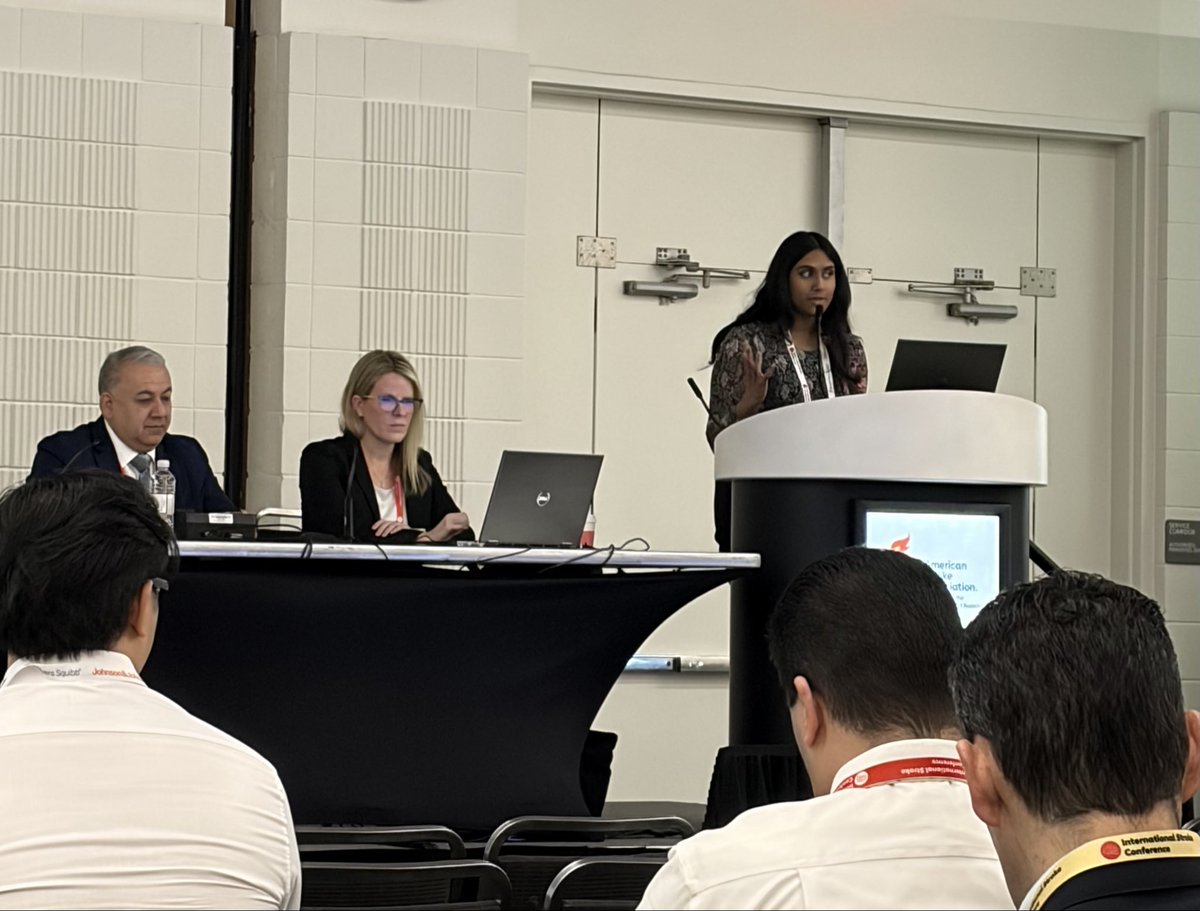
An honour to present our @ActRrct paper on CAA markers and radiologic criteria and thrombilysis outcomes, led by med student Shahab Marzoughi (who’s at CaRMS interviews today and no doubt killing it 🔥), at #ISC2026. Simultaneously published in @StrokeAHA_ASA
Aravind Ganesh tweet mediaAravind Ganesh tweet media
English
4
6
31
1.8K
Let's Get Proof retweetet
Aravind Ganesh
Aravind Ganesh@draravindganesh·
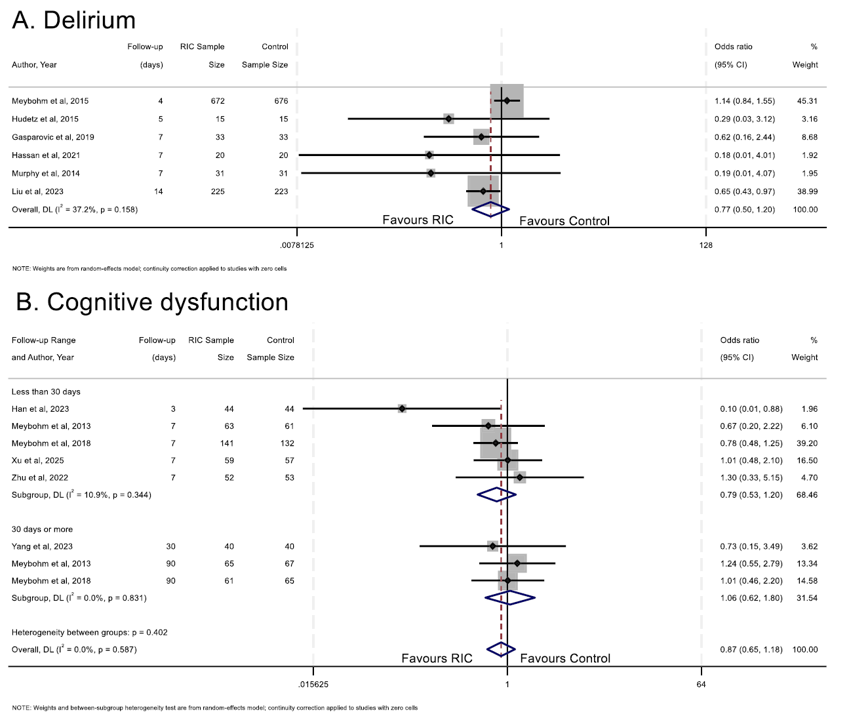
I.E. We found no "dwell time" effect for RIC in RESIST as observed with other neuroprotective agents like nerinetide. However, transport times were brief in RESIST, generally <1h, so may be worth studying this phenomenon in places like Canada where patients have longer transports
English
1
3
6
208
Let's Get Proof retweetet
Aravind Ganesh
Aravind Ganesh@draravindganesh·
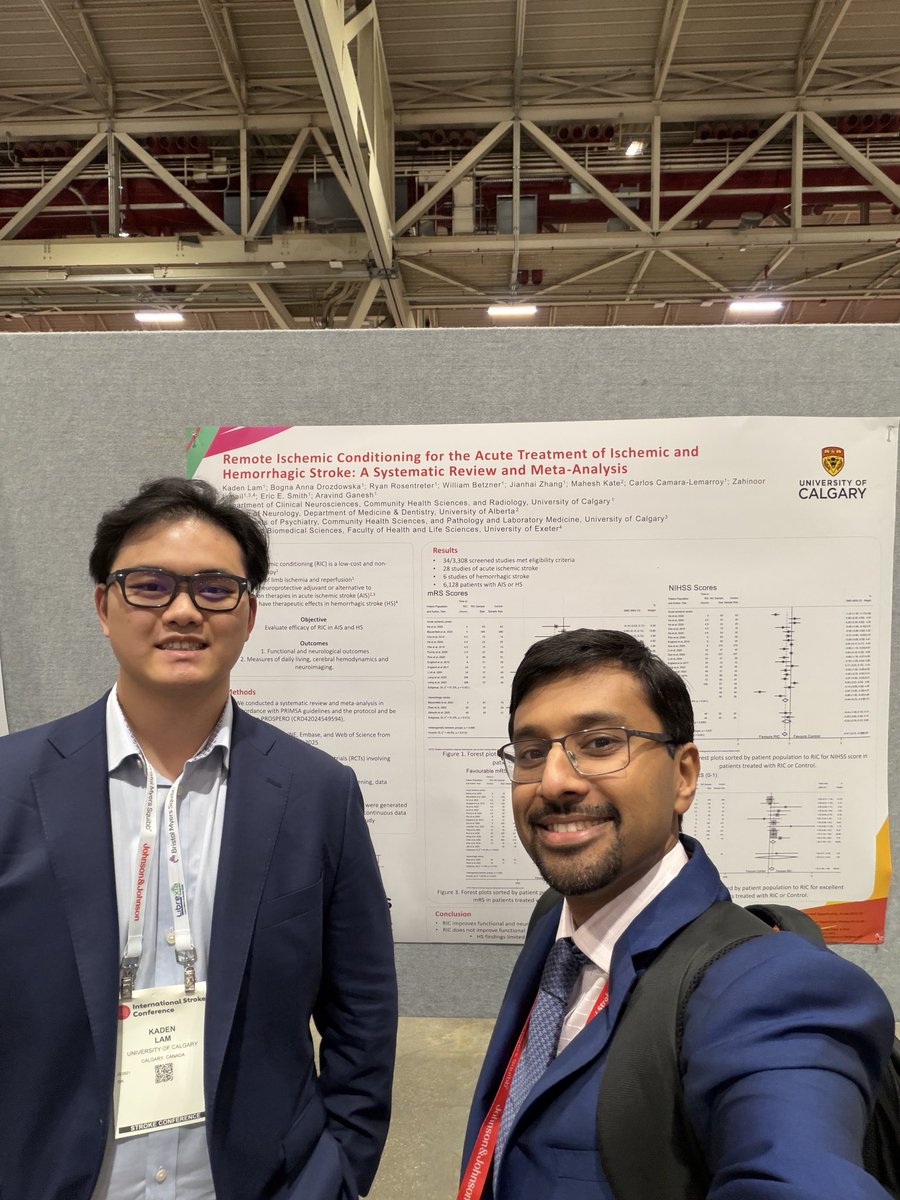
🚨 In this analysis of the RESIST trial of remote ischemic conditioning, in which #RIC was started in the ambulance, we found prehospital treatment duration was NOT assoc with efficacy including in ischemic stroke cases receiving reperfusion therapies: academic.oup.com/esj/article/11…
Aravind Ganesh tweet media
English
1
7
12
810