niran adedokun retweetet

HADIZA BALA USMAN LEADS CHARGE FOR EQUITY AT NIPR INTERNATIONAL WOMEN’S DAY EVENT
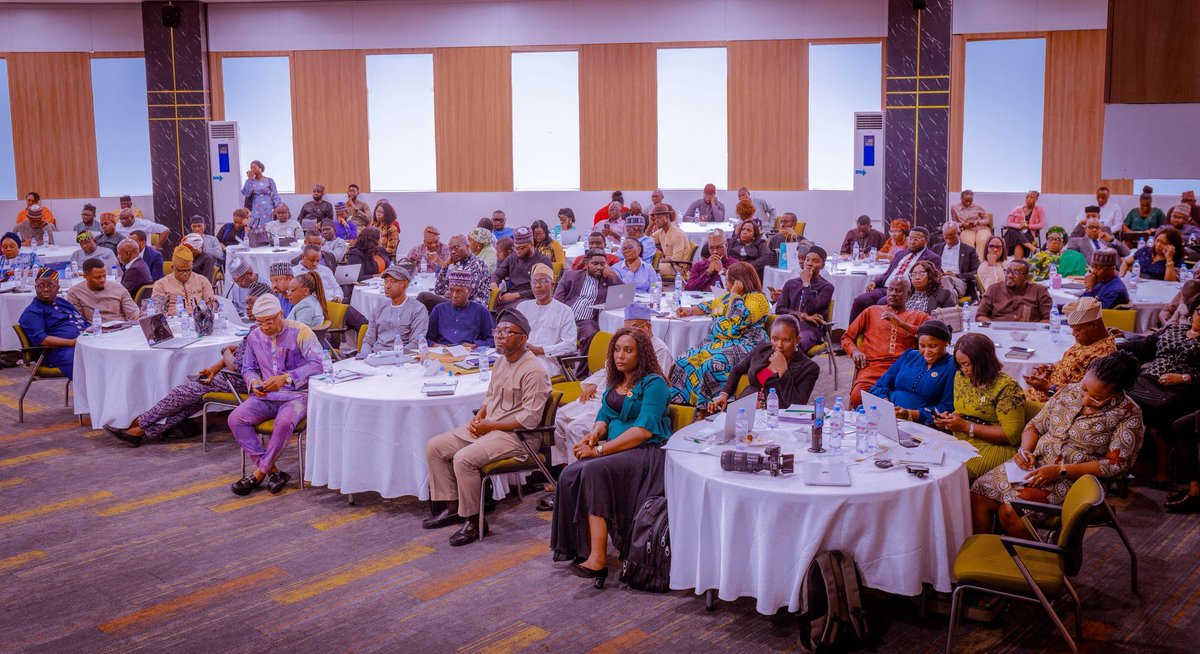
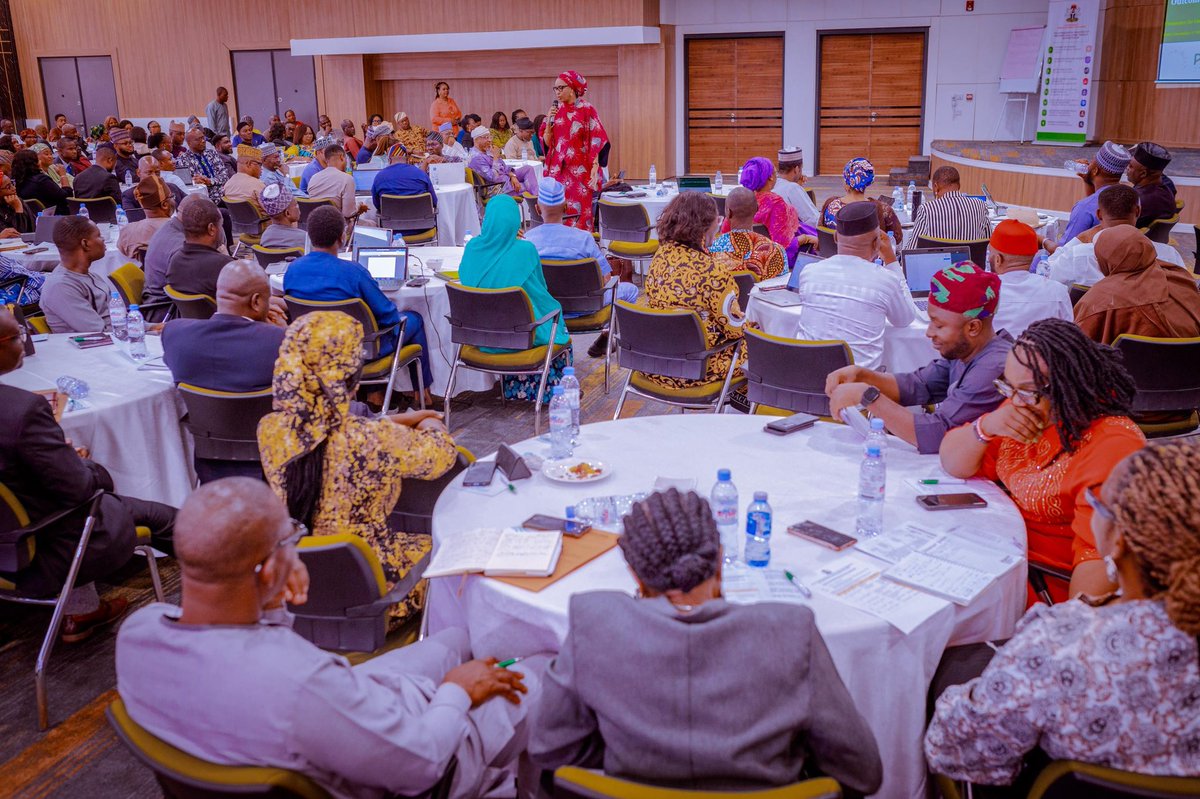
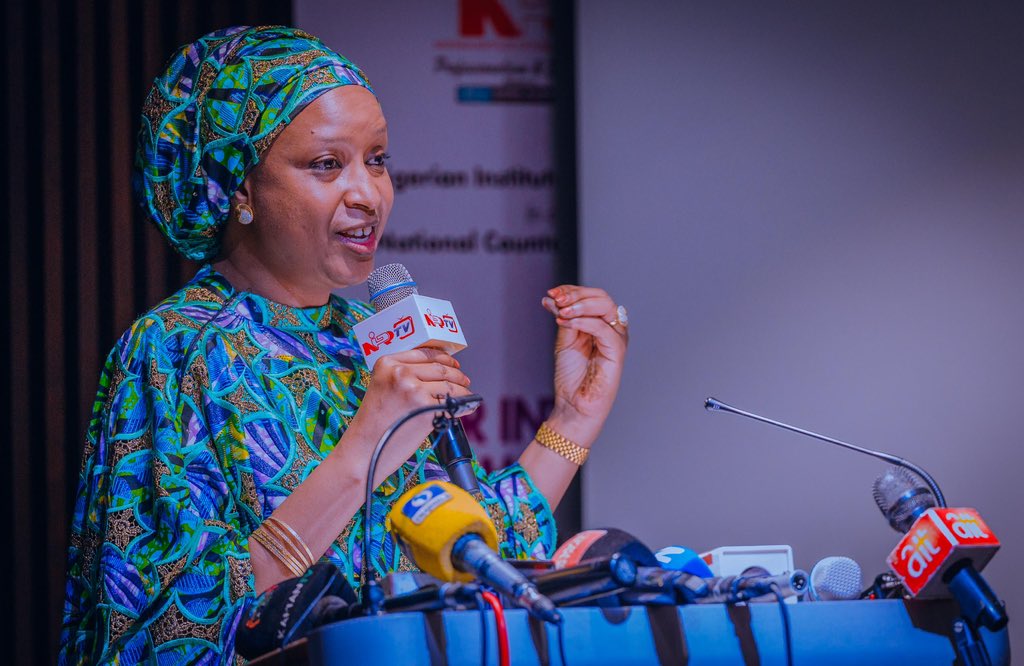
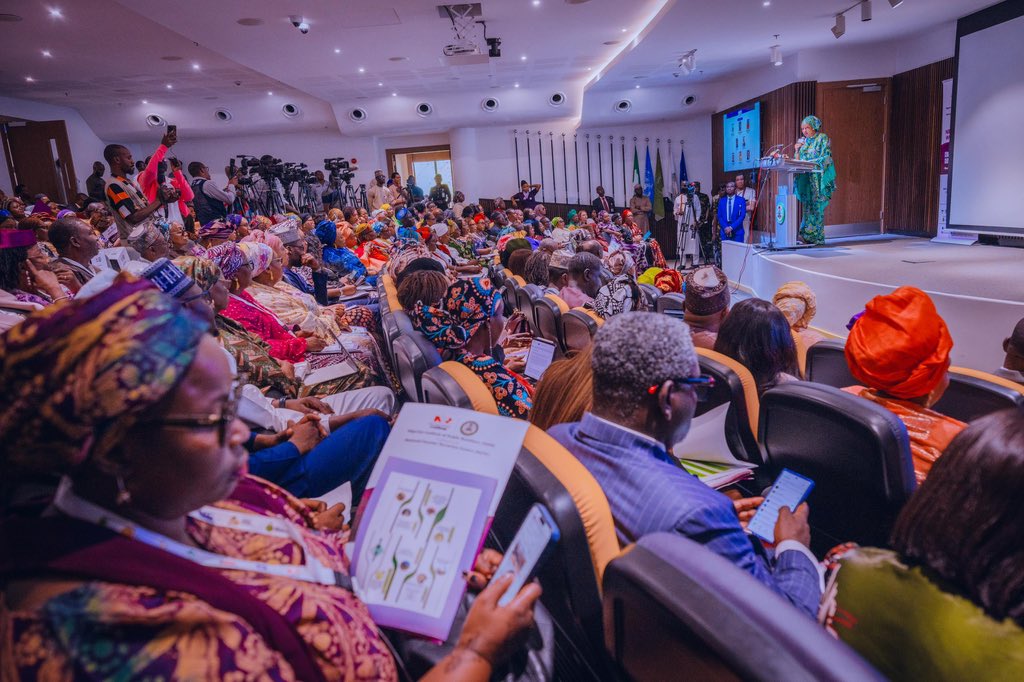
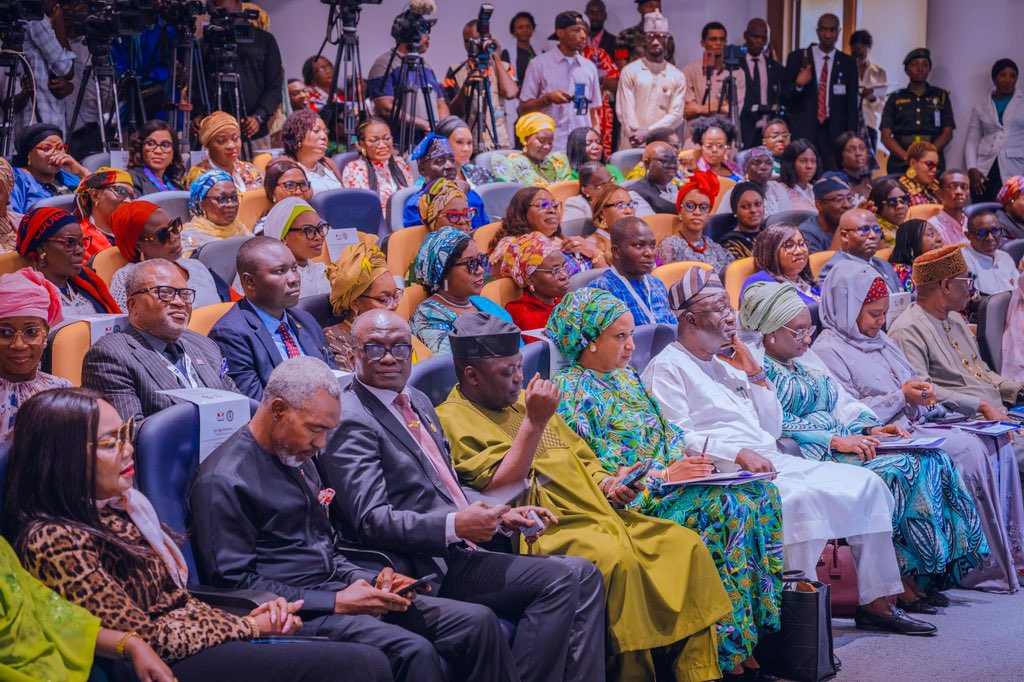
The Special Adviser to the President on Policy and Coordination and Head of the Central Results Delivery Coordination Unit,@hadizabalausman, today delivered a compelling keynote address at the 2026 International Women’s Day event hosted by the Nigerian Institute of Public Relations, where she placed communication at the heart of gender equity and national development.
Speaking on the theme “Communicate to Balance: Gain Equity, Empower Women,” she emphasised that effective communication is the bridge between policy intent and real impact. She noted that policies, no matter how well crafted, cannot deliver results if they are not properly understood by the people they are meant to serve, stressing that what is not effectively communicated cannot be successfully implemented.
The Special Adviser described communication as a powerful tool for shaping perception, influencing outcomes and dismantling systemic barriers that have historically limited women’s opportunities. According to her, achieving gender equity requires a deliberate shift in how issues are framed and communicated, moving away from surface level narratives to more intentional and solution driven engagement.
While highlighting the difference between equality and equity, she explained that while equality focuses on giving everyone the same resources, equity ensures that individuals receive what they need to succeed. She pointed out that many policy failures stem from ignoring the unique challenges faced by women, including limited access to finance, educational gaps, cultural barriers and the burden of unpaid care responsibilities.
She called for a transition towards what she described as equity branding, where communication is used not to mask inequality but to expose and address it. In doing so, she identified critical barriers such as financial exclusion, the digital divide, land ownership limitations and the motherhood penalty, urging communicators to bring these issues to the forefront of national discourse.
The Special Adviser outlined a framework for action which includes three key pillars. The first is data driven storytelling, which uses evidence to highlight the economic and social benefits of empowering women. The second is inclusive policy coordination, which ensures that policies are designed with a gender lens and supported by continuous stakeholder engagement. The third is the need to challenge societal norms that silence women, particularly in leadership and governance spaces.
She further highlighted ongoing efforts under the current administration to promote women empowerment through targeted programmes and inclusive policy frameworks, while acknowledging that gaps still exist in political representation, education and economic opportunity.
Bala Usman also called on public relations professionals to take the lead, urging them to reshape national narratives by presenting women as active contributors to economic growth and societal stability rather than passive beneficiaries. She advocated for stronger institutional practices such as equity audits, mentorship and capacity building to sustain progress.
She concluded by reiterating that gender equity is a national priority that requires deliberate communication, coordinated action and sustained commitment, noting that when women are empowered, families are strengthened, communities thrive and the nation prospers.

English