
Phil Short

1.9K posts

Phil Short banner
Phil Short

Phil Short

@PhilShortTech

FRGS (Fellow Royal Geographic Society). Fellow Explorers Club. Instructor Trainer with IANTD & TDI and Instructor with NSS/CDS

United Kingdom Inscrit le Haziran 2011
182 Abonnements759 Abonnés
Phil Short retweeté
Schmidt Ocean
Schmidt Ocean@SchmidtOcean·
We brake for nautilus! “We usually stopped what we were doing whenever we saw nautilus, b/c they are such amazing animals to watch,” said #VisioningCoralSea Chief Scientist Dr. Robin Beaman. This enigmatic cephalopod navigated the depths before dinosaurs roamed the Earth!
English
2
88
454
10.2K
Phil Short retweeté
Kirby Morgan
Kirby Morgan@DiveKirbyMorgan·
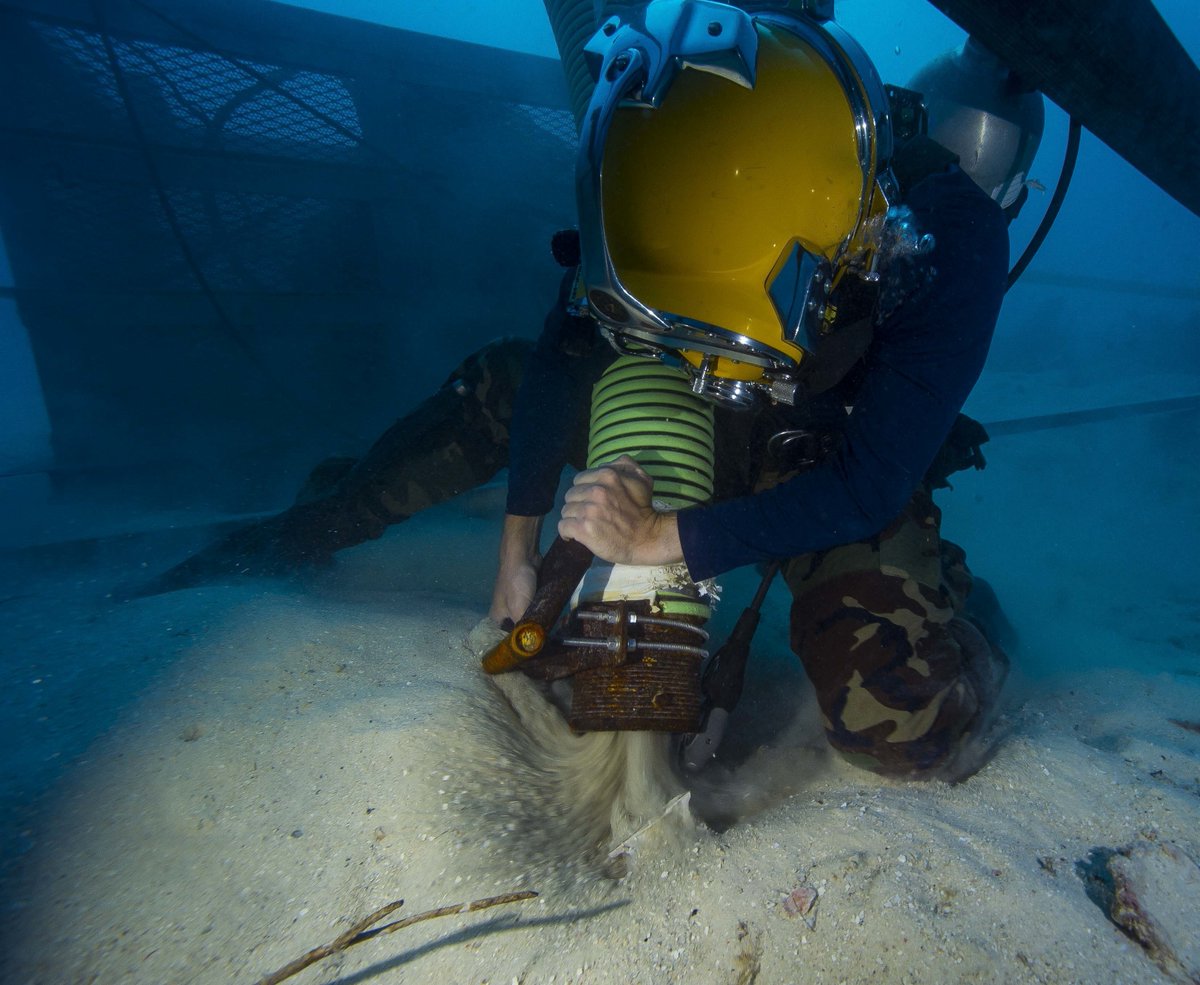
#MilitaryMonday Navy Diver 1st Class Scott Johnson dredges an excavation site during a DPAA-led WWII recovery operation aboard USNS Salvor off the coast of Koror. 📸 by Mass Communication Specialist 2nd Class Tyler Thompson
Kirby Morgan tweet media
English
0
3
7
219
Phil Short retweeté
Kirby Morgan
Kirby Morgan@DiveKirbyMorgan·
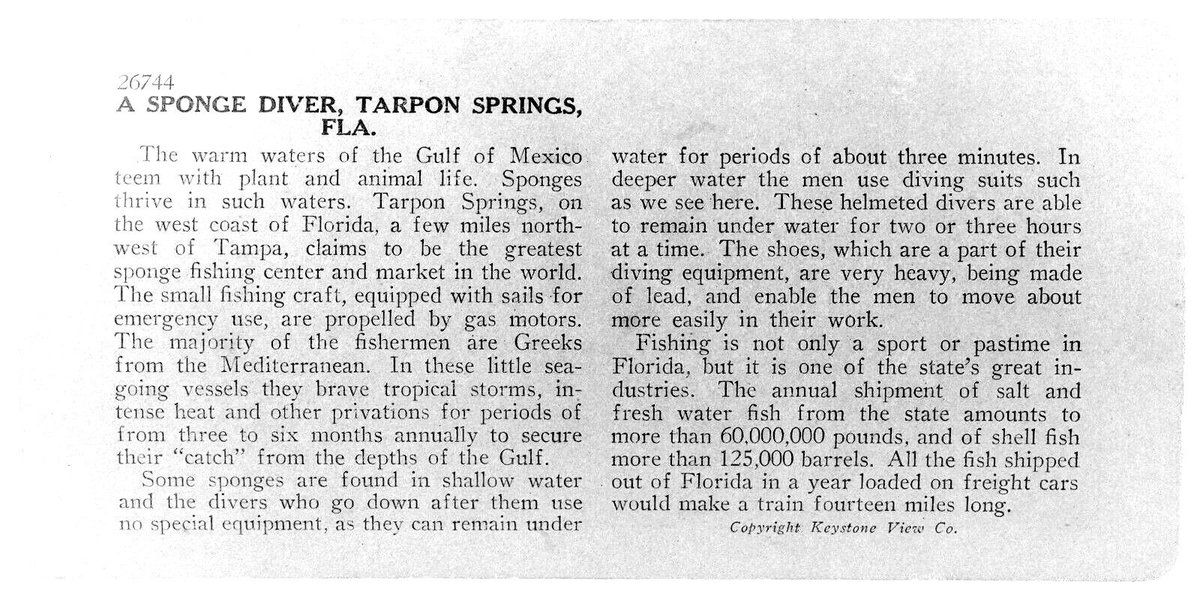
#ThrowbackThursday “A sponge diver ready for action — Tarpon Springs, Fla.” A diver geared up for hours underwater harvesting sponges and marine life.
Kirby Morgan tweet mediaKirby Morgan tweet media
English
0
1
3
95
Phil Short retweeté
National Air and Space Museum
National Air and Space Museum@airandspace·
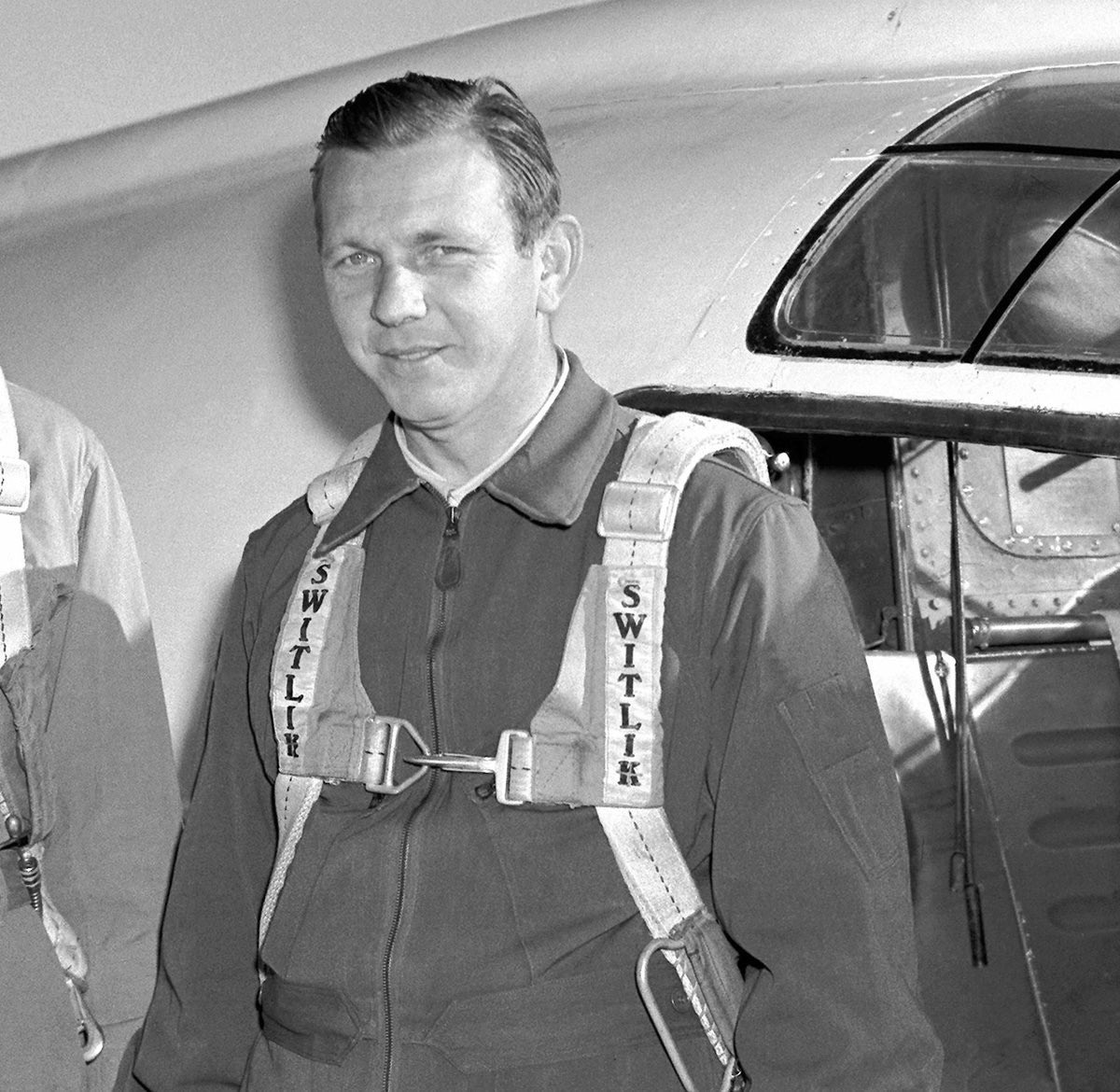
On #TDIH 1948, NACA pilot Herb Hoover became the first civilian pilot—and second pilot ever—to break the sound barrier. He was flying Bell X-1 No. 2.
National Air and Space Museum tweet mediaNational Air and Space Museum tweet media
English
1
37
208
6.7K
Phil Short retweeté
Kirby Morgan
Kirby Morgan@DiveKirbyMorgan·
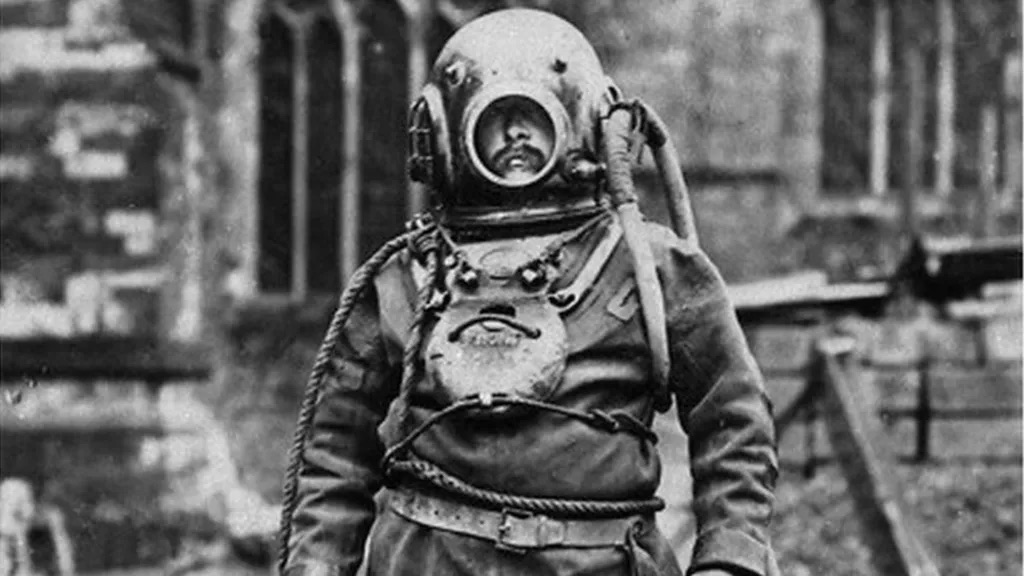
#ThrowbackThursday 1906–1911: Diver William “Diver Bill” Walker spent nearly six hours a day in darkness beneath Winchester Cathedral, working by touch to shore up rotting foundations. Over five years, he reinforced the structure by hand—saving it from collapse.
Kirby Morgan tweet media
English
0
2
5
215
Phil Short retweeté
RAF BBMF
RAF BBMF@RAFBBMF·
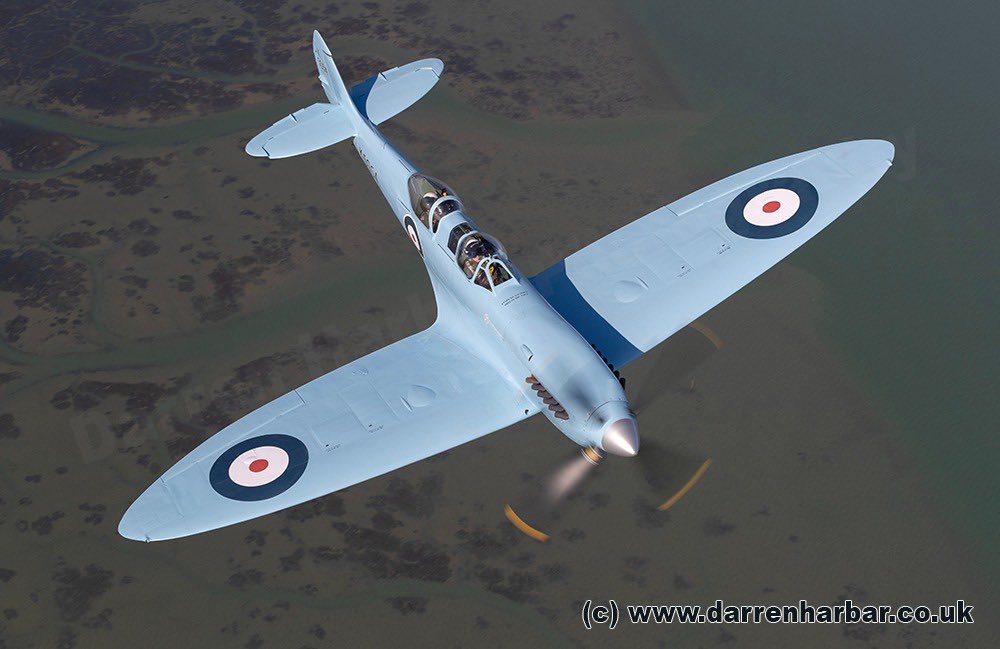
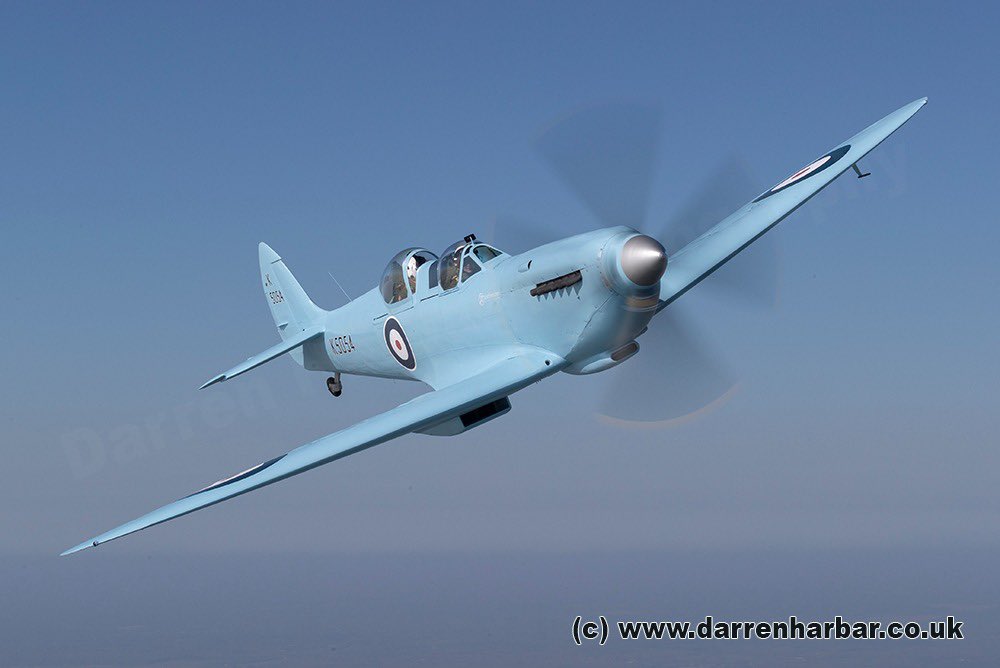
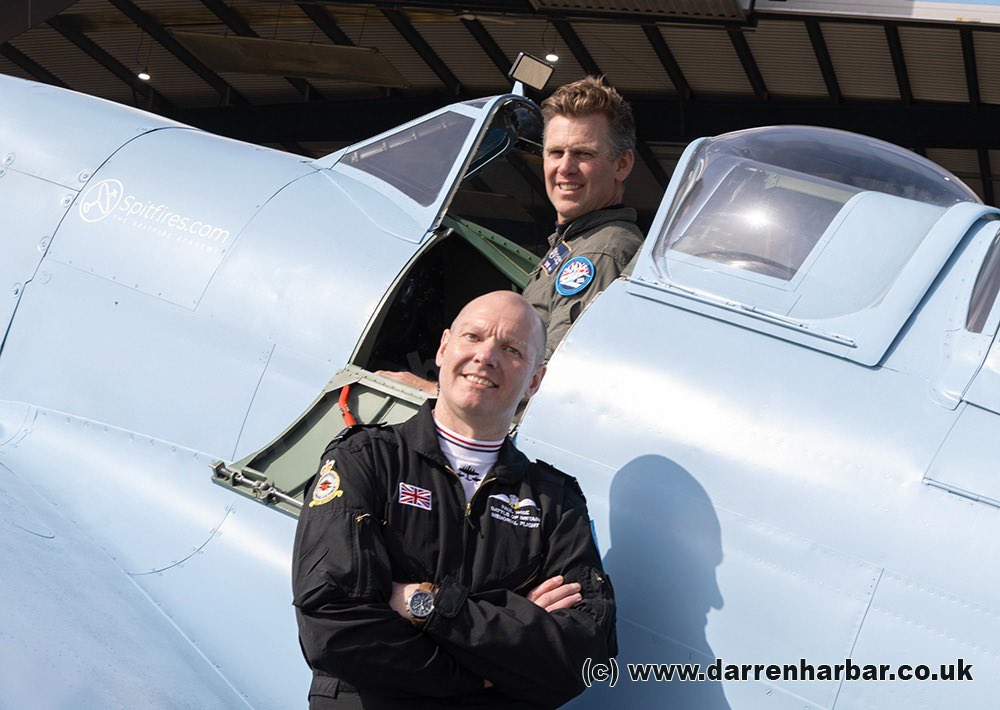
Today marks 90 years since the first flight of the Spitfire!  On 5th March 1936, Captain Joseph ‘Mutt’ Summers piloted the first Supermarine Spitfire prototype, K5054, from Eastleigh Aerodrome After just eight minutes in the air, he famously declared, “Don’t change a thing.”
RAF BBMF tweet mediaRAF BBMF tweet mediaRAF BBMF tweet media
English
16
233
1.3K
41.2K
Phil Short retweeté
durvesh
durvesh@BLackgold_5·
Do you recognize this 111 years old aircraft ?
English
132
106
843
34.9K
Phil Short retweeté
National Air and Space Museum
National Air and Space Museum@airandspace·
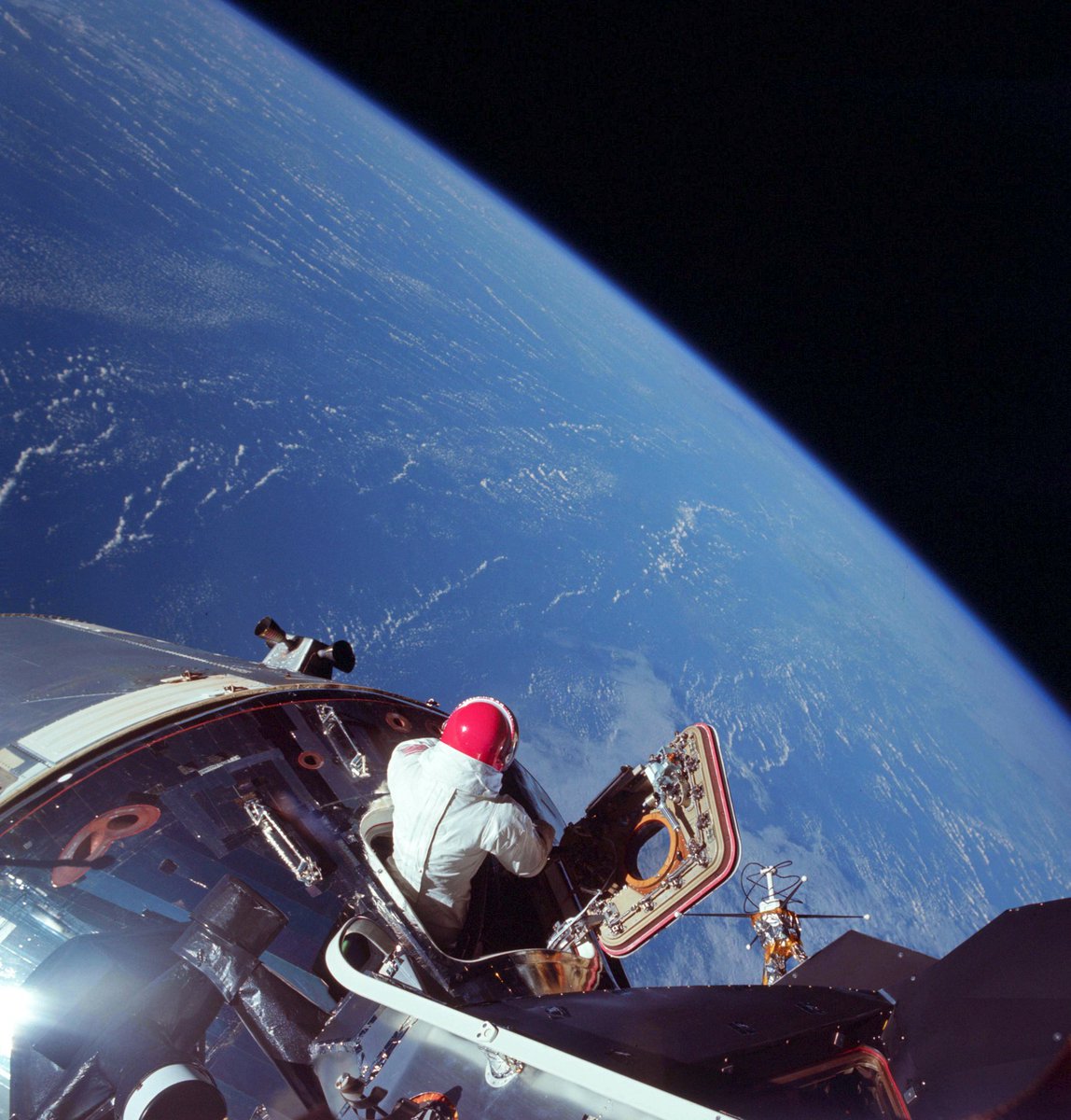
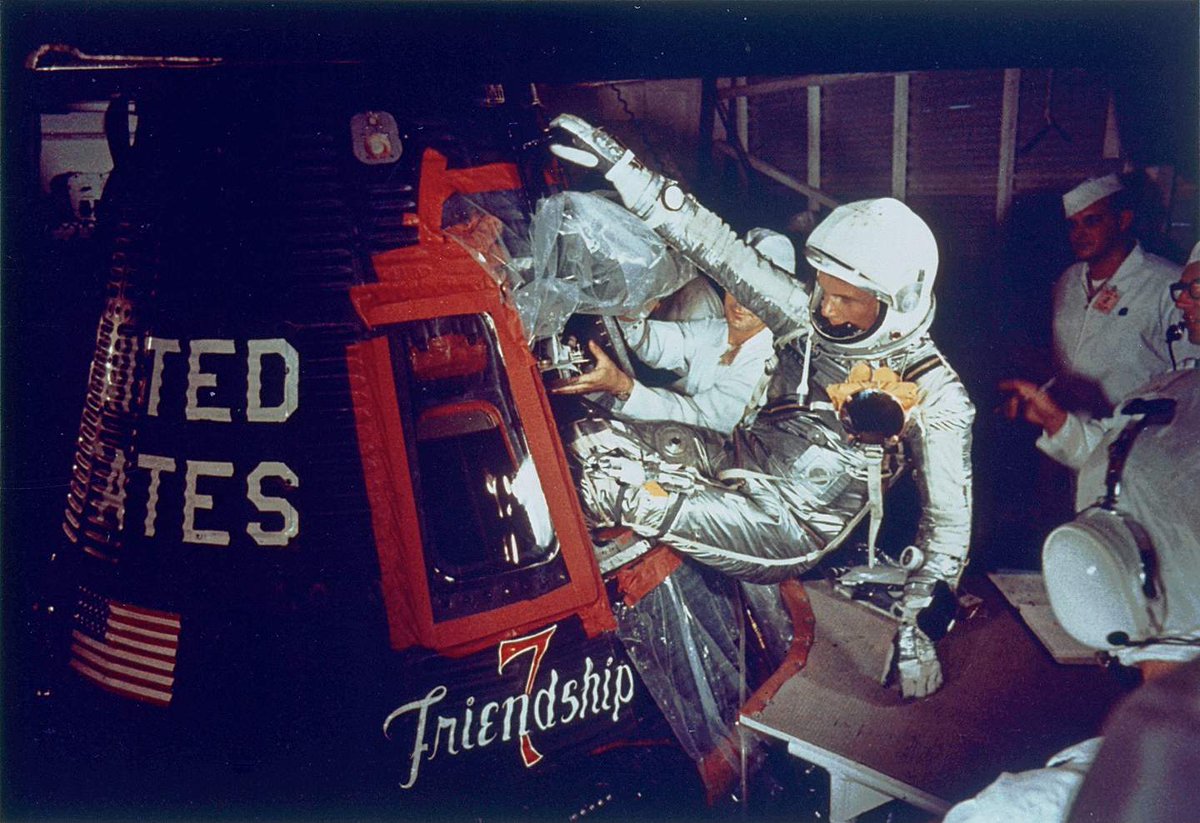
On this day in 1962, John H. Glenn Jr. became the first American to orbit the Earth, doing so three times during the 4 hour, 55 minute, and 23 second spaceflight in his Mercury Friendship 7 spacecraft.
National Air and Space Museum tweet media
English
12
80
374
11.2K
Phil Short retweeté
Blue Ocean
Blue Ocean@BlueOcean3276·
The largest Octopus 🌊
English
4
89
774
23.6K
Phil Short retweeté
Sonia J. Rowley
Sonia J. Rowley@SoniaJRowley·
Mathematically perfect, the fractal patterns in nature, of Gorgonian Octocorals 🪸 at mesophotic depths are little studied, yet evolving for millions of years 🧬 @joyceyujeanlee showcases nature’s intelligence and intricate beauty @mtaartsdesign Fulton Station, Manhattan, NYC 🧜‍♀️
English
0
1
6
74
Phil Short retweeté
Sonia J. Rowley
Sonia J. Rowley@SoniaJRowley·
Saturation diving for Marine Research - An excellent account by Dr. John Clarke 🤓 It is my hope and dream to be able to achieve excellent research using saturation diving as described here. johnclarkeonline.com/2026/01/30/sat…
English
0
1
4
74
Phil Short retweeté
CONTACT LIGHT 。 ◯ *・
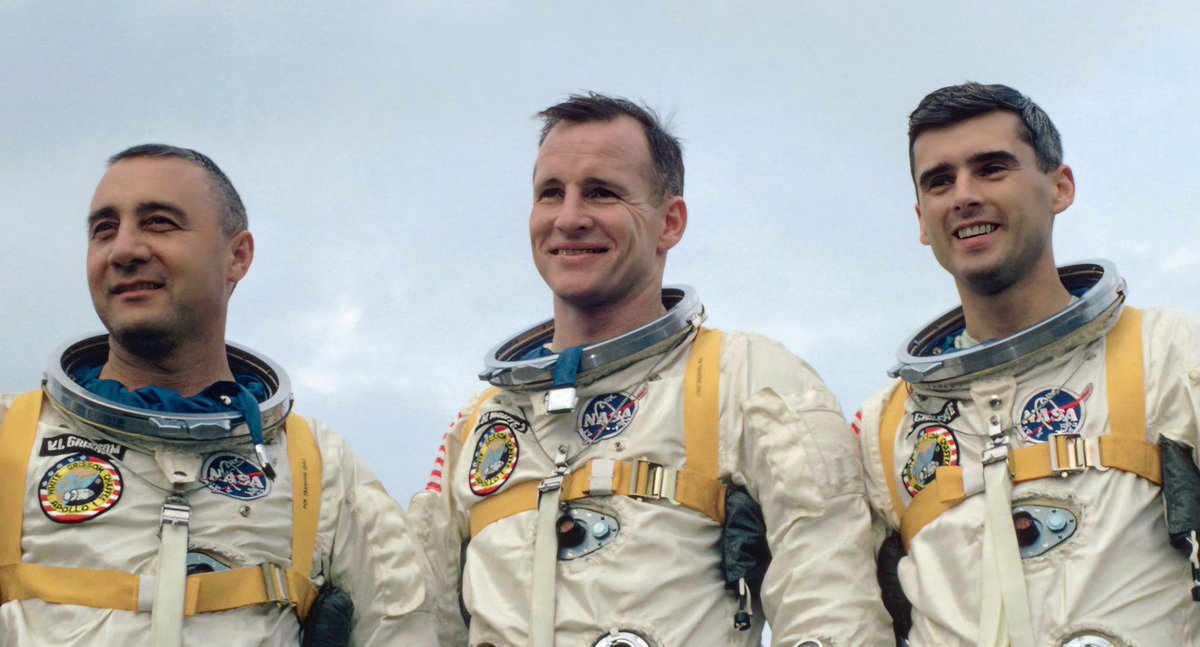
January 30, 1967, "From this day forward, flight control will be known by two words - Tough and Competent" "We are forever accountable for what we do or what we fail to do" -Gene Kranz, The Kranz Dictum. to mission controllers after the #Apollo1 fire. contactlight.de
CONTACT LIGHT 。 ◯ *・ tweet media
English
1
18
129
2.7K
Phil Short retweeté
DEEP
DEEP@DeepEngineered·
The ocean has distinct layers. One of the most fascinating and important is the Mesophotic Zone, where some light still penetrates allowing for biodiversity. But it's also known as the "Blindspot Zone" because of how challenging it is for humans to explore - too deep for surface diving to be efficient, too shallow for submersibles to be cost-effective. Luckily, subsea human habitats allow for the sustained exploration and observation of this critical zone. #DEEP #BlindspotZone #OceanExploration
English
0
3
5
210