David Perlmutter, MD

13K posts

David Perlmutter, MD banner
David Perlmutter, MD

David Perlmutter, MD

@DavidPerlmutter

Neurology, Functional Medicine, Nutrition, Author, Lecturer

Naples, Florida, USA Inscrit le Temmuz 2009
120 Abonnements82K Abonnés
Tweet épinglé
David Perlmutter, MD
David Perlmutter, MD@DavidPerlmutter·
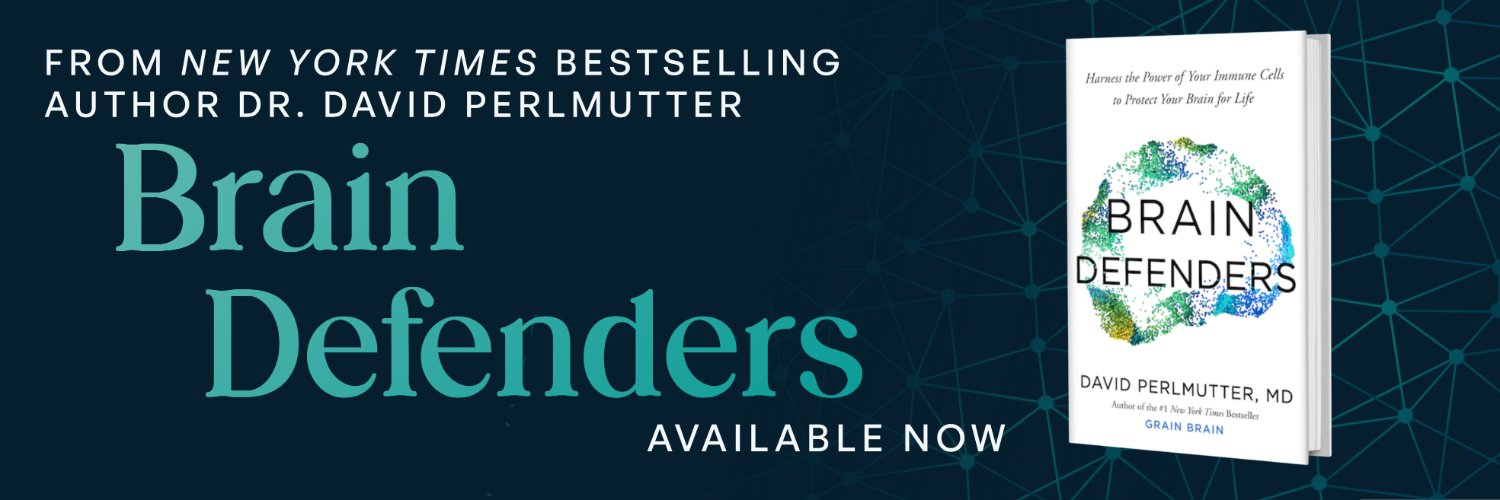
There is no cure for Alzheimer’s. Prevention is essential. If we want a future with a lower risk of Alzheimer’s and cognitive decline, we must care for the brain long before symptoms begin. My new book Brain Defenders is a practical guide for doing exactly that. Pre-order now: drperlmutter.com/books/brain-de…
English
10
24
151
7.7K
David Perlmutter, MD
David Perlmutter, MD@DavidPerlmutter·
If you're waiting until symptoms appear to think about brain health, you're waiting too long.
English
4
0
28
1.4K
David Perlmutter, MD
David Perlmutter, MD@DavidPerlmutter·
One of the best things you can do for your brain costs nothing: Stay curious. Read something new. Ask better questions. Challenge an old assumption. Curiosity keeps the brain engaged.
English
2
2
51
1.7K
David Perlmutter, MD
David Perlmutter, MD@DavidPerlmutter·
Quick brain exercise: Name 3 things you noticed outside today. Moments of awareness help regulate stress and support healthy brain function.
English
5
1
17
1.3K
David Perlmutter, MD
David Perlmutter, MD@DavidPerlmutter·
Movement does more than strengthen muscles. New research suggests that even simple body movements may help circulate fluid that clears waste from the brain—another reason I encourage people to move their bodies every day. Read more here: realsimple.com/clean-your-bra…
English
2
1
22
1.3K
David Perlmutter, MD
David Perlmutter, MD@DavidPerlmutter·
What’s one question you’ve always wanted to ask a neurologist? Drop it below. I’ll answer as many as I can in upcoming posts.
English
117
8
65
18.8K
David Perlmutter, MD
David Perlmutter, MD@DavidPerlmutter·
The foods most aggressively marketed to you are often the ones doing the most harm. Research continues to link higher ultra-processed food consumption to changes in cognition, attention, and dementia risk. One simple place to start: eat a protein-rich breakfast. It can significantly reduce cravings for ultra-processed foods later in the day. The goal is to create a daily environment that better supports long-term brain health.
English
6
3
25
1.7K
David Perlmutter, MD
David Perlmutter, MD@DavidPerlmutter·
For far too long, the conversation around neurodegenerative disease has centered almost exclusively on inevitability. What I want people to understand is that the brain is dynamic. It is constantly responding to the environment you create through food, sleep, movement, stress, toxins, social connection, and metabolic health. This shift in perspective is at the heart of my new book, Brain Defenders: braindefenders.com Pre-order your copy and receive: 📖 A sneak peek of Chapter 1 🧠 The complete Brain Defenders glossary 🎁 Exclusive partner offers curated for brain health
English
1
2
20
1.3K
David Perlmutter, MD
David Perlmutter, MD@DavidPerlmutter·
What is one thing you do everyday to protect your future health?
English
11
1
10
1.8K
David Perlmutter, MD
David Perlmutter, MD@DavidPerlmutter·
The quality of the air in your home may be affecting your brain more than you realize. Air quality influences inflammation, sleep, cognition, and overall neurological health. If you're interested in cleaning up the air in your home, my favorite air purifier is from Lichen Air: tinyurl.com/3r382taj
English
1
0
12
1.4K
David Perlmutter, MD
David Perlmutter, MD@DavidPerlmutter·
You cannot cancel out the ultra-processed foods you consume just by adding healthy, whole foods to your diet too. Adding healthy foods to your diet is important. But it does not erase the effects of foods linked to inflammation, metabolic dysfunction, cognitive decline, and Alzheimer’s disease. Adding healthy foods matters, but reducing ultra-processed foods matters just as much.
English
9
8
62
4.1K
David Perlmutter, MD
David Perlmutter, MD@DavidPerlmutter·
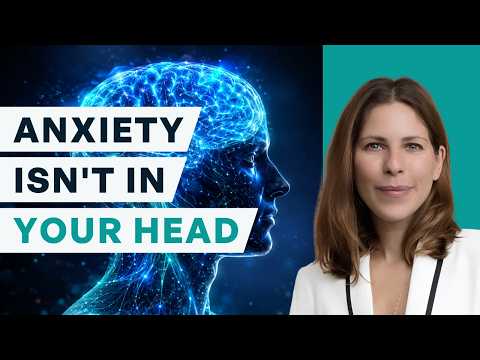
In this episode of The Empowering Neurologist, I speak with @robinberzinmd about why metabolic health may be the missing piece behind brain fog, fatigue, and burnout, and what a more proactive approach to medicine can unlock. Listen to find out what your symptoms might actually be telling you. youtu.be/CEcneMkNOl4?si…
YouTube video
YouTube
English
0
0
4
1K
David Perlmutter, MD
David Perlmutter, MD@DavidPerlmutter·
What’s one daily habit that helps you feel mentally clear?
English
1
0
2
990
David Perlmutter, MD
David Perlmutter, MD@DavidPerlmutter·
Mental clarity is often built through basics: Quality sleep Stable blood sugar Movement Human connection
English
3
0
26
1.3K
David Perlmutter, MD
David Perlmutter, MD@DavidPerlmutter·
What’s one thing you do to protect your brain health that more people should know about?
English
4
0
2
825
David Perlmutter, MD
David Perlmutter, MD@DavidPerlmutter·
In a world full of conflicting health advice, the science of metabolic flexibility stands out as one of the most fundamental factors in how we age, think, and feel. That's exactly what my latest conversation with @robinberzinmd explores. In this episode, we go deep on metabolic health, hormones, sleep, and inflammation and what they mean for your brain and your longevity. We also explore what the traditional medical model often gets wrong, and what a more proactive approach can unlock. youtu.be/CEcneMkNOl4
YouTube video
YouTube
English
1
0
8
1.5K
David Perlmutter, MD
David Perlmutter, MD@DavidPerlmutter·
Do you actually need omega-3s? In my opinion, yes. One of the most important omega-3 fatty acids for brain health is DHA, and one of the best food sources is wild salmon. Many people may also benefit from a high quality omega-3 supplement with at least 800–1,000 mg of DHA daily.
English
9
0
42
7K
David Perlmutter, MD
David Perlmutter, MD@DavidPerlmutter·
For decades, the consensus was that genetics were destiny. But research in epigenetics tells a different story. Lifestyle choices, especially nutrition, can influence how genes are expressed. One example is sulforaphane from broccoli sprouts, studied for its role in detoxification, oxidative stress reduction, and anti-inflammatory pathways. Your genes matter. But your daily choices matter too.
English
4
1
19
1.4K
David Perlmutter, MD
David Perlmutter, MD@DavidPerlmutter·
You should be getting at least 800-1,000 mg of DHA daily. DHA, a key omega-3 fatty acid, is one of the most important fats in the brain. Save this as a reminder to have your levels checked at your next appointment.
English
6
1
34
4.1K
David Perlmutter, MD
David Perlmutter, MD@DavidPerlmutter·
Most people are not getting enough vitamin D. Sunlight matters, but for many people, it isn’t enough. That’s why I often recommend checking vitamin D levels and considering D3 supplementation with guidance from your physician.
English
3
1
22
1.7K