RuminOmics

1.1K posts

RuminOmics banner
RuminOmics

RuminOmics

@RuminOmics

शामिल हुए Haziran 2013
229 फ़ॉलोइंग515 फ़ॉलोवर्स
RuminOmics रीट्वीट किया
EMBL
EMBL@embl·
Biology is built on patterns too complex for us to easily interpret. AI can help bridge the gap, but it’s a two-way exchange: biology inspires AI, and AI delivers back. Here are 7 key takeaways from a recent EMBO | EMBL symposium on AI in life sciences: embl.org/news/science-t…
EMBL tweet media
English
0
28
68
6.5K
RuminOmics रीट्वीट किया
Microbiology Society
Microbiology Society@MicrobioSoc·
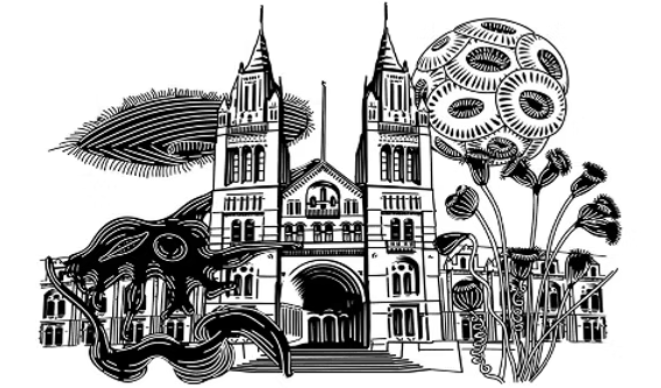
Protistology UK will hold its Autumn Meeting at the Natural History Museum in London from 3-4 September 2026 🦠 The theme of the event is "Introducing Spatial Proteomics for Protists" Sign up now; early bird prices are valid until 22 June: protistology.org.uk/autumn-meeting…
Microbiology Society tweet media
English
1
3
6
494
RuminOmics रीट्वीट किया
HoloRuminant H2020
HoloRuminant H2020@holoruminant·
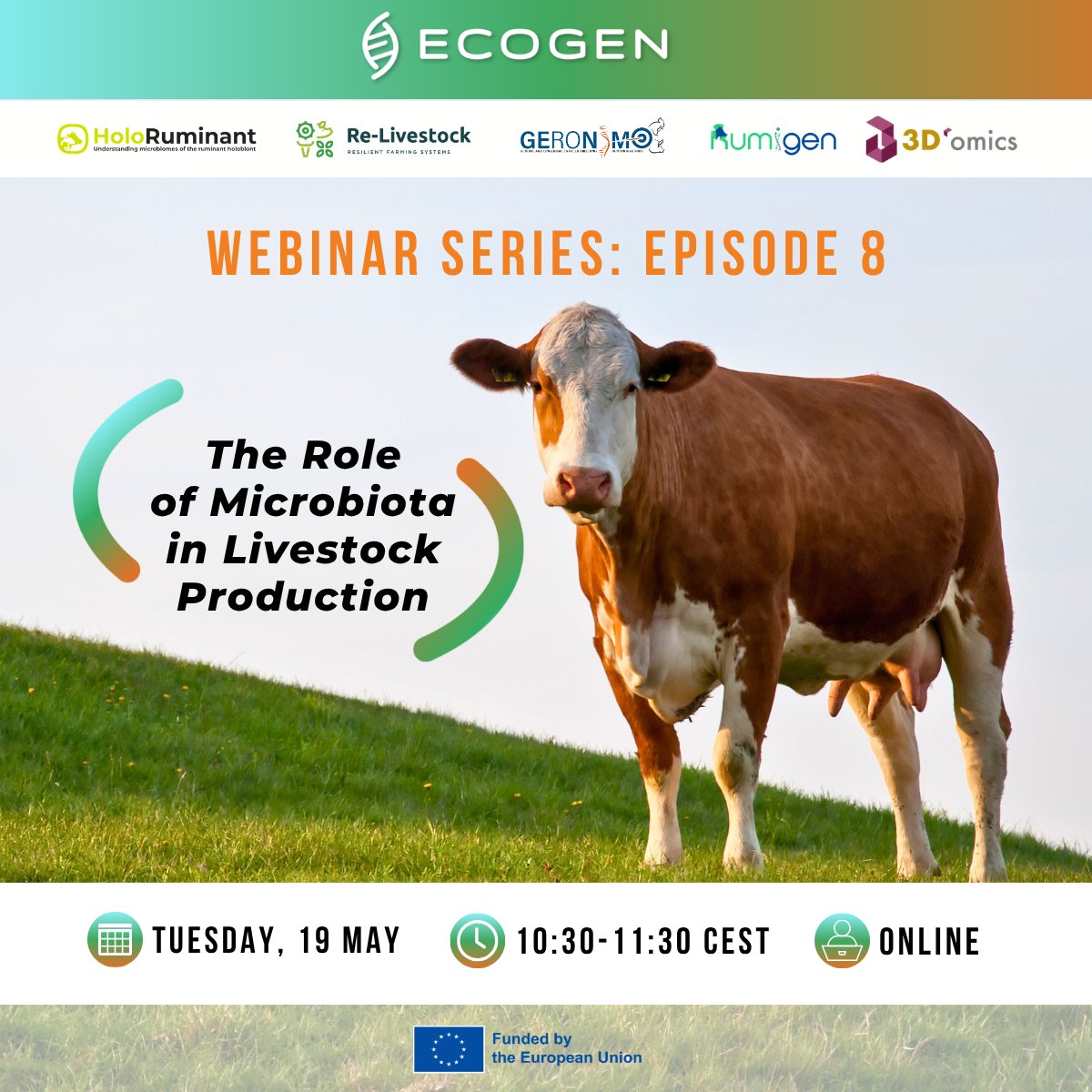
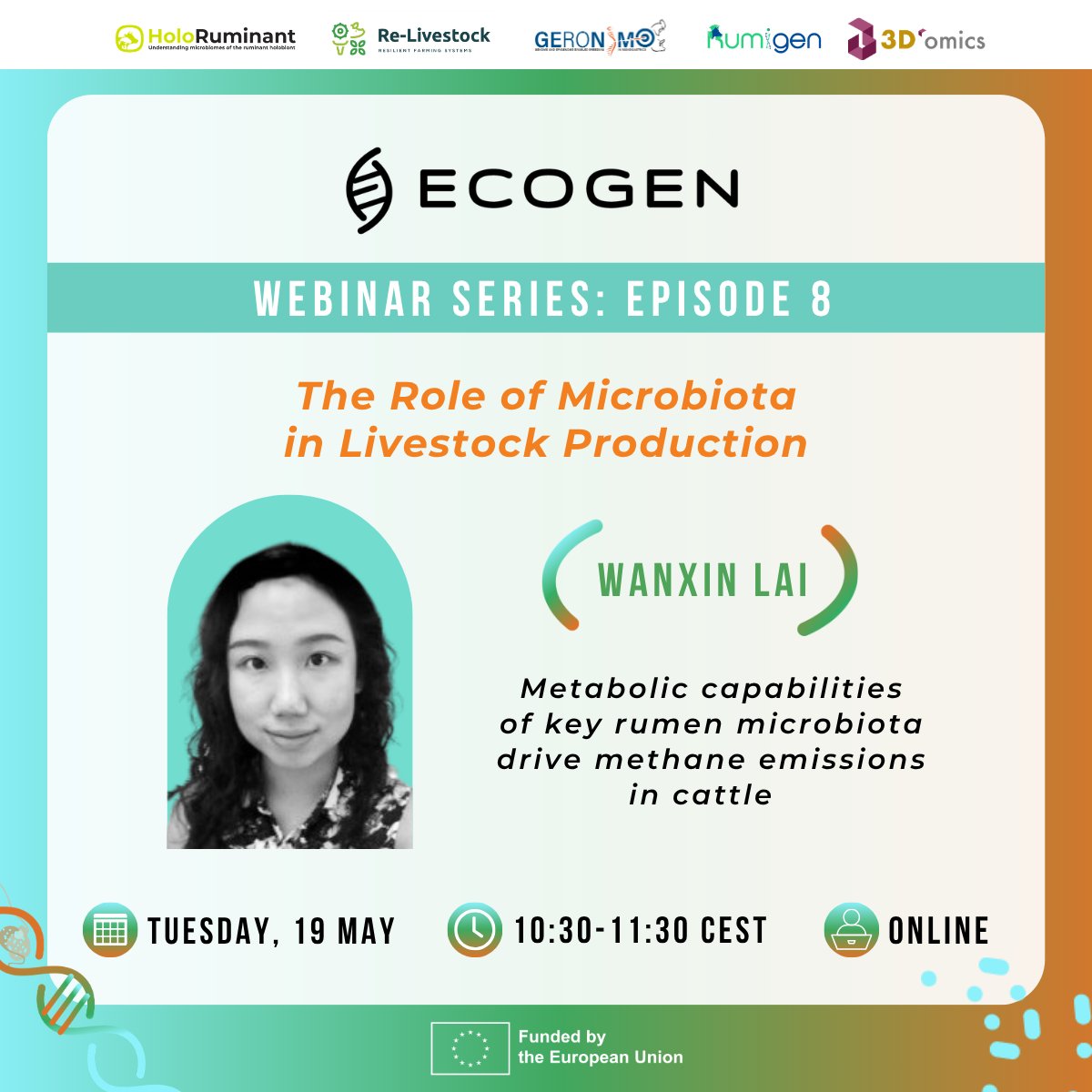
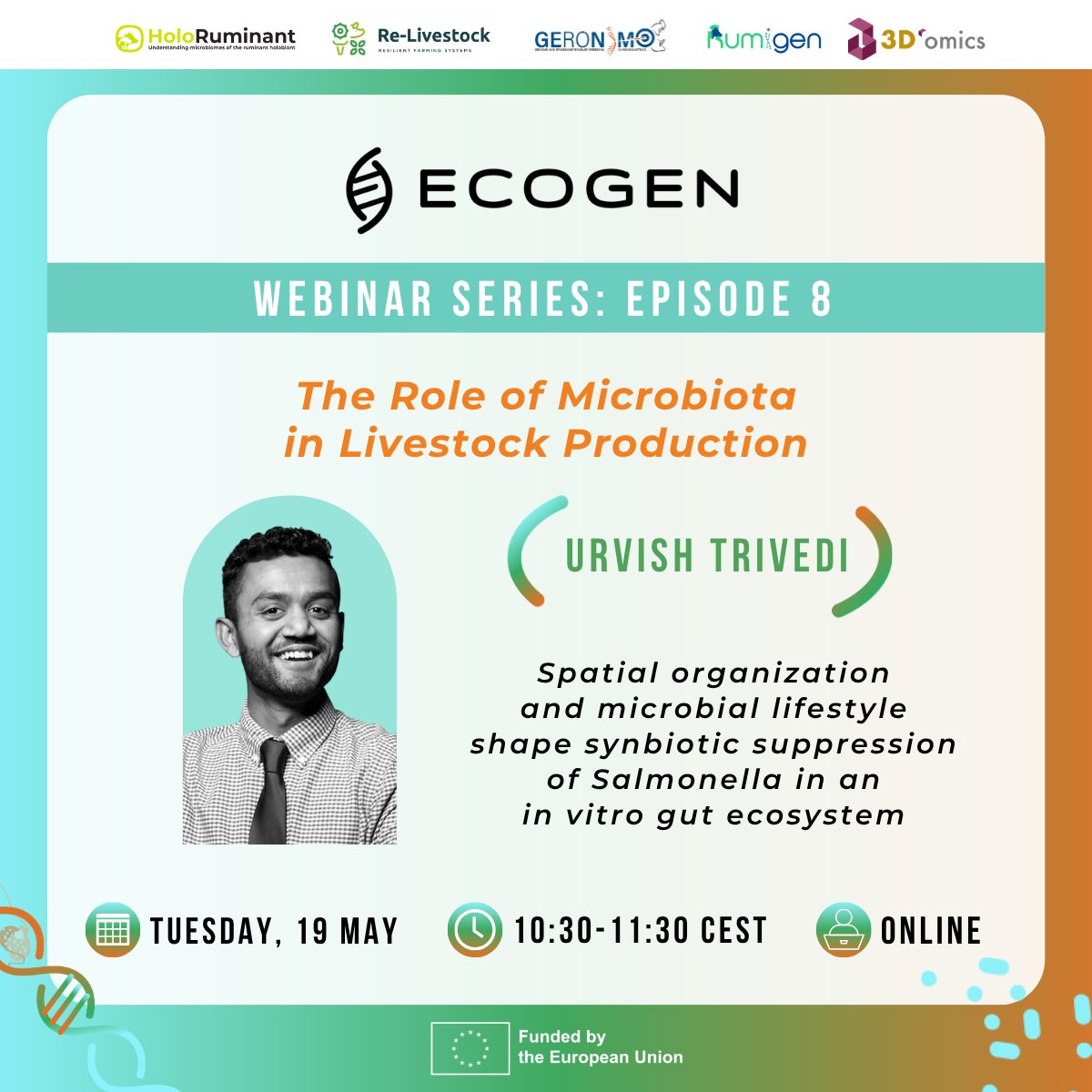
🔬 EcoGen Webinar Series – Don’t miss it! We are pleased to announce the EcoGen Webinar Series: "The role of microbiota in livestock production" 📅Tuesday, 19/05/2026 📍 Online, 10:30–11:30 CEST 👉 Secure your spot now: holoruminant.eu/last-ecogen-we…
HoloRuminant H2020 tweet mediaHoloRuminant H2020 tweet mediaHoloRuminant H2020 tweet mediaHoloRuminant H2020 tweet media
English
0
1
0
21
RuminOmics रीट्वीट किया
Microbiome
Microbiome@MicrobiomeJ·
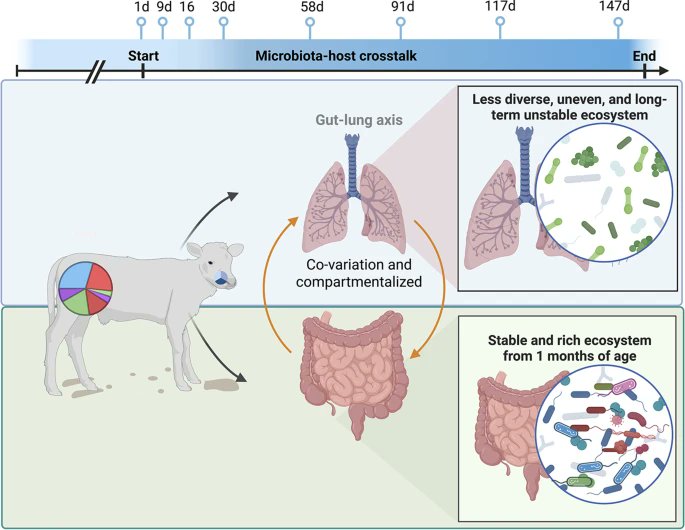
In #AnimalMicrobiome 🔍Decoding the dynamics of calves’ respiratory & gut microbiota: exploring stability, resistance & individual patterns 🚨The first month of life is a critical window for interventions targeting the fecal microbiota Read more➡️doi.org/qm7t
Microbiome tweet media
English
0
3
5
482
RuminOmics रीट्वीट किया
ASM
ASM@ASMicrobiology·
Although prokaryotic cells have complex cellular structures and behaviors and have had plenty of time to evolve complex multicellularity, they have never done so—why not? This article offers insights: asm.social/2R6
English
0
15
28
1.8K
RuminOmics रीट्वीट किया
mBio
mBio@mbiojournal·
How bacteria and fungi "talk": this #mBio minireview unpacks quorum‑sensing signals that shape cross‑kingdom teamwork, competition, biofilms, and synthetic biology, offering a roadmap to engineer microbial communities. doi.org/10.1128/mbio.0…
mBio tweet media
English
0
16
54
2.4K
RuminOmics रीट्वीट किया
Microbiome
Microbiome@MicrobiomeJ·
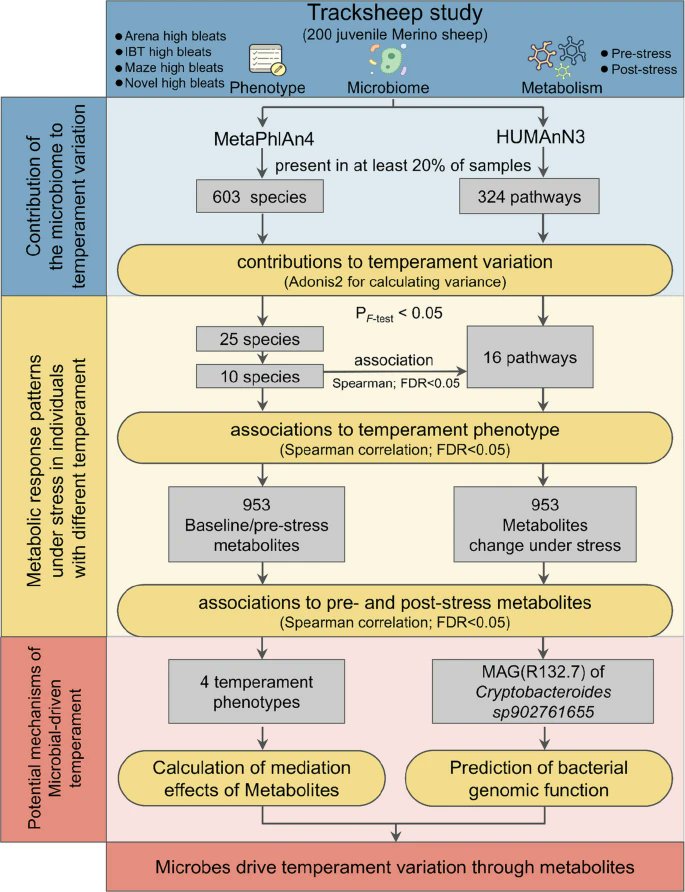
In #Microbiome 🔍Investigating the association between the gut microbiota & temperament plasticity in Merino sheep 🦠The first large-scale multi-omics evidence linking the rumen microbiome to a dimension of emotional reactivity in livestock 👉doi.org/qtvb
Microbiome tweet media
English
0
2
5
419
RuminOmics रीट्वीट किया
Iñigo San Millán
Iñigo San Millán@doctorinigo·
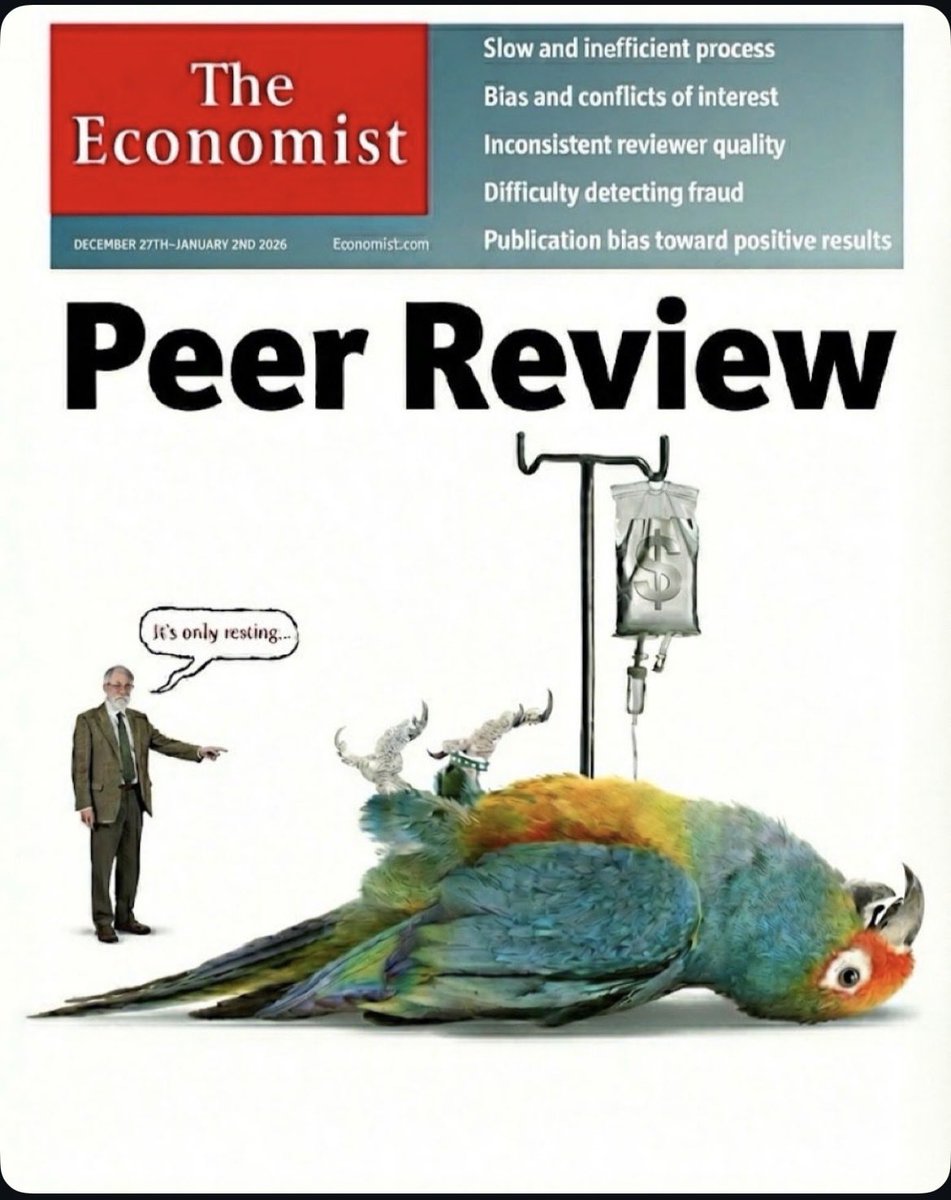
For decades, peer review has been treated as the gold standard of scientific validation. Yet many scientists know the reality: the system is far from perfect. Peer review is broken and sometimes even corrupted. The process can be slow, inconsistent, and vulnerable to bias. Reviewers are sometimes asked to judge work outside their true expertise. In other cases, they may be evaluating ideas that challenge the very paradigm in which they were trained. And occasionally, reviewers are simply competitors. Ironically, the most prestigious journals can also be the most conservative. Truly new ideas are often met with skepticism, while safer work that fits the current narrative moves more easily through the system. Increasingly, papers are judged less by the originality of the idea and more by the volume of data, the sophistication of statistics, and the beauty of the figures. Science risks becoming data-rich but idea-poor. But there is an important reality to remember: journals do not ultimately decide the impact of scientific work. Impact is decided later, by the community. By the scientists who read it, test it, debate it, and cite it. In the end, citations and ideas determine the legacy of a paper, not the impact factor of the journal that first published it. Science has always advanced by questioning assumptions. Perhaps it is time we also question the system that filters scientific ideas.
Iñigo San Millán tweet media
English
137
1K
2.8K
245K
RuminOmics रीट्वीट किया
Microbiome
Microbiome@MicrobiomeJ·
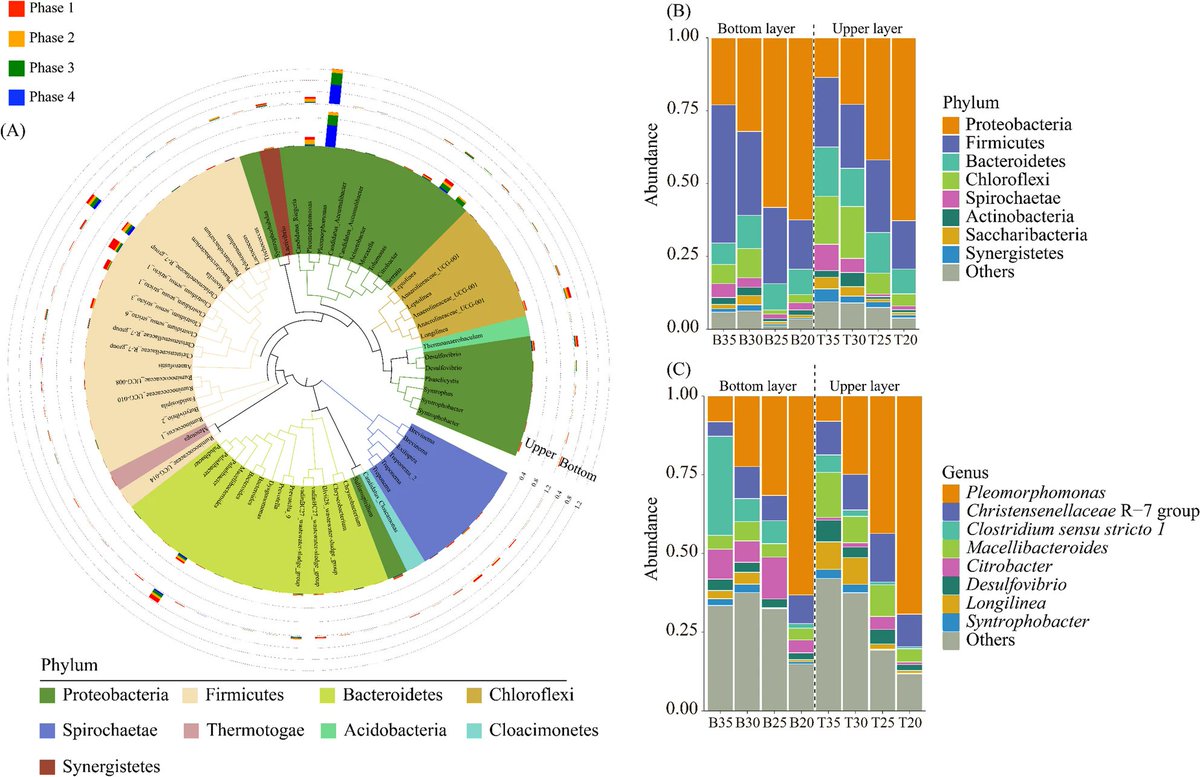
In #EnvironmentalMicrobiome 🔍Investigating the performance & microbial dynamics of UASB reactor subjected to gradual temperature reduction from 35 to 20 °C 🚨Enhancing our understanding of temperature effects on anaerobic systems 👉doi.org/qtt8
Microbiome tweet media
English
1
4
16
724
RuminOmics रीट्वीट किया
Segata Lab
Segata Lab@cibiocm·
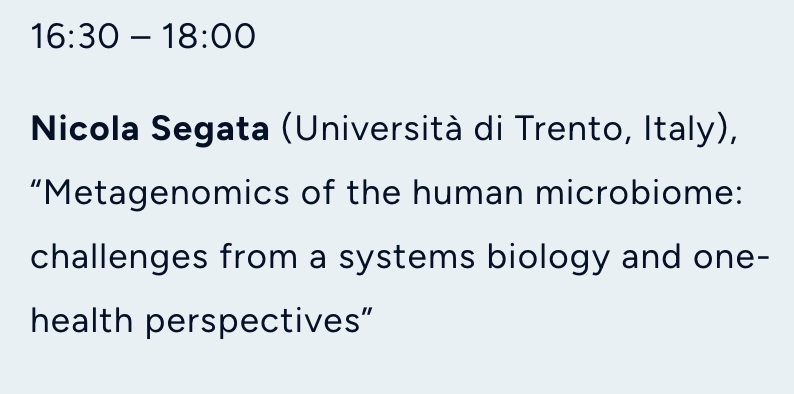
This week, at the MultiOmics symposium at NOI Techpark 🇮🇹 @nsegata will give a keynote talk "The Microbiome along the Diet –Health Axis: Findings and Application Prospects" noi.bz.it/en/events/mult…
English
0
2
6
299
RuminOmics रीट्वीट किया
Mushtaq Bilal, PhD
Mushtaq Bilal, PhD@MushtaqBilalPhD·
A lot of academics still think AI apps generate fake references to papers that don't exist. They are living in 2023. You can easily integrate a database of 280M research papers with Claude and ChatGPT to get answers with references to published papers. Here's how to do it:
English
45
205
1.2K
308.3K
RuminOmics रीट्वीट किया
Segata Lab
Segata Lab@cibiocm·
Today @nsegata is at @META_PoliMi Workshop – “Postgenomic Intersections: Epistemology and Ethics for the Exposome and Microbiome” meta.polimi.it/workshop-postg… Registration is free just get in touch w/ organizers via email to register or if you’d like to attend remotely.
Segata Lab tweet media
English
0
2
6
415