Hernando Alvis, MD

1K posts

Hernando Alvis, MD banner
Hernando Alvis, MD

Hernando Alvis, MD

@AlvisMD

Neurocirugía

Cartagena, Colombia Bergabung Mayıs 2018
496 Mengikuti226 Pengikut
Hernando Alvis, MD me-retweet
Manuel Moquillaza
Manuel Moquillaza@mmoquillazaACV·
🧠 DISECCIÓN CAROTÍDEA 2026 1️⃣ Principal causa de stroke en menores de 50 años 2️⃣ Tríada clave: dolor cervical/facial + Horner + déficit neurológico 3️⃣ Anticoagulación supera a antiagregación en prevención de stroke isquémico (RR 0.63 — STOP-CAD 2025) 4️⃣ Oclusión en tándem: stenting emergente + trombectomía = mayor recanalización (81.8% vs 76.6%) 5️⃣ Con diagnóstico y tratamiento oportuno, >70% alcanza resolución completa #DisecciónCarotídea #StrokeJoven #NeurointervencionismoCerebrovascular #PrevencionStroke #NeurologíaVascular 📍 Clínica Ricardo Palma — San Isidro, Lima, Perú Dr. Manuel Moquillaza Valle | Neurología Vascular e Intervencionista
Español
1
8
30
1.1K
Hernando Alvis, MD me-retweet
Braydon Dymm, MD
Braydon Dymm, MD@BraydonDymm·
Forced gaze deviation 🦪 STROKE (destructive) in the Frontal Eye Field (FEF) allows the eyes toward the lesion. SEIZURE (irritative) in the FEF pushes the eyes away from the focus.
Braydon Dymm, MD tweet media
English
2
66
318
10.5K
Hernando Alvis, MD me-retweet
Jose Ramos Vivas
Jose Ramos Vivas@joseramosvivas·
¡Revolución en el diagnóstico de enfermedades raras! 🚀🧬💉 Más de 300 millones de personas sufren #EnfermedadesRaras en el mundo 🌍 y el "viaje diagnóstico" puede durar +5 años 😩 con errores y sufrimiento innecesario. Han creado DeepRare. Un sistema con #IA (basado en LLMs) que integra +40 herramientas especializadas 🔧📊 y conocimiento actualizado. Procesa síntomas en texto libre, términos de ontología HPO y datos genéticos 🧬 → genera hipótesis diagnósticas con razonamiento rastreable y evidencia verificable 🔍✅ 👇 nature.com/articles/s4158…
Jose Ramos Vivas tweet mediaJose Ramos Vivas tweet media
Español

2
30
115
5K
Hernando Alvis, MD me-retweet
Jon Stone
Jon Stone@jonstoneneuro·
We have waited a long time for a robust clinical study of functional sensory symptoms and signs. Congrats to @RoryHigginsPT and @GNielsen_Physio for leading this excellent study - detailed thread below academic.oup.com/braincomms/art…
Jon Stone tweet media
Rory Higgins@RoryHigginsPT

Delighted to report our study on sensory symptoms has been published in @BrainComms - @jonstoneneuro, Prof. Edwards, @CoeberghJan, @RoryHigginsPT, @GNielsen_Physio academic.oup.com/braincomms/adv…

English
1
44
112
15K
Hernando Alvis, MD me-retweet
Chiara Robba
Chiara Robba@chiara_robba·
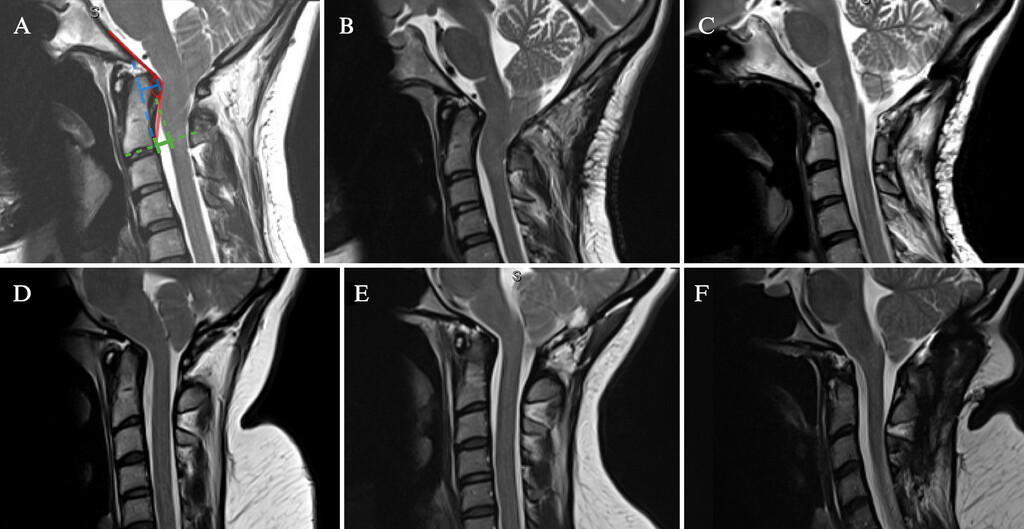
Non invasive ICP methods: a practical approach!
Chiara Robba tweet mediaChiara Robba tweet mediaChiara Robba tweet media
English
2
39
123
8.1K
Hernando Alvis, MD me-retweet
NOMOS Glashütte
NOMOS Glashütte@nomosglashuette·
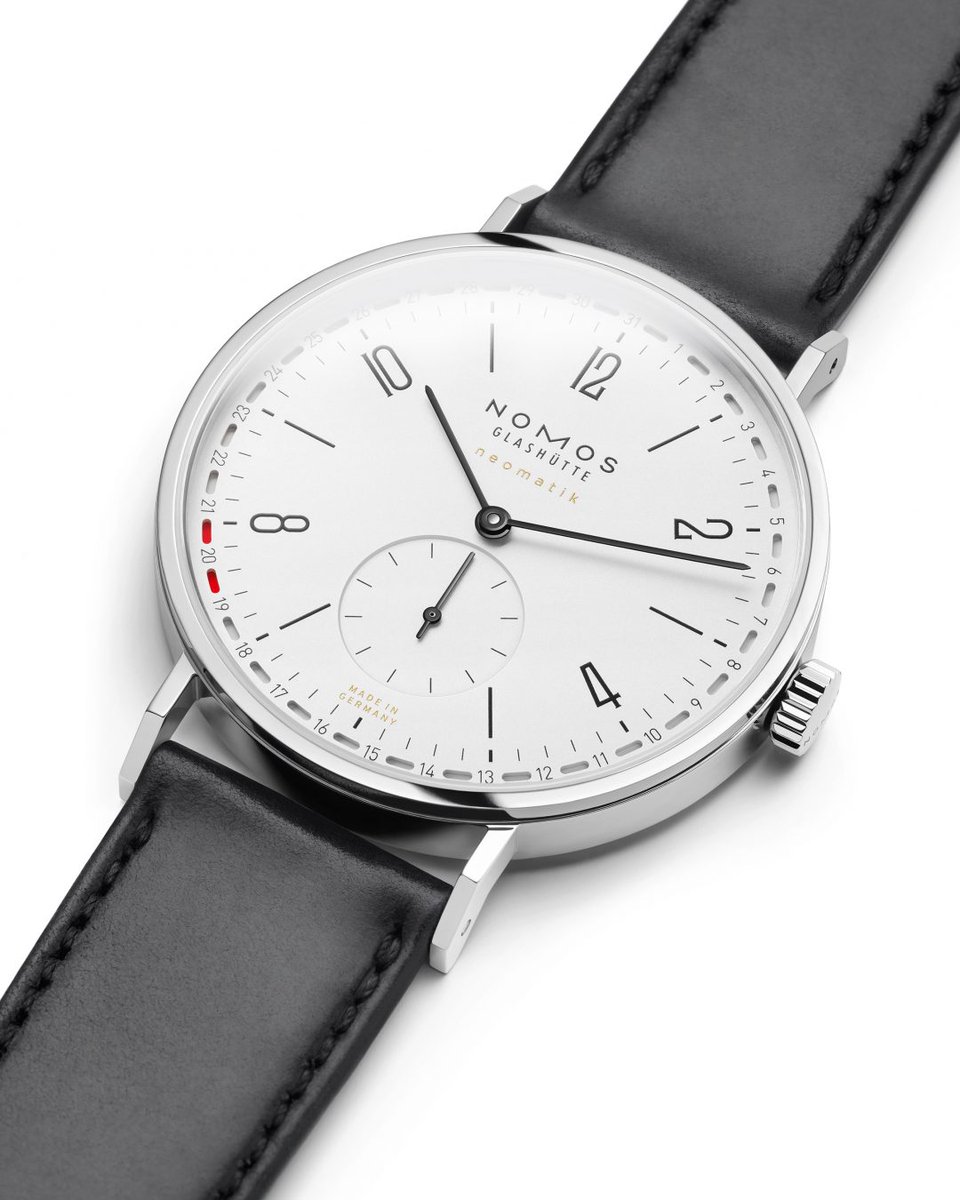
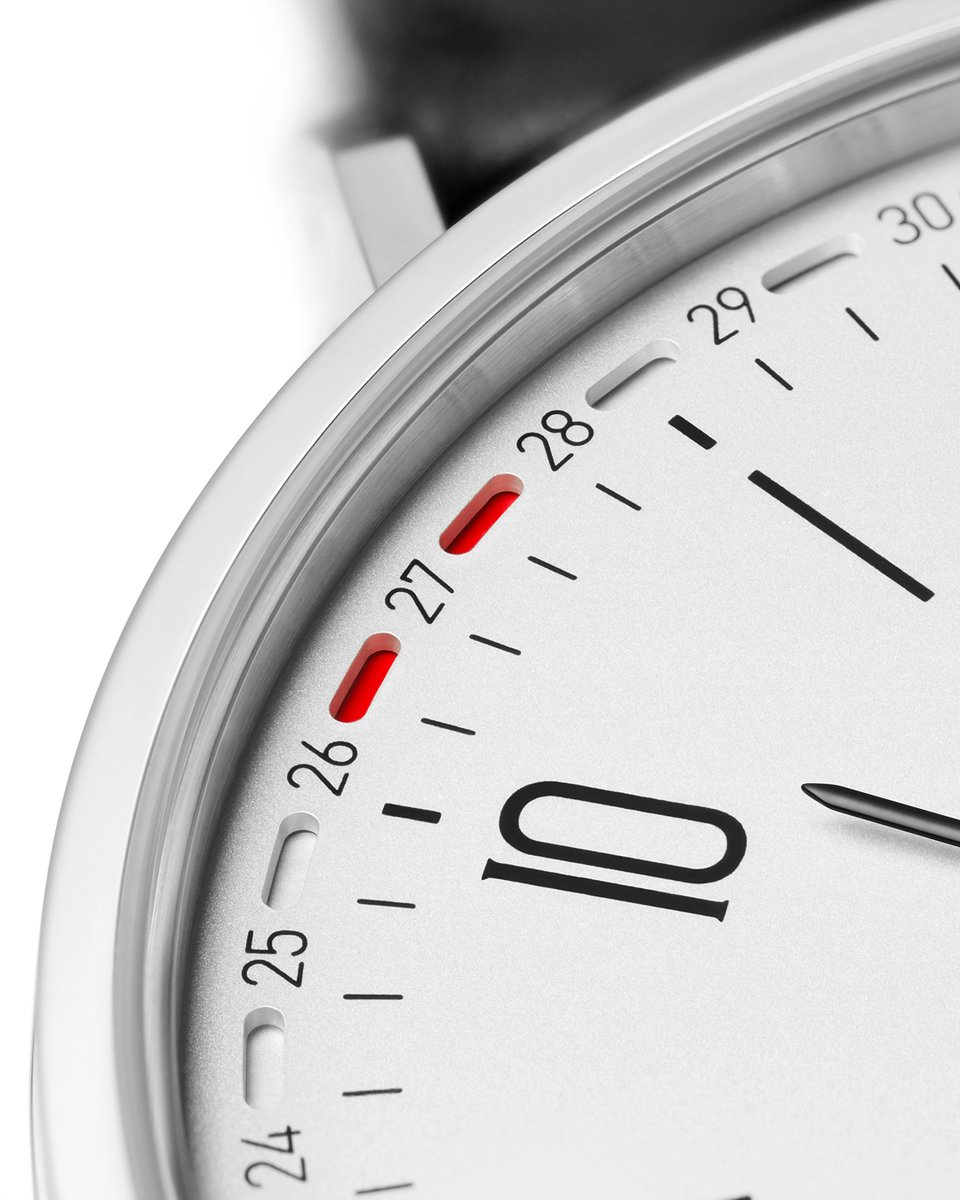
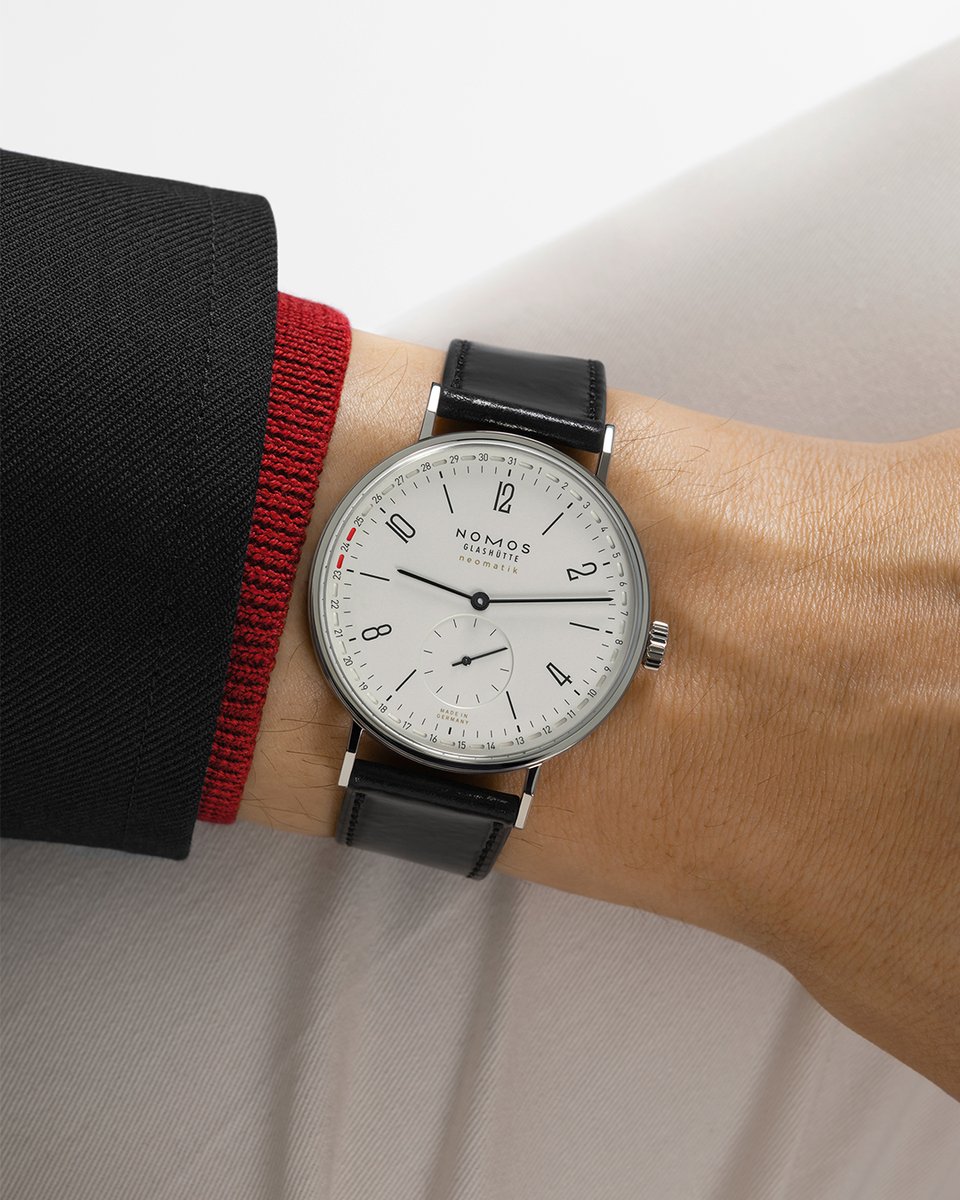
#Tangente neomatik 41 Update reinterprets the date complication in an innovative and elegant way. The patented #NOMOS ring date features two red markers that frame the current date, adding a subtle color accent while keeping the dial clear. nomos-glashuette.com
NOMOS Glashütte tweet mediaNOMOS Glashütte tweet mediaNOMOS Glashütte tweet mediaNOMOS Glashütte tweet media
English
2
16
366
18.3K
Hernando Alvis, MD me-retweet
Puppies 🐶
Puppies 🐶@Puppieslover·
Forget all the skincare videos you've watched so far.
English
99
4K
18.8K
743K
Hernando Alvis, MD me-retweet
LINEAR
LINEAR@linear_magazine·
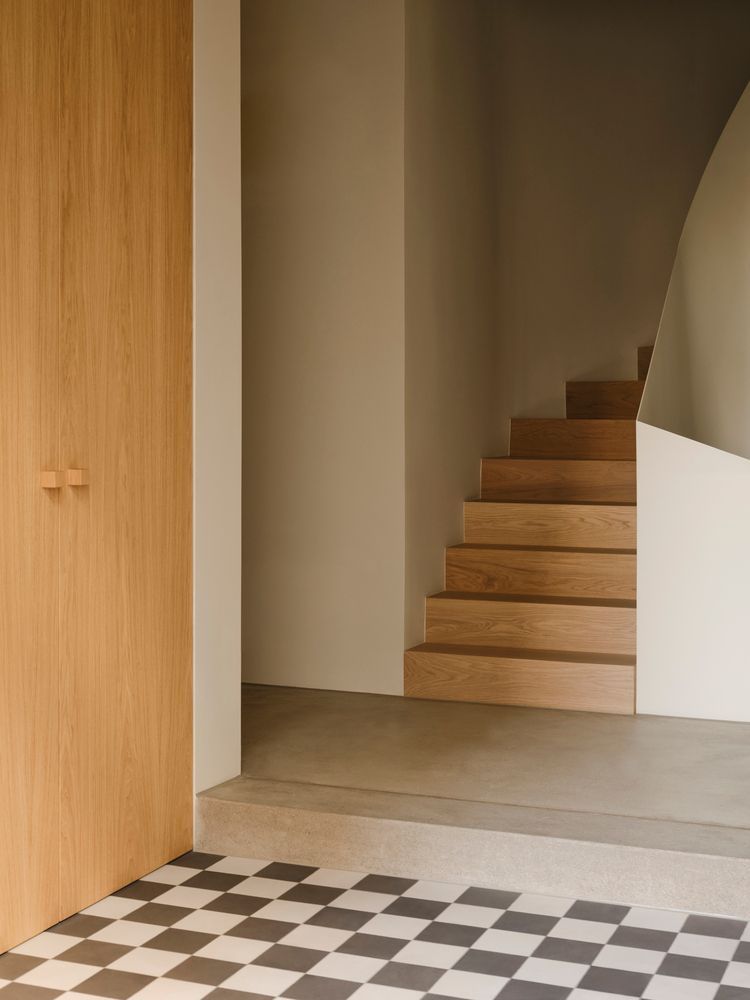
Classic German forms, intertwined with motifs from Japanese living culture
LINEAR tweet mediaLINEAR tweet mediaLINEAR tweet mediaLINEAR tweet media
English
4
58
728
29.2K
Hernando Alvis, MD me-retweet
Surgical Ergonomics
Surgical Ergonomics@SurgErgonomics·
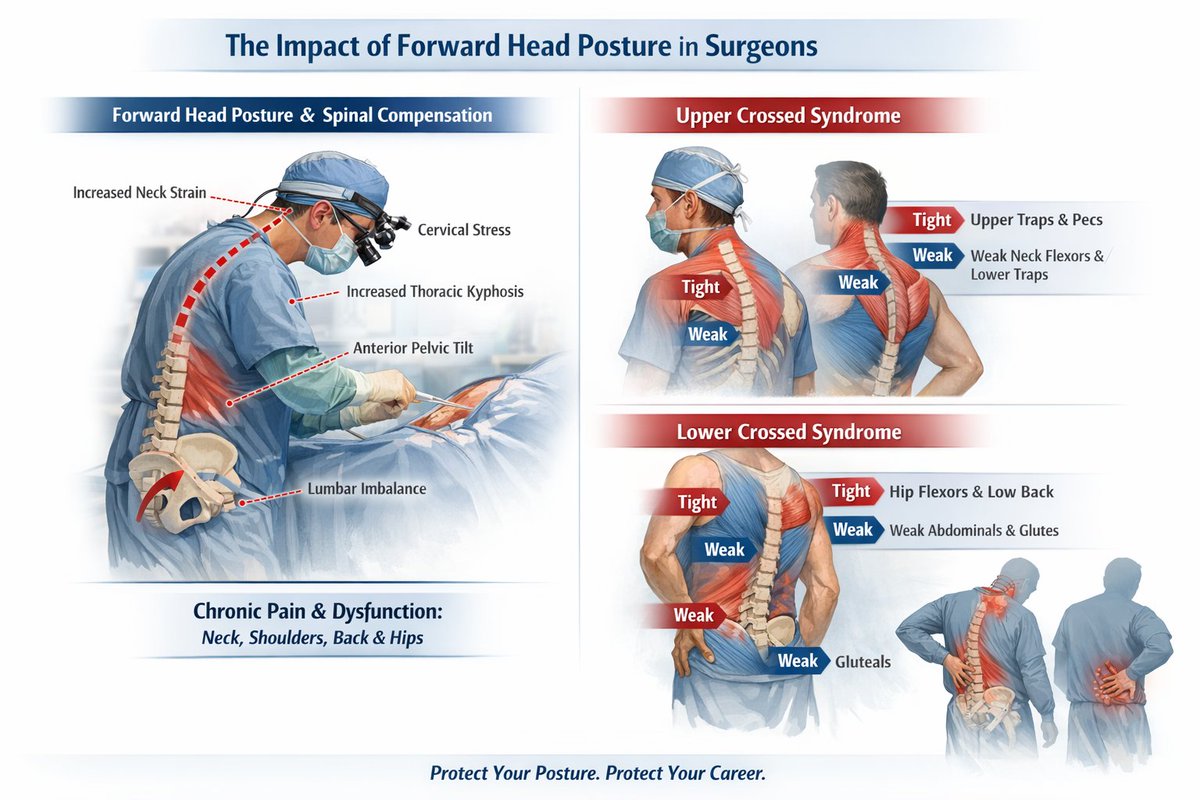
Forward head posture is common in the OR—but it doesn’t just strain the neck. It triggers spinal compensation → upper & lower crossed syndromes → neck, shoulder & back pain. This is a work-design issue, not “bad posture.” #SurgicalErgonomics #SurgeonHealth
Surgical Ergonomics tweet media
English
11
168
650
42.6K
Hernando Alvis, MD me-retweet
NEJM
NEJM@NEJM·
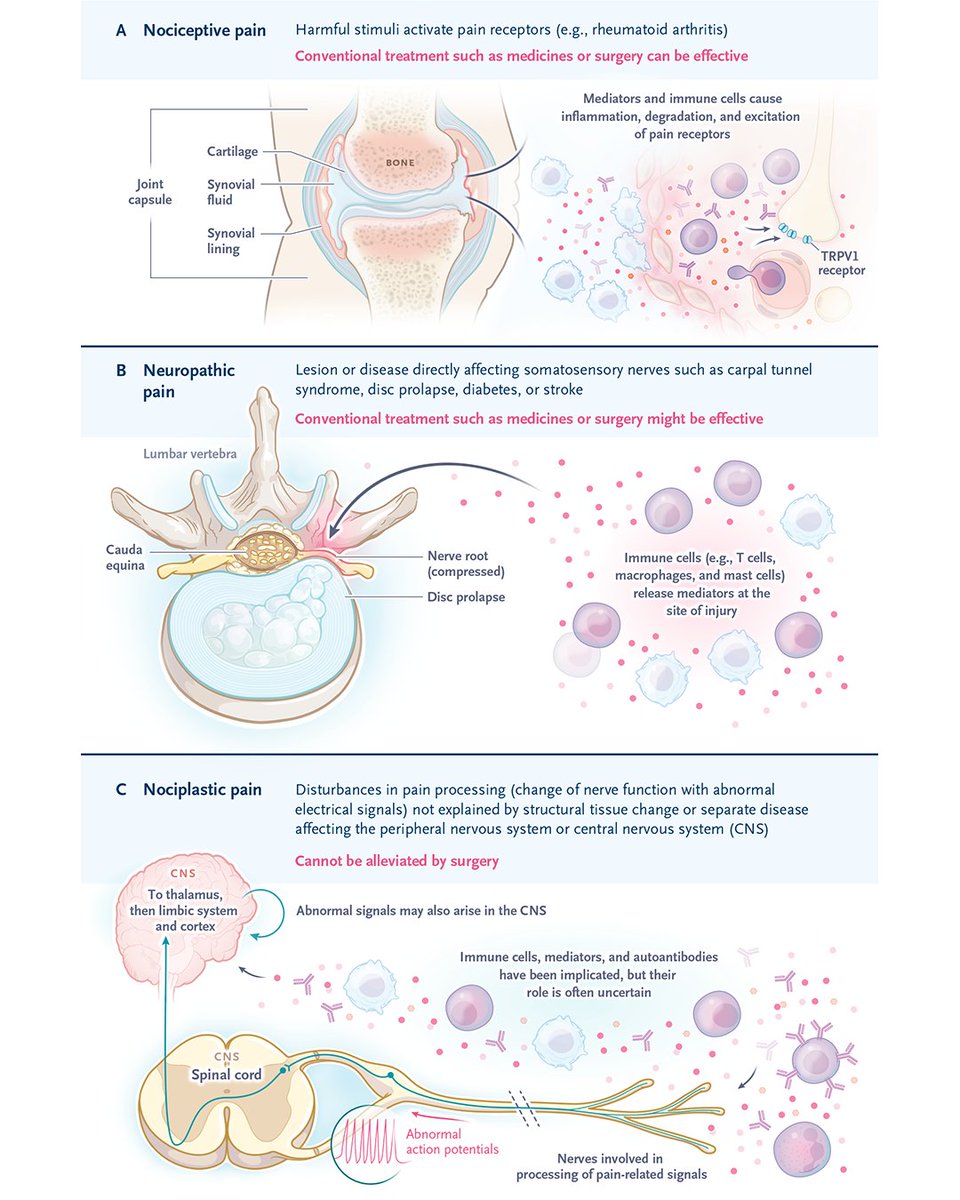
Complex regional pain syndrome (CRPS) is diagnosed by assessment of disease signs and symptoms in the affected limb. The Budapest criteria define the diagnostic algorithm (seen in Table 1). These empirically informed criteria were developed through a consensus process and then validated for their diagnostic sensitivity and specificity (0.99 and 0.68, respectively, for the clinical criteria). Beyond diagnosis, a comprehensive biopsychosocial pain assessment can aid clinicians in determining the broader health care needs of their patients. Although two subtypes of CRPS are traditionally recognized, which are defined by the absence (type 1) or presence (type 2) of damage to a nerve caused by the CRPS-triggering trauma, their manifestations are similar. In the rarer type 2 CRPS, disease signs in the affected limb must extend beyond the territory of an involved nerve. Peripheral nerve damage can lead to innervation territory–restricted neuropathic pain and autonomic signs; some patients with type 2 CRPS therefore present with a mix of CRPS pain and neuropathic pain (seen in figure). Autonomic signs in the affected limb in persons with CRPS tend to abate over time; the Valencia consensus–based adaptation of the Budapest criteria clarifies that patients can receive the CRPS diagnosis (a third subtype) as long as disease signs in the limb had been documented at an earlier assessment. The historical understanding that CRPS develops in stages is obsolete. Learn more in the Clinical Practice article “Complex Regional Pain Syndrome” by Andreas Goebel, MD, PhD, from the University of Liverpool and @WaltonCentre: nej.md/3MSMW0n
NEJM tweet mediaNEJM tweet media
English
0
79
293
29.9K
Hernando Alvis, MD me-retweet
Nacho Vallejo #cambiahospital
Nacho Vallejo #cambiahospital@ivmaroto_nacho·
No es que nadie quiera ser jefe. Es que nadie quiere liderar lo imposible. En sanidad no falta liderazgo: faltan las condiciones para que pueda existir. Lo cuento aquí: @nacho-vallejo/cuando-el-sistema-te-pide-liderar-lo-imposible-2e9e6f91dd36" target="_blank" rel="nofollow noopener">medium.com/@nacho-vallejo… #cambiahospital
Nacho Vallejo #cambiahospital tweet media
Español
41
222
627
122.2K
Hernando Alvis, MD me-retweet
Samantha Cavet
Samantha Cavet@samanthacavet·
Sunsets in southern Tuscany
Samantha Cavet tweet mediaSamantha Cavet tweet mediaSamantha Cavet tweet mediaSamantha Cavet tweet media
English
12
92
652
22.3K
Hernando Alvis, MD me-retweet
Michael Okun
Michael Okun@MichaelOkun·
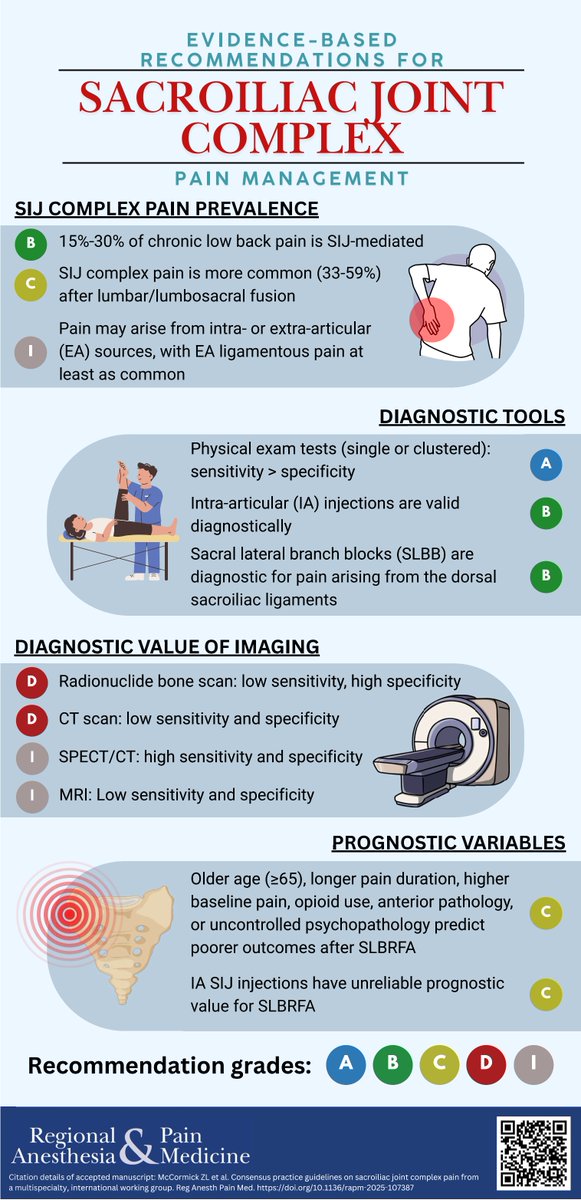
Chronic pain is one of the most under-recognized burdens for folks with Parkinson’s disease. It is time we bring chronic pain in Parkinson’s out of the shadows and address it as a central part of a care plan. Ogonowski and colleagues tackle this topic head on in a new article in Annals of Clinical and Translational Neurology. Key Points: - Two thirds of people living w/ Parkinson’s experience chronic pain. - Women report more frequent and more severe pain than males. - Pain is strongly linked w/ depression, sleep disorders and osteoarthritis My take: Most neurologists and healthcare providers skirt around chronic pain in Parkinson’s and fail to address it. This needs to change. Here are 5 points that resonated w/ me about this article. 1- Chronic pain is common in Parkinson’s however it is frequently underdiagnosed. 2- Pain may appear in many body regions including the back, neck, buttocks and knees. 3- Pain can be related to motor symptoms however it can also be related to mood, sleep and other conditions. 4- Environmental exposures like pesticides may possibly increase pain risk. 5- Managing pain requires a team approach including medical care, mental health and addressing lifestyle factors. onlinelibrary.wiley.com/doi/10.1002/ac… @FixelInstitute @ParkinsonDotOrg @SfNtweets @movedisorder
Michael Okun tweet media
English
2
54
190
10K