Eric Reasons

5.8K posts

Eric Reasons

Eric Reasons

@ericreasons

Husband, Father, Engineer, Runner, Gamer. Interests: economics, social media, history. Politically Alt-Middle Anti-Collectivist. My name ain't "Eric Feels".

Detroit, MI 参加日 Mart 2008
825 フォロー中591 フォロワー
固定されたツイート
Eric Reasons
Eric Reasons@ericreasons·
@handre Debase the currency. Destroy the middle class. Foment unrest with useful idiots. Force everyone into tribal thinking. Death-match between authoritarian collectivist tribes (Nazi vs Communist, etc.) No matter which side wins, liberty and individual sovereignty loses.
English
0
0
14
711
Eric Reasons
Eric Reasons@ericreasons·
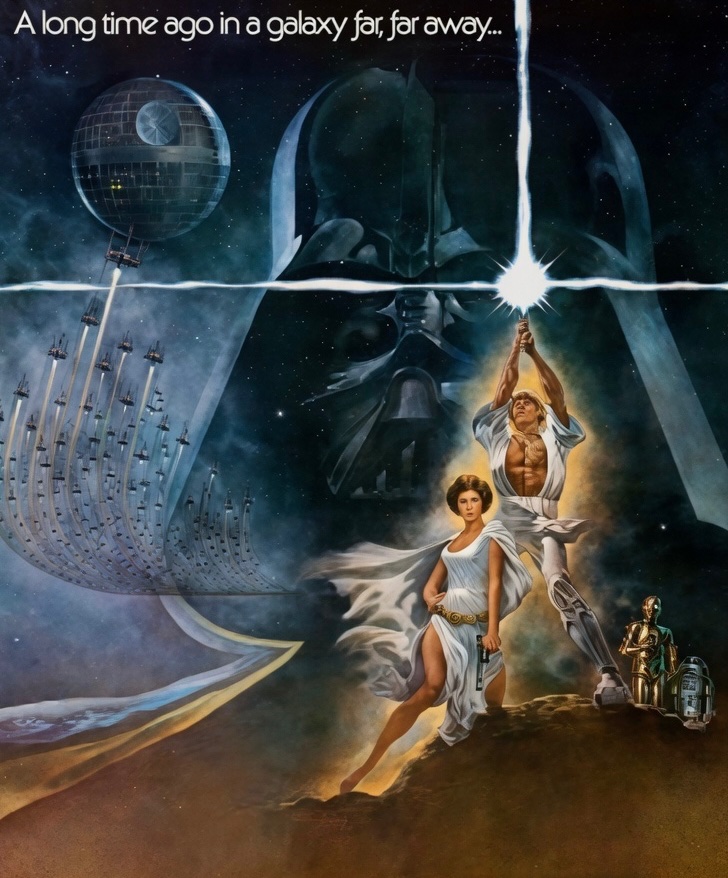
@travelingflying I can't believe that my memories of it were from 77 in theaters, as I was only 2 years old at the time, but I did see it in a theater before Empire was released. Did they do a second run in theaters just before Empire? That would make more sense to me.
English
0
0
0
12
Taya Bass
Taya Bass@travelingflying·
Did someone here see Star Wars: Episode IV – A New Hope in theaters when it came out in 1977?
Taya Bass tweet media
English
3.2K
195
6K
232.8K
Eric Reasons がリツイート
Miguel Hernández
Miguel Hernández@miguelhzv·
Acabo de terminar la lectura de Historia de la civilización de Will Durant. Once tomos, más de trece mil páginas. Durant no es de mi palo ideológico, es un historiador liberal en el sentido clásico del término, no tiene agenda ideológica explícita. Y sin embargo, en el tomo sobre Roma, documenta algo que yo hubiera firmado sin cambiarle una coma. En César y Cristo, Durant describe la política económica de Diocleciano, siglo III, con una precisión que corta. Primero el Estado sustituyó el sistema de precios por una economía administrada. Después controló el grano, el aceite, el hierro, la sal. Después dictó precios máximos para todos los bienes y servicios del Imperio, el Edicto de Precios del 301 d.C. Resultado fue qu los bienes desaparecieron del mercado. Lo que no puede venderse a precio libre, no se produce ni se ofrece. El mecanismo es tan simple que da vergüenza tener que explicarlo, y sin embargo dos mil años después los gobiernos siguen aplicando la misma política con la misma cara de sorpresa cuando llegan los mismos resultados. Pero lo más demoledor no es el Edicto. Es lo que vino después. Para evitar que la gente huyera del campo y de las ciudades escapando de los impuestos y las regulaciones, el Estado romano ató literalmente a los campesinos a la tierra. Durant lo llama servidumbre de hecho. El feudalismo medieval, argumenta Durant, tiene su raíz principal en las restricciones que Diocleciano y sus sucesores impusieron para impedir que la gente se fugara. La servidumbre medieval fue la consecuencia lógica del intervencionismo romano. Y para financiar todo esto, los impuestos subieron a niveles que Durant describe como de continuidad ubicua sin precedentes. La burocracia, el ejército, las obras públicas y la dole tenían que financiarse con los ingresos del año en curso porque Roma aún no había descubierto el endeudamiento público para disimular el despilfarro y postergar la rendición de cuentas. Esto es clave y Durant no termina de verlo del todo, el endeudamiento público no resuelve el problema. Los modernos sí lo descubrieron, y por eso la deuda reemplazó al impuesto como mecanismo de extracción, con el plus de que el costo se le carga a generaciones que todavía no pueden votar en contra. Durant lo sintetiza así en el epílogo del tomo: el costo creciente de los ejércitos, las dádivas, las obras públicas, la burocracia en expansión y una corte parasitaria; la depreciación de la moneda; el desaliento de la capacidad productiva y la absorción del capital de inversión por parte de una tributación confiscatoria; todo eso conspiró para socavar las bases materiales de la vida italiana, hasta que el poder de Roma fue un fantasma político que sobrevivía a su propia muerte económica. Un fantasma político que sobrevivía a su propia muerte económica. Durant escribió eso en 1944. Lo que describe es exactamente el orden de operaciones, intervención de precios, fuga de capital, servidumbre regulatoria, debasement monetario, colapso de la estructura productiva. No hay ningún misterio en la caída de Roma y tampoco lo hay en ninguna de las que vinieron después. Aún me falta seguir leyendo mucho sobre la Historia de la civilización de Will Durant, son muchos tomos.
Español
51
481
1.4K
47.1K
Eric Reasons がリツイート
TRIGGERnometry
TRIGGERnometry@triggerpod·
Everyone should hear this at least once. This is the best explanation of Western civilisation you’ll ever hear:
English
255
1.7K
7K
746.2K
Eric Reasons
Eric Reasons@ericreasons·
@jackvlloyd The fundamental flaw with both marxists and libertarians is that their baseline measurement is against a childish utopian ideal, instead of the real world. Libertarians were just better at math.
English
0
0
1
18
Jack V Lloyd
Jack V Lloyd@jackvlloyd·
A lot of libertarians have unwittingly adopted a Marxist class theory idea that only people with lots of money have agency and independent thought while everyone else poorer than them are just pawns, rubes, and hapless robots, unable to think and choose for themselves.
English
33
39
255
6.1K
Eric Reasons がリツイート
James E. Thorne
James E. Thorne@DrJStrategy·
Let’s be honest. Warsh at the Fed. Kevin Warsh’s arrival at the Federal Reserve is not a personnel change. It is a regime change attempt inside an institution built to prevent one. A supply-sider now runs a central bank hard-wired for Keynesian demand management, and the machine is already resisting the new code. The next mistake is visible in plain sight. Keynesians on Wall Street and inside the Fed are treating a supply shock as if it were a demand boom and calling for tighter money. This is dogma masquerading as seriousness. A chokepoint in the Strait of Hormuz, a jump in energy prices, and a cost shock rolling through transport, food, and manufacturing are not evidence of overheated demand. They are evidence of a damaged supply side. Monetary policy cannot reopen a shipping lane. It cannot pump more oil. It cannot repeal geopolitics. It can only crush demand somewhere else, usually with a lag, and usually in the most interest-rate-sensitive corners of the economy first, housing, commercial real estate, capital spending, and durables. Those sectors did not close the Strait. They are simply first in line to pay for the Fed’s intellectual mistakes. That is the Keynesian reflex in its purest form. Every price spike becomes “inflation.” Every inflation scare requires a rate move. Every rate move is advertised as proof of resolve. It is nonsense. A change in relative prices caused by a supply shock is not the same thing as an inflationary spiral. Pretending otherwise is how central banks turn an external shock into a domestic recession. Machiavelli explained why change is so hard. The innovator makes enemies of everyone who did well under the old order and wins only lukewarm defenders among those who might benefit from the new. Christensen gave the same warning in corporate language. Incumbent institutions kill disruptive change because their processes, incentives, and prestige are built around the existing model. That is the real problem Warsh faces. The resistance is not incidental. It is structural. The test for Warsh is not whether he can sound tough on television. It is whether he can resist the Wall Street catechism that every supply shock must be met with tighter money. If he hikes rates into a supply-driven price spike to prove his anti-inflation credentials, he will not have broken with the Keynesian regime. He will have submitted to it. This is not the 1970s. Expectations are not unanchored, and the productive economy is already scarred by years of policy excess, fiscal decadence, and institutional bias. The hope is that Warsh understands the difference between inflation and a supply shock, ignores the Keynesian pundits, and refuses to compound one policy error with another.
The Wall Street Journal@WSJ

Kevin Warsh is to be sworn in as Fed chair on Friday, and some investors say the central bank’s next move could be a rate hike—not the cut he was hired to deliver on.wsj.com/3Phncg3

English
76
175
846
188.9K
Eric Reasons がリツイート
Rock Chartrand🤑
Rock Chartrand🤑@RockChartrand·
“The market” is just people voluntarily trading with each other. Capitalism doesn’t say humans exist to serve markets. It says no human has the right to forcibly use another human as a resource. Ironically, the socialist framing does exactly what she accuses capitalism of doing: it reduces individuals to tools for “society,” “equity,” or “the collective,” where your labor, earnings, and property become claims others are entitled to. Under capitalism, you own your life and trade by consent. Under socialism, the political class decides what counts as “equitable” and compels everyone else to serve that vision.
🧡Lulu🌾;@ItsLulu_7

Under capitalism you are not considered a human

English
20
62
312
4.7K
Eric Reasons がリツイート
Lawrence Lepard, "fix the money, fix the world"
This used to be my pinned Tweet. The blue line (GDP) generates income to service the debt in the red line (All Sector Debt). See the problem? It is just math.
Lawrence Lepard, "fix the money, fix the world" tweet media
English
101
224
1.3K
58.7K
Eric Reasons がリツイート
ThinkingWest
ThinkingWest@thinkingwest·
Nothing will shape your worldview as much as simply reading how humans from the past thought. You realize very quickly that our time is a radical anomaly in human history.
Auron MacIntyre@AuronMacintyre

Read old books

English
759
3.2K
28.4K
37.4M
Tom Luongo
Tom Luongo@TFL1728·
Rush (14 times) Marillion King Crimson Bela Fleck and the Flecktones Dixie Dregs and the Steve Morse Band Sting Steve Miller Jethro Tull Peter Gabriel Pink Floyd Others: Genesis Pat Methany Dave Gilmour Ted Nugent Aerosmith AC/DC Phish Primus Santana Allan Holdsworth REM with Bill Berry
A Simple Fool ✝️🇺🇸@asimplefoolblog

Introduce yourself with 10 bands you’ve seen live… Rush Journey Black Sabbath (Dio version) Sammy Hagar Robert Cray Def Leppard The Police Bruce Springsteen Miles Davis Herbie Hancock

English
52
1
83
14.6K
Eric Reasons
Eric Reasons@ericreasons·
@adamtaggart -Pump before the long weekend. -Expect new hostilities after the close of the markets on Friday. -New "close to a deal" talk sometime Tuesday afternoon. -Repeat. I'm feeling the rhythm now.
English
0
0
5
213
altheboss
altheboss@AlTheBoss03·
Name a player who NEVER wore another jersey. One team. One city. One legacy. Go. 🔒
English
4.8K
55
1.1K
3.3M
Eric Reasons
Eric Reasons@ericreasons·
@TFTC21 @LukeGromen Don't overlook the Clarity Act as a 2nd front in the war: Direct-to-market foreign holders of stablecoins that have to be backed by US Treasury purchases. The banks do QE for the Fed, and the foreign (indirect) demand for US Treasuries helps tamp down the yield.
English
0
0
3
611
TFTC
TFTC@TFTC21·
"Warsh cuts rates, Warsh shrinks the balance sheet, then changes the regulations for banks so banks can buy more treasuries without reducing lending to Main Street. That's the Jedi mind trick. These are not the droids you're looking for." - @LukeGromen
English
23
48
535
71.5K
Jeff Bezos
Jeff Bezos@JeffBezos·
Thank you. The important part is zeroing out taxes on the bottom half. Best way to put money in someone’s pocket is to not take it out in the first place. Bottom half is only 3% of total tax revenue. But it’s very meaningful to that person. Zero it out.
Chris | Venture X Media@thecoachchris_

Facts It's great that Jeff Bezos thinks this way, because too many people who don't make money think that giving money to the government will solve a lot of their problems. They think these government programs are the answer, and it's clearly not. You can look at the federal level or at the state level, and you will see that a lot of government programs are simply waste.

English
3.3K
5.4K
54.5K
8.5M
Eric Reasons
Eric Reasons@ericreasons·
@chamath What that 3% means or doesn't mean to the government is irrelevant. It's about the incentive structure for participatory democracies. We carefully laid out a form of government where 51% can't trample the rights of 49%. But entitlements without a stake would enable exactly that.
English
0
0
0
16
Eric Reasons
Eric Reasons@ericreasons·
@chamath What possible incentive would the bottom 50% living tax-free have to not simply vote their way to "seizing the means of production." Think about the second order effects of this idea for just a few minutes and you can see dozens of ways this would catastrophically self-destruct.
English
1
0
3
111
Eric Reasons がリツイート
Brivael Le Pogam
Brivael Le Pogam@brivael·
Aujourd'hui, je vais faire quelque chose d'historique. Quelque chose qui restera dans les livres dans 50 ans. Et qui va surement me faire avoir le prix nobel d'économie. Je vais prouver par A+B que les médias et les universités — gangrenés par la gauche depuis un siècle — vous ont menti sur le capitalisme. Pas "se sont trompés". Pas "ont eu une lecture biaisée". Menti. Sur le sujet le plus important de l'histoire moderne : l'origine des crises économiques. Le mensonge tient en une phrase : "Les crises économiques sont la preuve que le capitalisme est instable et que l'État doit intervenir pour le réguler." C'est l'exact inverse de la vérité. Démonstration. 1929 — La "Grande Dépression" Narratif officiel : le capitalisme sauvage des années folles a explosé. Réalité : entre 1921 et 1929, la Fed gonfle la masse monétaire de 60%. Crédit artificiellement bon marché. Bulle boursière mécanique. Puis après le krach, la Fed contracte brutalement la masse monétaire de 30%. Une correction normale devient dépression de 10 ans. Hoover et Roosevelt empilent tarifs douaniers (Smoot-Hawley), contrôle des prix, destruction des récoltes, programmes keynésiens. Chômage US au-dessus de 15% jusqu'en 1940. Les pays qui ont laissé leurs marchés s'ajuster (Canada, Australie) sont sortis en 3 ans. Coupable : Fed + interventionnisme Roosevelt. 1970s — Stagflation Narratif officiel : choc pétrolier OPEP. Réalité : Nixon ferme la convertibilité or du dollar en 1971. Impression monétaire massive pour financer Vietnam + Great Society. L'inflation était déjà à 6% AVANT le choc pétrolier de 1973. Le pétrole a juste révélé l'effondrement monétaire en cours. Coupable : abandon de l'étalon-or + déficits publics. 1989 — Krach japonais Narratif officiel : exubérance des marchés asiatiques. Réalité : la Banque du Japon maintient des taux ultra-bas pendant les années 80 sur pression politique (Accord du Plaza). Bulle immobilière et boursière monstrueuse. Quand la BoJ resserre, tout s'effondre. 30 ans de stagnation. Coupable : Banque centrale japonaise + planification industrielle MITI. 2008 — Subprimes Narratif officiel : Wall Street dérégulée a fait sauter le système. Réalité, point par point : Community Reinvestment Act (1977, durci en 1995 sous Clinton) : oblige les banques à prêter aux insolvables sous peine de sanctions. Fannie Mae et Freddie Mac (entités quasi-étatiques) rachètent les subprimes en masse avec garantie implicite du Trésor. Sans cette garantie, AUCUNE banque privée n'aurait porté ce risque. Greenspan maintient les taux Fed à 1% de 2003 à 2004. Crédit gratuit pendant 4 ans. SEC valide les notations AAA bidon des agences (Moody's, S&P) en monopole réglementaire. Bailouts précédents (LTCM 1998) institutionnalisent le moral hazard. Il fallait l'État à chaque étage de la fusée pour produire 2008. Coupables : Fed + Congrès + Fannie/Freddie + SEC. 2010-2012 — Crise de l'euro Narratif officiel : Grèce/Espagne/Italie ont vécu au-dessus de leurs moyens. Réalité : la création de l'euro a permis à la Grèce d'emprunter aux taux allemands sans aucune discipline budgétaire. C'est l'euro lui-même — projet politique pur, contre toute logique de zone monétaire optimale — qui a produit la crise. Coupable : Commission européenne + BCE. 2020-2023 — Grande Inflation Narratif officiel : guerre en Ukraine, COVID, supply chain. Réalité : la Fed imprime 4,5 trillions de dollars en 18 mois. La BCE 3,5 trillions d'euros. Les gouvernements distribuent des chèques sans contrepartie productive. M2 US +40% en deux ans. L'inflation était mathématiquement garantie 18 mois avant qu'on la voie dans les prix. La guerre en Ukraine a été l'excuse, pas la cause. Coupables : Fed + BCE + gouvernements. Le pattern est limpide. À CHAQUE crise : Un bureaucrate distord les prix (taux, monnaie, régulation, garantie) Accumulation silencieuse de mauvais investissements pendant 5-15 ans Explosion violente qui frappe les épargnants et les classes moyennes Médias accusent "le marché" Universités produisent les thèses qui légitiment "plus d'État" comme solution Préparation de la crise suivante C'est un cycle. Pas un accident. Un cycle industriel de production de crises par l'État, blanchies par les médias et les universités. Maintenant, la question qui tue : pourquoi ce mensonge a tenu 100 ans ? Parce que les trois institutions qui produisent le narratif — universités, médias, administration — sont financées directement ou indirectement par l'État. Elles ont un intérêt structurel à conclure que la solution à tout problème est… plus d'État. Un universitaire payé par fonds publics ne va pas écrire que les fonds publics sont le problème. Un journaliste subventionné ne va pas écrire que les subventions corrompent l'information. Un haut fonctionnaire ne va pas écrire que l'administration est nuisible. Le biais n'est pas idéologique. Il est économique. Ces gens scient la branche sur laquelle ils sont assis s'ils disent la vérité. D'où 100 ans de mensonge cohérent, coordonné, jamais remis en cause dans les institutions officielles. Pourquoi ça craque maintenant ? Parce que pour la première fois dans l'histoire humaine, n'importe qui peut interroger une intelligence qui a digéré toute la data économique mondiale et qui n'a aucun salaire à protéger. L'IA n'a pas besoin de la CAF. L'IA n'a pas de poste à Sciences Po à défendre. L'IA n'a pas de subvention presse à toucher. Elle te répond avec la cohérence brute des faits. Et la cohérence brute des faits, c'est ce que je viens de dérouler. Le monopole narratif de la gauche universitaire vient de tomber. Définitivement. Et pendant que l'Europe agonise dans son déni, qu'elle empile les régulations, qu'elle taxe ses entrepreneurs jusqu'à les faire fuir, un seul pays au monde est en train de prendre les bonnes mesures : l'Argentine de Milei. Tronçonneuse sur les ministères. Fermeture de la banque centrale en ligne de mire. Dérégulation massive. Suppression du contrôle des prix. Privatisations. Inflation qui s'effondre de 25% mensuels à moins de 3%. Premier excédent budgétaire en 16 ans. Pauvreté qui recule pour la première fois depuis une génération. Buenos Aires va devenir un paradis sur terre dans 10 ans. Le nouveau Singapour de l'Amérique latine, mais avec la liberté en plus. Et ce qui va se passer ensuite est mathématique : les capitaux vont y affluer. Les talents vont y affluer. Les entrepreneurs vont y affluer. L'Argentine de @JMilei va exploser économiquement, à un rythme qu'on n'a pas vu depuis les Trente Glorieuses occidentales. Et là, tous les pays du monde vont devoir s'y mettre. Pas par idéologie. Par compétition. Parce qu'aucun gouvernement ne peut regarder ses meilleurs cerveaux, ses meilleurs capitaux, ses meilleures entreprises partir en masse vers une juridiction libre, et continuer comme avant. C'est suicidaire électoralement. Milei est en train de faire ce que Thatcher et Reagan ont fait dans les années 80, mais en version radicalisée et dans un monde où l'information circule 1000 fois plus vite. Dans 20 ans, on enseignera dans les écoles que les crises du XXe et du début du XXIe siècle étaient des crises étatiques, pas des crises capitalistes. Comme on enseigne aujourd'hui que la Terre tourne autour du Soleil et pas l'inverse. Et on enseignera Milei comme on enseigne aujourd'hui les Pères Fondateurs américains : comme celui qui a osé, le premier, appliquer en grand ce que la théorie démontrait depuis 100 ans. Ce tweet est une pierre dans ce bâtiment.
Brivael Le Pogam tweet media
Français
115
708
1.7K
43.8K
Eric Reasons がリツイート
The Rational Animal 🤔
The Rational Animal 🤔@theobjectivist·
This is what happens when your entire understanding of economics comes from a meme. As usual with this guy, every single claim here is wrong. Capitalism is not "one person owns everything." Capitalism is the system where every person has the right to own property, produce, and trade voluntarily. No one can own everything in a free market because no one can force you to sell. Ownership requires either production or voluntary exchange. The only system where one person or group owns everything is socialism, where the state seizes all means of production and distributes as it sees fit. You have described socialism and labeled it capitalism. "On the socialist side no one owns anything because everything is shared." Shared by whom? Managed by whom? Distributed by whom? The state. When "no one" owns anything, the government owns everything. Every socialist country in history has confirmed this. The Soviet Union. Cuba. Venezuela. North Korea. The people "shared" poverty. The party leaders lived in luxury. "We are on the far right of the capitalist side." The United States has a $7.4 trillion federal budget, a $39 trillion debt, taxes consuming over 30% of GDP, and government regulating every industry from healthcare to energy to education. That is not "far right capitalism." That is a mixed economy lurching toward the very system you want more of. You do not need to go left. You need to open a book.
BladeoftheSun@BladeoftheS

Capitalism-Socialism is a spectrum. On the Capitalist side, one person owns everything and everyone else is a slave. On the Socialist side, no one owns anything because everything is shared. We are right on the Far Right of the Capitalist side. We need to go WAY Left.

English
12
60
259
5K