Dr Pamela Page ๐Ÿ’™

7.2K posts

Dr Pamela Page ๐Ÿ’™ banner
Dr Pamela Page ๐Ÿ’™

Dr Pamela Page ๐Ÿ’™

@PamPage16

Critical care nurse and academic, passionate about person and family centred care. 2019 Churchill Fellow, ICUsteps trustee.
England, United Kingdom ๊ฐ€์ž…์ผ Aralฤฑk 2014
1.1K ํŒ”๋กœ์ž‰940 ํŒ”๋กœ์›Œ
Dr Pamela Page ๐Ÿ’™ ๋ฆฌํŠธ์œ—ํ•จ
Peter Nydahl
Peter Nydahl@NydahlPeterยท
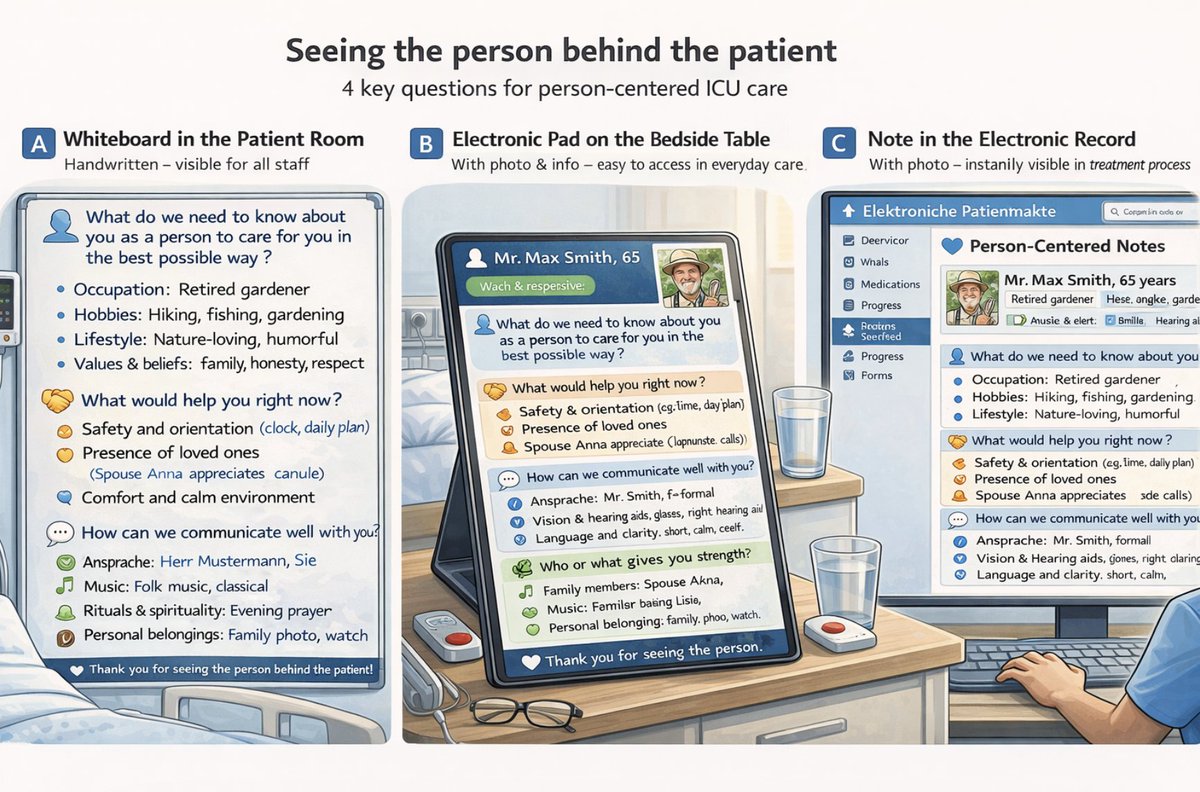
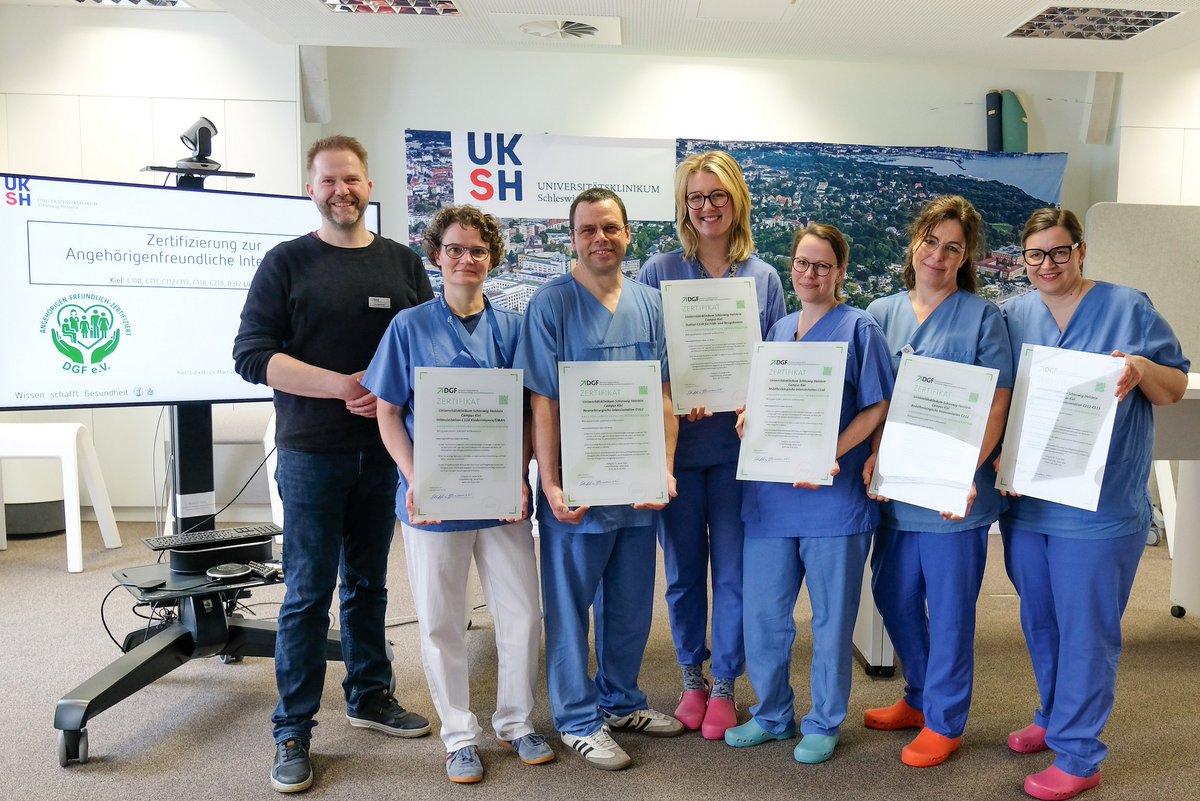
And finally, we received our certifications for 6 ICU, approved for being family-centered ICU at @UKSH_KI_HL Open visiting times 24/7 Dedicated rooms for visitors Children allowed as visitors ICU diaries and much more So proud of my colleagues! uksh.de/Service/Neues+โ€ฆ
Peter Nydahl tweet media
English
4
5
20
740
Dr Pamela Page ๐Ÿ’™ ๋ฆฌํŠธ์œ—ํ•จ
Nursing in Critical Care Journal
Nursing in Critical Care Journal@niccjournalยท
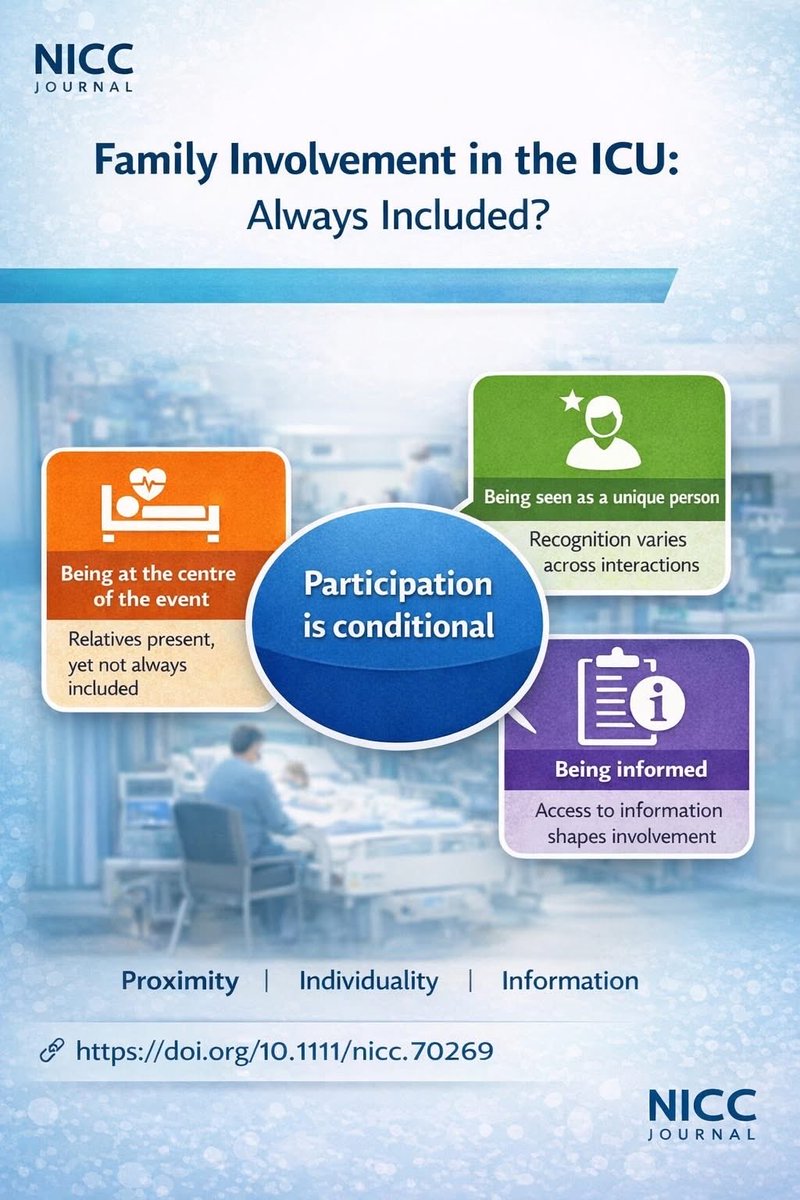
Is family involvement in the ICU truly meaningfulโ€ฆ or conditional? ๐Ÿ‘จโ€๐Ÿ‘ฉโ€๐Ÿ‘งโ€๐Ÿ‘ฆ ๐Ÿง  Study type: Qualitative interview study ๐Ÿ‘ฅ Population: 12 relatives of ICU patients ๐Ÿ”— doi.org/10.1111/nicc.7โ€ฆ #FamilyCentredCare
Nursing in Critical Care Journal tweet media
English
0
6
10
291
Dr Pamela Page ๐Ÿ’™ ๋ฆฌํŠธ์œ—ํ•จ
BACCN ๐Ÿ’™
BACCN ๐Ÿ’™@BACCNUKยท
We know that we put together a brilliant conference for you, but what do our delegates think? You can contribute - submit your abstract before 18th April! Abstracts: ow.ly/HIjZ50YxzSb Register: ow.ly/412i50YxzS9 More info: ow.ly/AIiO50YxzSa
English
0
4
7
380
Dr Pamela Page ๐Ÿ’™ ๋ฆฌํŠธ์œ—ํ•จ
Alasdair MacLullich
Alasdair MacLullich@A_MacLullichยท
โ€œMy brain was the enemy; it told me the nurses were killers.โ€ โ€” Delirium survivor Psychological care of delirium starts with reality anchoring: โ€œYouโ€™re safe, youโ€™re in hospital, Iโ€™m your nurse.โ€
Alasdair MacLullich tweet media
English
0
3
22
534
Dr Pamela Page ๐Ÿ’™ ๋ฆฌํŠธ์œ—ํ•จ
Nursing in Critical Care Journal
Nursing in Critical Care Journal@niccjournalยท
What does โ€œbeing thereโ€ really mean in the ICU? ๐Ÿ’ญ On Sundays, we pauseโ€ฆ and think about the people behind the care. ๐Ÿ‘จโ€๐Ÿ‘ฉโ€๐Ÿ‘งโ€๐Ÿ‘ฆ Have you seen moments where families felt truly included in care? Or times where they were thereโ€ฆ but still on the outside? #FamilyCentredCare
Nursing in Critical Care Journal tweet media
English
0
1
4
172
Dr Pamela Page ๐Ÿ’™ ๋ฆฌํŠธ์œ—ํ•จ
Hopkins ICU Rehab
Hopkins ICU Rehab@icurehabยท
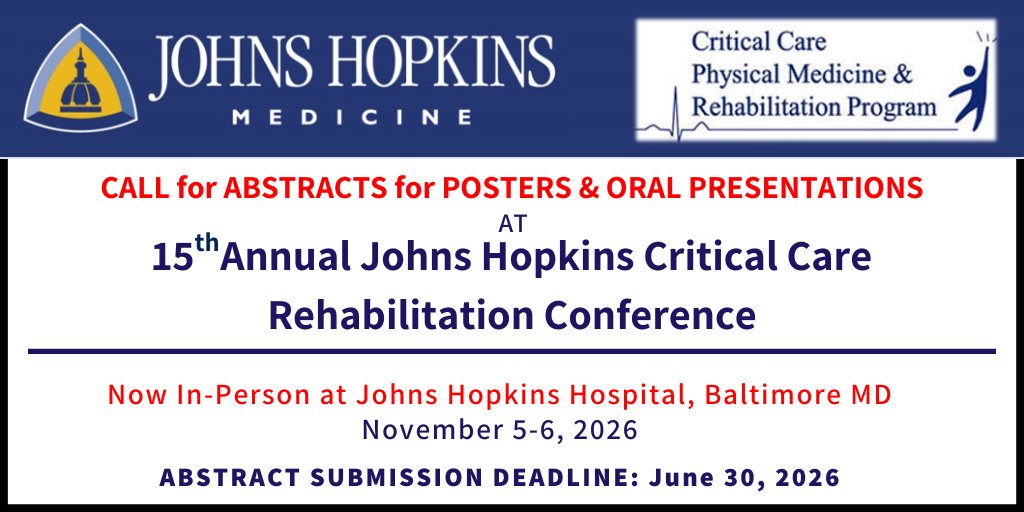
ABSTRACT DEADLINE! June 30, 2026 15th Johns Hopkins #ICURehab Conf is in-Person! Join us for lively Abstract Discussion! Oral & Poster Abstract Presentations Details in graphic Info: ICURehabNetwork.org
Hopkins ICU Rehab tweet media
English
0
3
3
1.5K
Dr Pamela Page ๐Ÿ’™ ๋ฆฌํŠธ์œ—ํ•จ
Stefan Schaller
Stefan Schaller@ProfSchallerยท
Participate in the Delphi process on human-centred partnership in the ICU! Help shape the future of intensive care. We are bringing together ICU clinicians, researchers, former patients, and family representatives from around the world to develop a consensus statement onย human-centred partnership in the ICU. Your expertise and experience matter. By completing two questionnaires (10โ€“20 minutes each), your insights will help guide clinical care, education, quality improvement, and future research on a human-centred approach in intensive care. Please complete the first online survey: app.onlinesurveys.jisc.ac.uk/s/plymouth/humโ€ฆ Thank you for participating in this international eDelphi study and for helping define the future of human-centred intensive care.
English
0
7
15
1.7K
Dr Pamela Page ๐Ÿ’™ ๋ฆฌํŠธ์œ—ํ•จ
ICU Steps Edinburgh
ICU Steps Edinburgh@ICUSEdinburghยท
ICUSteps Edinburgh at World Delirium Day 11 March 26
ICU Steps Edinburgh tweet mediaICU Steps Edinburgh tweet mediaICU Steps Edinburgh tweet media
English
0
1
2
49
Dr Pamela Page ๐Ÿ’™ ๋ฆฌํŠธ์œ—ํ•จ
Nursing in Critical Care Journal
Nursing in Critical Care Journal@niccjournalยท
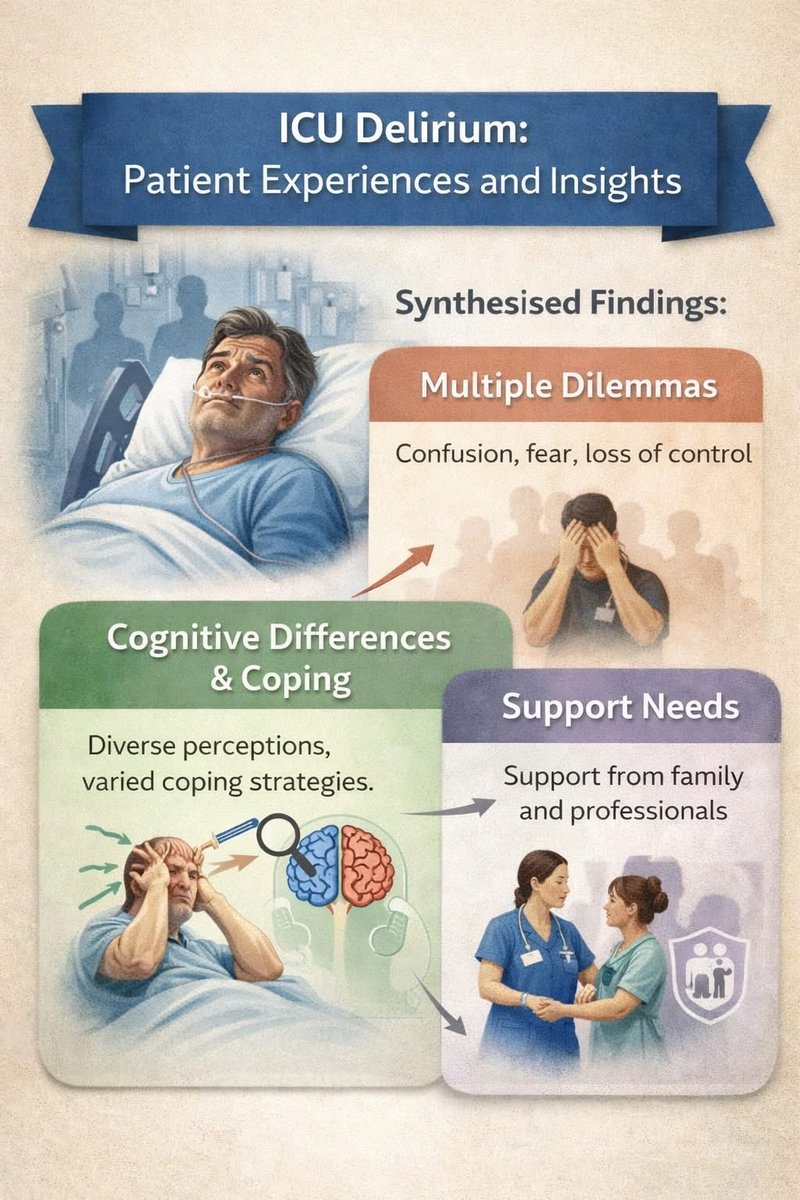
Sunday Highlight Read ๐Ÿ“š What does ICU delirium actually feel like for patients? Meta-synthesis of 9 qualitative studies exploring ICU patientsโ€™ memories, perceptions and coping during delirium. ๐Ÿ”— doi.org/10.1111/nicc.7โ€ฆ #ICUdelirium @BACCNUK
Nursing in Critical Care Journal tweet media
English
1
7
17
867
Dr Pamela Page ๐Ÿ’™ ๋ฆฌํŠธ์œ—ํ•จ
Alasdair MacLullich
Alasdair MacLullich@A_MacLullichยท
Family members: You are the expert on your loved one's baseline. If staff say "just having a bad day," respectfully insist: "This is not normal for them. I need a delirium assessment."
English
6
10
49
1.3K
Dr Pamela Page ๐Ÿ’™ ๋ฆฌํŠธ์œ—ํ•จ
National Rehabilitation Centre NRC UK
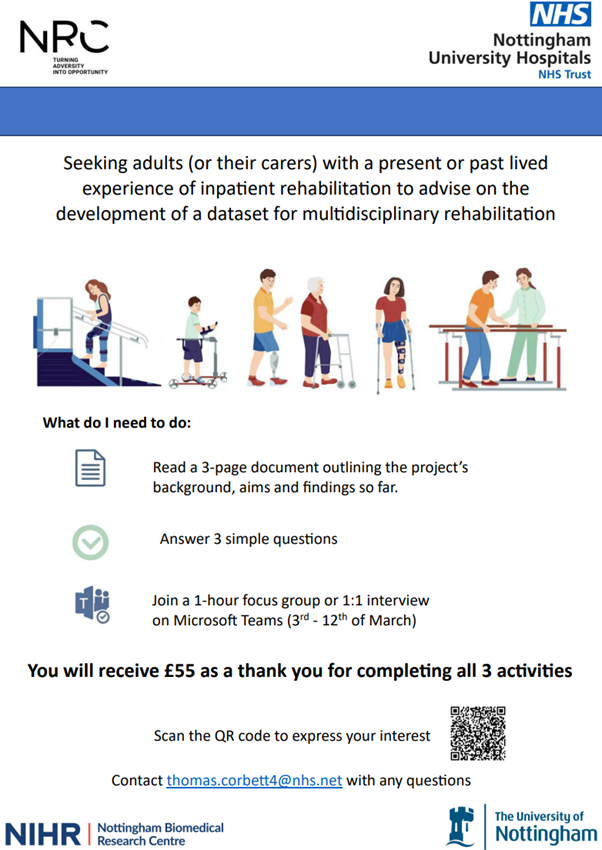
โžก๏ธ RESEARCH OPPORTUNITY โฌ…๏ธ A member of our NRC team is carrying out some research into rehabilitation and needs your help! We are looking for adults (or their carers) with a present or past lived experienced of inpatient rehabilitation - do you know someone who can help?
National Rehabilitation Centre NRC UK tweet media
English
0
2
3
187
Dr Pamela Page ๐Ÿ’™ ๋ฆฌํŠธ์œ—ํ•จ
Alasdair MacLullich
Alasdair MacLullich@A_MacLullichยท
Up to 50% of delirious patients experience hallucinations, and the vast majority are visual, not auditory. Yet many patients won't spontaneously disclose them - partly because they're frightened, partly because they're not sure if what they're experiencing is "real," partly because they fear being labelled as psychotic or "mad." This means you must ask. The phrasing matters. Direct questions like "Are you hallucinating?" or "Are you seeing things that aren't there?" can feel accusatory or scary. Better phrasing normalises the experience: "Have you seen anything that surprised you?" This is open-ended and non-judgmental. "Some patients tell me they see things that others don't see. Has that happened to you?" This normalises the experience by acknowledging it's common. "Your eyes might be playing tricks on you in an unfamiliar place. Have you noticed anything unusual?" This frames it as a normal brain response to acute illness and stress, not as primary psychiatric pathology. "Things might look different to how they normally do. Have you had any unusual visual experiences?" Again, normalising without pathologising. The key is tone and framing. You're not interrogating for psychosis. You're asking whether a common symptom of acute medical illness has occurred. That shift in tone makes it safe for the patient to disclose. Once they know you're asking about a medical symptom, not moral or psychiatric judgement, many will open up: "Yes, I saw people walking around who weren't there," or "The walls seemed to be moving," or "I saw my dead mother sitting in the corner." That disclosure is clinically very valuable. It helps you confirm the diagnosis and reassure the patient that this is a known feature of delirium, not evidence of permanent mental illness. #delirium #psychosis #acutecare
Alasdair MacLullich tweet media
English
0
36
94
4.3K
Dr Pamela Page ๐Ÿ’™ ๋ฆฌํŠธ์œ—ํ•จ
Alasdair MacLullich
Alasdair MacLullich@A_MacLullichยท
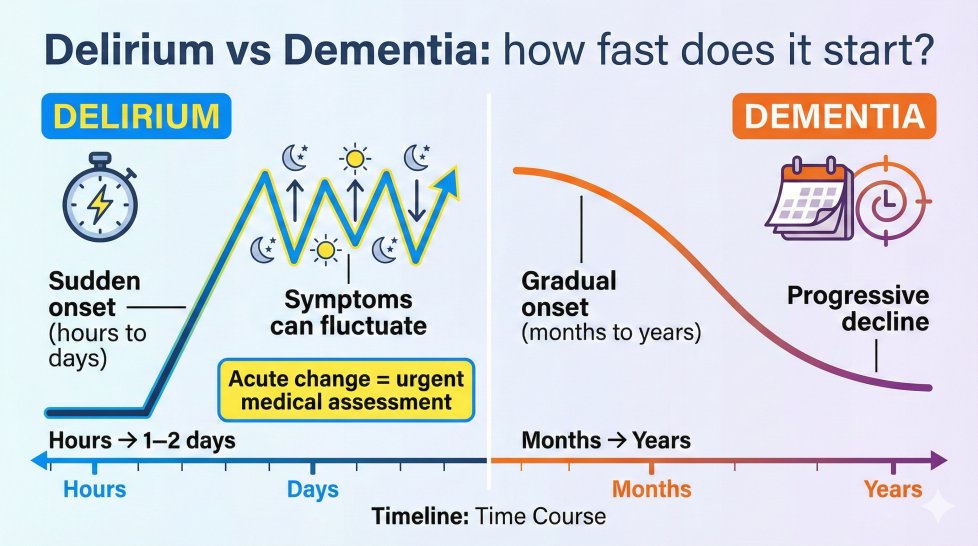
โ„น A family told me recently: "He was sharp as a tack on Monday. By Wednesday he didn't know my name." This is not dementia. Dementia does not appear in 48 hours. This speed of change in mental status is ๐ญ๐ก๐ž ๐ฌ๐ข๐ ๐ง๐š๐ญ๐ฎ๐ซ๐ž ๐จ๐Ÿ #๐๐ž๐ฅ๐ข๐ซ๐ข๐ฎ๐ฆ: acute onset. Hours to days. I've seen delirium misdiagnosed as "progression of dementia" hundreds of times. The rationale is superficially reasonable - patient is old, patient has memory problems, therefore patient has dementia. This misdiagnosis is not the fault of staff - it emanates from a lack of attention to delirium in undergraduate and postgraduate training. But this common mix-up in clinical practise is serious and consequential. Dementia progresses over months and years. If the change happened this week, something else is happening NOW. Something medical. Something usually reversible. Every acute cognitive change in an older person deserves investigation. Infection. Medication change. Pain. Dehydration. Constipation. Hypoxia. Etc. โ†ณ ๐–๐ก๐ž๐ง ๐Ÿ๐š๐ฆ๐ข๐ฅ๐ข๐ž๐ฌ ๐ญ๐ž๐ฅ๐ฅ ๐ฒ๐จ๐ฎ "๐ฌ๐จ๐ฆ๐ž๐ญ๐ก๐ข๐ง๐ '๐ฌ ๐๐ข๐Ÿ๐Ÿ๐ž๐ซ๐ž๐ง๐ญ," ๐ฐ๐ก๐š๐ญ ๐ข๐ฌ ๐ฒ๐จ๐ฎ๐ซ ๐ง๐ž๐ฑ๐ญ ๐ฌ๐ญ๐ž๐ฉ?
Alasdair MacLullich tweet media
English
6
31
66
2.6K
Dr Pamela Page ๐Ÿ’™ ๋ฆฌํŠธ์œ—ํ•จ
BACCN ๐Ÿ’™
BACCN ๐Ÿ’™@BACCNUKยท
You are invited to support a study titled the International Critical Care, Emergency Nurse, and Critical Care Transport Nurse Intent to Stay Study. Ethical approval secured. ๐Ÿ•—Deadline: 28th February 2026 Please view further information here: ow.ly/q9Fq50Ycy2L
BACCN ๐Ÿ’™ tweet media
English
0
4
4
252
Dr Pamela Page ๐Ÿ’™ ๋ฆฌํŠธ์œ—ํ•จ
Nursing in Critical Care Journal
Nursing in Critical Care Journal@niccjournalยท
๐Ÿ–ค What does ICU care feel like for those who wait, hope, and lose? This critical commentary offers an intimate account written from the perspective of a wife navigating 9 weeks across 2 ICUs. ๐Ÿ”— doi.org/10.1111/nicc.7โ€ฆ #FamilyExperience
Nursing in Critical Care Journal tweet media
English
0
6
7
268