Brendan Power ๐Ÿ‡ฎ๐Ÿ‡ช๐Ÿ‡ฆ๐Ÿ‡บ

9.6K posts

Brendan Power ๐Ÿ‡ฎ๐Ÿ‡ช๐Ÿ‡ฆ๐Ÿ‡บ banner
Brendan Power ๐Ÿ‡ฎ๐Ÿ‡ช๐Ÿ‡ฆ๐Ÿ‡บ

Brendan Power ๐Ÿ‡ฎ๐Ÿ‡ช๐Ÿ‡ฆ๐Ÿ‡บ

@bp2618

MH nurse | NMPDU officer | RGN/ RPN/RNT | Interests: All things MH Nursing, NRL ๐Ÿ‰,๐ŸŒŠ๐Ÿ„โ€โ™‚๏ธ . All views my own, retweets usually someone else's๐Ÿ˜

Galway, Ireland ๊ฐ€์ž…์ผ Mart 2011
2.9K ํŒ”๋กœ์ž‰1.1K ํŒ”๋กœ์›Œ
Brendan Power ๐Ÿ‡ฎ๐Ÿ‡ช๐Ÿ‡ฆ๐Ÿ‡บ ๋ฆฌํŠธ์œ—ํ•จ
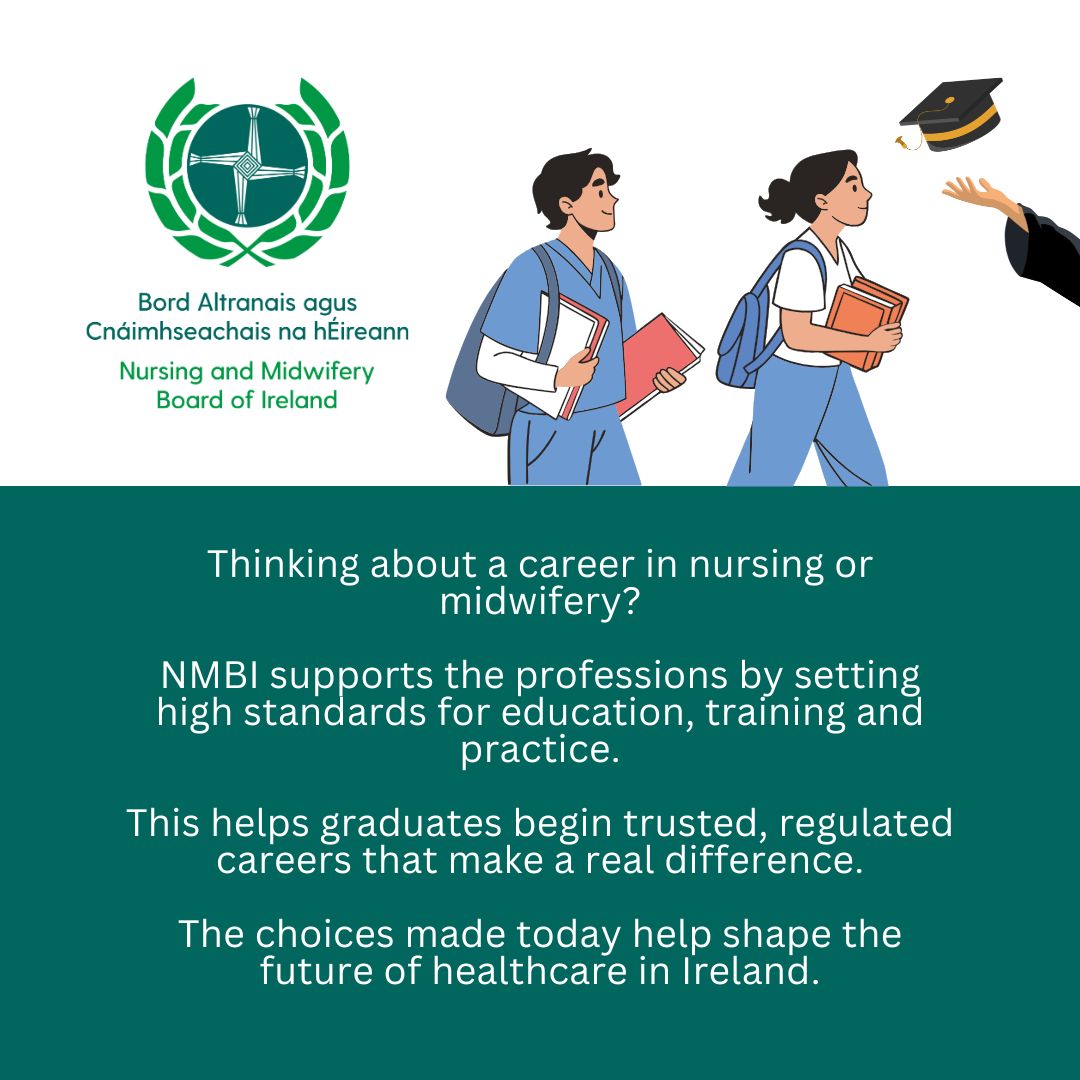
Nursing and Midwifery Board of Ireland
The new NMBI strategy includes a focus on increasing public and patient involvement in key strategic projects. รine highlights that for engagement to be successful, it must be authentic. It requires leaders to be open to difficult conversations. Listen to #NMBIVoice podcast.
Nursing and Midwifery Board of Ireland tweet media
English
0
1
3
129
Brendan Power ๐Ÿ‡ฎ๐Ÿ‡ช๐Ÿ‡ฆ๐Ÿ‡บ ๋ฆฌํŠธ์œ—ํ•จ
HSE TAE
HSE TAE@HSE_TAEยท
Mental Health Nursing is a unique and rewarding specialty, offering the opportunity to make a positive impact on peopleโ€™s lives every day. Hear more from Caoimhe by exploring the Mental Health Nursing career pathway on the HSE CareerHub careerhub.hse.ie/pathways_menthโ€ฆ @NMBI_ie
English
0
1
2
304
Brendan Power ๐Ÿ‡ฎ๐Ÿ‡ช๐Ÿ‡ฆ๐Ÿ‡บ ๋ฆฌํŠธ์œ—ํ•จ
Helen Bevan
Helen Bevan@HelenBevanยท
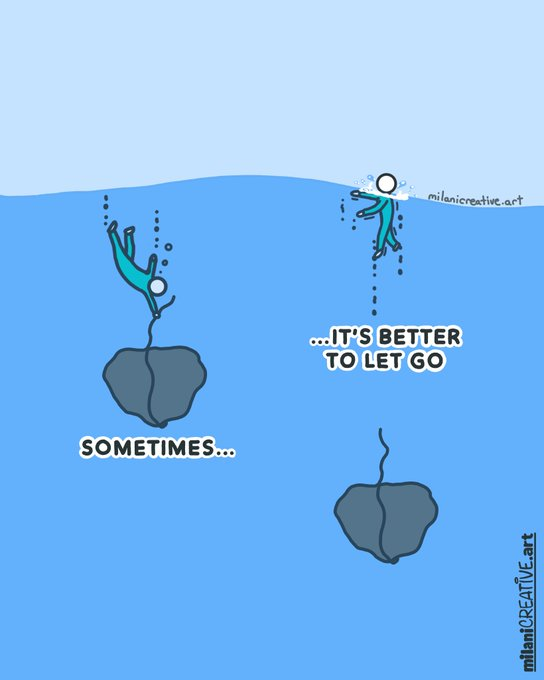
Being able to walk away from a change initiative (often something we have invested huge personal effort in and feel passionate about) is a defining capability for leaders of change. In change work, we celebrate the leaders who โ€œpush through resistanceโ€ and โ€œnever give upโ€. We talk less about the leaders who know when to stop โ€“ or walk away โ€“ from a change initiative altogether. Sometimes that decision is about the work itself: - The initiative is no longer aligned with organisational priorities. - The context has shifted so much that the original case no longer holds. - The effort required now far outweighs any likely benefit. But sometimes, the decision is about the toll on the person leading the change: - Sponsors are absent, inconsistent or obstructive, leaving us carrying the risk but not the authority. - Weโ€™re repeatedly asked to โ€œspinโ€ the story or sidestep hard truths in ways that clash with our values. - The behaviours rewarded around the initiative (blame-shifting, pressurising, tolerating poor behaviours) are the opposite of the culture weโ€™re trying to build. Walking away will rarely be applauded. It may look to some people like a lack of resilience or loyalty. Yet it can be an act of deep responsibility: to our own wellbeing, to our credibility, to the people we lead & to the people we are seeking to create better outcomes for. Actions to reduce the risk of having to stop or walk away: 1) Name the conditions we need (sponsorship, resourcing, psychological safety) and pay attention when those conditions are chronically missing. 2) Build regular checkโ€‘ins with sponsors to test commitment, reset expectations and surface misalignments early, rather than absorbing them alone. 3) Set the change process up from the start as a series of โ€œexperimentsโ€ with clear hypotheses and timeโ€‘boxes, so we can make decisions about what to do next based on real data, not assumptions. 4) Hold structured learning huddles as a change team, focusing on โ€œWhat are we learning? What needs to change in our approach? What should we stop?โ€. 5) Invite voices from outside the core project team (frontline staff, service users, partner organisations) into periodic reflection sessions to test whether the change still makes sense in their reality. 6) Create reflective space with others (coaching, mentoring, peer support) to notice when the work is eroding your own energy, integrity or wellbeing. The first rule of being an effective change agent is that โ€œyou canโ€™t be an effective change agent on your ownโ€. As leaders of change, our legacy isnโ€™t just the initiatives we drive to completion. Itโ€™s also the ones we have the courage and strategic insight to stop. Sometimes the best move is not to push through, but to step away. See, for instance, @AdmiredLeaders on reactive quitting versus strategic quitting: admiredleadership.com/field-notes/knโ€ฆ. The graphic is by the brilliant @milanicreative.
Helen Bevan tweet media
English
6
34
122
7.9K
Brendan Power ๐Ÿ‡ฎ๐Ÿ‡ช๐Ÿ‡ฆ๐Ÿ‡บ ๋ฆฌํŠธ์œ—ํ•จ
Helen Bevan
Helen Bevan@HelenBevanยท
Reflecting on Stephen Coveyโ€™s โ€œcircleโ€ model: part two. In this post, I am summarising the comments that others made on my last post about Coveyโ€™s โ€œcirclesโ€ model in leading change. The comments come from across multiple social platforms. Thanks to everyone who commented. The comments added useful reality checks. First, the "circles" model can calm the noise. John-Paul Crofton-Biwer said focusing on what we canโ€™t control leaves us governed by fear, while focusing on what we can do builds confidence & that fear or confidence can ripple out & affect others. Cathryn Sloan described how sustained change can create helplessness & loss of agency: the model helps people see where they do have agency, where they need strategies to influence & where they can let go of mental load. Julie Neethling added a mindfulness angle: donโ€™t let โ€œlimited thinkingโ€ take over; come back to being present; put your own actions & behaviours first - alongside boundaries, checking in on your team, & listening. Conclusion: reduce the drain from โ€œtrying harderโ€ at problems that need a different route, while staying grounded enough to take the next practical step. Second, influence isnโ€™t a "soft" option. Claire Doody noted that in matrix organisations, we are often responsible for things we canโ€™t control & sorting helps with the tension between accountability & control. Tina Patel Gunaldo said itโ€™s often within a leaderโ€™s control to reach beyond their own department to co-create collaboration. Stephen Sherry added that teams can burn energy compensating for constraints outside their control & misread the lack of movement as a delivery failure. Conclusion: influence is built through relationships & small consistent actions, & it needs time & attention. Third, the model has limits if it becomes too individual. Matt Walsh challenged what happens when we donโ€™t trust the people who have control or influence over the things causing concern, & argued the model can deny collective action. Owen Jarvis warned about over-claiming system change by one organisation & suggested โ€œcollective impact,โ€ where roles add up. Sarah Miller argued long-term change comes from redesigning the conditions people operate inside, not only managing attention within them. Conclusion: โ€œfocus on what you controlโ€ is not a substitute for organising, aligning, & escalating together when the issue sits at system level. Fourth, itโ€™s easy to overestimate our influence. Victoria Hewitt noted we can think weโ€™re in the circle of influence when we โ€œarenโ€™t even on someone elseโ€™s diagram at all,โ€ linking this to Covey's Habit 5: โ€œSeek First to Understand then to be Understood.โ€ Conclusion: to influence, understand other peopleโ€™s pressures, priorities, & trade-offs before pushing your solution. Overall conclusions: Do what we can do in our circle of control; invest in relationships that broaden our circle of influence; name what's bigger in our circle of concern so it can be escalated through other routes. The circles canโ€™t remove constraints, but can help reduce unproductive mental load & direct effort where it can generate impact.
Helen Bevan tweet media
English
7
22
88
5.6K
Brendan Power ๐Ÿ‡ฎ๐Ÿ‡ช๐Ÿ‡ฆ๐Ÿ‡บ ๋ฆฌํŠธ์œ—ํ•จ
Nursing and Midwifery Board of Ireland
NMBI, the @HSE and @NurMidONMSD are asking Registered Nurse/Midwife Prescribers to share their views on prescribing of Schedule 8 drugs to inform future decision making. The survey takes 10 minutes to complete. Scan the QR code or visit surveys.hse.ie/s/ELWJ83/ to take part.
Nursing and Midwifery Board of Ireland tweet media
English
0
6
7
730
Brendan Power ๐Ÿ‡ฎ๐Ÿ‡ช๐Ÿ‡ฆ๐Ÿ‡บ ๋ฆฌํŠธ์œ—ํ•จ
Health Services Change Guide
Health Services Change Guide@HSEchange_guideยท
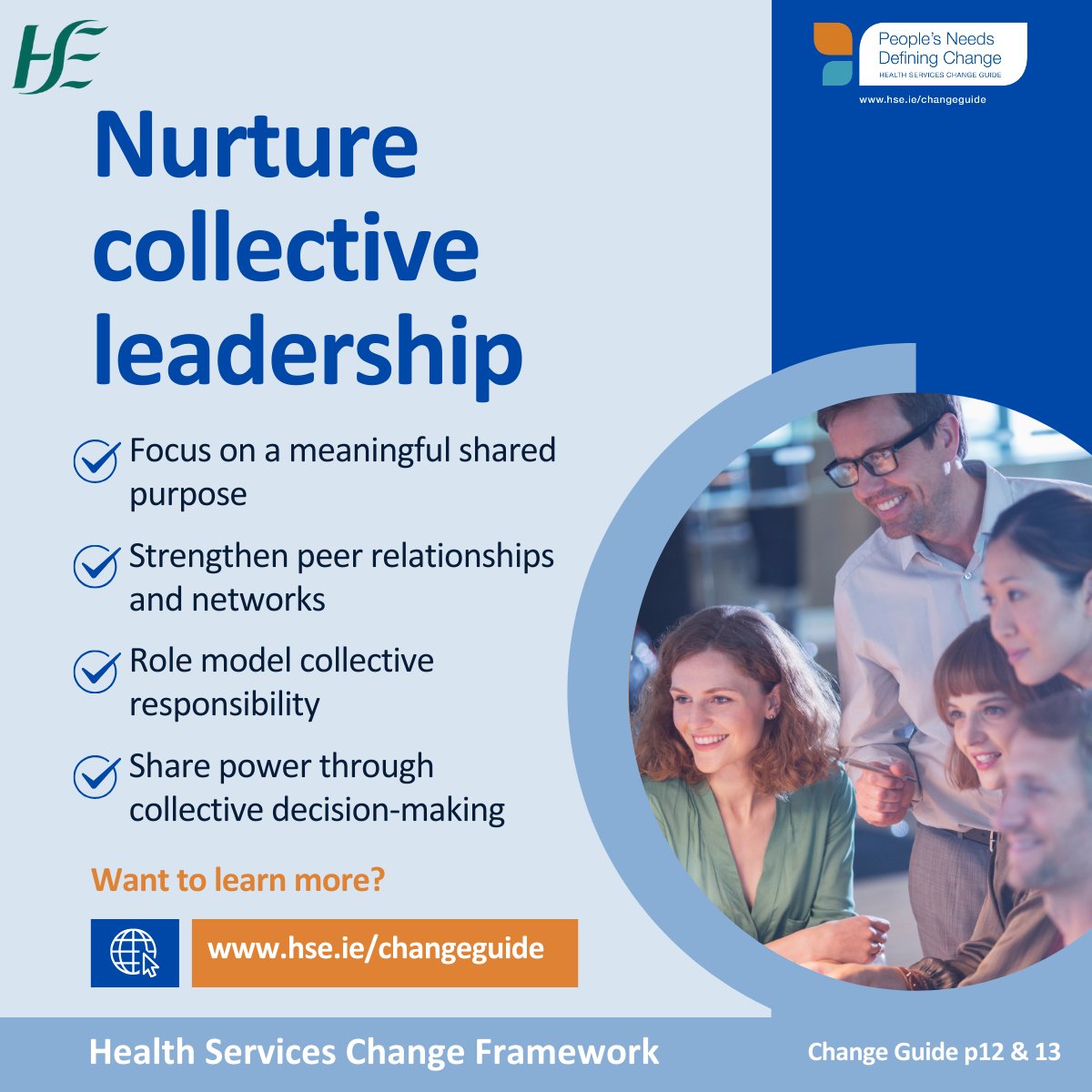
A climate of โ€˜collective leadershipโ€™ needs to be nurtured. We have set out guidance in the Change Guide: 1. Build shared purpose 2. Strengthen relationships and networks 3. Role model behaviours 4. Share power and decision-making For more on this topic visit: bit.ly/3up1gFl
Health Services Change Guide tweet media
English
0
3
3
195
Brendan Power ๐Ÿ‡ฎ๐Ÿ‡ช๐Ÿ‡ฆ๐Ÿ‡บ ๋ฆฌํŠธ์œ—ํ•จ
HSE Health & Wellbeing
HSE Health & Wellbeing@HsehealthWยท
Feeling stressed or anxious? In this episode of #HSETalkingHealthAndWellbeing, we speak with Dr Niamh Clarke and Dr Michelle Howard about recognising stress patterns and using practical tools from the HSE Balancing Stress programme to help manage stress, worry or anxiety. Listen here ๐Ÿ‘‰podbean.com/ew/pb-kxrrf-1aโ€ฆ
HSE Health & Wellbeing tweet media
English
0
9
13
851
Brendan Power ๐Ÿ‡ฎ๐Ÿ‡ช๐Ÿ‡ฆ๐Ÿ‡บ ๋ฆฌํŠธ์œ—ํ•จ
Health Services Change Guide
Health Services Change Guide@HSEchange_guideยท
The co-design of a health and wellbeing profile for older adults in the Dublin South and Wicklow integrated Health Area (IHA) outlining demographic, health status, health behaviours, service use, and wider determinants of health, is helping support integrated and equitable planning for these older populations. The National Health Service Improvement Team, National Clinical Programme for Older People, National Health Intelligence Unit, Regional Departments of Public Health, NCAD and UCD, presented their project โ€˜Co-designing a health and wellbeing profile for older adults within the Irish health systemโ€™ using our poster template. A structured, programme-based approach guided by the Health Services Change Guide was used to support delivery of this project. Check out this and other case studies on the Change & Innovation Hub on hseland.ie
Health Services Change Guide tweet media
English
0
3
5
282
Brendan Power ๐Ÿ‡ฎ๐Ÿ‡ช๐Ÿ‡ฆ๐Ÿ‡บ ๋ฆฌํŠธ์œ—ํ•จ
Nursing and Midwifery Board of Ireland
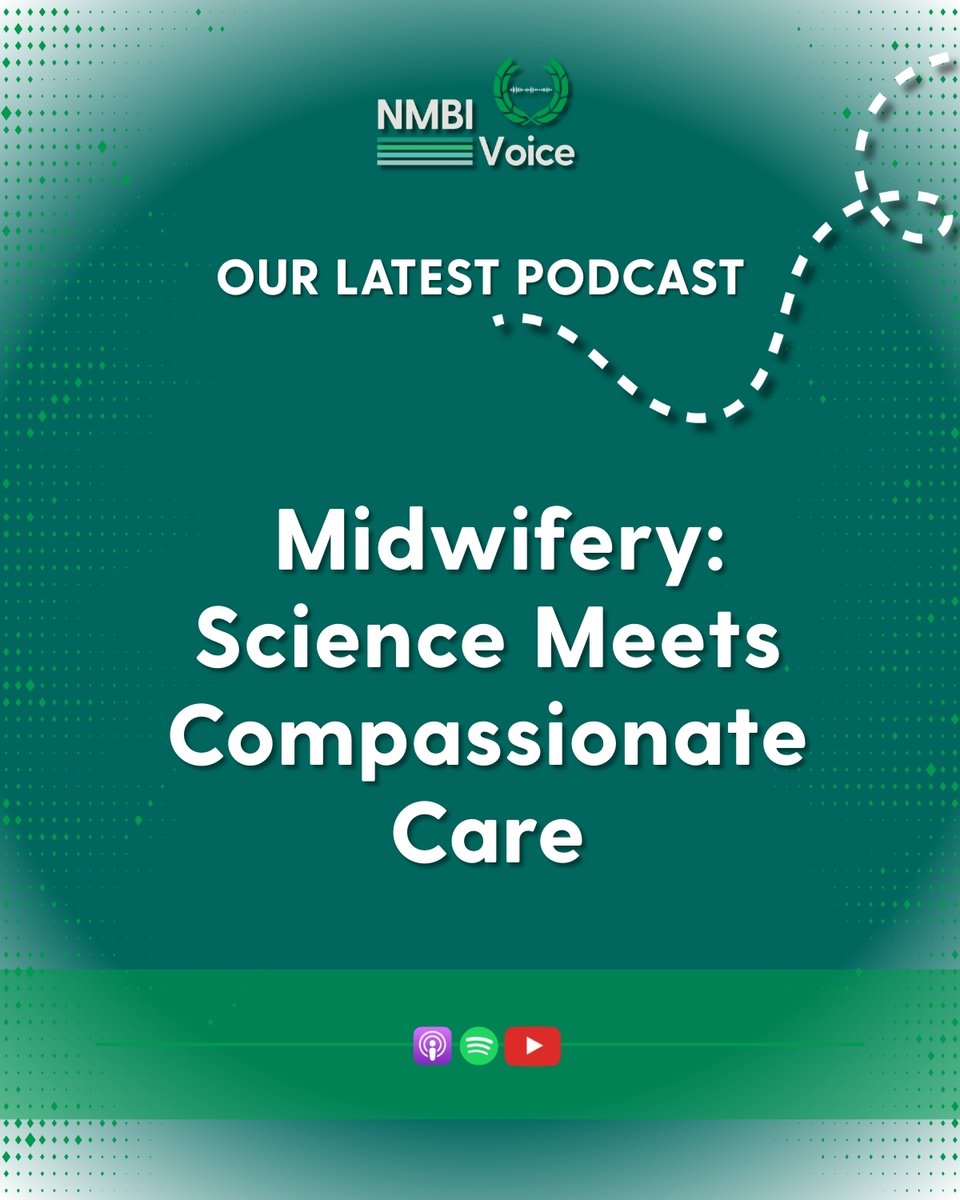
In our latest podcast, Dr Karn Cliffe stresses that midwives must have a high level of scientific competence - understanding physiology and pathology- combined with the art of intuition, compassion and care. Search #NMBIVoice on your #podcast app now. #ArtAndScience #midwifery
Nursing and Midwifery Board of Ireland tweet media
English
0
2
5
195
Brendan Power ๐Ÿ‡ฎ๐Ÿ‡ช๐Ÿ‡ฆ๐Ÿ‡บ ๋ฆฌํŠธ์œ—ํ•จ
Nursing and Midwifery Board of Ireland
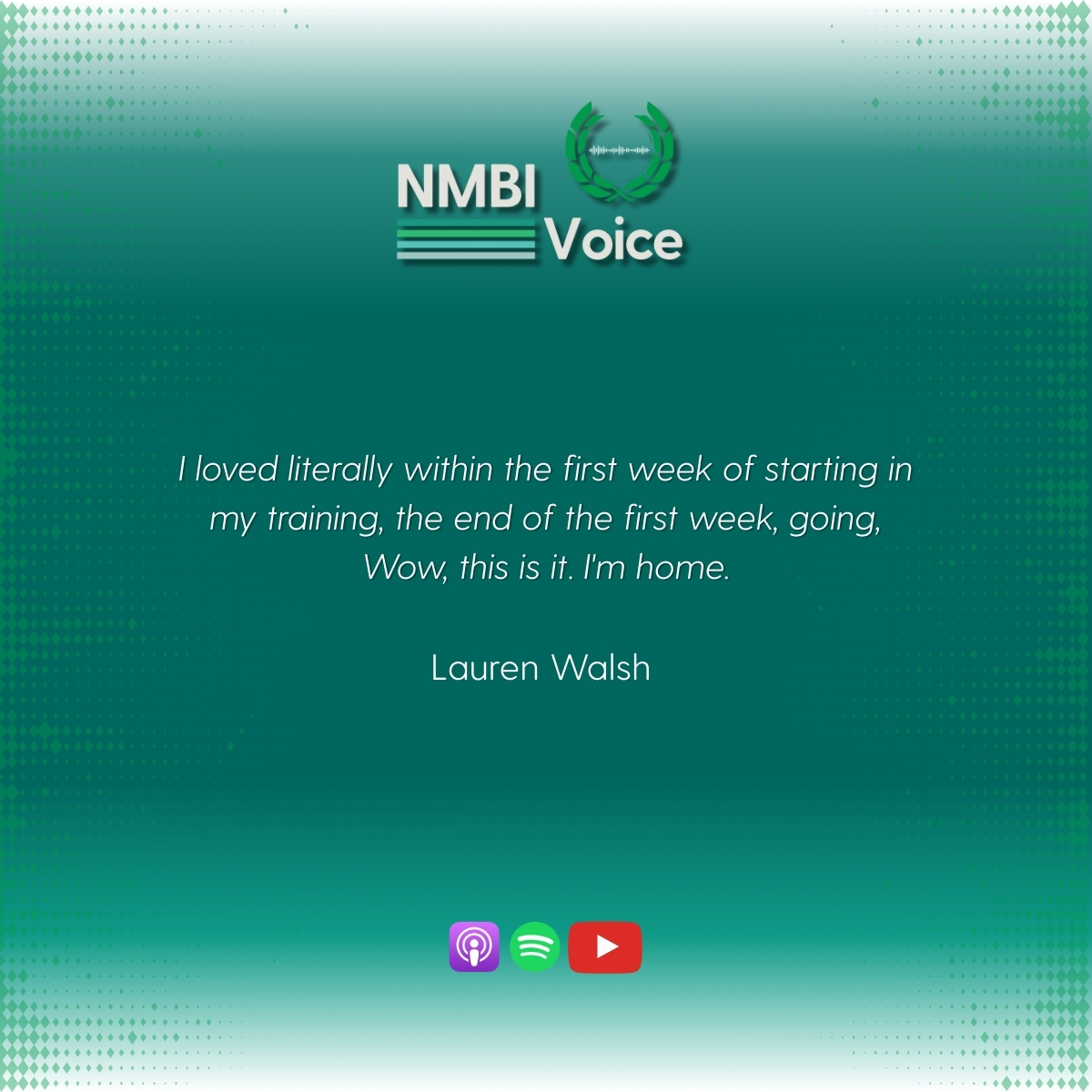
The transition from classroom theory to clinical practice is a pivotal learning moment for students. In our latest podcast, #MidwiferyStudentAmbassador Lauren Walsh describes the value of hands-on placement, transforming abstract concepts into real-world skills. ๐ŸŽง#NMBIVoice
Nursing and Midwifery Board of Ireland tweet mediaNursing and Midwifery Board of Ireland tweet media
English
0
3
7
234
Brendan Power ๐Ÿ‡ฎ๐Ÿ‡ช๐Ÿ‡ฆ๐Ÿ‡บ ๋ฆฌํŠธ์œ—ํ•จ
School of Nursing & Midwifery, TCD
PhD student and ICU nurse @delanesh1 is still seeking to hear about patients experiences and support needs after an ICU admission. If you would like to contribute your experiences to the study you can find out more here: tcd.ie/tcphi/researchโ€ฆ
English
1
11
14
919
Brendan Power ๐Ÿ‡ฎ๐Ÿ‡ช๐Ÿ‡ฆ๐Ÿ‡บ ๋ฆฌํŠธ์œ—ํ•จ
Shine
Shine@ShineOnlineIEยท
Have you, a friend or family member experience of living with psychosis? Together with the HSE National Clinical Programme for Early Intervention in Psychosis (EIP) and Mental Health Reform, we aim to amplify the voices of those affected by psychosis so that there can be better specialised support & increased funding. Share your experiences today. Find the survey here ๐Ÿ‘‡ lnkd.in/drtA-Aiw
Shine tweet media
English
0
5
8
273
Brendan Power ๐Ÿ‡ฎ๐Ÿ‡ช๐Ÿ‡ฆ๐Ÿ‡บ ๋ฆฌํŠธ์œ—ํ•จ
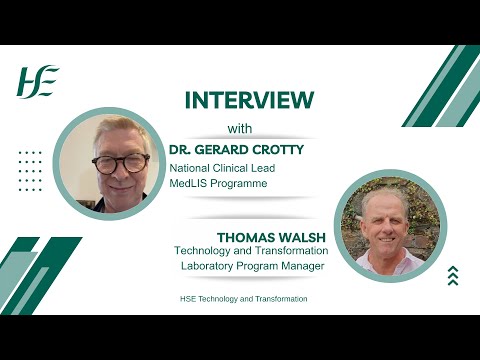
HSE Technology and Transformation
How does clinical + digital collaboration look in real life? Thomas Walsh & Dr Gerard Crotty share lessons from the Beaumont rollout in our latest Transforming Healthcare - People Behind the Progress episode. ๐ŸŽฅ Watch Full interview: youtu.be/zZwPTmjM3Hw?siโ€ฆ #MedLIS #DigitalForCare @gmcrotty @jcwemyss @frthompson @MccallionDamien @Beaumont_Dublin
YouTube video
YouTube
English
0
3
7
512
Brendan Power ๐Ÿ‡ฎ๐Ÿ‡ช๐Ÿ‡ฆ๐Ÿ‡บ ๋ฆฌํŠธ์œ—ํ•จ
Health Services Change Guide
Health Services Change Guide@HSEchange_guideยท
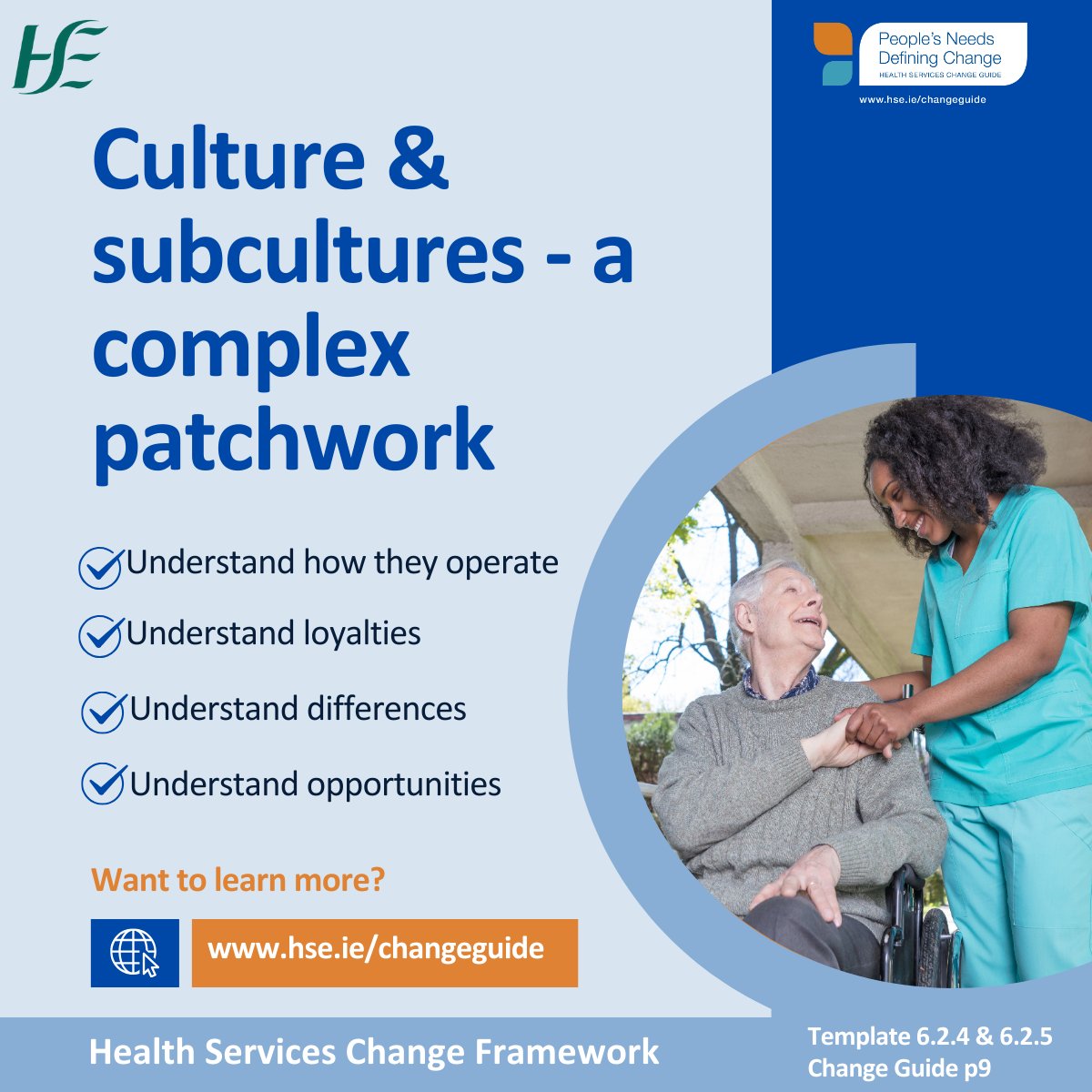
Health & Social Care services are knitted together by a complex, diverse range of cultures and sub-cultures. Culture has a strong influence on work practices and how services are delivered. Leaders need to understand this complexity to deliver integrated ways of working. Team resources to download: bit.ly/3RjdB6x Defining Your Personal Values bit.ly/3Mqr3mG Cultural Web Exercise
Health Services Change Guide tweet media
English
0
4
4
236
Brendan Power ๐Ÿ‡ฎ๐Ÿ‡ช๐Ÿ‡ฆ๐Ÿ‡บ ๋ฆฌํŠธ์œ—ํ•จ
Nursing and Midwifery Board of Ireland
๐ŸŽงIn the latest #NMBIVoice podcast, #MidwiferyStudentAmbassador Lauren Walsh captures the immense privilege and responsibility of the midwife's role and emotional reality of birth, where personal hopes can meet unexpected outcomes, showcasing the human heart of the profession.
Nursing and Midwifery Board of Ireland tweet media
English
0
2
3
236
Brendan Power ๐Ÿ‡ฎ๐Ÿ‡ช๐Ÿ‡ฆ๐Ÿ‡บ ๋ฆฌํŠธ์œ—ํ•จ
Helen Bevan
Helen Bevan@HelenBevanยท
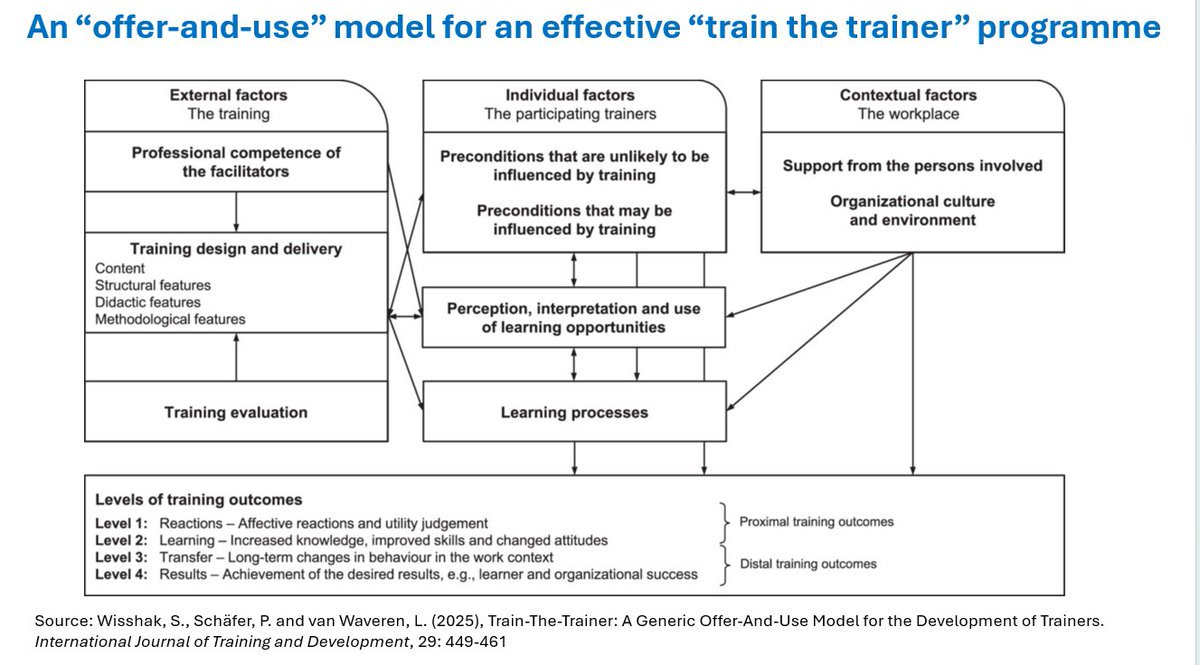
โ€œTrain-the-trainersโ€ (TTT) is one of the most common methods used to scale up improvement & change capability across organisations, yet we often fail to set it up for success. A recent article, drawing on teacher professional development & transfer-of-training research, argues TTT should always be based on an โ€œoffer-and-useโ€ model: OFFER: what the programme providesโ€”facilitator expertise, session design, practice opportunities, feedback, follow-up support & evaluation. USE: what participants do with those opportunitiesโ€”what they notice, how they make sense of it, how much they engage, what they learn, & whether they apply it in real work. How to design TTT that works & sticks: 1. Design for real-world use: Clarify the practical outcome - what trainers should do differently in their next sessions & what that should improve for the organisation. Plan beyond the classroom with post-course support so people can apply learning. Space learning over time rather than delivering it in one intensive block, because spacing & follow-ups support sustained use. 2. Use strong facilitators: Select facilitators who know the topic & how adults learn, how groups work & how to give useful feedback. Ensure they teach โ€œhow to make this stick at workโ€ (apply & sustain practices), not only โ€œhow to deliver a session.โ€ 3. Make practice central: Build the programme around realistic rehearsal: deliver, get feedback, & practise again until skills become automatic. Use participantsโ€™ real scenarios (especially change situations) to strengthen transfer. Include safe practice for difficult moments (challenge, unexpected questions) & treat mistakes as learning. Build peer learning so participants learn with & from each other, not just the facilitator. 4. Prepare participants to succeed: Assess what participants already know & can do, then tailor the learning. Build confidence to use skills at work (confidence predicts application). Help each person create a simple, specific plan for when & how they will use the approaches in their next training sessions. 5. Ensure workplace transfer support: Enable quick application (opportunities to deliver training soon after the course), plus time & resources to do it well. Provide ongoing support (feedback, coaching, & encouragement) from leaders, peers &/or the wider organisation. 6. Evaluate what matters: Go beyond satisfaction scores - assess whether trainers changed their practice & whether this improved outcomes for learners & the organisation. Use findings to improve the next iteration as a continuous improvement cycle, not a one-off event. onlinelibrary.wiley.com/doi/full/10.11โ€ฆ. By Susanne Wisshak & colleagues, sourced via John Whitfield.
Helen Bevan tweet media
English
6
67
244
26.8K
Brendan Power ๐Ÿ‡ฎ๐Ÿ‡ช๐Ÿ‡ฆ๐Ÿ‡บ ๋ฆฌํŠธ์œ—ํ•จ
HSE Ireland
HSE Ireland@HSELiveยท
Physical activity helps with your physical and mental health. It releases chemicals in your brain (endorphins) that have a positive effect on your mood and your body. It doesn't take huge changes. Start small and keep moving, whatever your age or ability: bit.ly/4auey5Y
HSE Ireland tweet media
English
1
10
18
3.5K