Liberals’Nightmare007

8.9K posts

Liberals’Nightmare007 banner
Liberals’Nightmare007

Liberals’Nightmare007

@AnonymousBot00

M here to thrash librandus. UP se hu toh galiya prasad samajh ke le lena.

Katılım Haziran 2012
4.9K Takip Edilen110 Takipçiler
Liberals’Nightmare007 retweetledi
Tech with Mak
Tech with Mak@techNmak·
Build LLMs from Scratch 🚀 Found this gem from Vizuara, a 43-lecture series that actually delivers on its promise: building Large Language Models from the ground up. What's inside: → Transformer architecture → GPT internals → Tokenization (BPE) → Attention mechanisms → Complete Python implementations Perfect for ML engineers and developers who want to understand what's really happening under the hood of ChatGPT, Claude, and similar models. 🔗 [Playlist link in comments] Watch. Practice. Learn
Tech with Mak tweet media
English
16
188
807
22.8K
Liberals’Nightmare007 retweetledi
Vishal Maheshwari
Vishal Maheshwari@vishalPosts·
Learn how to gain more followers on Instagram.
Vishal Maheshwari tweet media
English
13
377
953
124K
Liberals’Nightmare007 retweetledi
Microsoft Developer
The @code team released a new Introduction to Agent-First Development series. It breaks down these 5 pillars behind great agent results 🧵
English
5
26
351
52.4K
Liberals’Nightmare007 retweetledi
Ajit kumar
Ajit kumar@ajitcodes·
These 9 lectures from Stanford University are the BEST for anyone wanting to learn and understand LLMs in depth Lecture 1 - Transformer: lnkd.in/dGnQW39t Lecture 2 - Transformer-Based Models & Tricks: lnkd.in/dT_VEpVH Lecture 3 - Tranformers & Large Language Models: lnkd.in/dwjjpjaP Lecture 4 - LLM Training: lnkd.in/dSi_xCEN Lecture 5 - LLM tuning: lnkd.in/dUK5djpB Lecture 6 - LLM Reasoning: lnkd.in/dAGQTNAM Lecture 7 - Agentic LLMs: lnkd.in/dWD4j7vm Lecture 8 - LLM Evaluation: lnkd.in/ddxE5zvb Lecture 9 - Recap & Current Trends: lnkd.in/dGsTd8jN Start understanding LLMs in depth from the experts. Go through each step-by-step video Start understanding LLMs in depth from the experts. Go through each step-by-step video
Ajit kumar tweet media
English
17
382
1.3K
56.2K
Liberals’Nightmare007 retweetledi
Vaibhav Sisinty
Vaibhav Sisinty@VaibhavSisinty·
someone on reddit just posted 11 claude things after 18 months of daily use, and most people using claude have never touched half of them 🤯 went through the whole list. these 5 are the ones that actually change how you use it 👇 → Custom Styles. make one called "skeptical senior engineer" that pushes back on your code instead of agreeing with everything. 3 minutes to set up. honestly the single biggest output jump there is. → Projects. drop your context, style guide, past work in once as project knowledge. stop re-pasting the same thing into every chat. people burn 100+ hours before they figure this out. → default to Sonnet 4.6, not Opus 4.7. it's faster and most tasks don't need Opus. save Opus for the gnarly architectural stuff. the limit complaints just stop. → Artifacts can call the API now. you can build a working ai tool inside an artifact. people call it Claudeception. a client-brief generator that calls Sonnet from inside an html artifact, built in an hour. wild. → subagents in Claude Code. "spin off a subagent to run the tests while i keep coding." parallel work that used to only happen in your head. almost nobody uses them. the realest line in the whole post: generic output means a generic prompt. that's a skill issue, not a model issue. what's the one claude thing that took you way too long to find? 👇
Vaibhav Sisinty tweet media
English
9
228
1.7K
55.7K
Liberals’Nightmare007 retweetledi
Gwyneth Peña-Siguenza
Microsoft just open-sourced Azure Skills, a set of Azure-specific capabilities that help coding agents deploy, diagnose, monitor, and manage cloud resources. I have been using them a bunch and put together this field manual :) Azure Skills: github.com/microsoft/azur…
Gwyneth Peña-Siguenza tweet mediaGwyneth Peña-Siguenza tweet mediaGwyneth Peña-Siguenza tweet mediaGwyneth Peña-Siguenza tweet media
English
3
38
230
14K
Liberals’Nightmare007 retweetledi
Mr. Buzzoni
Mr. Buzzoni@polydao·
This 1-hour crash course is exactly how Envoy works under the hood - what the Atlassian engineer used instead of expensive enterprise load balancers Hussein Nasser covers the real internals: > Listeners → Clusters → Network Filters - Envoy's core architecture > L7 routing and L4 TCP load balancing > TLS from scratch: Let's Encrypt, HTTP/2, blocking TLS 1.0/1.1 - SSL Labs A rating > why thread-per-connection breaks round-robin by default the YAML is painful. the architecture is genius watch this before reading the post above
Mr. Buzzoni@polydao

Atlassian's revenue: $1.79 billion last quarter Atlassian's move: fire the engineer who built their infrastructure his move: post a 38-minute breakdown of every system he built, free for anyone to copy what he revealed: > Envoy proxy instead of enterprise load balancers > sidecar architecture for auth, logging, rate limits > DynamoDB + SQS for async provisioning > Packer + SaltStack for automated VM deployments at scale Atlassian charges per employee across 350,000 customers this guy just handed you the enterprise playbook for free save this

English
9
60
405
51K
Supriya Shrinate
Supriya Shrinate@SupriyaShrinate·
Hey Chomu, you really think you can fool people all the time? While the Modi govt has unleashed higher prices in India - various countries have taken decisive steps to bring relief to their people • Nepal reduced price of petrol by ₹2 and diesel by ₹12 • Australia cut excise duty, making petrol ₹17 cheaper. The benefit of the excise duty cut actually went to the people, unlike in India, where it all went to the oil companies • Germany reduced taxes on fuel, bringing down petrol and diesel prices by ₹17 to ₹19 • Britain gave a £100 discount on electricity bills and cut taxes on oil so that prices wouldn’t rise. Everyone knows Modi has compromised India’s energy security because of which people are having to bear the burden of high prices and supply shortages You’re a total Chomu. So please just sit down.
Amit Malviya@amitmalviya

The surge in global fuel prices since the outbreak of the West Asia conflict offers a revealing comparison of how different countries have managed economic shocks. The closure of the Strait of Hormuz, the world’s most critical oil chokepoint, and the prolonged disruption of shipments sent Brent crude soaring above $100 per barrel through much of April and early May. Across the world, consumers have felt the impact directly at fuel stations. But India stands out as a striking exception. Between 23 February and 15 May 2026, nearly every major economy saw sharp increases in petrol and diesel prices. In several countries, the rise has been staggering: • Myanmar: Petrol +89.7%, Diesel +112.7%
• Malaysia: Petrol +56.3%, Diesel +71.2%
• Pakistan: Petrol +54.9%, Diesel +44.9%
• UAE: Petrol +52.4%, Diesel +86.1%
• United States: Petrol +44.5%, Diesel +48.1%
• Sri Lanka: Petrol +38.2%, Diesel +41.8%
• UK: Petrol +19.2%, Diesel +34.2%
• Germany: Petrol +13.7%, Diesel +19.8%
• Japan: Petrol +9.7%, Diesel +11.2% India recorded the smallest material increase among all major economies: Petrol: +3.2%
Diesel: +3.4% Only Saudi Arabia reported zero change due to direct state subsidy structures. Among major market economies, India has effectively experienced the lowest increase. This did not happen by accident. For seventy-six days after the escalation in West Asia, India’s public sector oil marketing companies, accounting for nearly 90% of fuel retail sales, kept prices largely unchanged despite rising global crude costs. Instead of immediately passing on the burden to citizens, they absorbed substantial under-recoveries at the refinery gate. Reported estimates suggest daily under-recoveries had approached nearly ₹1,000 crore. The ₹3 per litre revision announced on 15 May is the first price revision in almost four years and amounts to only about a 3.5% increase on a base of approximately ₹95 per litre. The contrast with the rest of the world is stark. In liberalised markets, consumers have absorbed shocks immediately. Pakistanis are paying nearly 55% more for petrol than three months ago. Malaysians over 56% more. Americans nearly 45% more. Several countries have seen diesel rise by 50–100%, reflecting disruptions in trade, logistics and freight. India, however, managed to shield consumers from global volatility for over two months before implementing a calibrated increase. This matters because fuel prices do not remain confined to petrol pumps. They affect transport costs, food inflation, manufacturing, logistics and household budgets. Containing fuel volatility is also about containing inflation. The story here is not merely about a ₹3 increase. The story is that while much of the world adjusted through increases of 10%, 20%, 50%, and in some cases nearly 90%, India limited the impact on its citizens to just over 3%. That is the context behind the numbers.

English
2.2K
2.1K
7.4K
596.5K
Liberals’Nightmare007 retweetledi
Nav Toor
Nav Toor@heynavtoor·
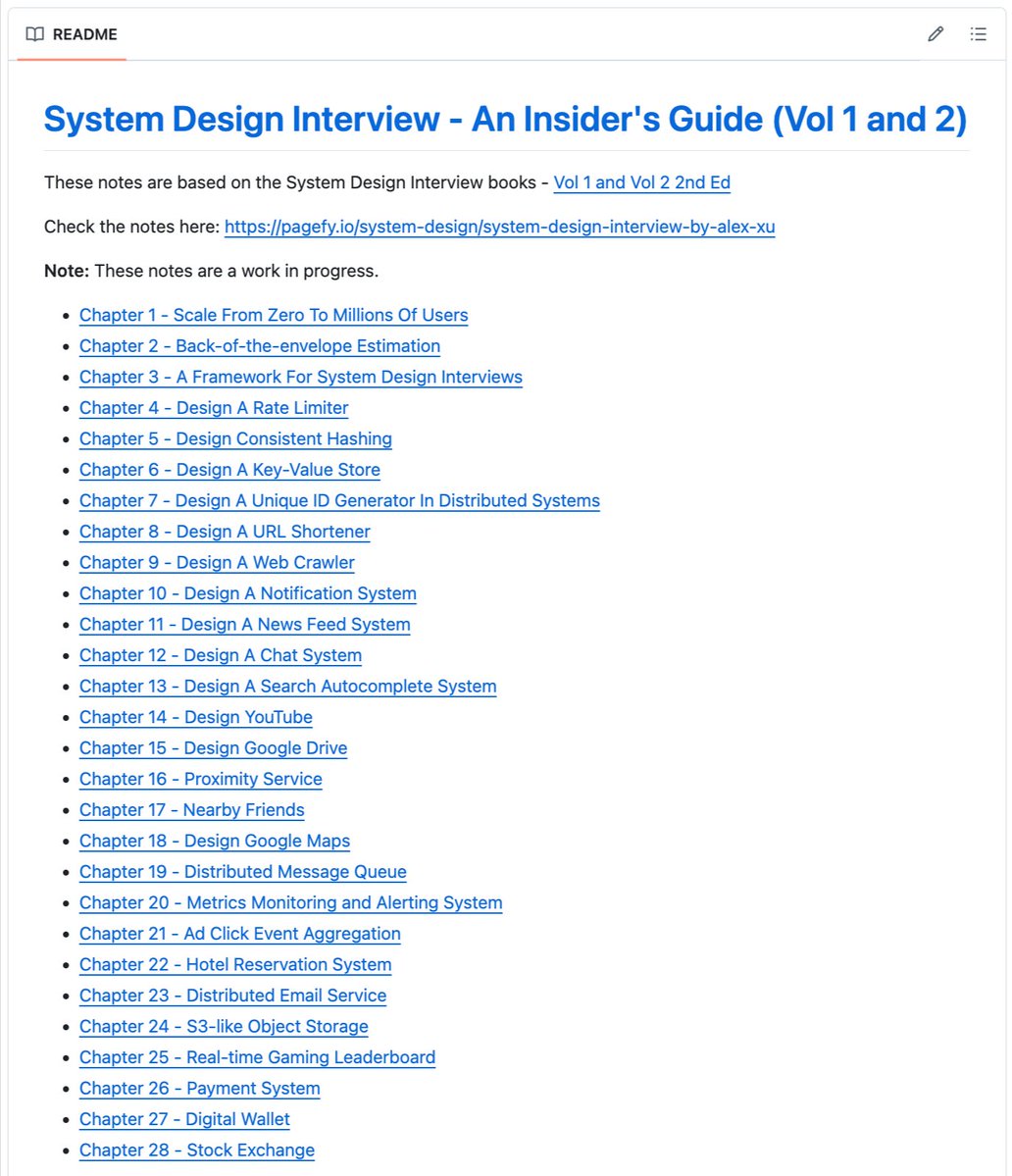
Alex Xu's System Design Interview is the most recommended book in tech hiring. Volume 1: $39.99 on Amazon. Volume 2: $40.00 on Amazon. Both together: $79.99. Thousands of engineers have bought them. Millions have been told to buy them. Every tech interview prep list on the internet includes these two books. In December 2024, one engineer at AWS read both volumes cover to cover. His name is Gaurav Kumar. CS grad from USC. Day job at Amazon Web Services. He goes by liquidslr on GitHub. He took notes on every single chapter. Organized them by topic. Linked every section to the original research papers from Amazon, Google, and Discord. Then he pushed the whole thing to GitHub for free. Then he built a free website to read them on. He named it Pagefy. Every chapter. Every diagram concept. Every system. Free. Forever. Here is what is inside: → Chapter 1: Scale From Zero To Millions Of Users → Chapter 2: Back-of-the-Envelope Estimation → Chapter 3: A Framework For System Design Interviews → Chapter 4: Design A Rate Limiter → Chapter 5: Design Consistent Hashing → Chapter 6: Design A Key-Value Store → Chapter 7: Design A Unique ID Generator In Distributed Systems → Chapter 8: Design A URL Shortener → Chapter 9: Design A Web Crawler → Chapter 10: Design A Notification System → Chapter 11: Design A News Feed System → Chapter 12: Design A Chat System → Chapter 13: Design A Search Autocomplete System → Chapter 14: Design YouTube → Chapter 15: Design Google Drive → Chapter 16: Proximity Service And that is Volume 1. Volume 2 continues: → Nearby Friends → Google Maps → Distributed Message Queue → Metrics Monitoring and Alerting System → Ad Click Event Aggregation → Hotel Reservation System → Distributed Email Service → S3-like Object Storage → Real-Time Gaming Leaderboard → Payment System → Digital Wallet → Stock Exchange Here is why this matters: Every FAANG company asks system design questions. Google. Amazon. Meta. Microsoft. Apple. Netflix. Uber. Airbnb. Stripe. The median software engineer at these companies makes $226,000. Senior makes $312,000. Staff makes $457,000. The interview that stands between you and that salary is system design. The book that everyone says to read costs $79.99. The official video course on ByteByteGo costs $499 for lifetime or $189 a year. Hello Interview charges $279 lifetime. Educative charges $59 a month. These notes cover the same 28 chapters as the books. For $0. Not a summary. Not a cheatsheet. Structured notes with diagrams, key concepts, and source papers for every chapter of both volumes. Browse them as a website at pagefy.io. Search any topic. Jump to any chapter at 1 AM the night before the interview. 5,555 stars. 1,059 forks. One AWS engineer on his own time. One honest flag: there is no LICENSE file on the repo. These are study notes summarizing a copyrighted book. If you can afford $79.99, buy the books. Alex Xu deserves the royalty. These notes are for the night before, when you already read the book and forgot half of it. One engineer. Two books. Twenty eight chapters. Free on GitHub. The book teaches you the answers. This repo helps you remember them.
Nav Toor tweet media
English
12
154
1.1K
103K
Liberals’Nightmare007 retweetledi
Ed Andersen
Ed Andersen@edandersen·
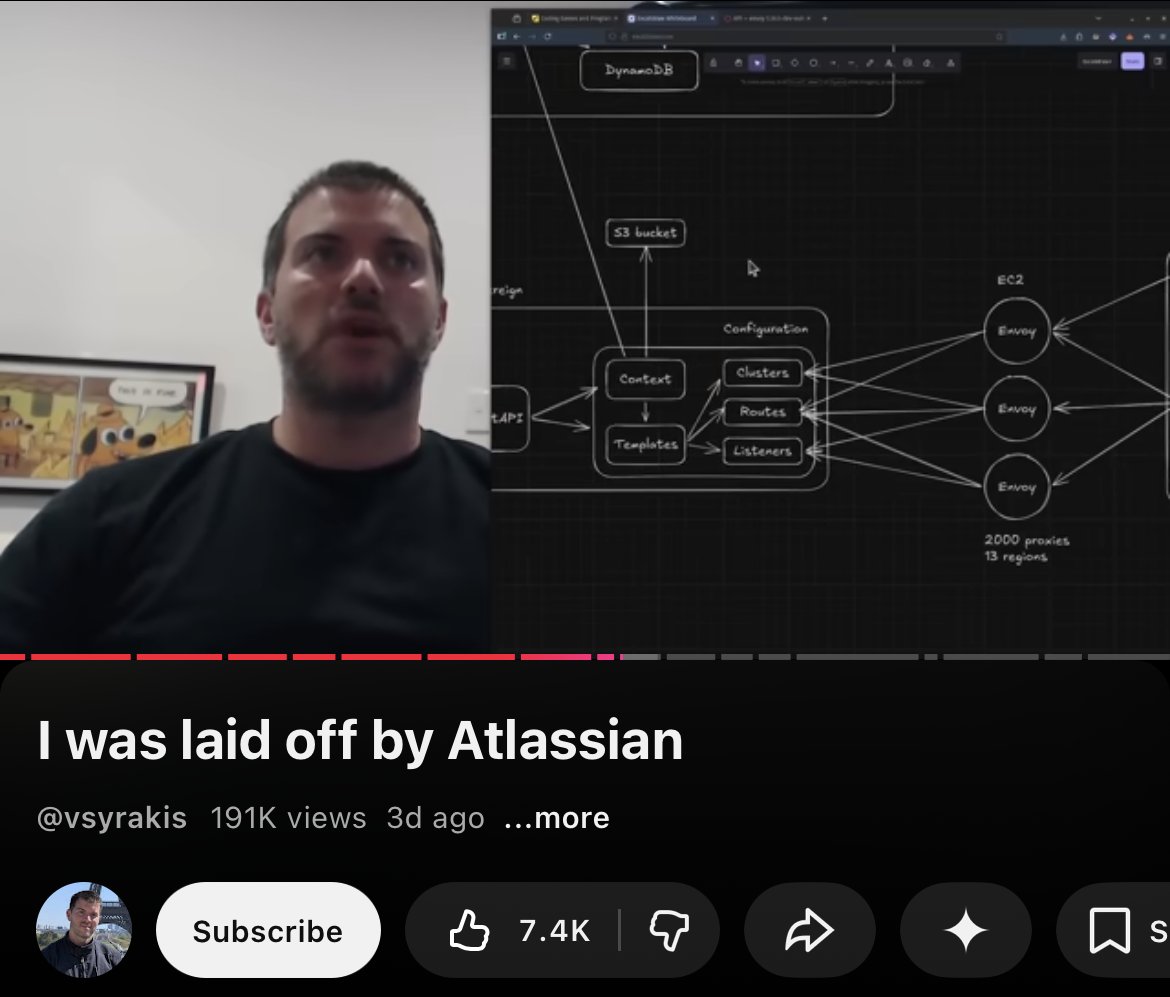
Incredible video by randomly sacked Atlassian engineer telling all about the entire company Love this genre, like LinkedIn green banner with zero fcks given
Ed Andersen tweet media
English
88
840
18.1K
3.2M
Kirti Azad
Kirti Azad@KirtiAzaad·
मोदी ने एक काम अच्छा किया॥ पहले ED- CBI को भ्रष्ट्राचारियों की तलाश करनी पड़ती थी॥॥ अब एक ही जगह BJP headquarters, में मिल जाएंगे॥॥॥
हिन्दी
289
685
3.5K
44.7K
Arvind Kejriwal
Arvind Kejriwal@ArvindKejriwal·
जागो Gen-Z जागो। उठो और लड़ो। इस वीडियो को ज़्यादा से ज़्यादा लोगों से शेयर करें और इस पर चर्चा करें।
हिन्दी
4.2K
4.2K
13.1K
530.7K
Liberals’Nightmare007 retweetledi
Miguel Ángel Durán
Miguel Ángel Durán@midudev·
Este repositorio es una joya. Te da todos los pasos e instrucciones para proteger y asegurar tu servidor Linux. Perfecto por si tienes un servidor propio o VPS: github.com/imthenachoman/…
Miguel Ángel Durán tweet media
Español
14
589
4K
136.3K
Liberals’Nightmare007 retweetledi
swyx
swyx@swyx·
this is a big deal, on the order of Kelsey Hightower’s “Kubernetes The Hard Way” and probably all ai engineers should go thru this once mostly i advocate “just in time learning”, but this is one scenario you want “just in case”
swyx tweet media
Ahmad@TheAhmadOsman

x.com/i/article/2050…

English
39
42
669
191.6K
Liberals’Nightmare007 retweetledi
Mrinal
Mrinal@Hi_Mrinal·
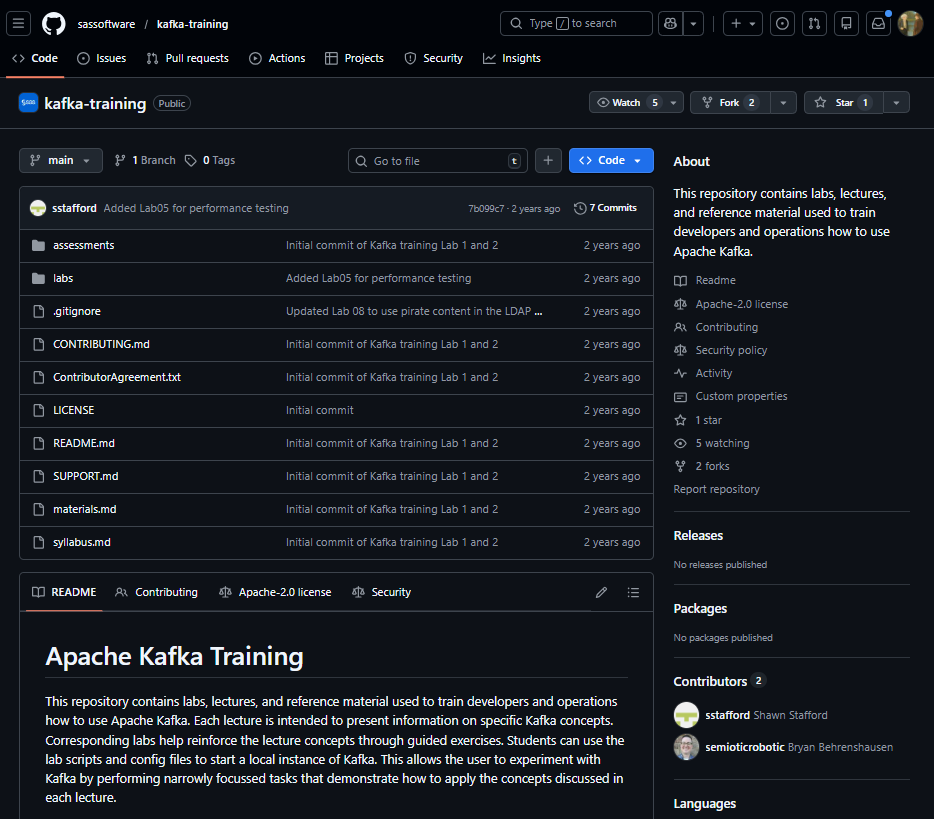
Another repository from my vault, used it for learning kafka during a contract work and it helped me a lot to grab up things quickly github.com/sassoftware/ka…
Mrinal tweet media
English
4
48
583
40.1K
Liberals’Nightmare007 retweetledi
Yoshik
Yoshik@AskYoshik·
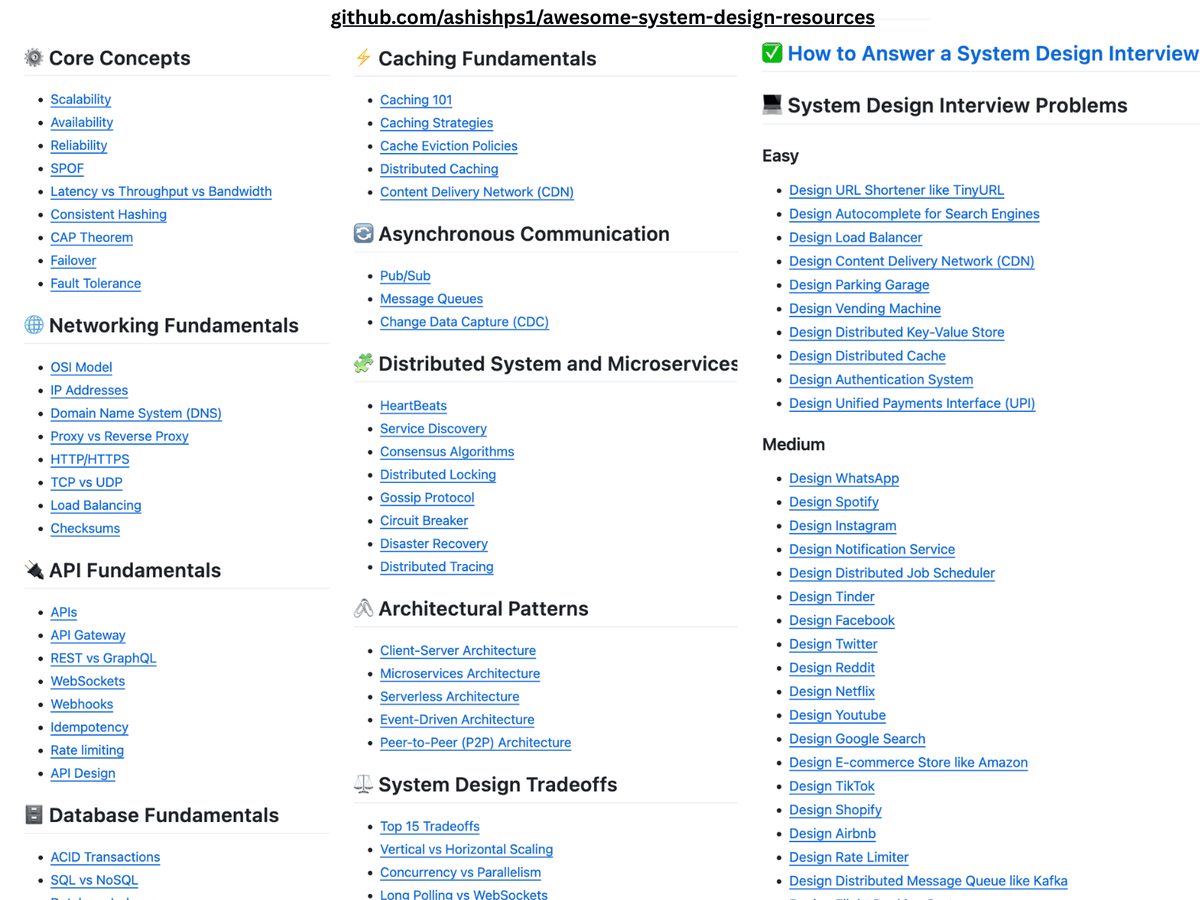
30 resources I wish I knew earlier as a junior SRE/DevOps: 1. Linux basics: linuxjourney.com 2. Shell scripting: github.com/jlevy/the-art-… 3. Systemd deep dive: freedesktop.org/software/syste… 4. Filesystems & I/O: #filesystems" target="_blank" rel="nofollow noopener">lwn.net/Kernel/Index/#… 5. Networking basics: hpbn.co 6. HTTP internals: developer.mozilla.org/en-US/docs/Web… 7. TLS & certs: smallstep.com/hello-mtls 8. DNS in practice: jvns.ca/blog/2018/10/1… 9. Containers 101: iximiuz.com/en/posts/conta… 10. Docker internals: docs.docker.com/get-started/ov… 11. Kubernetes basics: kubernetes.io/docs/tutorials… 12. K8s networking: cilium.io/blog/2021/05/1… 13. Ingress & Service mesh: istio.io/latest/docs/op… 14. Pod scheduling: kubernetes.io/docs/concepts/… 15. Linux perf tools: brendangregg.com/linuxperf.html 16. Observability 101: sre.google/sre-book/monit… 17. Prometheus basics: prometheus.io/docs/introduct… 18. Logging practices: 12factor.net/logs 19. Tracing intro: opentelemetry.io/docs/concepts/… 20. Load balancers: haproxy.com/blog/layer-4-a… 21. Queues & backpressure: docs.aws.amazon.com/whitepapers/la… 22. Circuit breakers & retries: martinfowler.com/bliki/CircuitB… 23. Config management: docs.ansible.com/ansible/latest… 24. CI/CD basics: martinfowler.com/articles/conti… 25. GitHub Actions: docs.github.com/en/actions/lea… 26. Infra as Code: developer.hashicorp.com/terraform/intro 27. SLOs & SLIs: sre.google/sre-book/servi… 28. Incident management: sre.google/sre-book/manag… 29. Postmortems: sre.google/sre-book/postm… 30. Capacity planning: sre.google/sre-book/capac… Bookmark this and read about 1 resource per day.
English
0
45
278
10.7K