Argantonio Tartessos
4.9K posts

@ArgantonioTart2
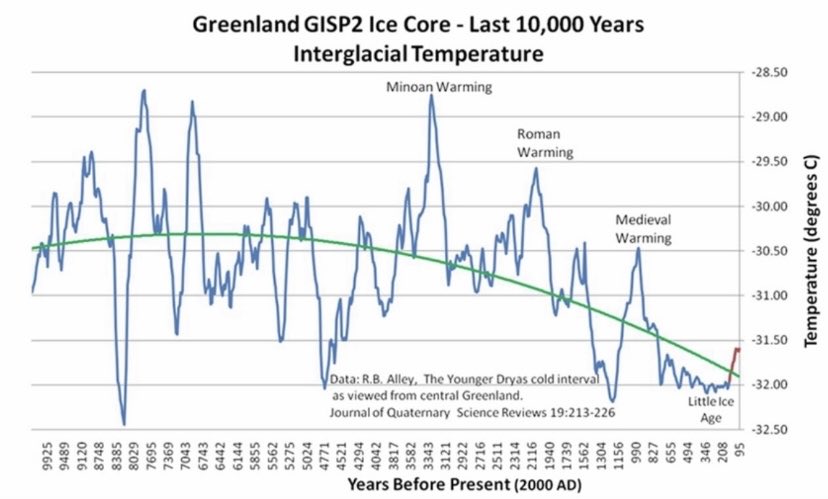
La #Agenda2030 es una agenda oscura que pretende adaptar a la sociedad al nuevo Gran Mínimo Solar… (Lamentablemente Twitter sigue capando cuentas).


البل شعاها نفيضه وسرحت يمه 👈 من أجمل المناظر الي ممكن تشاهدها بخار البرد 🌫️❄️😍


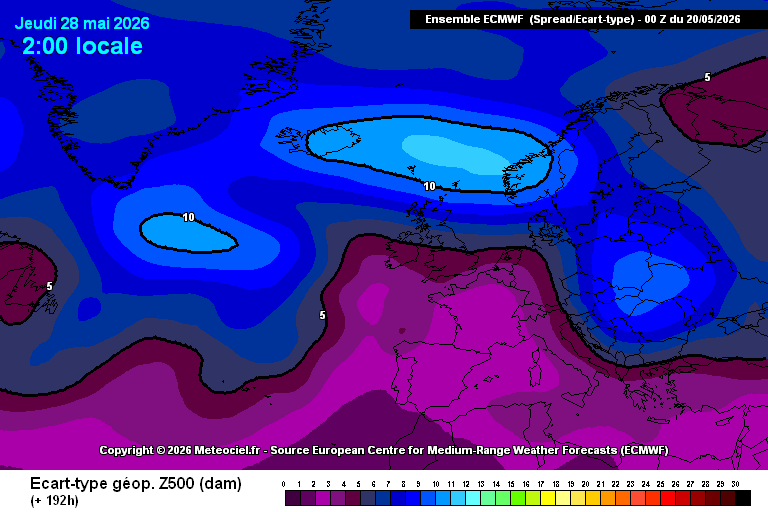
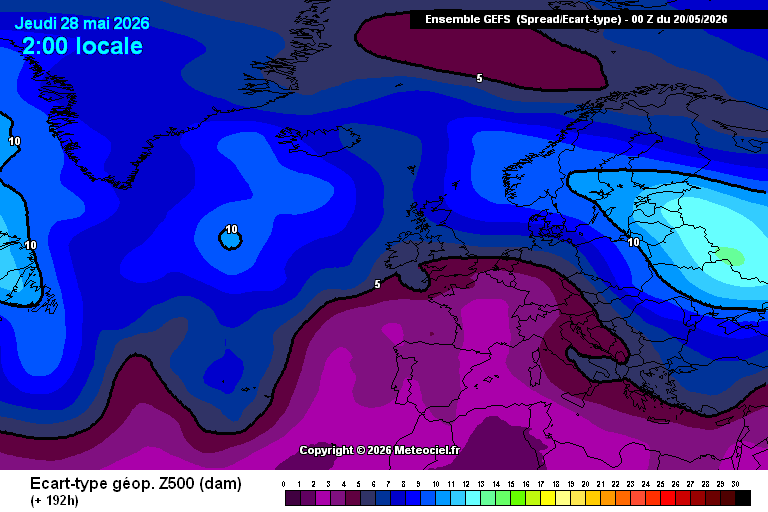
Roberto, I understand your point, and yes , at this moment the ensembles still largely support ridge dominance over western Europe. Nobody is denying the current consensus. My post is so clear, GFS and ECWMF do Not support my outlook ( Now ) except the Canadian model . But atmospheric evolution is not static. These models are continuously updated every few hours as new observational data are assimilated, and transitional spring regimes are especially sensitive to Rossby-wave amplification, jet displacement, and trough undercutting. A “zero indication” today does not mathematically guarantee a zero indication 48 hours later. We have seen countless situations where small embedded disturbances within a ridge later evolved into much larger western Mediterranean troughs or cut-off lows after only a few model cycles. I am not saying the #DANA scenario is currently the most likely outcome , only that the broader synoptic background leaves the door open for such evolution, particularly given the present North Atlantic–Caspian contrast pattern. Forecasting is about monitoring tendencies, probabilities, and dynamical evolution ,not freezing a single ensemble snapshot as permanent reality. And simply that is what you've done here, Habibi! Also, it is important to distinguish between probabilistic ensemble guidance and deterministic operational forecasts. They are related tools, but they are not the same “face of the same coin,” and each serves a different forecasting purpose.


#HeadsUp 🌡️➡️⛈️ Despite the strong heatwave signal currently projected by operational models over parts of central and western Europe, the broader synoptic pattern may become increasingly unstable later in May, with potentially rapid adjustments in upcoming model runs. The current ridge over western Europe ( Barents Sea ) , counteracted by lower geopotential heights near the North Caspian and Ural sector, may eventually favor Rossby-wave amplification and trough detachment toward southwestern Europe and the western Mediterranean — as illustrated by the black arrow. Colder, denser air masses can undercut and displace warm ridging patterns across western Europe, especially under amplified spring flow regimes. This might happen at the same time with formation of Cyprus Low in East Mediterranean sea ( which had materialized yet) . This setup resembles a classical positive North Sea–Caspian dipole (+NCP)-type configuration, a transitional-season pattern that tends to recur more frequently during spring and autumn. If this evolution verifies, cut-off low / #DANA development near Iberia or the Balearic region cannot be ruled out, increasing the likelihood of storminess across inland and northeastern Spain during the final decade of May. The attached 20-analog spring composite also supports the possibility of a colder upper trough/basin forming over the western Mediterranean. At this stage, GFS and ECMWF do not fully support this scenario yet, but the currently projected persistent heat dome may become less stable in subsequent runs. In simpler terms: I broadly agree with Javier ( @Canalcienciaym ) that a transient Rossby-wave amplification during spring should not automatically be interpreted as a long-duration or extreme heatwave regime. Heat waves occur when latent heat builds up over several days while exceeding the high percentile of the period expected temperatures , holding heat into concrete building that radiates heat back at us day and night and persistently for extended period exceeding 4 consecutive days , this pattern is however dynamic and Fastly changing. Indeed the digital models supports this possible scenario at the meantime, a Cyprus Low is expected and it had formed but no Balearic sea Low had formed yet, next few days runs in those models can be very important.


Mieux protéger contre les inondations 🇹🇩 En 2025, nous avons soutenu des infrastructures de drainage et de gestion des déchets à N’Djamena pour réduire les risques d’inondation et protéger les communautés et les écoles les plus exposées. #RésilienceUrbaine #ActionClimat


El Río Eufrates en Irak luego de inundaciones


Mosul Dam opens its gates that have been closed for a long time After Iran destroyed the systems and equipment of the American #HAARP project in the UAE The lean years that altered the climate of Iraq and the region have come to an end.........


فيضانات شديدة تداهم القرى في هونان، الصين


في حضرة هذا الجمال يقف الكلام الربع الخالي اسرار لم تكتشف


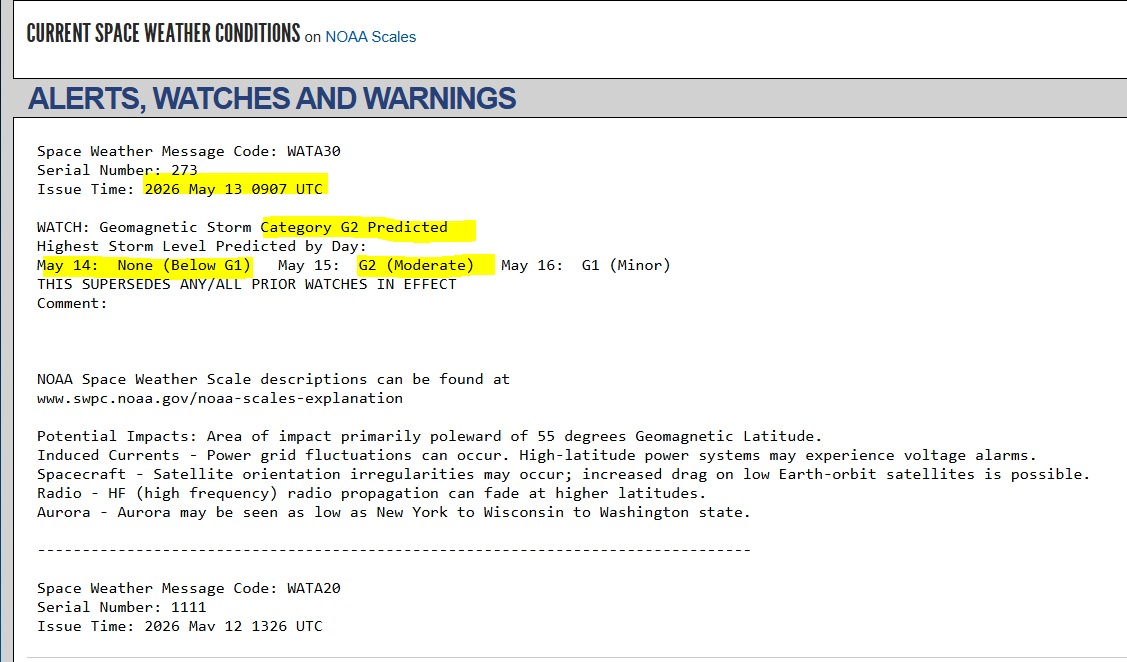
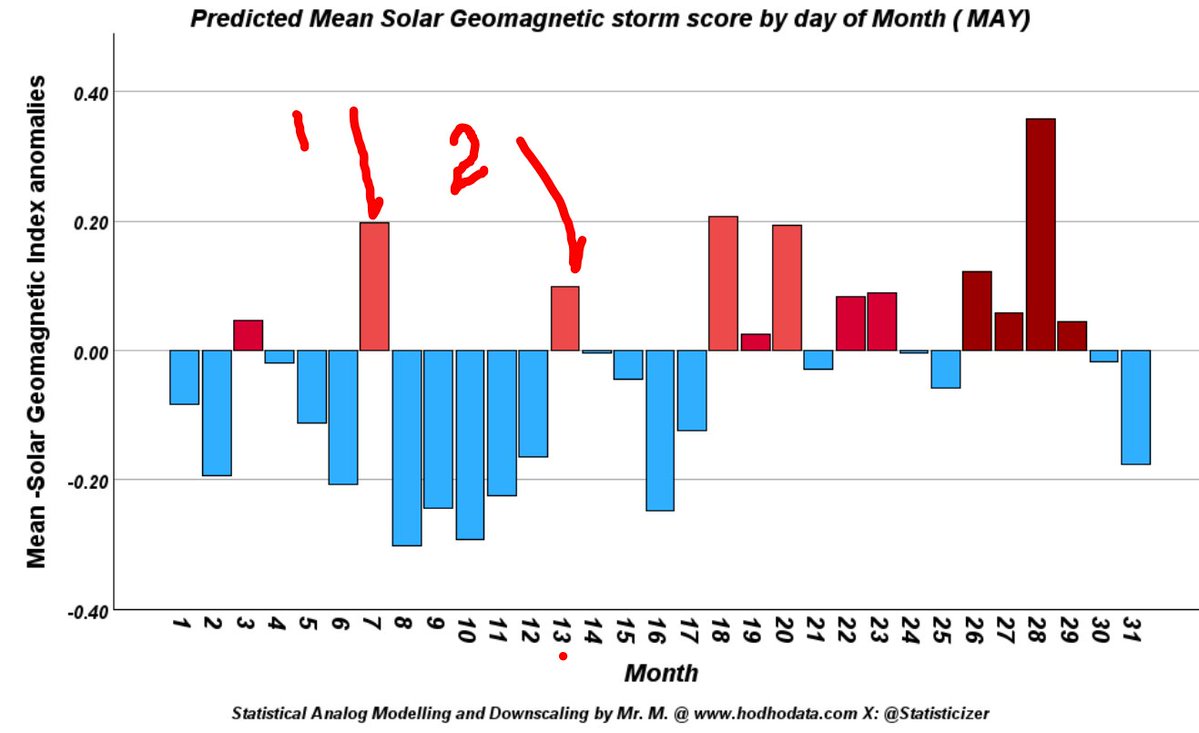
☀️🛰️ Solar Geomagnetic Storm Predictions for May: Periods of intensified solar flare and geomagnetic activity may develop during several time windows throughout May, as illustrated in the Geomagnetic Storm Index anomaly chart. The positive red 🔺deflections in the chart indicate potential incoming geomagnetic storm episodes (±1-1.5 days). 🔴 Potentially active periods: • Early May • Middle part of the second third of May • End of the second decade of the month • Final decade of May Most of these events are expected to range from mild to moderate in intensity, considering the current descending phase of the solar cycle. However, the pronounced positive geomagnetic signal projected around 24–30 May could become a particularly notable or even relatively strong event if these statistical predictions will verify. These intervals may be associated with: • Increased geomagnetic disturbances • Enhanced solar flare activity • Possible visibility of stronger auroral lights across mid-to-high northern latitudes particularly the end of May. • Theoretically, these positive deflections in geomagnetic space weather activity could also correlate relatively well - and sometimes near-instantly - with fluctuations in Global Atmospheric Angular Momentum (GLAAM). Therefore, if these predictions physically materialize during the second half of May, a positive deflection in AAM and related dynamical derivatives or associated atmospheric momentum factors may also emerge. NB: Strong geomagnetic storms are also associated with volcanic silica chamber potentiation and /possibly stronger earthquakes with between mediocre to modest published physical evidence supprting that. This forecast is probabilistic, not deterministic, it is based on interim statistical model for forecasting solar flares and geomagnetic activity and should be monitored alongside operational forecasts issued by professional institutions such as NOAA Space Weather Prediction Center (SWPC) during these periods. I am observing 👀👀how this trial prediction will go. Warmest Jordanian regards, Mr. M @Statisticizer