Decombe Emilie retweetledi
Decombe Emilie
231 posts

Decombe Emilie
@DecombeEmilie
Médiatrice culturelle au musée des Ursulines de Mâcon.
Katılım Eylül 2020
52 Takip Edilen21 Takipçiler
Decombe Emilie retweetledi

Dans son numéro de rentrée, la revue de @APHG_National, "Historiens & Géographes", ne publiera pas seulement un dossier sur le thème du FIG. Une nouveauté : la publication d'un gros article scientifique consacré aux Alpes qui sont le territoire invité du festival cette année !
Français
Decombe Emilie retweetledi

📖 Ressource pédagogique pour le lycée
📝 "Le négociant européen"
🖋 Par Gilbert Buti
👩🏫 Programme d'#histoire de #Seconde
📌 Thème 2 / Chapitre 1 : L’ouverture atlantique
🤝 @APHG_National @LettresSorbonne @eduscol_HG #lycée #prof #pédagogie
👇
ehne.fr/fr/encyclopedi…
Français
Decombe Emilie retweetledi

A l'occasion de la Nuit Européenne des Musées, les élèves du conservatoire Edgar-Varèse vous offrent une déambulation musicale en miroir avec l'exposition Ce qui précède 🎺
Rendez-vous ce samedi 18 mai de 19h30 à 23 h au musée des Ursulines 💛#NuitDesMusées

Français
Decombe Emilie retweetledi

[#musées] 15 mai - 15 sept. 2024 • Le musée de la vie romantique - @MVRParis - célèbre Théodore #Géricault (1791-1824) à l’occasion du bicentenaire de sa mort et explore ses représentations de chevaux avec une centaine d'œuvres rassemblées. Exceptionnel ! #expoGericault

Paris, France 🇫🇷 Français
Decombe Emilie retweetledi

Premier événement conjoint de @LyonAphg et @ArchivesdeLyon ! Nous vous attendons nombreuses et nombreux pour évoquer les guerres de Religion en Europe avec les excellents @JeanSouriac , Olivier Spina et Nicolas Le Roux (visio) ! Hâte de vous y rencontrer et d'échanger !

Français

Decombe Emilie retweetledi

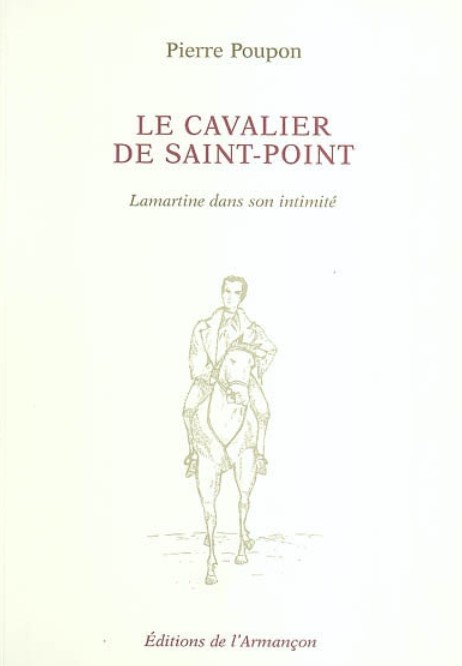
#Lamartine doit à son père, cavalier d'élite au régiment du Dauphin, sa passion pour les chevaux et ses talents en matière d'#Equitation. A Saint-Point, il mène une vie de gentleman farmer et monte quotidiennement "je laboure, j'élève des poulains et je chante de temps en temps".

Français
Decombe Emilie retweetledi

En bon fils de famille, #AlphonsedeLamartine pratique les #sports réservés à la noblesse. Une enfance à la campagne et la gestion de ses terres mâconnaises lui ont forgé une silhouette athlétique. En avril, redécouvrez le poète sous l'angle du sportsman.
#SportDay #Paris2024

Français

Decombe Emilie retweetledi

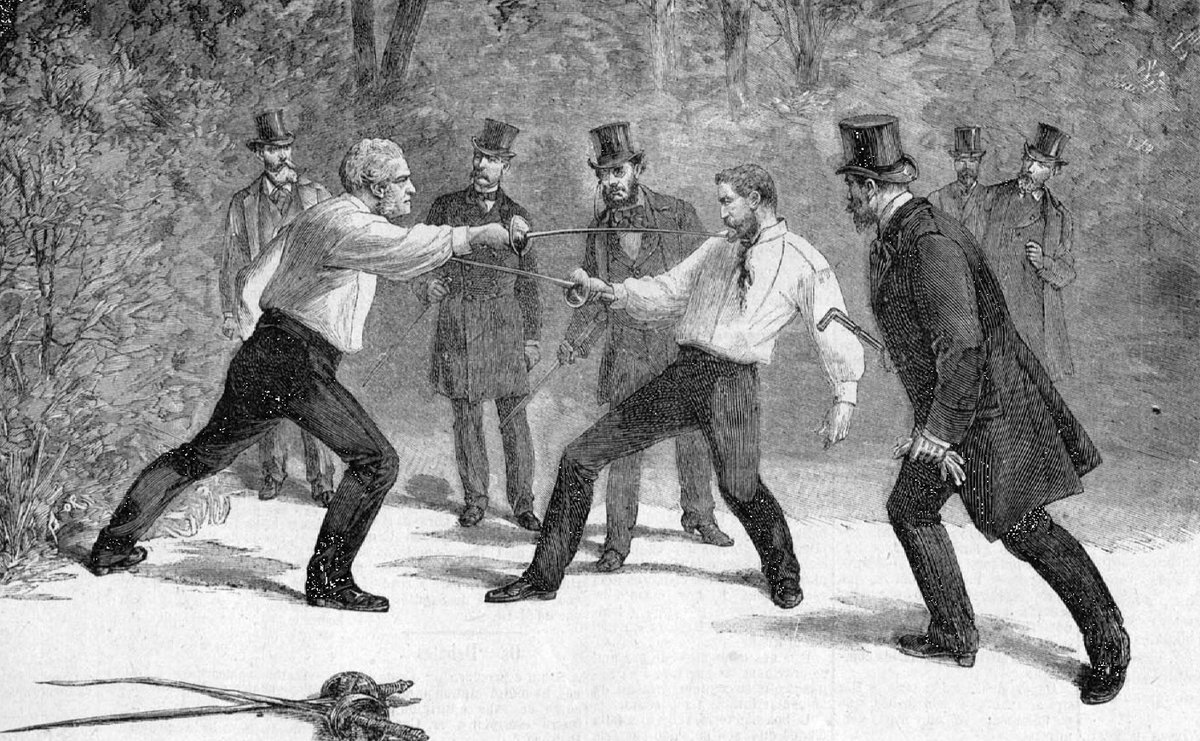
En 1835, à rebours de la pensée de l'époque, #Lamartine prononce à la Chambre un discours contre le duel. Gentilhomme, il a pourtant été formé à l'#escrime et sait défendre son honneur "sur le pré", comme en 1826 à Florence contre le Colonel Pepe qui le blesse au bras. #sports

Français
Decombe Emilie retweetledi

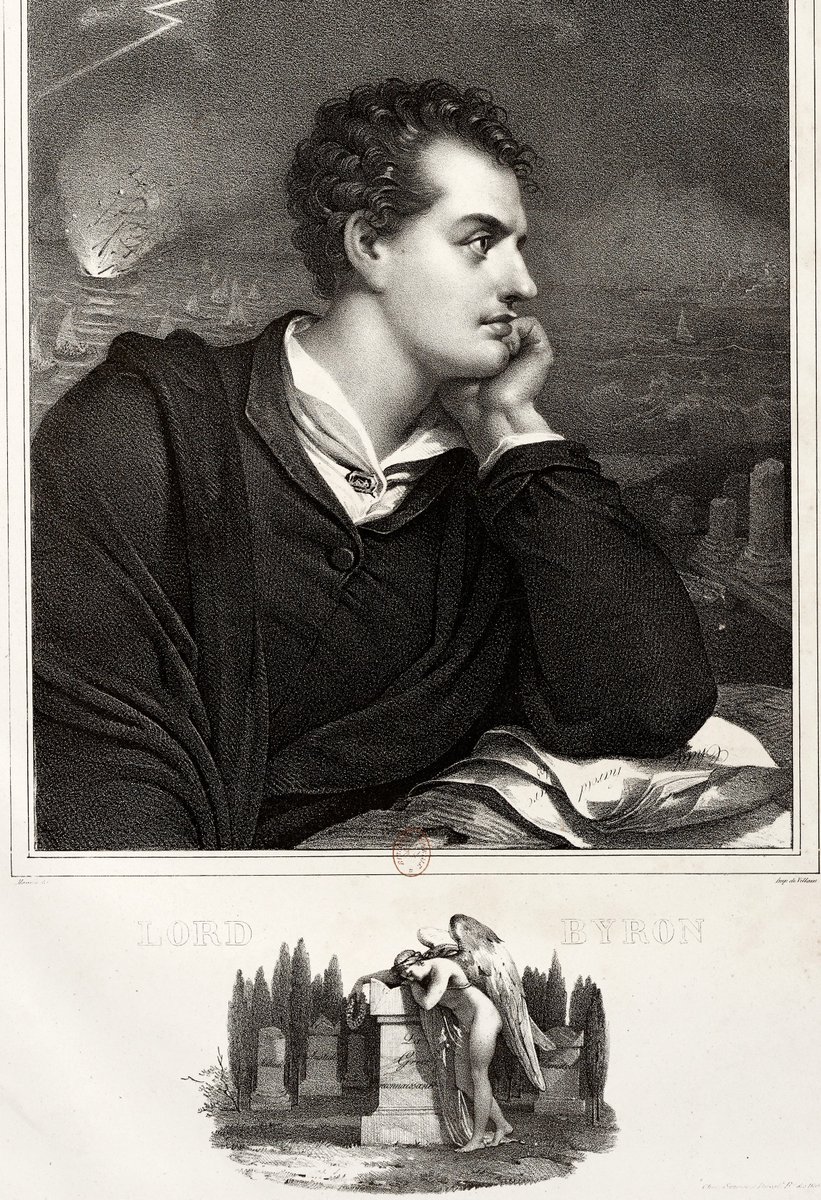
1810, alors que la #natation est pratiqué par une minorité, #LordByron réalise l'exploit de traverser l'Hellespont à la nage et le relate dans le poème "Written After Swimming from Sestos to Abydos". Est-ce un hasard si l'été suivant #Lamartine, s'entraine méthodiquement ?
#sport

Français

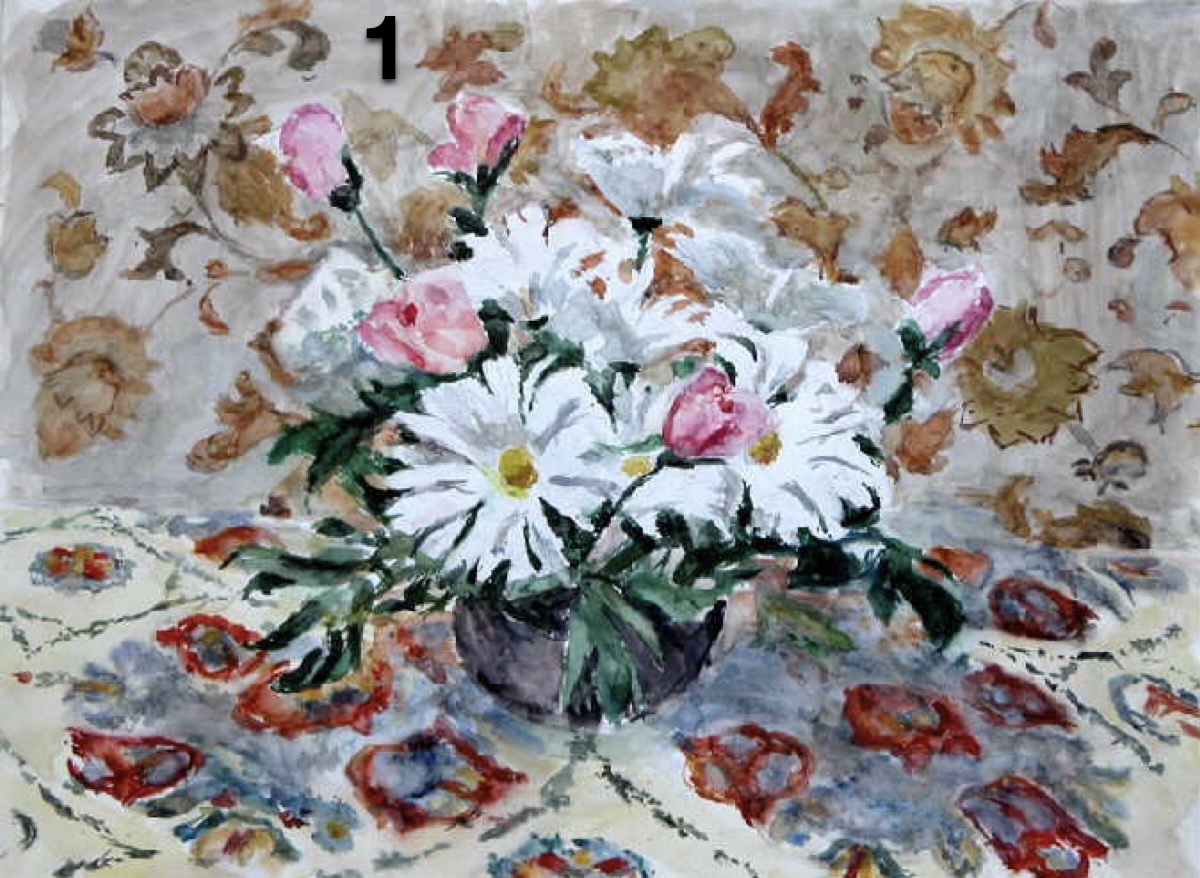
@MuseeMacon Je vote pour le bouquet de marguerites (n*1).
Français
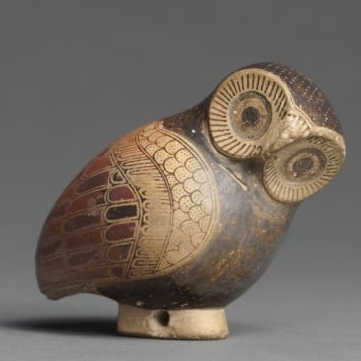
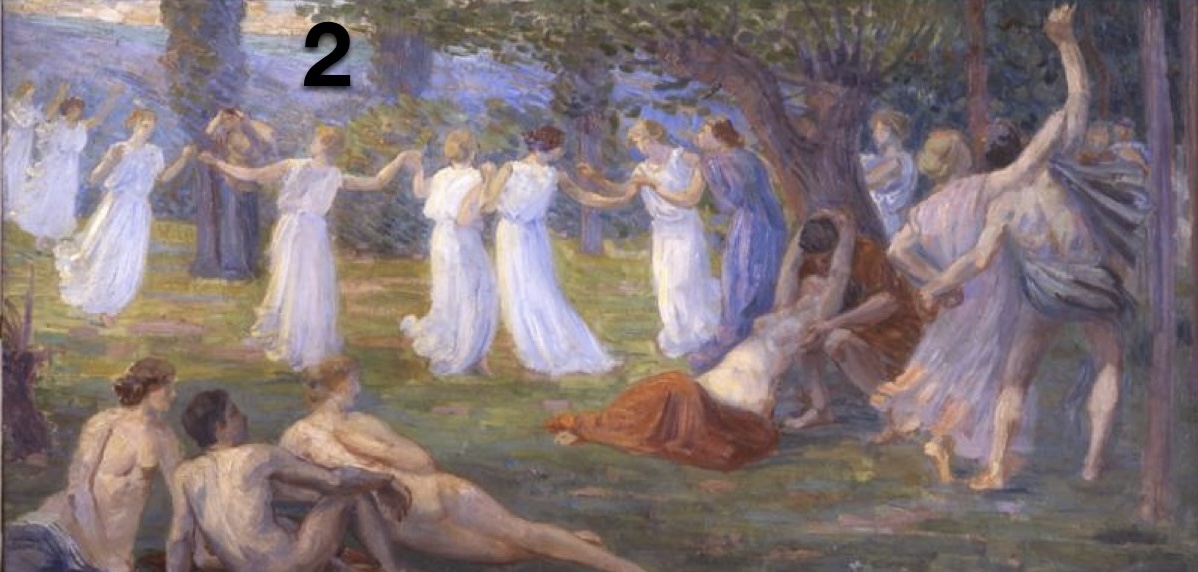
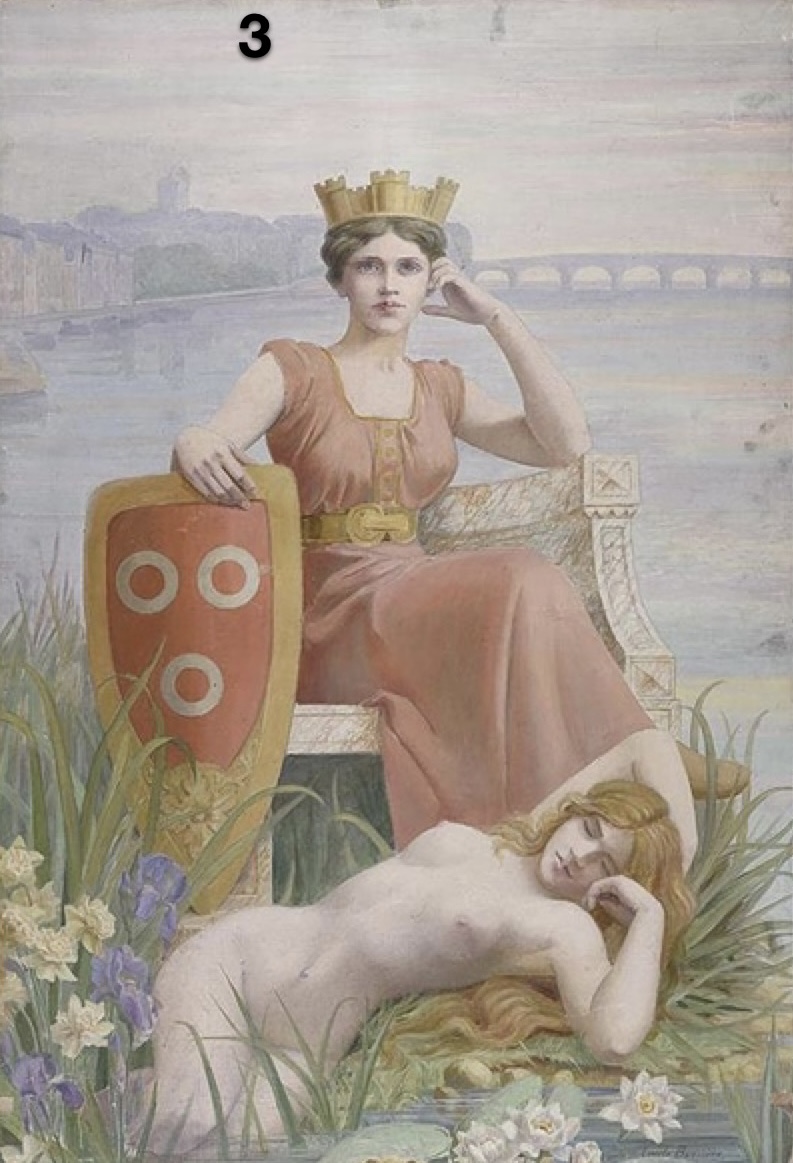
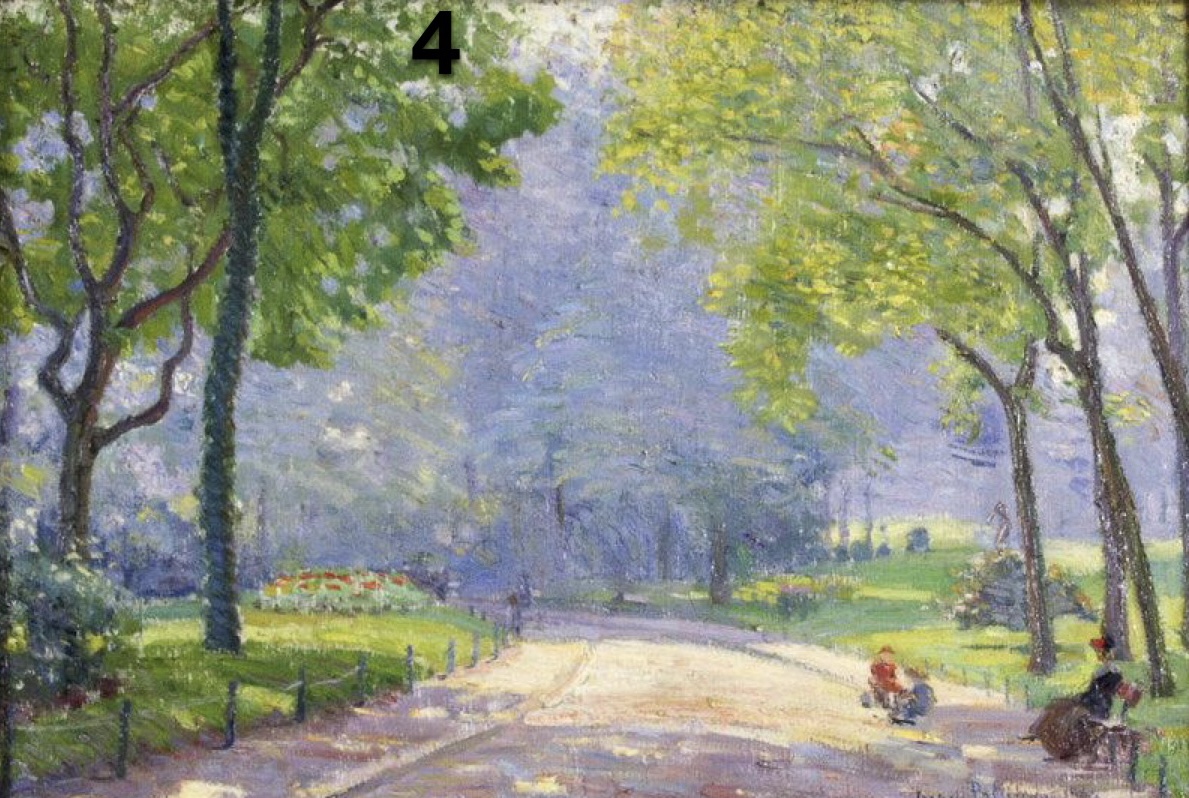
Le printemps est inspirant ! 🪻1, 2, 3 ou 4 ?
Dites-nous en commentaire quel est votre tableau favori
L'élu de tous aura le droit à un post, alors n'attendez plus et votez !🥰
#tableaudelasemaine #museemacon #Tousaumusée #collections


Français
Decombe Emilie retweetledi

Babylon's Ishtar Gate may have a totally different purpose than we thought, as archaeologists measured the magnetic fields found in clay bricks to determine the construction date of Babylon's Ishtar Gate.
Babylon's bright-blue Ishtar Gate was thought to have been built to celebrate the conquest of Jerusalem, but a new analysis finds that it may have been erected years later.
The iconic glazed-brick edifice, which King Nebuchadnezzar II ordered to be built and decorated with wild bulls and mušhuššu-dragons while ruling the Babylonian empire from 605-562 BC, was constructed in three phases and served as the entrance to the ancient city of Babylon, located in southern Mesopotamia. However, the exact dates of each construction phase have long been up for debate, according to a study published (Jan. 17, 2024) in the journal PLOS One.
While it's known that Nebuchadnezzar II ordered the first phase, as these bricks are inscribed with his name, it was less clear if some time had passed before the second and third phases were completed, according to the study. Some researchers even wondered if Nebuchadnezzar II had died before the gate's completion.
To set the record straight, archaeologists collected tiny samples from five of the fired mud bricks from the Ishtar Gate (now reconstructed at the Pergamon Museum in Berlin) spread across the three phases and measured the geomagnetic fields of each one in a process known as archaeomagnetism.
Archaeomagnetism measures the effect of Earth's magnetic field that's preserved in the archaeological record of an object, according to the McClung Museum of Natural History and Culture at the University of Tennessee, Knoxville. It offers an even more accurate time stamp than radiocarbon dating, the most common method of archaeological measurement.
This new analysis determined that there were no "significant chronological gaps" between each construction phase and that the "gate complex was constructed some time after the Babylonian conquest of Jerusalem" that took place in 586 BC. During the conquest of Jerusalem, Babylonians destroyed Solomon's Temple, also known as First Temple; burned down the city; and exiled the Jews to southern Mesopotamia, also known as Babylonia.
The researchers concluded that because all of the magnetic-field measurements in the five bricks were similar, the reconstructions were executed around the same time: 583 BC, according to the study. "The age is based on the period of reign of Nebuchadnezzar II, during which the order to build the gate was given," the team wrote in the study, indicating that the king was alive at the gate's completion.
The finding suggests that the Ishtar Gate didn't change style through the construction process but rather that "phases II and III are related to the original design of the gate and reflect the construction process rather than later additions, detached from the original construction of phase I," the authors wrote.
The researchers hope to perform similar archaeomagnetic analyses on other ancient structures in Mesopotamia, since fired mud bricks have proved to be reliable sources for this technique and were a common building material during that era.
📷 : The Ishtar Gate of Babylon as seen at the Pergamon Museum in Germany.
#archaeohistories

English
Decombe Emilie retweetledi

#CommuniquédePresse | 🎨 Le ministère de la Culture dévoile les 27 expositions labellisées "Exposition d'intérêt national" à découvrir en 2024. Ce label veille à la visibilité et au soutien des expositions organisées dans les musées territoriaux français 👉culture.gouv.fr/Presse/Communi…

Français

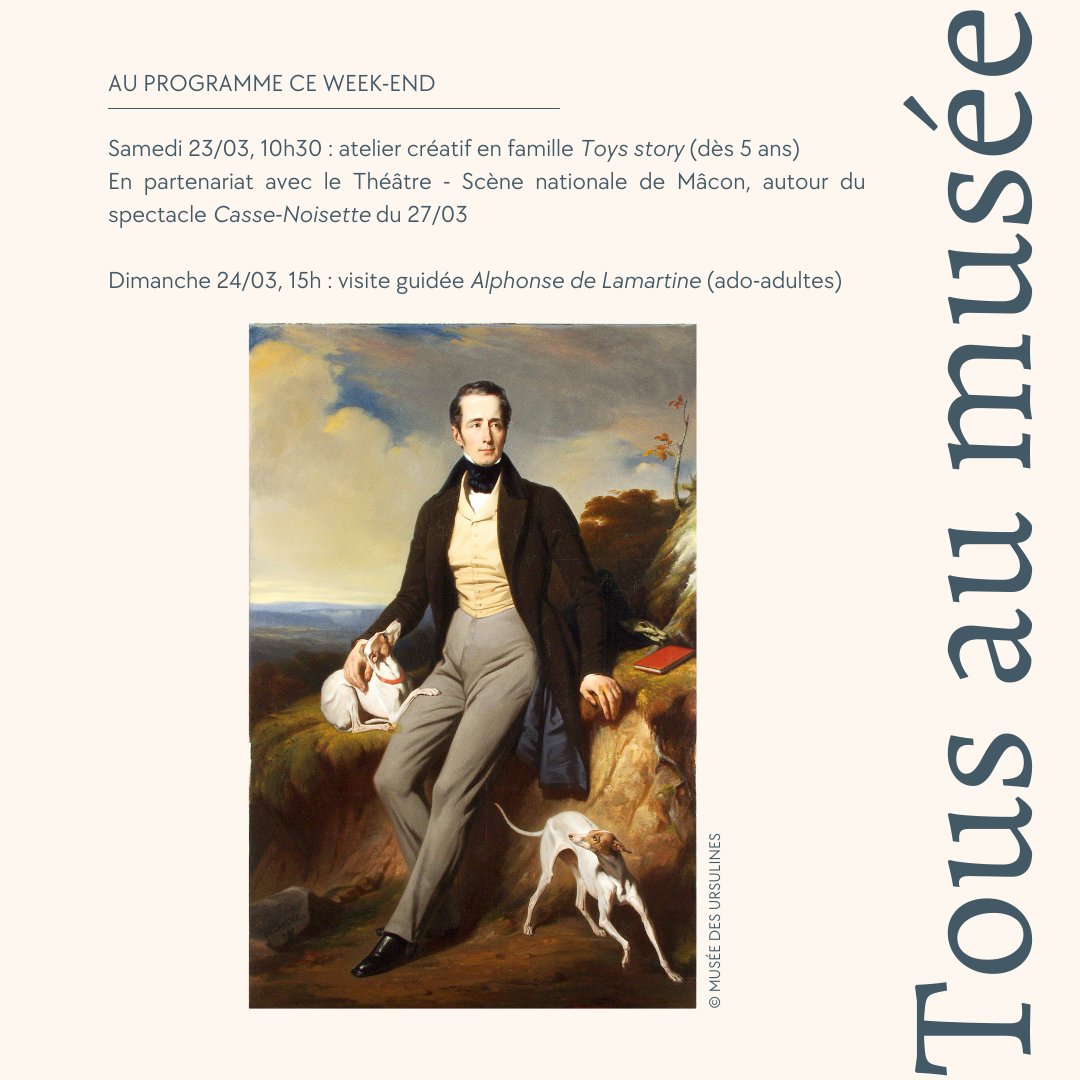
#TousAuMusée
Alors, on se retrouve au musée ce week-end ?🤗
Réservation et informations : lien dans la bio ou par téléphone au 03.85.39.90.38

Français
Decombe Emilie retweetledi

🎓Cérémonie de mise à l'honneur des collégiens ayant obtenu la mention "Très bien" au Diplôme National du Brevet 2022. L'IA-DASEN @MenissierLil les a félicités avec la Vice-présidente du Département @saoneetloire Mathilde Chalumeau à l'Atrium. 👏👏@dsden71 @AcademieDijon


Français
Decombe Emilie retweetledi

For #FindsFriday, the Lewis Chessmen, dated c. 1175 AD. These characterful bishops and warders (rooks) are medieval chess pieces from a large gaming hoard found in 1831 on the Isle of Lewis, Scotland. Love their expressive eyes! ❤️👀. Photos my own.
#Archaeology

English
Decombe Emilie retweetledi

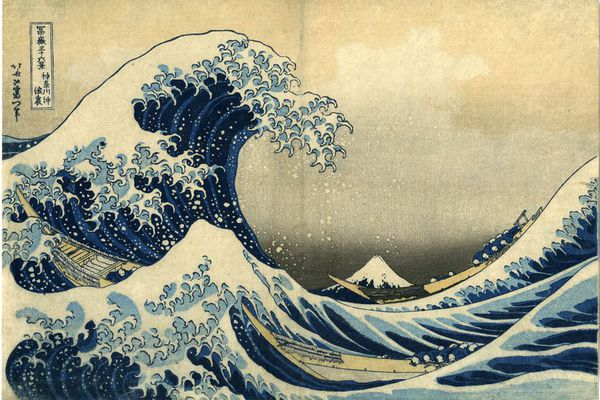
#Exposition à Nice : la célèbre vague d'Hokusai présentée au Musée des arts asiatiques.
➡️france3-regions.francetvinfo.fr/provence-alpes…

Français