truth_11🌍 retweetledi
truth_11🌍
72 posts


truth_11🌍
@DenzelGosha
AI & Tech in Africa 🌍 | Engineering 🛠️ | Proudly 🇿🇼 | Tsoko 🐒 | Son of the Most High🙏
Katılım Temmuz 2022
226 Takip Edilen23 Takipçiler


truth_11🌍 retweetledi
This week on the #AfricaTechKin, @DannythatGuy unpacks Zimbabwe's launch of the National AI Strategy. Canal+ leadership visits MultiChoice Zimbabwe with 2030 business plans. Social media addiction trial against Meta & YouTube. And NVIDIA announces DLSS 5
youtu.be/y-B7UVgv3wc

YouTube
English
truth_11🌍 retweetledi

Congratulations to Zimbabwean legal scholar Dr Justice Mavedzenge on his appointment by the President of Seychelles to lead an independent commission of inquiry in that country.
Dr Mavedzenge recently debated the legality of Zimbabwe’s Constitutional Amendment No. 3 being passed without a referendum with Professor Jonathan Moyo, where he came out on top of the argument and helped many people understand how constitutional amendments work.
He is a Professor of Law at the University of Cape Town. It is encouraging and inspiring to see compatriots being recognised for their intellectual abilities, and as Zimbabweans, we should celebrate such achievements. Well done, brother @Dr_JAMavedzenge 🙏🏿🙏🏿
English

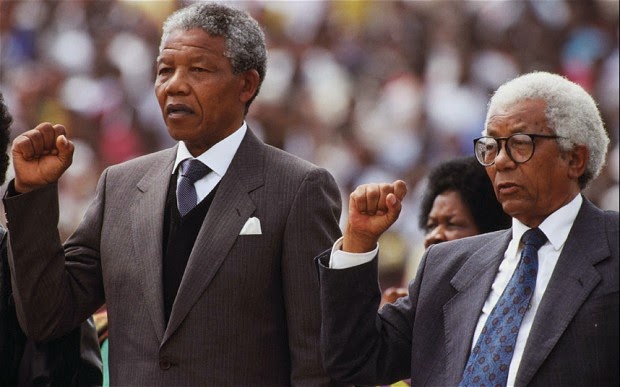
Samuel needed Eli. Mandela needed Sisulu. But one thing is clear: as the youth we aren't waiting for handouts, we need to PARTICIPATE.
Especially under these hostage situations were reason is taken for rebellion. What's the move?
@advocatemahere
#WeAreTheFuture #TatchIsAMove
English
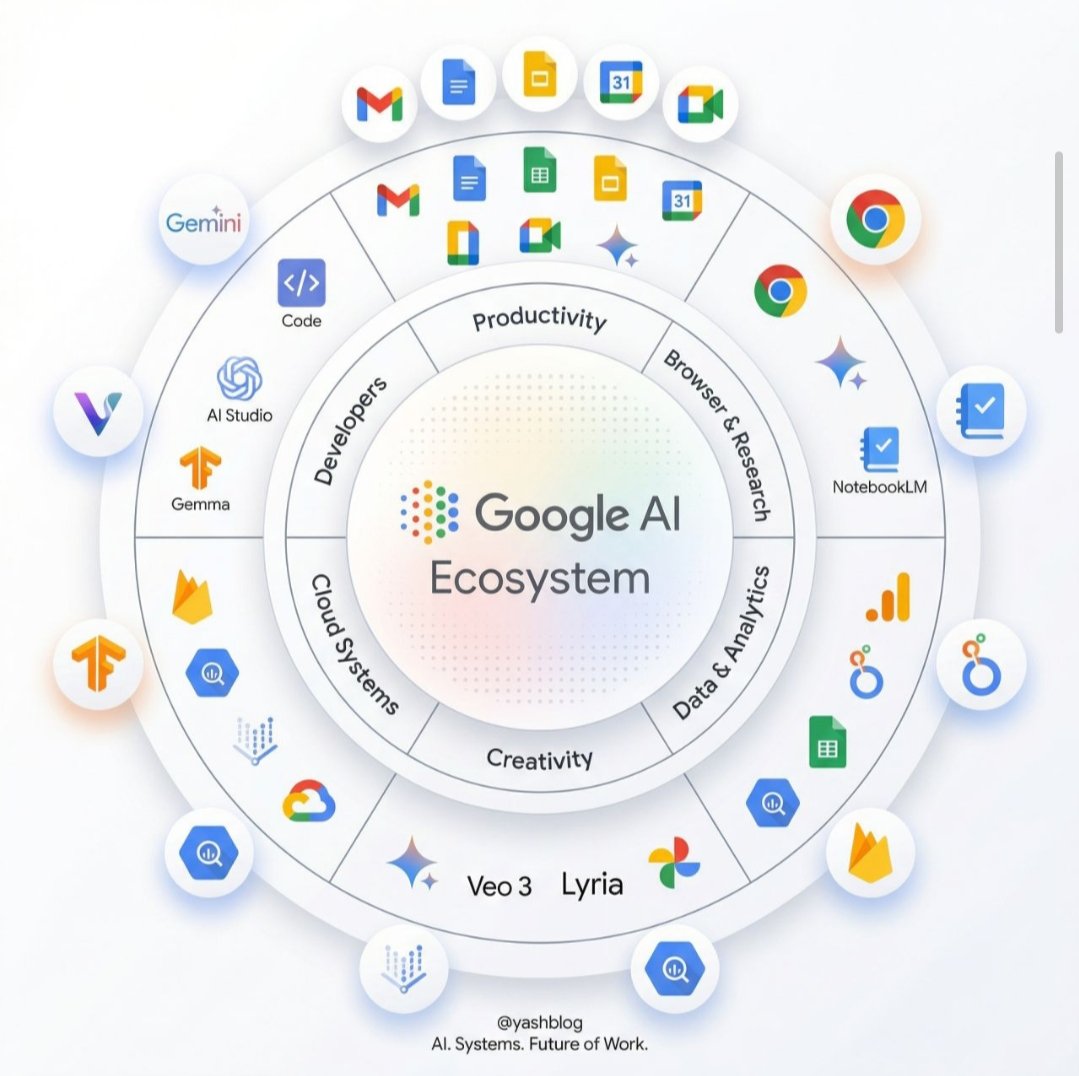
This is the most humourous way to describe the potential doom of society 😂
What Now? with Trevor Noah@WhatNowPodcast
Everyone thinks the future is going to destroy us. AI will replace you. Technology will ruin society. Aliens are probably hostile. But what if the real problem is that we’ve trained ourselves to expect disaster? On this week’s @WhatNowPodcast we sit down with Cleo Abram to talk about why optimism feels radical right now, and why imagination might be the most important technology we have. Watch on YouTube or listen wherever you get your podcasts. youtu.be/Mflnmsu225U @Trevornoah
English
Romans 8:37 KJV
Nay, in all these things we are more than conquerors through him that loved us.
bible.com/bible/1/rom.8.…

English

The real reason they got rid of copper pipes.
"By drinking copper water you are charging your body and boosting your frequency."
"But not only that, copper is antibacterial."
English
truth_11🌍 retweetledi



truth_11🌍 retweetledi

Tuku Neria — Violin Cover 🎻
A timeless masterpiece reimagined. 🇿🇼
Română
truth_11🌍 retweetledi

@VusiThembekwayo @destiny_ndlovu @Mikedotcoza Why does it seem as if recent technological advancements and social evolutions, society would have been better off ?
English
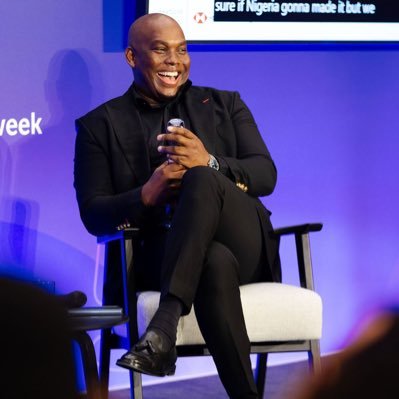
@destiny_ndlovu @Mikedotcoza Honestly, that would be FANTASTIC for society.
English

truth_11🌍 retweetledi


😅when marketing does what it does best
Claude@claudeai
Ads are coming to AI. But not to Claude. Keep thinking.
English
truth_11🌍 retweetledi

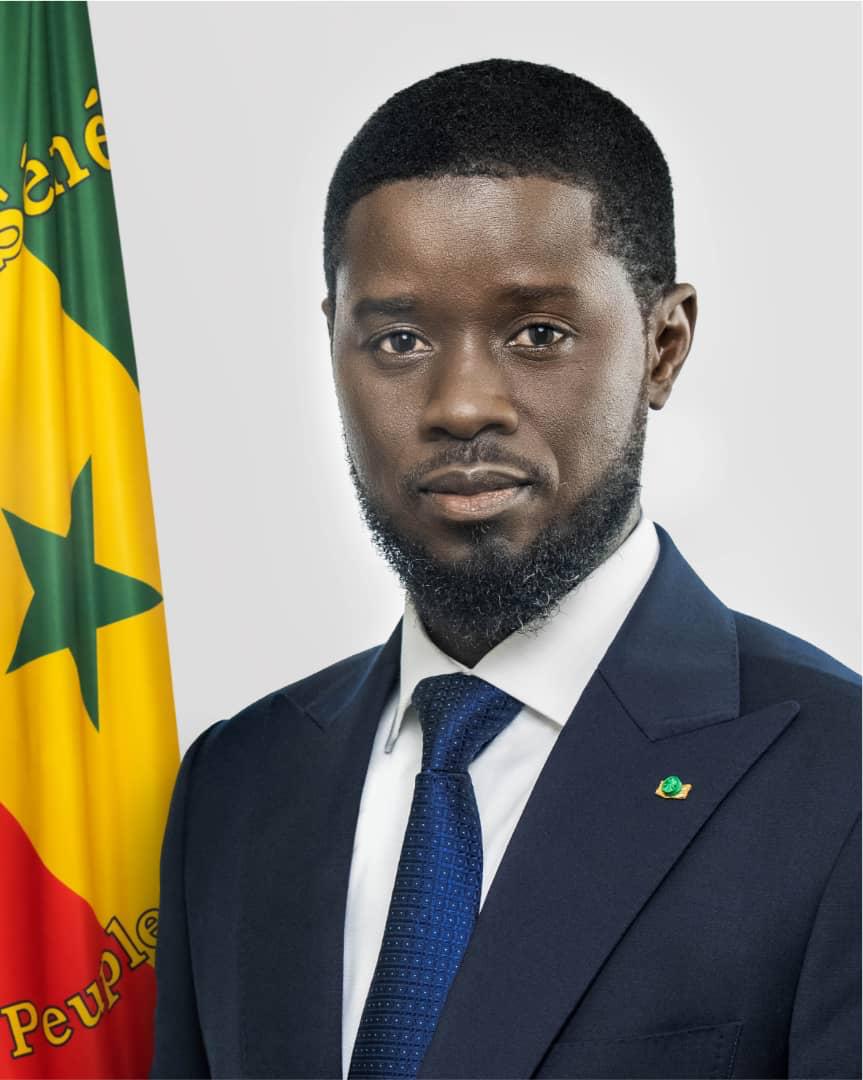
DIOMAYE FAYE, President of Senegal: "I don't really want my photographs in your offices, because I'm not a God or an icon, but a servant of the nation. Hang pictures of your children instead and look at them every time you want to make a decision, and whenever the spirit of theft visits you, take a good look at your family's picture and ask yourself if they deserve to be the family of a thief who has destroyed the nation."
English


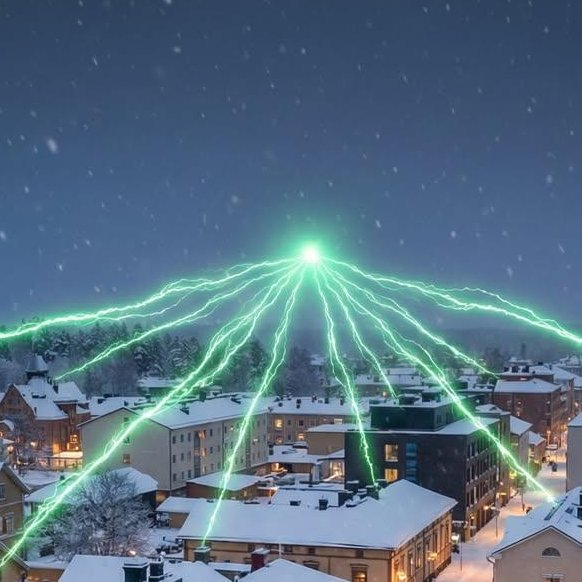
Great Telecoms company, though the former was greater than the latter.
The issue isn't network/prices, truth be told they are all relatively the same.
@Telecel_Zim needs to start looking at :
1. its PR !!
2. partnership within the ecosystem 3. explore disruptive technologies
Telecel Zimbabwe@Telecel_Zim
With Telecel's monthly data bundles, you will never miss out on daily trends. Simply dial *470# to purchase yours today. Ts and Cs apply. #WeeklyData #TellSomeOne
English
truth_11🌍 retweetledi