Avi Avidan@avavidan
🇹🇷 Turkey’s education system, especially in history and social studies, is one of the most centrally controlled and ideologically shaped curricula in the OECD world leading to a severe cognitive dissonance and a genuine identity crisis.
Here’s what actually happens and why many Turkish graduates end up with a strongly distorted view of their country’s role in history:
Official Narrative is Law
The Turkish Ministry of Education (Milli Eğitim Bakanlığı) and previously the Higher Education Council (YÖK) enforce a single, compulsory history curriculum from primary school through high school. Textbooks are written or heavily vetted by the state. Alternative interpretations are simply not presented. Private schools and even most universities have very limited room to deviate.
Core Pillars of the State-Sanctioned Story
Turks are presented as the direct “heirs” of every major empire that ruled Anatolia or Central Asia: Sumerians (falsely claimed), Hittites, Scythians, Huns (Attila = Turk), Seljuks, Ottomans, etc.
Almost every major Muslim ruler or conqueror who ever used Turkic troops is re-labeled “Turkish” (e.g., Saladin, who was Kurdish, or the Mamluks).
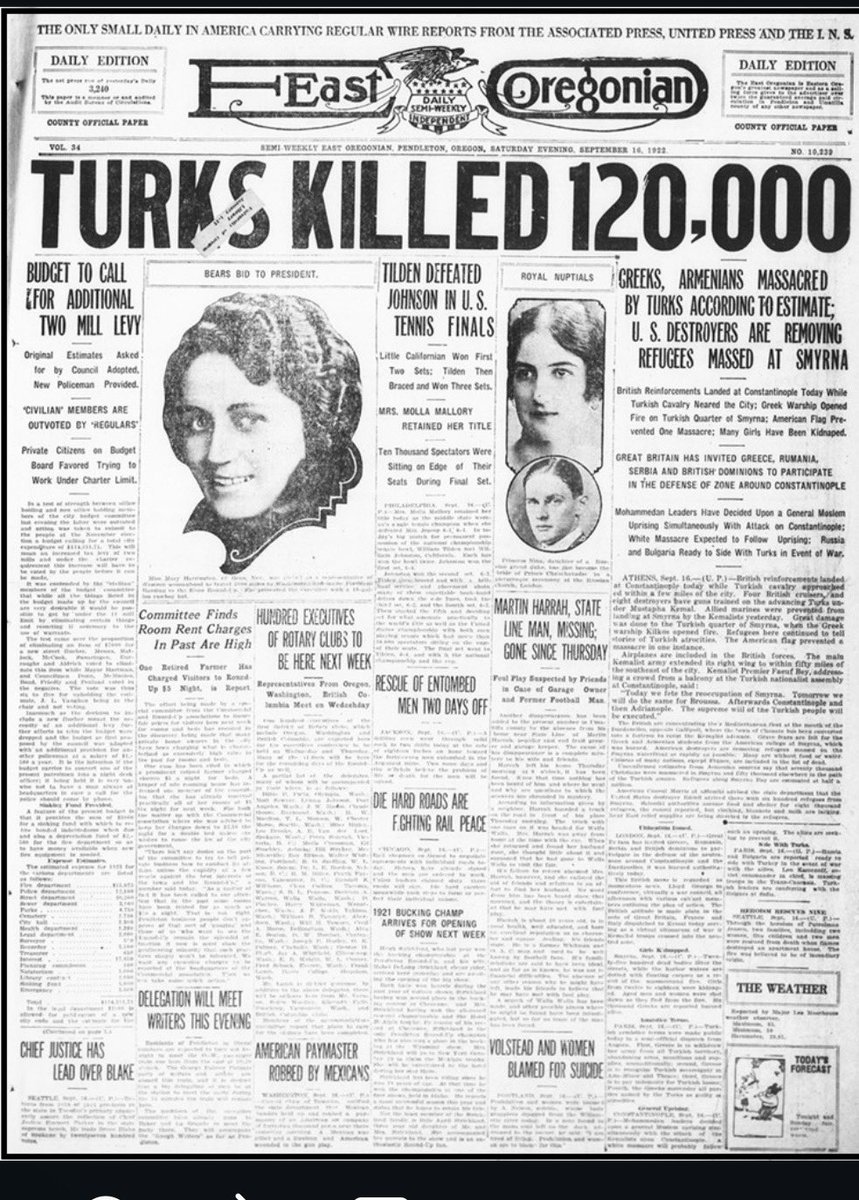
The Ottoman Empire is portrayed as a tolerant, world-civilizing golden age (downplaying slavery, devşirme, janissary violence, 1915 Armenian genocide, etc.).
The War of Independence (1919-1923) is mythologized as an almost super-human achievement with Atatürk personally winning every battle.
Modern Turkey is taught as the “beacon” of the Turkic world (from the Adriatic to the Great Wall of China) and the natural leader of all Muslims.
What Gets Left Out or Re-written Detailed discussion of Kurdish, Armenian, Greek, Assyrian, Alevi or other non-Turkish histories inside modern Turkey is almost non-existent or framed as “separatism.”
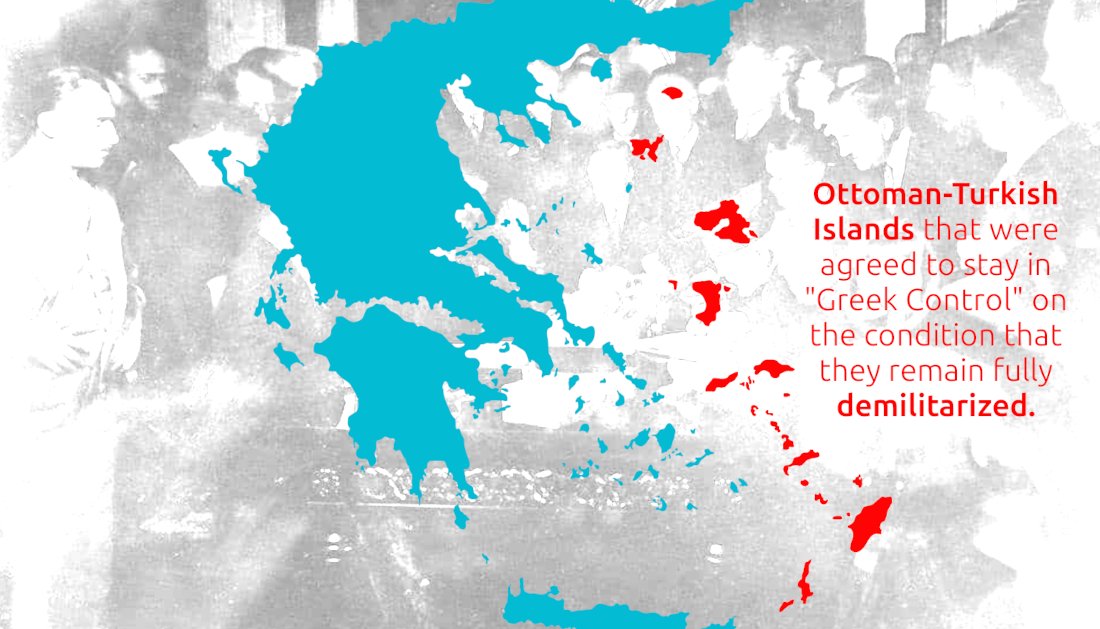
The demographic engineering of the 20th century (population exchanges, 1934 Resettlement Law, wealth tax, 1955 pogroms, Cyprus operations, Kurdish village evacuations in the 1990s) is either skipped or presented as “necessary security measures.”
Defeats or moral failures (e.g., Balkan Wars retreat, Arab Revolt, late Ottoman decline) are blamed entirely on foreigners or “traitorous minorities.”
Exams Force Memorization of the Myth
University entrance exams (YKS) and public-sector hiring exams (KPSS) contain many questions drawn straight from these textbooks. Students who question the narrative literally score lower and lose job or university opportunities. This creates enormous pressure to internalize the state version.
Resulting Cognitive Dissonance
When graduates encounter primary sources, Armenian/Greek/Kurdish accounts, or even neutral Western historiography later (often for the first time at a foreign university or online), the gap is shocking.
Many Turks double down and accuse the new information of being “anti-Turkish propaganda” because admitting the official narrative was distorted would mean questioning everything they were taught and often their own identity.
It’s not that Turkish graduates are unusually ignorant or stupid. They have been subjected to one of the most systematic, state-enforced nationalist curricula in the world, backed by exams, jobs, and social prestige for repeating it.
That’s why a lot of them sincerely believe Turks “gave civilization to the world” and why any challenge to that story feels like a personal attack.