Edmond Bernard

214 posts

Edmond Bernard banner
Edmond Bernard

Edmond Bernard

@EdmondBernard3

Research officer, National Institute For Medical Research-Mwanza.

Mwanza, Tanzania Katılım Kasım 2022
779 Takip Edilen173 Takipçiler
Edmond Bernard retweetledi

UCSF Global Health
UCSF Global Health@IGHSatUCSF·
Malaria control in Africa faces critical challenges due to shrinking health budgets, climate change and drug resistance. @Fredros_Inc will join IGHS on July 23 to talk about transformative gene drives and climate shifts in malaria control. tinyurl.com/2tfwdayk
English
0
5
13
1.1K
Edmond Bernard retweetledi
Wizara ya Afya Tanzania 🇹🇿
Wizara ya Afya Tanzania 🇹🇿@wizara_afyatz·
TAARIFA KWA UMMA KUHUSU TAHADHARI YA MAGONJWA YA MFUMO WA NJIA YA HEWA NA MAGONJWA YANAYOENEZWA NA MBU
Wizara ya Afya Tanzania 🇹🇿 tweet mediaWizara ya Afya Tanzania 🇹🇿 tweet media
Indonesia
17
107
319
32.7K
Edmond Bernard retweetledi
Wizara ya Afya Tanzania 🇹🇿
Wizara ya Afya Tanzania 🇹🇿@wizara_afyatz·
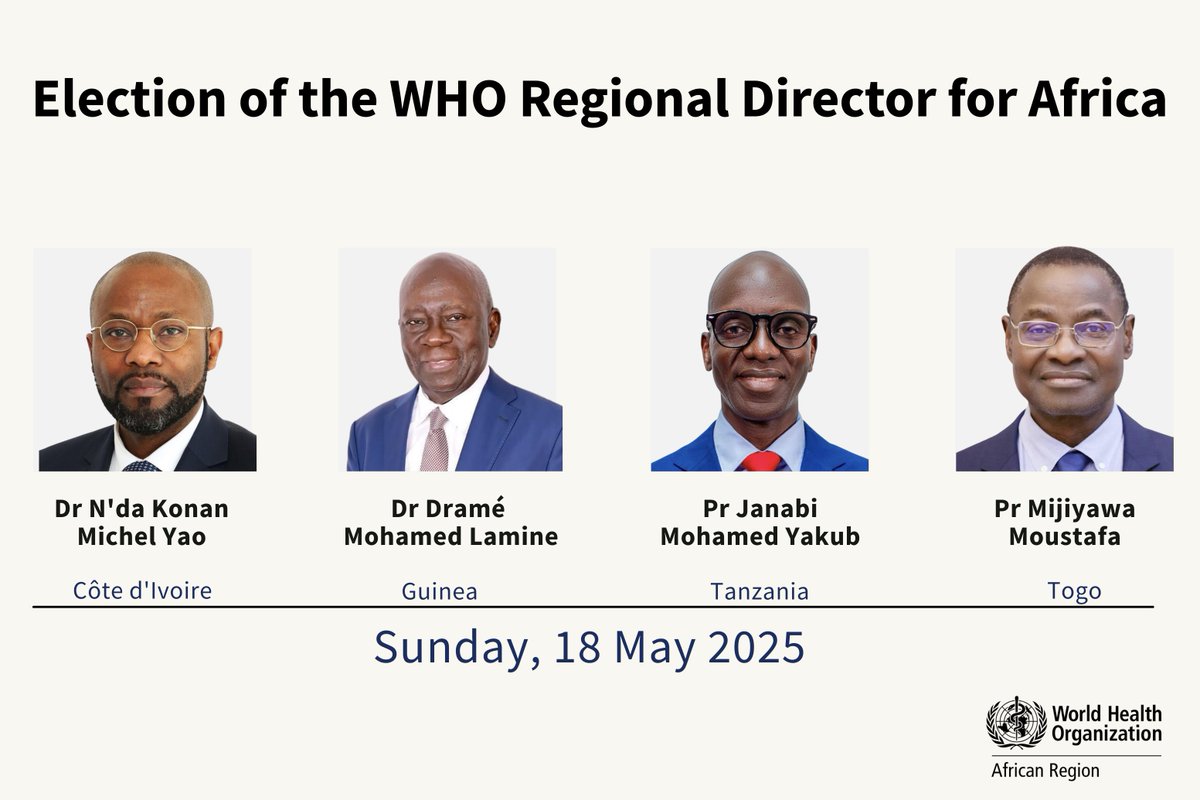
Hongera Prof. Mohammed Janabi kwa kuchaguliwa kuwa Mkurugenzi wa Shirika la Afya Duniani (WHO) Kanda ya Afrika
Wizara ya Afya Tanzania 🇹🇿 tweet media
Indonesia
119
505
2.5K
66.4K
Edmond Bernard retweetledi
WHO African Region
WHO African Region@WHOAFRO·
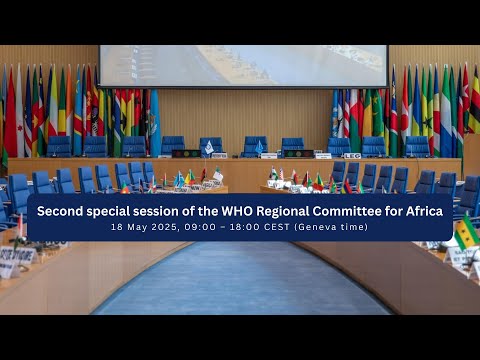
The Second Special Session of the WHO Regional Committee for Africa will take place on Sunday, 18 May 2025 from 09:00 (Geneva time). Member States will vote to elect the next @WHO Regional Director for Africa. 📺Watch the livestream: youtube.com/live/vVff21KwD… Meet the candidates👇🏿
YouTube video
YouTube
WHO African Region tweet media
English
17
59
130
35K
Edmond Bernard retweetledi
Dr Asma Jabeen
Dr Asma Jabeen@DrasmaJabeen1·
Ten simple rules for writing Literature Review
Dr Asma Jabeen tweet media
English
0
48
180
12.6K
Edmond Bernard retweetledi
Tedros Adhanom Ghebreyesus
The new @WHO's World health statistics report shows that global life expectancy fell by 1.8 years —the largest drop in recent history — reversing a decade of health gains: bit.ly/437wz4w Behind every data point is a person—a child who didn’t reach their fifth birthday, a mother lost in childbirth, a life cut short by a preventable disease. These are avoidable tragedies. They point critical gaps in access, protection, and investment in health care — especially for women and girls. Every government has a responsibility to act, with urgency, commitment, and accountability to the people they serve.
Tedros Adhanom Ghebreyesus tweet media
English
21
114
144
44.1K
Edmond Bernard retweetledi
Fredros Okumu
Fredros Okumu@Fredros_Inc·
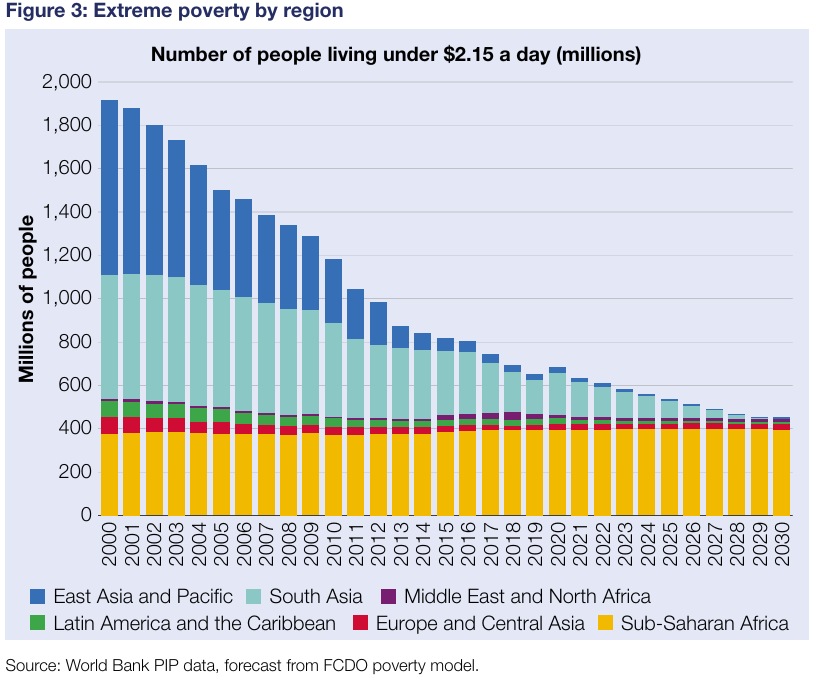
Nothing appears to be changing in Africa as gains are cancelled by population growth
Fredros Okumu tweet media
English
1
1
2
349
Edmond Bernard retweetledi
Fredros Okumu
Fredros Okumu@Fredros_Inc·
The impact of blood on vector-borne diseases with emphasis on mosquitoes and sand flies: Trends in Parasitology. cell.com/trends/parasit…
English
0
6
14
485
Edmond Bernard retweetledi
Fredros Okumu
Fredros Okumu@Fredros_Inc·
Imagining the Future of Bed Nets for Malaria Control in Africa | Practical Control of Mosquitoes Disease Vectors ~ While the functionality of an ITN constitutes both a physical barrier and chemical bio-efficacy, prevailing conversations overwhelmingly imply only the latter. The resulting drive for new insecticides has, to a large extent, overshadowed other important attributes of bed nets, such as their physical integrity, design and aesthetics, durability and continuous availability. Beyond these aspects, manufacturing of ITNs in Africa remains marginal, and even countries with the highest malaria burden still rely primarily on imports. The private sector market in for mosquito control in Africa, though substantial, remains largely ignored, ceding ground to a public sector market powered largely by international donor financing and pooled procurement. Despite African manufacturers regularly producing high-quality apparel for global export markets, their involvement in bed net production remains limited, in part because many of them lack the technology for incorporating insecticides to nets. As a result, they are often deprioritized in favour of international manufacturers ~ In this book chapter, we examine the plausible futures of bed nets for malaria control in Africa and highlight opportunities for reinvention beyond just the insecticidal properties and pooled international procurement. The central argument is that bed net industry should focus on enhancing durability, accessibility, aesthetic appeal, biodegradability and local production while ensuring competitive quality and pricing, without placing excessive emphasis on insecticidal properties cabidigitallibrary.org/doi/abs/10.107…
Fredros Okumu tweet media
English
0
4
8
594
Edmond Bernard retweetledi
Mohamed Jumanne
Mohamed Jumanne@EntoMohamed·
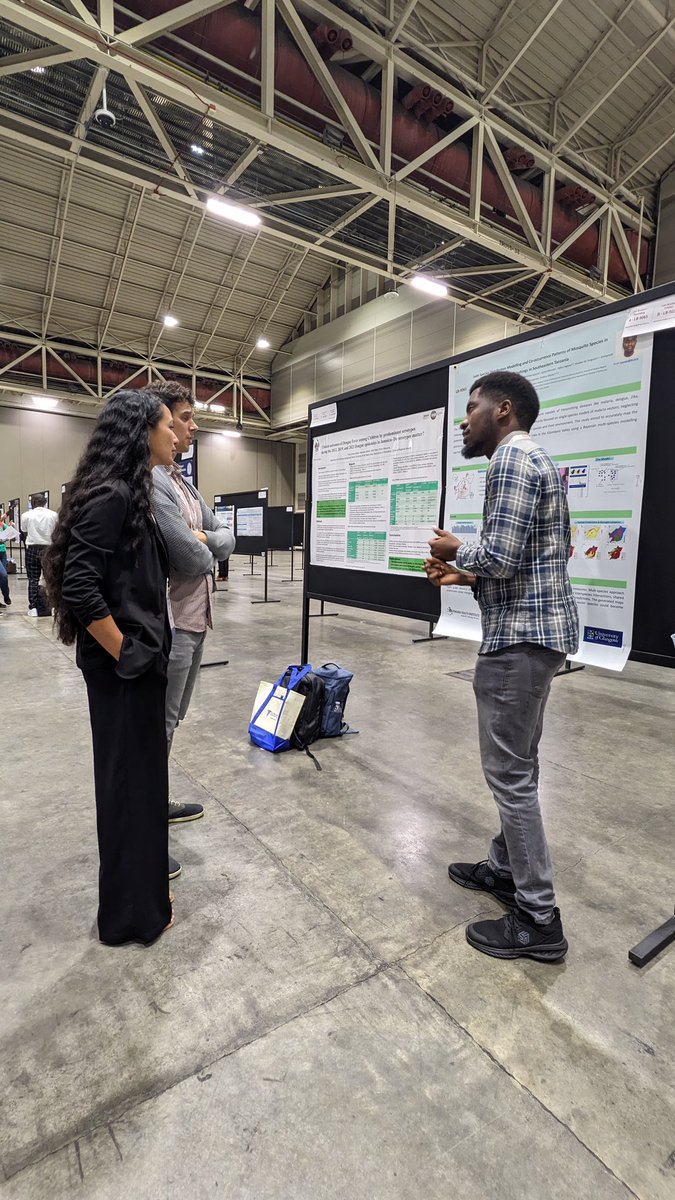
“Joint species distribution modeling & co-occurrence patterns of mosquitoes species in domestic settings in southeastern Tanzania”. #astmh2024
Mohamed Jumanne tweet media
English
3
10
51
1.7K
Edmond Bernard
Edmond Bernard@EdmondBernard3·
We need to make this powerful tool useful
Fredros Okumu@Fredros_Inc

Scientists predict that Gene Drive Mosquitoes combined with current malaria control measures may reduce the disease cases up to four times ~ Genetically modified mosquitoes, especially those with the gene drive technology, have the potential to be transformative public health technology; and could dramatically reduce malaria infections even in low-income settings with weak health systems and poor socio-economic conditions. In this new study, scientists used a model to simulate gene drive releases across 16 regions in West Africa with varying malaria rates and mosquito populations. First, they showed that the technology could reduce mosquito densities by 71.6% to 98.4%. Second, combining gene drives with new malaria interventions, such as the recently approved malaria vaccines and insecticide-treated nets, could prevent an additional 0.6-fold to 1.7-fold more malaria cases than the vaccines and nets alone. If the technology were used in multiple mosquito species, the reductions could even reach 3.97-fold in some areas. However, as overall case numbers dropped, the impact of each individual intervention also lessened, meaning their combined effect is slightly less than their individual impacts added together. These results suggest that while gene drives can make a powerful impact, their success may vary across regions and is strongest when used alongside other malaria control methods ~ Hancock et al : The potential of gene drives in malaria vector species to control malaria in African environments. #Fig1" target="_blank" rel="nofollow noopener">nature.com/articles/s4146…

English
0
0
0
60
Edmond Bernard retweetledi
Outreach Network for Gene Drive Research
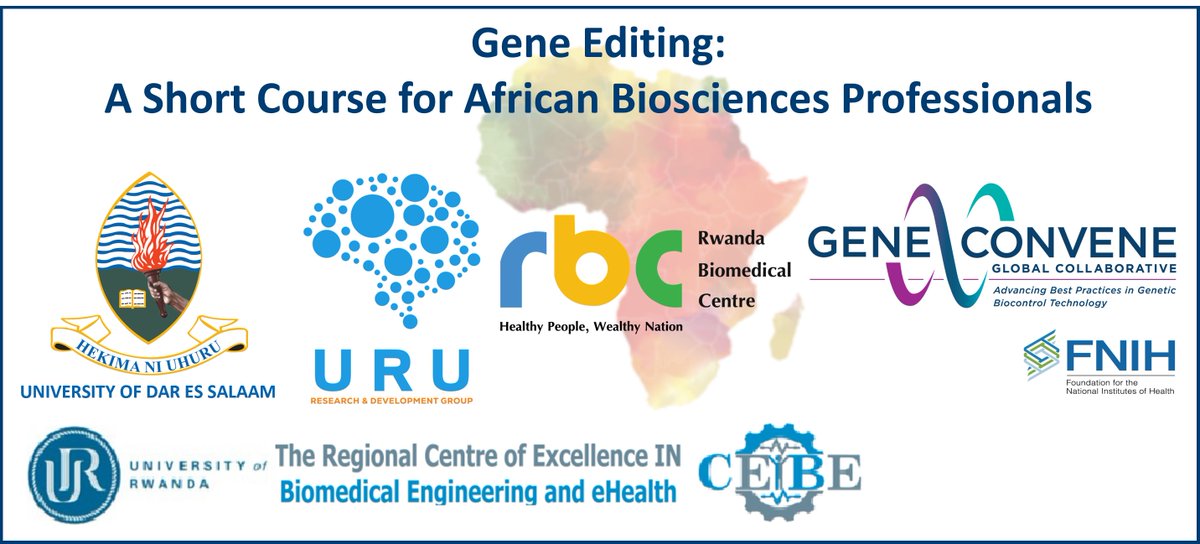
Interested in learning about gene editing technologies and their potential applications? 🧬 Apply by October 14 to attend “Gene Editing: A Short course for African Bioscience Professionals” in November in Kigali 🇷🇼, hosted by @Gene_Convene, @uru_group and the Department of Molecular Biology and Biotechnology of @UdsmOfficial, and led by @MaedaBiotech and @jmahmud21 ➡️ academy.geneconvenevi.org/courses/gene-e…
Outreach Network for Gene Drive Research tweet media
English
0
7
7
461