
Sabitlenmiş Tweet
Tracy L
829 posts

Tracy L
@ItsTracyL
Crochet Goddess, German Sheppard lover
Katılım Temmuz 2013
126 Takip Edilen96 Takipçiler
@RepNancyMace @TLChronicPain Great...now stop the DEA/CDC from experimenting on humans. Rescind the CDC 2016 & 2022 Opioid Guidelines. Allow people to make their own medical decisions.
English
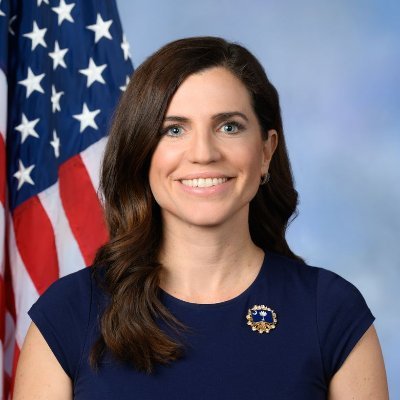
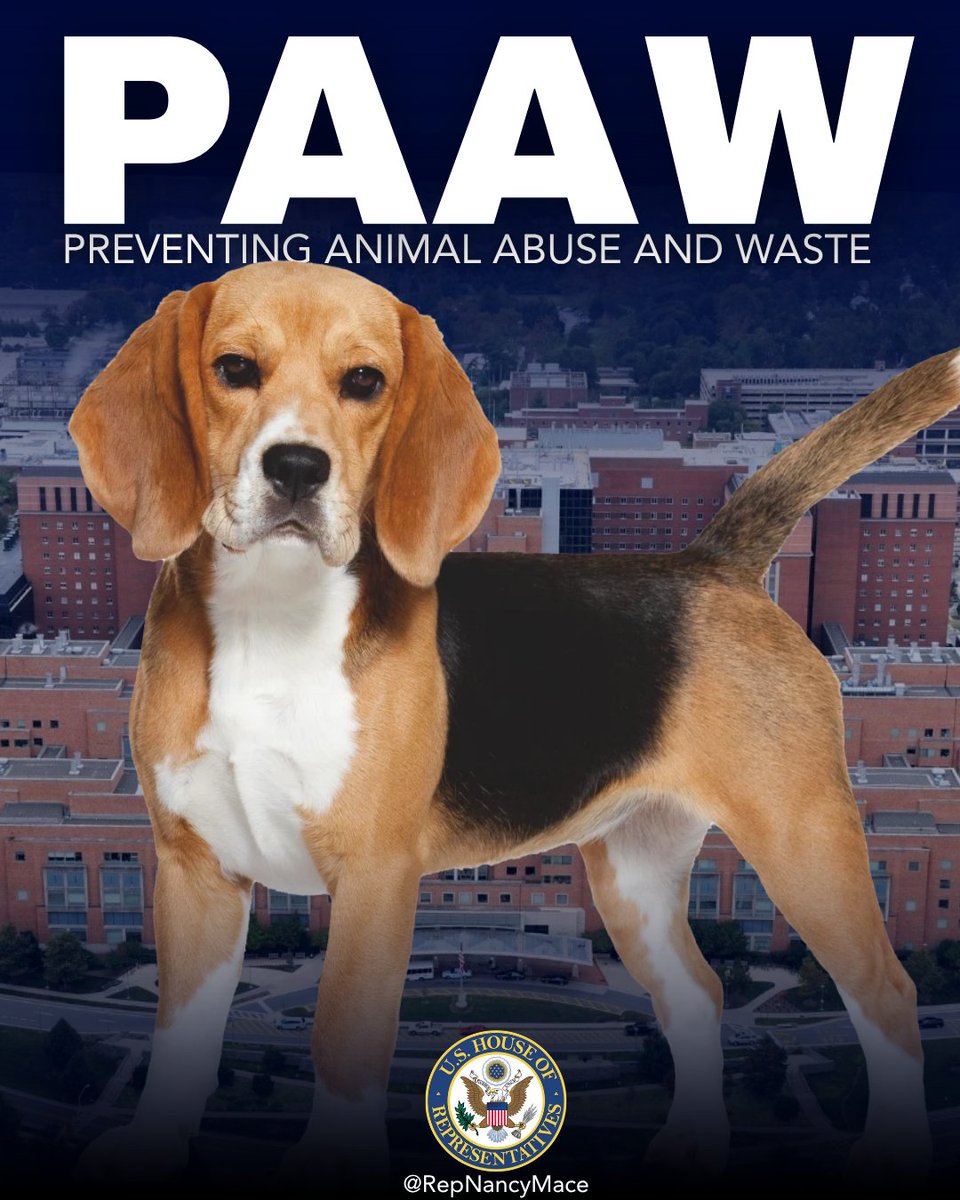
We introduced the PAAW Act to prohibit the National Institutes of Health (NIH) from conducting or funding research causing significant pain or distress to dogs and cats.
These experiments, often hidden from public view and conducted with little oversight, include:
❌ Injecting dogs with cocaine and methamphetamine
❌ Intentionally infesting puppies with ticks and biting flies
❌ Inducing heart failure in dogs and cats
❌ Forcing beagles to swallow experimental drugs
❌ Intentionally breeding sick and deformed dogs and cats for abuse in inhumane and deadly testing
❌ Exposing animals to noxious stimuli which they cannot avoid/escape
❌ Forcing animals into long-term physical restraints, sometimes lasting weeks, with no escape
This isn’t just animal cruelty, it’s bureaucratic cruelty, paid for by the American taxpayers. If the NIH won’t do the right thing on its own, we will make them.
English
Yoga instead of Suboxone is a great idea!
Break free from the Suboxone shackles with Yoga!
Pain Medicine News@painmednews
Yoga + standard care = faster opioid withdrawal stabilization 🧘♂️ 5 days vs. 9 days 📉 Less anxiety, better sleep painmedicinenews.com/a/STkBAA/t #OpioidCrisis #PainManagement #yoga
English
@RepBrianFitz Parents also cannot work when they are in excurshating pain. Because you agree & work with Dr. Kolodny, chronic pain patients have no hope. PLEASE rescind the CDC 2016 & 2020 Opioid Guidelines. Thank you in advance for your attention to this matter.
English
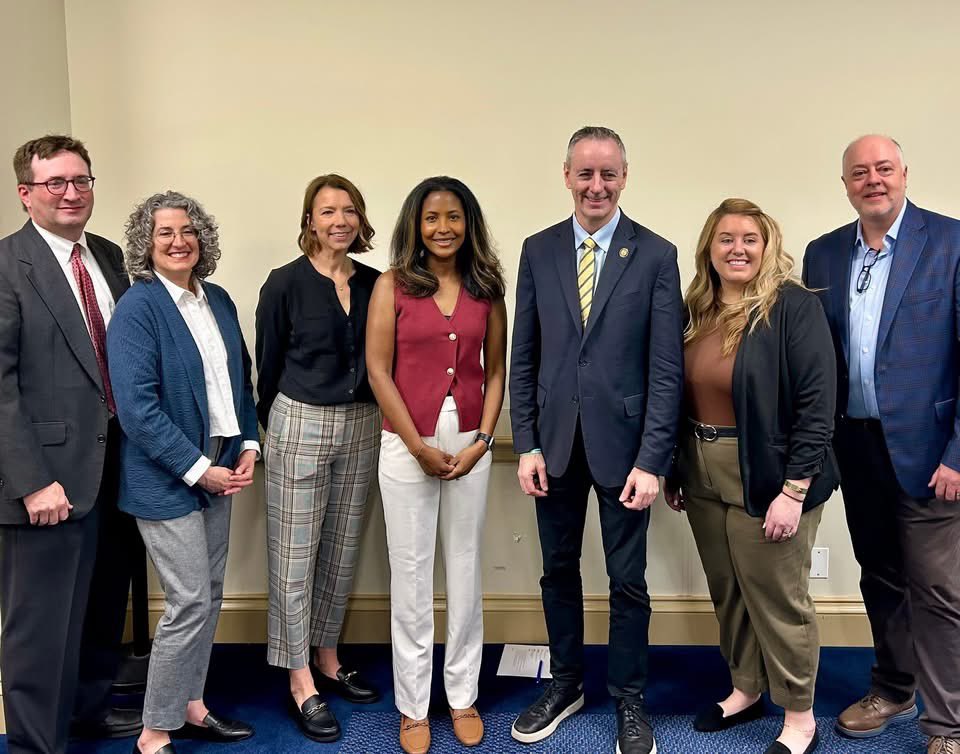
Parents cannot work if they cannot find care. Providers cannot expand access if they cannot keep classrooms staffed. And families cannot get ahead if child care remains one of the biggest costs in the household budget.
That is why child care must be treated as what it is: a family issue, a workforce issue, and an economic issue.
This morning, I joined my friends from @ECEConsortium, @NAEYC, and fellow Co-Chairs of the Bipartisan Child Care Caucus to continue developing bipartisan solutions that lower costs, expand access, strengthen mixed-delivery care, support early educators, and modernize child care tax tools like DCAP, the Child and Dependent Care Tax Credit, and the employer-provided child care credit.
Across PA-1, we are working with families, providers, educators, and community partners to make sure the people closest to these challenges help shape solutions that lower costs, invest in our kids, and support the families raising them.
Thank you to ECEC and NAEYC—grateful for your partnership in this critical fight.

English
@AmerMommaBear @ramonasgarden @CMerandi And look who authored the study...Dr. Andrew Kolodny!! No bias here, as he counts his blood money.
English

@ramonasgarden @CMerandi Wow is right. It’s bad & getting worse for patients with acute & chronic pain. It doesn’t matter that 99% of people will not abuse/misuse their medication.
English
Chronic opioids and surgery and opioid induced hyperalgesia
Do you think this doctor is going to help you or harm you?
English
@JonelleElgaway "If you take opiates and your life gets better, you are a chronic pain patient. If you take opiates and your life gets worse, you are an addict." #SavingUsToDeath
English

The difference between addiction and dependence on a drug or medication.
#dependence #addiction #chronicpain #advocate #education
English
@2BOutonalimb @CMerandi @Breelee420 @Elaine4Senator "If you take opiates and your life gets better, you are a chronic pain patient. If you take opiates and your life gets worse, you are an addict." #SavingUsToDeath
English

@CMerandi @Breelee420 @Elaine4Senator These people can’t understand addiction has nothing to do with functional dependence. Addicted people’s lives go back to a functioning normal when they stop taking something. Dependency people go from relatively normal functioning, to non functional when deprived. Not the same.
English
@Elaine4Senator Senator Morgan’s brother lives with chronic pain and is unable to find a doctor to treat him with what works: opioid medication
Thank you, senator, for acknowledging this
We look forward to working with you in 2027
English
@Shem_Infinite The questions are endless. Why do they have a private pharmacy that dispenses controlled substances? Why do they have a sex scandal slush fund? A private liquor store that delivers to their offices?
English

Honestly we need to investigate all of Congress for corruption.
Appoint a Special Prosecutor and do a blanket investigation.
There is no logical reason for them to go to DC, immediately become rich, and refuse to vote for anything the people that elected them want them to.
Catturd ™@catturd2
There must be a full investigation into Thomas Massie and what he’s doing with his “cow money”
English
@DavidESmitty @Impact2HEAL A PDMP of tried therapy? Yoga, happy thoughts, music therapy, aqua therapy, etc. Whatever it was called at the time? They now call music therapy mindfulness, and want me to try it for six months while de- escalating my prescription. No!!
English

We MUST incorporate the genetic differences among patients, that make some ultra-rapid metabolizers, who need very high doses to have any effect at all, and, patient medical conditions affecting absorption and excretion that also indicate clinical reasons for doses above the "recommendations."
Of course, these days, us long-term patients who already HAD all the conservative treatments, procedures, surgeries, are being approached with the need to try non-opioid treatments, so it should be clearly documented what all has happened in our past (sometimes 15-30 years ago) that led to us becoming opioid patients.
Buckeye, AZ 🇺🇸 English
Serious advocacy question…
(Asking in advance for help spreading, I’m persona non grata for current X algo)
What SPECIFIC outcomes should be (should’ve been day1) tracked with ANY opioid crisis policy?
They tracked prescribing & ODs, not much else.
My 💭:
• Patient QOL
• Employment
• Specific cause of OD
• Tangential policies
• Disability
• Private practice v NPO system
I know there are dozens of others, that’s why I’m asking.
I deeply appreciate anyone and everyone who shares or adds their voice to this.
I want to create a list of what data is missing or ignored. Not so much who’s to blame or why, just specific datapoints and outcomes, THIS TIME. Then we can add the accountability convo and create something undeniable.
Note… each of those I listed above likely have multiple offshoots and variations.
English
@spauldingtbear @Chromedaffodils @CMerandi If the NASA doctors looked at my X-rays, they would wonder how I'm walking & think "alien". I know I'm not alone.
English

@Chromedaffodils @CMerandi Excuse me. How do I get a doctor's appointment with NASA? (I'm 99.99% sure I can't, but how horrible would my life be living like this only to find out at the last minute I could have been helped by NASA?)
English
Pay attention to how this Suboxone pusher glamorizes the dental decaying opioid, buprenorphine
She’s promoting Suboxone as safe and non-addictive
As a result, there’s a generation hooked on this opioid
English
@numb2demnumbers If you are a recovering addict, good job!! That's not an easy road. I know. I am saying doctors look at anyone taking opiates as addicts. They are saying there is no other reason to take opiates. They need to agree CPP's take opiates for pain relief, not to get high.
English

When I saw this post and I saw we are not the same with several! I thought that is no way to move forward. You need all the help you can get why would you turn us down not all of us are the same. We’re not all street addicts that still use street drugs. Some of us have cleaned up. What’s your answer without 4 exclamation marks.
English
@numb2demnumbers @PainSteals @DavidESmitty @SecKennedy I don't disagree. My point was CPP's are not addicts, but addicts can be CPP's. Treat the correct problems. Today, doctors see "Oxycodone" and say "So, you're an addict." Treat the patient in front of you, not the statistics.
English
@ItsTracyL @PainSteals @DavidESmitty @SecKennedy When did I say that that was something I disagreed with I agree wholeheartedly with that so why do you disagree with me?
English

This man is head of HHS.
He treats everyone with pain as if we all had his problem - addiction to heroin. He can't comprehend that pain kills, and that millions of pain pts can take RX opioids without turning into him. We need Pain Advocates at his table, because HE IS WRONG.
@SecKennedy
Suzie rizzio@Suzierizzo1
Who would have ever imagined that this Country would appoint a man that was a Heroin addict for 14 years to be the Secretary of Health and Human Services! This is what complete incompetence and insanity looks like.
English
@numb2demnumbers @PainSteals @DavidESmitty @SecKennedy No. We have to agree what problem we are solving and work together to solve it. I will work with anyone who agrees torturing pain patients does Not help addicts. Get addicts mental help, not more drugs.
English
@ItsTracyL @PainSteals @DavidESmitty @SecKennedy So we can’t work together it sounds like your position is. Am I right?
English
@liv4the_moment @PainSteals @DavidESmitty @SecKennedy Why would you call that person an addict? They are living life, with the help of a pharmaceutical medication. That's a patient, not an addict. Addicts base their entire lives around taking drugs. Nothing else matters. The person in college has other interests, obviously.
English
@ItsTracyL @PainSteals @DavidESmitty @SecKennedy I can’t live 1 DAY w/o either, so let’s talk. I’ve witnessed opioid use in ppl w/emotional pain, PTSD, poor mental heath & struggling in life. I’ve witnessed thm getting into law school & earned a PhD frm a prest uni. We can call people addicts—I believe they’re in pain, too.
English
@numb2demnumbers @PainSteals @DavidESmitty @SecKennedy Okay...but we need to have the same conversation. What you said has nothing to do with what I said. CPP take prescription opiates for physical pain. Addicts take opiates to get high. We are not the same.
English
It should ALWAYS be the individual’s responsibility to get BETTER not worse. Not be a burden to our system. Just because someone with SUD wants MORE drugs, it certainly shouldn’t be given. If chronic pain is also an issue then a steady amount should prescribed.
The person with SUD
needs to show a desire to achieve success and not seeking higher and higher amounts.
English
@Impact2HEAL Number of suicides by chronic pain patients. The cost no one talks about. We need to make the invisible, visible to all. When you take away someones will to live, there should be accountability.
English
@MAHA_Institute @SecKennedy Great! Please consider giving patient autonomy back to chronic pain patients. You can start by rescinding the 2016&2022CDC Opioid Guidelines. This will let patients and doctors decide if long term, supervised opioid use is right for each patient.
English

Yesterday, MAHA Institute hosted its Mental Health & Overmedicalization Summit in Washington, D.C. The event featured speeches and panel discussions from doctors and scientists, as well as victims of the nation’s growing crisis of overmedicalization.
Multiple speakers challenged the origins and applications of the “chemical imbalance theory” that has been a proximate cause of the allopathic establishment prescribing often dangerous and counterproductive drugs, including SSRIs, for treatment of cognitive and other mental conditions. In his remarks, MAHA Institute President Mark Gorton said that a cynical profit motive is behind the allopathic establishment’s continued support for the baseless theory.
The Summit concluded with remarks by Secretary Kennedy. The HHS Secretary announced major actions to roll back the tide of chronic overmedicalization that continues to pose harms and risks to millions of Americans.
HHS, CMS, ACF, HRSA, and SAMHSA jointly published a “Dear Colleague” letter outlining new federal policy guidance on mental health treatments. According to the letter, “HHS encourages clinicians and provider organizations to support a treatment approach grounded in shared decision-making, patient autonomy, and fully informed consent. Individuals should receive clear, understandable information regarding the potential benefits and risks of psychiatric medications at initiation, during ongoing treatment, and when discontinuation is being considered.”
The letter continued, “That discussion should include the purpose of the medication, expected benefits, possible adverse effects, monitoring needs, potential discontinuation symptoms, the risks of abrupt cessation when relevant, the possibility of relapse or recurrence, and the availability of evidence-based non-pharmacological interventions. Evidence from mental health settings suggests that shared decision-making interventions may improve patients’ perceived involvement in decision-making and related person-centered outcomes.”
Kennedy told the audience at MAHA Institute’s event that, moving forward, federal health regulators will advance regulations that support evidence-based treatments that don’t rely on medication. Such alternatives to medicalization include psychotherapy, building social connections, behavioral strategies, sleep-focused care, exercise programs, and dietary improvements.
According to the HHS Secretary, these approaches should not be framed as direct substitutes for medication in every situation or presented as sufficient on their own for all patients. Instead, experts emphasize integrating them into a comprehensive menu of proven mental health services. Treatment choices, the authors stress, must balance the strongest available research, clinical expertise, and each individual’s personal goals and preferences.
The nation’s top public health department will also regularly review “psychiatric medication regimens to ensure that each medication remains necessary, beneficial, and aligned with the individual’s current clinical needs and treatment goals,” according to the “Dear Colleague” letter.
Kennedy stated, “Today, we take clear and decisive action to confront our nation’s mental health crisis by addressing the overuse of psychiatric medications—especially among children. We will support patient autonomy, require informed consent and shared decision-making, and shift the standard of care toward prevention, transparency, and a more holistic approach to mental health.” He further stated that federal agencies will specifically focus on the over-medicalization crisis among foster children and those living in senior facilities.
The Dear Colleague letter further states, “Taken together, these activities reflect a shared federal commitment to ensuring that people with mental health conditions have access to the full range of evidence-based care. That includes medication when clinically indicated, but it also includes psychotherapy, family engagement, and lifestyle and behavioral interventions, with careful reassessment of ongoing treatment over time. It also includes ensuring that individuals are meaningfully involved in decisions about their care.”
USDA Secretary Brooke Rollins highlighted how foreign-owned or controlled meatpacking companies, including the world's largest, dominate the industry alongside just four firms processing 85% of US beef. She linked this concentration to market manipulation, higher prices for consumers, harm to independent ranchers, and risks to national food security, potentially tied to corruption, cartels, and labor issues.
It was further announced that the DOJ is advancing an antitrust investigation initiated last November to address alleged collusion and price fixing, aiming to protect American producers and stabilize supply chains.
English
@CMerandi @TLChronicPain So he will decide my risk vs. reward tolerance for me. How kind of him. Does he consider me an idiot because I'm older than him? Because I have more life experience? Because I'm a female? I would really like to know. Please enlighten me.
English
This doctor says opioids don’t work for chronic pain
But epidural steroid injections/gabapentin/spinal cord stimulators/Cymbalta do????
The interventional pain scheme continues
English
@liv4the_moment @PainSteals @DavidESmitty @SecKennedy What can I explain to you. An open dialogue is the only way to foster understanding what has happened to us chronic pain patients. With opiates, I can participate in daily life
Without them, my incurable, multiple diseases, make it impossible.
English
English
The true beauty of chronic illness. Scars mean you survived, wrinkles mean you laughed in the face of death, gray hair means you cared about winning over death. We are not just chronic pain patients, we are survivors, happy warrior's.And that scares the normies. What CAN'T we do?
English