Sabitlenmiş Tweet

Hi everyone,
I wish to respectfully place before this forum certain historical and textual facts that, unfortunately, have often been presented in a distorted or misleading manner within sections of the Shvetambar Jain discourse.
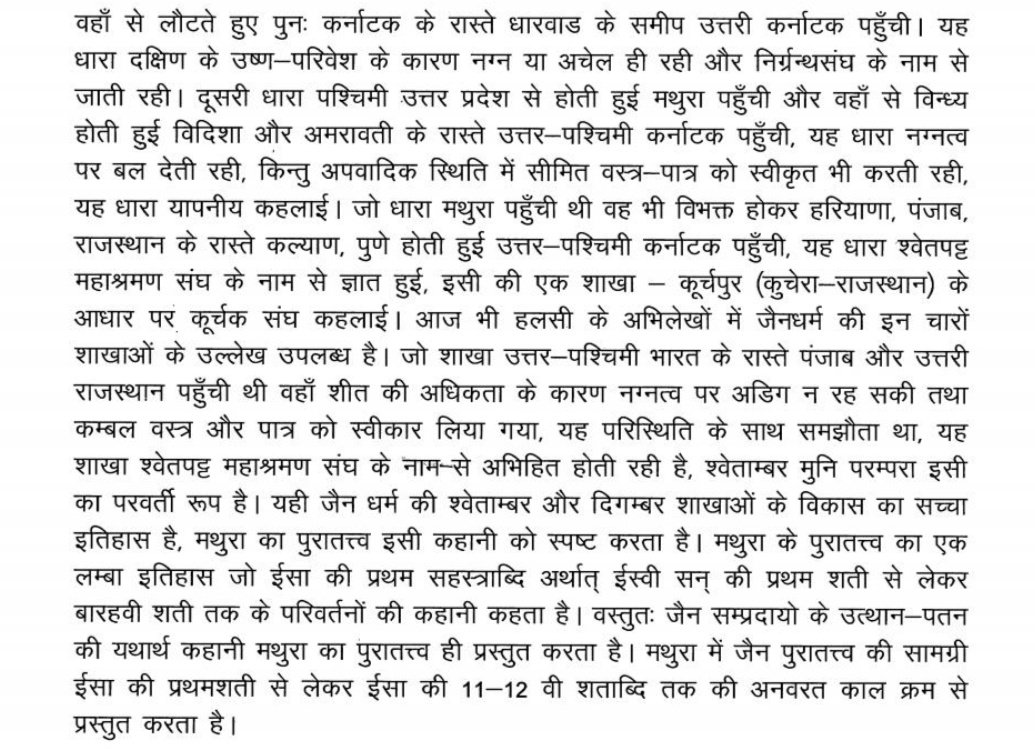
It is a well-established historical reality—acknowledged even within Shvetambar scholarly conscience—that the sectarian divergence arose in the aftermath of the twelve-year famine during the era of Chandragupta Maurya. However, this fact is frequently projected as a fabrication attributed to Digambara tradition, which is historically incorrect.
Archaeological and historical evidence, including findings acknowledged by the Archaeological Survey of India (ASI), clearly attest to this famine period and confirm that thousands of Digambara Jain munis migrated to South India under the leadership of Aacharya Bhadrabahu.
Let me state this unambiguously at the outset: this is not a confrontation against any community. Lord Mahavira never taught conflict. Yet, धर्म-संस्थापनार्थं—सत्य-वक्तव्यं हि प्रथमं कर्तव्यम् — when the establishment of Dharma is at stake, truthful articulation becomes a sacred duty. As a humble and sincere follower of Lord Mahaveer, I remain firmly committed to this principle, with complete humility and reverence.
Certain individuals, including @Shasanraagi and others, have claimed that Digambara aacharyas themselves were confused or inconsistent regarding the emergence of the Svetambar community. Today, I wish to address and factually refute this claim through original Digambara textual sources.
I request all readers not to accept my words blindly. Please examine the sources independently; truth never fears scrutiny.
The allegation commonly made is as follows:
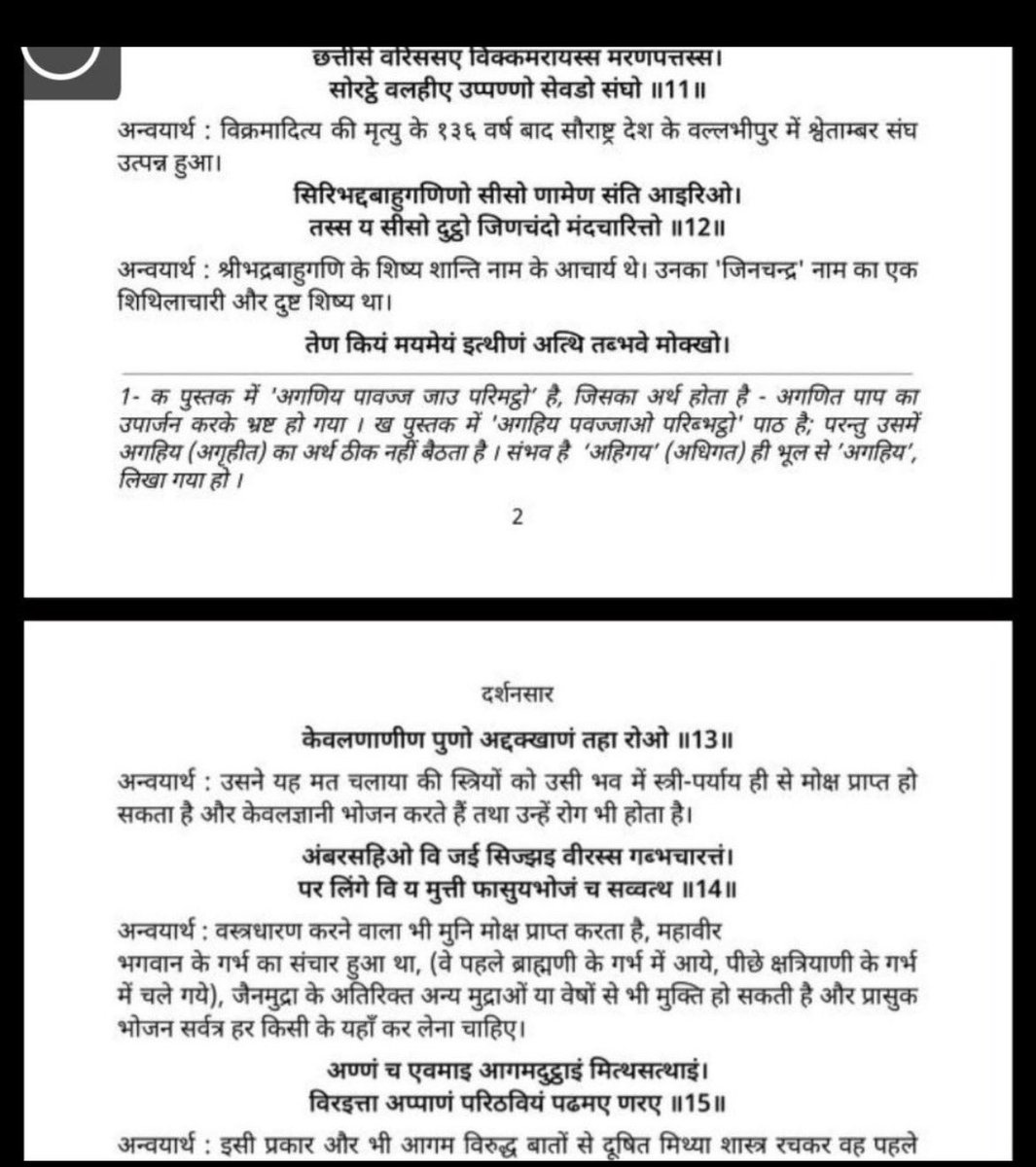
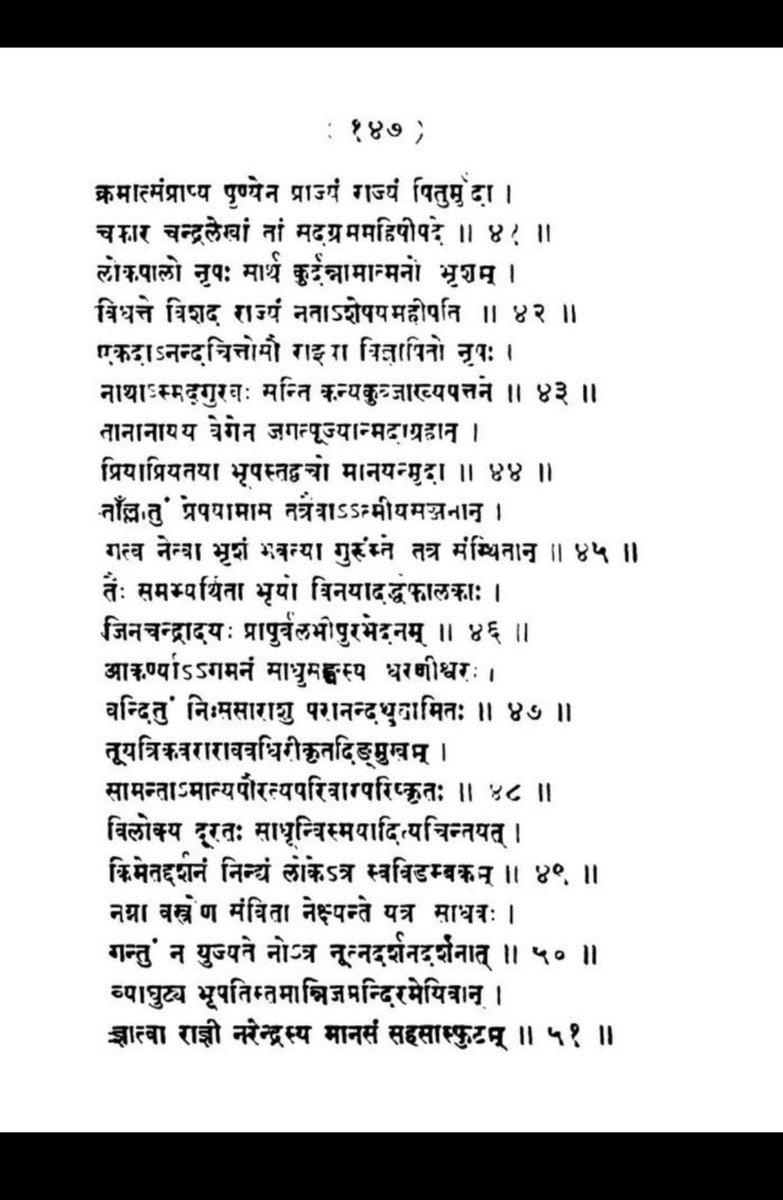
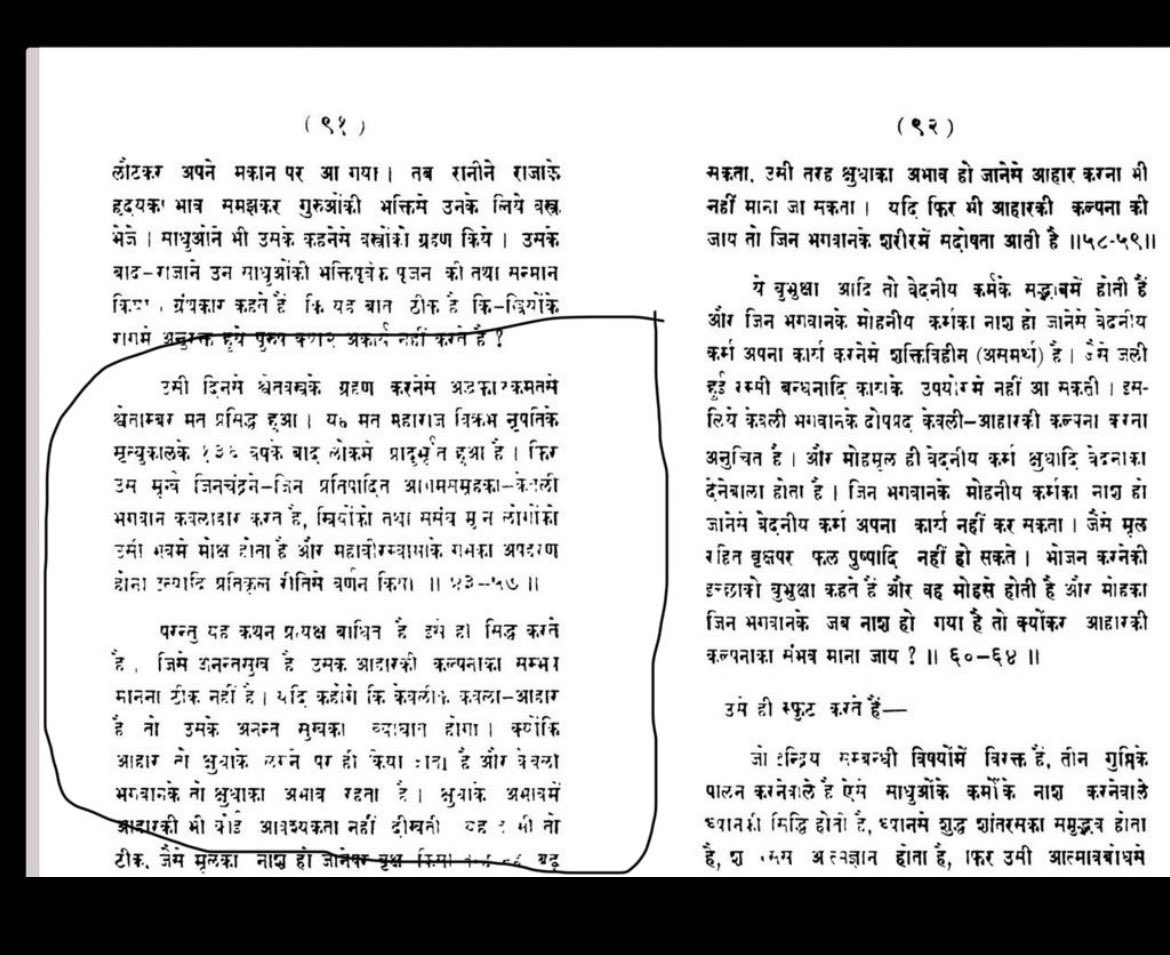
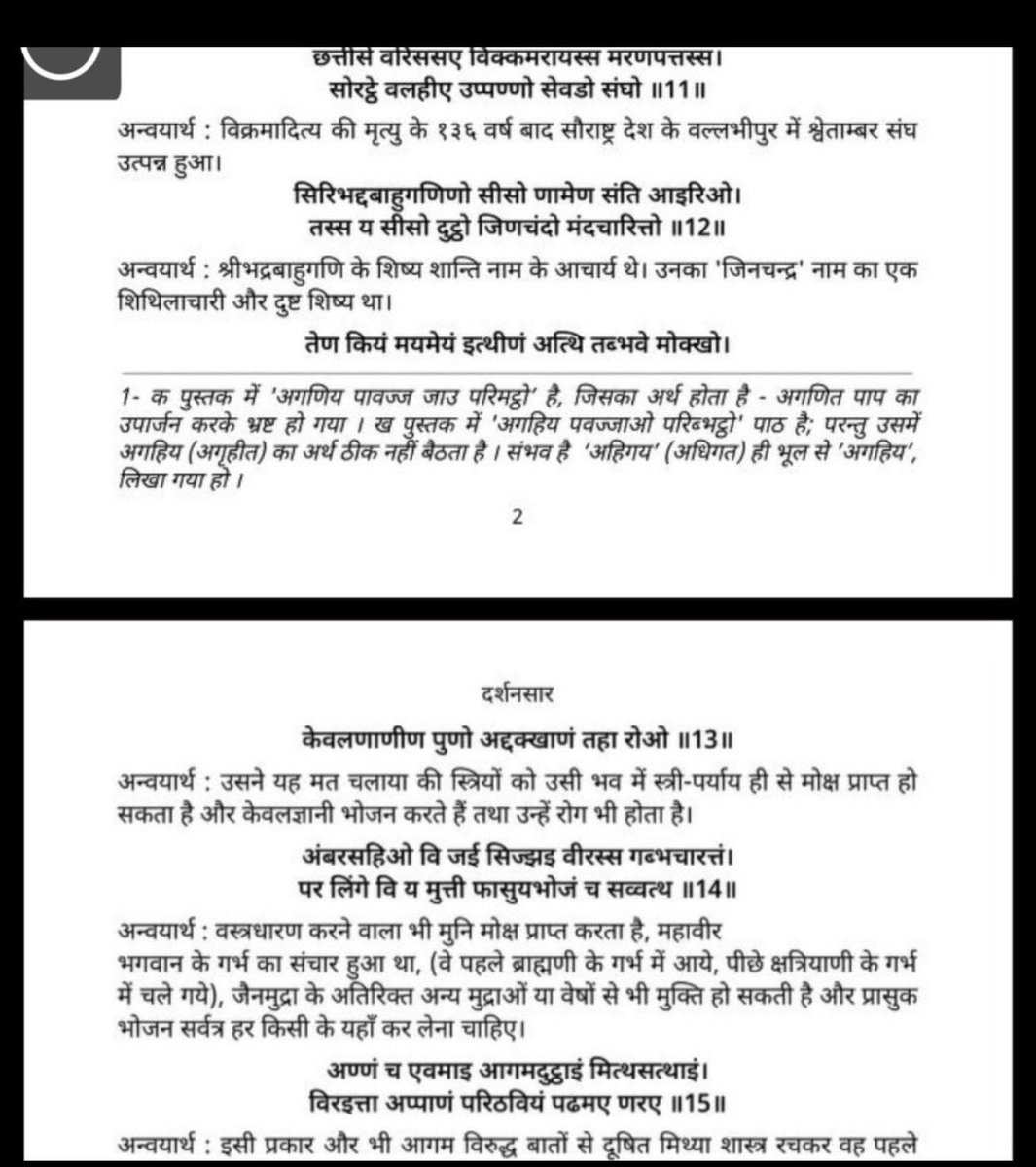
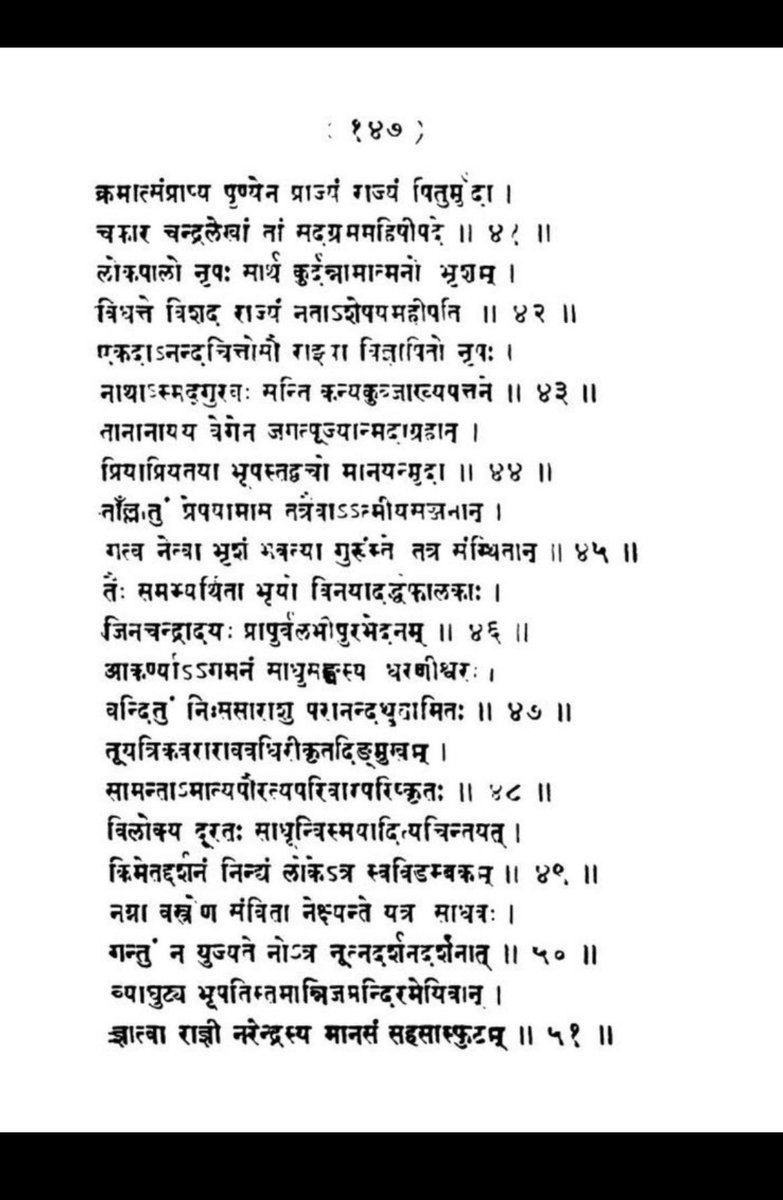
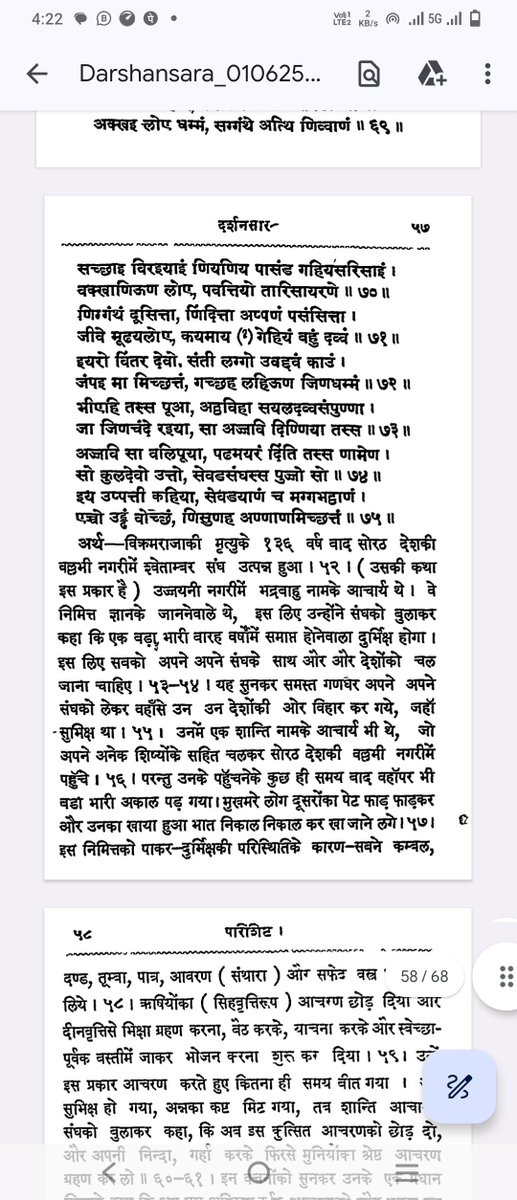
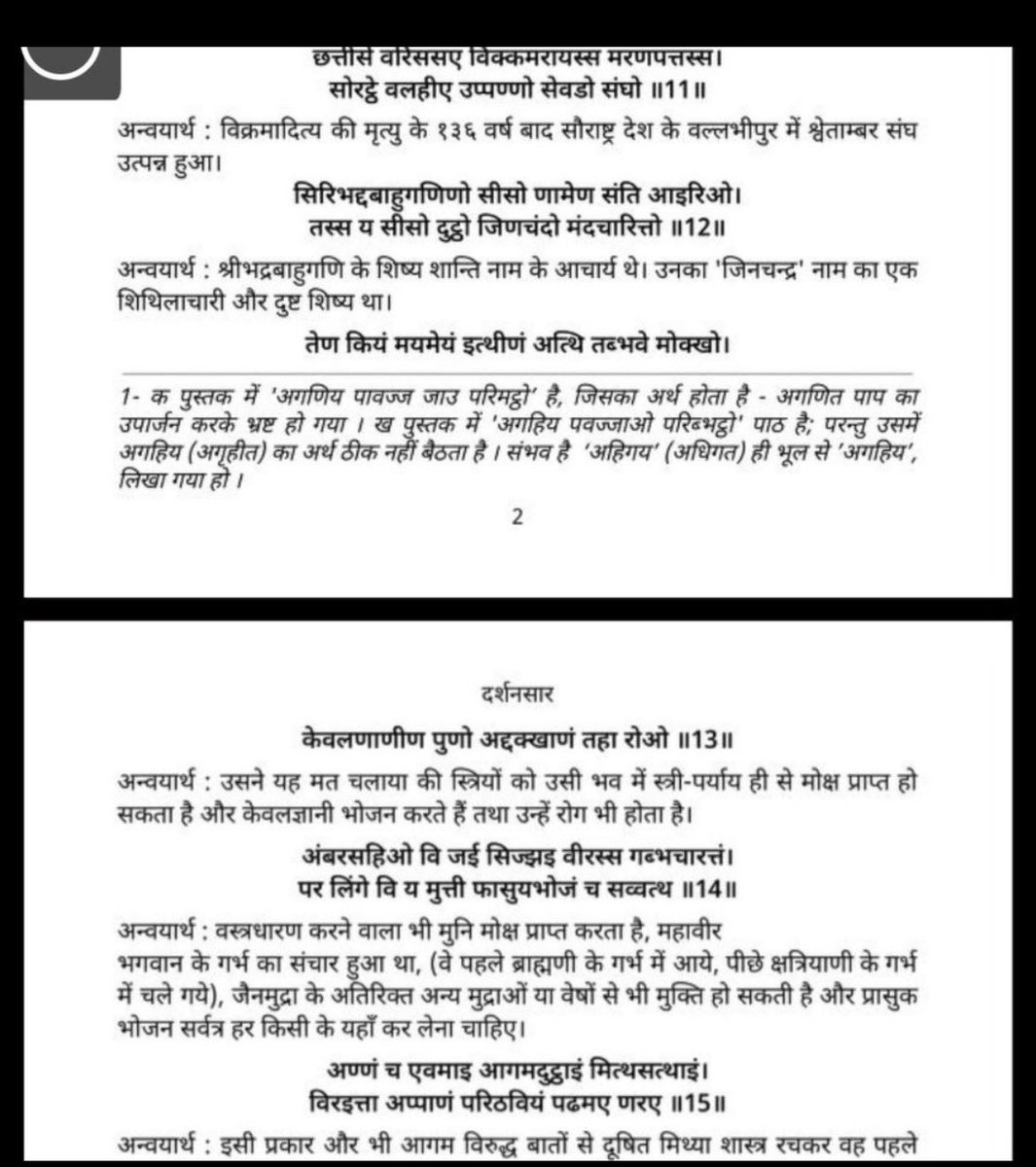
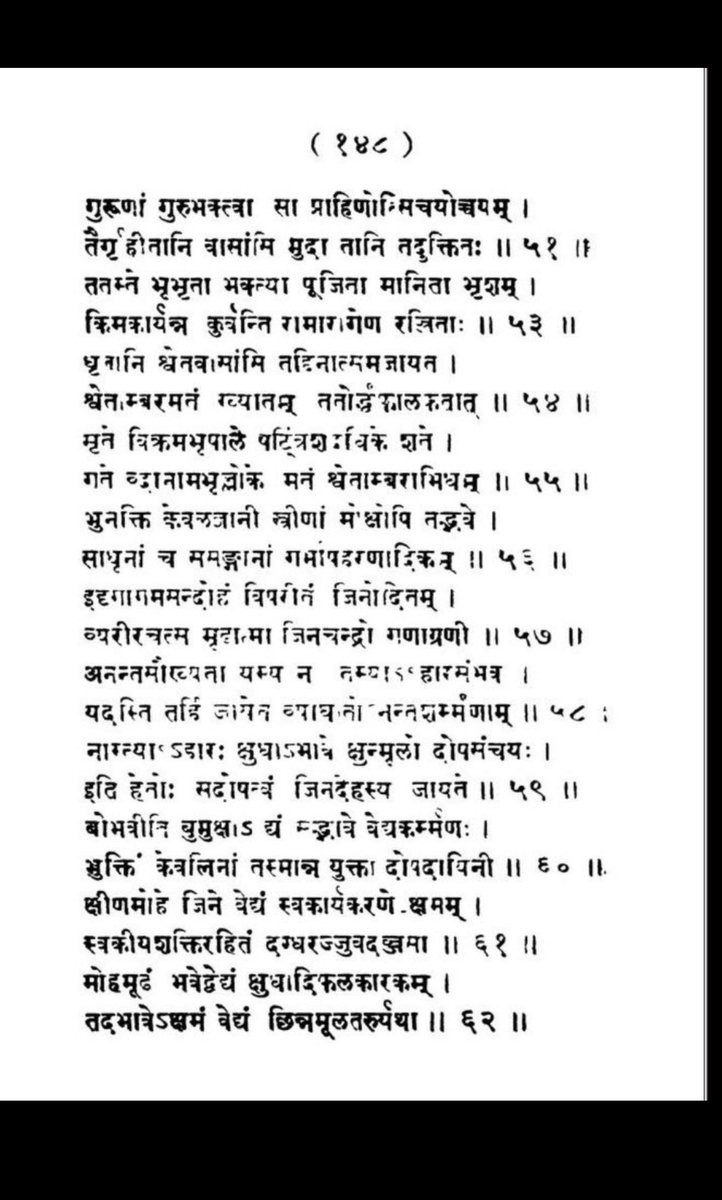
•That आचार्य देवसेन स्वामी in दर्शनसार , identifies जिनचन्द्र आचार्य as the founder of the श्वेताम्बर sect;
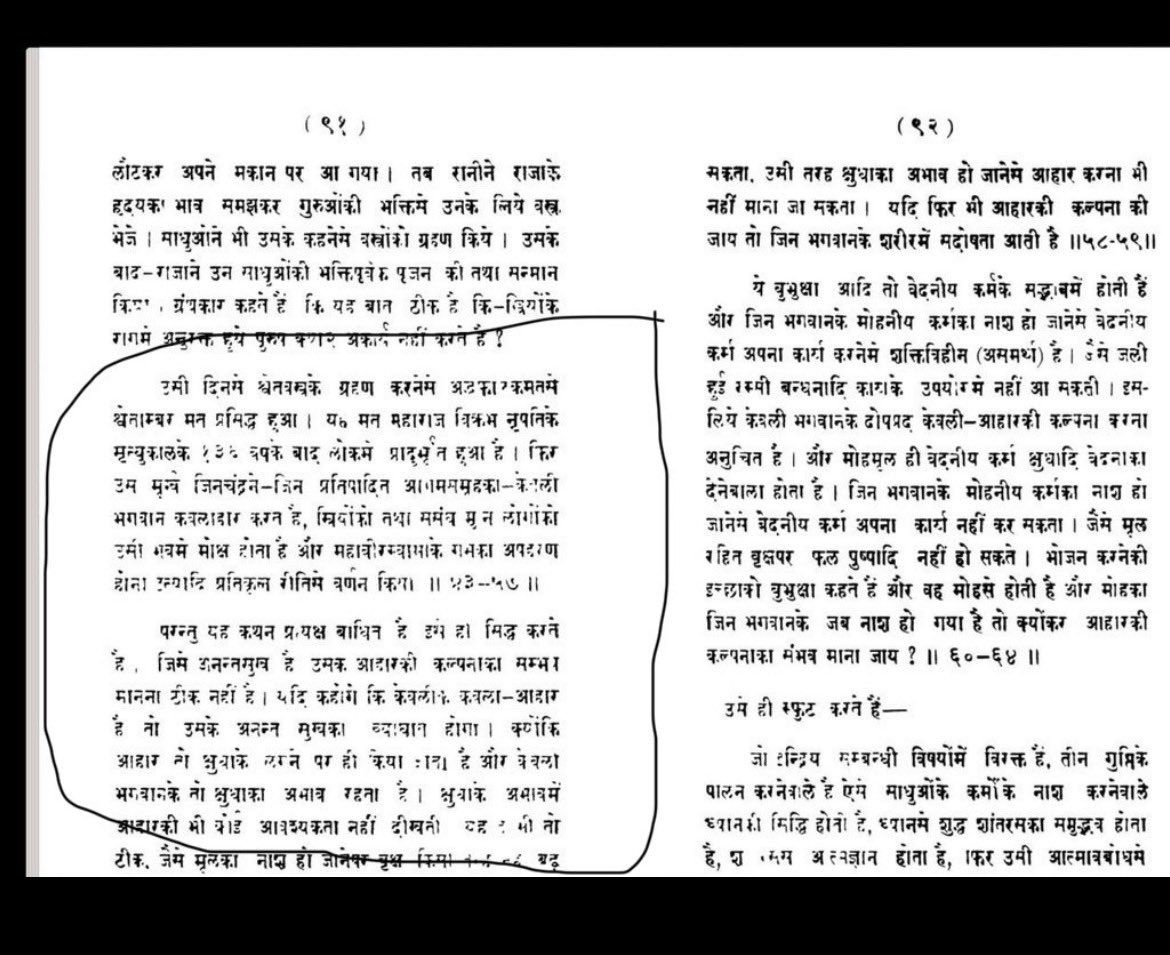
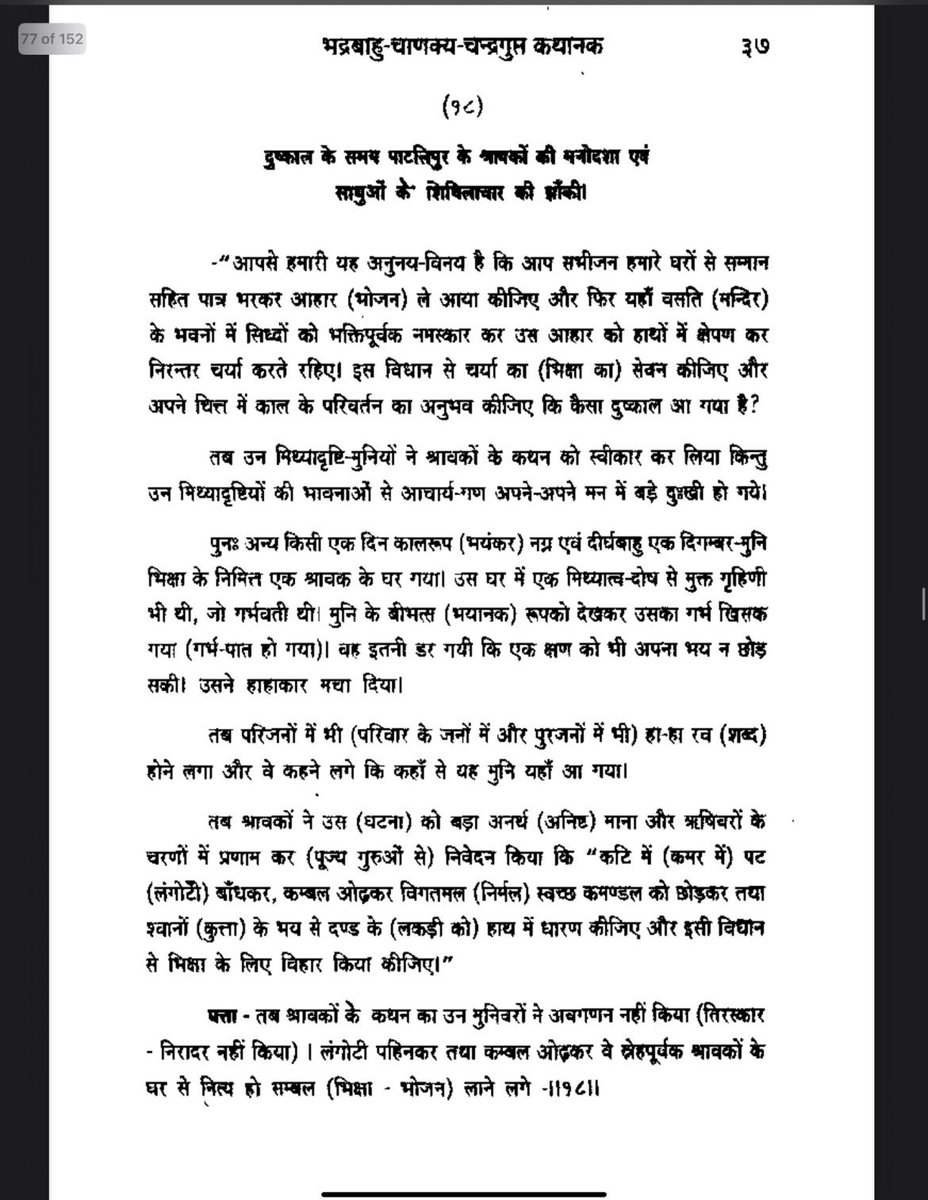
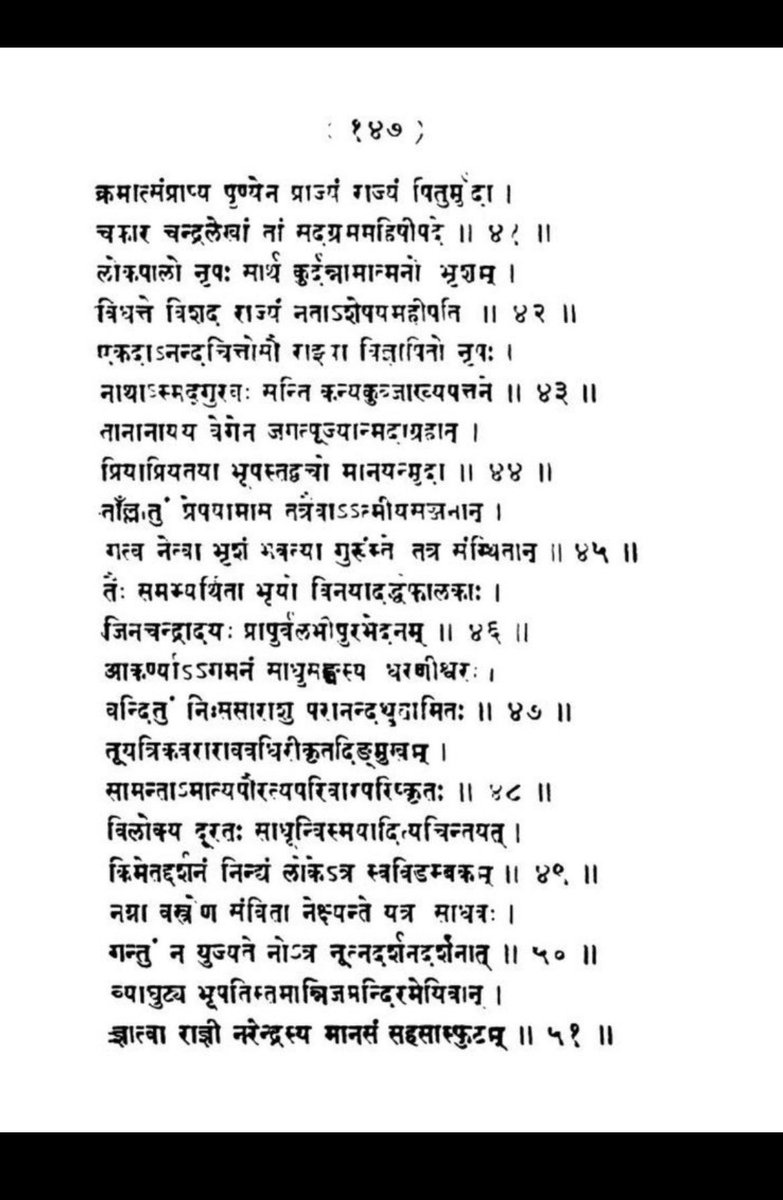
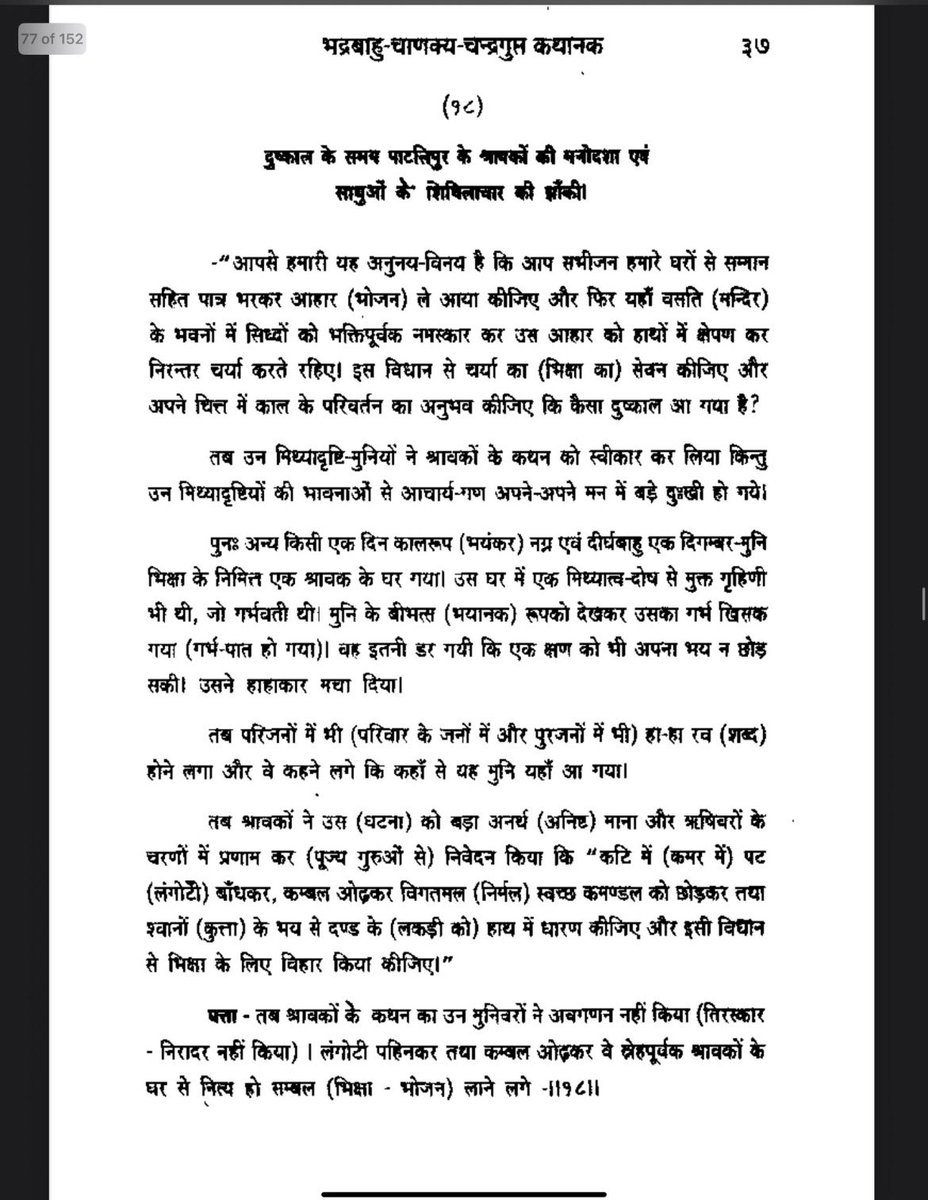
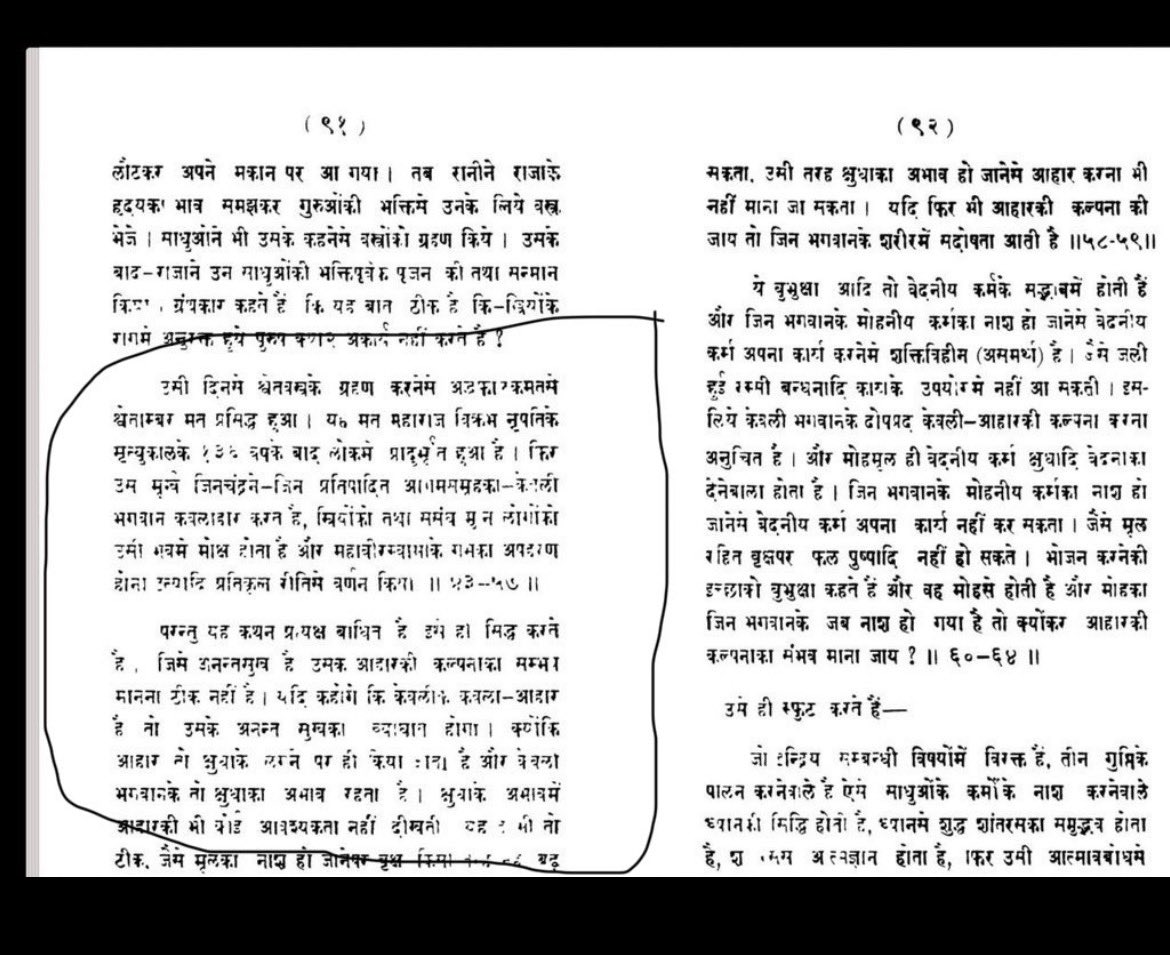
• While रत्नानंदी स्वामी , in भद्रबाहु चरित्र , supposedly identifies स्थूलभद्र as the founder—thereby suggesting contradiction within Digambara tradition.
This claim is entirely incorrect.
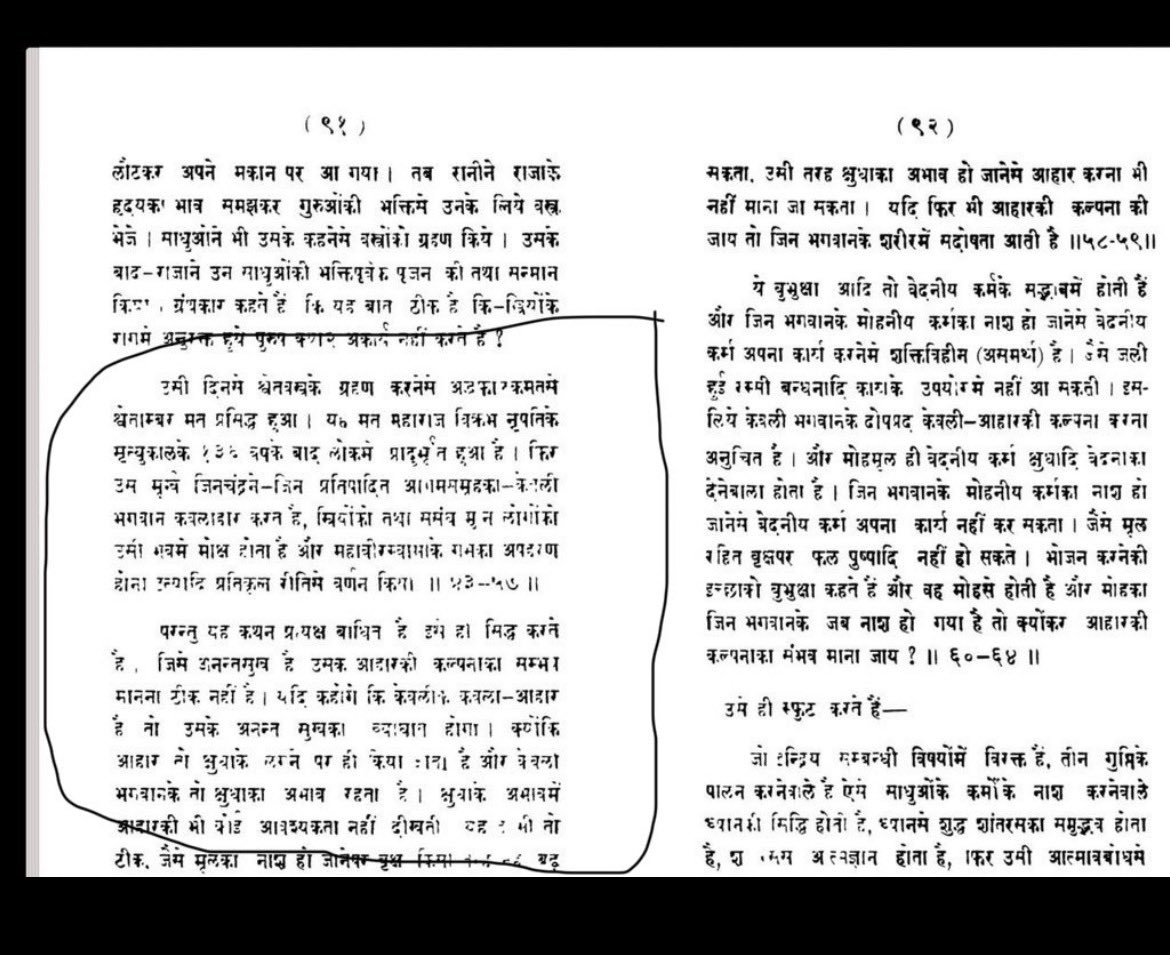
Both texts refer to the same historical personality, using different appellations, and the time-period of emergence described in both works is identical. The so-called contradiction is not present in the original texts; it is a constructed narrative.
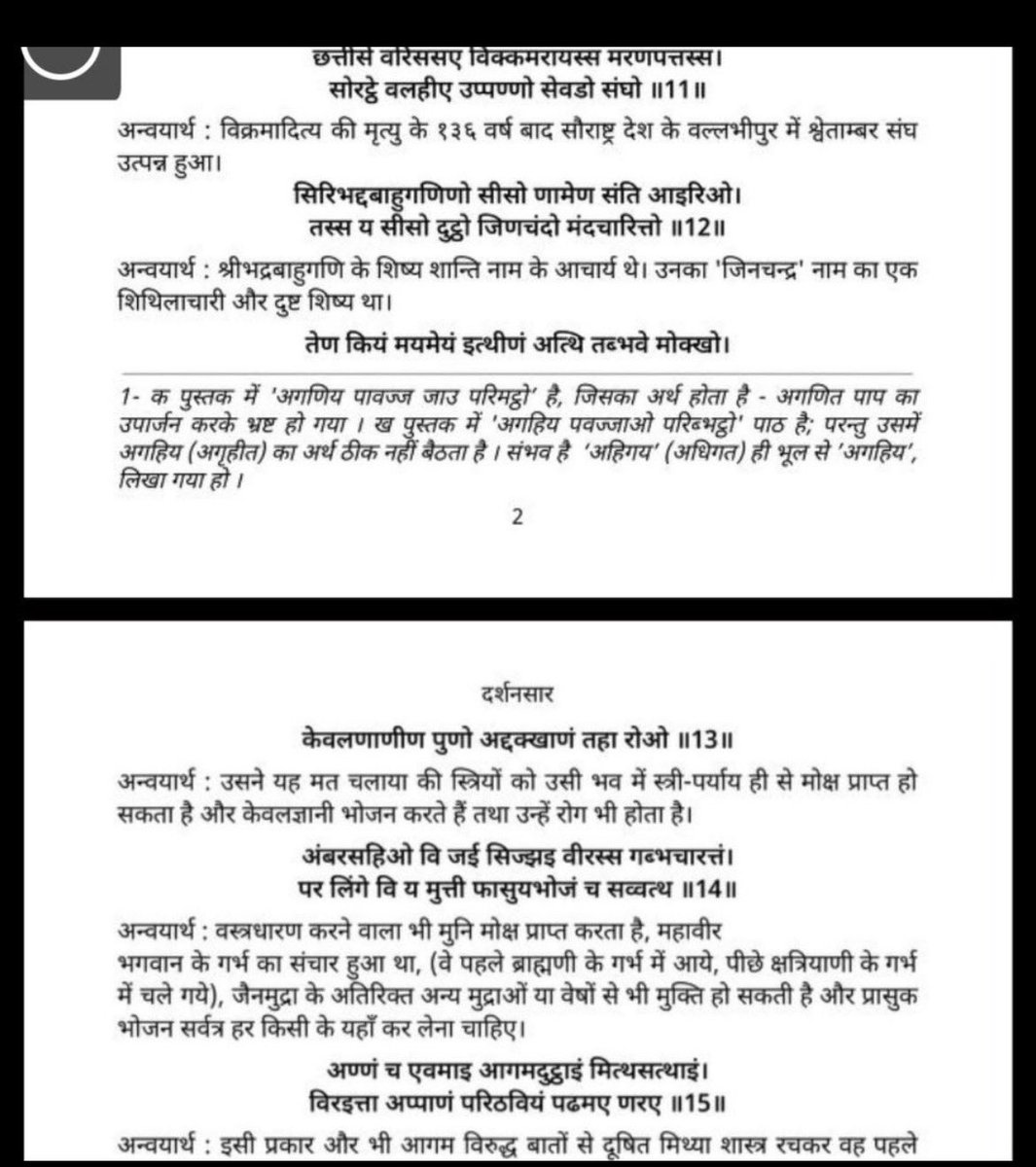
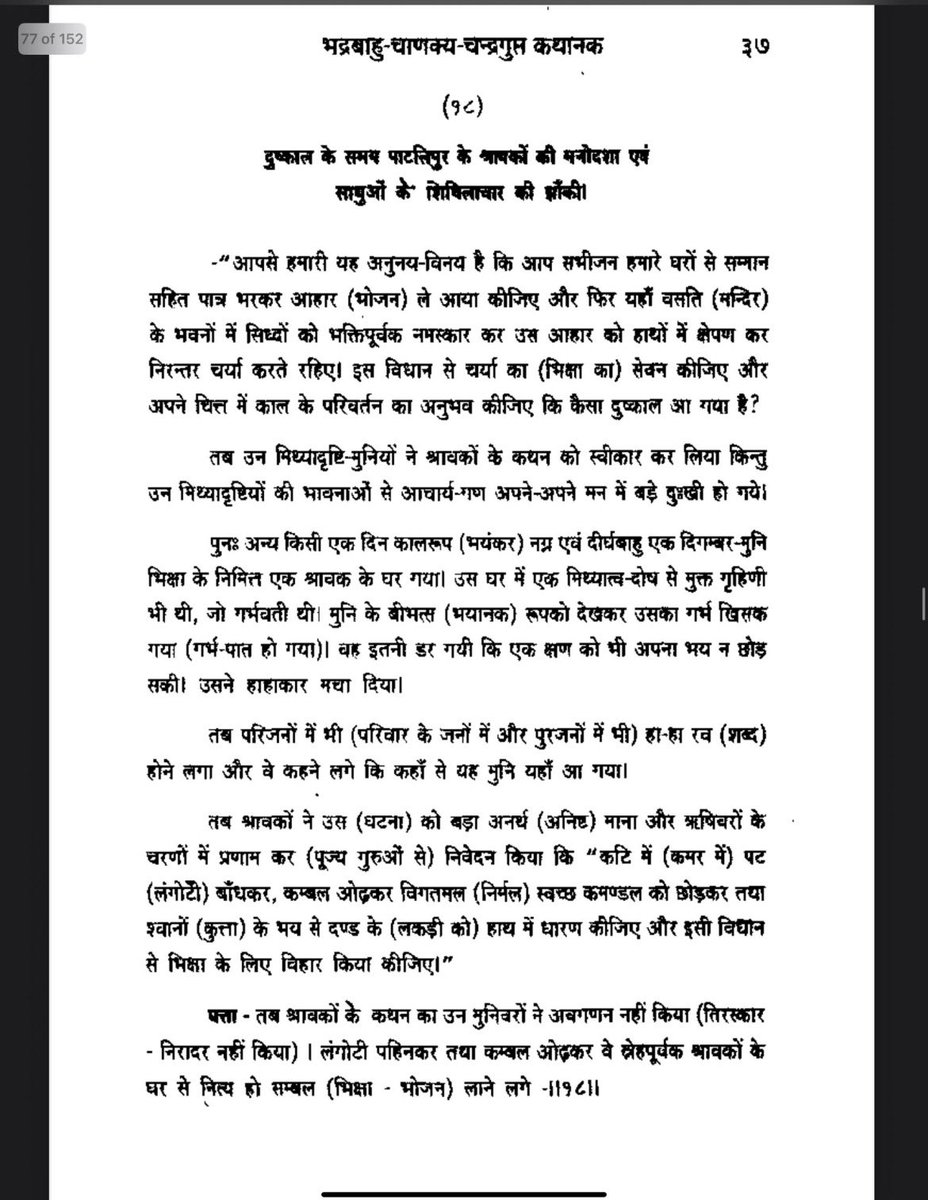
Further corroboration comes from रायुडू कवि , who, in Chandragupta Maurya-Charitra, records the same historical account, reinforcing the Digambara position.
I have provided the relevant evidences accordingly:
•First image: Extract from Darśanasāra
•Second and third images: Extracts from Bhadrabāhu-Charitra
•Final image (in अप्रभंश language): Extract from Chandragupta Maurya-Charitra
This presentation is not intended to demean any individual or community. Its sole purpose is to safeguard the integrity of Digambara scriptural tradition and to protect the Sanātana Śramaṇa Sanskriti from historical misrepresentation.
Jai Jinendra 🙏


English