Joel Chopp retweetledi
Joel Chopp
2.2K posts

Joel Chopp
@JoelChopp
Asst. Professor of Historical & Systematic Theology @AsburySeminary | Managing Editor of Pro Ecclesia | PhD @Wycliffe_UofT | Wesleyan Arminian
Katılım Kasım 2014
627 Takip Edilen1K Takipçiler
Joel Chopp retweetledi

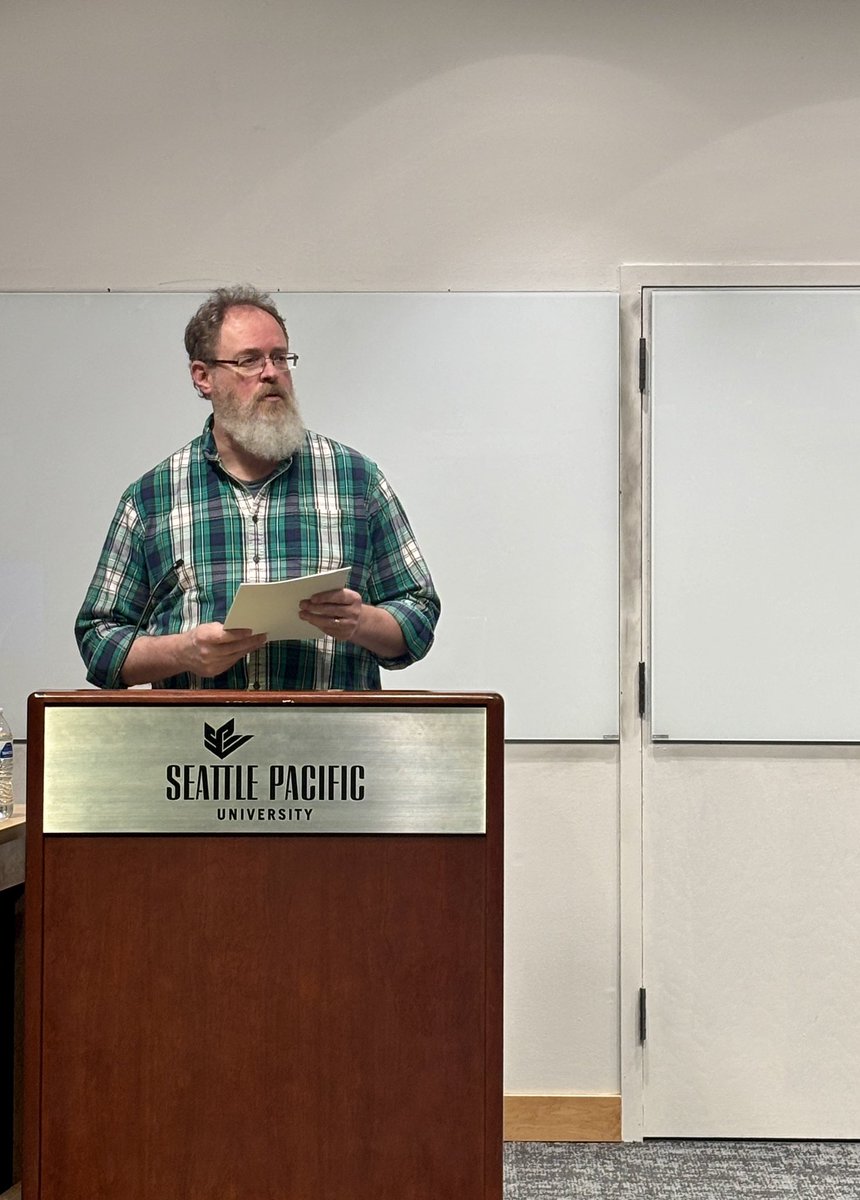
(Temporarily) free download of a brand new tiny book on a vital topic by a trusted teacher.

Tom McCall@RealTomMcCall
English

@AngAesthetics @JoelChopp @logos_asarkos Ehh...kind of. There's a range within the tradition which is always opposed to both synergism in conversion (with occasional exceptions) and double predestinarianism.
English

After discussing differences in language between Lutheran authors concerning whether foreseen faith should be called a condition, instrumental cause, impulsive cause, or observed order of election, Bl. Balthasar Meisner concludes:
"But whatever may be the case concerning appellations and the manner of speaking, it is enough, provided only this be held, that election was not made absolutely, but with respect to faith by which the merit of Christ is apprehended, so that just as in time we are saved on account of the applied Christi λύτρον [ransom of Christ], so on account of the same thing we may believe that from eternity we have been predestined to life. But we understand not προσωκαιρον [temporary] faith, or temporal faith, but persevering and final faith, in which a man departs and dies. For indeed only he shall be saved who shall have persevered, Matt. 10:22. Mark 13:13. 2 Tim. 4:7, 8. Heb. 3:14. Thus no one is elect unless he whom God foresaw would believe perseveringly:" — ΑΝΘΡΩΠΟΛΟΓΙΑ Sacra, dec. 2, disp. XIV (pp. 153-54)

English

@AngAesthetics @logos_asarkos @DrJordanBCooper They did, except it happened in North America. If you want to do a deeper dive, have a look at Schmidt’s essay “intuitu fidei” in the (inelegantly titled) “The Error of Modern Missouri.”
archive.org/details/erroro…
English

@JoelChopp @logos_asarkos @DrJordanBCooper So that's fascinating. It seems that Lutherans also have the Augustinian vs Arminian debate on predestination in their ranks, which mirrors the debate in Anglican ranks. Yet another interesting parallel.
English

@AngAesthetics @logos_asarkos @DrJordanBCooper They are basically indistinguishable. I’ve had my students read Gerhard on election side by side with Arminius and tasked them with trying to spot the differences to make this point.
They obviously have important differences elsewhere, but on election they’re minuscule.
English

@logos_asarkos @DrJordanBCooper Ok, so this seems indistinguishable from the classical Arminian position then?
English

Our M.Div students at @WelchCollege flexing with some impressive papers. I hope to see this student present at our next @fwbtheology symposium.

English

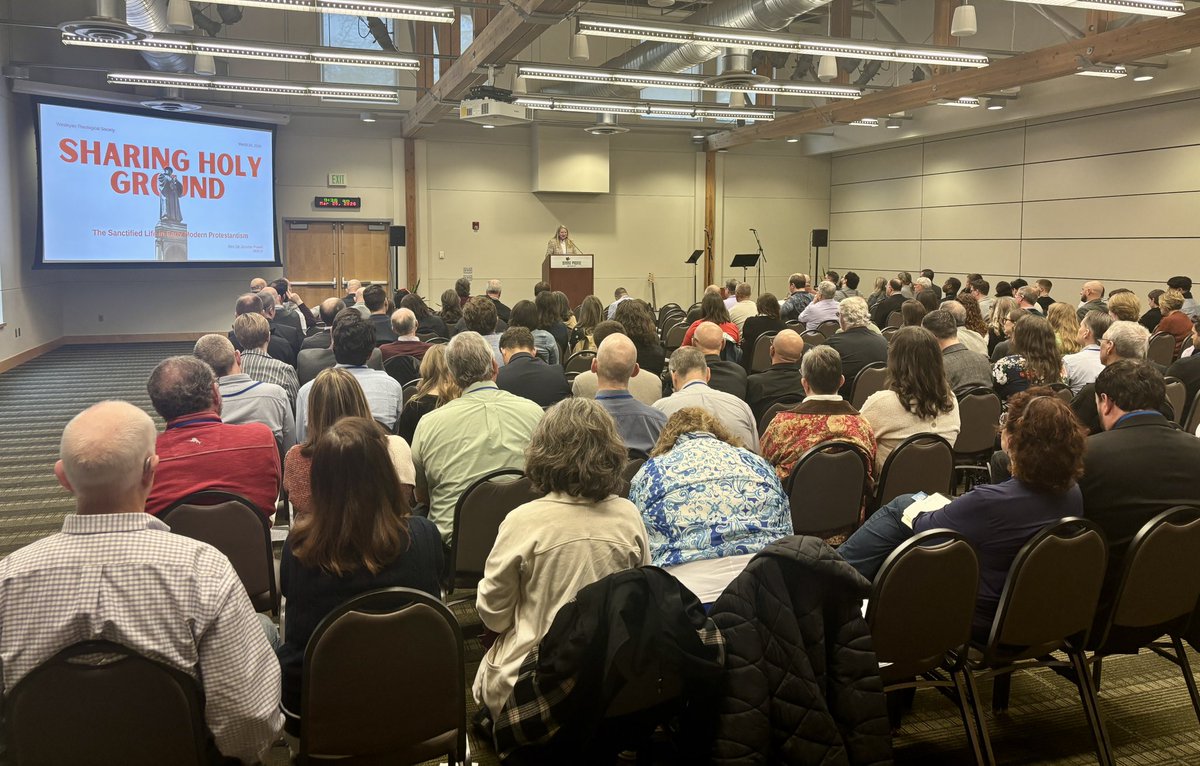
Fantastic start to the Wesleyan Theological Society annual meeting in Seattle. Hud Hudson on “Chronophobia” (see Ecc. 9:11) for the Wesleyan Dogmatics group & @jpowellmcnutt on holiness & good works in early Protestant theology.


English

@DanielWHouck Danny heroically displaying the virtue of perseverance in this episode. 🫡
English

I was extremely sleep deprived in this episode, on account of our newborn daughter
The London Lyceum@LondonLyceum
The gang discusses theological genealogies and why they often go wrong. Catch the latest podcast now!
English

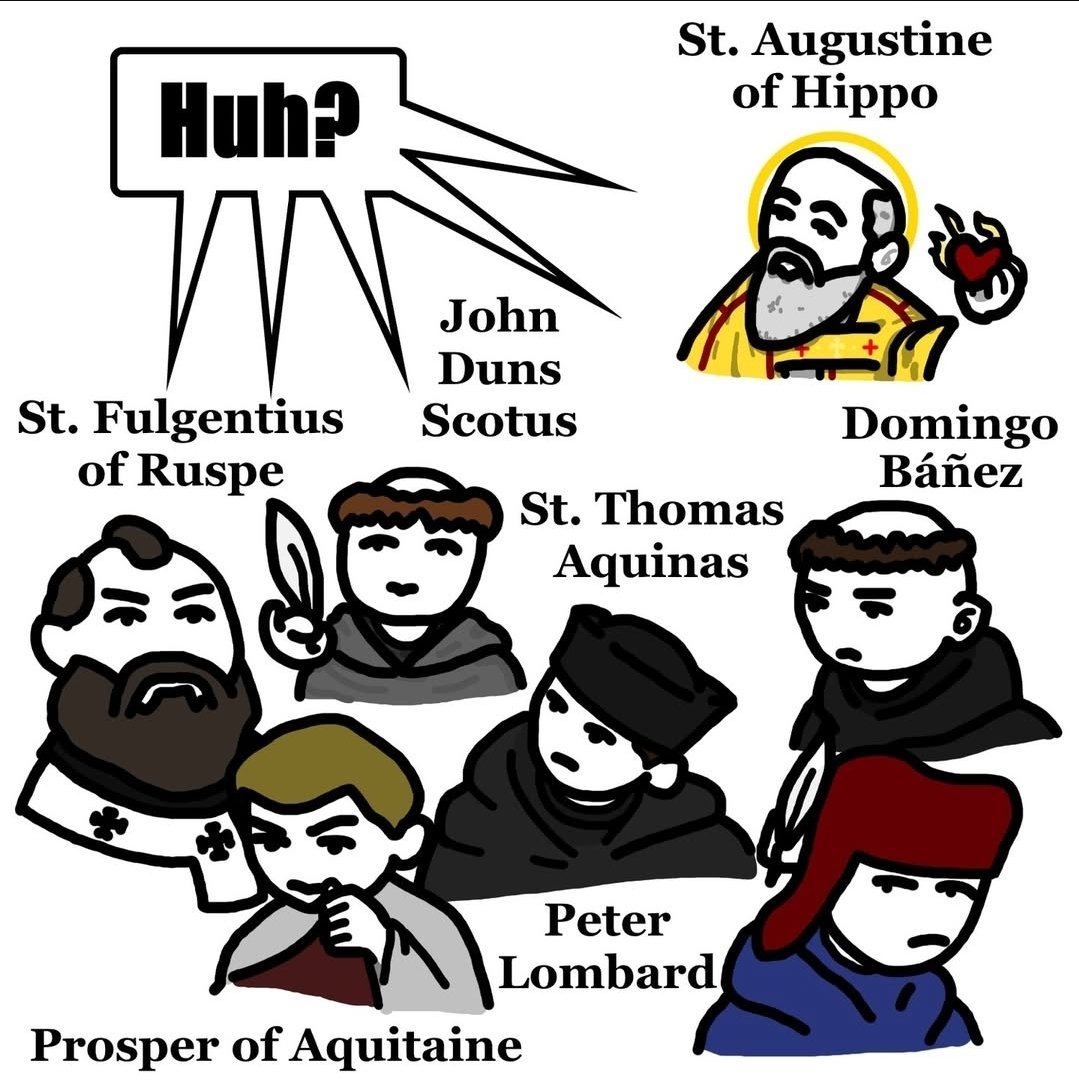
Me and the fellas on the uses and abuses of genealogies of modernity in theology.
Jumping off point is the special issue in Modern Theology (2023). Also cover issues in theological pedagogy & what’s wrong with the Scotus story.
The London Lyceum@LondonLyceum
The gang discusses theological genealogies and why they often go wrong. Catch the latest podcast now!
English

@Young_Anglican @LutheranCaleb & it still shouldn’t be allowed in the Church. There were a few divines that tried to carve out a sense of the distinction compatible with Reformed soteriology, but it was very much a minority report.
English

@Young_Anglican @LutheranCaleb 100%? Turretin calls it an ulcerous distinction that’s injurious to God. Maccovius calls the distinction “useless” and says it entails divine mutability. Van Mastricht says the "wholesome" sense of the distinction is “of meager importance & equally meager use,”
English
Joel Chopp retweetledi

@JLSteffaniak Fair. And to your point, there are philosophers who have been labeled “hyper-Cartesian” (Swinburne) who I wouldn’t want to associate with this sort of view.
English

@JoelChopp Probably would drop any Cartesian element in reference to this, tbh. Not sure hyper-Cartesian does much work that would really specify any view.
English

But Descartes at least still attributed passions to the body. The movements of blood and vital spirits in the brain causes, e.g., fear, and such movements imprint and leave traces on the brain. Think “hyper-Cartesian” is the term to go with if one wants to avoid using “gnostic.”
Susannah Black Roberts@suzania
This is just such a strange way to look at the world, for a Christian. It’s Cartesian theology or something.
English