Karol Wałach

27 posts

Karol Wałach banner
Karol Wałach

Karol Wałach

@KWalach_

Naturalist, entomologist, tardigradologist. Currently working on Tatra Mts Orthoptera (2022-2027). Student at Jagiellonian University (Kraków, Poland).

Kraków, Poland Katılım Kasım 2022
67 Takip Edilen22 Takipçiler
Karol Wałach retweetledi
Alpine Environment - Eurac Research
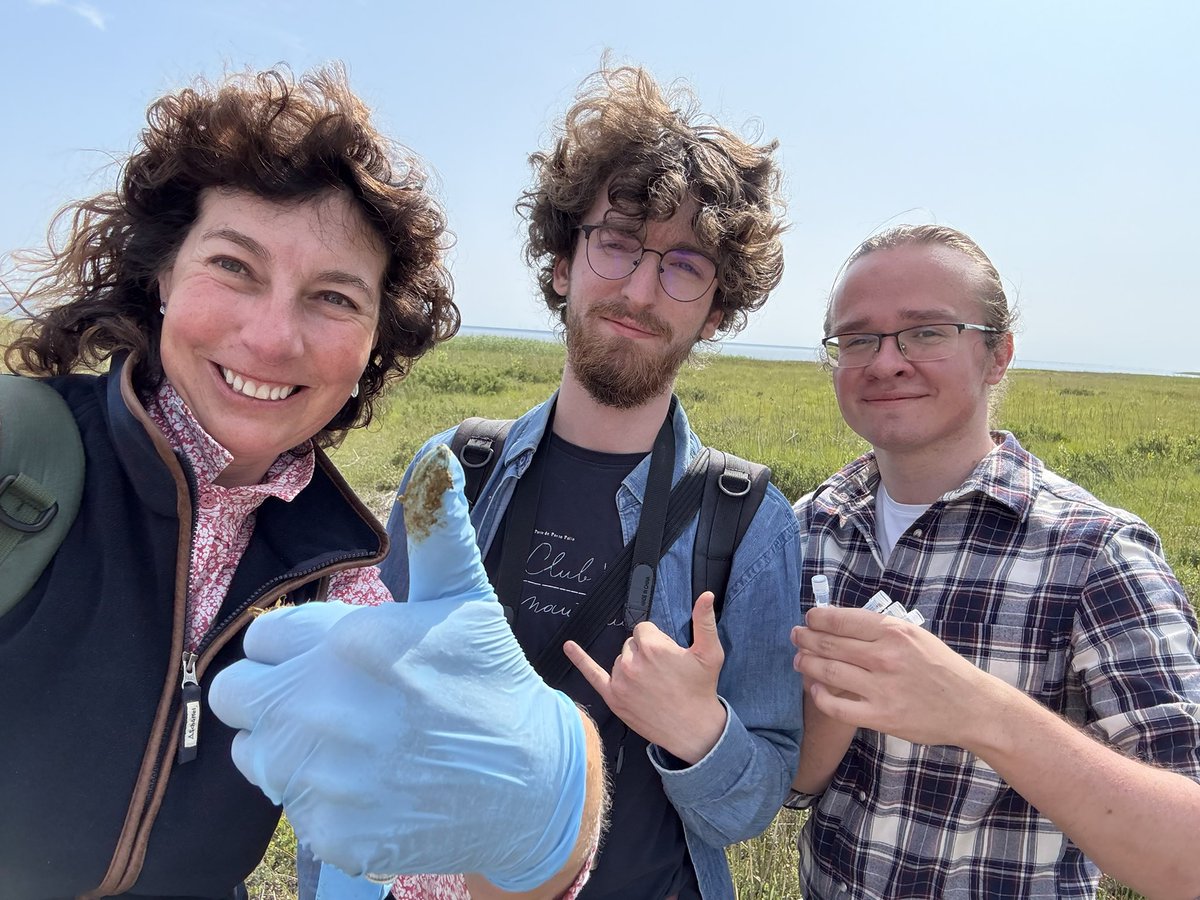
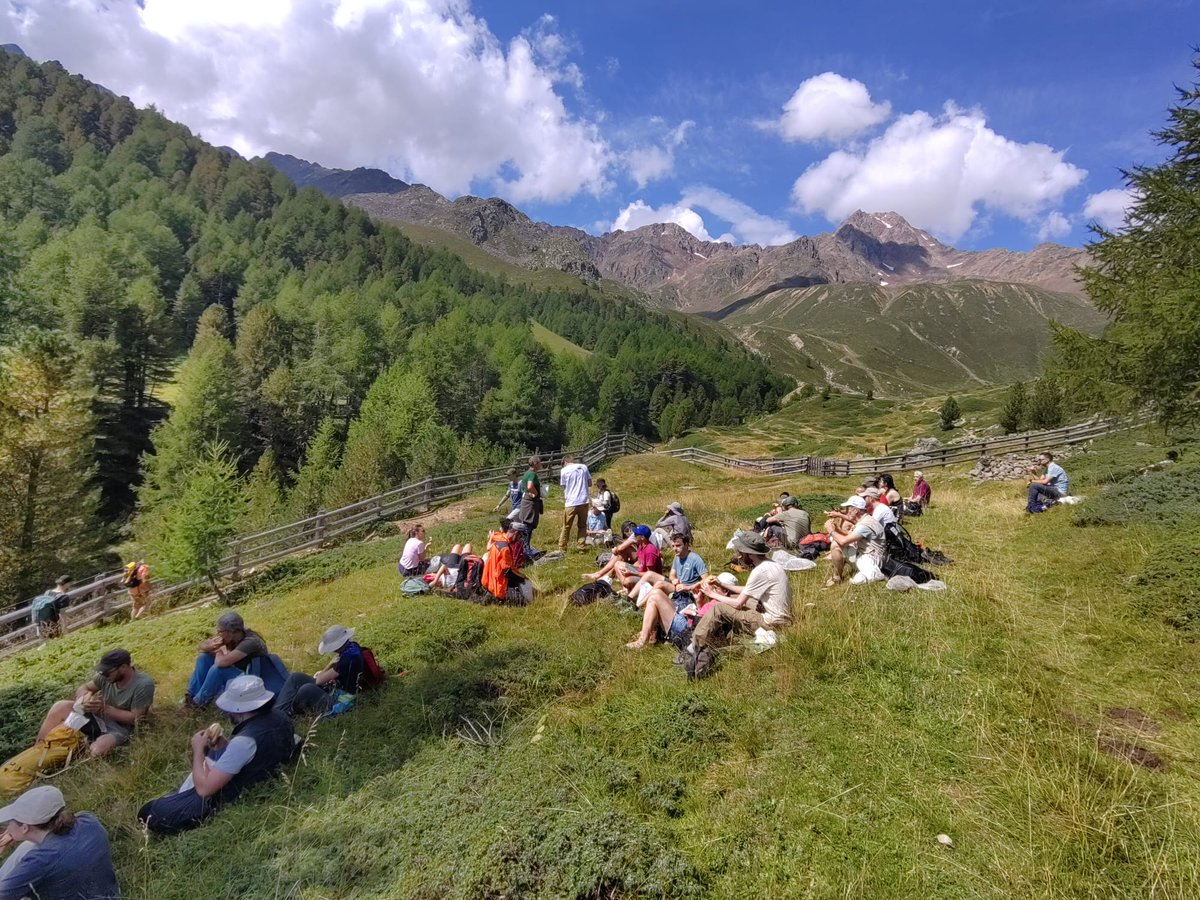
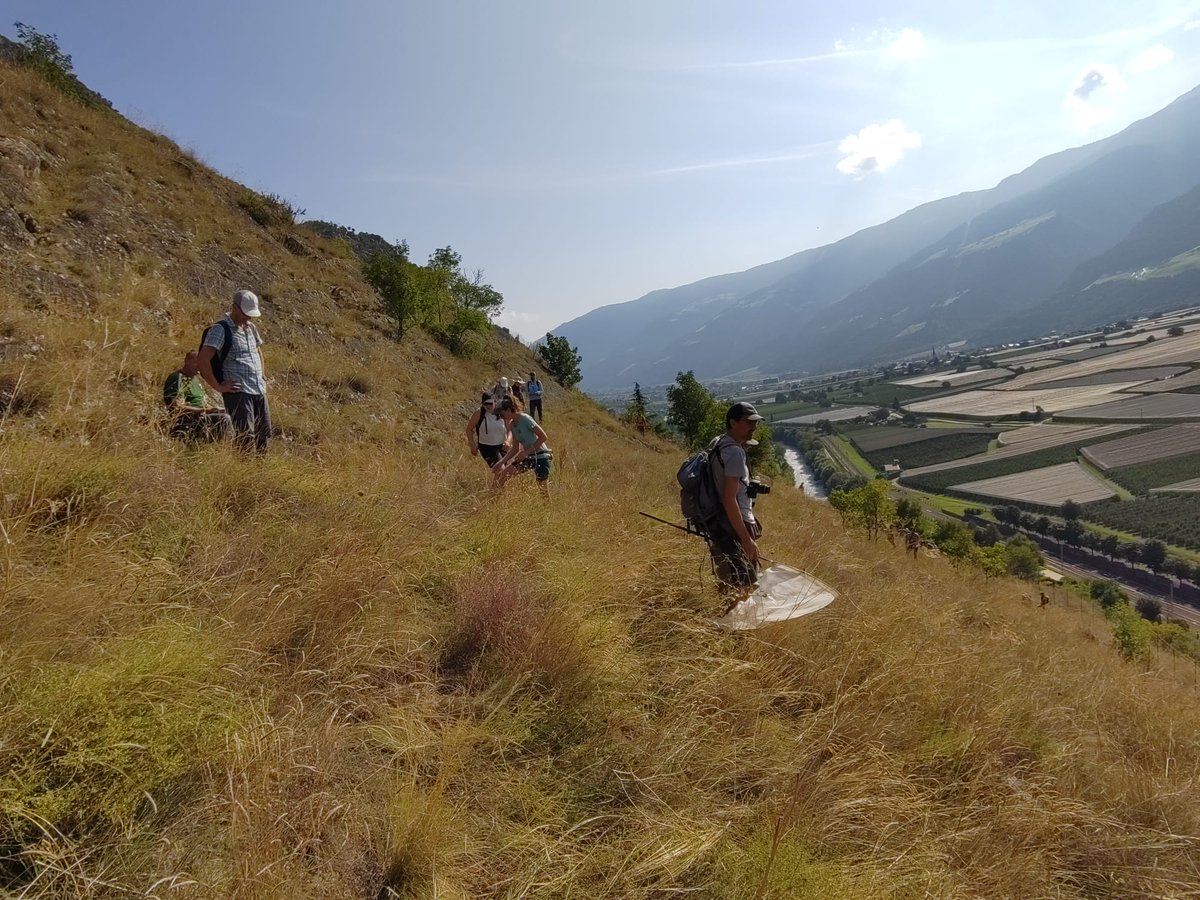
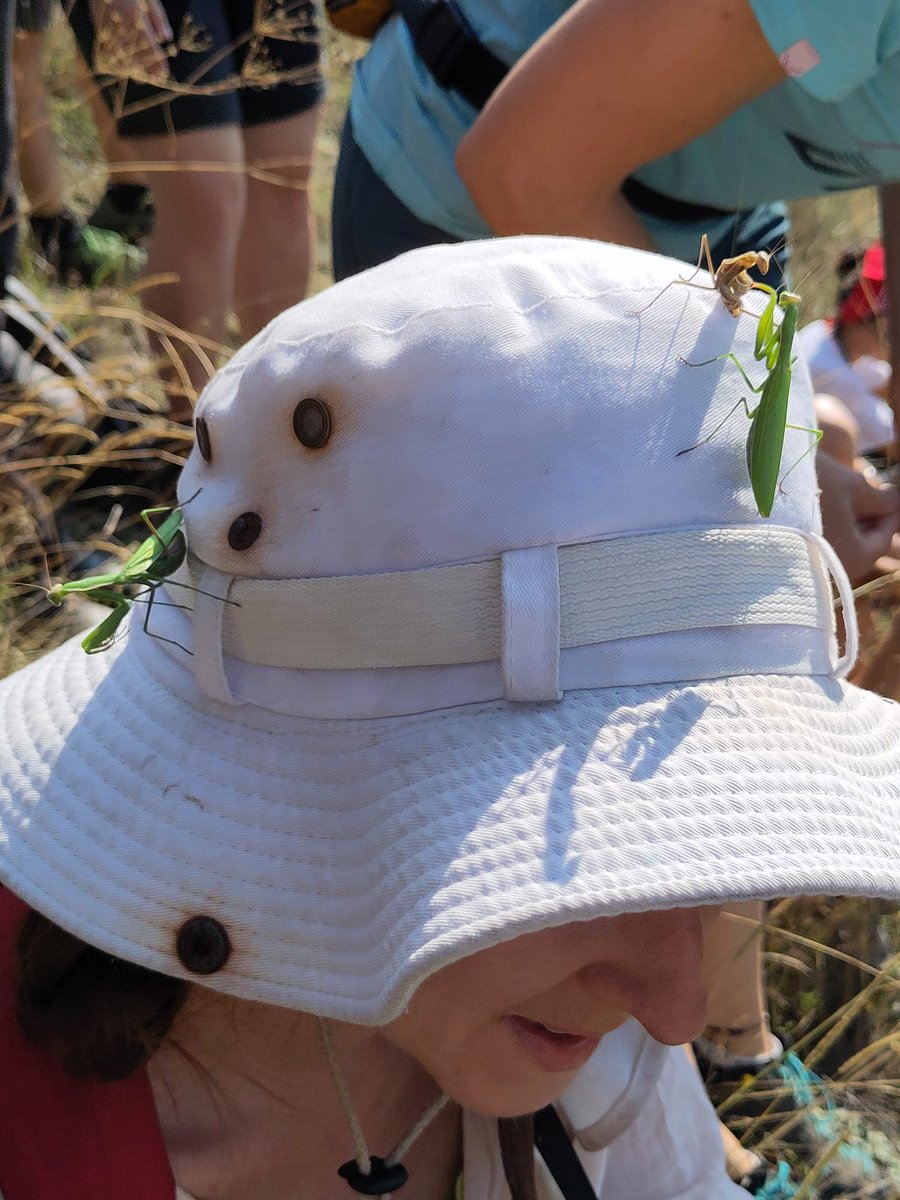
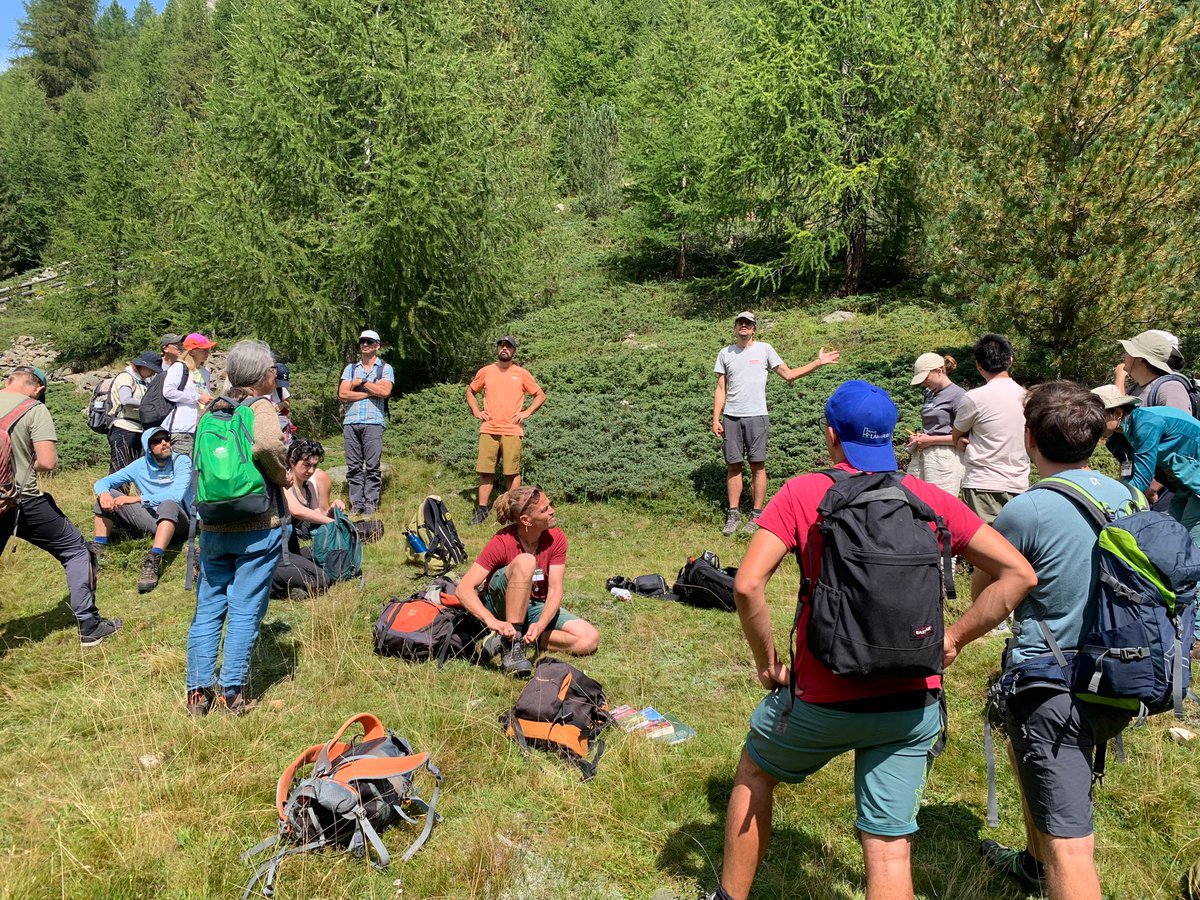
Exciting excursion day at #EGC2024! We explored the stunning dry grasslands of the Vinschger Sonnenberg and the alpine meadows of the Schnalstal. Swipe to see highlights from our field trip.
Alpine Environment - Eurac Research tweet mediaAlpine Environment - Eurac Research tweet mediaAlpine Environment - Eurac Research tweet mediaAlpine Environment - Eurac Research tweet media
English
0
5
20
908
Karol Wałach retweetledi
Stephen Venn 🦁☀️🇮🇷 🇫🇮🇬🇧🇺🇦
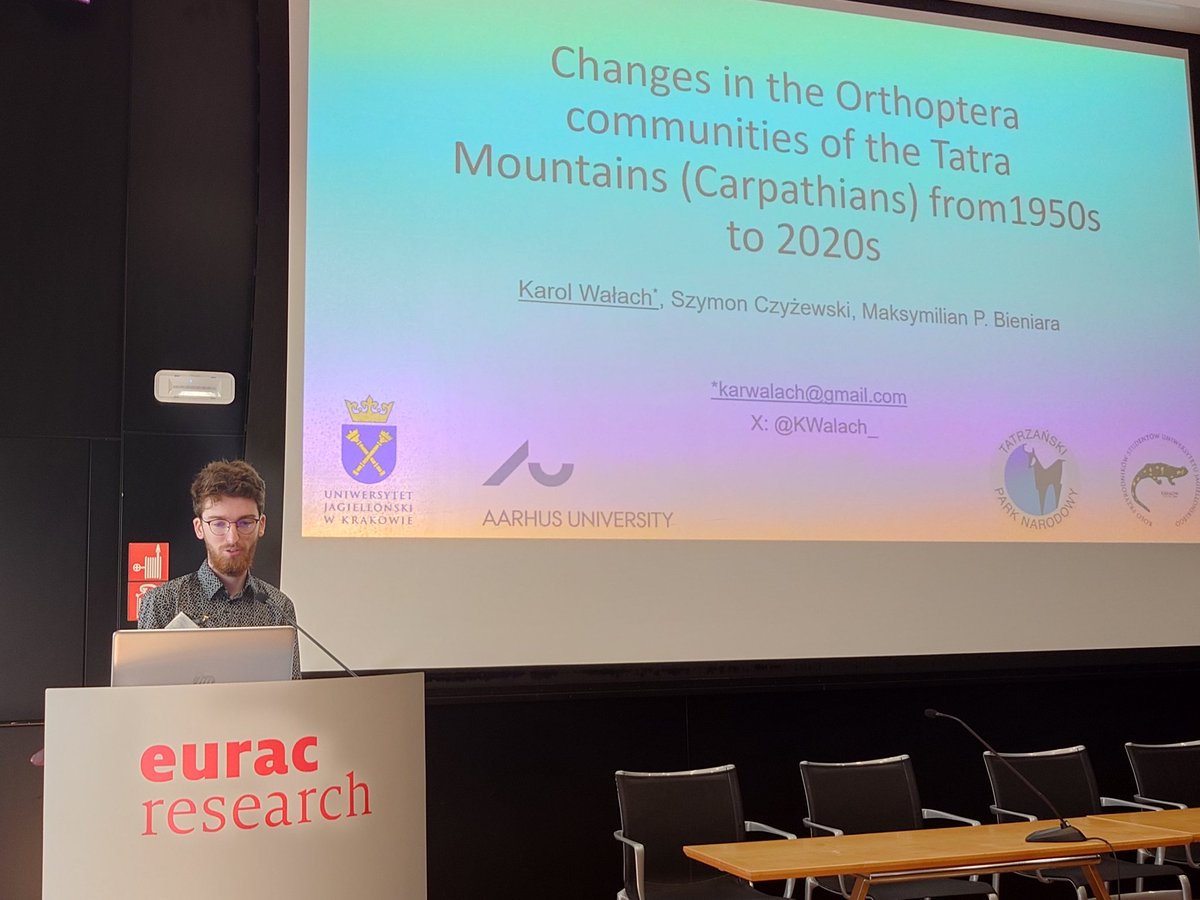
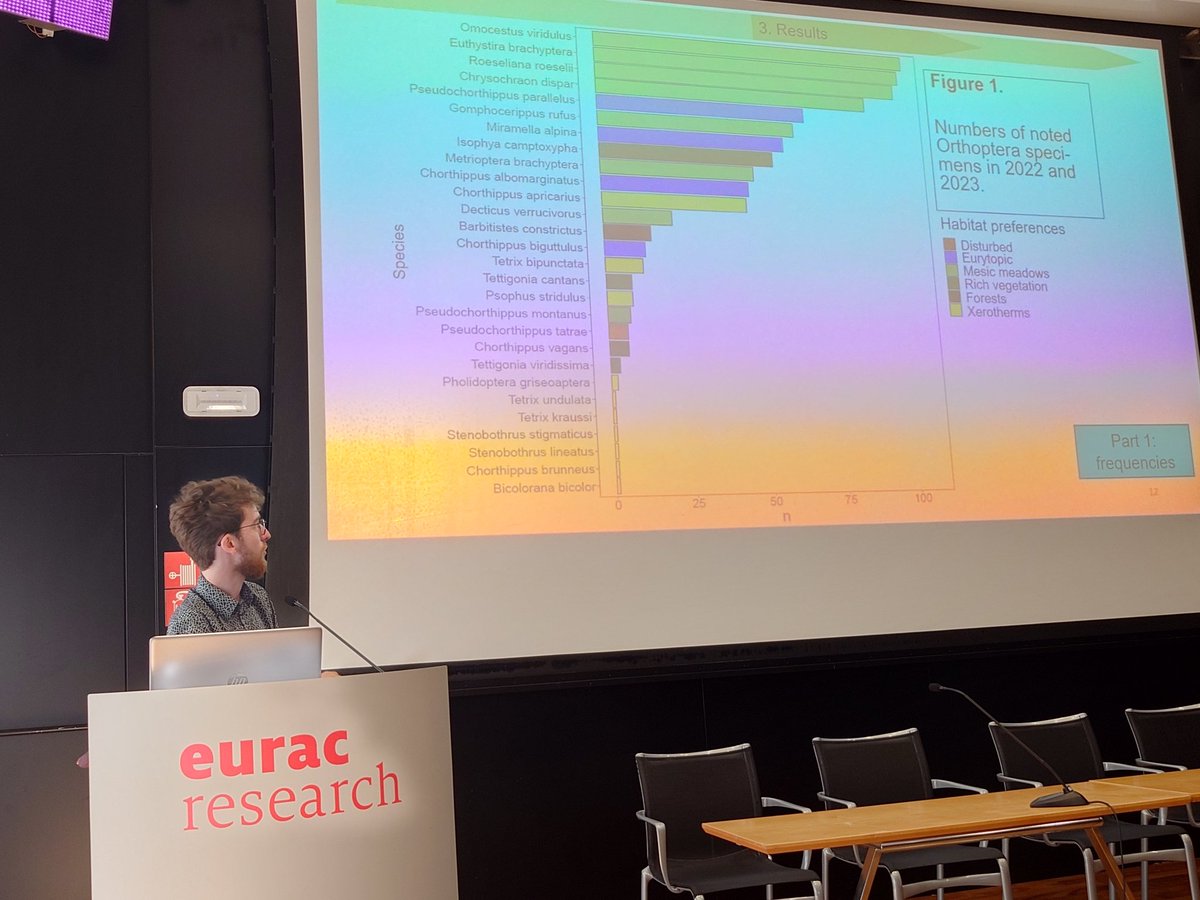
@KWalach_ presenting a study on how the orthopteran fauna of the Tatra mountains have changed since the 1950s. Not surprisingly, eurytopic species are doing well but xerothermic species are generally in decline.
Stephen Venn 🦁☀️🇮🇷 🇫🇮🇬🇧🇺🇦 tweet mediaStephen Venn 🦁☀️🇮🇷 🇫🇮🇬🇧🇺🇦 tweet media
Bolzano, Trentino-South Tyrol 🇮🇹 English
0
1
4
119
Karol Wałach
Karol Wałach@KWalach_·
@madjanev @BertB61027155 Maybe also tardigrades on liverwort microhabitats? I'm not sure whether on the picture there is one (is it wet Xanthoria?), but not too much explored too to be honest 🤔
English
1
0
2
19
Jane Thomas
Jane Thomas@JaneVThomas·
@BertB61027155 I'd heard about that but not seen the original article! And it has crossed my mind, I'm just waiting for them to get a little bigger so I can collect some poo 🤣
English
1
0
2
26
Jane Thomas
Jane Thomas@JaneVThomas·
I'm raising some sluglings, likely L. maculatus and struggling to find what they ate as they were turning their noses up at all the foods I offer sluglings. Then I thought L. maculatus climbs trees, let's offer them a nice licheny twig, and bingo! That's just what they wanted ☺️
Jane Thomas tweet media
English
1
0
10
376
Karol Wałach
Karol Wałach@KWalach_·
@arnoldtortoise @madjanev @KWalachowski Unfortunately it's impossible. Only relatively few species are easily distinguishable (e.g., M. eurystomum), whereas for the majority really detailed photos and even morphometrics are required to ID (though DNA barcodes are the safest option).
English
0
0
1
23
Jane Thomas
Jane Thomas@JaneVThomas·
Looking at a slide from Skye to make pics and found this little one that I'd missed - is it Paramurrayon hibernicus? It's 225u long, has tiny macrobiotus type claws and I think I can see dense granulation on the skin. 3 macroplacoids, no microplacoid. @BertB61027155 @KWalach_
Jane Thomas tweet mediaJane Thomas tweet mediaJane Thomas tweet media
English
3
0
6
193
Jane Thomas
Jane Thomas@JaneVThomas·
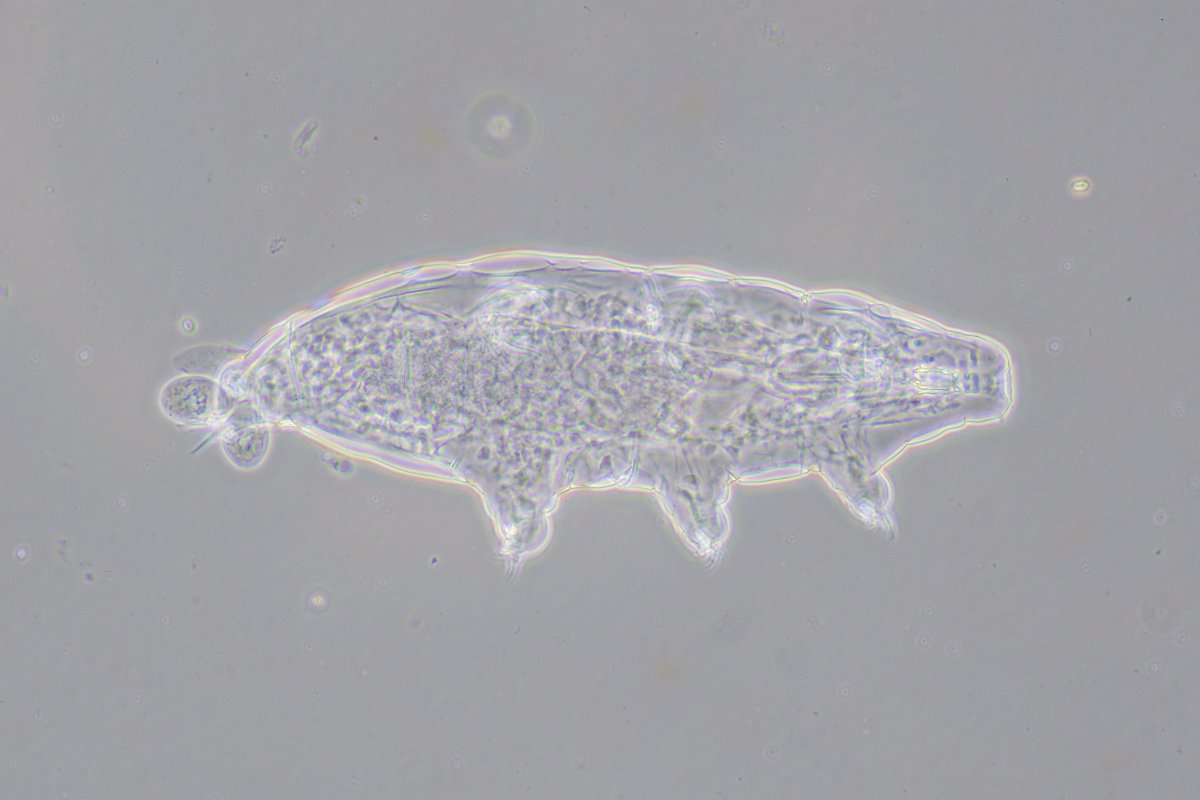
Propyxidium tardigradum - what all the best dressed tardigrades are wearing 😂. A Ramazzottius aff. oberhaeuseri with a particularly heavy infestation, although it seems perfectly happy going about its business. @BertB61027155 @KWalach_
English
5
6
20
767
Jane Thomas
Jane Thomas@JaneVThomas·
@arnoldtortoise Neither have I! I think it might be a fungal infection. I've seen them with hyphae erupting from their feet, but not all over like this. Perhaps @BertB61027155 or @KWalach_ have seen this sort of thing? Going on the pattern and macroplacoids, it's a Ramazzottius aff oberhaeuseri.
English
1
0
0
49
Brian Blagden
Brian Blagden@BertB61027155·
@KWalach_ @madjanev Very nice investigation showing an ontogenetic reduction in spurs on legs IV. M. tardigradum is a strong possibility but would require further investigation to confirm. Interestingly M. tardigradum starts with a [3-3]-[3-3] then [2-3]-[3-3] & finally a [2-3]-[2-3] config.
English
1
0
1
16
Jane Thomas
Jane Thomas@JaneVThomas·
Milnesium claws. I re-extracted and measured all the Milnesium sp. I could find in my Oak tree moss, and counted claw points. Looks like the little ones start with 3-3 on IV, but I did find one adult shed skin with 3-3, 3-2 & 1 with 4 points on a rear claw. @BertB61027155
Jane Thomas tweet mediaJane Thomas tweet mediaJane Thomas tweet media
English
1
0
3
197
Karol Wałach
Karol Wałach@KWalach_·
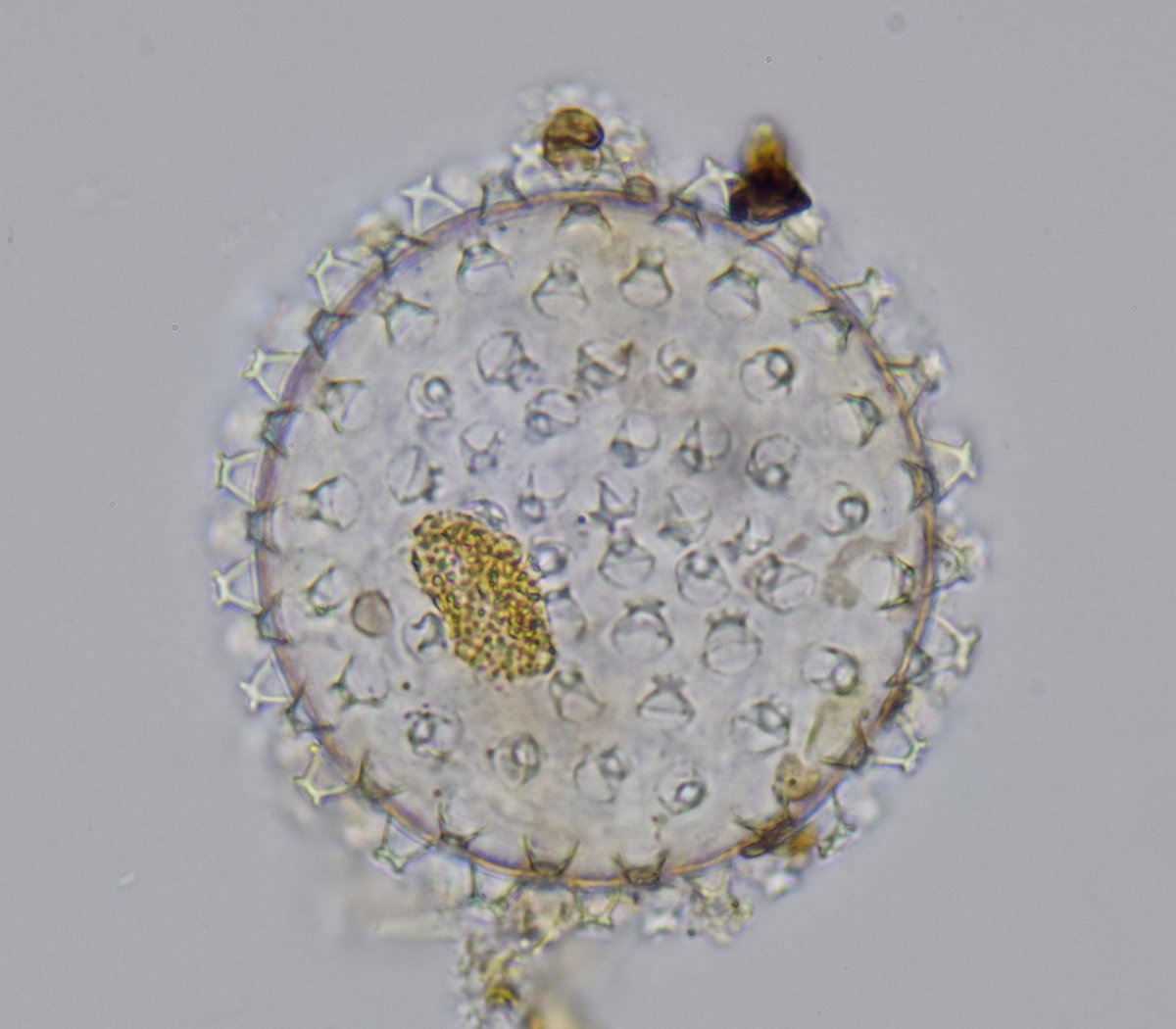
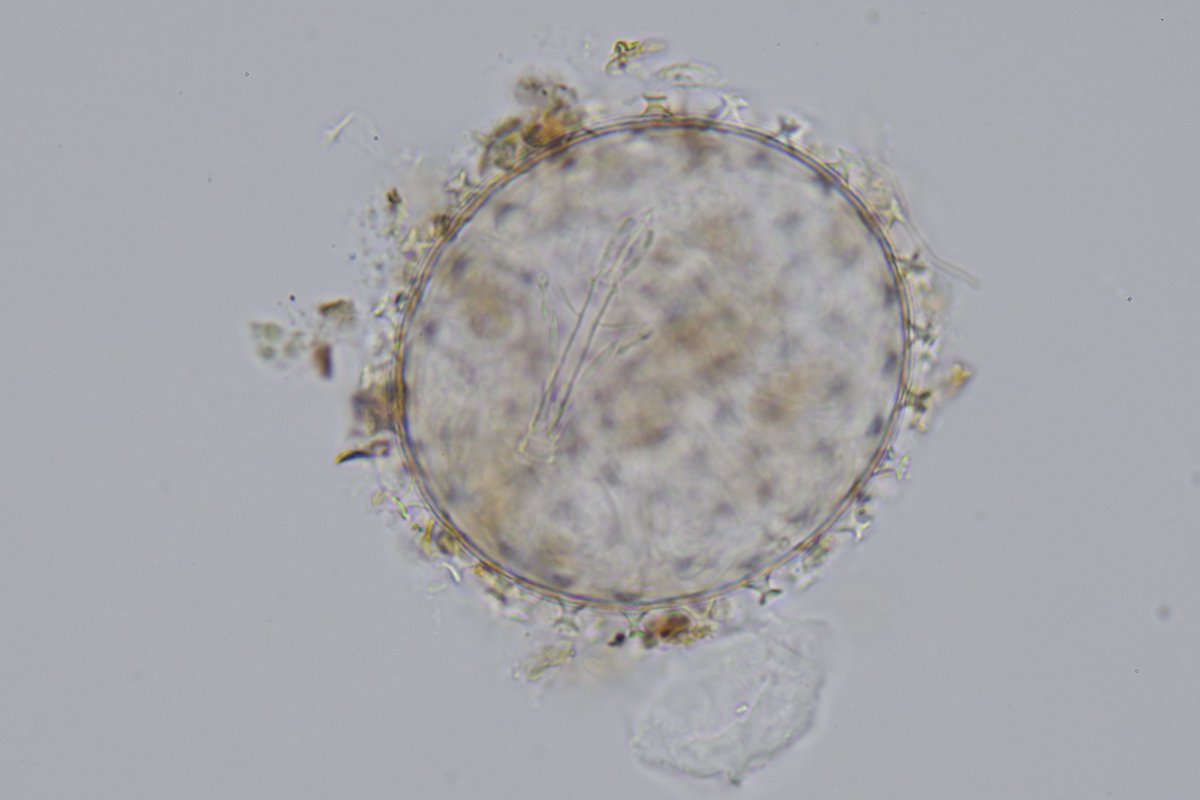
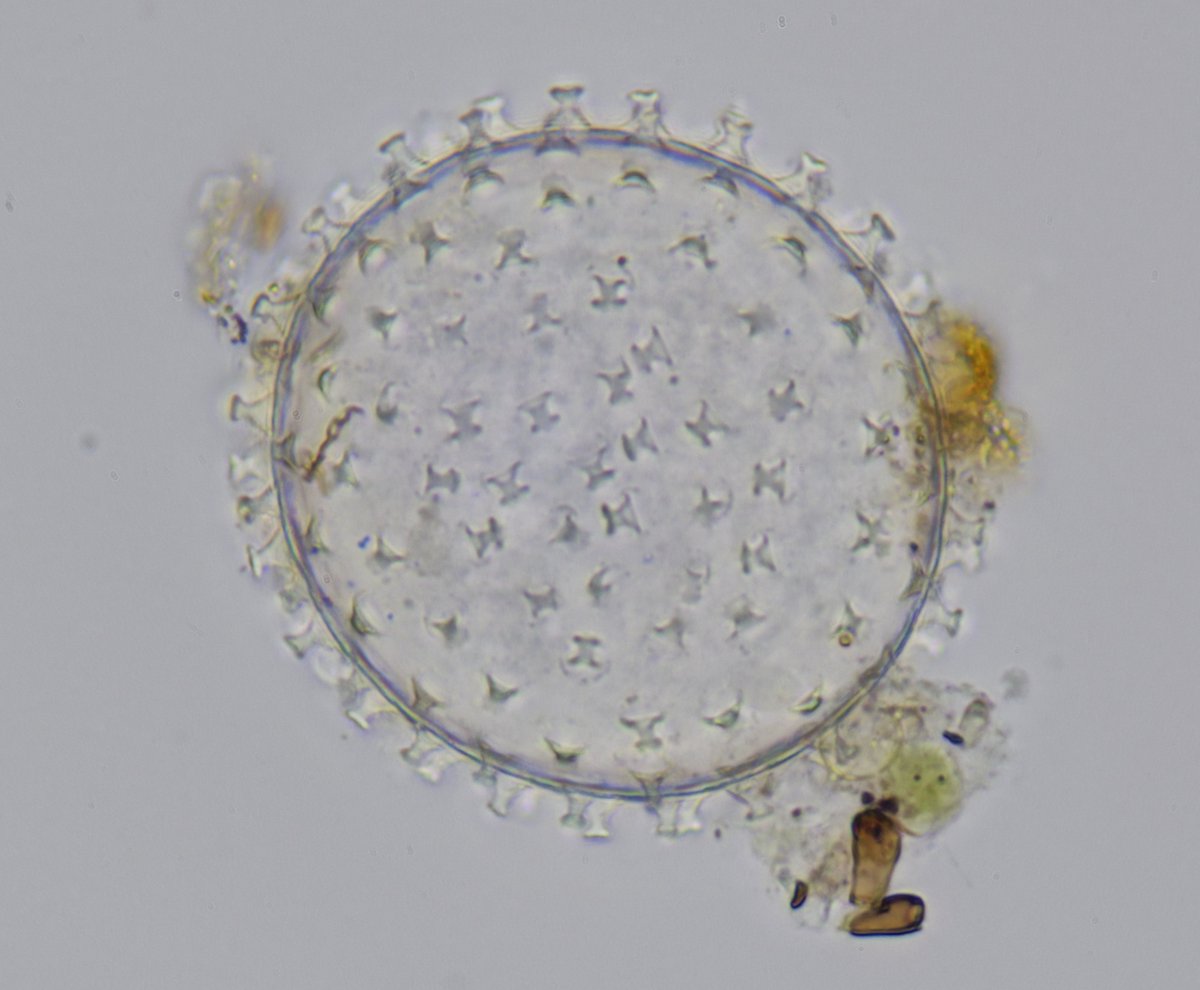
@madjanev @BertB61027155 I'm not an expert with macrobiotids, but I think that these mushroom-like processes indicate the hufelandi group
English
1
0
2
29
Jane Thomas
Jane Thomas@JaneVThomas·
After finding my odd Macrobiotus hufelandi, also from my Oak tree moss, I looked for eggs, and these are what I found. Egg diameter 73um, with processes 81um. So, what have I got @BertB61027155 ? I'm not convinced it's hufelandi... @KWalach_
Jane Thomas tweet mediaJane Thomas tweet mediaJane Thomas tweet mediaJane Thomas tweet media
English
1
0
7
394
Jane Thomas
Jane Thomas@JaneVThomas·
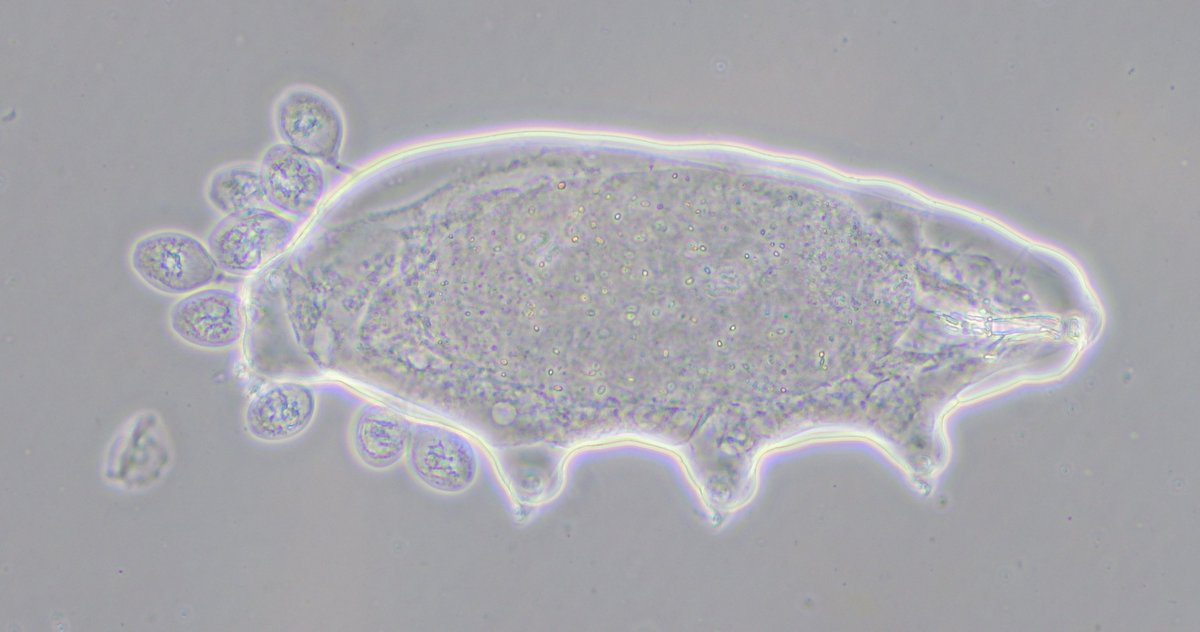
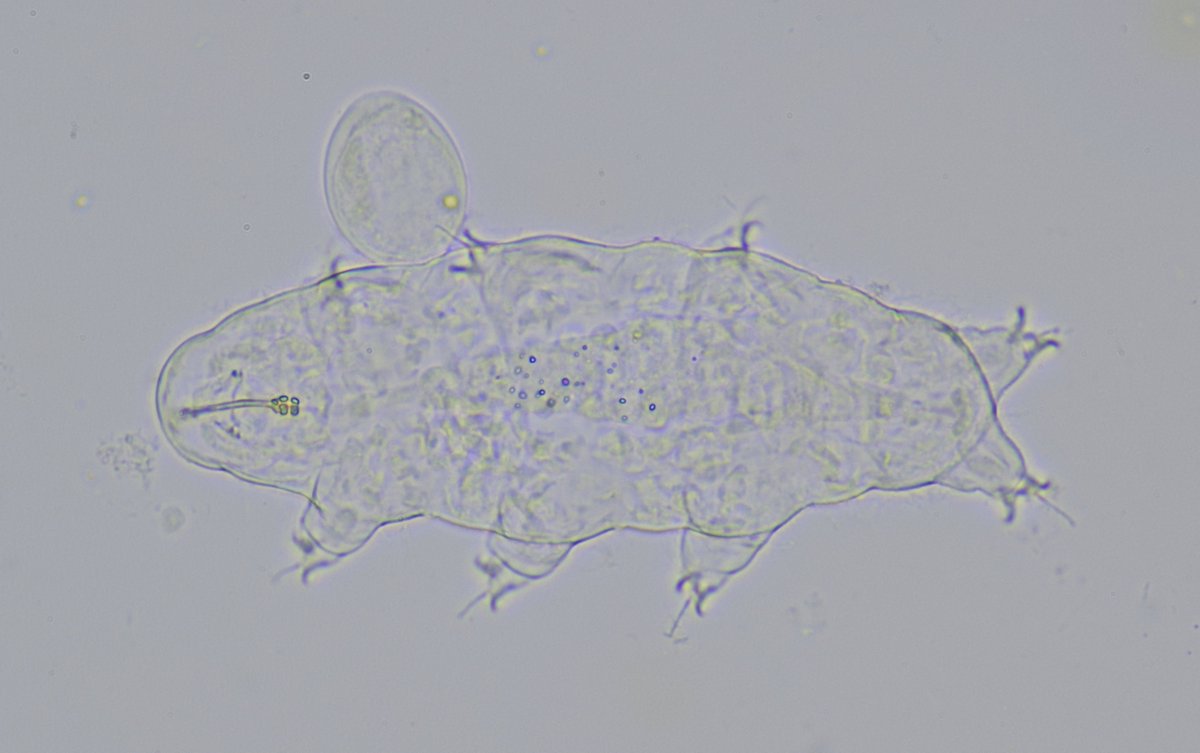
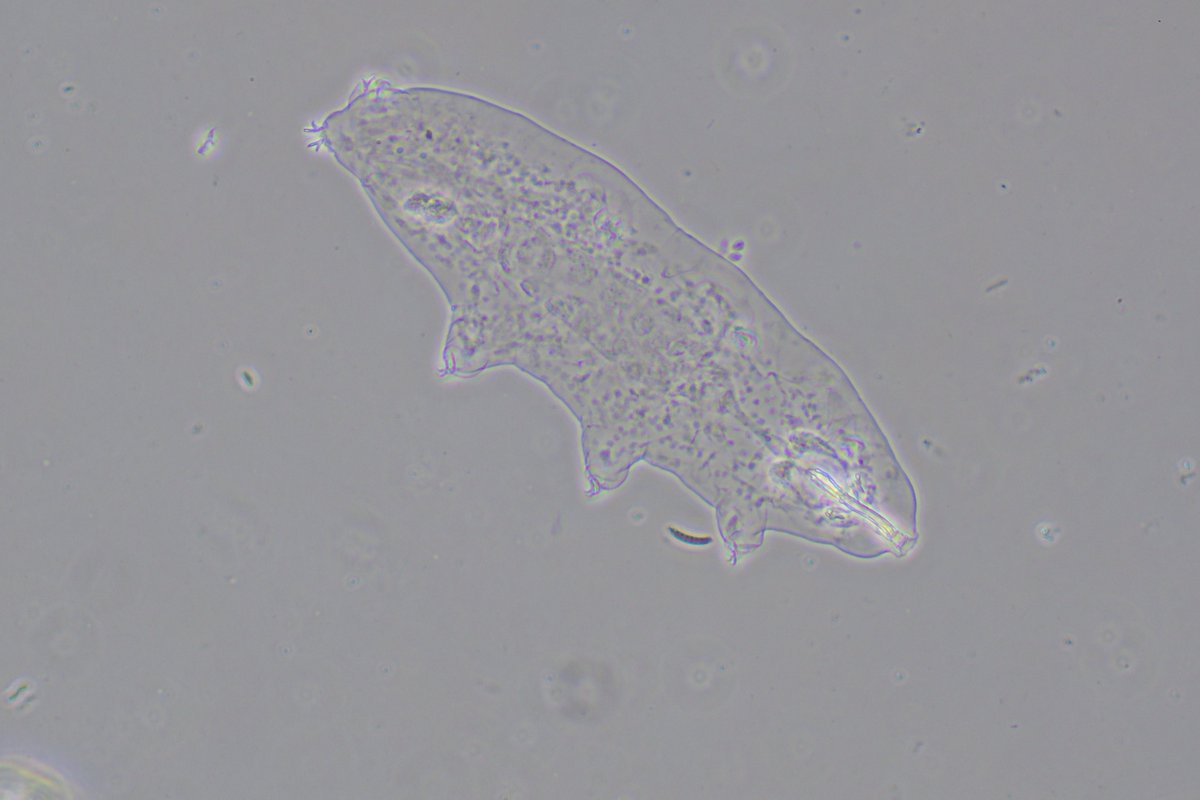
And my final tardigrade post for tonight, I picked up a promising looking licheny twig on Wednesday, and was very pleased to find it housed 5 different species of tardigrade - and a lot of them were carrying the ciliate Propyxidium tardigradum! @BertB61027155 @KWalach_
Jane Thomas tweet mediaJane Thomas tweet mediaJane Thomas tweet mediaJane Thomas tweet media
English
2
1
24
631
Brian Blagden
Brian Blagden@BertB61027155·
@KWalach_ @madjanev Hi Karol, actually, I'm not entirely sure. I had something similar with one of my specimens that resolved itself as the slide dried and when viewed under different lighting conditions. Perhaps a structural aberration? Have you come across anything like this?
English
2
0
3
16
Jane Thomas
Jane Thomas@JaneVThomas·
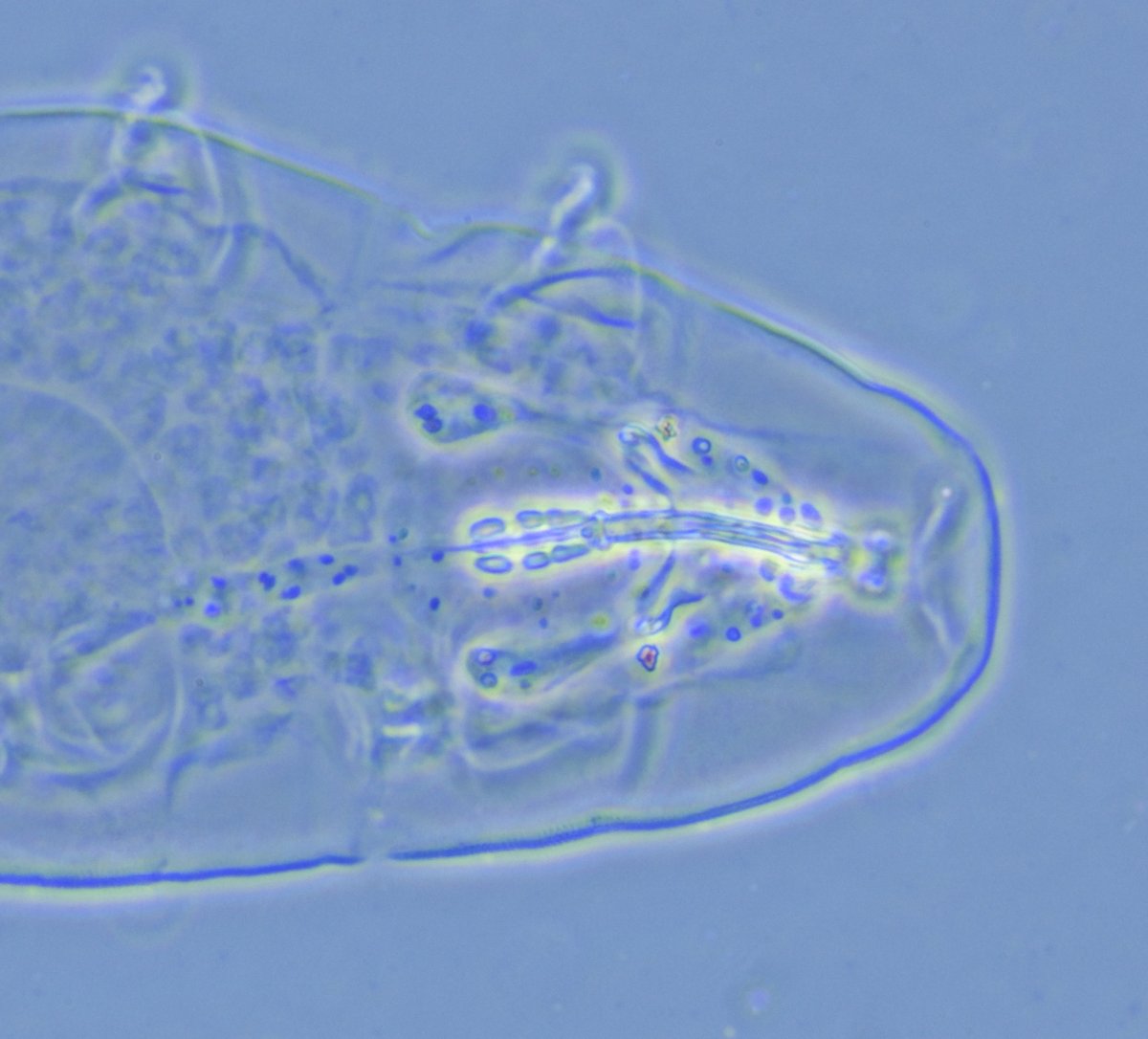
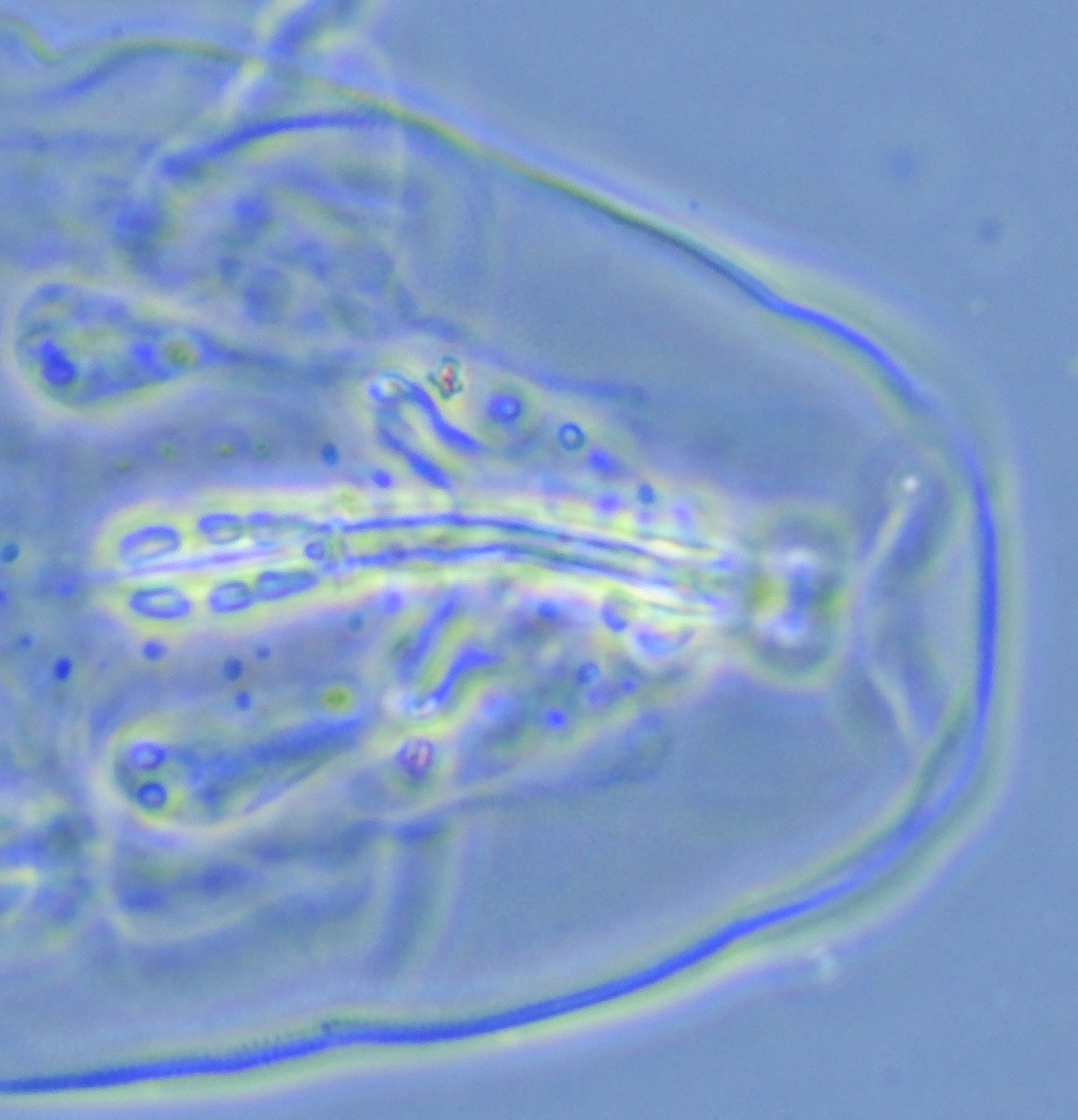
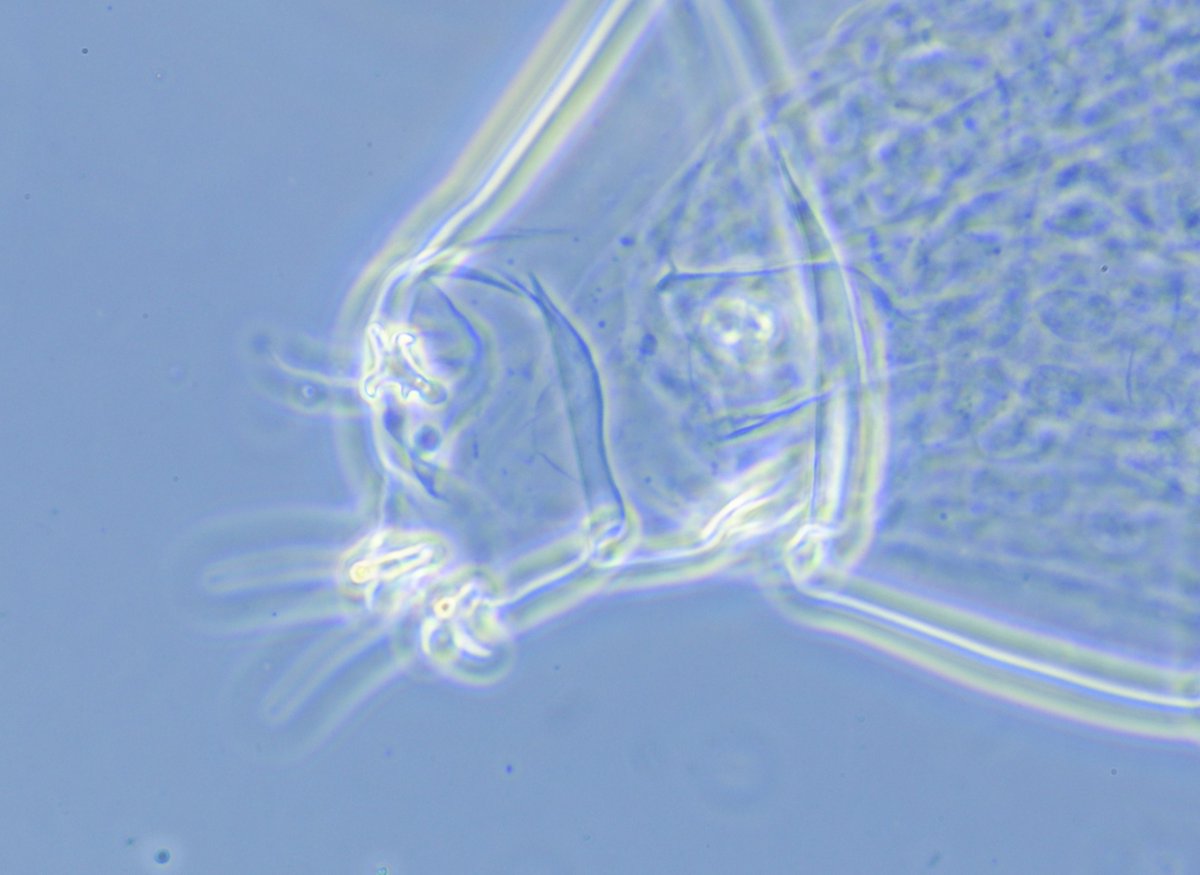
I'm not sure what I've got here @BertB61027155 ... This was in my re-extracted Oak tree moss sample, where I found Macrobiotus hufelandi (amongst others including lots of Milnesium), but I've not seen macro/micro placoids quite like these before - any ideas?
Jane Thomas tweet mediaJane Thomas tweet mediaJane Thomas tweet mediaJane Thomas tweet media
English
1
0
5
239
Karol Wałach
Karol Wałach@KWalach_·
@BertB61027155 @madjanev Are you sure that it is the connective tissue that makes the macroplacoids visible as 1? Hoyer's medium dissolves these kinds of tissues and highlights the sclerotized parts, which in this case seem to be fused
English
1
0
2
20
Brian Blagden
Brian Blagden@BertB61027155·
@madjanev Very nice. This is one of the M. hufelandi grp. species. Connective tissue makes it look as though there is only 1 very long macroplacoid (rather than 2, the 1st with constriction) & a long thin microplacoid that is joined directly to the 2nd macroplacoid. Did you find any eggs?
English
2
0
1
29