Lisardo A Bolaños F

7.4K posts

Lisardo A Bolaños F

Lisardo A Bolaños F

@Lisardoabf

PhD @ScharSchool MPP @UMDPublicPolicy Economic Development. Fulbright 09-11.

Guatemala Katılım Mayıs 2009
2.1K Takip Edilen2.6K Takipçiler
Sabitlenmiş Tweet
Lisardo A Bolaños F
Lisardo A Bolaños F@Lisardoabf·
Necesitamos modernizar el INGUAT. Desde hace tres décadas, el INGUAT es visto más como una agencia de promoción que como un articulador de desarrollo y este es un problema para todos. Guatemala se encuentra en una encrucijada decisiva. Pese a su vasta riqueza natural, histórica y cultural, el país ha estado ausente de la conversación regional sobre liderazgo turístico. Mientras vecinos como República Dominicana y Panamá superan los USD 7 mil millones en ingresos turísticos anuales, Guatemala apenas supera los USD 1.2 mil millones. No se trata de una carencia de atractivos, sino de una institucionalidad anacrónica, incapaz de coordinar, innovar y transformar el potencial en prosperidad. republica.com/columna-de-opi…
Español

11
7
32
4.7K
Lisardo A Bolaños F retweetledi
Anish Moonka
Anish Moonka@anishmoonka·
Spain just lost a tax fight with Shakira so badly that the court is making the tax agency refund her €60 million AND pay her entire legal bill. That second part is the unusual one. Spanish courts almost never punish their own tax agency. The case came down to one number Spain could never prove: how many days Shakira actually lived in the country in 2011. To be taxed in Spain on money you earn anywhere in the world, you have to be there more than 183 days a year. That's the law. The tax agency tried for years to prove Shakira crossed that line. Even with every record they could find, they could only reach 163 days. Her own records put the number at 143. She spent most of 2011 on tour. 120 concerts in 37 countries. She didn't own a home in Spain, and her business wasn't headquartered there either. The agency's whole case rested on the fact that she was dating a Barcelona soccer player at the time. The original tax bill Spain handed her was €55 million. About half was the tax claim itself. The other half was a fine for not paying it. So Spain was demanding €27 million in tax, plus €27 million in punishment for not paying the €27 million they couldn't prove she owed. Today's ruling wiped all of that out. The court ordered a €60 million refund with interest. Then it ordered the tax agency to cover her entire legal bill from its own budget. It's the kind of penalty Spanish courts rarely impose. They only use it when they think the agency had no business bringing the case in the first place. Spain has done this to other wealthy foreigners before. Lionel Messi was convicted in 2016 of dodging €4.1 million in taxes. Cristiano Ronaldo settled in 2019 for €18.8 million. Shakira herself has paid Spain twice already in other cases: €7.3 million in 2023 to avoid a separate trial, and another €6.6 million in 2024 for a different one. The pattern with rich foreigners has been the same every time: pursue, assess, fine. Shakira pointed something out in her own statement. She had the resources to fight Spain for 8 years. Most people in her position don't. They settle in year one because they can't afford a decade of legal bills against the government. Spain can technically still appeal to the Supreme Court in the next 30 days. Tax lawyers say they almost certainly won't. The ruling is too solid.
EL MUNDO@elmundoes

#ÚltimaHora🔴 Shakira queda absuelta de fraude fiscal y Hacienda tendrá que devolverle 60 millones de euros más intereses #Echobox=1779092419" target="_blank" rel="nofollow noopener">elmundo.es/economia/diner…

English
73
1.2K
7K
972.3K
Lisardo A Bolaños F
Lisardo A Bolaños F@Lisardoabf·
Mientras tanto en Guatemala, la mentalidad de muchos es que el Gobierno debe ser mediocre. Muchos no saben cómo gestionar un país para su desarrollo.
Luis Garicano 🇪🇺🇺🇦@lugaricano

Countries get the cabinets they pay for. Singapore pays its Foreign Minister about S$1.1m, around US$800,000. The salary is benchmarked to 60% of the median income of the top 1,000 Singaporean earners. That is why you can get Vivian Balakrishnan, former eye surgeon and hospital chief executive, implementing @karpathy's external brain idea (link below). The speech shows deep understanding of AI and fills one with confidence about Singapore's future. The UK Foreign Secretary earns roughly £165,000: the MP salary plus a ministerial salary of about £67,000. The ministerial part is frozen since the crisis and is down by roughly a third in real terms since 2010. This is what a junior Magic Circle lawyer earns. Spain pays its ministers around €85,000. So you do not get a surgeon who has run hospitals. You get a party loyalist who has never run anything.

Guatemala 🇬🇹 Español
0
0
6
217
Lisardo A Bolaños F retweetledi
César A. Hidalgo
César A. Hidalgo@cesifoti·
Europe is one of the best places in the world to live, but one of the hardest places to build and scale a company. After 5+ years in France, following 16+ in the US, I have a conflicted admiration for Europe. On the one hand, Europe has great potential. When I lived in the US, I was skeptical of the European quality-of-life argument. But after getting used to Sunday morning markets, walkable cities, and 4.5 meter ceilings, I get it. There are things that you simply cannot import or experience as a tourist. These things can make Europe very attractive for creative and intellectual work. I honestly believe some parts of Europe are the “best neighborhood” in the planet. But that’s not the full story. I am not only a husband and a dad. I am also an entrepreneur. I founded a company in the US 12+ years ago that has offices in the US and Chile and clients throughout the world. I live in France, yet I have not opened a subsidiary here. That is telling. We once hired someone in France through one of those remote employment platforms. The person received about 5,000 euros net per month, which is considered a very good salary here. But the total cost to the company was closer to 13,000 per month. That makes hiring feel less like a relationship between a company and a worker, and more like renting someone from the state. At the same time, you take an enormous amount of legal and administrative responsibility. The presumption is that all companies should operate like a 1960s car manufacturer. The response is simple. Don’t set up operations in Europe. But this is not a remote-work story. I know many small entrepreneurs in France who do not want to cross the threshold from being a one-person activity to becoming an employer. They sometimes refuse a new customer to stay small and avoid the obligations that come with hiring one person. That should worry us. Many social protections here are described as being provided by the state, but in practice, a lot of the cost and complexity of the implementation falls on the administrative shoulders of entrepreneurs. That is reasonable for a large energy company or bank. But for a small business, it is the difference between an entrepreneur waking up on a Monday to think about product or paperwork. Growth is not the enemy of the European social model. It is what enabled it. Much of the quality of life we enjoy here today dates back to growth incubated in the past. Growth that is increasingly hard to find. France once led frontier industries, like bicycles in the 1860s, cinema in the 1890s, and aviation and automobiles soon after. Since then, Europe built a more humane social model. But that model was built on the assumption that Europe and the US were the only two rich and industrialized places in the world. That is no longer true. Global competition in the 21st century is not what it used to be 50 years ago, and the padding built to protect us, may have grown into the handbrake that constrains the growth of the small and flexible firms we need to compete in new frontier sectors. We should be able to be critical about Europe in our own terms, without comparing ourselves to the US or China. Innovative parts of Europe, like Sweden or Switzerland, operate differently and provide clues. Sweden has embraced a dynamic of capitalization in its pension system for a long time in a continent where fewer people buy stocks. Switzerland, a place that shares an enormous amount of geography and culture with its neighbors, is built in part on strong internal competition among its cantons. But neither can light a candle to a French open-air market on a Sunday morning. A market where cash is king, and for a reason. Europe may be the best place in the world to live. But it is also one of the most challenging places to build and scale an innovative activity. The goal is not to weaken the European model. But to get to a place where we can lead again by example. The world will follow us, but only if we are ahead.
César A. Hidalgo tweet media
English
79
170
1K
139.8K
Lisardo A Bolaños F retweetledi
산토리비루(サントリービール)
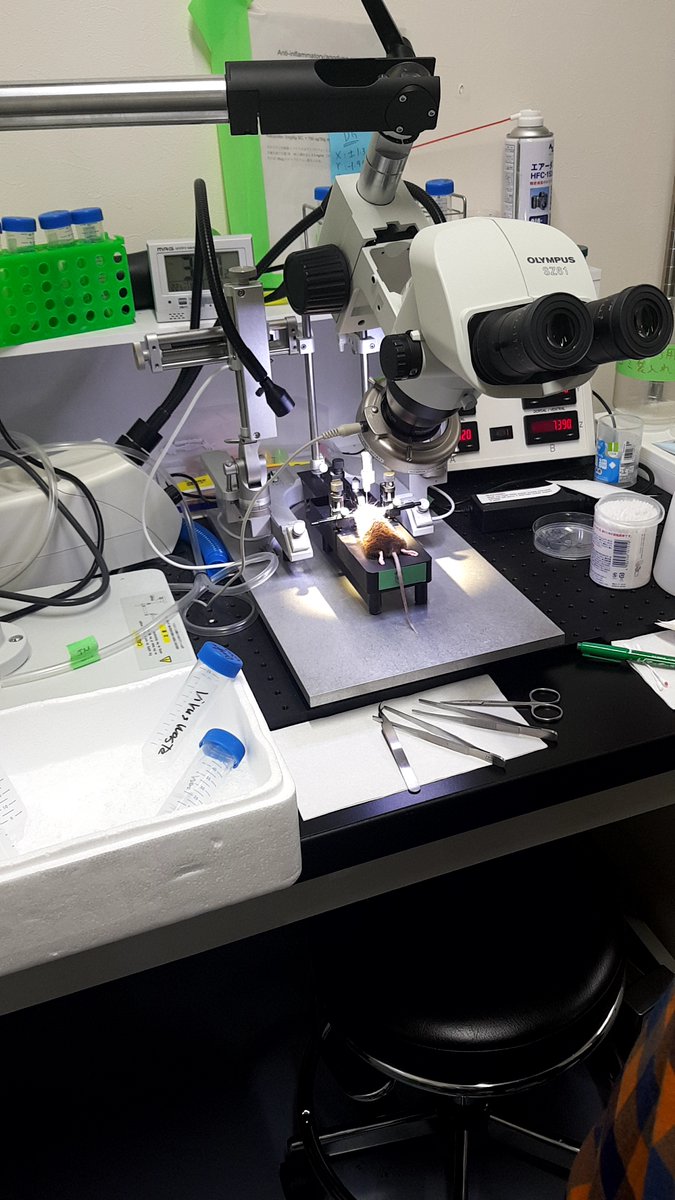
나는 한국에서 회사생활을 하다가 Kyoto University 박사학위를 했다. 회사에서는 최신의 장비와 자동화된 시스템을 이용해 연구를 진행했는데, 막상 일본에 오니 대부분 낡고 오래된 실험도구와 전통적인 방법으로 실험을 진행하고 있어서 처음에는 꽤 놀랐다. 확실히 한국 대학이나 기업 연구소와 비교하면 시설이나 장비 환경은 부족하게 느껴지는 경우가 많았다. 그럼에도 불구하고 일본 연구실들이 Nature, Cell Press, Science 같은 세계적인 저널에 꾸준히 연구 결과를 발표하는 것을 보며 굉장히 인상 깊었다. 일본 연구실은 최신 장비를 빠르게 도입하는 것보다, 이미 검증된 실험법을 오랫동안 다듬고 재현성과 데이터의 완성도를 극한까지 끌어올리는 문화가 강했다. 연구 아이디어와 논리적인 메커니즘 해석, 그리고 한 가지 주제를 오랜 시간 깊게 파고드는 집요함이 좋은 성과로 이어진다는걸 깨달았다. 한국은 변화에 빠르게 적응하는 편이고, 일본은 새로운 방식보다 기존의 방법을 꾸준히 유지하려는 경향이 있는데, 이런 문화적 차이가 연구 방식에도 반영되는 것 같다.
산토리비루(サントリービール) tweet media산토리비루(サントリービール) tweet media산토리비루(サントリービール) tweet media
한국어
63
730
3.8K
747.3K
Lisardo A Bolaños F retweetledi
Arvind Subramanian
Arvind Subramanian@arvindsubraman·
A new @PIIE paper by @shoumitro_c & me on the “China Squeeze” on poor countries: piie.com/publications/w… Puzzle: not why China is so competitive in EVs, solar panels, batteries & hi-tech. goods (China Shock 2.0) but why it continues to dominate low skill exports 1/
Arvind Subramanian tweet media
English
11
104
279
46.1K
Lisardo A Bolaños F retweetledi
Jesús Fernández-Villaverde
Jesús Fernández-Villaverde@JesusFerna7026·
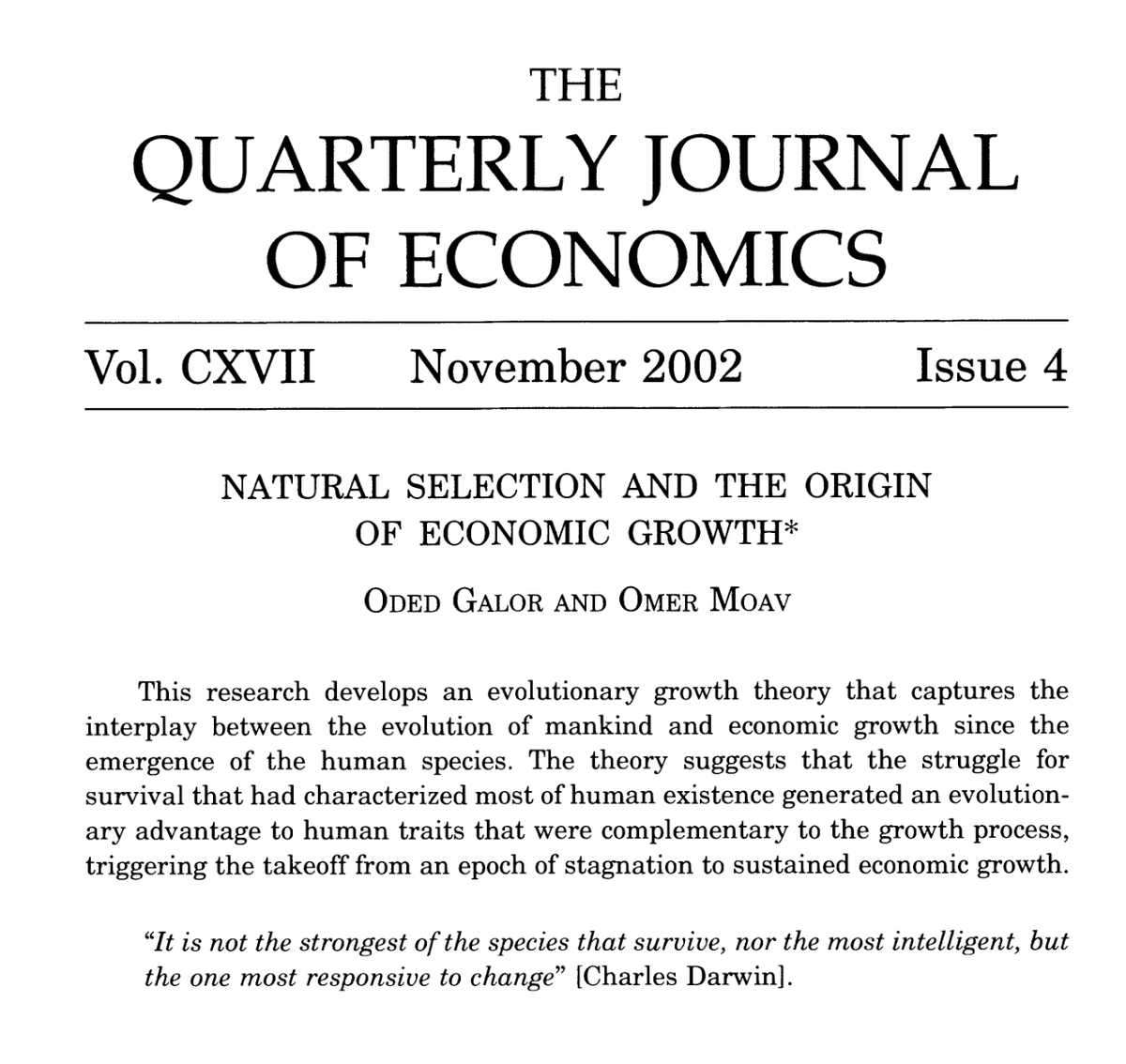
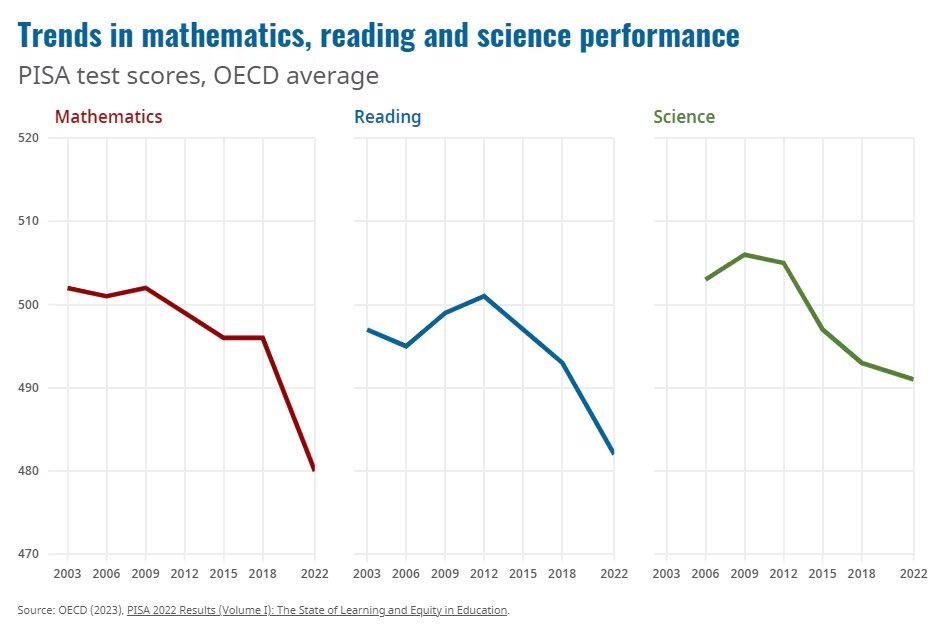
Last night I listened to David Reich’s interview with @dwarkesh_sp on his new Nature paper, “Ancient DNA reveals pervasive directional selection across West Eurasia.” dwarkesh.com/p/david-reich-2 Reich and his team present a method for detecting directional selection in ancient DNA time series, testing for consistent trends in allele frequency over time. They find that hundreds of alleles have been under strong directional selection, including alleles correlated with measures of cognitive performance. I have followed David Reich’s work for over a decade now and cite him in my economic history courses all the time. Nothing has changed my view of ancient history as much as his research, and the research his methods have triggered. His findings also bear directly on another line of work, “Natural Selection and the Origin of Economic Growth” by @GalorOded and @Omer_Moav at the Quarterly Journal of Economics, which proposes a similar mechanism. Reich’s results give a serious empirical boost to Galor and Moav's research agenda. Reich returns several times in the interview to behavior related to what economists call the discount rate (without using such a term). The evidence suggests that humans began discounting the future less with the advent of agriculture, because directional selection favored patience. I’ve long thought modern schooling serves this same function, training people to defer immediate rewards for long-term gains, and that such training is the most valuable trait one can have in daily life. Contrary to the Foucaults and Freires of the world, that schools are boring is a feature, not a bug. I don’t expect anyone at the schools of education to get this.
Jesús Fernández-Villaverde tweet media
English
24
150
718
78.9K
Lisardo A Bolaños F retweetledi
Sonny Bobiche
Sonny Bobiche@SonnyBobiche·
The real reason that he was executed was not that he was a tax collector but that Jan Paul Marat had a personal vendetta against him. Marat had once visited Lavoisier to convince him of a pseudoscientific idea that Marat had. Lavoisier was upset and kicked him out, telling him not to bother him with stupidities. When Marat became one of the leaders of the Revolution and signing death warrants by the trunk full, he made certain to include Lavoisier.
English
27
50
787
36.3K
Lisardo A Bolaños F retweetledi
Fermat's Library
Fermat's Library@fermatslibrary·
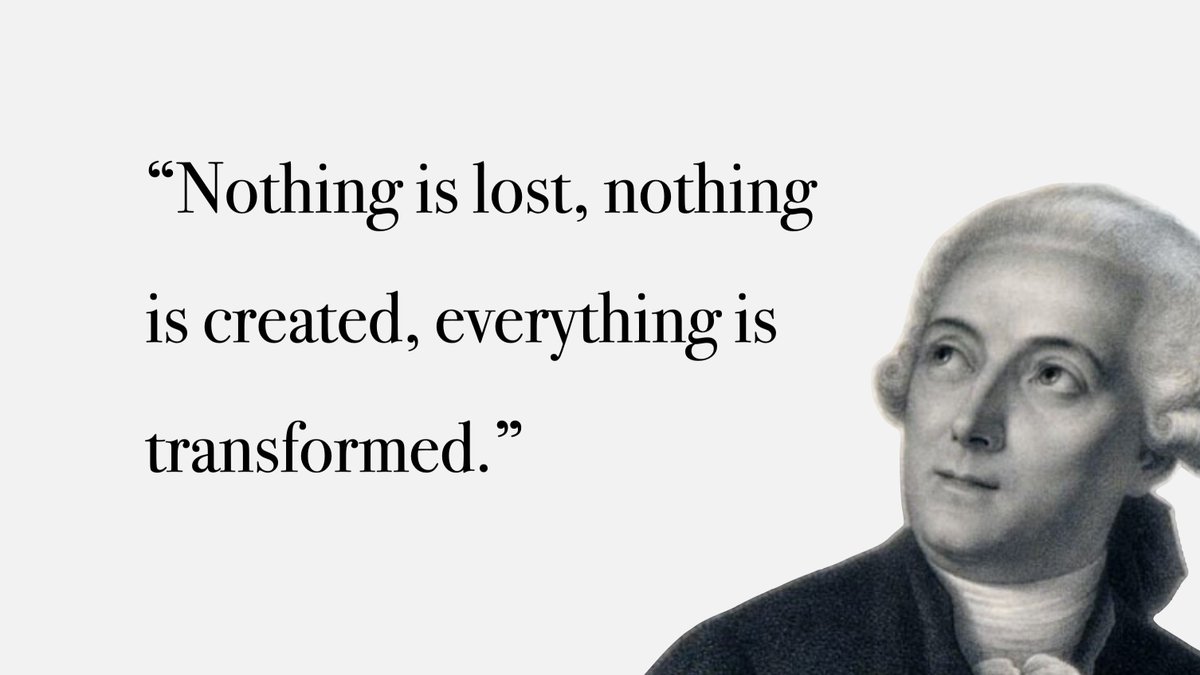
On this day in 1794 the French Republic guillotined Antoine Lavoisier. He had named oxygen, formulated the law of conservation of mass and founded modern chemistry. Appeals were rejected with the line "the Republic has no need of scientists." The next day Lagrange said: "It took only a moment to cause this head to fall, and a hundred years will not suffice to produce its like."
Fermat's Library tweet media
English
165
1.6K
8.1K
520.5K
Lisardo A Bolaños F retweetledi
Dead Wrong History
Dead Wrong History@deadwronghist·
In 1975, Buckley asked Kissinger why he gave Nixon Spengler's Decline of the West to read. Kissinger's answer was about why statesmen who focus on day-to-day events are always looking at the wrong thing.
English
20
100
564
67.7K
Lisardo A Bolaños F retweetledi
Andrew Côté
Andrew Côté@Andercot·
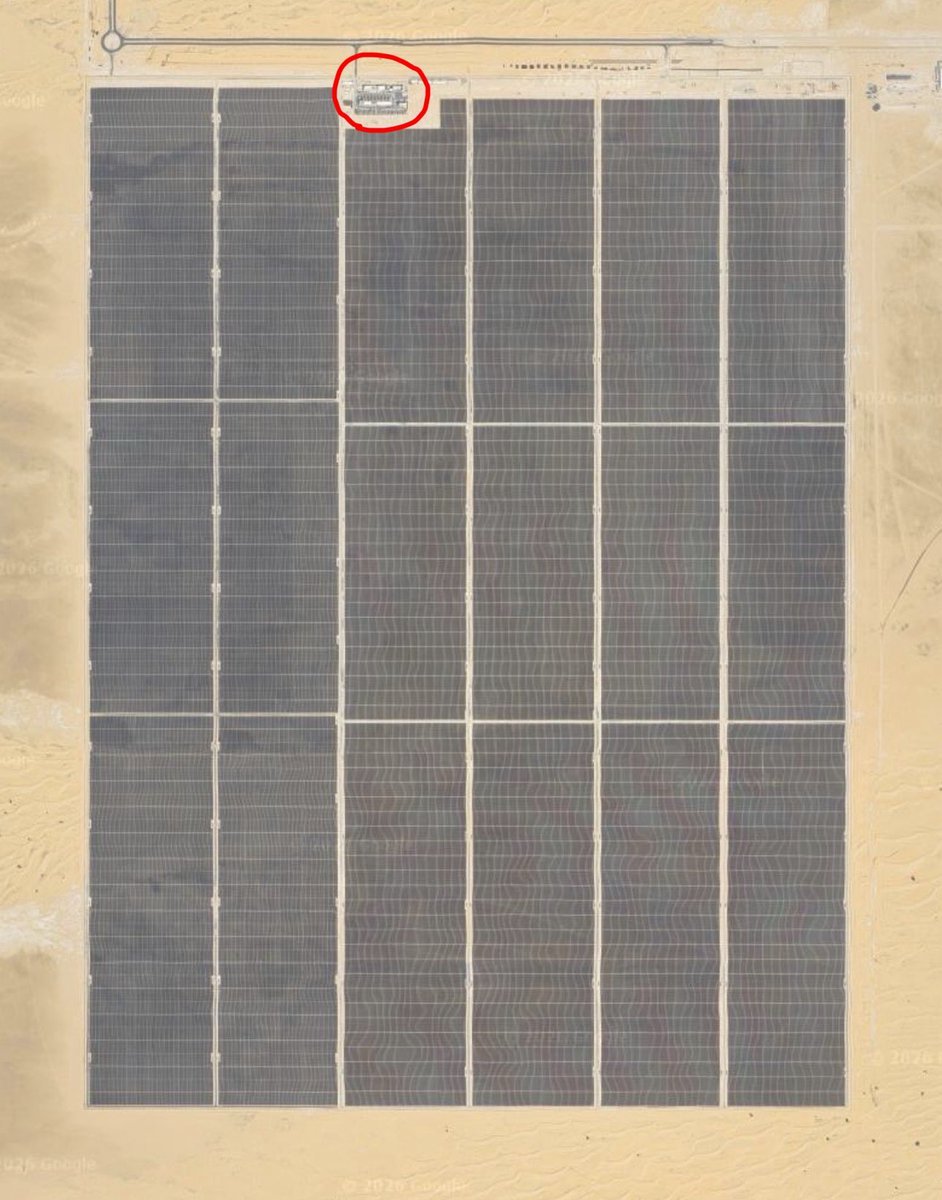
This is the footprint ratio of data center to solar panels in the sunniest country in the world. Yeah, I think we're gonna have to go nuclear.
Andrew Côté tweet media
Object Zero@Object_Zero_

This 100MW data center in UAE is the largest solar powered datacenter in the world. There are currently 1,300 data centers in the world that are bigger than this one, but this one is the largest solar powered one. That’s 10 square kilometres of solar panels you can see. The datacenter itself is 0.02 square kilometres, so a solar powered datacenter is ~500x larger than a data center using any other form of power. A five hundred times larger site. UAE has some of the highest solar irradiance anywhere on Earth, it is an inhospitable desert. Averaging 9.7 hours of sunlight per day with average irradiance above 2,200 kWh/m^2. If you build this somewhere else, you need more solar panels because your irradiance will almost certainly be lower. Even if the world had an infinite supply of free solar panels, solar power will not be free. Anyone who has ever done major capital projects, who looks at where data centers need to be in the next 5 years and the next 10 years… we know it aint solar. Sorry. You struggle to even build a train track that’s 100 miles long and 10ft wide anywhere in the West, there is zero chance of build 100 square mile solar farms for GW compute. This is why people are talking about space compute. Deploying into space is one strategy to solve the constraints. But there are faster and more scalable strategies, that get you to mass deployment of multi GW data centers. There are strategies that also allow you to power the 10 billion robots and their newtonian actuators, that immediately follow the inference demand cycle. Step back and look at the full cycle of this industrial revolution… There will be billions of chips, but there will be trillions of actuators. This biggest part of this revolution is the embodiment cycle, and it’s big by a factor of 20 or 50x over the stuff that comes before it. There is no analogy in human history for the scale of this economy, of the demand it will place on energy and commodities. The humans own the Earth, and if you exist inside their legal system, they won’t let you turn the surface of their planet into glass. But they do want your chips and your actuators to serve their needs and desires. There is a way to do all of this, and so it will happen.

English
535
1K
8.8K
1.6M
Lisardo A Bolaños F retweetledi
Jesús Fernández-Villaverde
Jesús Fernández-Villaverde@JesusFerna7026·
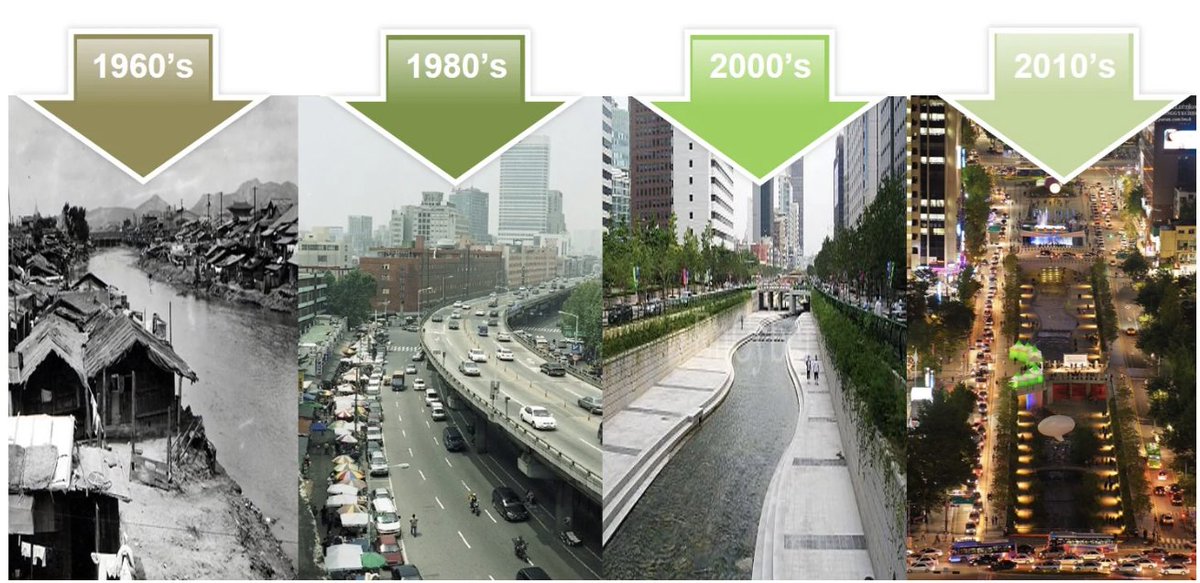
A fundamental lesson from my posts these last two weeks on modernization, industrial policy, and development is that development economics should be about understanding why South Korea got rich but Bolivia did not. The current field has largely given up on that question. Sharply identified RCTs on small micro programs are a fine way to publish in the AER and get tenure at a fancy university, but a profession that knows everything about microfinance impact evaluations and almost nothing about industrialization has misallocated its own intellectual capital on a pretty heroic scale. Four images of Seoul:
Jesús Fernández-Villaverde tweet media
English
77
317
1.8K
587.5K
Lisardo A Bolaños F retweetledi
Steve Stewart-Williams
Steve Stewart-Williams@SteveStuWill·
A Billion Years of Plate Tectonics This incredible animation compresses a billion years of plate tectonics into just 40 seconds. We tend to think of land masses as stable - but they’re in constant motion. They just move a lot more slowly than us. stevestewartwilliams.com/p/echolocation…
English
8
129
428
33.1K
Lisardo A Bolaños F retweetledi
N.
N.@Nlacombe_·
we measure birth rates and inflation but we don’t measure the one thing that built every civilization: human attention. in 2004, the average attention span on a screen was 150 seconds. today it’s 47. tiktok’s own internal research, cited in court, determined exactly how to addict a teenager: in 35 minutes. they admit that compulsive usage causes “loss of analytical skills, memory formation, contextual thinking, conversational depth, empathy”. Meta internal documents reveal the same: “our product exploits weaknesses in the human psychology.” fewer humans. weaker minds. the architects of the next century are being born in smaller numbers and arriving with less of what built every civilization before them birth rates collapse over generations. attention collapses by the second. this is the fastest civilizational decline in human history
N. tweet mediaN. tweet media
English
8
27
158
19.7K
Lisardo A Bolaños F retweetledi
Derek Thompson
Derek Thompson@DKThomp·
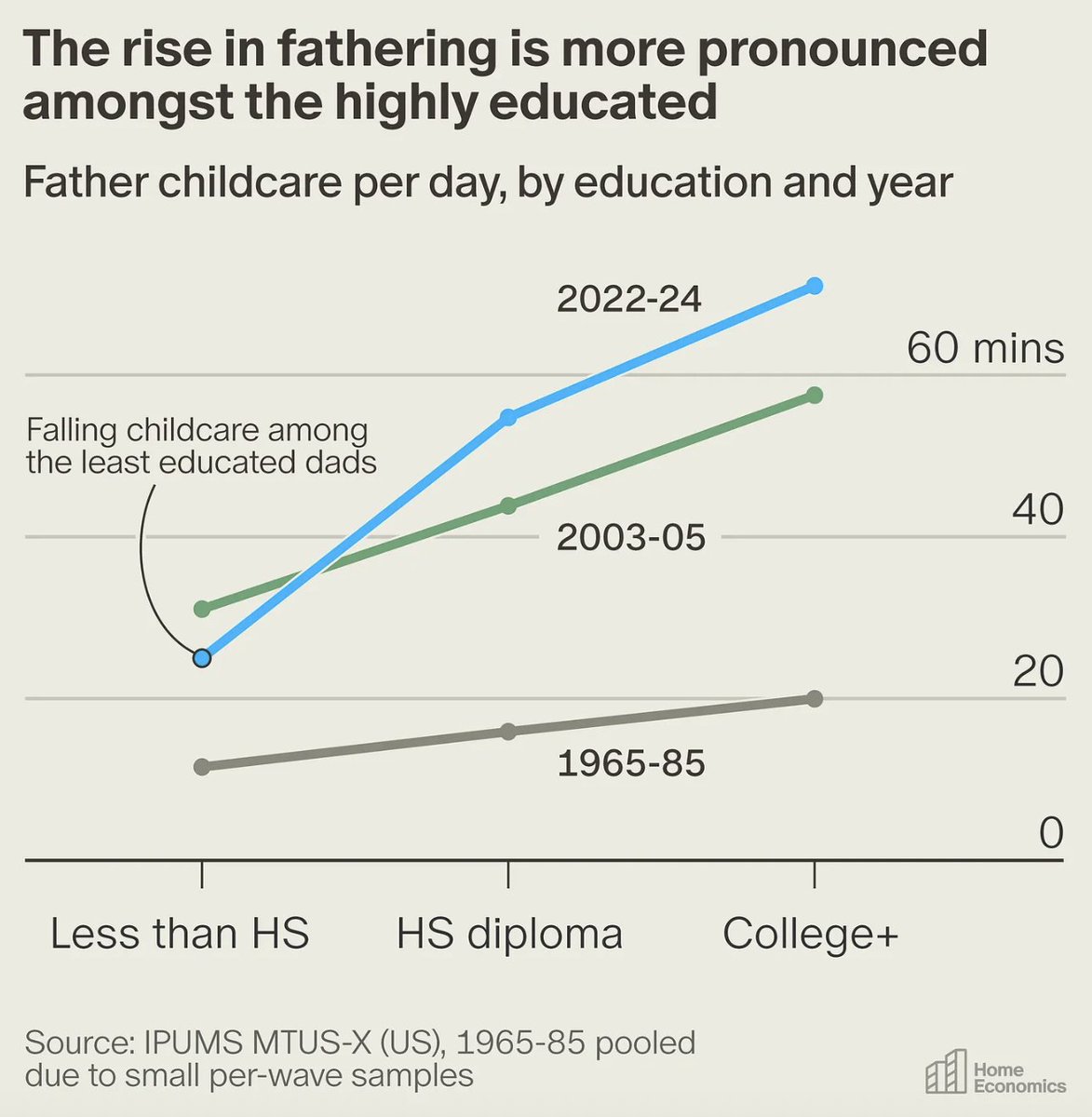
New newsletter: MODERN FATHERHOOD WOULD BE UNRECOGNIZABLE TO A 1950'S DAD Compared to their Boomer parents, childcare time among Millennial dads has more than doubled. Compared to their Silent Generation grandparents, it’s nearly quadrupled. You will be hard-pressed to find any part of day-to-day modern life that has changed more in the last half-century than the way today’s parents—and fathers, in particular—spend their time. The new American dad is more present and more exhausted—but also, more satisfied with life. What's behind this half-century transformation? Today's piece combines history, economic analysis, and gorgeous charts galore from @AzizSunderji
Derek Thompson tweet mediaDerek Thompson tweet mediaDerek Thompson tweet mediaDerek Thompson tweet media
English
197
844
6.8K
2.6M
Lisardo A Bolaños F retweetledi
Gaurab Chakrabarti
Gaurab Chakrabarti@Gaurab·
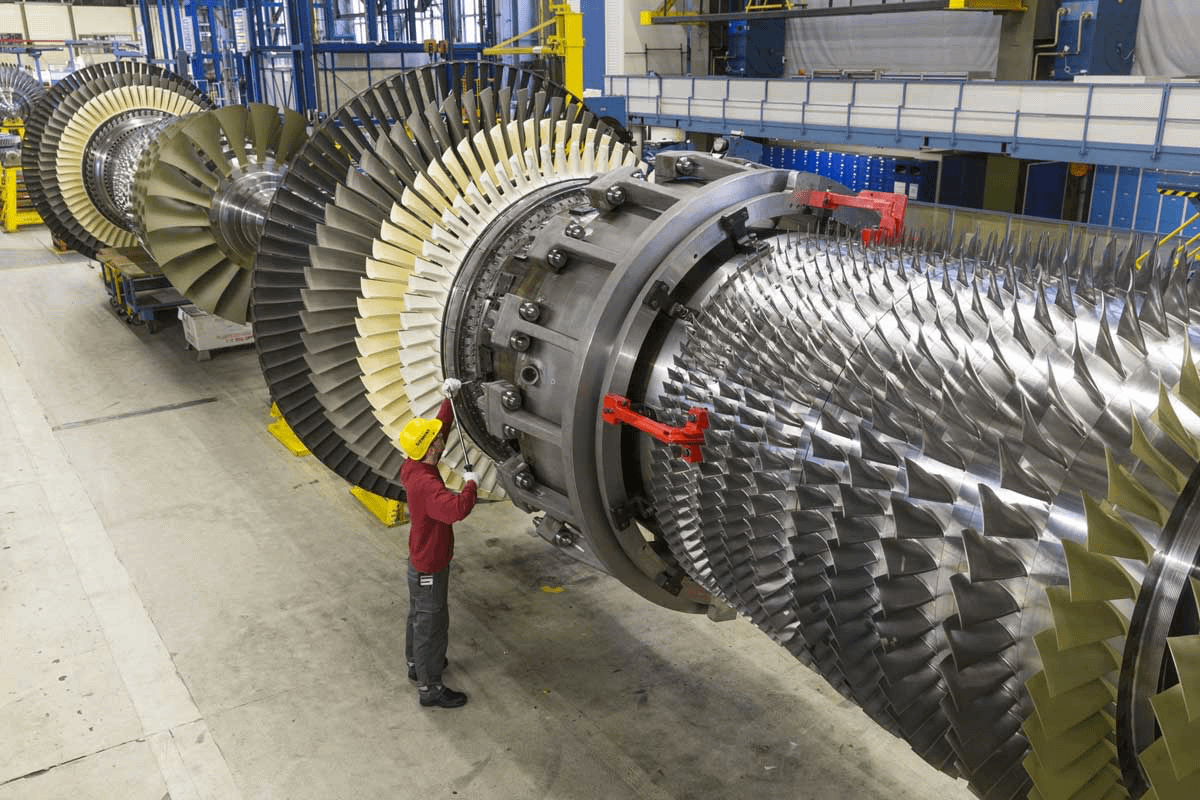
You cannot buy a new gas turbine until 2030. Order books at GE, Siemens, and Mitsubishi stretch to 2029. Turbine prices have nearly tripled since 2019. Every AI data center needs power and every gas plant needs a turbine. And every turbine has one part that bottlenecks the entire industry: The blade. It has to survive in gas 500°C above the melting point of the metal it's made from and spin at up to 20,000 RPM under 10,000 g of centrifugal force. Each blade is grown as a single crystal of nickel superalloy, pulled through a vacuum furnace at 3 mm per minute. A set of blades costs $600,000 and takes 90 weeks to grow. The same metallurgy powers modern jet engines. Only 3 companies on Earth can build one. China spent $42 billion trying to catch up. They bought a Russian fighter engine, took it apart, and copied every part. Their copy ran 30 hours between overhauls versus 400 for the original. Modern Western engines run 4,000. You can reverse engineer the shape of a turbine blade. You cannot reverse engineer 60 years of metallurgy.
Gaurab Chakrabarti tweet media
English
1.1K
5.9K
29.2K
4.1M