The MLOps community is an open and transparent community where all are welcome to participate. It is a place where MLOps practitioners can collaborate and share
The agentic ecosystem keeps growing. The MLOps community is joining Agentic AI Foundation, bringing experience in production AI systems, operations, and the practices needed to move agents from experiments into real world deployment.
Read more from our Executive Director Mazin Gilbert: aaif.io/blog/mlops-com…
There was also a pretty strong point around ownership: if AI writes the code, the human deploying it still owns the outcome. Feels obvious, but a lot of workflows right now are pretending review can be optional because “the agent handled it.”
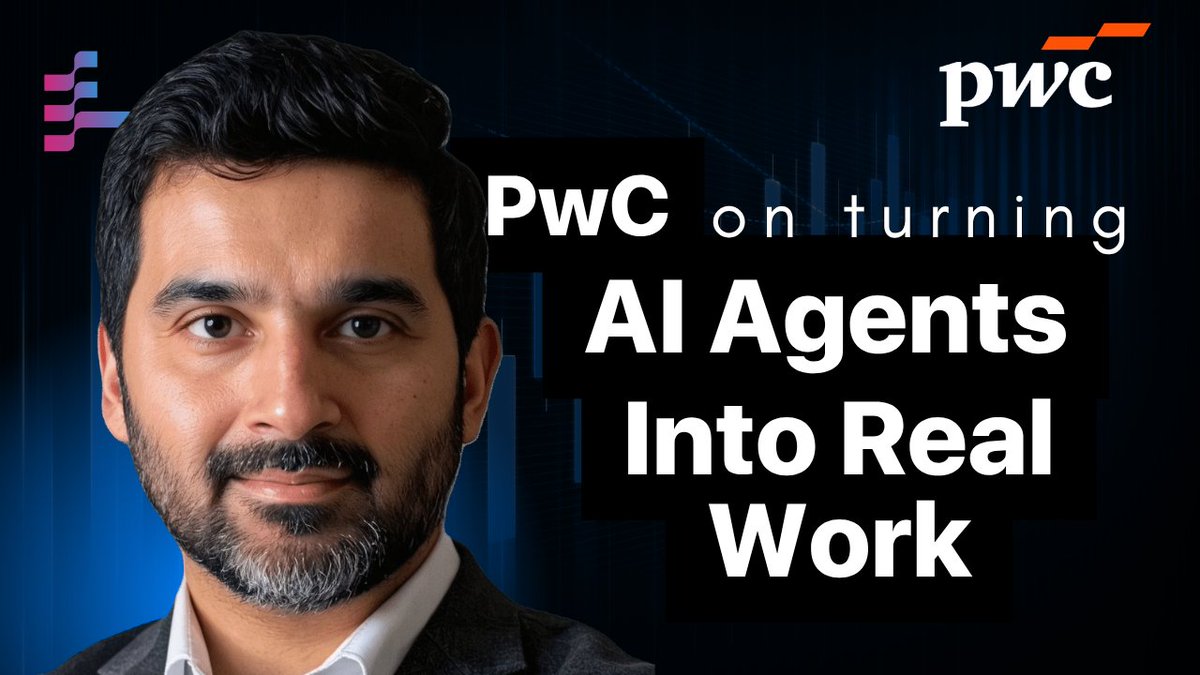
Spent some time listening to a conversation with Pramod Krishnan from @PwCUS about what happens when agents stop being chatbots and start touching production systems, credentials, tickets, inboxes, and customer workflows.
Everyone is talking about agentic AI.
Few have run it in production at scale.
President & COO Craig Tavares joins @mlopscommunity 5/27 to unpack modern agentic stacks, agent interoperability & lessons from our hackathon w/ @Bell, Mila, and KHP.
🔗home.mlops.community/public/events/…
Hey SF Bay Area! 👋
A lot of retrieval agents look like they’re working… until you inspect the traces.
The agent retrieves something “reasonable,” generates an answer, and quietly moves on — even when the retrieval step was weak or incomplete.
open.spotify.com/episode/32k745…
Would love to hear how others are thinking about this shift. A lot of the patterns Hamza described sounded very close to ML orchestration, even though the market is packaging it differently.
3⃣ The semantics debate was surprisingly useful. They spent time unpacking what durability can and cannot guarantee, especially around the external state. A lot of people seem to assume these systems can magically recover everything after failure, which is not really the case.
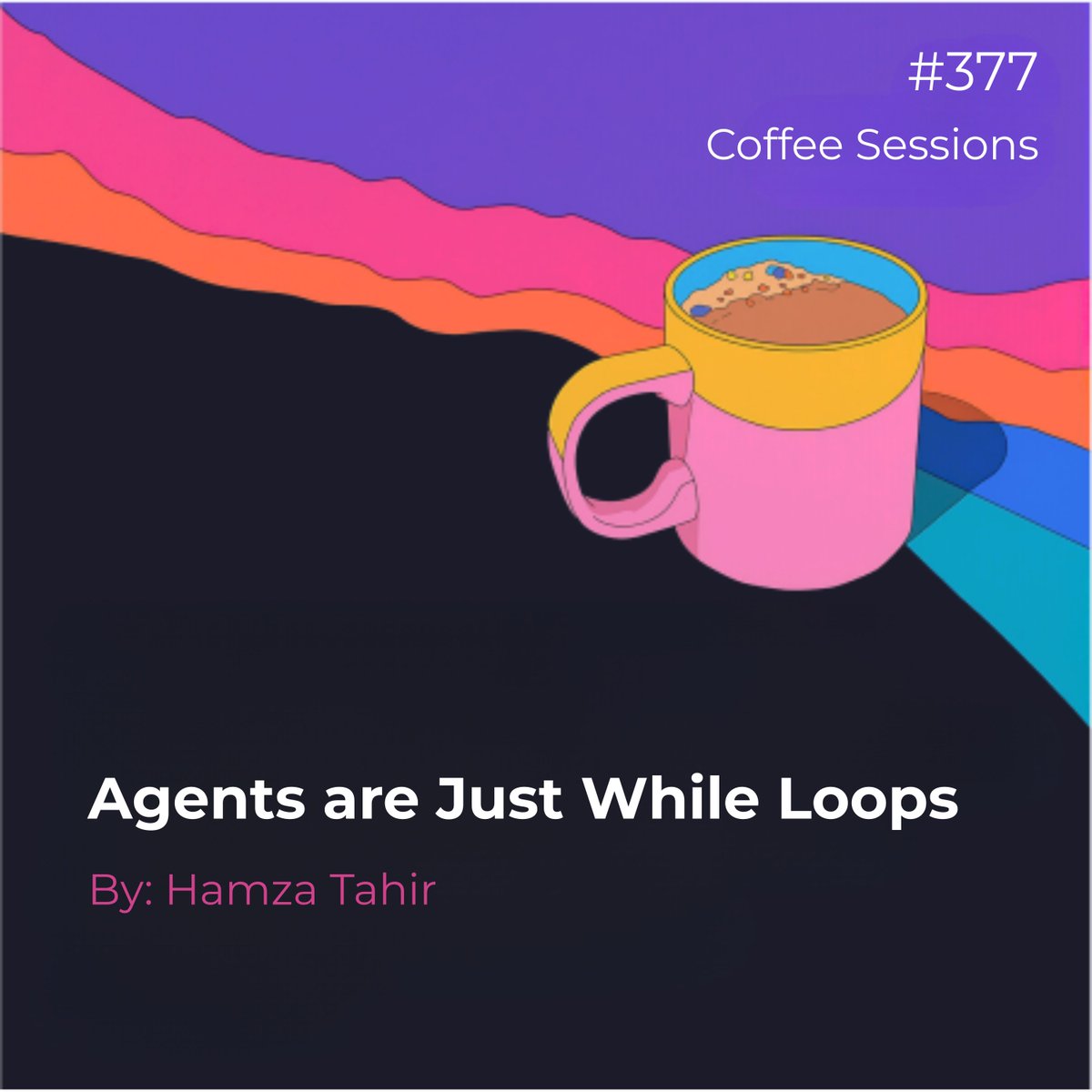
@htahir111 from ZenML was on the latest MLOps Community episode with Demetrios talking through durable execution, agent harnesses, and why a lot of “long-running agents” are basically while loops with state recovery glued around them.