Mark Obrinsky

322 posts

Mark Obrinsky

Mark Obrinsky

@MObrinsky

Katılım Kasım 2009
114 Takip Edilen60 Takipçiler
Mark Obrinsky
Mark Obrinsky@MObrinsky·
@FairweatherPhD In the last 4 years, the number of completed housing units in the US is: 3.9 million single-family; 1.6 million multifamily (2+); 5.5 million total. Presumably the point is to build 3 million more than we otherwise would have. Looking forward to seeing the proposal.
English

0
0
0
17
Mark Obrinsky
Mark Obrinsky@MObrinsky·
@PEWilliams_ In this same vein, folks might want to check out the wonderful podcast If Books Could Kill. (Disclaimer: I have no connection whatsoever with the podcast; just an interested listener.)
English
0
0
0
475
Evan Glass
Evan Glass@EvanMGlass·
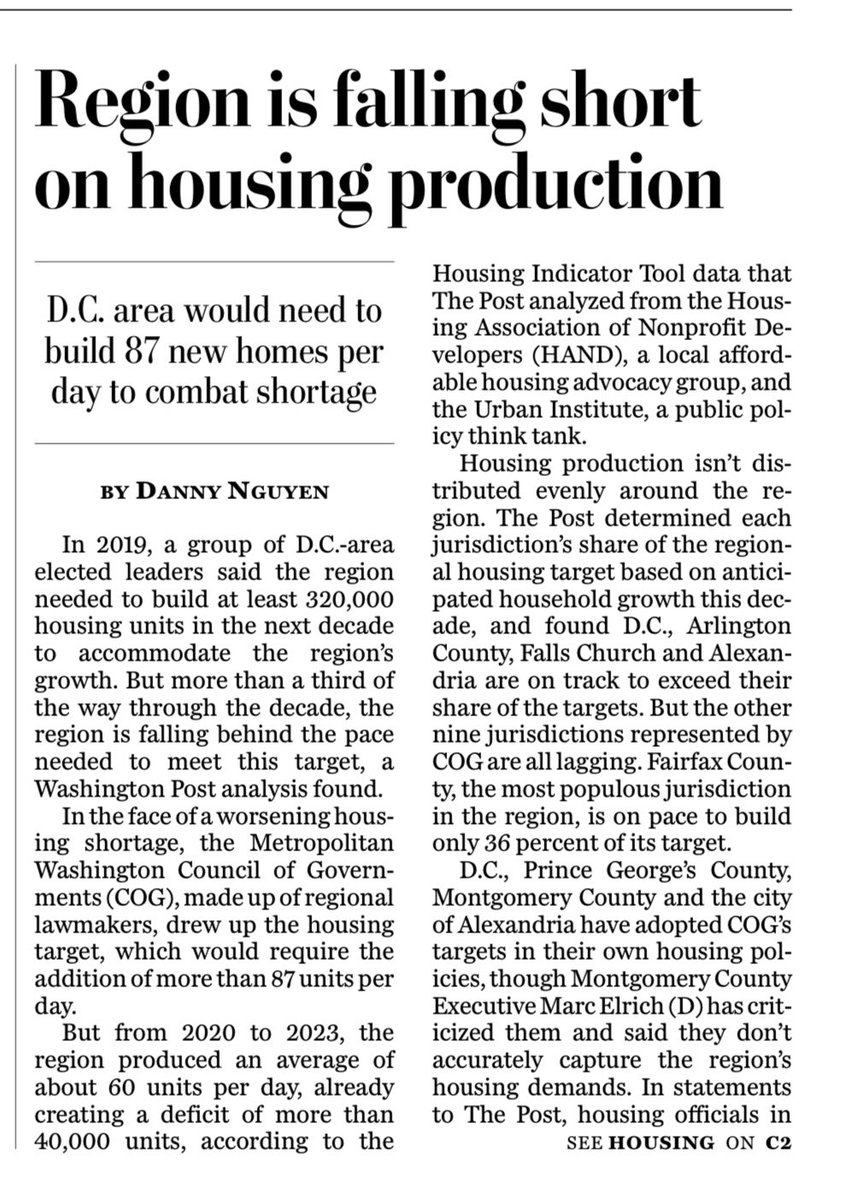
If we want more housing to be affordable, we need to build more housing. Full stop.
Evan Glass tweet media
English
10
11
55
9.4K
Mark Obrinsky retweetledi
Jay Parsons
Jay Parsons@jayparsons·
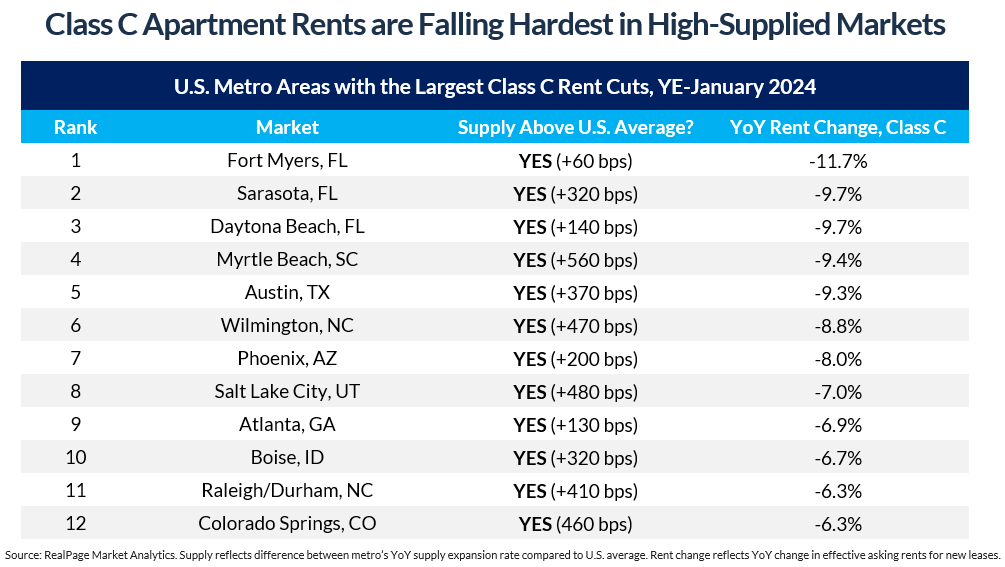
When you build "luxury" new apartments in big numbers, the influx of supply puts downward pressure on rents at all price points -- even in the lowest-priced Class C rentals. Here's evidence of that happening right now: There are 12 U.S. markets where Class C rents are falling at least 6% YoY. What is the common denominator? You guessed it: Supply. All 12 have supply expansion rates ABOVE the U.S. average. There's no demand issue in any of these 12 markets. They're all among the absorption leaders nationally -- places like Austin, Phoenix, Salt Lake City, Atlanta and Raleigh/Durham, Boise, etc. But they all have a lot of new supply. Simply put: Supply is doing what it's supposed to do when we build A LOT of apartments. It's a process academics call "filtering." New pricey apartments are pulling up higher-income renters out of moderately priced Class B units, which in turn cut rents to lure Class C renters, and on down the line it goes. Less anyone still in doubt, here's another factoid: Where are Class C rents growing most? You guessed it (I hope!) -- in markets with little new supply. Class C rent growth topped 5% in 18 of the nation's 150 largest metro areas, and nearly all of them have limited new apartment supply. Most new construction tends to be Class A "luxury" because that's what pencils out due to high cost of everything from land to labor to materials to impact fees to insurance to taxes, etc. So critics will say: "We don't need more luxury apartments!" Yes, you do. Because when you build "luxury" apartments at scale, you will put downward pressure on rents at all price points. Spread the word.
Jay Parsons tweet media
English
70
420
1.6K
500.5K
Mark Obrinsky retweetledi
Peter Tulip
Peter Tulip@peter_tulip·
The left-NIMBY take applied to food: “People are starving; we need more food.” “So let’s stop banning grocery stores.” “Unacceptable. Stop shilling for private, *for-profit* food suppliers.” (h/t @cafreiman) thenewdaily.com.au/finance/2024/0… .
English
23
10
131
22.9K
Mark Obrinsky
Mark Obrinsky@MObrinsky·
@peter_tulip Ah, okay. That was the question, not the summary of how economists answered. Thanks.
English
0
0
1
29
Peter Tulip
Peter Tulip@peter_tulip·
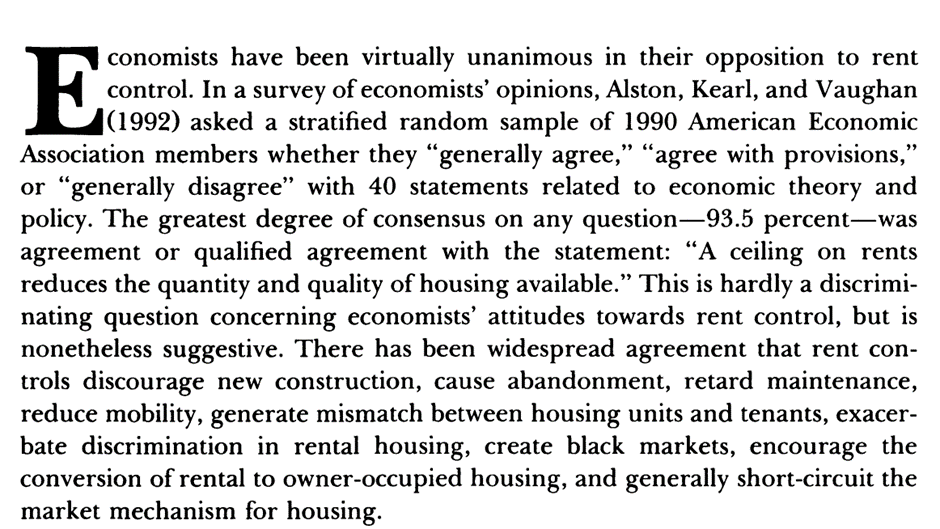
Rent control is a superficially appealing idea that repeatedly works badly in practice. Researchers who have studied the issue know this. Unfortunately, the Greens do not. 1/5 pubs.aeaweb.org/doi/pdfplus/10…
Peter Tulip tweet media
English
20
26
183
34.7K
Mark Obrinsky
Mark Obrinsky@MObrinsky·
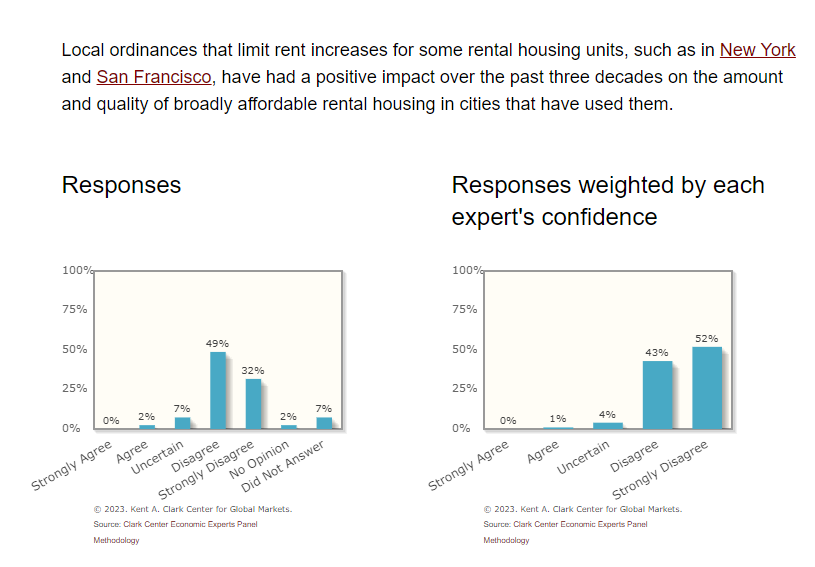
@peter_tulip I'm assuming the language in the original is misstated (or maybe clumsy). Local ordinances have NOT had a positive impact...
English
1
0
0
12
Peter Tulip
Peter Tulip@peter_tulip·
Later surveys report similar views. In a 2012 survey of leading US economists by the IGM Forum, only 2 per cent agree that rent control in New York and San Francisco has had a positive impact. 81% disagree. 2/5 igmchicago.org/surveys/rent-c…
Peter Tulip tweet media
English
2
4
17
5.2K
Jay Parsons
Jay Parsons@jayparsons·
No, we can't sell or rent housing for less than it costs to build it. But if we don't build more housing, the crisis only worsens -- as this article points out. When we make something harder to produce, it becomes more scarce & therefore more expensive. nymag.com/intelligencer/…
English
2
0
3
151
Jay Parsons
Jay Parsons@jayparsons·
The anti-Econ101 housing cynics try to discredit the laws of supply and demand with arguments like: "We can't provide housing for less than it costs to produce it, so therefore more housing doesn't help." The same is true of anything. Even food. So do we stop producing food?
English
1
2
12
2.4K
Mark Obrinsky retweetledi
Greater Greater Washington
Much ado about nothing: Despite complaints, preliminary data from @MDSHA indicates the Old Georgetown Road bike lanes have made the street safer with little to no impact on automobile travel times: ggwash.org/view/90503/dat…
English
2
32
111
14K
Joey Politano 🏳️‍🌈
Joey Politano 🏳️‍🌈@JosephPolitano·
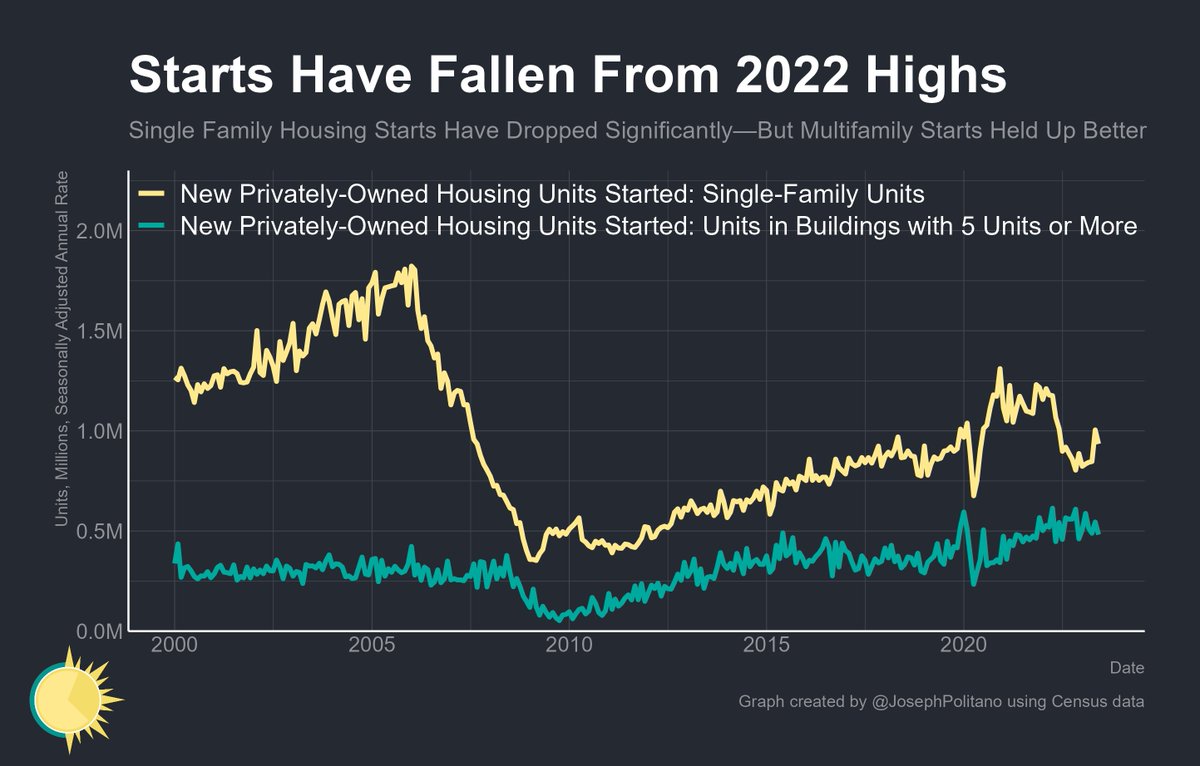
It's pretty remarkable that, while 7% mortgage rates have definitely cut housing starts down from 2022 highs, we're still above the 2019 average for both single-family and multi-family starts
Joey Politano 🏳️‍🌈 tweet media
English
5
9
39
6.7K
Mark Obrinsky
Mark Obrinsky@MObrinsky·
@ritholtz Well sure, what do you expect? Check out first episode of podcast If Books Could Kill.
English
0
0
0
174
Liz Ann Sonders
Liz Ann Sonders@LizAnnSonders·
Number of multifamily units under construction continues to soar … creeping higher towards peak in early 1970s
Liz Ann Sonders tweet media
English
34
111
517
132.6K
Mark Obrinsky
Mark Obrinsky@MObrinsky·
Great thread—read the whole thing. (And for data nerds: yes, HVS isn’t the best data source even apart from covid-related collection issues, but most of us believe it gets the trends well enough. So Jay’s points are well-taken.)
Jay Parsons@jayparsons

What percentage of Americans do you think are aware that the U.S. homeownership rate is: 1) ABOVE the long-term average, and 2) at the second-highest rate on record outside of the late '90s through mid-2000s period leading up to the housing bubble and Great Financial Crisis?🧵

English
0
0
1
168
Mark Obrinsky
Mark Obrinsky@MObrinsky·
@actfortransit Clearly the problem is the bike lanes! If they would turn those back into car lanes I’ll bet the cars could zoom along at, what, maybe 8 mph?
English
0
0
0
28