M Adan Samatar retweetledi
M Adan Samatar
3.6K posts

M Adan Samatar
@MSamatar3
Over twenty five yrs of leadership and managerial experience of state government service and experienced Realtor .Education Background Agriculture.
Katılım Haziran 2020
362 Takip Edilen1.5K Takipçiler

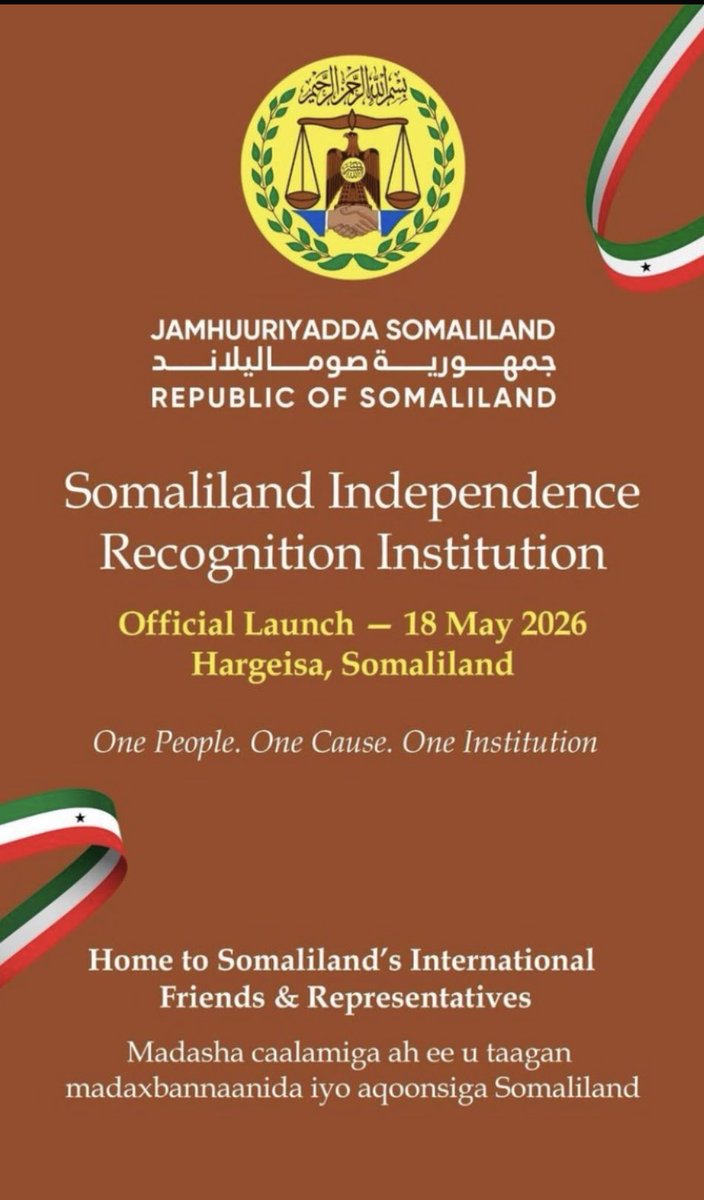
#Somaliland launched the Somaliland Independence Recognition Institute (SIRI) to strengthen and accelerate momentum toward international recognition. The Institute represents important initiative dedicated to advancing scholarly research, diplomatic engagement, and legal advocacy in international courts concerning Somaliland’s recognition. Through rigorous analysis, constructive dialogue, and collaboration with academic, governmental, and international institutions, SIRI aims to highlight Somaliland’s historical, legal, and democratic foundations for statehood. The Institute would also build upon the momentum generated by Somaliland’s recognition by Israel on December 25, 2025.

English

Happy 18 May to all Somalilanders everywhere around the world:
35 years after restoring its sovereignty in 1991, Somaliland celebrates this historic day with pride, unity, and hope. This year’s celebration feels even more special as it marks the first 18 May as a recognized country.
A tribute to the sacrifices, resilience, and determination of the Somaliland people. The journey continues, stronger than ever.
Long live Somaliland. ❤️🤍💚
#18May #Somaliland

English

The Republic of #Somaliland is preparing to celebrate 18 May 2026 — a historic moment marking the first celebration in 34 years as a recognized nation.
According to major international media outlets, the number of countries preparing to recognize Somaliland during this 18 May celebrations continues to grow — rising from four confirmed nations to nearly eight.
English

#Somaliland is carefully and effectively navigating its foreign affairs amid shifting global alliances and evolving regional dynamics. A strategic, measured approach that shows adaptability in a rapidly changing world order and realignment of partnerships.
English

After thirty-five years of operating without international recognition, #Somaliland now stands as one of the Horn of Africa’s most consequential actors—redefining maritime strategy and reshaping regional alignments.

English

@Presidencysl_ @AmbMohamedHagi Congratulations @AmbMohamedHaji. Excellent choice by President @Abdirahmanirro
English

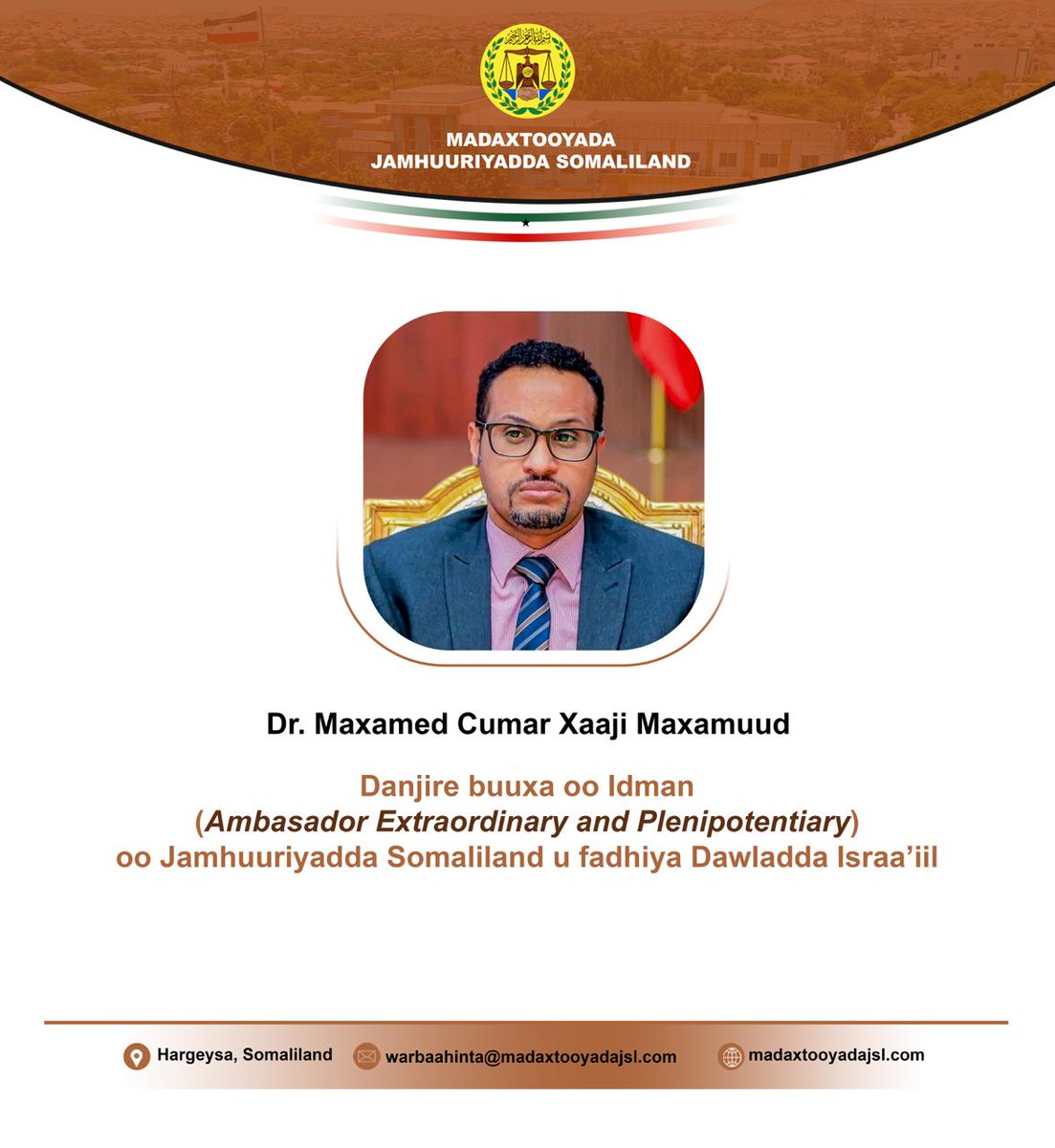
The President of the Republic of Somaliland has appointed Dr. Mohamed Omar Haji Mahmoud (@AmbMohamedHagi) as Ambassador Extraordinary and Plenipotentiary of the Republic of Somaliland to the State of Israel.
This historic appointment marks a significant milestone in Somaliland’s diplomatic engagement and reflects its commitment to advancing formal relations, mutual cooperation, and constructive dialogue with the Government of Israel.
The Ambassador is vested with full diplomatic authority and mandate, exercised in accordance with the Constitution of the Republic of Somaliland and established principles of international diplomatic law.
@somalilandmfa @IsraelMFA @IsraeliPM @netanyahu

English

When someone is appointed to a position, why should they be labeled “reer hebel” instead of being recognized for their qualifications and abilities? Defining individuals by clan rather than by their skills, experience, and achievements reflects an outdated mindset that holds #Somaliland back. It is time for Somalilanders to move beyond this way of thinking and prioritize merit, competence, and professionalism in leadership and public service.
English

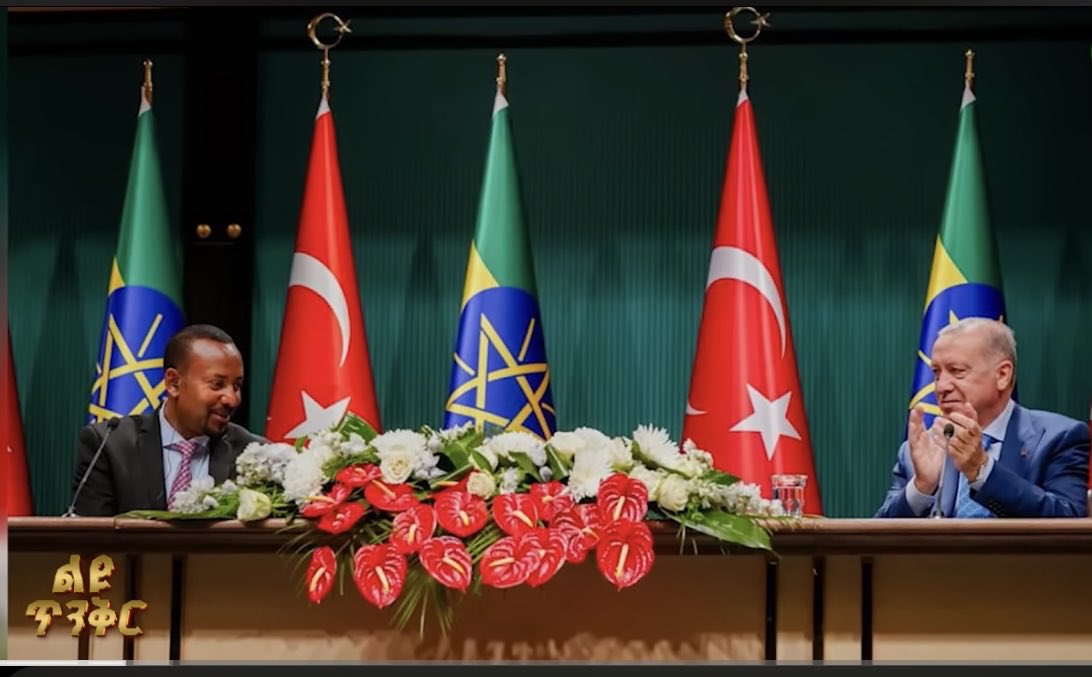
Erdogan has openly declared diplomatic war against #Somaliland. By openly campaigning in Addis Ababa to pressure Abiy Ahmed against recognizing Somaliland, he has crossed the line from diplomacy into direct interference.
Somaliland should immediately shut down the Turkish consulate in Hargeisa. A government actively working to undermine Somaliland’s sovereignty has no business maintaining a diplomatic presence in Hargeisa.
#Somaliland

English

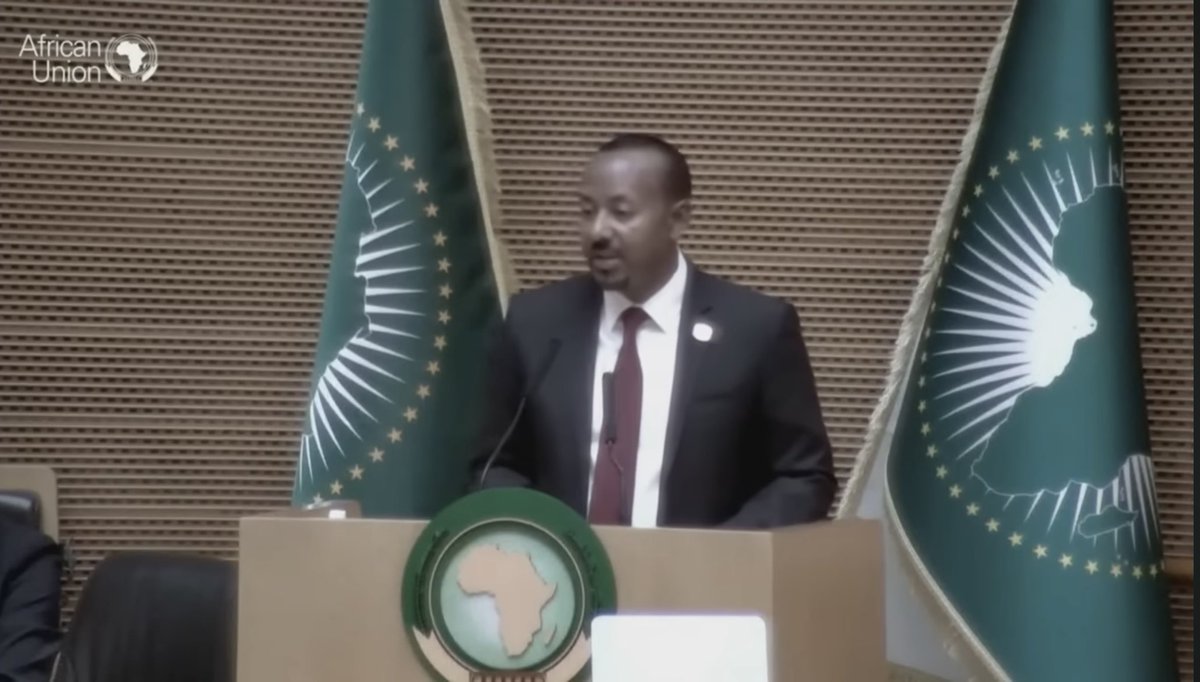
Prime Minister Abiy Ahmed, in his speech at the 39th #AU Summit in Addis Ababa, stated that the stability of the region depends on Ethiopia gaining access to the Red Sea. The tone of his remarks suggested that Ethiopia may pursue this objective “by any means necessary.” Such rhetoric is deeply concerning and potentially destabilizing for the region.
While landlocked countries face economic and logistical challenges, international law already provides mechanisms for access to the sea through negotiated treaties, transit agreements, and regional cooperation frameworks. These peaceful and legal avenues exist precisely to prevent conflict and promote mutual benefit.
#Somaliland

English

The 39th African Union (AU) Summit in Addis Ababa focused on key issues including water security, climate change, and regional stability, and for the first time Somaliland flag was displayed at the African Union Headquarters, marking a significant milestone in Somaliland’s diplomatic engagement following its recognition. In addition, #Somaliland was included for the first time in the agenda under one of the #AU’s main agenda items, further highlighting its growing role in continental affairs.

English

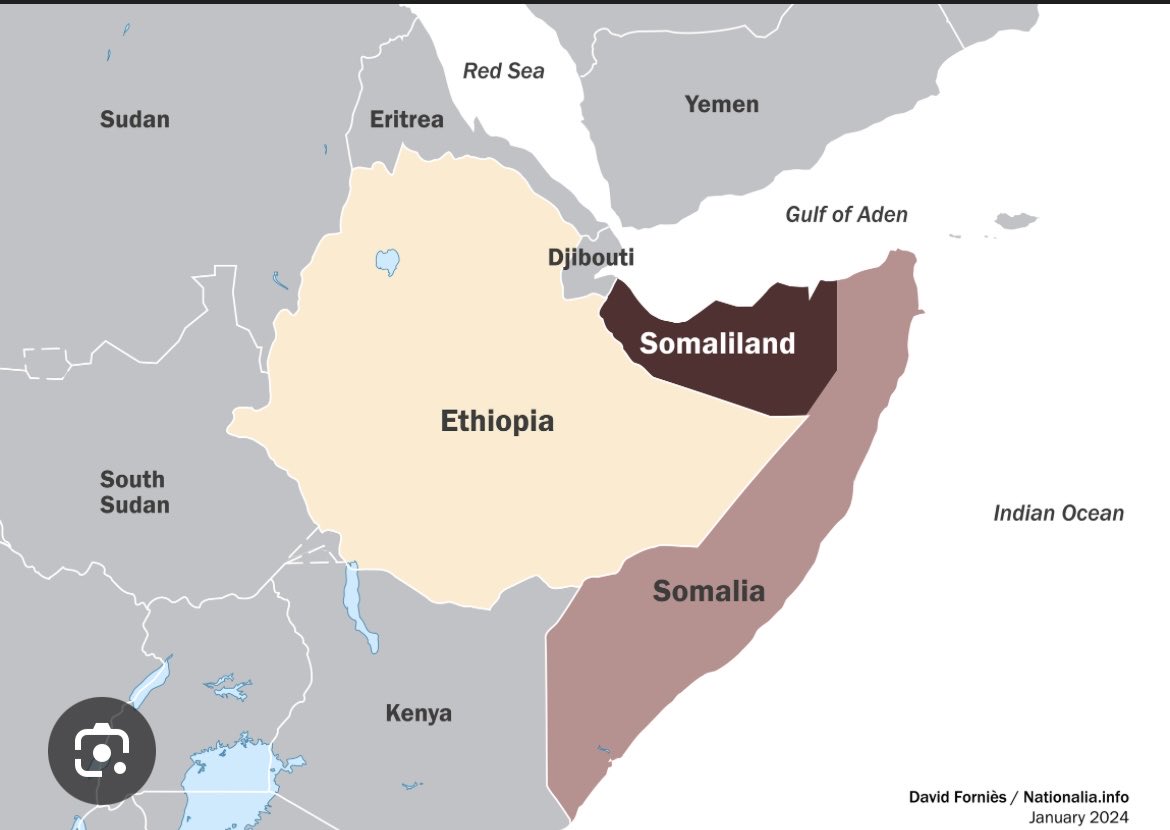
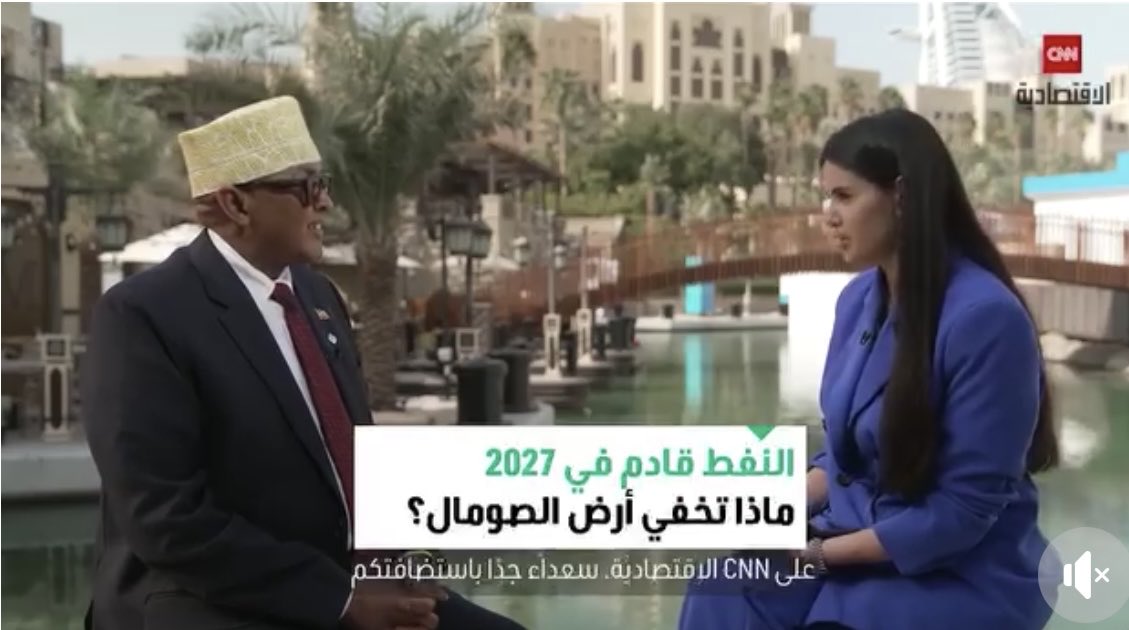
In an interview with CNN Business Arabic,President Abdirahman Irro confirmed ongoing negotiations between #Somaliland and Ethiopia, regarding Ethiopia’s access to Red Sea and the Berbera Port commercial corridor.
Unlike the January 1, 2024 #MoU—where recognition was tied to access—a revived agreement under a recognized Somaliland would shift negotiations to a sovereign-to-sovereign basis. Recognition would no longer be a bargaining chip, Berbera access would become commercial rather than political.

English

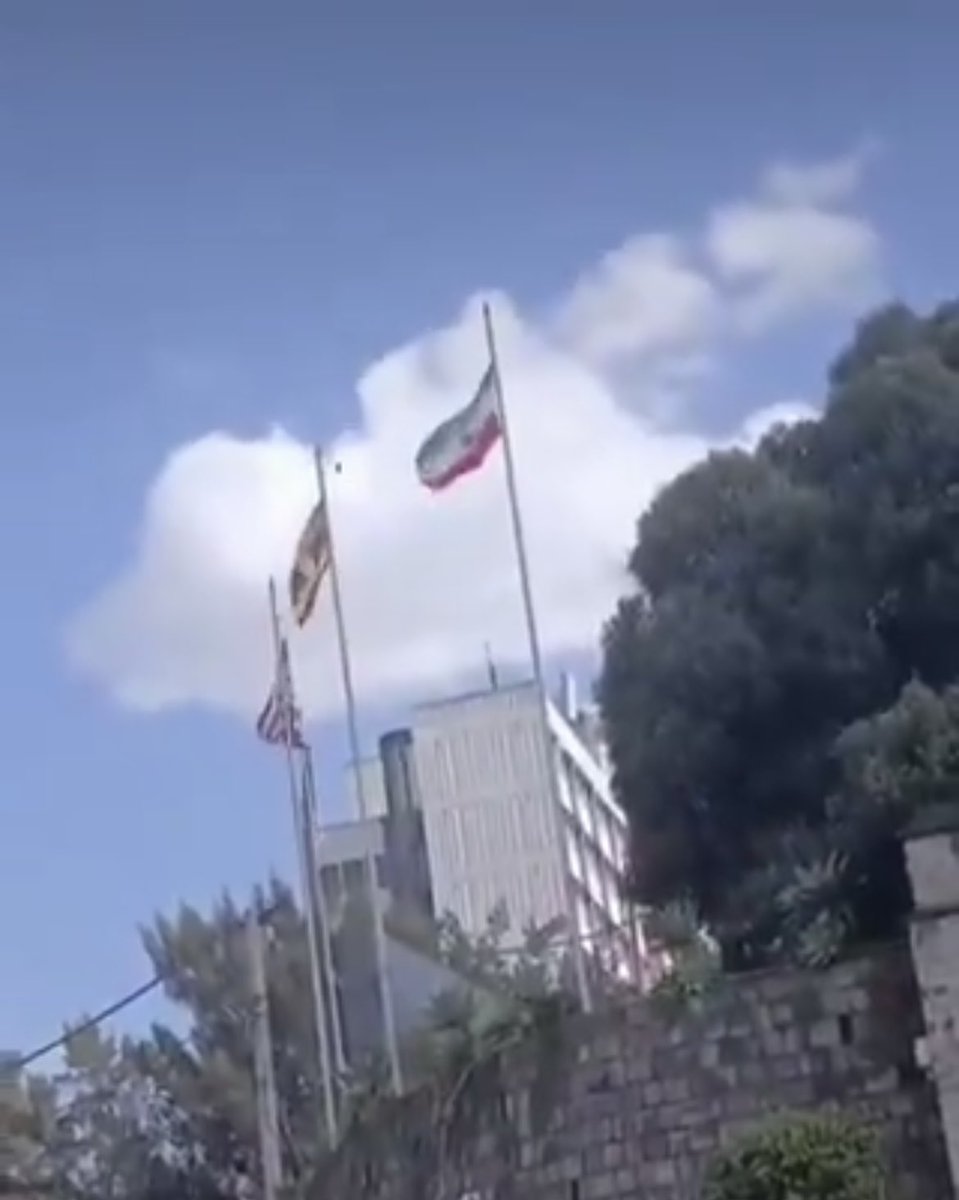
Somaliland’s flag raised at the AU headquarters in Addis Ababa welcoming the 55th African nation-Somaliland.
#Somaliland

English

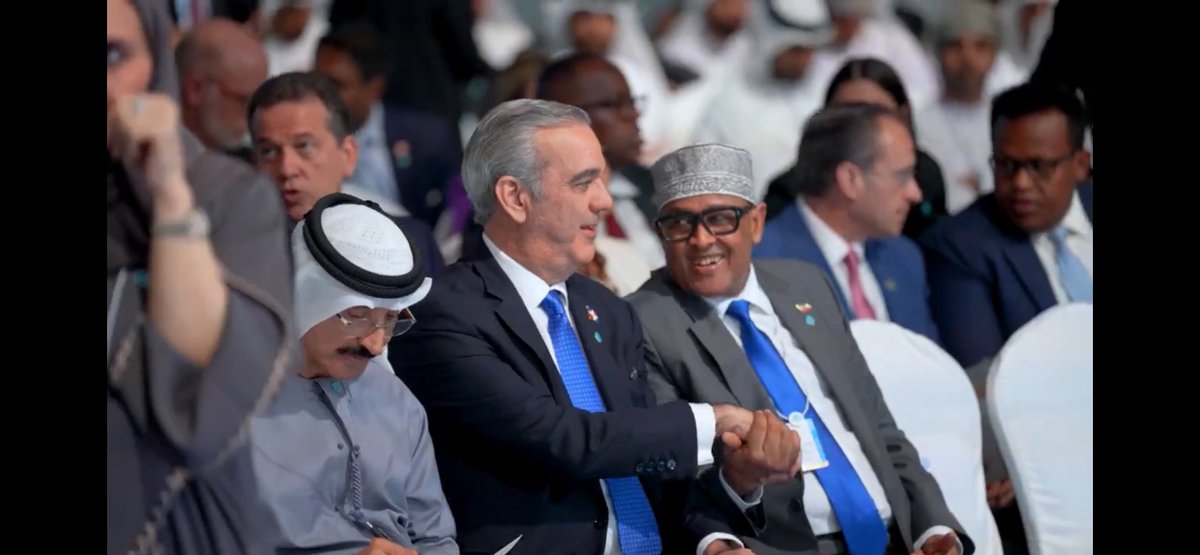
#Somaliland under President Abdirahman Irro has pursued a deliberate, pragmatic foreign policy rooted in stability, peace and constructive diplomacy. Its growing presence on international platforms reflects practice, not aspiration. The participation of President Abdirahman Irro to the World Governments Summit -as a recognized country underscores Somaliland’s emergence as a reliable and consistent partner in regional and global affairs.
#Somaliland

English

From Failed State to Historical Fantasy: Somalia’s Elites at War With Facts
Lately, in the wake of Somaliland’s recognition, so-called elites from the failed state of Somalia have begun entertaining one of the most absurd falsehoods imaginable: the claim that #Somaliland and Somalia were never two independent states. This is not revisionism—it is intellectual fraud.
#Somaliland gained independence first. It was a recognized sovereign country and only then voluntarily united with Somalia. This is a documented, indisputable, and publicly recorded historical fact.
They say that there were never two countries is a breathtaking display of naïveté and historical illiteracy which is nothing but a coping mechanism—an attempt by a failed political class to rewrite the past.
An educated elite confronts facts, even when they are uncomfortable. These people do the opposite. That leaves only one reasonable conclusion: they are not elites at all, but loud, attention-seeking pretenders, clinging to false narratives to distract from collapse and failure.
#Somaliland
English

On December 26, 2026, a major geopolitical development unfolded in the Horn of Africa and reverberated across the Middle East with the recognition of Somaliland as a state. This shift, catalyzed by Israel’s formal recognition of Somaliland, marked a significant turning point in regional politics and renewed debates over strategic alignment.
The decision also carried historical significance. Israel has long been engaged with Somaliland. In 1988 Israel was among the only state to raise alarm at the international level when Somaliland’s civilian population was subjected to wide spread violence and genocide. During this period, more than 200,000 people were killed, millions were displaced, and major cities were reduced to ruins. Israeli ambassador to the United Nations, publicly exposed the scale of the humanitarian catastrophe and the distinct political circumstances facing Somaliland. Viewed in this context, Israel’s recent recognition reflects not the emergence of a new relationship, but the continuation of a long-standing relationship.
The initial response to the recognition from several Arab states was sharply critical. This opposition, however, was shaped less by resistance to Somaliland’s claim to statehood and more by sensitivities surrounding the identity of the recognizing country—Israel. Egypt, Saudi Arabia, and Qatar were among the most vocal critics, alongside the Federal Government of Somalia and the government of Djibouti.
Notably, this opposition stood in contrast to the reality that many of the Arab states criticizing the decision maintain established, and in some cases expanding, diplomatic and strategic relationships with Israel. This was driven by political optics and regional calculations rather than a rejection of Somaliland’s qualifications for statehood.
From Somaliland’s perspective, its case rests on both historical and legal foundations. As a former distinct political entity, Somaliland has over time developed functioning governing institutions, defined borders, and a sustained record of internal stability. These characteristics align with widely recognized international criteria for statehood and have strengthened arguments that Somaliland has met the practical requirements of nationhood.
Currently the recognition, opposition began to soften. Several states that initially condemned the move gradually moderated their rhetoric, signaling a reassessment of interests rather than an abrupt policy reversal. Egypt, Qatar, and Saudi Arabia, in particular, appear to be recalibrating their positions as they increasingly acknowledge the political and administrative reality on the ground in Somaliland, especially when contrasted with the failed state of Somalia.
Broader strategic considerations have also influenced this shift. Regional security priorities, relations with Israel and the United States, and the evolving balance of power in the Horn of Africa have contributed to a more pragmatic approach. Collectively, these developments suggest a gradual transition from outright opposition toward cautious engagement, shaped by geopolitical realities rather than ideological positions.
#Somaliland
English

While the Government of Kenya has responded to the recognition of #Somaliland with measured restraint—reserving the right to clarify its position and notably not opposing Somaliland’s recognition—one individual—Farah Maalin, member of Kenya’s government has chosen to act independently and irresponsibly.
Without mandate, authorization, or official standing, this individual publicly denounced Somaliland’s recognition, presuming to speak on behalf of Kenya despite not being a designated spokesperson for the Kenyan government. Such conduct is out of line, diplomatically improper, and inconsistent with Kenya’s longstanding friendship and constructive engagement with Somaliland.
By inserting himself into Somaliland’s internal affairs, this official has acted beyond his remit and contrary to the principles of mutual respect that underpin Somaliland–Kenya relations. His statements raise a legitimate question that Nairobi must now address: does this individual represent the official position of the Government of Kenya, or was he acting purely in a personal capacity?
#Kenya owes clarity—not only to Somaliland, a trusted friend, but to the broader international community. If his remarks do not reflect Kenya’s official stance, then appropriate steps should be taken to correct the record and restrain unauthorized voices from undermining a relationship built on trust, cooperation, and respect for sovereignty.
@KENYAPARLIAMENT
#Somaliland

English
M Adan Samatar retweetledi