Michael Agbodo

95 posts

Michael Agbodo banner
Michael Agbodo

Michael Agbodo

@Miicchae1

PhD student @Penn

Pennsylvania, USA Katılım Haziran 2015
249 Takip Edilen65 Takipçiler
Michael Agbodo retweetledi
Sophien Kamoun
Sophien Kamoun@KamounLab·
I just published Don’t Perish! A Step-by-Step Guide to Writing a Scientific Paper (2026 edition) Great science deserves to be read—not buried under unclear writing. This is the updated 2026 edition of your favorite guide to writing scientific papers. medium.com/p/dont-perish-…
English
0
53
152
11.8K
Michael Agbodo retweetledi
Asimov Press
Asimov Press@AsimovPress·
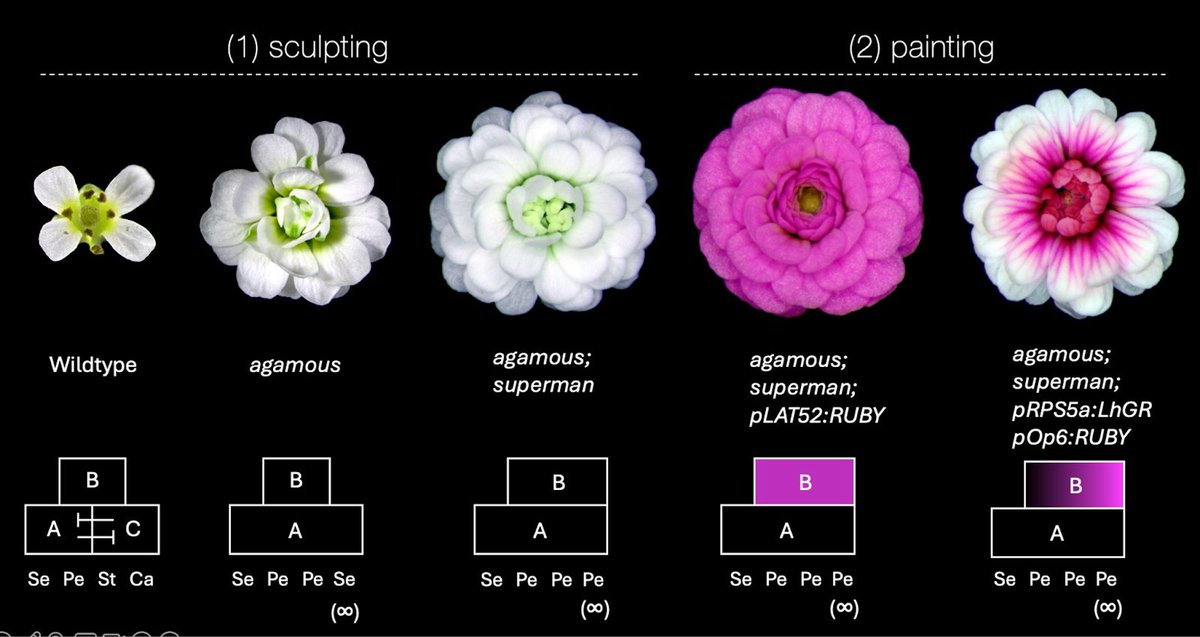
A plant biologist in the UK, named @NickDesnoyer, designs new flowers in his spare time. We recently explained his process in an article. Here's an excerpt: Desnoyer thinks of his method as comprising two steps: genetic sculpting and genetic painting. Sculpting, he says, is all about designing the specific shapes and morphology of the flower. Then, the painting step uses gene sequences — encoding specific pigments and colorful patterns — to “paint” that sculpted canvas. Desnoyer is currently working on a “sunburst” flower that has a bleeding orange center and red stripes radiating outwards... Most of Desnoyer’s work thus far has focused on sculpting “base model” flowers, which he later genetically paints. One of his base models, called the “Micro-Rose,” is a variety of Arabidopsis thaliana that he bred and gene-edited, using CRISPR, to incorporate six mutations identified from his research. “Most of my designs come from Arabidopsis research originally published in the 1990s,” he says. “I didn’t discover any of these genes; I just put them together.” Specifically, Desnoyer’s Micro-Roses were made by mutating both agamous and superman genes, both of which are part of the “ABC” model of flower development. Briefly, this class of ABC genes works together to determine the identity of the four whorls of a typical flower: sepals, petals, stamens, and carpels. Mutations in the agamous gene cause the production of petals and sepals in place of stamens and carpels, respectively. And because agamous is also involved in floral meristem termination, the resulting mutant flowers create an aesthetic phenotype of repeating whorls of sepals and petals. This phenotype can be further enhanced by mutations in superman, a boundary gene between the third and fourth whorls, to create flowers with apparently endless concentric whorls. After designing a base model, Desnoyer next maps out the colors and patterns. He might take a Micro-Rose and cross in a RUBY transgene expressed only in the petals, for example, to add a striking pink color. Or, he can add a specialized transgene that induces RUBY expression only where a hormone is added. By placing a drop of a chemical called dexamethasone in the center of the flower during its later stage of development, for example, he is able to coax the flower to express RUBY in its inner whorls, bleeding out from the center like the sun. Desnoyer is now creating a palette of pigment genes — again pulled from the literature — to paint flowers in shades of yellow, peach, amber, purple, and green. During our meetings, he often repeated the famous Isaac Newton quote: “If I have seen further [than others], it is by standing on the shoulders of giants.” Desnoyer’s flowers may look like magic, but he readily concedes that they are “the fruits of basic research carried out by thousands of scientists” before him. Read the full essay: press.asimov.com/articles/the-f…
Asimov Press tweet media
English
3
37
173
15.1K
Michael Agbodo retweetledi
The Sainsbury Laboratory
The Sainsbury Laboratory@TheSainsburyLab·
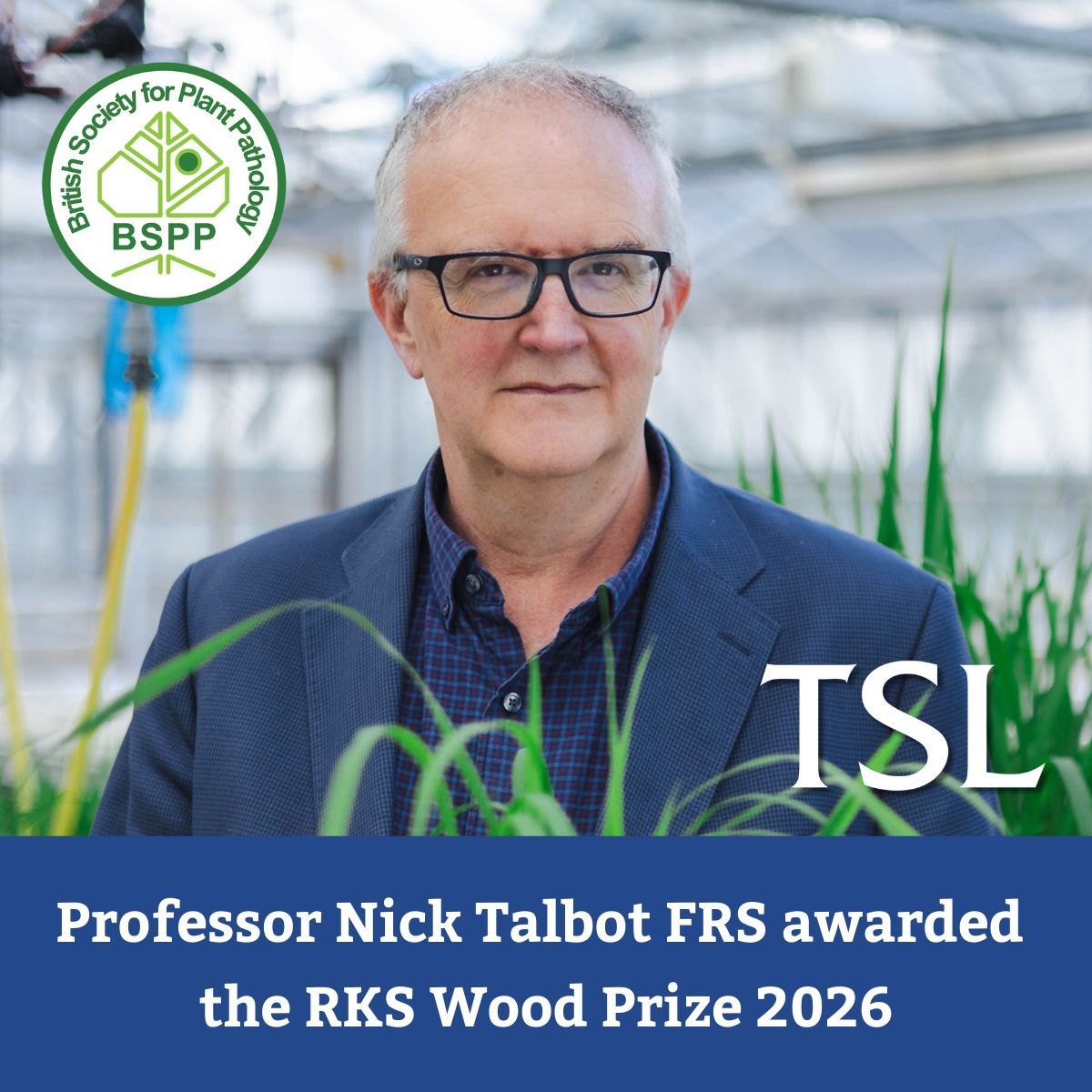
We are pleased to announce that @talbotlabTSL has been awarded the RKS Wood Prize 2026 by the @BS_PP. “I am humbled to have been awarded the RKS Wood Prize 2026. I’d like to thank my research group and my TSL colleagues for their inspiration and support” buff.ly/VvoR27Q
The Sainsbury Laboratory tweet media
English
2
30
146
6.6K
Michael Agbodo
Michael Agbodo@Miicchae1·
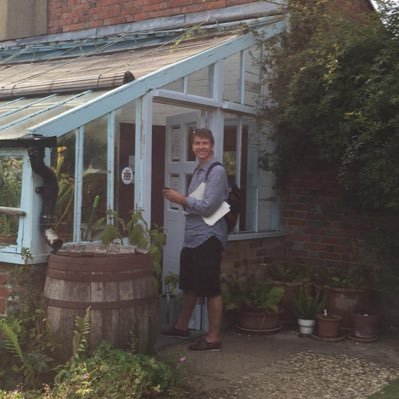
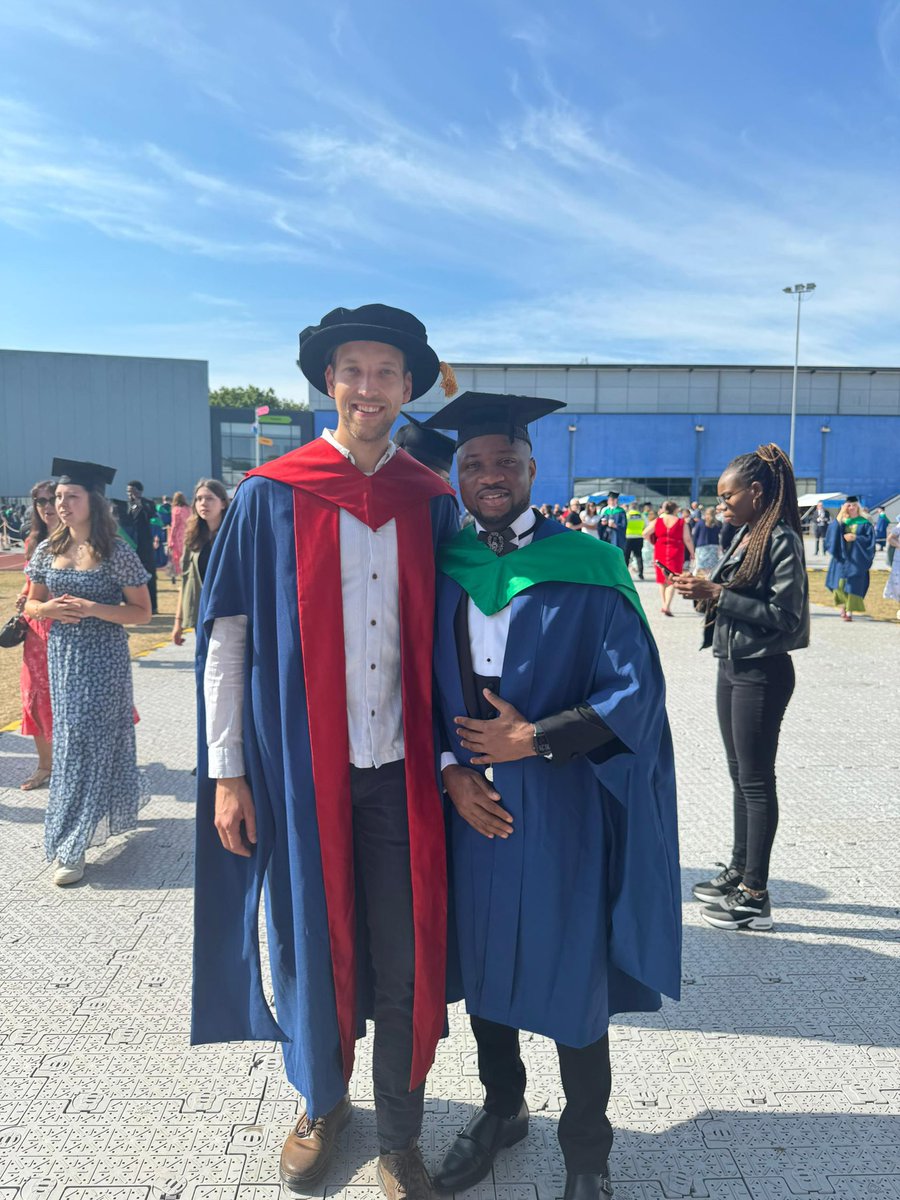
Shout out to @NickDesnoyer for this master piece in FlowerEngineering! Big thanks to @TheSainsburyLab for shaping my journey-From starting as a master’s student and Pre-doc with @Frank_Menke whose support gave me the confidence to begin my PhD @Penn. Grateful for each step
Michael Agbodo tweet media
English
3
7
45
3.5K
Michael Agbodo retweetledi
Nick Desnoyer
Nick Desnoyer@NickDesnoyer·
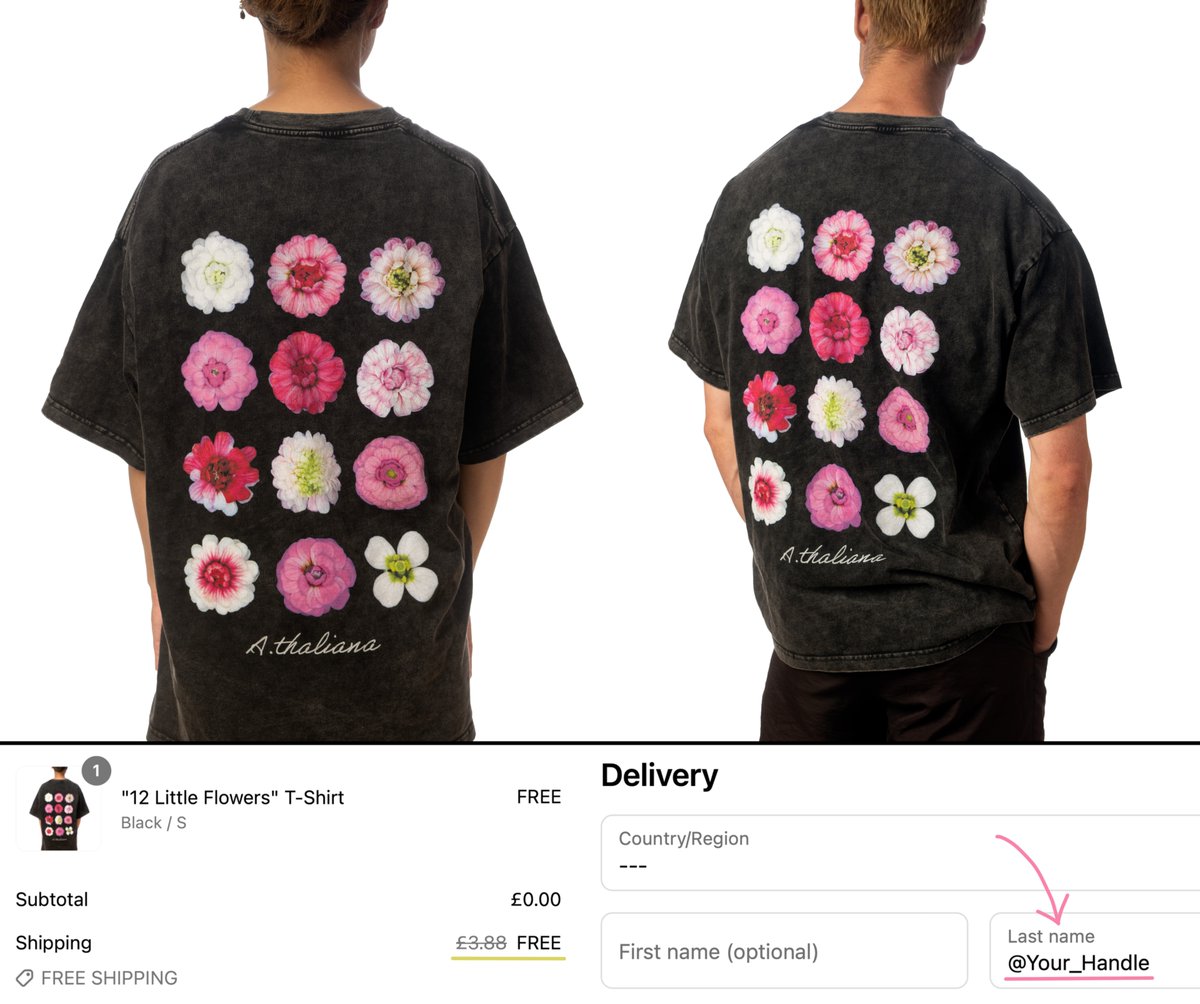
To promote the collection, I’ve launched a designer clothing line where synthetic biology meets aesthetics. I will give out 100 free limited edition shirts to the first who retweet and order with their handle in the name! Available here → nickdesnoyer.com  🧵(6/7)
Nick Desnoyer tweet media
English
3
47
81
7.9K
Typical African
Typical African@Joe__Bassey·
@aproko_doctor Eat Natural and Organic Foods they communicate with the DNA in your body. Don’t mind this paid attention… anything modified can’t give you the benefit of the original.
English
11
217
815
55.7K
Michael Agbodo retweetledi
Wolf Prize
Wolf Prize@WolfPrize_·
A true “lab” story in full bloom: Jonathan D. G. Jones, Wolf Prize Laureate in Agriculture 2025, and Caroline Dean, Wolf Prize Laureate in Agriculture 2020, are more than just partners in life — they’re also partners in discovery. Jonathan’s pioneering work revealed how plants defend themselves from disease, offering new ways to protect global crops. Caroline uncovered how plants use cold to control flowering time, a breakthrough in understanding how nature adapts to climate and how they “remember” winter. Two brilliant minds, one shared passion for plant science — and now, two Wolf Prizes under one roof. #wolfprize #wolfprizelaureate #agriculture @CarolineDeanLab @jonathandgjones
Wolf Prize tweet media
English
0
63
215
25.4K
Michael Agbodo retweetledi
Jack Rhodes
Jack Rhodes@JWR_nhf·
A predoc - suitable for someone considering a PhD or a highly motivated 'year-in-industry' undergraduate tsl.ac.uk/working-at-tsl… 4/5
English
1
1
3
480
Michael Agbodo
Michael Agbodo@Miicchae1·
@Edel_PLopez Nice opportunity to look at the role of phytoplasma effectors in manipulating strawberry flower development. Will this position require French proficiency?
English
0
0
0
208
Edel Pérez-López
Edel Pérez-López@Edel_PLopez·
🚨 Join Our Lab: Exciting Graduate Opportunities! We are currently recruiting four highly motivated students to join our research team at Université Laval. Explore diverse, cutting-edge research opportunities across entomology, molecular biology, and plant-pathogen interactions: 1. Master’s Position: Leafhopper Diversity in Blueberry Fields • Focus: Investigating the diversity of leafhoppers in Québec blueberry fields, studying their interaction with blueberry stunt phytoplasma and parasitoids. • Requirements: • Driver’s license. • Proficiency in French. • Graduate from a Québécois university. 2. PhD Position: AI-Driven Smart Traps • Focus: Developing AI-based tools for real-time identification of leafhoppers and smart traps for pest monitoring. • Requirements: • Master’s degree in electronics, ecology, biology, or related fields. • Coding proficiency is a must. 3. PhD Position: Phytoplasma Effectors in Strawberry Green Petal Disease • Focus: Studying phytoplasma effectors’ role in manipulating flower development and leafhopper attractiveness. • Requirements: •Master’s degree in molecular biology, biology, or relevant field. 4. Master’s Position: Light Spectrum Effects on Tomato Pathogens • Focus: Examining how different light spectrums influence Clavibacter michiganensis infections in tomatoes. • Requirements: • Background in biology, plant science, or related disciplines. 📍 About Us: EdeLab is at Université Laval, the largest Francophone university in the Americas, conducts world-class research combining innovation and interdisciplinarity. Based in Québec City, we offer a vibrant academic and cultural environment. 🗓 Apply Now! Send your application (CV, transcript, and cover letter) to edelab2024@gmail.com. Positions will remain open until filled.
English
7
51
143
18.2K