Oliver James
116 posts


@skcd42 Would love to see better startup speed, smarter context handling for huge projects, and more reliable tool execution without retries.
English

Bug fixes shipping to Grok Build 0.2.3 (release notes will be available in the TUI)
- add “Yes, and don't ask again for anything (always-approve mode)"
- add alpha/stable to welcome screen
- JetBrains/JediTerm terminal detection so TUI does not get confused and detect it as some other terminal
- persist model ID instead of display name for default_model
- clamp Q&A height to prevent ratatui buffer overflow
- better UX for tmux inside ssh copy-paste issues
- store vim mode persistently in the config.toml to prevent restart loss
- memory usage improvements for managing chat history on the hot path
English

@morganlinton I think your monitor is too high. Putting it lower on the desk might be better for your neck.
English

@NASA @NASAArtemis Exciting milestone for deep space exploration.
Can’t wait to see the crew that’ll help pave the way for humanity’s return to the Moon 🚀🌕
How much will missions like this improve the safety and reliability of future Moon landings?
English

On Tuesday, June 9, we’ll announce the four astronauts who will orbit Earth aboard the @NASAArtemis III mission!
Watch our live event at 11 a.m. EDT (1500 UTC) to find out who will test the docking capabilities necessary for crewed Moon landings: nasa.gov/news-release/n…

English

@skcd42 That's actually impressive response time from the team Keep shipping
English

We are resetting rate limits as we had a lot of churn regarding our cache hit management.
Grateful for the feedback, and we are going to keep improving on all fonts!
xAI@xai
Thank you so much for all the feedback on the Grok Build Beta. Some of you reported hitting limits quickly. Our team found areas to improve caching, so we've reset Grok Build usage limits for all accounts. Please keep sharing feedback - the team is here to help.

English

@xai Reset already? That's actually impressive response time from the team, Keep shipping.
English

@theo agents.md is underrated you write your rules once and the model follows them every single time, No more repeating yourself every session. For complex projects it's a huge time saver.
English

@elonmusk We went from 'return to the Moon' to 'permanent Moon base' to 'Mars prep' in one announcement. The 2030s are going to be insane.
English


@elonmusk @zerohedge Separate systems… but same owner. That's the part nobody's talking about.
English

@zerohedge Once again, important to emphasize that there are two different systems: Starlink for civilian usage and Starshield that is built & operated for US govt.
We try hard to keep these separate.
English

@NaserRocky ممكن السبب هو ان احنا نشوف ريلز كثير بس مو شرط يكون هذا تعفن دماغي في بعض الاحيان يكون المحتوى بطيء اكثر من اللازم فا يحتاج تسريع
العربية

@AzizSamily وانت بخير وصحه وسلامه وتقبل الله منا ومنكم صالح الاعمال
العربية

@mohammed_oden الله يشفيها يارب ويعافيها وتقوم بالسلامه ويشفي جميع امهاتنا وامهات المسلمين
العربية

@SawyerMerritt @SpaceX People born today might see the first human city outside Earth in their lifetime.
English

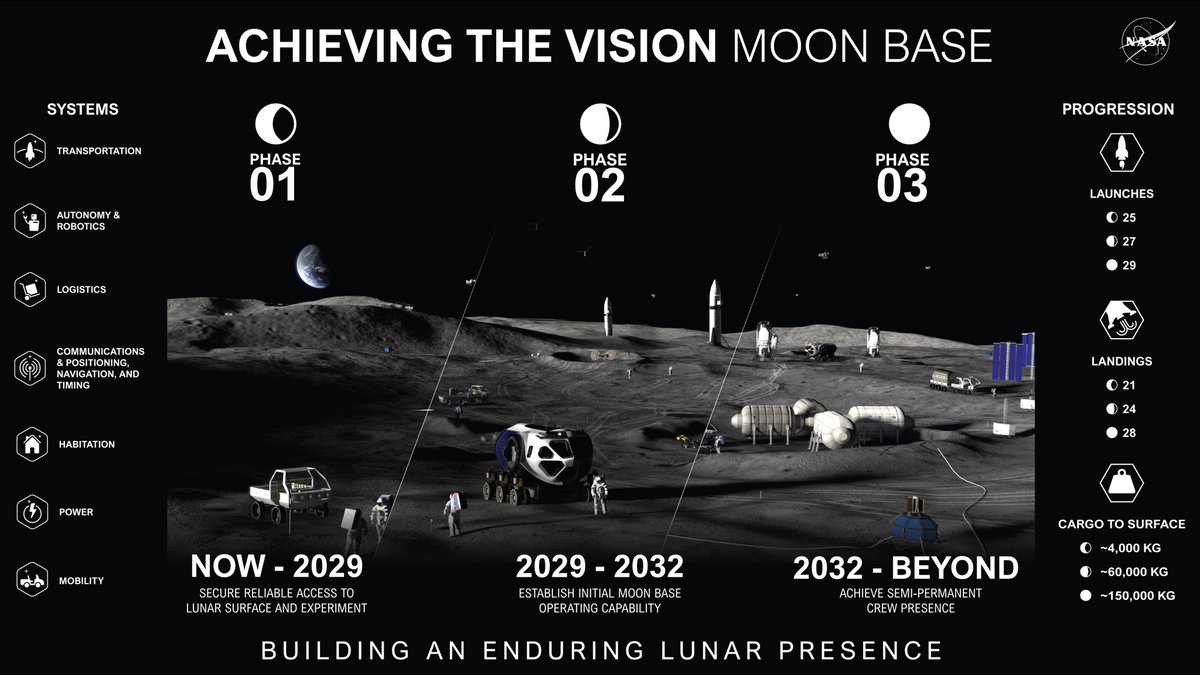
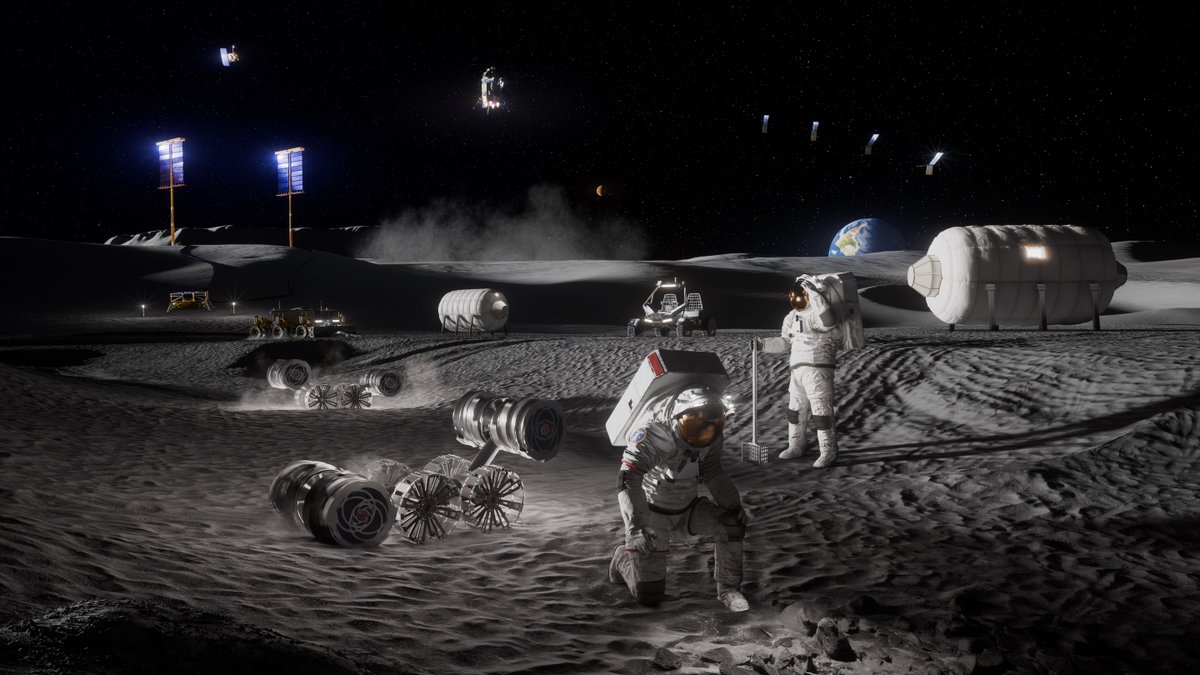
NASA has just launched a new website for its Moon Base missions, which aims to build a permanent $20 billion U.S. base on the Moon. @SpaceX's Starship rocket will play a big role in these missions.
"The Moon Base is a home away from Earth for Artemis astronauts who will live and work at humanity’s first lunar outpost. NASA is leading global teams of innovators across international space agencies, industry, and academia to build the Moon Base and establish an enduring human presence near the lunar South Pole for the benefit of all.
Phase One (Now–2029): Experiment and Learn
NASA will begin with a rapid series of robotic missions to scout the lunar South Pole region, test technologies, and prepare for surface operations ahead of future astronaut missions.:
• A major increase in lunar activity, with up to 25 missions, including 21 landings.
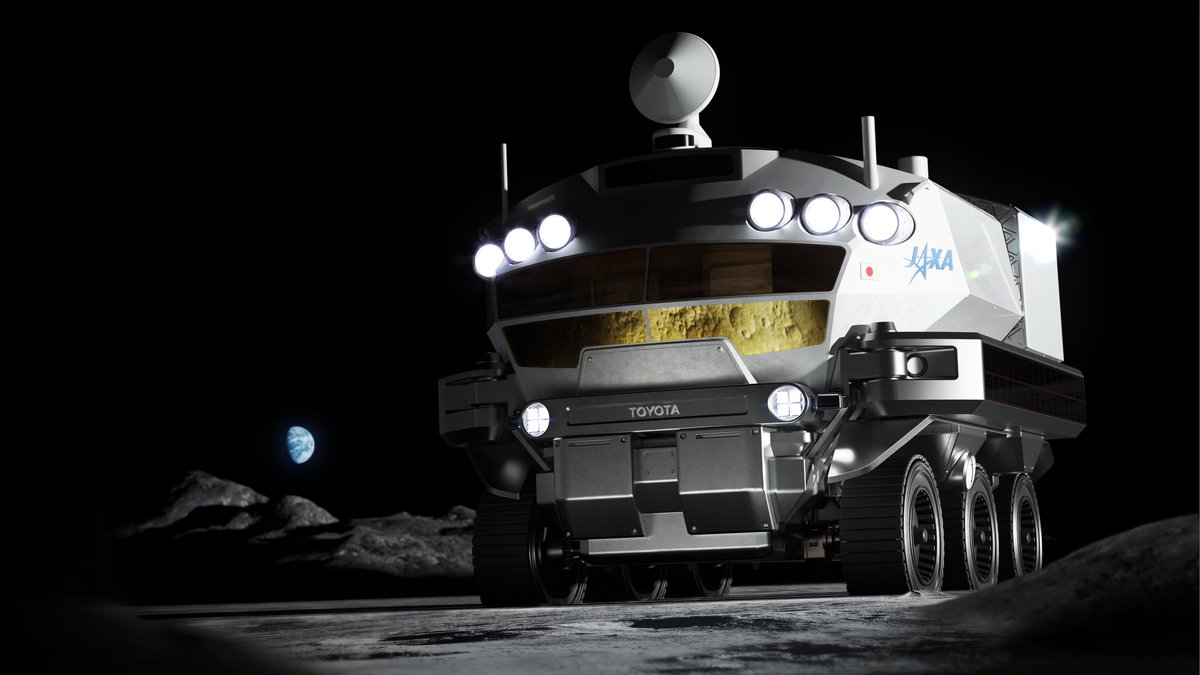
• Crewed and autonomous rovers for mobility demonstrations and surface preparation, along with four drones known as MoonFall and communications relay and observation satellites.
• Early demonstrations of power, navigation, communications, and nuclear radioisotope heater unit technologies designed to endure the long lunar night.
• Scientific payload opportunities integrated across landers and rovers.
• The first tangible footprint of Moon Base effort, with four tons of payload delivered to test what works on the lunar surface.
Phase Two (2029–2032): Early Habitation
By 2029, NASA will transition to assembling semi-permanent infrastructure and initiating early habitation and logistics operations:
• Deployment of expanded solar power systems and initial nuclear surface power capabilities, potentially including fission reactors and radioisotope power systems.
• Upgraded rovers, potential advanced MoonFall drones, and early habitation elements.
• Enhanced surface-to-orbit communications networks to provide reliable connectivity across the lunar South Pole region.
• Delivery of up to 60 tons of cargo through as many as 24 landings using low-, medium-, and heavy-class cargo landers.
Phase Three (2032 and Beyond): Sustained Human Presence
This phase will scale operations to achieve a true enduring presence, with routine crew rotations and continuous surface activity. This is when living and working on the Moon becomes a reality:
• Semi-permanent habitation modules with spacious interior for crew living and operations.
• Operational fission surface power systems capable of delivering steady, reliable energy through the long lunar nights, leveraging in situ resource manufacturing.
• Advanced logistics networks supported by crewed and autonomous rovers to keep the base supplied and functioning year-round.
• Delivery of up to 38 tons of cargo annually to sustain habitats, power systems, logistics operations, and major science outposts, enabled by low-cost reusable heavy-lift capabilities."
Moon base website: nasa.gov/moonbase/


English