Stavros Veresoglou

231 posts

Stavros Veresoglou banner
Stavros Veresoglou

Stavros Veresoglou

@StavrosVer

Community ecologist. Focus on community dynamics of plants and arbuscular mycorrhizal fungi.

Berlin Katılım Mart 2014
421 Takip Edilen486 Takipçiler
Stavros Veresoglou
Stavros Veresoglou@StavrosVer·
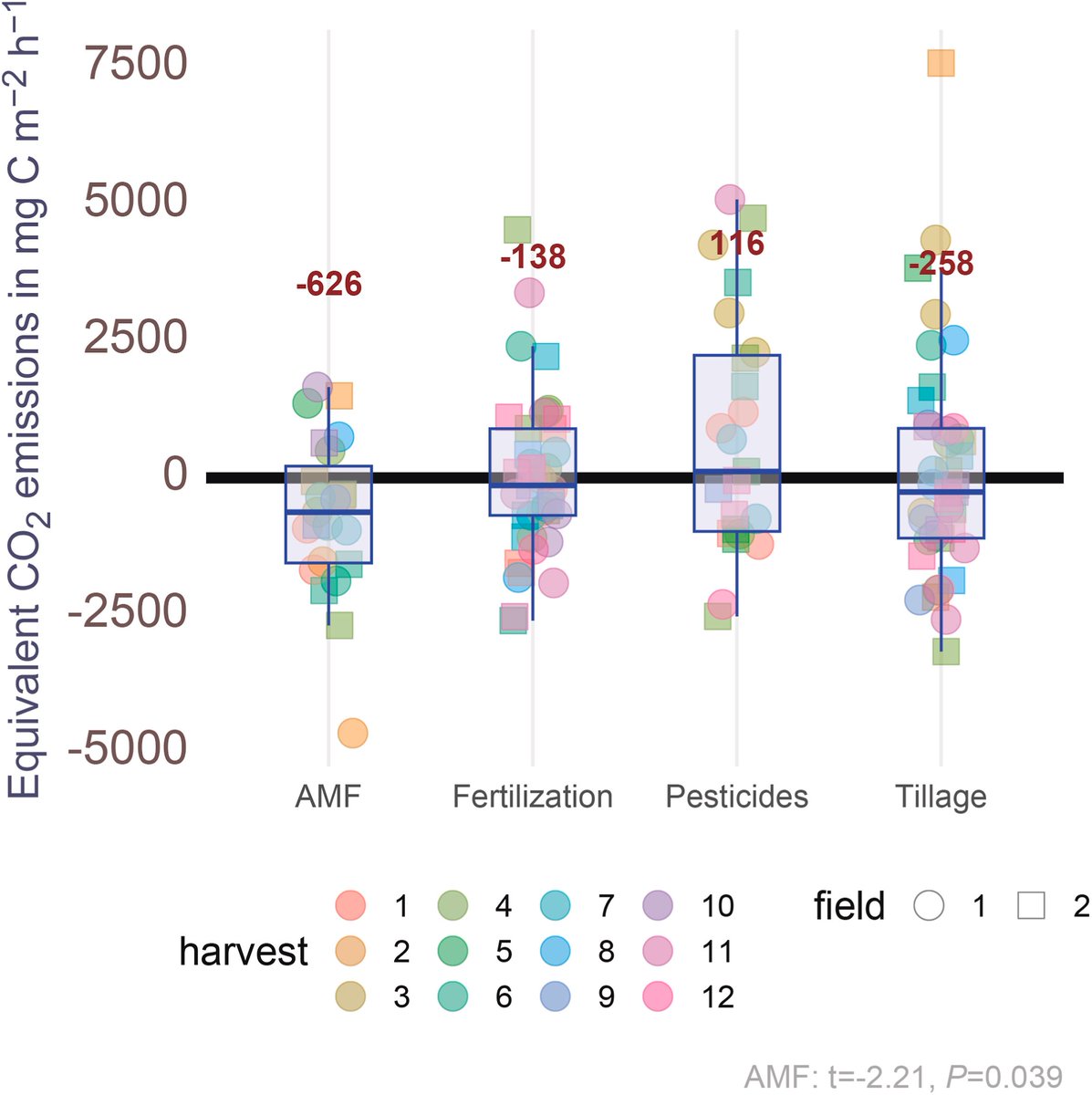
@DaleSteele11 @mrillig @JosepPenuelas Why should they, it is beyond their scope! Possibly we should stop here but I think there exist two extremes: applied studies non integrating yield estimates, and practitioners trying to interpret theoretical studies not intended for practical recommendations. Thank you for this!
English

0
0
0
12
Dale
Dale@DaleSteele11·
@StavrosVer @mrillig @JosepPenuelas That’s my point… every study focuses exclusively on GHG emission rates - never designed to assess yield or whole‑plant CO₂ uptake, or make specific (i.e. applied) recommendations.
English
1
0
0
19
Stavros Veresoglou
Stavros Veresoglou@StavrosVer·
@DaleSteele11 @mrillig @JosepPenuelas Thanks again, Dale. As I noted, our study focused exclusively on GHG emission rates – it wasn’t designed to assess yield or whole‑plant CO₂ uptake, and we made no specific (i.e. applied) recommendations. I appreciate your engagement on these important trade‑offs.
English
1
0
0
16
Dale
Dale@DaleSteele11·
@StavrosVer @mrillig @JosepPenuelas Ok, but without knowing the amount of food production/yield for each treatment… how can you measure how much/if emissions are reduced for the calories produced in each treatment? And how much CO2 does an acre of rice use to grow in each treatment?
English
1
0
0
23
Stavros Veresoglou
Stavros Veresoglou@StavrosVer·
@DaleSteele11 @mrillig @JosepPenuelas for adoption, we need both. The abstract notes that explicitly. On your broader point: our goal isn’t to reduce food production, but to reduce emissions per calorie produced. (this is a personal opinion and does not reflect what my coauthors think)
English
1
0
0
15
Stavros Veresoglou
Stavros Veresoglou@StavrosVer·
@DaleSteele11 @mrillig @JosepPenuelas Thanks, Dale – this is an important discussion. You’re right that reporting emissions per unit yield (or with yield data) is ideal for trade‑off analysis. In this study, the research question was about context‑dependent GHG effects, so yield wasn’t the focus – but I agree that
English
1
0
0
19
Stavros Veresoglou
Stavros Veresoglou@StavrosVer·
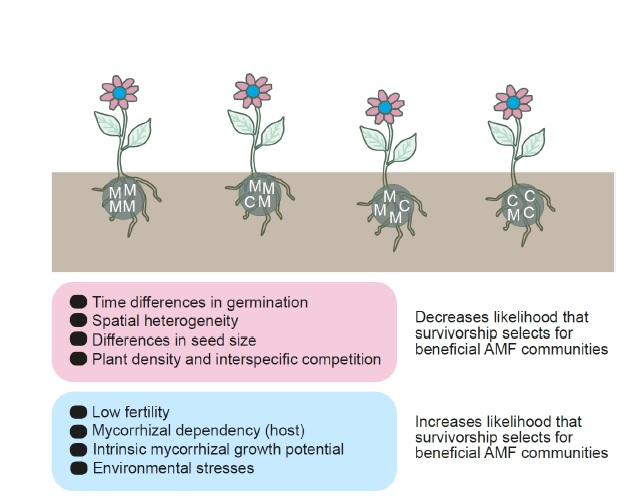
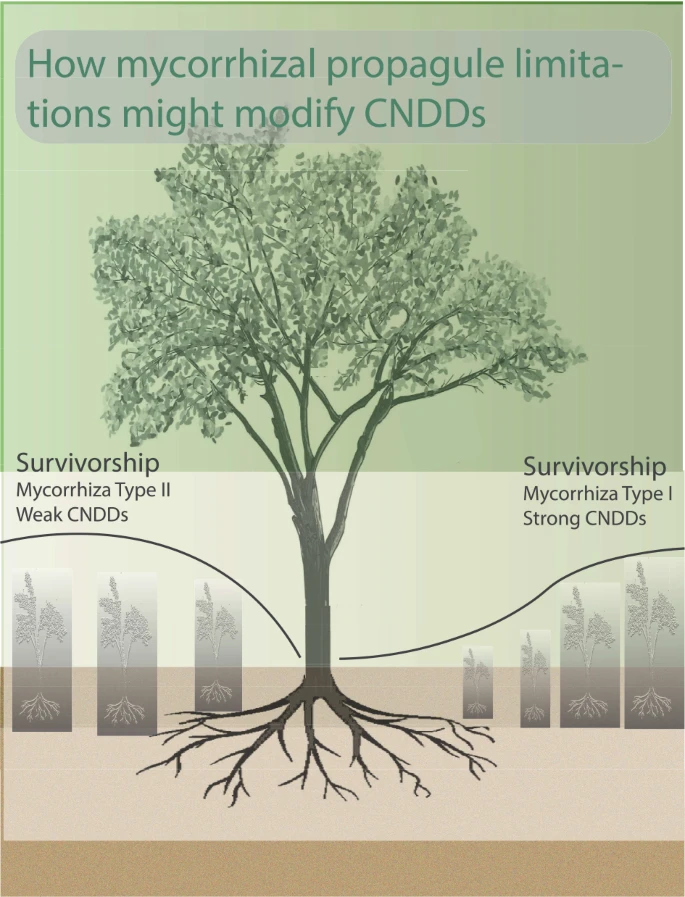
"In the land of the blind, mycorrhiza was the one-eyed king!" - distinguishing between holobiont-and individual-symbionts-types of hypotheses could foster progress! Happy to see this out at @JXBot! A huge thanks to two exceptional anonymous reviewers ! academic.oup.com/jxb/advance-ar…
Stavros Veresoglou tweet media
English
0
0
2
81
Stavros Veresoglou
Stavros Veresoglou@StavrosVer·
@mrillig I think that the scholar still gains a lot of hard and soft skills over their postdocs (and throughout their academic life). It may indeed be a less efficient period from an industry perspective than working in undustry, but it is hard to envision quiting as a failure!
English
0
0
1
90
Matthias C. Rillig
Matthias C. Rillig@mrillig·
"The postdoc is the first career stage specialized for academia. In that sense, it is the first occasion where leaving academia could be seen as a failure." Do you agree? I find myself not really in agreement. Is a postdoc really specialized for academia?
English
6
0
11
1.4K
Stavros Veresoglou
Stavros Veresoglou@StavrosVer·
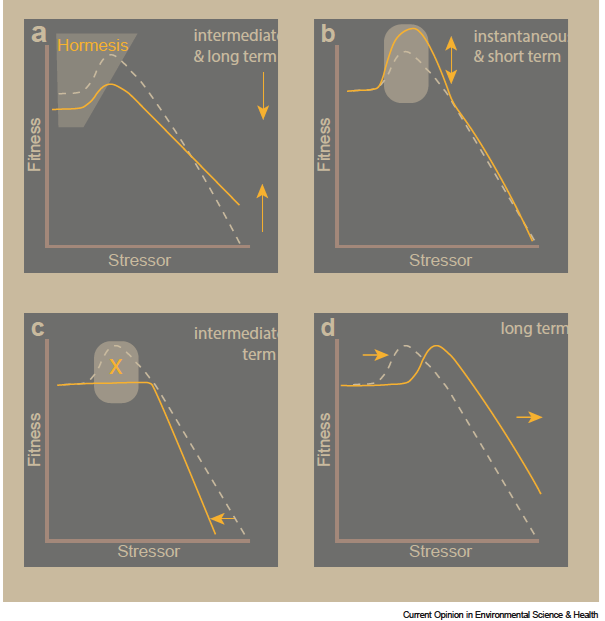
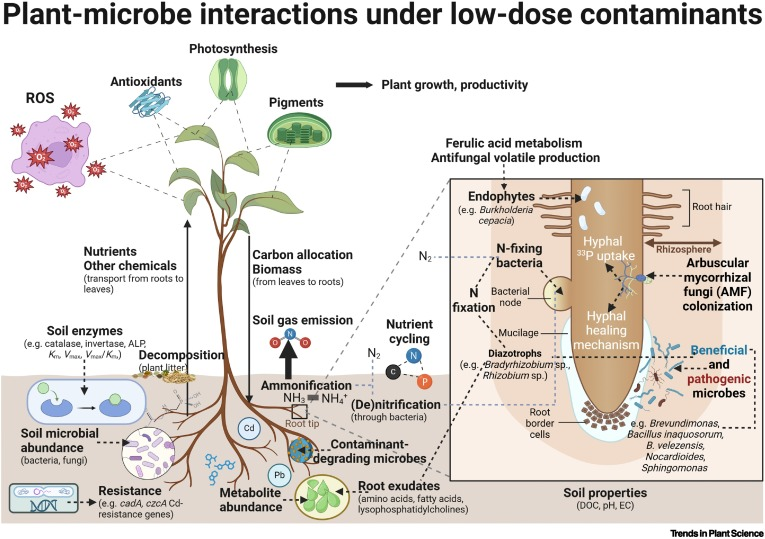
The microbiome orchestrates contaminant low-dose phytostimulation. Agathokleous et al. #f0005" target="_blank" rel="nofollow noopener">sciencedirect.com/science/articl…
Stavros Veresoglou tweet media
English
0
0
1
106
Stavros Veresoglou
Stavros Veresoglou@StavrosVer·
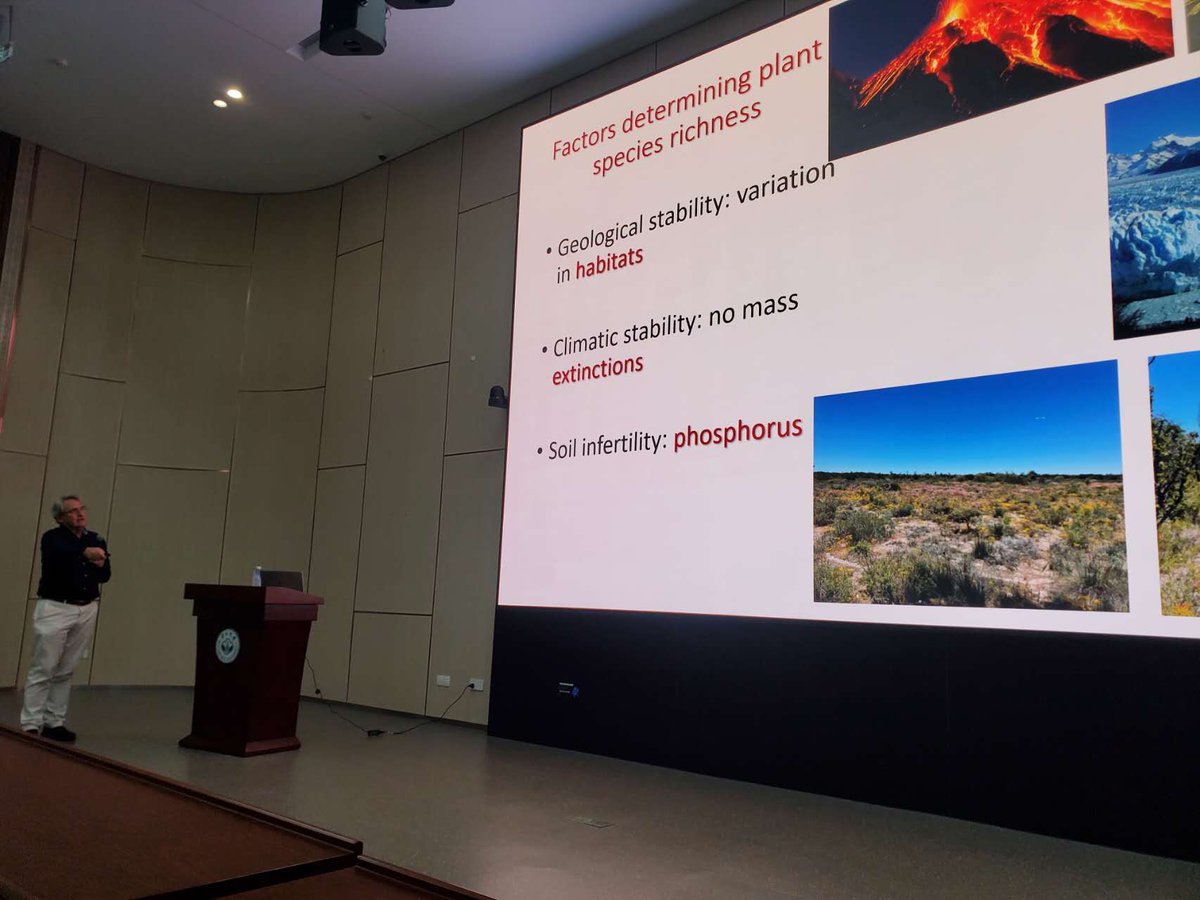
Delighted from the opportunity to catch up with Hans Lambers and plan some new projects together! And this was a really great seminar!
Stavros Veresoglou tweet mediaStavros Veresoglou tweet mediaStavros Veresoglou tweet media
English
0
0
0
172
Stavros Veresoglou retweetledi
Milan Chytrý
Milan Chytrý@MilanChytry·
This article opens a new era of AI-based supervised classification of vegetation and habitat types based on species composition. César Leblanc from the University of Montpellier, with the support of colleagues from Pl@ntNet and EVA (European Vegetation Archive), has developed a classifier for EUNIS habitat types across Europe that seems to classify habitat types better than the logical definitions in the expert system. I was already playing with using artificial intelligence tools to classify vegetation types based on vegetation plots 20 years ago. My student Lenka Černá and I published the first study using artificial neural networks for the supervised classification of vegetation in 2005 (doi.org/10.1111/j.1654…). At that time, however, AI tools were still in their infancy, the calculations were time-consuming, there were no continental vegetation databases and no standardized international vegetation or habitat classification. Therefore, we focused on developing logical definitions of vegetation and habitat types, which was completed for the European habitats of the EUNIS system in 2020 ( doi.org/10.1111/avsc.1…). In our expert system EUNIS-ESy, we created consistent definitions of habitats across Europe, which paved the way for the application of more flexible AI tools such as those developed under César's leadership. Open-access article: doi.org/10.1111/avsc.1… Code on GitHub: github.com/cesar-leblanc/…
Milan Chytrý tweet media
English
0
36
117
11K