Trends in Psychiatry

1.3K posts

Trends in Psychiatry banner
Trends in Psychiatry

Trends in Psychiatry

@TrendsPsych

Find links to recent articles on clinical psychiatry

London Katılım Ağustos 2019
346 Takip Edilen544 Takipçiler
Trends in Psychiatry retweetledi

Cambridge UP - Psychology & Psychiatry
Preventing Suicide by Professor Rob Poole, Professor Murad M. Khan and Professor Catherine A. Robinson A succinct, evidence-based, and practical guide to suicide prevention from a multicultural and international standpoint. 📚 cup.org/4eQepvC
Cambridge UP - Psychology & Psychiatry tweet media
English
0
3
7
482
Trends in Psychiatry retweetledi
Next Science
Next Science@NextScience·
🚨 Medical history rewritten: 19-year-old becomes the youngest person diagnosed with Alzheimer's. In a medical first that has stunned the scientific community, doctors have diagnosed a 19-year-old with Alzheimer’s disease, marking the youngest confirmed case in history. His symptoms began at just 17 with concentration issues and reading difficulties, eventually progressing to severe memory loss where his recall scores were over 80% lower than his peers. Most strikingly, the teenager possessed no known genetic mutations or family history of the disease, defying the usual patterns found in early-onset cases which typically involve inherited triggers. The diagnosis was confirmed through brain scans showing damage to the hippocampus and spinal fluid tests revealing classic Alzheimer’s biomarkers. This case disrupts the traditional understanding of the disease as one reserved for the elderly or those with rare genetic predispositions. Researchers now believe that unknown biological pathways may trigger the condition, suggesting that Alzheimer’s can manifest much earlier than previously imagined. This discovery opens a challenging new frontier in neurology, demanding a re-evaluation of how the disease develops across different age groups. Source: Jia, J., Zhang, Y., Shi, Z., Yin, R., Wang, S., & Ji, Y. A 19-Year-Old Patient with Probable Alzheimer's Disease. Journal of Alzheimer's Disease.
Next Science tweet media
English
47
99
366
110.3K
Trends in Psychiatry retweetledi
Dr. Carlos Arnaud
Dr. Carlos Arnaud@carlos_arnaud·
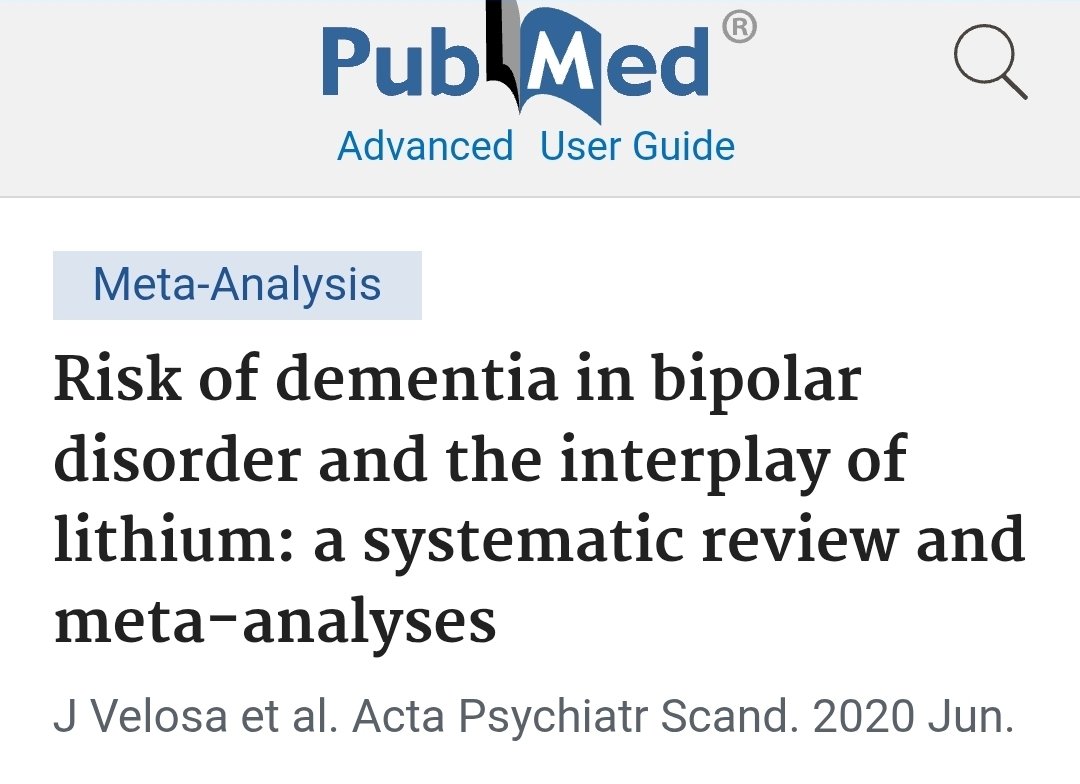
In this meta-analysis, patients with Bipolar Disorder who were treated with lithium had a 49% lower risk of developing dementia compared with patients with Bipolar Disorder who were not treated with lithium @chrisaikenmd @CarlatPsych pubmed.ncbi.nlm.nih.gov/31954065/
Dr. Carlos Arnaud tweet media
Chris Aiken, MD@chrisaikenmd

Lithium lowered dementia risk 13% in 5-year, non-randomized study of older adults with #bipolar, compared to anticonvulsants: pubmed.ncbi.nlm.nih.gov/41646718 Evidence grade moderate (4/10): chrisaikenmd.com/ebm Unproven, but a larger trial is underway in dementia.

English
2
21
59
4.5K
Trends in Psychiatry retweetledi
Chris Aiken, MD
Chris Aiken, MD@chrisaikenmd·
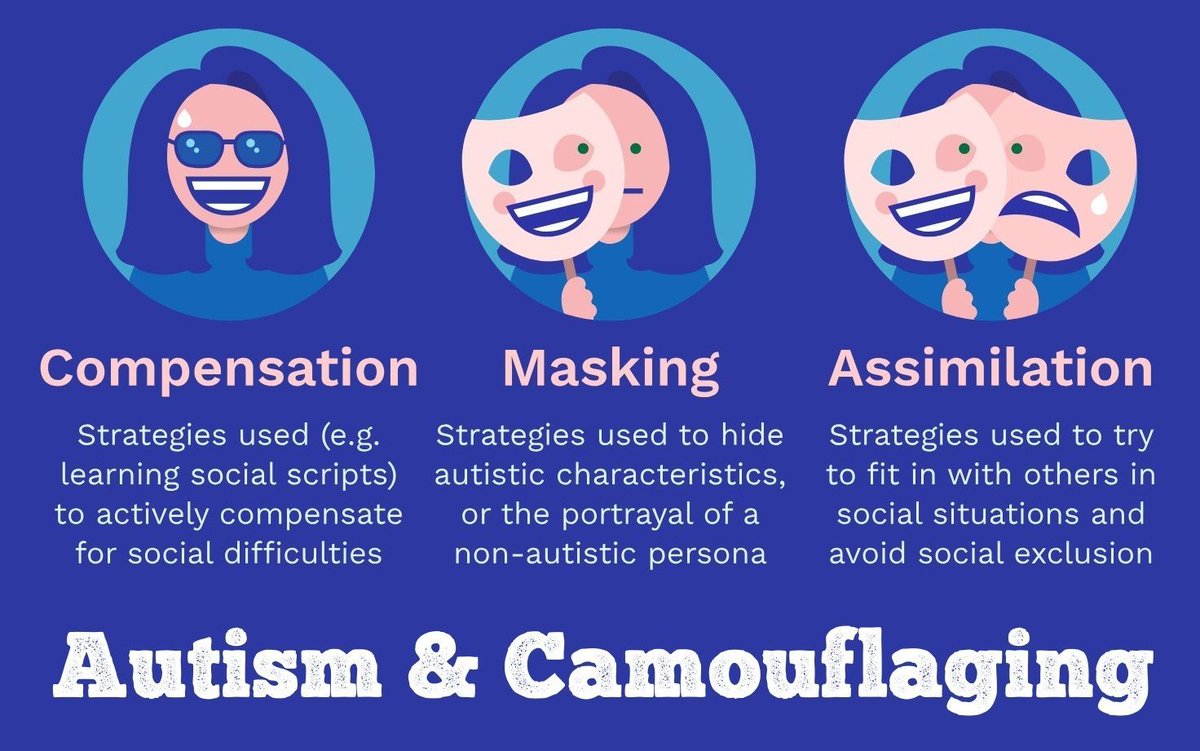
Camouflaging is when people on #autism spectrum mask symptoms or imitate normal interactions to avoid standing out. It can work, but it's also a cause of distress, as new study finds: pubmed.ncbi.nlm.nih.gov/41120451 How do you manage this side effect of social skills training?
Chris Aiken, MD tweet media
English
5
9
56
14.7K
Trends in Psychiatry retweetledi
Jonathan Shedler
Jonathan Shedler@JonathanShedler·
1/ Highlights from this crucially important paper: About 7 out of 10 patients who get “evidence-based therapy” for depression are still depressed after treatment Of the 3 that get well, about half would have gotten well without treatment No significant differences between types of therapy (the “dodo bird verdict”) “Third wave” therapies (eg, ACT) no better than plain old CBT, or any other form of treatment From the paper: “Most patients do not respond or remit after therapy, and more effective treatments are clearly needed” So… can someone please explain to me again why these treatments are routinely called “evidence-based therapy?”
Jonathan Shedler tweet media
English
50
268
1.3K
227.5K
Trends in Psychiatry retweetledi
Mark Oldham
Mark Oldham@MarkOldhamMD·
Yet more evidence that haloperidol is not a sedative. RCT to ⬇️ agitation in palliative care #delirium 1⃣haloperidol 2⃣lorazepam 3⃣halop + loraz 4⃣placebo Haloperidol monotherapy was not more efficacious than placebo in reducing RASS. doi.org/10.1001/jamaon…
Mark Oldham tweet media
English
8
37
155
9.6K