
Void Invariant retweetledi
Void Invariant
240 posts

Void Invariant
@VoidInvariant
Science | Technology | Engineering #Science #Technology #Engineering
Planet Earth Katılım Ocak 2026
79 Takip Edilen38 Takipçiler
Void Invariant retweetledi

In 4 or 5 years, there will be a launch every hour
X Freeze@XFreeze
TWO Falcon 9 launches in one day The pace SpaceX is launching is just Insane… For the rest of the space industry, it takes months or years to pull off one launch But in the last 24 hours, SpaceX completed TWO flawless missions: • 119 payloads delivered to orbit • 29 more Starlink satellites launched That’s 148 satellites in ONE DAY and this is quite routine for SpaceX SpaceX is operating on a completely different level
English
Void Invariant retweetledi

Void Invariant retweetledi
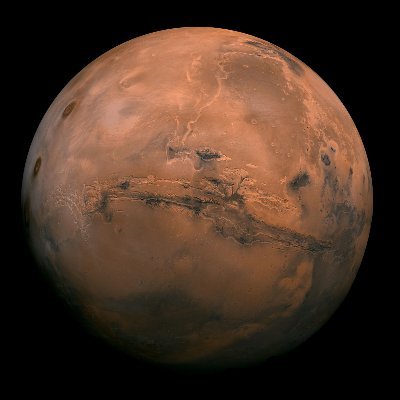
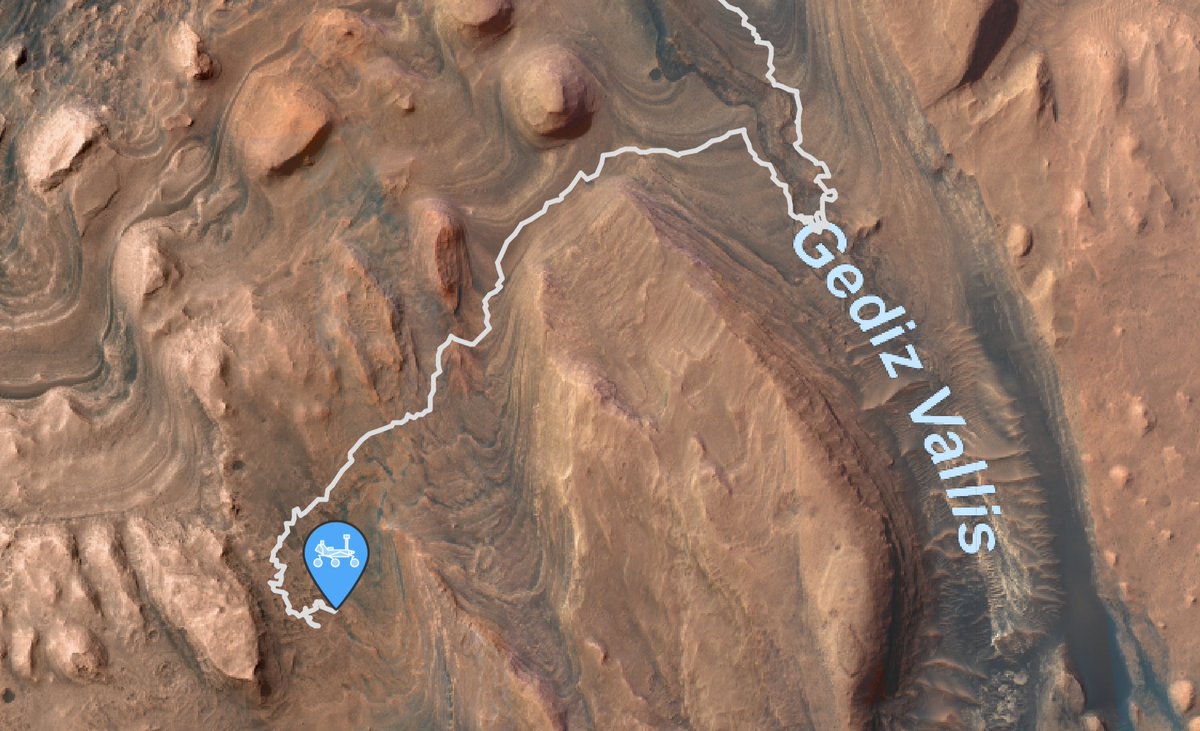
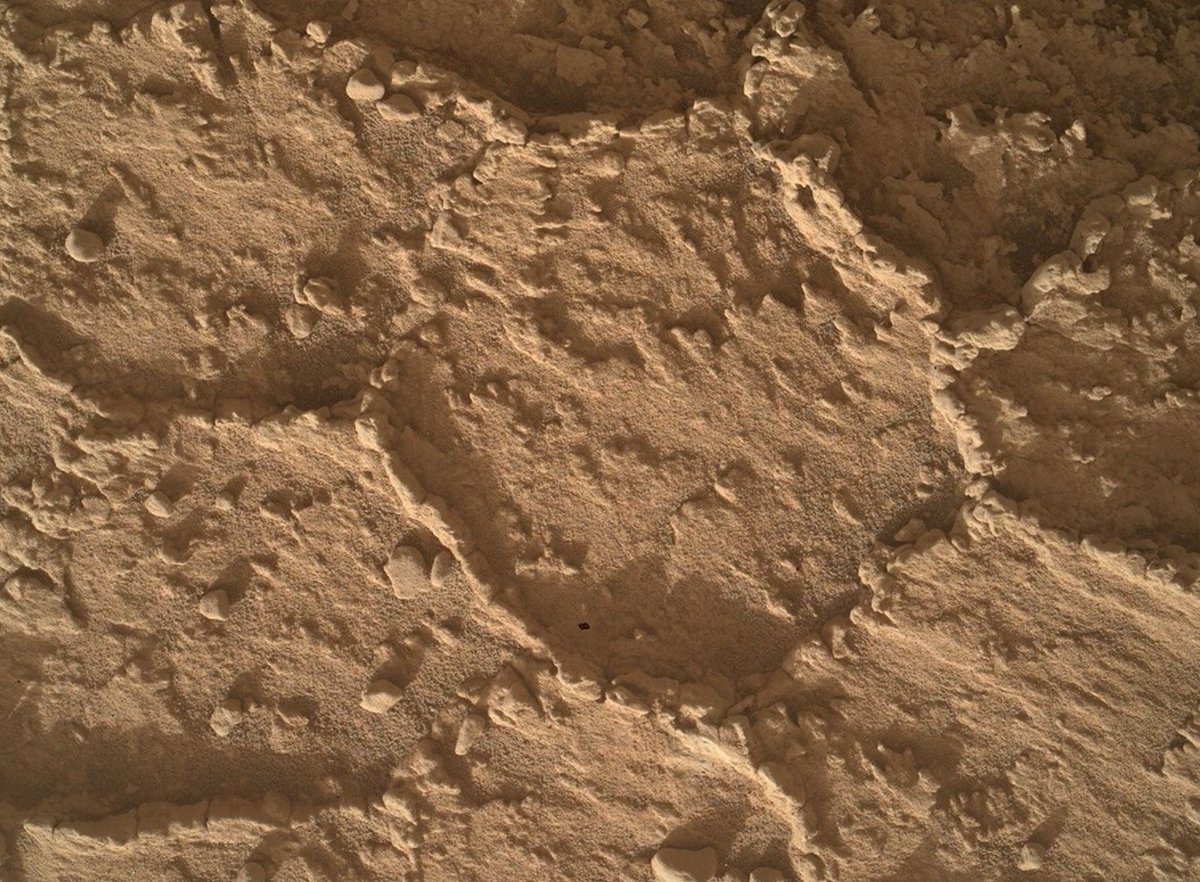
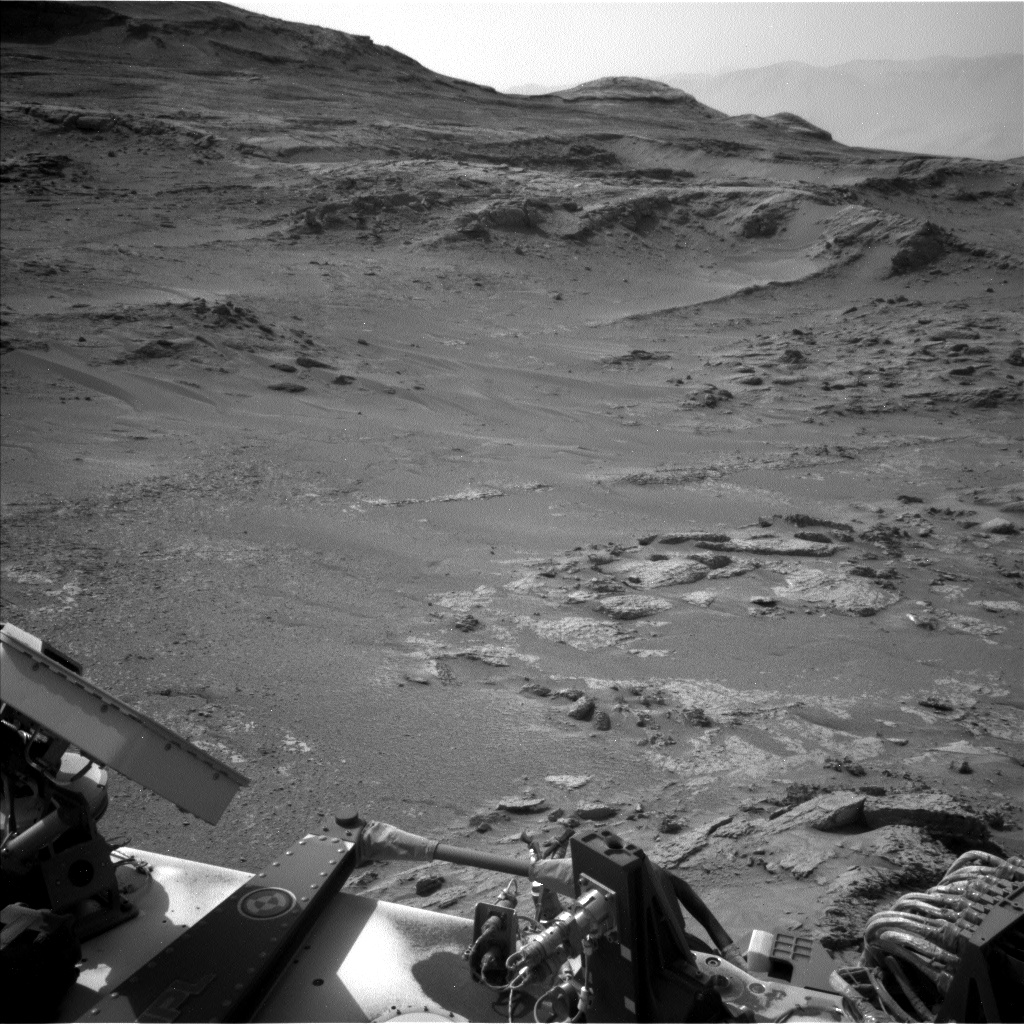
Curious about Curiosity? 🔎 See where the robotic explorer has been and what it has found lately with these weekly updates from the team: science.nasa.gov/mission/msl-cu…
English
Void Invariant retweetledi
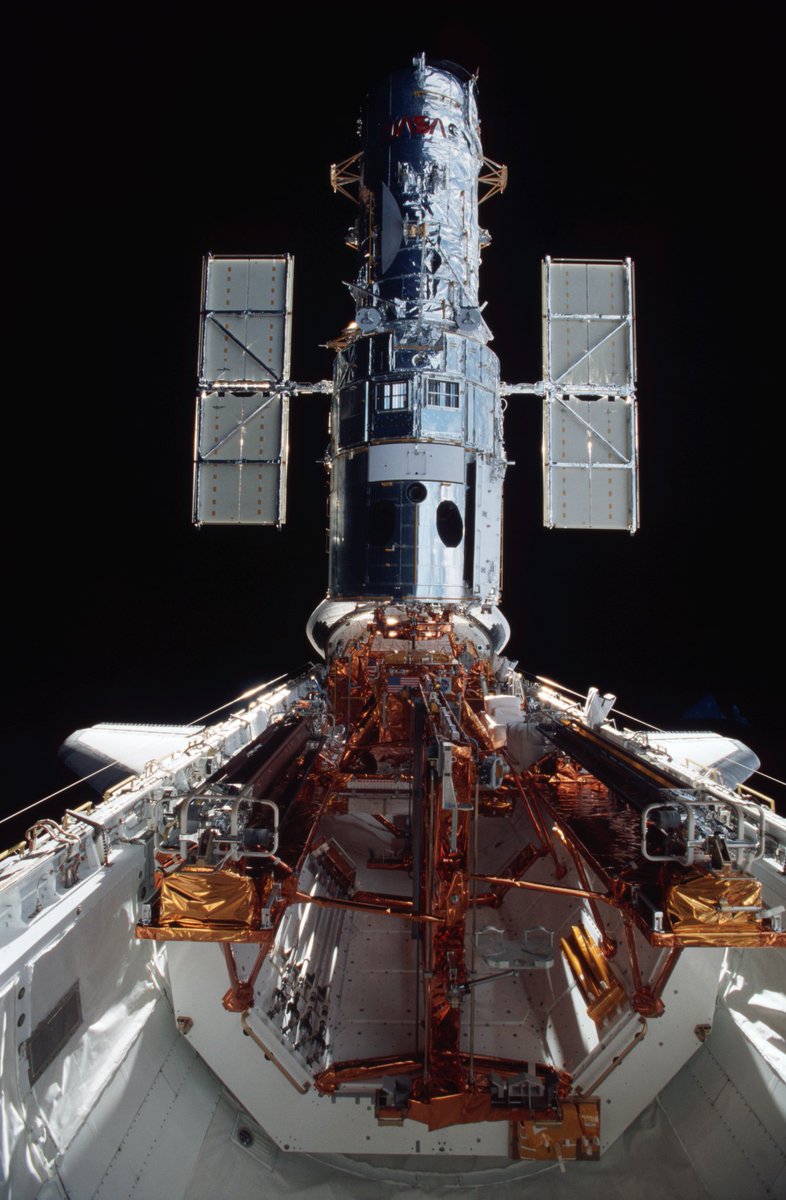
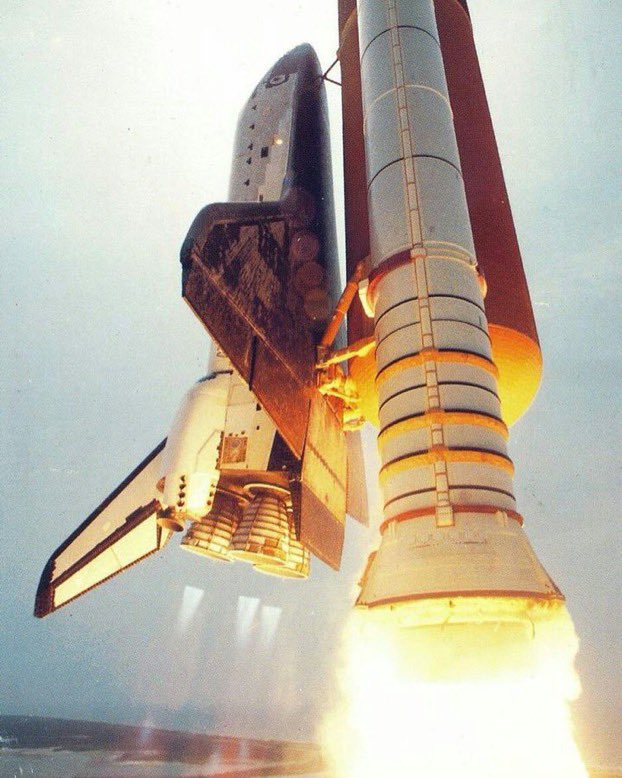
New eyes on the universe 👀
#OTD in 2002, Hubble's Servicing Mission 3B launched. Astronauts installed a new instrument, the Advanced Camera for Surveys, that increased Hubble's scientific abilities 10-fold: go.nasa.gov/4tV0wBL
English
Void Invariant retweetledi

Void Invariant retweetledi
Void Invariant retweetledi

🚨: Astronomers have discovered the largest reservoir of water in the known universe — holding an astonishing 140 trillion times more water than all of Earth's oceans combined.
Located 12 billion light-years away, this mind-bending find reshapes what we know about the role of water in the cosmos.


English
Void Invariant retweetledi
AI must pass, in general, the “Galileo” test: even if almost all the training data repeats falsehoods, it must nonetheless see the truth
Physics In History@PhysInHistory
Happy Birthday to Galileo Galilei.✍️ Born on February 15, 1564, Galileo was a pioneering scientist whose observations transformed humanity’s understanding of the universe. Through his telescopic discoveries - including the moons of Jupiter and the phases of Venus - he provided powerful evidence that challenged long-held beliefs and supported the motion of the Earth. Widely regarded as the Father of modern astronomy, his dedication to observation, evidence, and scientific inquiry laid the foundation for modern science.
English
Void Invariant retweetledi

The four @SpaceX Crew-12 members with @Astro_Jessica, @Astro_Hathaway, @Soph_Astro, and Andrey Fedyaev docked in their Dragon spacecraft to the orbiting complex at 3:15pm ET today. nasa.gov/blogs/spacesta…
English
Void Invariant retweetledi
#Linux Secure by Design 🔒🐧🦥
Mr Ash@ash_twtz
Everyone says “Linux is secure and viruses don’t attack it easily” But why is that actually true? Very few people know the real reasons: 1. Linux user permissions are strict by design In Linux, normal users don’t have admin (root) access by default. Malware can’t install system-level files unless it explicitly gets root permission - which usually requires your password. No silent installs. 2. Software comes from trusted repositories Unlike Windows/macOS where people download random .exe files, Linux users install apps from official, cryptographically signed repositories. This massively reduces the chance of installing infected software. 3. Open-source = constant inspection Linux is open-source. Thousands of developers worldwide continuously inspect, audit, and improve the code. If a vulnerability appears, it’s often found and patched quickly - sometimes within hours. 4. No single point of failure Linux isn’t one OS - it’s hundreds of distributions (Ubuntu, Fedora, Arch, etc.). A virus written for one distro often won’t work on another. Malware authors hate fragmentation. 5. Kernel-level security features Linux uses advanced protections like: • SELinux / AppArmor (mandatory access control) • Address Space Layout Randomization (ASLR) • Secure memory handling Even if malware runs, its damage is heavily restricted. 6. Fewer users = lower incentive Linux dominates servers, not desktops. Hackers usually target platforms with maximum users for maximum profit. Desktop Linux simply isn’t the most lucrative target. 7. Fast updates, no forced delays Linux updates are lightweight, frequent, and optional - but encouraged. Vulnerabilities stay open for less time. 8. Command-line transparency Most system-level actions are visible. Nothing hides behind flashy installers. Suspicious behavior is easier to detect for experienced users. Conclusion: Linux isn’t “virus-proof” - nothing is. But its architecture, permissions model, open-source nature, and security-first design make it far harder to attack than most operating systems.
English
Void Invariant retweetledi

Void Invariant retweetledi
LIVE: Watch as Crew-12 arrives at the @Space_Station! Docking is scheduled for 3:15pm ET (2015 UTC), with the hatches opening around 5pm ET (2200 UTC). twitter.com/i/broadcasts/1…
English
The carbon budget doesn't balance.
Curiosity found more organic material than geology should be able to produce.
Something else was at work here🦥
#MarsRover #NASA #life
NASA Mars@NASAMars
By studying samples analyzed by the Curiosity rover, scientists have taken another step toward understanding whether life could have ever existed on Mars. A new study suggests that non-biological sources cannot fully account for the abundance of organic compounds found in a sample collected by the rover. Dig into the details: go.nasa.gov/46AGzG5
English
Void Invariant retweetledi




Void Invariant retweetledi
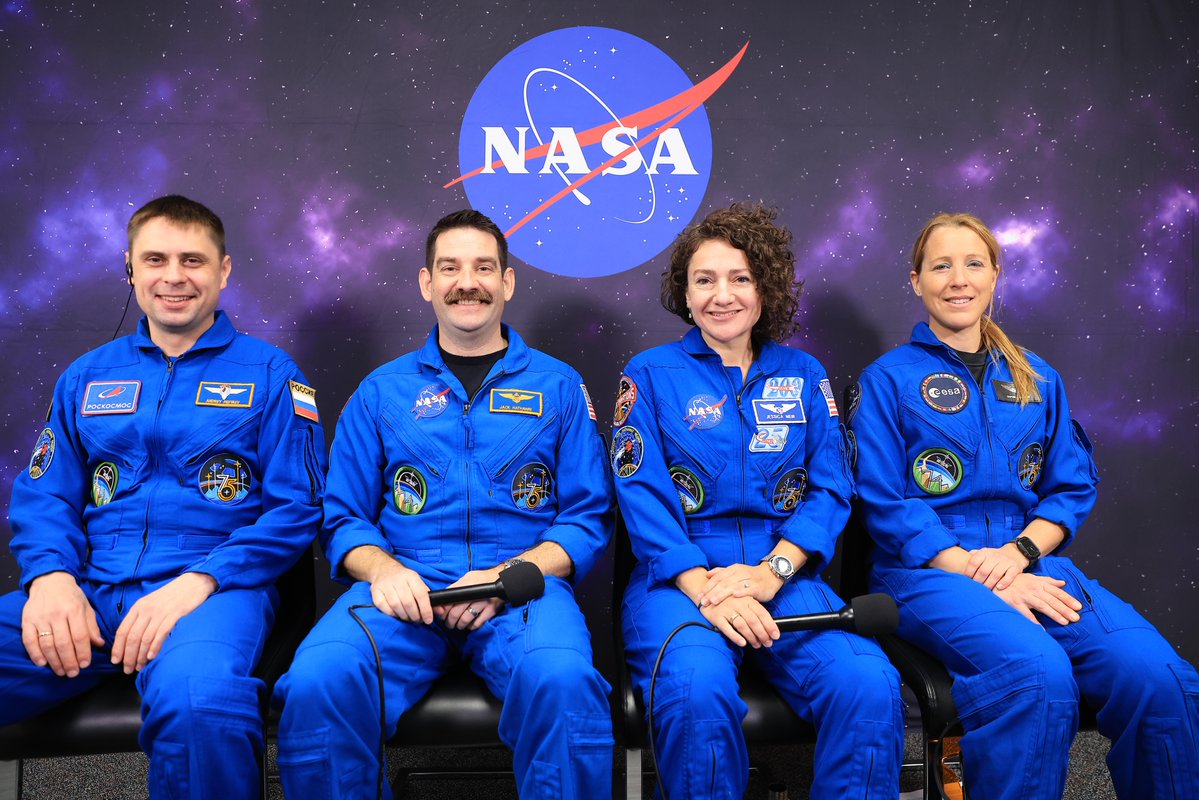
Our Crew-12 mission is heading to the @Space_Station soon!
Learn more about the four-person crew and their mission of scientific discovery: go.nasa.gov/407OQ0t
English
Void Invariant retweetledi

Scientists used graphene, which are a thousand times lighter than helium and turn states at relatively higher temperatures. bit.ly/4r4thK6

English

Promote yourself ✍️
Just say Hello 👋
We'll follow you right now 👇

English