
Budget Advocacy Network Sierra Leone -BAN
54 posts

🇸🇱 The policy dialogue on 'Advancing Equity & Shaping the Future' is underway in Sierra Leone! 🎙️
@TalkingDrumsSL, @BudgetAdvocacySL & @5050GroupSL – funded by @IrishAid – are bringing together government, civil society, women's groups & community leaders to drive real change on:
✅ Audit accountability
🌍 Climate change
☮️ Peaceful coexistence
👩🏾 Women's empowerment
Because inclusive governance is everyone's business.
#InclusiveGovernance #SierraLeone #WomenEmpowerment #ClimateAction #Accountability

English
A new assessment by the Ministry of Finance’s Fiscal Decentralisation Division has raised fresh concerns over declining revenue performance across Sierra Leone’s local councils, with eleven out of fifteen councils failing to meet the minimum five (5%) annual growth target for 2025.
Kailahun District Council is among those underperforming, recording a 15.3% revenue shortfall compared to 2024, despite its classification as a high-potential, Class A council. The report points to weak enforcement, low taxpayer compliance, and underutilised revenue streams as key drivers of the decline.
But in a bid to reverse the trend, the Budget Advocacy Network, with support from Christian Aid and in collaboration with the Fiscal Decentralisation Division, has stepped in, bringing together 15 Paramount Chiefs, non-state actors, CACs, and key stakeholders in a high-level dialogue aimed at strengthening local revenue mobilisation.
The engagement culminated in the historic signing of a revenue-sharing agreement, marking a renewed commitment to transparency, accountability, and improved service delivery. Watch more from this exclusive coverage of the event in Kailahun.
#LocalGovernance
#RevenueMobilisation
#OSRReform
#FiscalDecentralisation
#PublicFinance
#Accountability
#Transparency
#ServiceDelivery
#Kailahun
#SierraLeone
#BudgetAdvocacy
#GoodGovernance
#PFM
#CitizenEngagement
#RevenueGrowth
English
The Budget Advocacy Network (BAN), with support from Christian Aid Sierra Leone through the Irish Civil Society Partnership for a Better World (ICSP), in collaboration with the Ministry of Finance, Sierra Leone Fiscal Decentralisation Division, convened a dialogue on 20 April 2026 at the Kailahun District Council's main administrative building to strengthen own-source revenue (OSR) mobilisation.
The meeting aimed to improve coordination between the council and Paramount Chiefs and secured a renewed commitment to implementing revenue-sharing MoUs.
A key milestone was the signing of a revised MoU by all 15 Paramount Chiefs and stakeholders, making it legally binding. The agreement establishes quarterly revenue sharing, including 80/20 splits for property tax and evacuation fees; 40/60 from market dues; 50/50 from sand, stone, and worreh (ranch) fees; and 70/30 for power saw licences.
Participants agreed on actions to enforce bylaws, strengthen collection systems, and enhance chiefdom-level ownership of OSR reforms, alongside a clear roadmap for follow-up and monitoring.
Despite this progress, revenue trends (2022–2025) are volatile, rising sharply in 2024 before declining by 15.3% in 2025. This highlights persistent challenges, which include low compliance and weak enforcement of revenue measures.
BAN’s intervention under the Promoting Accountability and Citizens Engagement (PACE) project continues to support improved coordination, accountability, and citizen engagement to promote sustainable revenue growth and better service delivery.
#OwnSourceRevenue #LocalGovernance #PublicFinance #RevenueMobilisation #Accountability #Transparency #FiscalDecentralisation #ServiceDelivery #GoodGovernance #SierraLeone #BAN #PACEProject #CitizenEngagement #LocalDevelopment #ParamountChiefs #MoU #TaxCompliance #PFM #InclusiveGovernance


English
Power, Money & Justice: Making the 5% Rice Import Duty Work for Women Farmers
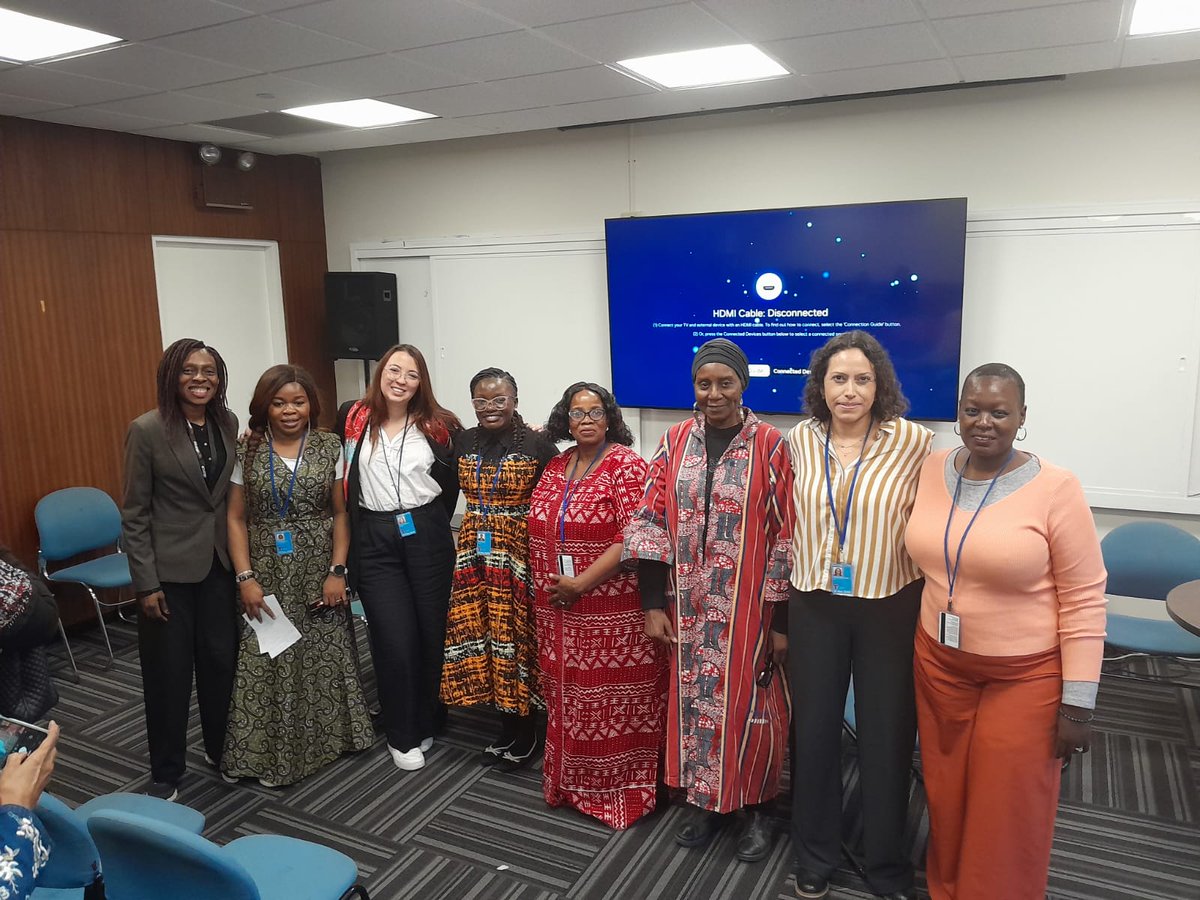
At the 70th Session of the Commission on the Status of Women (#CSW70), Sierra Leone's perspective was unmistakable regarding the connection between tax policy and gender equality.
Speaking on behalf of the Making Tax Work for Women consortium, implemented by the Budget Advocacy Network and 50/50 Group with support from Christian Aid Sierra Leone, Dr. Aisha Fofana Ibrahim highlighted a critical reality:
“Rice is our staple, and women carry the greatest burden when prices rise.”
She noted that while the government of Sierra Leone reintroduced the 5% rice import duty in 2023 to boost domestic revenue and support the Feed Salone Initiative through the Agricultural Development Fund, the impact has not fully reached those who need it most.
📊 The gap is clear:
Only 0.9% of the revenue reached the Agricultural Development Fund in 2024.
27.7% in 2025, an improvement, but still insufficient
Meanwhile, many women farmers continue to lack access to critical support
Dr. Ibrahim made a strong call to action:
“Every Leone collected must reach the Agricultural Development Fund, and at least 30% should directly support women farmers.”
💡 The message is simple but powerful:
Investing in women farmers is not just about fairness; it is about food security, increased local rice production, and building a resilient agricultural system for Sierra Leone.
#MakingTaxWorkForWomen #CSW70 #GenderEquality #FeedSalone #TaxJustice #WomenFarmers #SierraLeone
English
📢 Launch of the 2026 Taxpayer Perception Survey
Are you a taxpayer in Sierra Leone? Your voice counts.
The Budget Advocacy Network (BAN), with support from the European Union (EU) through Linpico, will conduct the 2026 Taxpayer Perception Survey nationwide from 2 to 31 March 2026.
This independent survey will assess taxpayers’ experiences with tax compliance and service delivery, identify service gaps, inform tax policy and administrative reforms, and strengthen transparency, accountability, and public trust in the tax system.
Our trained survey teams will be engaging taxpayers directly across the country. All responses will remain strictly confidential—no names of individuals or businesses will be published. The findings will be used solely for independent research and advocacy.
If our team contacts you, please participate.
Your feedback can help build a more responsive and accountable tax system for Sierra Leone.
#TaxpayerPerceptionSurvey #SierraLeone #BAN #TaxReform #Accountability

English
📊 The 2026 Taxpayer Perception Survey is here.
Budget Advocacy Network (BAN), with EU support, is rolling out a nationwide survey to assess public perceptions of tax reforms implemented since 2019.
Findings will inform reforms at the National Revenue Authority and strengthen voluntary compliance, transparency, and domestic revenue mobilisation.
If contacted, participate. Your voice matters.
#TaxReform #SierraLeone


English
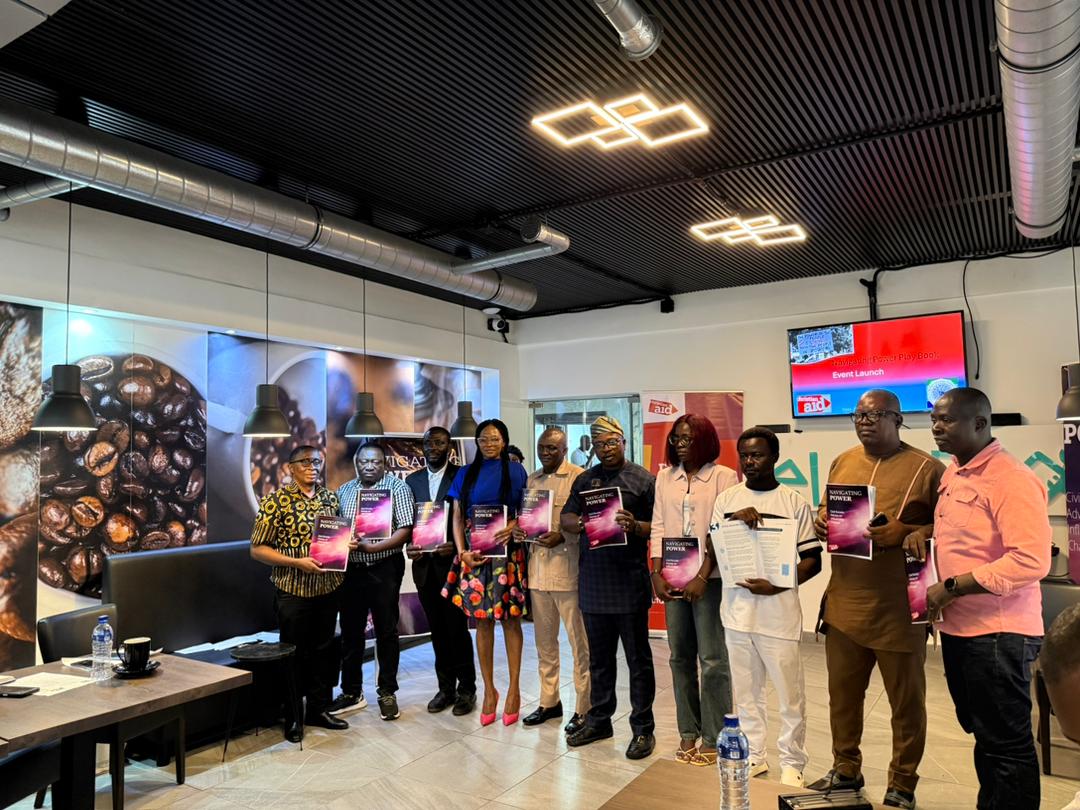
AYV's report of the Navigating Power Playbook event launch
English
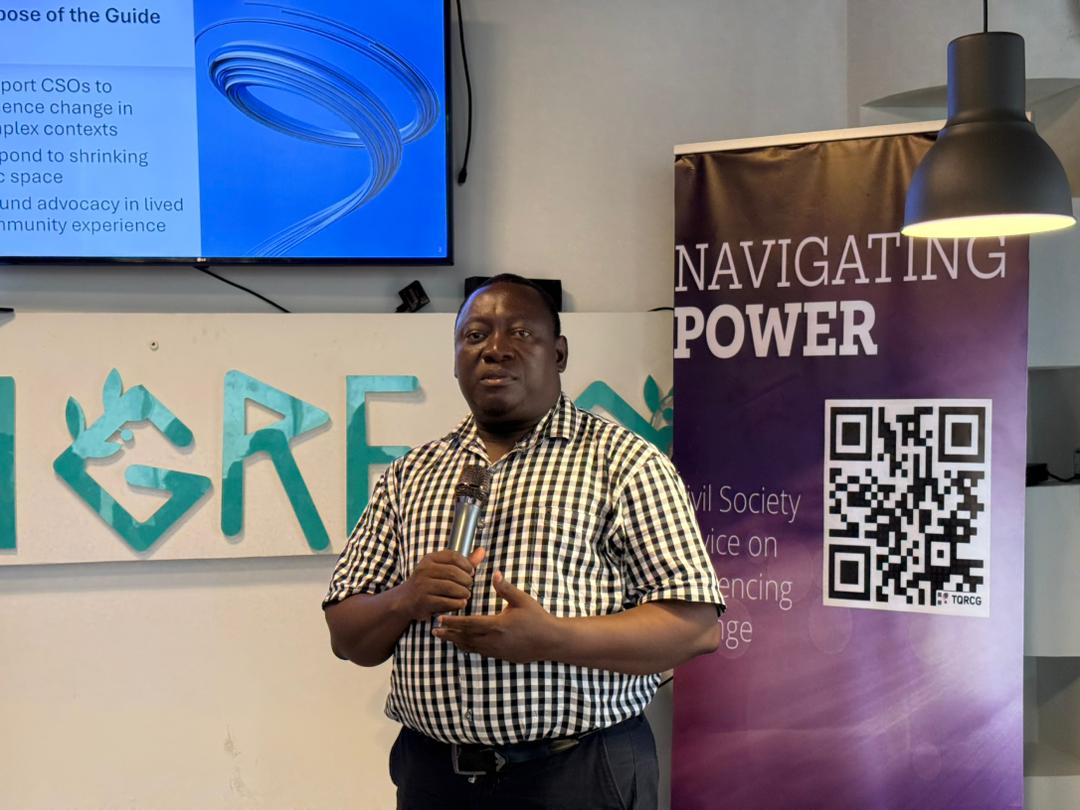
BAN & Christian Aid have launched Navigating Power: Civil Society Advice on Influencing Change, a practical guide to help CSOs operate strategically in complex civic environments.
Launched in Freetown, the playbook equips civil society with tools for:
✔️ Power analysis
✔️ Community-centred advocacy
✔️ Risk management
✔️ Coalition-building
✔️ Adaptive learning
Advocacy is about power—who decides, who benefits, and whose voices are heard.
#NavigatingPower #CivilSociety #CivicSpace #Governance #Accountability


English
14 Paramount Chiefs Sign Revenue-Sharing Mechanism MoU with Moyamba District Council
The revenue-sharing model, he said, will ensure development in all chiefdoms, as earmarked resources will be channelled to development projects that benefit citizens at the grassroots level; in turn, they will see the need to continue paying taxes to sustain development in their localities.source revenue mobilisation on Friday, January 30, 2025.
The dialogue, held at the Moyamba District Council Hall, brought together traditional authorities, council staff, civil society organisations, and local government officials to strengthen collaboration in mobilising and managing local own-source revenue.
PC Foday Momoh Gulama of Kaiyamba Chiefdom, Moyamba District, expressed willingness to settle their disagreements with the council. “We are willing to have a conversation with the council this time to have a win-win situation,” he stated, disclosing that before now, the chiefdoms and council used to have a revenue-sharing mechanism that involved the Paramount Chiefs in the collection of the chiefdom revenue. He said the new council had been in charge of collecting both tax and non-tax revenue, and the chiefdom authorities were limited to only collecting local tax and market dues.
PC Gulama noted that both the council and chiefdom authorities experienced a decline in citizens' compliance since the new model of revenue mobilisation was introduced. He emphasised that there is now a need for collaboration between the council and local authorities to complement each other, as the council does not have the manpower to collect its own-source revenue in all 14 chiefdoms.
The revenue-sharing model, he said, will ensure development in all chiefdoms, as earmarked resources will be channeled to development projects that benefit citizens at the grassroots level; in turn, they will see the need to continue paying taxes to sustain development in their localities.
The PC called on the council to join them and get a mutual understanding so they can work together to collect the revenue.
On his part, the Deputy Chief Administrator of Moyamba District Council, Mohamed Arafan Kabba, said the conversation on improving local own-source revenue, culminating in the signing of the MOU, was very important, as they are not in competition with the Chiefdom Authorities. He said whatever development they, as council, do is being done in the chiefdoms.
He said that revenue brings development to the district. “As we speak, the council is challenged. We only have 18 staff members, which means they cannot do the work alone,” Mr. Kabba stated. He emphasised that the own-source revenue will only improve if they collaborate with the Paramount Chiefs. He pledged the council’s commitment to collaborating with the paramount chiefs to improve the own-source revenue.
Abdulraman M. Sesay, Senior Programme Officer (SPO) of the Budget Advocacy Network, thanked the Paramount Chiefs and council staff for attending the dialogue. He said the meeting aimed to explore practical ways for the local council to generate revenue to improve service delivery to citizens.
He noted that Moyamba District had previously performed poorly in gender budgeting, public financial management, and audit accountability. However, targeted training and institutional support have led to improvements, although challenges in revenue mobilisation remain.
Sesay said successive Auditor General’s reports continue to show that the council is not generating sufficient own-source revenue to provide basic services to citizens. The 2023 and 2024 audit reports, he said, also clearly indicate weak collaboration between the district council and key stakeholders, particularly chiefdom authorities, in revenue collection.
He stressed that citizens must have trust and confidence in the system before they are willing to pay taxes or levies, noting that doubts and a lack of visible development in the chiefdoms significantly affect revenue performance. Sesay explained that this is why the Budget Advocacy Network has prioritised the issue for amplification this year. He further emphasised the need for transparency and accountability in the management of district revenues.
The revenue-sharing mechanism is critical to strengthening cooperation between the district council and Paramount Chiefs in mobilising own-source revenue. By clearly defining roles and responsibilities, it promotes transparency, improves efficiency, and ensures that revenues collected translate into visible development at the chiefdom level. Paramount Chiefs play a key role in mobilising community support and enforcing compliance, making their collaboration essential to sustainable revenue generation across all 14 chiefdoms under the council’s jurisdiction.
The engagement concluded with all Paramount Chiefs endorsing and signing a memorandum of understanding with the Moyamba District Council, pledging their full support to strengthen revenue mobilisation and accountability through a formal revenue-sharing mechanism across the district’s fourteen chiefdoms.
#LocalGovernance
#RevenueMobilisation
#Transparency
#Accountability
#PFM
#Chiefdoms
#Moyamba
#CitizensFirst
#BAN

English
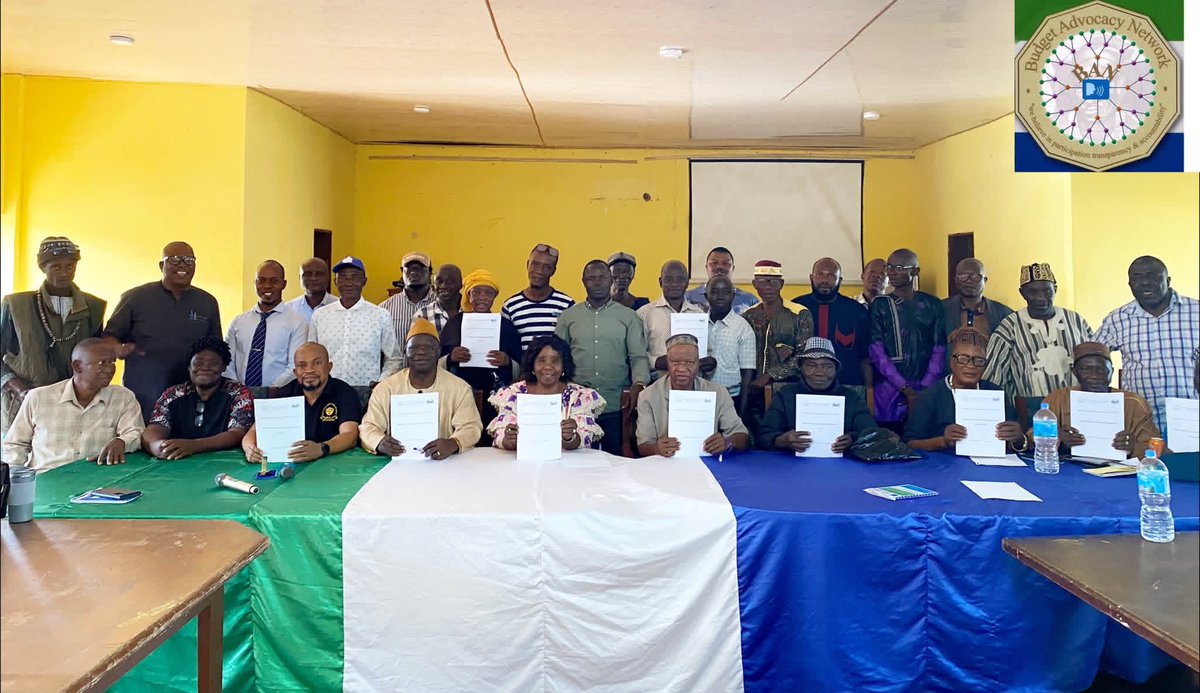
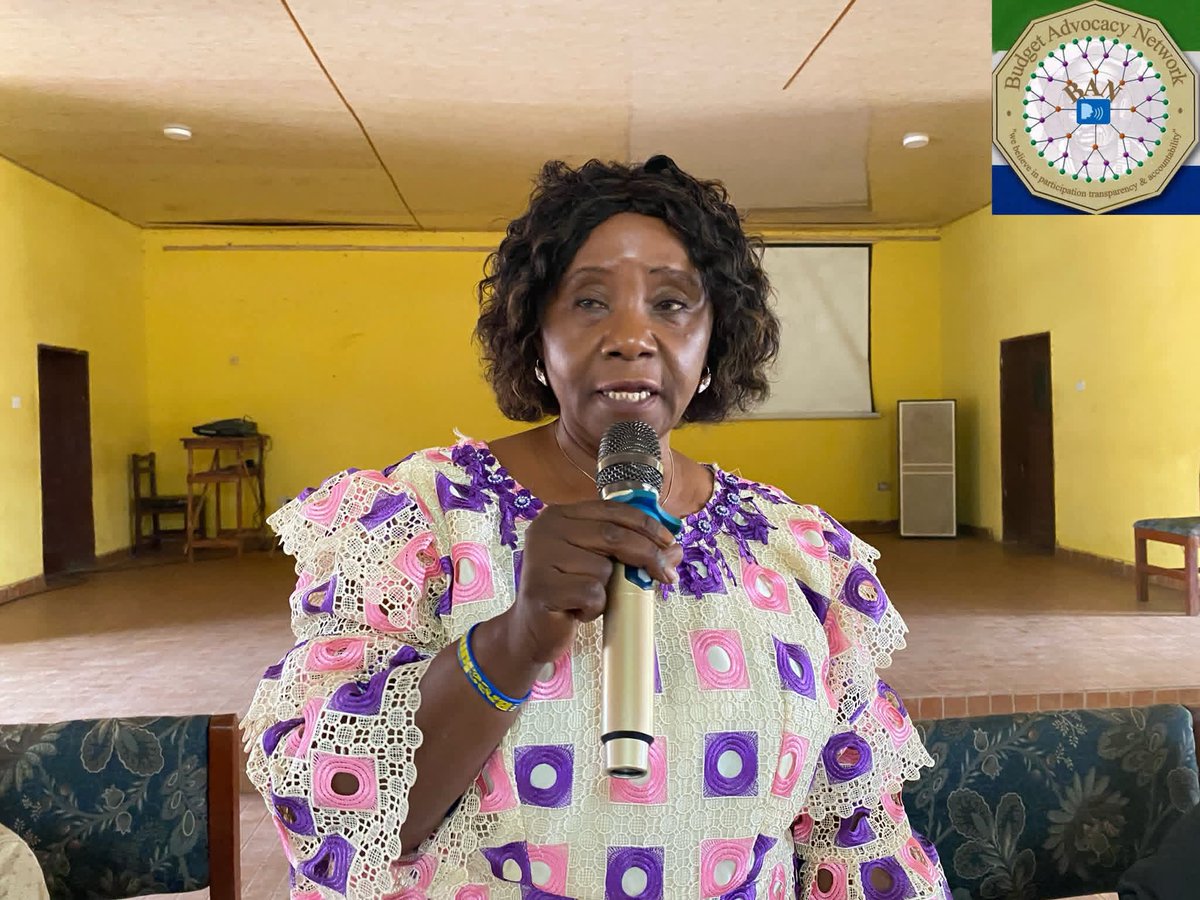
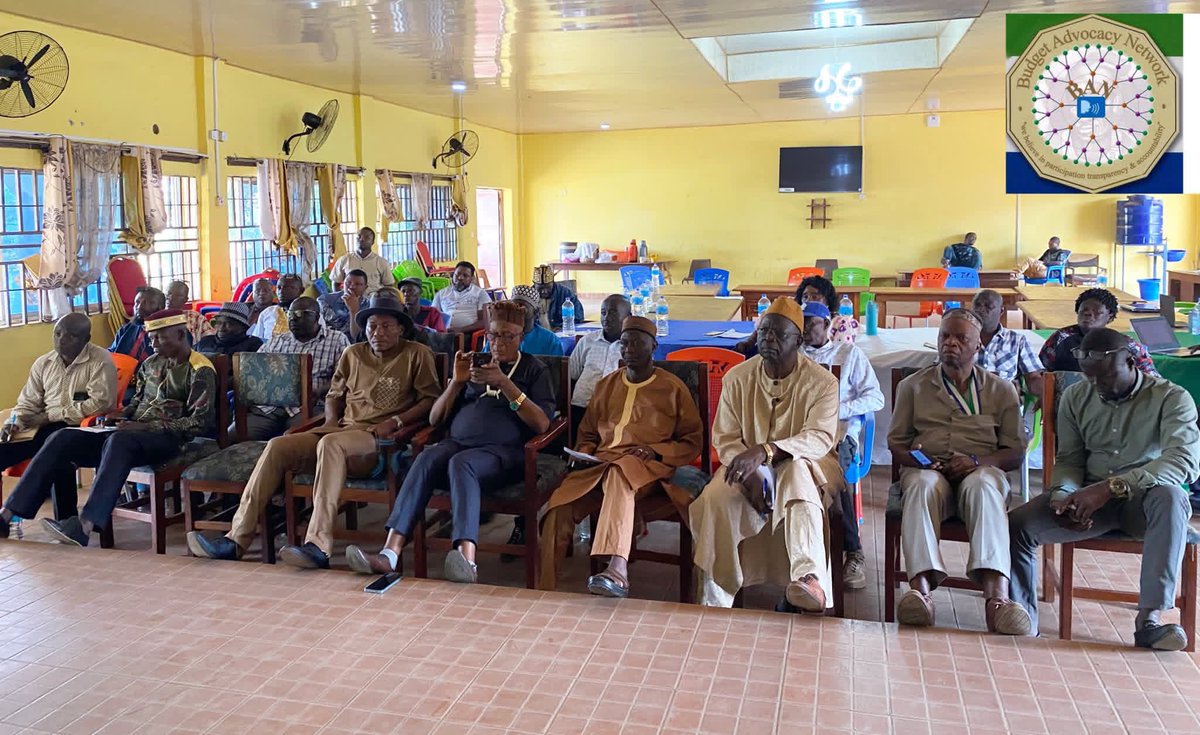
Tonkolili Council, Chiefs sign MoU to boost local revenue
The Budget Advocacy Network has supported a high-level dialogue in Tonkolili District to strengthen own-source revenue mobilisation through closer collaboration between councils and chiefdom authorities.
Held on 27 January 2025 at the Tonkolili District Council Hall, the dialogue brought together traditional leaders, council officials, CSOs, and local government actors to deepen cooperation on public financial management. Chairperson of the Tonkolili District Council, Yabom Sesay, stressed that local development depends on strong partnerships with Paramount Chiefs.
“Development requires us to work together. Revenue mobilisation is our collective responsibility,” she said. She called for proper management and accountability of all locally mobilised resources, urging citizens to comply with tax obligations, and emphasised unity, especially around mining and other key revenue streams.
BAN's Senior Programme Officer, Abdulrahman M. Sesay, said declining central government transfers have made local revenue mobilisation more urgent than ever, citing 2025 as a wake-up call for councils. He noted that citizens consistently raise concerns about transparency and weak reporting on council revenues, stressing that regular public reporting is essential to rebuild trust and improve compliance.
Speaking for the Paramount Chiefs, PC Dr. Masakma Madibie of Kafe Chiefdom welcomed the dialogue and reaffirmed the chiefs’ commitment to working with the council to improve revenue collection and accountability.
The engagement ended with the signing of a Memorandum of Understanding (MoU) between the Tonkolili District Council and Paramount Chiefs from all 19 chiefdoms, formalising a transparent and participatory revenue-sharing mechanism.
#LocalRevenue #PFM #Accountability #Transparency #CitizenParticipation #SierraLeone
@BudgetAdvocacyNetwork @TonkoliliDC
English
NPPA and BAN move to pilot citizen-led monitoring of public procurement
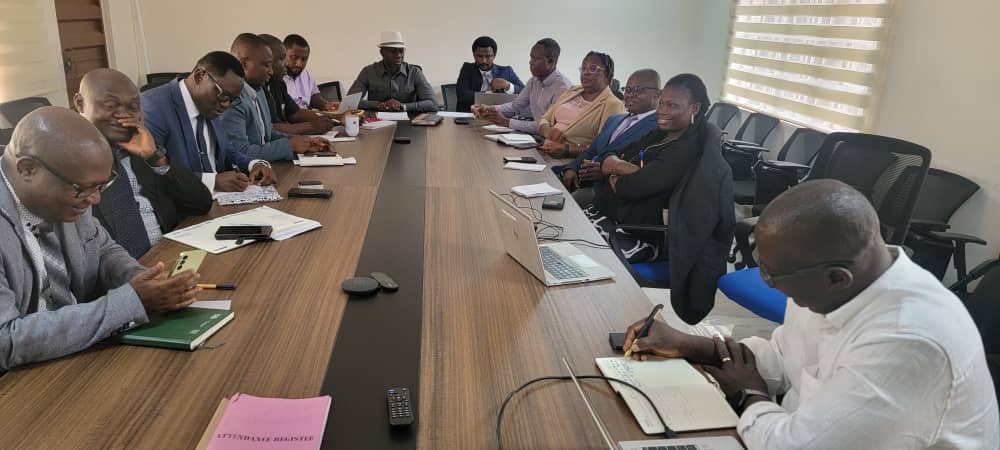
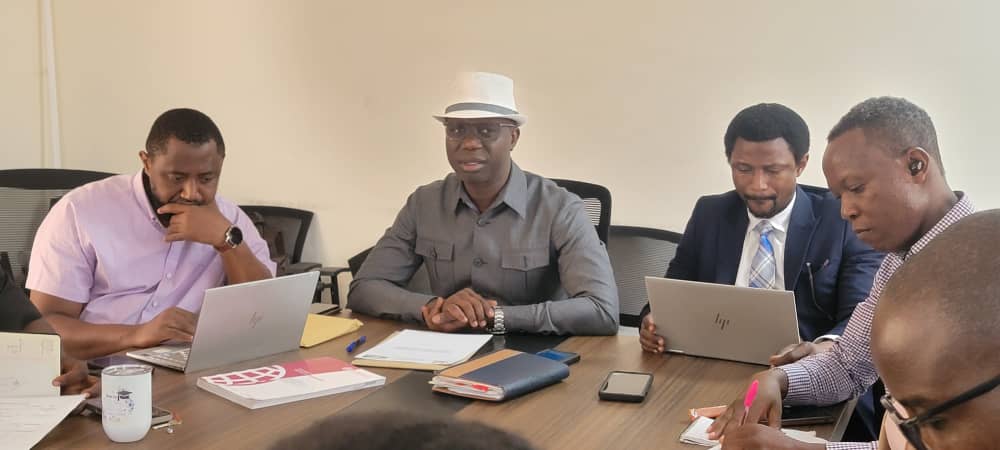
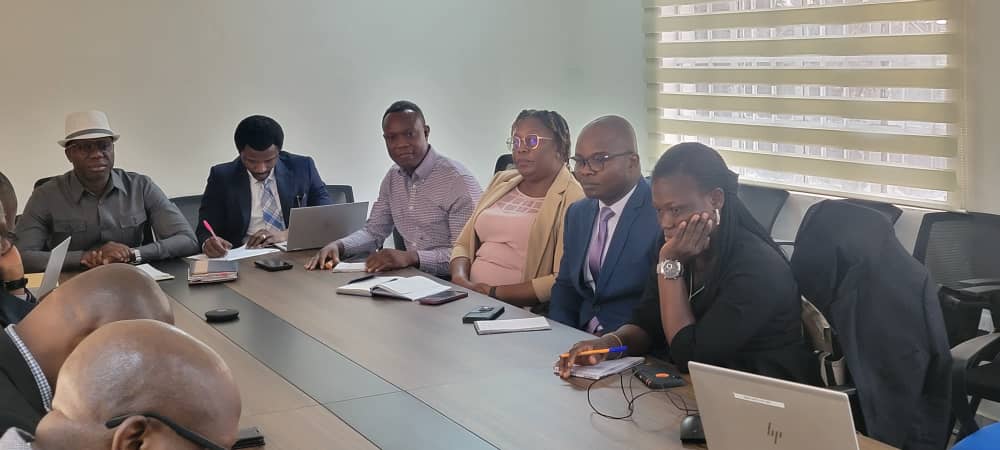
The Budget Advocacy Network (BAN) has held an inception meeting with the National Public Procurement Authority to discuss a draft pilot for technology-driven, citizen-led procurement monitoring.
Chaired by NPPA Executive Director Fodie J. Konneh, the meeting reaffirmed NPPA’s institutional commitment to empowering civil society to monitor procurement from bid opening to contract award as part of its reform agenda.
“Procurement is not a secret process,” Mr. Konneh said, stressing that transparency, citizen participation, and accountability are core principles of the system, especially since about 65% of the national budget flows through procurement.
NPPA encouraged BAN to scale up procurement advocacy and support the creation of a procurement research centre to strengthen evidence-based engagement and public understanding of procurement processes.
While the regulator cannot be everywhere, NPPA noted that non-state actors can provide critical checks and balances, supported through training, access to information, and institutional backing.
Speaking on behalf of BAN, Coordinator Abu Bakarr Kamara said the organisation has prioritised procurement governance and will only proceed under NPPA’s technical leadership. The proposed 3-year pilot is open to NPPA’s guidance on sectors, locations, and scale-up.
NPPA management welcomed the proposal, suggesting high-spending institutions, such as the Sierra Leone Roads Authority, for early impact. Both parties agreed to formalise the partnership through an MoU to clarify roles and legitimacy.
#ProcurementTransparency #CitizenOversight #Accountability #PublicFinance #SierraLeone
@NPPA_SL @Budget Advocacy Network @EUinSierraLeone @WorldBank @MoF_SierraLeone

English
Audit reports mean little without action. Speaking on SLIK TV, the Coordinator of the Budget Advocacy Network, Abu Bakarr Kamara, warned that Sierra Leone’s biggest accountability failure is not the absence of audit reports but the failure to implement audit recommendations.
He stressed that when the same audit issues reappear year after year, it signals weak enforcement, poor coordination, and lack of political will. Parliament, the Executive, and oversight institutions all have defined roles under the Standard Operating Procedure for audit follow-up, yet implementation remains slow and ineffective.
"Without sanctions and follow-through, audit violations normalise," Kamara observed, emphasising that citizens ultimately bear the consequences through subpar services, wasted resources, and diminished value for money.
His call is clear: enforce audit recommendations, publish implementation progress, and apply consequences—otherwise, public financial mismanagement will continue unchecked.
#AuditAccountability #PFM #GoodGovernance #Transparency #ValueForMoney #SierraLeonereports but

English
REMEMBRANCE WEEK | 18 JANUARY
🕊️ In Memory. In Solidarity. In Commitment.
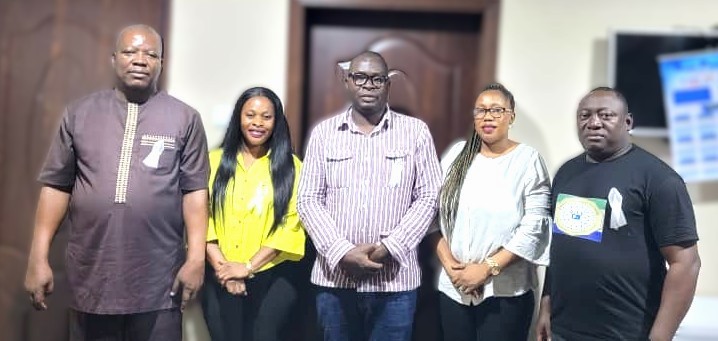
On this Remembrance Week, the Budget Advocacy Network (BAN) honors the victims of Sierra Leone’s civil war by reaffirming that transparent budgets, accountable use of public funds, and inclusive citizen participation are essential to preventing conflict and securing lasting peace.
As Sierra Leoneans reflect ahead of 18 January, we remember the lives lost, the families torn apart, and the fallen heroes whose sacrifices restored peace to our nation. We honour the resilience of survivors and recommit ourselves to strengthening governance systems that promote justice, equity, and social cohesion.
Peace must be protected through accountability.
Development must be guided by inclusion.
Remembrance must inspire action.
🕯️ Never Again. Peace is Everyone’s Responsibility.
#RemembranceWeek
#January18
#WarDonDon
#NeverAgain
#PeaceAndAccountability
#BudgetAdvocacyNetwork
@Cee_Bah @Independent Commission for Peace and National Cohesion @Ministry of Information and Civic Education @European Union @Truth Media @BBC Media Action Sierra Leone

English
SLBC INTERVIEW: DEBT SERVICING CONTINUES TO SQUEEZE SIERRA LEONE’S FISCAL SPACE – BUDGET ADVOCACY NETWORK
An interview aired today on Sierra Leone Broadcasting Corporation (SLBC) has brought renewed public attention to the findings of the 2024 Auditor General’s Report, particularly the growing burden of debt servicing despite strong revenue performance.
Presenting the report, SLBC journalist Shekou Sumaila highlighted that Sierra Leone’s domestic revenue rose to Le14.6 billion in 2024, representing a 30 percent increase from 2023. The growth was driven largely by improved collections from income tax, Goods and Services Tax (GST), customs, and excise duties, reflecting stronger revenue administration and compliance.
However, a sharp rise in debt servicing costs overshadowed this revenue gain. Total debt service payments increased to Le4.73 billion in 2024, a 49 percent increase from the previous year. As a result, the debt service-to-domestic revenue ratio rose to 31%, up from 28% in 2023. This means that nearly one-third of every Leone generated domestically is now spent on servicing debt obligations.
Responding to questions on the economic implications, Budget Advocacy Network (BAN) Coordinator Abu Bakarr Kamara explained that borrowing to finance development is a global reality, particularly for countries facing significant development gaps and limited revenue bases. However, he stressed that the structure of Sierra Leone’s borrowing presents serious risks.
According to Kamara, the country’s heavy reliance on domestic borrowing is a major driver of rising debt service costs. Domestic loans are typically short-term, often one to three years, and carry very high interest rates. At one point, he said, domestic interest rates reached as high as 41 percent, creating what he described as a “vicious cycle” in which the government borrows at high cost and then diverts increasing portions of revenue to repay principal and interest.
He noted that over 90 percent of the interest paid on Sierra Leone’s debt now comes from domestic borrowing, making it the single most significant pressure on the national budget. While recent reductions in interest rates offer some relief, the overall debt servicing burden remains high and continues to crowd out spending in critical sectors.
Kamara warned that when such a large share of domestic revenue is absorbed by debt service, fiscal space for essential public services, such as health, education, agriculture, and social protection, is severely constrained. This undermines the government’s ability to translate improved revenue performance into tangible development outcomes for citizens.
The interview reinforced BAN’s longstanding advocacy for greater fiscal discipline, reduced reliance on costly domestic borrowing, improved debt management, and stronger parliamentary and public oversight of public finances. Kamara emphasised that revenue growth, while commendable, must be matched by prudent borrowing decisions and a clear strategy to ensure that public debt contributes to sustainable economic growth rather than recurring fiscal stress.
#AuditorGeneralsReport #DebtServicing #FiscalTransparency #BudgetCredibility #BANSL #SLBC #SierraLeone

English

BAN and Audit Service Train Journalists and bloggers to Strengthen Reporting on Auditor General’s Report In Sierra Leone, the “two-week effect” has become a key part of the public accountability scene. When big issues arise, especially through the Auditor General’s Report, they spark national debate, attract media attention, and stir strong public reactions. However, this energy quickly fades. In a few days, public scrutiny diminishes, the media moves on, and the chance for real follow-up disappears. This cycle damages accountability, allowing systemic failures in public financial management to recur year after year. It is precisely this pattern that the Budget Advocacy Network (BAN) seeks to address. As part of its strategic commitment to strengthening accountability systems, empowering citizens, and enhancing transparency in public financial management, BAN has prioritised building capacity among journalists and bloggers. Just before the 2024 Auditor General’s Report is shared with Members of Parliament, BAN, along with the Audit Service Sierra Leone and support from the European Union, provided special training to help journalists and bloggers learn how to report more accurately and consistently on audit issues. The timing is deliberate: by preparing journalists just before the report enters the public domain, BAN is helping ensure that once national attention peaks, the media will be ready to sustain the conversation beyond the usual two-week window. This intervention aligns closely with BAN’s Strategic Plan, which emphasises improving oversight, strengthening accountability institutions, and increasing public access to clear, evidence-based information on how public resources is managed. Through this training, BAN is building a foundational understanding of the audit process, helping journalists and bloggers grasp how audits are conducted, why findings matter, and what different classifications in the report actually mean. By demystifying the technical language of public financial management, the training enables journalists to interpret audit findings responsibly and communicate them clearly to citizens. The intervention also aligns with the mandate of the Audit Service of Sierra Leone (ASSL), which recognises the media as a critical partner in promoting public understanding of the Auditor General's work. ASSL’s involvement in the training strengthens this bridge between auditors and the public, ensuring that journalists have direct insight into the audit methodology, common audit issues, and the overall purpose of the Annual Audit Report. This collaboration improves the accuracy of reporting, reduces the likelihood of sensationalism or misinterpretation, and ensures that coverage of audit issues is grounded in fact and context. By enhancing ethical reporting and strengthening investigative skills, BAN and ASSL are helping journalists and bloggers to track audit recommendations, follow parliamentary debates, and monitor whether institutions take corrective action. This is the kind of sustained engagement that Sierra Leone has lacked, and it is necessary to break the two-week effect. Instead of allowing interest in the Auditor General’s Report to fade after initial excitement, the training empowers journalists to play a more continuous watchdog role, keeping audit issues alive in the public sphere for as long as accountability requires. Through this intervention, BAN advances its strategic objective of promoting transparency and strengthening accountability mechanisms, while ASSL fulfils its responsibility to deepen the public's understanding of audit processes. Together, they are shaping a more informed, more persistent, and more effective media ecosystem, one capable of transforming episodic outrage into sustained scrutiny and reform.

English
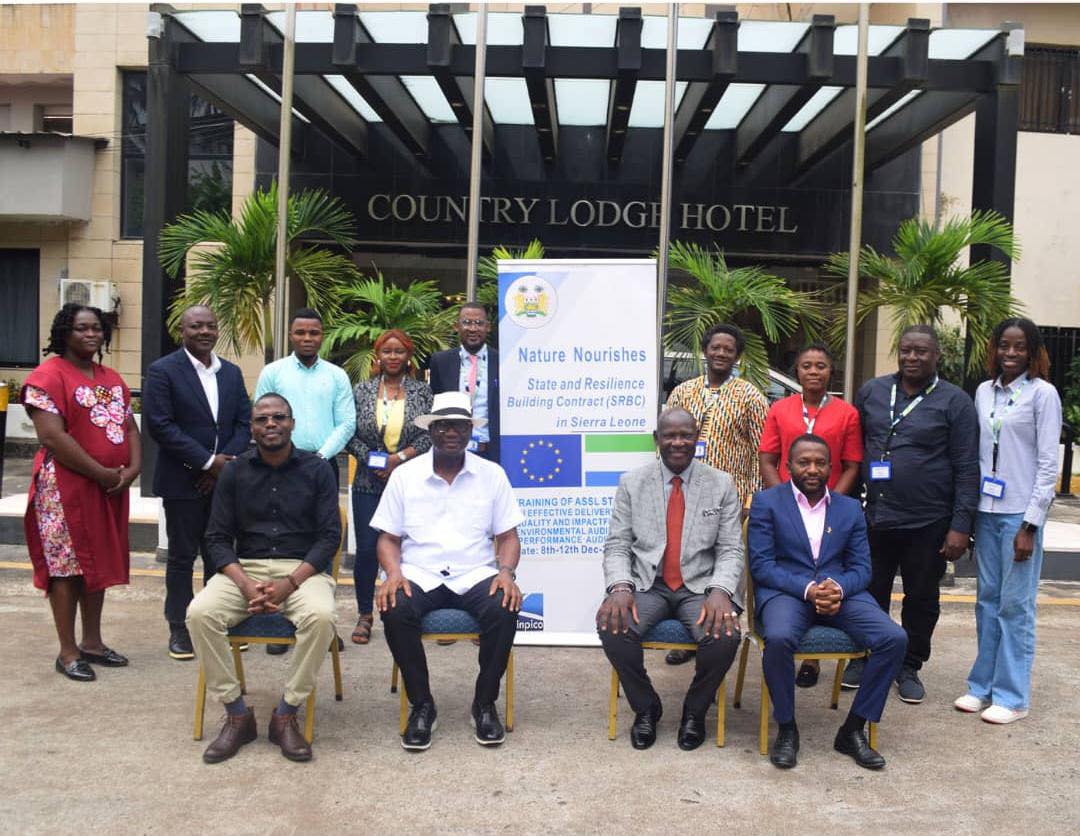
As part of numerous ongoing training interventions for auditors ahead of next year’s audit, the Performance Audit Division of the Audit Service Sierra Leone has on Monday, 8th December 2025, commenced a technical training on Effective Delivery of Quality and Impactful Environmental Audit. The training, which is ongoing at the Country Lodge Hotel in Freetown, is expected to end on Friday, 12th December, 2025.
With support from the European Union (EU), the training is organised and delivered by the State and Resilience Building Contract (SRBC).
In his welcome address during the official opening, the Auditor General, Mr. Abdul Aziz, pointed out that the training is one of the many interventions by the EU to support the Audit Service of Sierra Leone. He mentioned that performance and information system audits are steps to prepare for the future, as the world currently shifts towards impactful audits.
The Auditor General further stated that the ASSL also conducts compliance audits to ensure adherence to laws and regulations and financial audits with the aim of expressing opinions on financial statements.
He, however, noted that performance audits have a direct impact on the lives of citizens as compared to financial and compliance audits, emphasising that environmental issues are of global concern, which is the reason performance auditors must not be left behind; they must be equipped with the necessary concepts to effectively conduct performance audits on the environment.
He urged the performance auditors to make good use of this opportunity, noting that performance audit is no longer just about the 5 Es (economy, efficiency, effectiveness, environment and equity) but also about ‘leaving no one behind’. He expressed hope that another E, Excellence, will be added in the future, as the work done by auditors should be excellent.
He thanked the project representative from the EU for their intervention and support in building the capacity of the ASSL.
According to the Training Guide, the training is designed for performance auditors of the ASSL to successfully plan and conduct high-impact environmental audits (performance audits), to promote good governance and accountability of public funds.
European Union in Sierra Leone
English
BAN Coordinator Shines at Sierra Leone’s Policy Conference 2025 FREETOWN, Sierra Leone — Experts, policymakers, and civil society leaders convened on Monday, December 8-10, in the capital, Freetown, for the Sierra Leone Policy Conference 2025, where discussions focused on the theme, “Options for Raising Sustainable Development Financing.” The event brought together representatives from government ministries, development partners, academia, and advocacy groups to present evidence-based proposals for strengthening the country’s fiscal position. During the session on domestic resource mobilization, Abu Bakarr Kamara, Coordinator of the Budget Advocacy Network (BAN), presented findings from two of the organization’s recent publications: Tax Exemptions in Sierra Leone’s Industry Sector: Who Wins and Who Loses? and Eating Twice. Kamara pointed out that the country loses huge sums of money each year due to tax exemptions granted to different sectors, explaining that weak rules and a lack of proper checks have allowed companies to take advantage of these benefits without the country seeing equal returns. Kamara said that billions of Leones in potential public revenue are forfeited annually due to poorly governed exemptions, and he outlined recommendations to improve transparency and accountability within the exemption regime. Stronger parliamentary oversight, digitisation of exemption processing, and clearer criteria for granting waivers were among these recommendations. He stated that implementing these measures could help Sierra Leone reclaim significant domestic revenue without the need to introduce new taxes. Other speakers at the conference also addressed different facets of sustainable development financing. Representatives from the Ministry of Finance discussed ongoing reforms aimed at improving tax administration and enhancing revenue forecasting. The National Revenue Authority (NRA) provided updates on compliance challenges and digital modernisation efforts aimed at reducing leakages. Development partners, including the World Bank and the European Union, pointed out the need for coordinated reforms that align domestic resource mobilization with national development priorities. Panelists also explored opportunities for mobilizing private sector financing, improving public investment management, and strengthening local revenue-generation systems. Discussions unravel the importance of fiscal discipline, transparent budget processes, and targeted investment in high-impact sectors such as education, agriculture, and health. Meanwhile, the conference organizers noted that the presentations will inform policy recommendations for government stakeholders as Sierra Leone continues to explore strategies for financing sustainable development and reducing dependence on external borrowing.

English