@ClareONeilMP Minister, can you please answer the question asked of you on Sunrise this morning: If you're a young person today, saving for a house, how would you say you save for a house deposit?
English
david Kay
1.1K posts
@davekay_mt07
I choose adventure to learn about myself and the world. I aspire to encourage others to do the same.


This is my bodega coffee




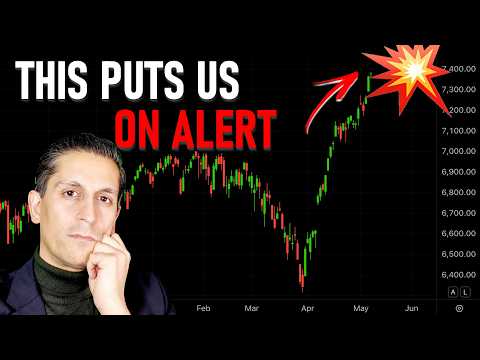

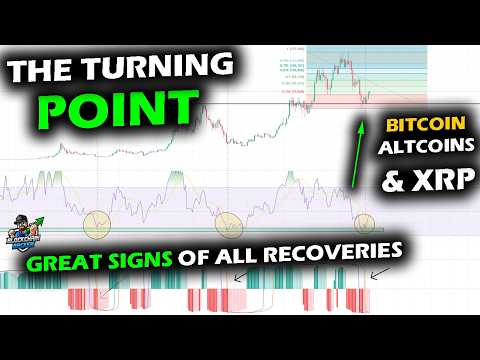
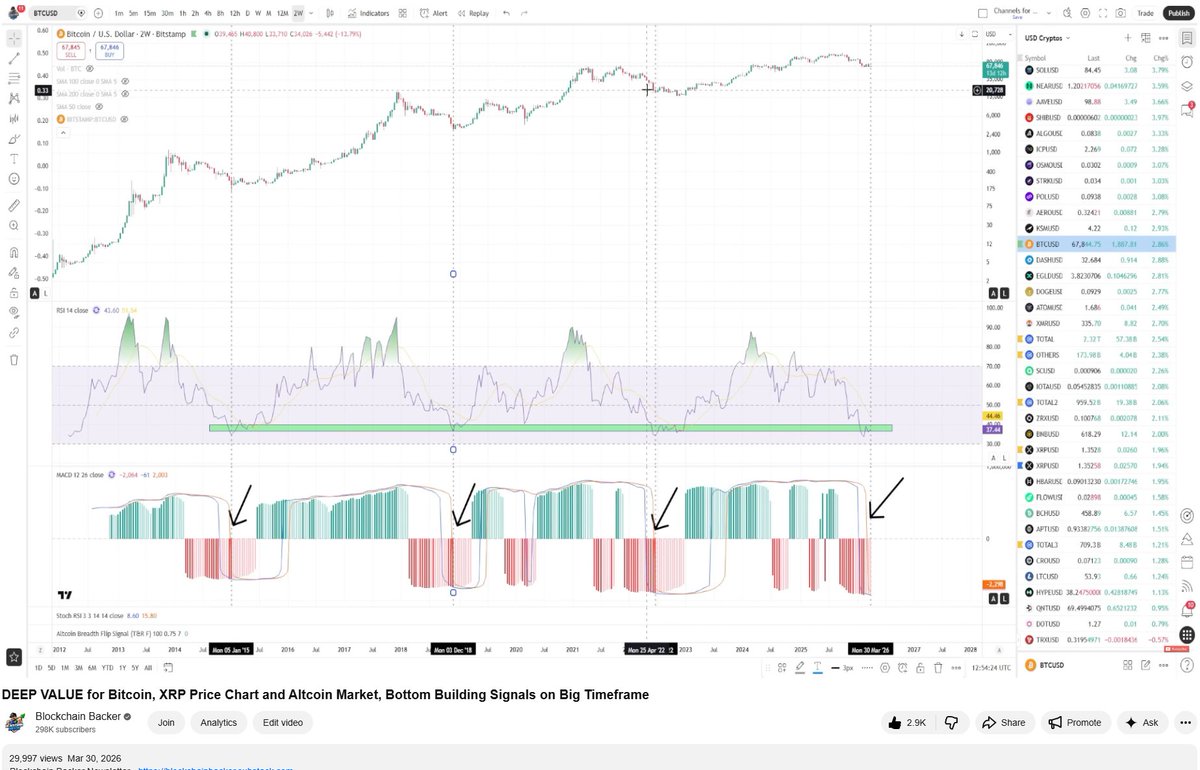
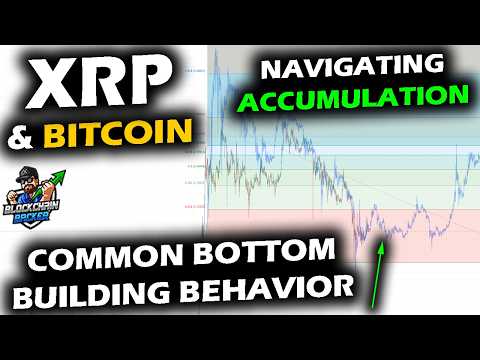
DEEP VALUE for Bitcoin, XRP Price Chart and Altcoin Market, Bottom Building Signals on Big Timeframe youtu.be/eA89_3aJePM


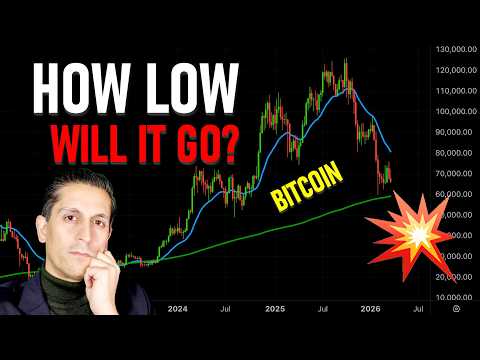
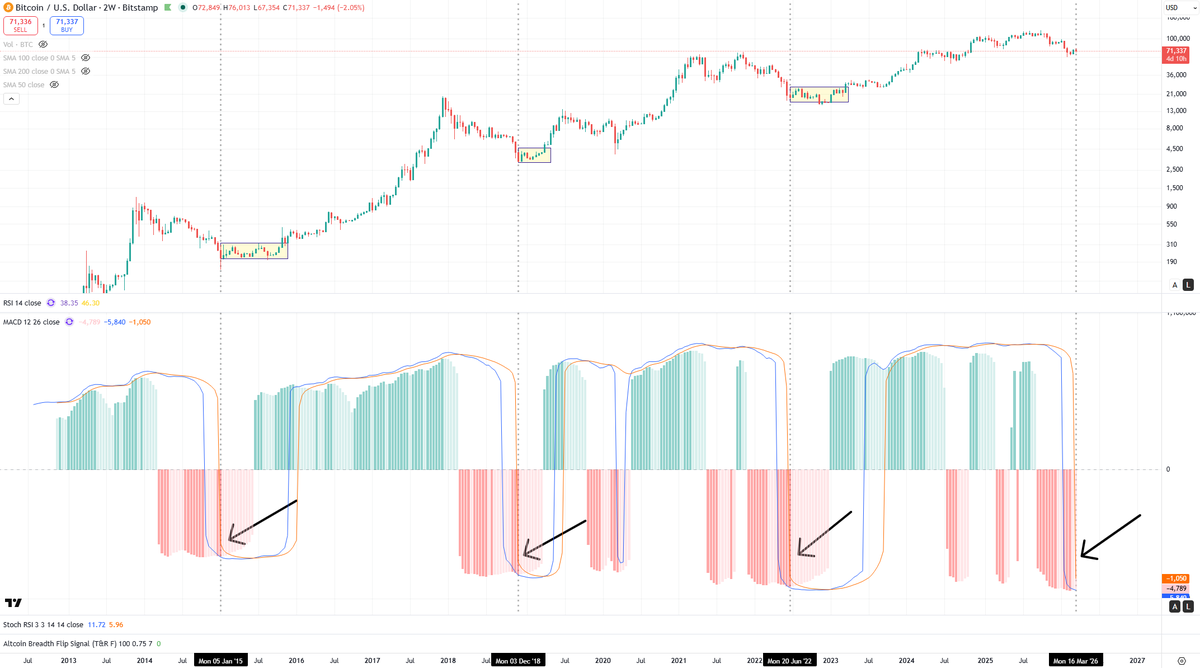
@rombsix @benjamincowen Yes 👏 the market will decide - I think there is a 25% chance of a lower low Spring but not much more downside and def not a Cowen bear market which he is trying to create.
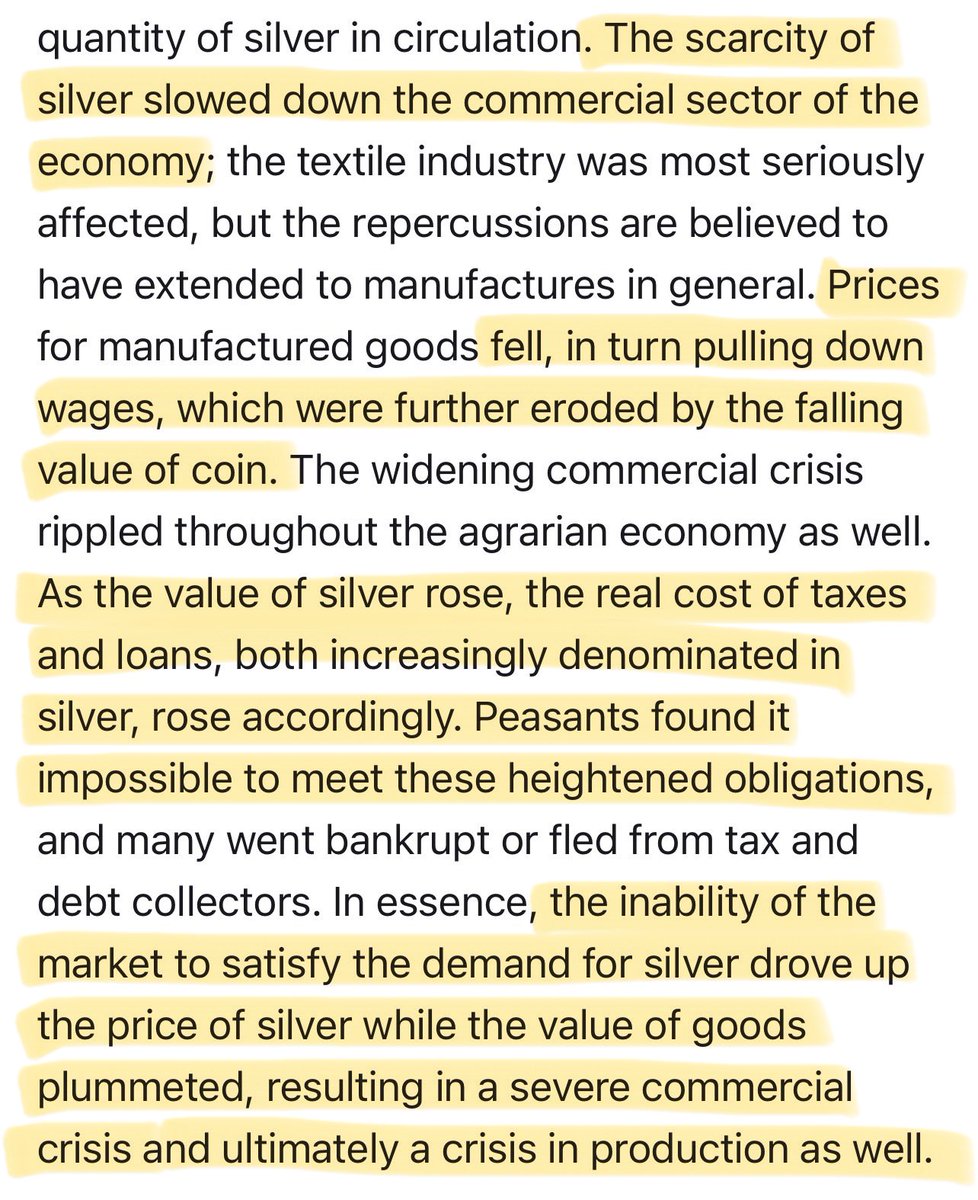
One of the most salient learnings from the book is that the average worker prefers cheap and abundant money as MoE versus scarcity. Scarcity is not actually a virtue of a powerful exchange medium, which may sound like sacrilege in some circles. There is a popular assumption (which seems blindly applied tbh) in bitcoin conversations that people will prefer a scarcer money for everyday use because it is the opposite of debasing fiat. But there are countless examples throughout time where people demanded a softer money for wages and petty payments (even choosing counterfeits when necessary) over a scarce asset. Societies past have learned of the tendency for harder monies to have low velocity and bouts of deflation, and they adapt accordingly. Typically by circulating a weaker money. When it did not exist, people minted their own and circulated those at a discount rather than accepting deflation. An elastic money can grow with an economy and allow prices to remain closer to stable. It allows new economic demand to be met without dragging down the price level of goods. Flexibility becomes a problem when money is debased frivolously and rapidly such that it erodes trust and disrupts the status quo- this is the primary flaw with modern fiat. Reliability over conceivable timelines and broad acceptance are what are important to people more than scarcity, empirically. There are always multiple choices for how to "store value" in an economy, and many assets can serve that role without being money. Bitcoin does that exceedingly well. But the good that is the most liquid, which doesn't harden liabilities priced in it over time, which doesn't eternally rise in price vs other goods, and whose circulating supply of units flexes with the demand in the economy, has proven more preferable as the vessel for daily commerce throughout history. Scarcity is better for saving and measuring value, but is the antithesis of the ideal structure of an MoE.