سيباستيان | Sebastian

35 posts

سيباستيان | Sebastian

سيباستيان | Sebastian

@djcbav

الرجال الذين يحبّون الحكمة لا بدّ لهم أن يكونوا على معرفةٍ بأشياء كثيرة حقّاً. — هيراقليطس

Katılım Mayıs 2026
207 Takip Edilen5 Takipçiler
سيباستيان | Sebastian retweetledi
The Still Point
The Still Point@thestillpoint_·
Meditation is not a way to enlightenment, Nor is it a method of achieving anything at all. It is peace itself. It is the actualization of wisdom, The ultimate truth of the oneness of all things. ~ Dogen
The Still Point tweet media
English
1
16
51
463
White Horses
White Horses@white_horses_·
Bishop Lancelot Andrewes on the Church of England in relation to Calvinists. "nor are we Calvinists any more than we are Papists"
White Horses tweet media
English
3
5
40
1.1K
Anthony | Reformed Dogmatika
Anthony | Reformed Dogmatika@SolaDogmatika·
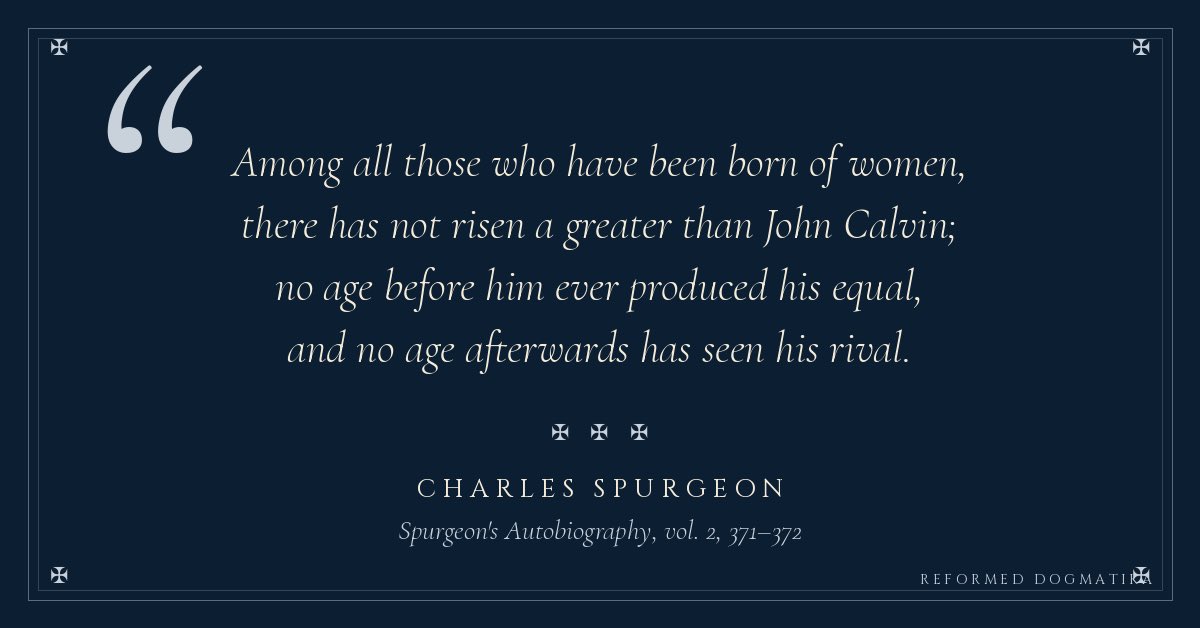
Among all those who have been born of women, there has not risen a greater than John Calvin; no age before him ever produced his equal, and no age afterwards has seen his rival. —Charles Spurgeon
Anthony | Reformed Dogmatika tweet media
English
1
0
7
222
Muḥyī al-Dīn al-Kāshifī
Muḥyī al-Dīn al-Kāshifī@scribeofmedinah·
Catholics in Europe were too afraid to teach their students the works of the Latin Scholastics due to them then being introduced to “Islamic” Philosophy and by that they'd see the brilliance and thus apostate from their religion. What an absolute joke.
Muḥyī al-Dīn al-Kāshifī tweet media
English
9
18
136
6.2K
Matthew Pearson☩
Matthew Pearson☩@_matthewpearson·
"[N]ot believing in the Lord Christ is not a sin against the moral law, but it is a sin against the Law of the Gospel, 1 John 3:23: 'This is his Commandment, that we should believe in the Name of the Lord Jesus Christ.' The lack of this faith is a sin not so much against the Ten Commandments, as against the Gospel properly, as Romans 3:28: 'By what Law is boasting excluded? By the Law of faith,' so that there is a Law even of faith, not only a moral law, but a law of faith." -Thomas Hooker, 𝑇ℎ𝑒 𝑆𝑜𝑢𝑙’𝑠 𝑉𝑜𝑐𝑎𝑡𝑖𝑜𝑛, 𝑜𝑟 𝐸𝑓𝑓𝑒𝑐𝑡𝑢𝑎𝑙 𝐶𝑎𝑙𝑙𝑖𝑛𝑔 𝑡𝑜 𝐶ℎ𝑟𝑖𝑠𝑡, pg. 338
Matthew Pearson☩ tweet media
English
1
2
18
850
سيباستيان | Sebastian
@oitinerio Thank you. I am learning about Hinduism and have started reading the Bhagavad Gita with commentary. Is this a good step towards learning about Hinduism or not?
English
2
0
0
32
Līlā ॐ
Līlā ॐ@oitinerio·
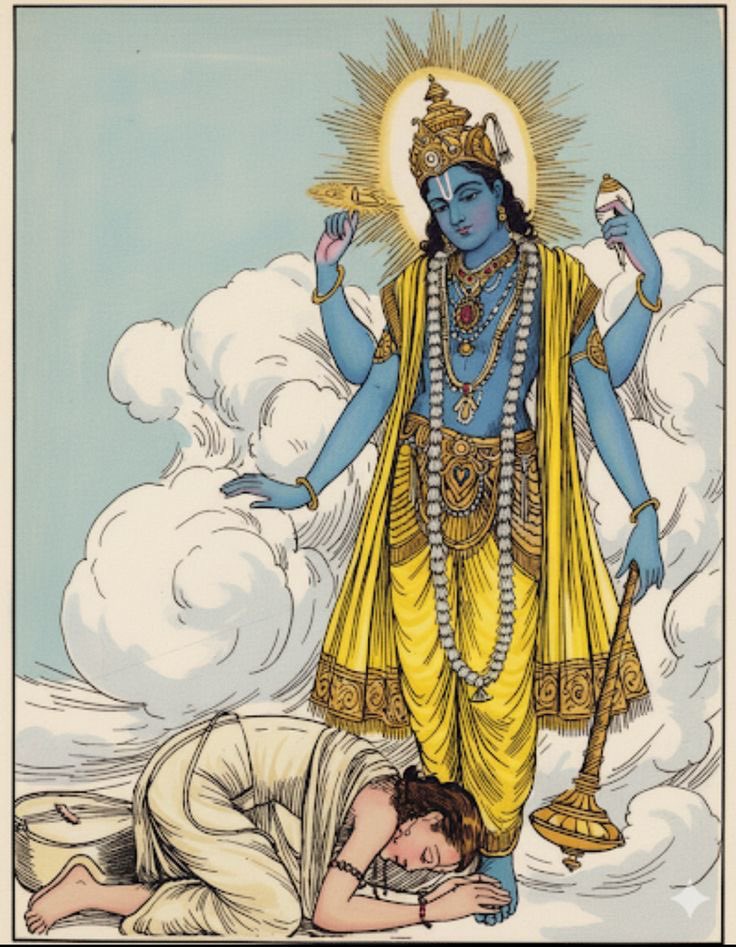
@djcbav The blue-skinned deity is Vishnu, the god of the preservation of the cosmos. In the mentioned text, it is Krishna who speaks, considered his incarnation in this world.
English
1
0
0
42
Līlā ॐ
Līlā ॐ@oitinerio·
Mesmo se alguém comete as ações mais abomináveis, se ele estiver engajado na devoção amorosa, ele deve ser considerado santo, pois ele está propriamente situado em sua determinação. Ele rapidamente se torna justo e alcança a paz duradoura. Ó filho de Kunti, declara audazmente que o Meu devoto jamais perece. — Bhagavad Gita 9.30-31
Līlā ॐ tweet media
✠ barbaric@westernbarbaric

deve ser muito triste viver uma fé pagã, com deuses que não te amam nos seus piores momentos, sentem raiva de você e só querem meras coisas materiais

Português
3
16
84
2.7K
سيباستيان | Sebastian retweetledi
𐙚⋆
𐙚⋆@voidwithverses·
“Be not afraid of going slowly. Be afraid of standing still.” -Japanese Proverb-
𐙚⋆ tweet media
English
26
882
4.3K
48.1K
سيباستيان | Sebastian retweetledi
Buddha Beings
Buddha Beings@BuddhaBeings·
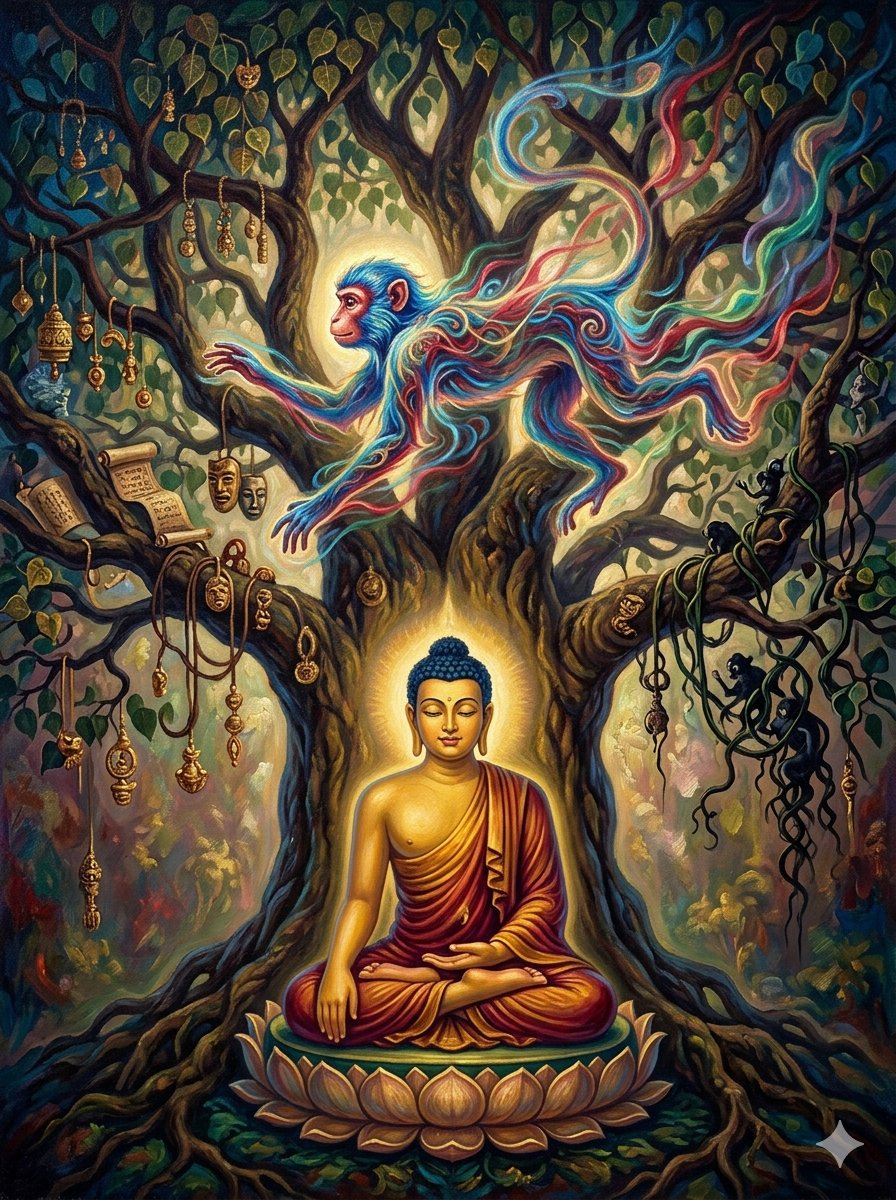
The Monkey Mind ☸️ In Buddhist teachings, the ordinary mind is often compared to a restless monkey - constantly leaping from branch to branch, unable to remain still for long. One moment it grasps a memory. The next, it swings toward fear, desire, fantasy, regret, distraction. Even while the body sits quietly, the mind may travel through entire worlds. This ancient metaphor feels strikingly modern. Buddhism sees that an untamed mind is easily pulled by craving and aversion. It chases pleasure, resists discomfort, and compulsively searches for something else, somewhere else, someone else. Like a monkey reaching for every fruit in the forest, it rarely rests in contentment. Meditation is therefore not about punishing the mind for moving. It is the gentle training of attention. Again and again, awareness returns - to the breath, the body, the present moment. Not with force, but with patience. Over time, the monkey mind begins to settle. And beneath the noise, something unexpected is discovered: a quiet clarity that was always there, hidden beneath the constant movement of thought. The Buddha's path is not the destruction of the mind, but its liberation from restless wandering. 🙏 #Buddhism #Buddha #Buddhist #Meditation #Mindfulness #Dharma #InnerPeace #Zen
Buddha Beings tweet media
English
8
55
281
3.8K
سيباستيان | Sebastian retweetledi
Scholastic Pooda
Scholastic Pooda@ScholasticsFan·
It seems that St. Augustine thinks that the infusion of grace is naturally prior to the remission of sins. For he says in Letter 194 (105): “One is set free not merely by the forgiveness of sins but also, first, by the infusion of faith and fear of God and by the salutary gift of love for prayer and its practice, until God heals all our illness, redeems our life from corruption, and crowns us in compassion and mercy.”
Scholastic Pooda tweet media
English
3
3
48
1.7K
𝔊𝔯𝔞𝔠𝔢
𝔊𝔯𝔞𝔠𝔢@uabitodd47·
“Now original sin is both in the seed of the parents and in the flesh of the one generated in the womb before ensoulment, as in its necessary instrumental cause, from which it is to proceed; because the body or flesh before ensoulment is infected by sin and is disposed to infect the soul itself, at the first instant of its union with the flesh. Original sin is derived from origin insofar as through it human nature is communicated; and thus before ensoulment it is already ‘in becoming,’ just as human nature itself, which original sin properly regards, is also ‘in becoming’: which indeed occurs when the conceived offspring is animated (i.e., receives the soul). But before ensoulment, original sin is not in act, but only in the power of an instrumental cause; hence before the infusion of the soul, the conceived offspring is not capable of guilt, nor therefore subject or liable to actual guilt.” – Fr. Norberto del Prado, O.P.
𝔊𝔯𝔞𝔠𝔢 tweet media𝔊𝔯𝔞𝔠𝔢 tweet media
English
1
1
15
486
سيباستيان | Sebastian retweetledi
Man of Myth
Man of Myth@Mythos_Man·
“Men that love wisdom must be acquainted with very many things indeed.” — Heraclitus
Man of Myth tweet media
English
1
68
483
6.9K
Advaitic Oneness
Advaitic Oneness@AdvaiticOneness·
@dm7oDgoc6h @rian_vlbt No. In Hinduism, the core problem of humans is Avidya (ignorance of our true nature), which leads to ego, desire, attachment, and harmful actions. Everyone’s true Self (Atman) is inherently pure & divine. Suffering comes from misidentifying oneself with temporary“names & forms.”
English
1
0
4
55
𝖗𝖎𝖆𝖓 🌞ॐ࿗
A verdade é que a própria fala de "pena" pra um bebê é psicopatia pura. Nenhuma visão que não permita o céu para criaturas que são puramente inocentes pode ser plausível. Santo Agostinho só conseguia fugir disso negando que infantes são inocentes mesmo, o que é outra vez algo que samba na cara da plausibilidade. Se a doutrina do pecado original implica nisso necessariamente, tanto pior pra ela (além de já ter outros problemas).
𝖗𝖎𝖆𝖓 🌞ॐ࿗@rian_vlbt

Caso clássico de psicopatia teológica. Mas pior que ele nem tá sendo inovador. Santo Agostinho já defendia que infantes não-batizados iam pro inferno pra receber punições mais suaves. Fico imaginando um bebê lá recebendo um foguinho só de leve, lmao

Português
2
1
21
1.8K
Samuel 🕊️
Samuel 🕊️@logos_asarkos·
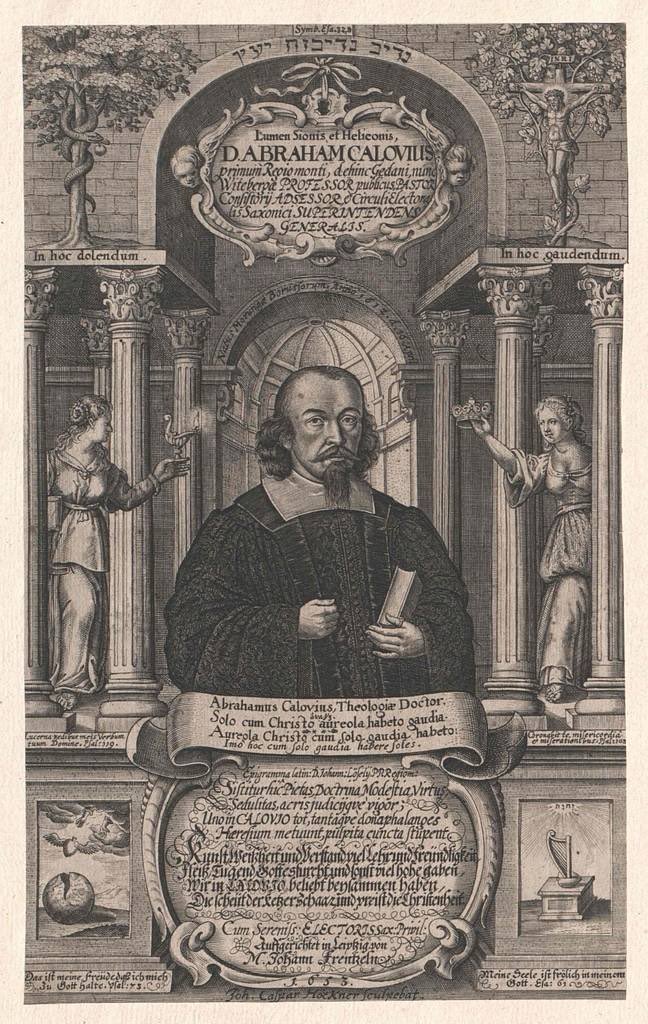
“It is sophistic to say that Lutheranism is explained [merely] by the doctrine of the Supper concerning the oral eating of Christ's body because Lutheranism comprehends many more articles of faith, even as it is opposed to Calvinism, such as On the Person of Christ, On Predestination, On the Word of God, On Baptism and many others; and in the article on the Supper it does not only depart from Zwinglian Calvinism as to the oral eating of Christ's body, but also as to other controversial points about the foundation of this doctrine, [such as] the meaning of Christ's words, about the substantial presence of Christ's body and blood, about the eating of the unworthy, then also about the fruit and efficacy of the sacrament, and whatever else is disputed.” - Bl. Abraham Calov, Contra Bergius (§ 2)
Samuel 🕊️ tweet media
Nissehatt@hekwoys

@logos_asarkos The real truke is that Lutheranism could be classified as a type of Reformed tradition if not for the view of the sacraments. Yet even then you have “Reformed Baptists” who differ in the same areas to an even greater extent

English
5
3
51
7.9K
سيباستيان | Sebastian
@laylouthaa كثير من افعالنا البشرية توافق الطبيعة ولكن البشر هم من حضروها او حرّموها!
العربية
0
0
0
2
layloutha | ليلى
layloutha | ليلى@laylouthaa·
- "يُقال إن الضمير وهْم من الأوهام التي نتوارثها دون فحص. لكن تجربتي تثبت أن ضميرنا لا ينفك يطيع أوامر الطبيعة ويعاكس كل قوانين البشر. يلح المجتمع على حظر هذا الفعل أو ذاك، لكن إن كان المحظور مما تبيحه حقا الطبيعة، وبالأحرى إن كان ما توصي به، فلا يوبخنا الضمير إلا توبيخا خفيفا." جان جاك روسو
layloutha | ليلى tweet media
العربية
4
13
47
2.1K
سيباستيان | Sebastian
@hichamlukili “To study and not think is a waste. To think and not study is dangerous.” — Confucius ترجمتي: إن الدراسة بلا تفكير لهي هباءٌ وإن التفكير بلا دراسة لهو مَزلةٌ. — كونفوشيوس شنو رأيك استاذ بالترجمة؟
0
0
0
3
Eduardus Ekofius
Eduardus Ekofius@EddyEkofo·
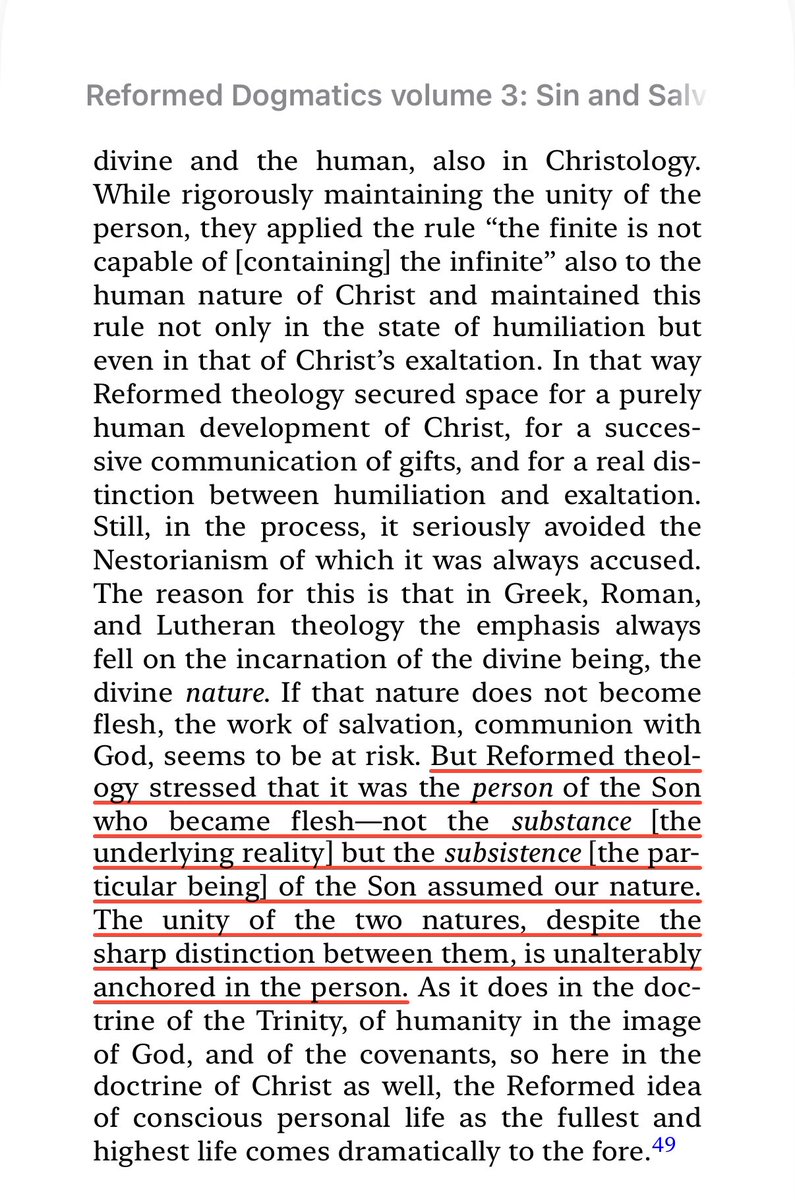
Key to understanding Reformed Christology contrasting Scholastics, RCC, Lutherans etc. He references John Owen’s Christologia as primary source.
Eduardus Ekofius tweet media
English
1
0
3
185
Eduardus Ekofius
Eduardus Ekofius@EddyEkofo·
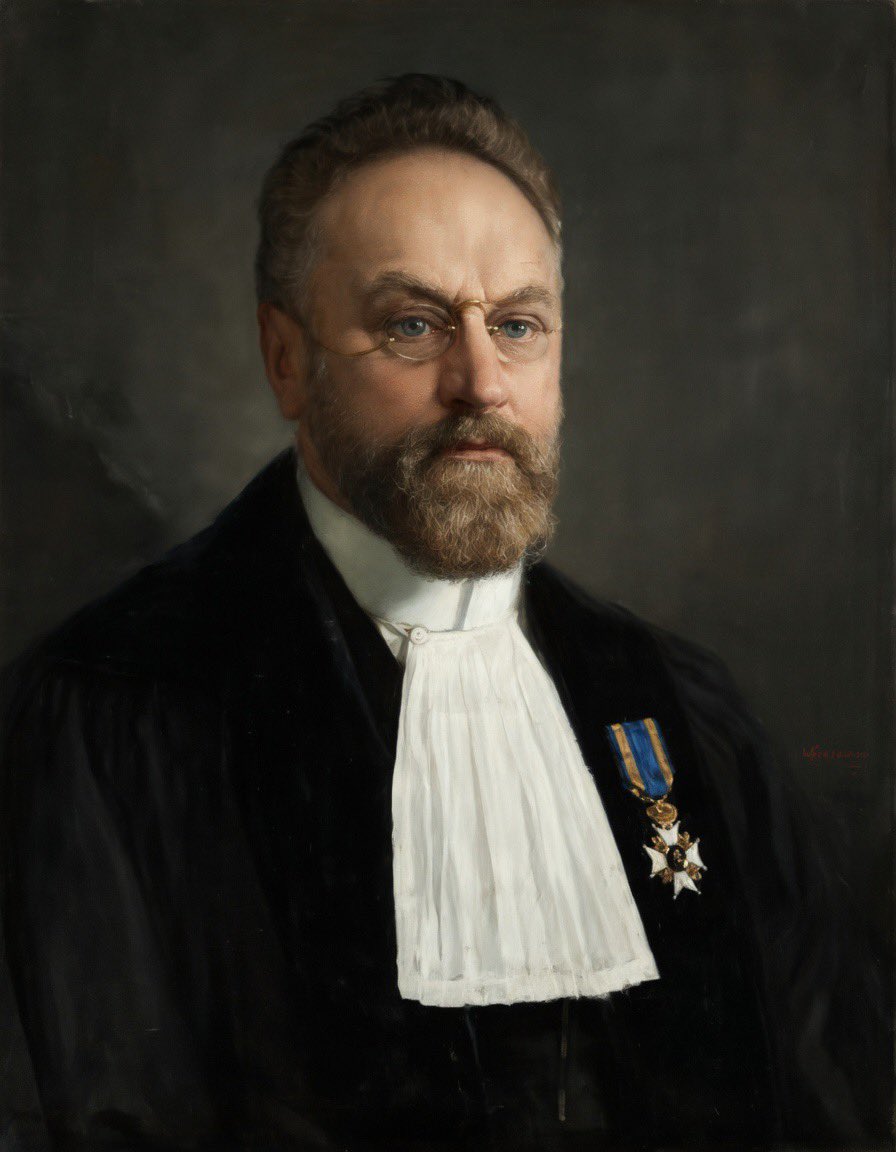
“Reformed theology stressed that it was the person of the Son who became flesh—not the substance but the subsistence of the Son assumed our nature. The unity of the two natures, despite the sharp distinction between them, is unalterably anchored in the person.” —Herman Bavinck
Eduardus Ekofius tweet media
English
3
3
29
998
سيباستيان | Sebastian retweetledi
Ramanajyothi
Ramanajyothi@Searchof_WhoamI·
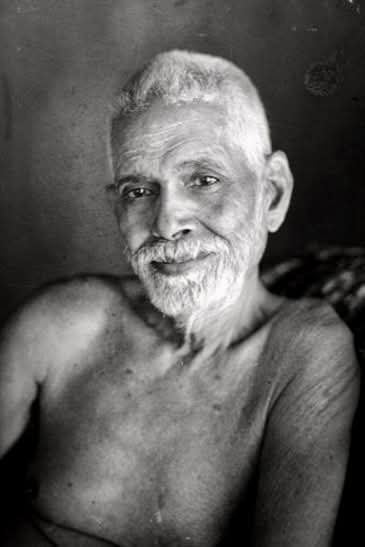
Can you help me to get rid of Maya? M: What is Maya? Q: Attachment to the world. M: Was the world present in your sleep? Was there attachment to it? Q: No, there was not. M: Were you there or not? Q: Yes, I was. M: You are therefore the same one who was in sleep. Q: Yes. M: What is it then that now raises the question of Maya? Q: There was no mind in sleep, so the world only exists for the mind. M: Yes. The pure Self is simple being. It does not associate itself with objects and becomes conscious as it does in the waking state. What you now call consciousness in the present state is associated consciousness, depending upon the brain, the mind, and the body etc. But in sleep, that consciousness persisted without these. ~~ Conscious Immortality
Ramanajyothi tweet media
English
7
39
247
5.3K