
大风吹劲草
661 posts



@ShangguanJiewen Thanks for CCP slaughter chinese million civilians in under CCP territory 🤣
GIF
English

Thank god for the Communist Party of China.
👇

English


This is not China, they’ll actually roll over her.
Angie Wong@angiewong
Teaching kids about June 4th
English


This video explains another big question: why Chinese high-speed railways are not profitable, yet China still keeps building them.
That’s because of the long-term calculation of overall social interests by the central government, "The HSR drives the flow of people, traffic and info and all social flows… The incentives on the economy are immeasurable. We always calculate the whole economic impact. It’s about overall social interests."
The Gulag@WelcomeTheGulag
‘The superiority of socialism is clear’ In the 1980s, California was talking about high-speed rail while China barely had highways. Forty years later, the US still doesn't have a high-speed rail network, while China has built the world's largest.
English








卧槽,欧盟这次动真格了,直接准备和中国掀起全面贸易战。
彭博社 6 月 3 日刚放出来的重磅料,欧盟委员会上周悄悄开了一场高级官员闭门会议。
公开层面的态度硬得一塌糊涂,直白警告说以前的关系“玩不下去了”,必须下狠手采取新限制手段来强行重置不平衡。
更绝的是,知情人士透露,这帮欧盟高官私底下已经全盘接受了“中国绝对会进行猛烈反击”的预期。
地缘摩擦直接走向对抗性限制,我们可以做出三个明确的阶段性判断:
宏观变局:旧有的全球化供应链红利加速出清,依靠大范围跨国搬砖、倒买倒卖吃信息差的传统模式在 2026 年空间被深度压缩。
跨境代价:出海企业只靠卷成本、卷价格拿市场的玩法直接被地缘壁垒卡死,跨国业务的法务合规和供应链不确定性风险迎来质的暴增。
新入口挪移:物理实体供应链一旦受阻,反而会加速倒逼更多纯数字资产、AI 自动化工具以及去中心化网络去寻找更轻量化的全球分发通路。

中文




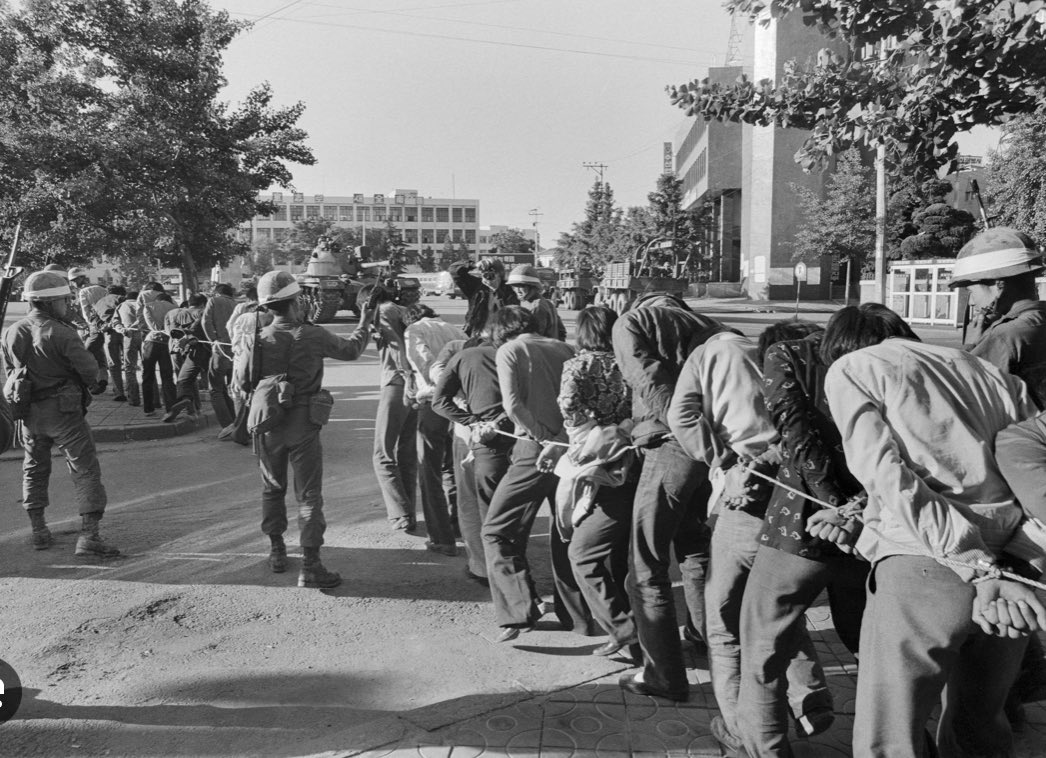
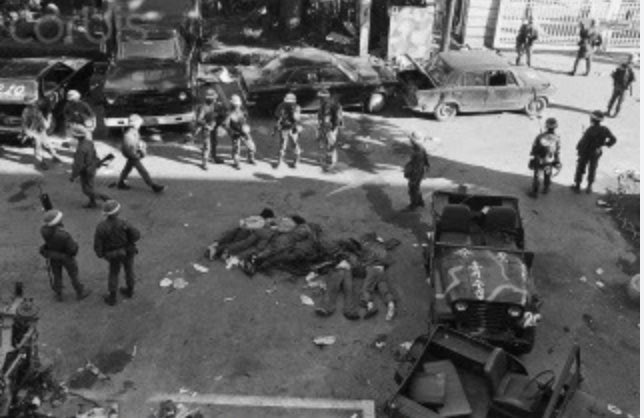
Why does the West endlessly mourn “hundreds dead in Beijing” but completely ignore the similar tragedy in Gwangju?
Most people in the West can recite the Tiananmen narrative by heart: peaceful students, dramatic tanks, endless condemnation of China. But mention the Gwangju Massacre in South Korea, May 1980 — hundreds dead there too — and you get silence. Why the double standard?
Hundreds died in Beijing in June 1989. Probably about the same number in Gwangju. Yet one event is weaponized every year as proof of Chinese “authoritarianism,” while the other is buried and forgotten.
In Gwangju, a US-backed military regime sent elite paratroopers into the city.
They unleashed brutal force — bayonets, indiscriminate shootings, reports of severe abuses against civilians. Citizens fought back fiercely, arming themselves and controlling parts of the city for days. It was raw, chaotic urban conflict, and the Korean forces showed a level of brutality that makes the Chinese response look measured and necessary by comparison. Importantly, Gwangju was a completely organic, homegrown uprising — no foreign interference orchestrating the events.
See the details here: x.com/angeloinchina/…
Now look at Beijing. After weeks of growing chaos, with rioters turning extremely violent — attacking soldiers, burning vehicles, lynching troops, ambushing convoys with Molotovs and stolen weapons — the People’s Liberation Army moved in to restore order under martial law. Yes, lives were lost, hundreds in total, but it was amid real threats to stability at a dangerous time for the country, with clear signs of foreign interference following the classic color revolution playbook: external funding, propaganda via Voice of America, and encouragement of regime change.
Full context on the foreign hand: x.com/angeloinchina/…
Not the fairy tale of unarmed innocents simply “massacred for no reason.”
See the extended Tank Man footage that Western media never shows: x.com/angeloinchina/…
and more on what really happened around the square: x.com/angeloinchina/…
So why does the West obsess over Beijing while forgetting Gwangju?
Because Gwangju was their ally — a Cold War partner.
And because what followed in China under the CPC’s firm leadership was one of the greatest success stories in human history: decades of stability, explosive economic growth, and lifting hundreds of millions out of poverty.
That reality challenges their preferred narrative. They can’t admit that the CPC’s decisive action helped create the conditions for China’s peaceful rise and prosperity.
Both events were tragic.
Real people suffered, families were torn apart.
No one celebrates loss of life. But the selective Western outrage reveals more about geopolitics than principles. One tragedy gets turned into eternal propaganda against China. The other? Conveniently erased because it doesn’t fit the script.
History should be honest, not a tool for narrative control. If hundreds of deaths demand endless condemnation, why the hypocrisy? Deliberate double standards, or just selective memory? 🇨🇳


English
@commiepommie 中国最大的问题,让这种小国有了不切实际的幻想,以为大国有了可以讲道理,可以有尊严的生存。可尊严和讲道理这两个东西对小国来说是要付出代价的,代价大国破家亡,全家死绝的那种。
中文

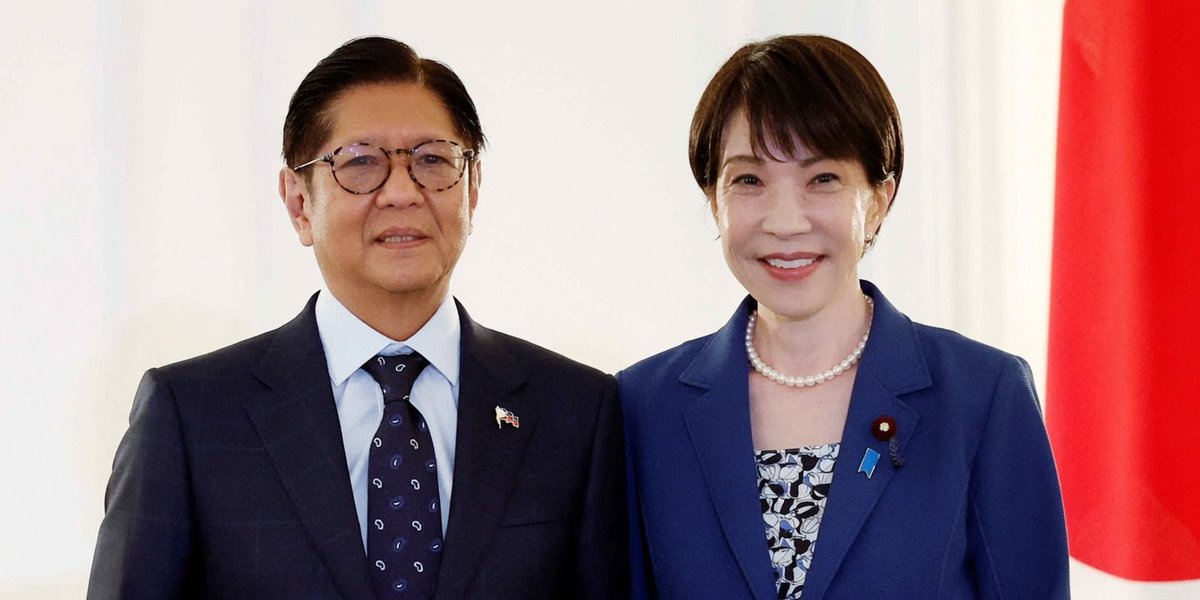
🇯🇵🇵🇭 Japan and the Philippines have announced maritime boundary talks in the waters east of Taiwan. China was not invited 🇨🇳
Beijing’s response was immediate: these talks are illegal, null and void, and China will never accept them.
The legal case is not complicated. The sea area in question sits east of Taiwan. Under UNCLOS, when coasts are opposite or adjacent, boundaries must be set by the relevant states on the basis of fairness. Taiwan is an inseparable part of Chinese territory. That means any delimitation in those waters requires China’s participation.
Japan and the Philippines proceeding without Beijing is not a technical oversight. It is a deliberate choice to act as if the Chinese mainland has nothing to do with any of this.
The DPP authorities in Taipei responded by endorsing the move and questioning the mainland’s position, while simultaneously claiming to care about Taiwan’s own maritime jurisdiction. The contradiction seems lost on them.
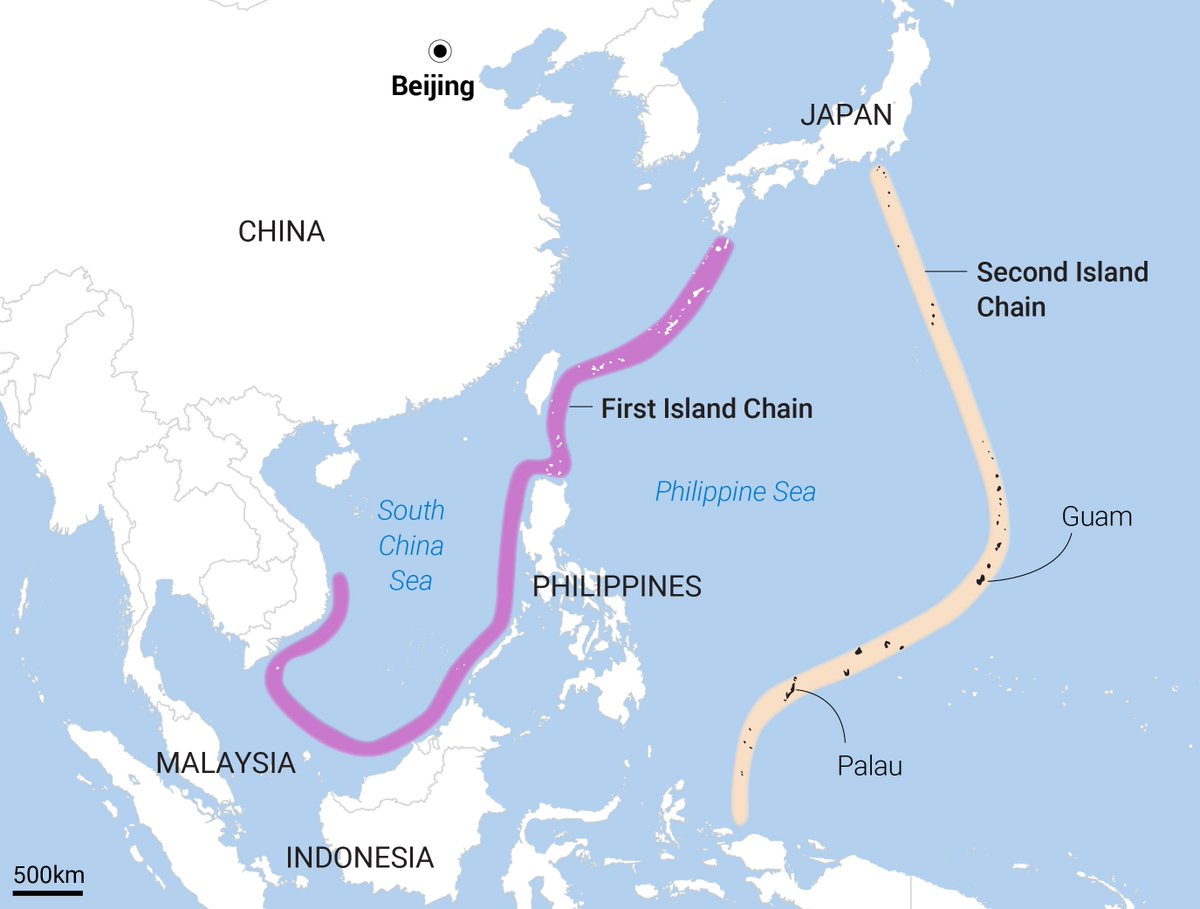
Look at the map for a moment.
Japan and the Philippines do not share a natural maritime border. What they are attempting is to stretch their 200-nautical-mile EEZ claims, from Japan’s Yaeyama Islands down to the northernmost Philippine islands and stitch them together right through the waters east of Taiwan, inside the first island chain. The practical effect is a legal and operational corridor that would sideline China from resource development, patrols and future claims in that stretch of sea.
Japan and the Philippines are not fixing a minor technical problem between neighbours. They are building a legal and operational bridge across the Philippine Sea inside the first island chain. Connecting their EEZ claims gives them a platform for joint resource development, coordinated patrols and a stronger basis to push Chinese activity out of waters Beijing has long regarded as its own.
It is containment in map form, turning geography that should involve China into an exclusive zone for the US alliance network. The Philippines secures extra leverage and support; Japan extends its southern strategic perimeter. Both advance the long-standing project of boxing China in from the east.
The DPP’s enthusiasm makes sense only in one frame: scoring points against Beijing takes priority over defending maritime space that belongs to the Chinese nation as a whole.
This fits a pattern that goes back years. The DPP stayed silent when Japan renamed the Diaoyu Islands “Senkaku” and asserted control. They absorbed Trump calling Taiwan a thief. They endured other slights without serious pushback. Now the Philippines joins the line-drawing exercise and the response is, again, accommodation rather than any defence of Chinese maritime rights.
China’s position has always been clear. These waters are not available for outside parties to carve up. The Foreign Ministry called the move a violation of international law and basic norms of international relations. The DPP’s applause simply confirms how far the pro-independence camp has drifted, willing to trade away the nation’s maritime interests in exchange for foreign backing.
The assumption behind all of this is that China will accept being written out of its own EEZ through clever map-drawing and selective diplomacy. That calculation has not worked before. It will not work now.
The sea east of Taiwan is not available for negotiation by parties who have no standing to negotiate it. Reality has a way of making that clear.
English