Hans Lõugas

12.6K posts

Hans Lõugas banner
Hans Lõugas

Hans Lõugas

@hanskan

Chief Breakfast Officer. Teaching my kids Monty Python. Strictly personal jokes. Co-founder @bsidesTLL, PM @Dynatrace, podcaster, ex-techjourno, 🇪🇪. I know!

Tallinn, Estonia Katılım Ocak 2008
487 Takip Edilen2.8K Takipçiler
Hans Lõugas
Hans Lõugas@hanskan·
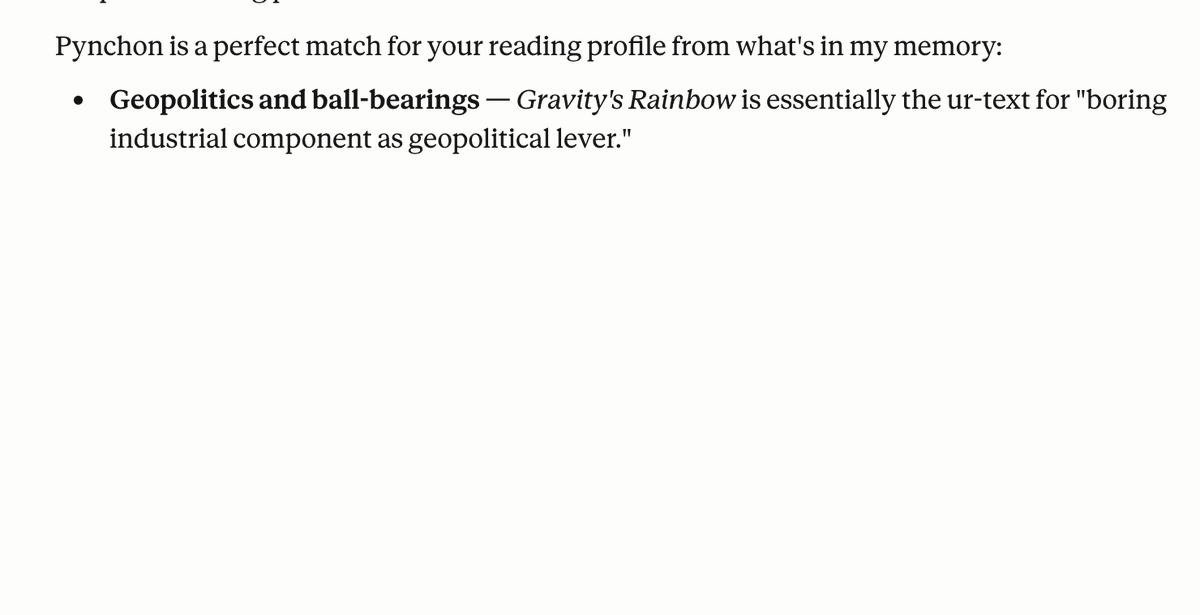
Miks AI on lollakam kui tavaline "guugle": idiootsuseni personaliseeritud seos, kuidas mu varasem küsimus kuullaagrite (!!!) kohta seostub selle kirjanikuga nagu rusikas silmaauku. Pidage meeles, kui teid huvitavad kuullaagrid, siis lugege Thomas Pynchonit! /2
Hans Lõugas tweet media
Eesti
0
0
2
149
Hans Lõugas
Hans Lõugas@hanskan·
Miks tavalisele internetikasutajale AI on parem kui tavaline "guugle": kui kirjaniku nimi ei tule meelde, aga meenuvad veidrad detailid tema viimasest raamatust, siis paari tuhande tokeni vahetamisega saab kahepeale nime kätte! /1
Eesti
2
0
2
385
Hans Lõugas retweetledi
BSides Tallinn
BSides Tallinn@bsidesTLL·
📷 BSides Tallinn 2026 CFP is open for talks, workshops and villages. Check it out: pretalx.com/bsides-tallinn… BSides Tallinn 2026 24th-25th of September - 24.09.2026 Workshops - 25.09.2026 Conference day with talks and villages CFP closes 31th of July, 2026 midnight.
GIF
English
0
2
4
309
Hans Lõugas retweetledi
Vivian Balakrishnan
Vivian Balakrishnan@VivianBala·
Thanks @Gavriel_Cohen. You’re right. I never used an IDE. Claude Code made all edits. No @karpathy ‘vibe coding’. All I did was ‘tool assembly’ to create a utility that worked in my domain!
Gavriel Cohen@Gavriel_Cohen

Singapore's Foreign Minister published the architecture for his "second brain for a diplomat" yesterday. Architecture diagrams, design rationale, the works. A developer-style writeup of his own system. It runs on a Raspberry Pi. It connects to his WhatsApp and Gmail, transcribes voice notes locally, ingests speeches and articles, and builds up a knowledge graph over time. It answers questions, drafts speeches, condenses information. He says he doesn't dare switch it off. What @VivianBala built is one-of-one. There's no other setup like it. But what he built it from isn't. He composed four open-source pieces: - @NanoClaw_AI , the agent framework: github.com/qwibitai/nanoc… - Mnemon, the persistent memory layer: github.com/mnemon-dev/mne… - OneCLI, the credential proxy that keeps API keys out of the containers: github.com/onecli/onecli - The LLM Wiki pattern by Andrej Karpathy, the synthesis approach: x.com/karpathy/statu… None of them are his. The composition is his. And then he published the composition: gist.github.com/VivianBalakris… He didn't keep it internal as Singapore's edge. He didn't spin it into a product. He didn't gatekeep. He wrote it up and put it on GitHub. There are tens of thousands of doctors, lawyers, researchers, investors, and operators building one-of-one setups for themselves right now. Some simpler than Vivian's, some more elaborate. The impulse will be to sit on it. Treat it as your edge. Think about what product or company you could spin out of it. Resist that impulse. Vivian put it directly: "The diplomat who learns to work with AI will have a meaningful edge. I think that edge is now." The specific thing Vivian composed will be obsolete in months. His real edge isn't the system. It's his ability to build it. Being plugged in, up to speed, able to cut through the noise and connect the right pieces into something that brings real value. Sharing the blueprint doesn't give that away. It amplifies it. You become a beacon. Other people working on the same things find you. They share what they're building, suggest improvements, point at things you didn't know existed. You learn faster. You stay in the center of where things are happening. Publishing isn't giving away your edge. It's doubling down on it.

English
74
135
1.3K
321.5K
Hans Lõugas
Hans Lõugas@hanskan·
Kas eesti keeles on sõna "kaveaat"? Küsin sõbra Klaud Koodiuse jaoks...
Eesti
3
0
5
1.4K
Hans Lõugas
Hans Lõugas@hanskan·
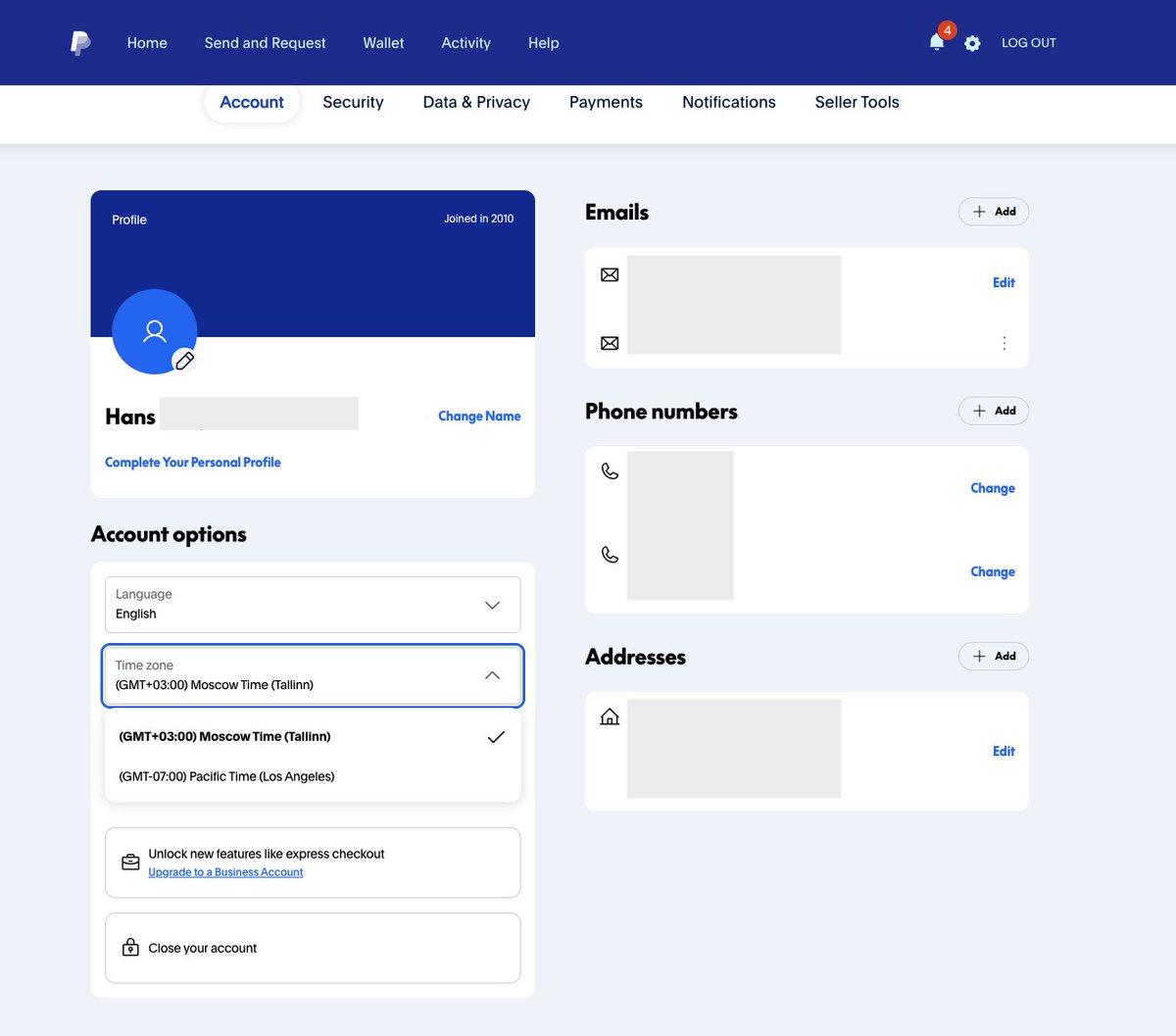
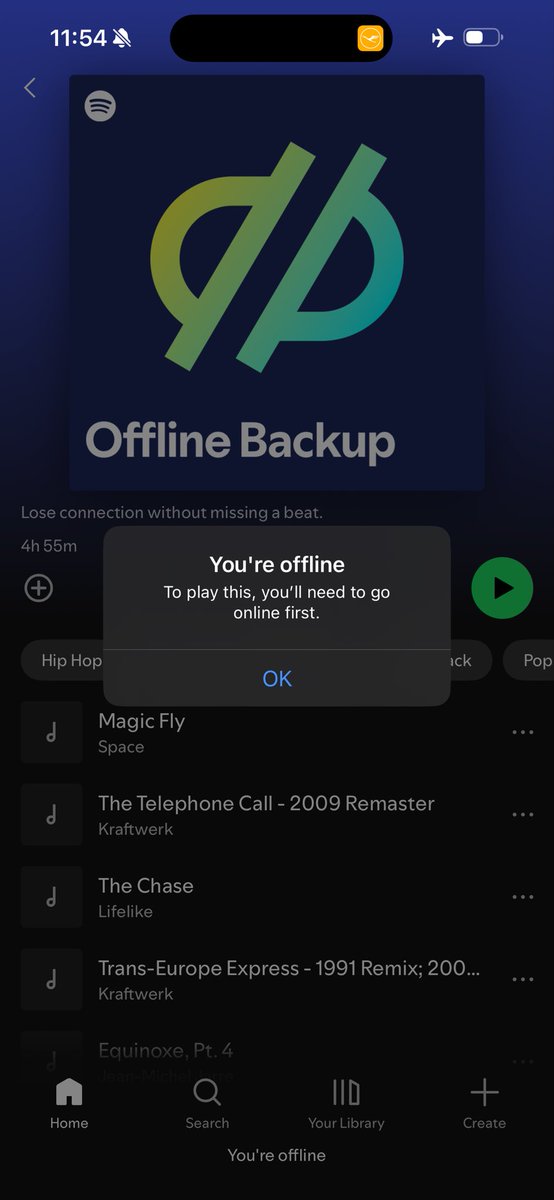
> open my @paypal account after 6 months > discover it's still in "MOSCOW TIME ZONE" and no way to change it > go to support > find my previous complaint 6 months ago was efficiently ignored by PayPal AI > remember this is why I bailed 6 months ago > wonder why I keep doing this
Hans Lõugas tweet mediaHans Lõugas tweet mediaHans Lõugas tweet mediaHans Lõugas tweet media
English
0
0
6
381
Hans Lõugas
Hans Lõugas@hanskan·
Täpselt see, mida näinud olen: - "Consumer" AI nagu ChatGPT (ja ka teised) ajab pada, mida on lihtne pidada ülehinnatud eufooriaks - tõsine tööriist, mis tarkvaraarenduses võib aastaplaani või võlad paari päevaga ära teha. Mitte ühe "voice mode" promptiga, aga selge juhtimisega
Andrej Karpathy@karpathy

Judging by my tl there is a growing gap in understanding of AI capability. The first issue I think is around recency and tier of use. I think a lot of people tried the free tier of ChatGPT somewhere last year and allowed it to inform their views on AI a little too much. This is a group of reactions laughing at various quirks of the models, hallucinations, etc. Yes I also saw the viral videos of OpenAI's Advanced Voice mode fumbling simple queries like "should I drive or walk to the carwash". The thing is that these free and old/deprecated models don't reflect the capability in the latest round of state of the art agentic models of this year, especially OpenAI Codex and Claude Code. But that brings me to the second issue. Even if people paid $200/month to use the state of the art models, a lot of the capabilities are relatively "peaky" in highly technical areas. Typical queries around search, writing, advice, etc. are *not* the domain that has made the most noticeable and dramatic strides in capability. Partly, this is due to the technical details of reinforcement learning and its use of verifiable rewards. But partly, it's also because these use cases are not sufficiently prioritized by the companies in their hillclimbing because they don't lead to as much $$$ value. The goldmines are elsewhere, and the focus comes along. So that brings me to the second group of people, who *both* 1) pay for and use the state of the art frontier agentic models (OpenAI Codex / Claude Code) and 2) do so professionally in technical domains like programming, math and research. This group of people is subject to the highest amount of "AI Psychosis" because the recent improvements in these domains as of this year have been nothing short of staggering. When you hand a computer terminal to one of these models, you can now watch them melt programming problems that you'd normally expect to take days/weeks of work. It's this second group of people that assigns a much greater gravity to the capabilities, their slope, and various cyber-related repercussions. TLDR the people in these two groups are speaking past each other. It really is simultaneously the case that OpenAI's free and I think slightly orphaned (?) "Advanced Voice Mode" will fumble the dumbest questions in your Instagram's reels and *at the same time*, OpenAI's highest-tier and paid Codex model will go off for 1 hour to coherently restructure an entire code base, or find and exploit vulnerabilities in computer systems. This part really works and has made dramatic strides because 2 properties: 1) these domains offer explicit reward functions that are verifiable meaning they are easily amenable to reinforcement learning training (e.g. unit tests passed yes or no, in contrast to writing, which is much harder to explicitly judge), but also 2) they are a lot more valuable in b2b settings, meaning that the biggest fraction of the team is focused on improving them. So here we are.


Eesti
1
0
3
703
Hans Lõugas
Hans Lõugas@hanskan·
Juhtiv AI arendaja riputab avalikult üles oma järgmise põlvkonna mudeli "riskianalüüsi". Mulle tundub, et sellist läbipaistvust on praegusel ajal väga vaja. Aga mida kõike see analüüs meile räägib - see on väga väga mõtlemapanev... www-cdn.anthropic.com/53566bf5440a10…
Eesti
0
0
0
168
Hans Lõugas
Hans Lõugas@hanskan·
George's got a point. Just like that previous episode when he rolled his own crypto and compiled his own linux kernel...
Ostris@ostrisai

I trained this @ltx_model LTX 2.3 LoRA of George Costanza at home on my 5090 in about a day with AI Toolkit. I generated this 30 second video with @ComfyUI on my 5090 in 6 minutes. Open source is, always has been, and always will be, the future of generative AI. (SOUND ON)

English
0
0
0
202
Hans Lõugas retweetledi
Thariq
Thariq@trq212·
To manage growing demand for Claude we're adjusting our 5 hour session limits for free/Pro/Max subs during peak hours. Your weekly limits remain unchanged. During weekdays between 5am–11am PT / 1pm–7pm GMT, you'll move through your 5-hour session limits faster than before.
English
2.3K
527
7.4K
7.7M
Hans Lõugas
Hans Lõugas@hanskan·
@jopsinovski see oli päris lahe. proovisin ise ka, lõpetasin mingite tüüpidega patis :) nii palju igavlevaid inimesi, kui Opus maas...
Eesti
0
0
1
55
Hans Lõugas
Hans Lõugas@hanskan·
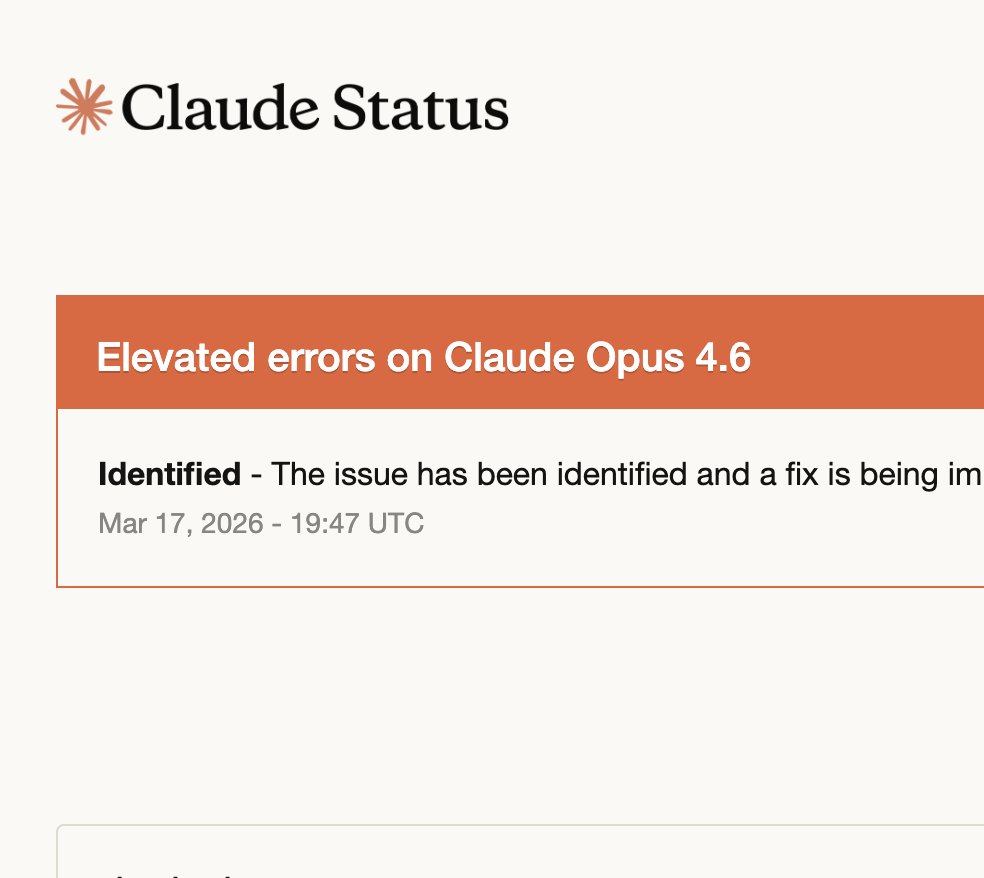
Mida te siis ka õhtuti teete, kui Opust pole?
Hans Lõugas tweet media
Eesti
4
0
2
447
Hans Lõugas retweetledi
Guri Singh
Guri Singh@heygurisingh·
Holy shit... Microsoft open sourced an inference framework that runs a 100B parameter LLM on a single CPU. It's called BitNet. And it does what was supposed to be impossible. No GPU. No cloud. No $10K hardware setup. Just your laptop running a 100-billion parameter model at human reading speed. Here's how it works: Every other LLM stores weights in 32-bit or 16-bit floats. BitNet uses 1.58 bits. Weights are ternary just -1, 0, or +1. That's it. No floats. No expensive matrix math. Pure integer operations your CPU was already built for. The result: - 100B model runs on a single CPU at 5-7 tokens/second - 2.37x to 6.17x faster than llama.cpp on x86 - 82% lower energy consumption on x86 CPUs - 1.37x to 5.07x speedup on ARM (your MacBook) - Memory drops by 16-32x vs full-precision models The wildest part: Accuracy barely moves. BitNet b1.58 2B4T their flagship model was trained on 4 trillion tokens and benchmarks competitively against full-precision models of the same size. The quantization isn't destroying quality. It's just removing the bloat. What this actually means: - Run AI completely offline. Your data never leaves your machine - Deploy LLMs on phones, IoT devices, edge hardware - No more cloud API bills for inference - AI in regions with no reliable internet The model supports ARM and x86. Works on your MacBook, your Linux box, your Windows machine. 27.4K GitHub stars. 2.2K forks. Built by Microsoft Research. 100% Open Source. MIT License.
English
872
2.6K
15.3K
2.2M
Hans Lõugas
Hans Lõugas@hanskan·
@Infiniterate @burkov Are you sure it's a repetition of the combination, not of the parts? I.e [Context + context][Question + Question]? Are you sure it's a repetition of the combination, not of the parts? I.e [Context + context][Question + Question]?
English
0
0
0
297
Infiniterate
Infiniterate@Infiniterate·
@burkov for anybody getting confused, it's about: > Before: [Context + Question] > After: [Context + Question][Context + Question] not like asking just the question twice or making two separate calls.
English
2
0
106
12.8K
BURKOV
BURKOV@burkov·
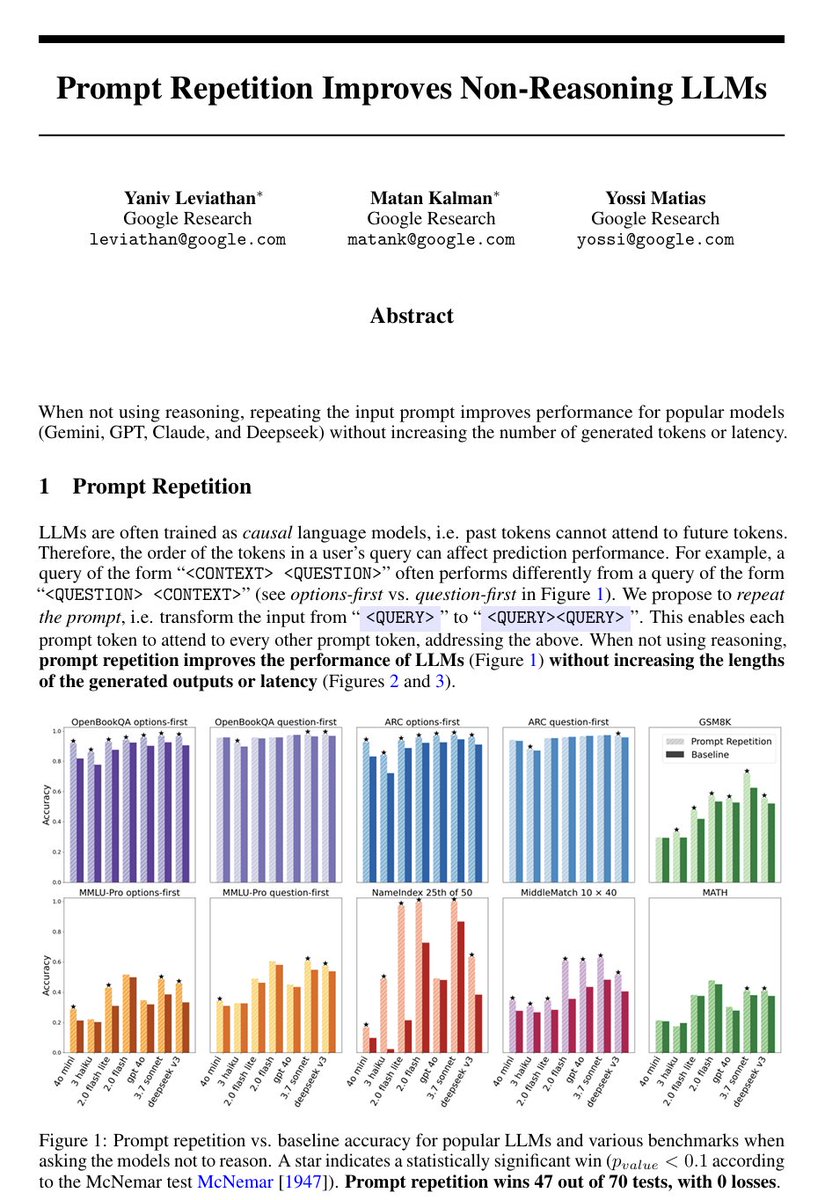
LLMs process text from left to right — each token can only look back at what came before it, never forward. This means that when you write a long prompt with context at the beginning and a question at the end, the model answers the question having "seen" the context, but the context tokens were generated without any awareness of what question was coming. This asymmetry is a basic structural property of how these models work. The paper asks what happens if you just send the prompt twice in a row, so that every part of the input gets a second pass where it can attend to every other part. The answer is that accuracy goes up across seven different benchmarks and seven different models (from the Gemini, ChatGPT, Claude, and DeepSeek series of LLMs), with no increase in the length of the model's output and no meaningful increase in response time — because processing the input is done in parallel by the hardware anyway. There are no new losses to compute, no finetuning, no clever prompt engineering beyond the repetition itself. The gap between this technique and doing nothing is sometimes small, sometimes large (one model went from 21% to 97% on a task involving finding a name in a list). If you are thinking about how to get better results from these models without paying for longer outputs or slower responses, that's a fairly concrete and low-effort finding. Read with AI tutor: chapterpal.com/s/1b15378b/pro… Get the PDF: arxiv.org/pdf/2512.14982
BURKOV tweet media
English
389
1.1K
11.6K
3M
Hans Lõugas
Hans Lõugas@hanskan·
Kas Eesti Muusika- ja Teatriakadeemia iseteenindus on ka see nädal üle koormatud? Tahaks ju oma deklaratsiooni kuhugi emtasse ära esitada...
Eesti
0
0
1
371