Sabitlenmiş Tweet
Hashtag
16.7K posts

Hashtag
@hashtag_ds
crypto & stocks || advance level gif communication
New Zealand Katılım Mart 2009
3.4K Takip Edilen1.9K Takipçiler

Hashtag retweetledi

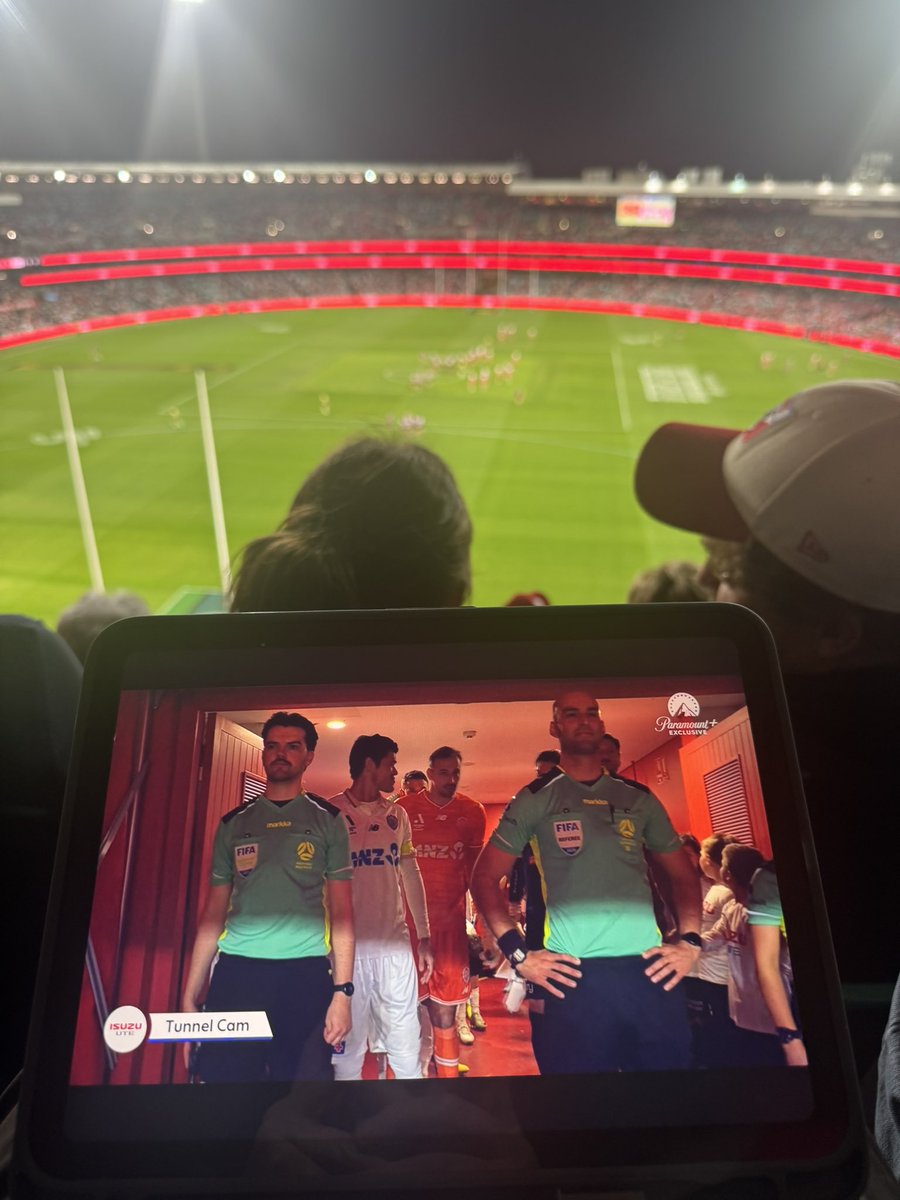
WE ARE THE CHAMPIONS OF THE A-LEAGUE.
THE FIRST KIWI CLUB TO DO IT. NEVER FORGET THAT. 🏆

English





$PLTR
Palantir just put up one of the strongest earnings we have seen throughout the entire stock market. The level of growth across core metrics that the street did not expect to grow and the ability to do it in the face of the narrative that software companies have no terminal value is what makes this quarter so incredible.
Revenue accelerated 85% YoY against expectations of 74%. They raised the FY guide from 61% to 71%. They did more FCF this quarter than they did in revenue in Q1 last year.
They did this with a salesforce of around 70 people...most software companies at their scale have 100x that amount of dedicated staff working on sales, so how are they able to grow this fast? How is Alex Karp so easily able to guide that they will accelerate to 100% growth in 2027?
Palantir is actually doing what software companies have promised to do, but as of recent have failed to materialize: providing value that transforms an enterprise.
A quote from Shyam, CTO, last night:
"More tokens means more slop. And the more commodity cognition you consume, the more you need a system that can prevent the economic harm so you can harness the economic value. That system is AIP. That intermediary representation is the ontology. This is also why we are seeing the death of legacy software. AIP replaces static workflows not by replicating the playbook but by eliminating the need for one."
Palantir is acknowledging that traditional legacy software is dead in the age of AI, but the orchestration of providing business value to ground the truth of the organization within the representation of how that value is constructed (the ontology, what they spent 20 years building) is the defining factor to make AI meaningful.
The results prove this. How is a company doing almost 2B in revenue with just 1000 customers? Their net dollar retention has now passed 150%, which means their customers are choosing to spend more with them because they are getting more value. Imagine what happens when Palantir is at 10,000 and 100,000 customers. This can be one of the biggest companies on Planet Earth as everytime they get a customer, they provide so much value, that the customers locks in and stays with them and pays them more and Palantir is able to create an incredible margin (53% net income) on every dollar the generate because they don't need to pay all the people in the middle, like a salesforce, to generate that revenue.
The company increased their FY guide to 7.6B. Alex Karp said he wants to grow that 100% in 2027. That would put the company at around 15B. If they beat that estimate, we could be even higher. The debate right now is purely around one thing: the sustainability of this type of growth. If you think it is sustainable, you are bullish. If not, you are bearish.
Palantir can't control everything that happens in the macro or the market but they can control how fast they can grow. These earnings make it very, very obvious to me that they will not only sustainably grow, but they will continue to accelerate that growth because their customers are continuing to ask for more from them and as they continue to deliver, they continue to see the benefits of bringing value to enterprises and governments across the world.
Incredibly proud to be on the journey of covering them and I know how special this quarter must have been for those of us who saw the company grow up in front of our eyes over the past few years.
LFG.

English



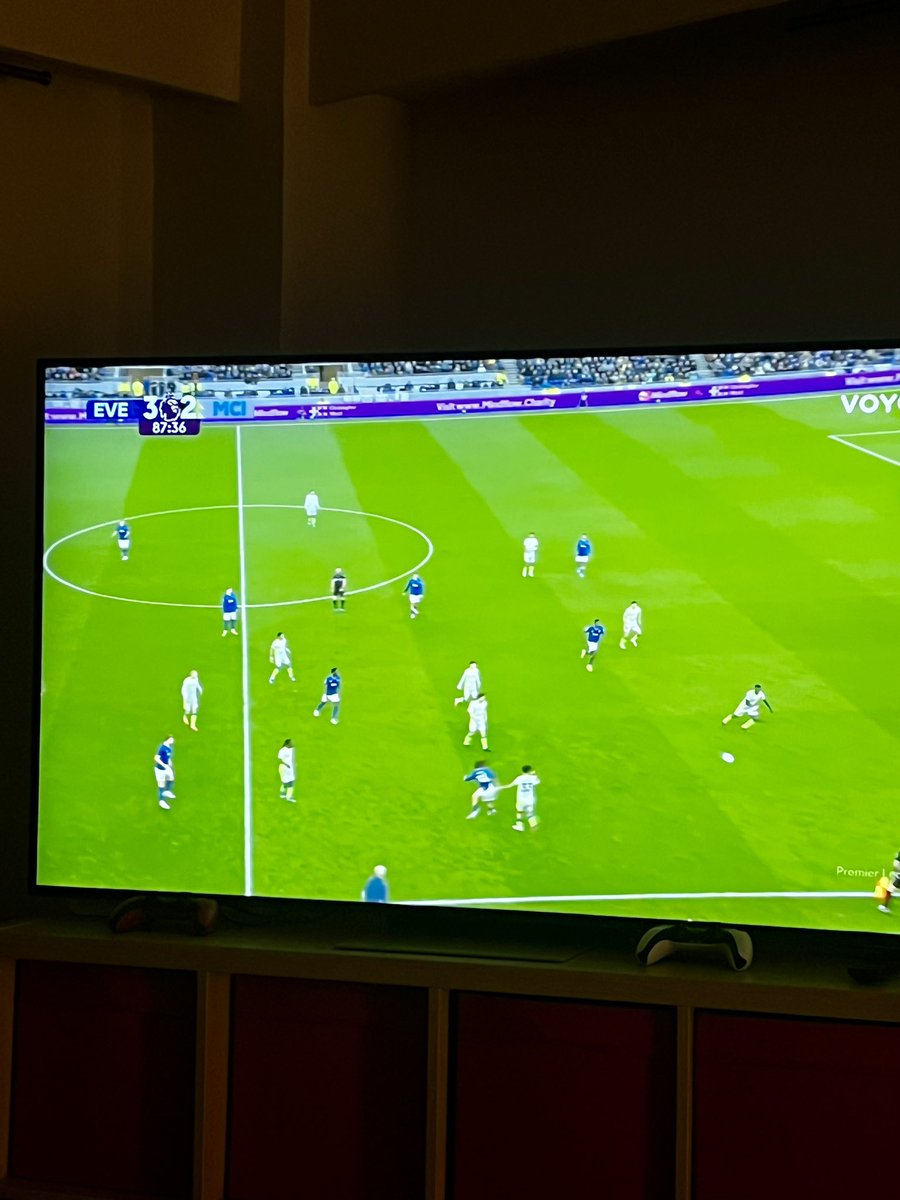


As penalty shootout saves go, this is simply HUGE 😤🧤🔥
Clutch personified from Michael Would.
After 12 perfect penalties, he pulled something out of the top draw to help send @fc_auckland to the Semi Finals.
English
@amitisinvesting Quality comments! Totally agree & today’s the first time I’ve questioned just how long this dip could last… and if im prepared for that wait.
English
Ugly day for two big retail names, $SOFI & $HOOD.
Amazing day for the AI Infra plays that continue to crush earnings like $BE $STX $NXP.
I think the broader question here, at this stage of the rally from the lows, is do you think there is an opportunity cost at being in a loser and transitioning it for a winner.
The loser, if the company is doing well, usually gets the dip buy because the price is a better bargain.
This market is rewarding the winner, even if the earnings multiple is massive (like Intel) or there barely are any earnings (like Bloom) as long as the trajectory continues to show that they will keep winning.
So, would you sell all your $SOFI to buy a $SNDK or $MU here?
I’m not sure many would, but so far fintech and software have continued to dip even with good earnings as the market simply has rotated to companies that keep putting up strong numbers.
Just not sure many have the stomach to buy a chart up 3-4x YTD and sell their bags in fundamentally strong companies just to be in the current winning trade.
English




I built a dashboard for the AI bottlenecks market
→ 250+ stocks tracked
→ Risk Profile, Fundamentals
The coolest part is the visualization of stocks in a dot plot of year-to-date performance + AI exposure calculation
Made it for myself but can share if you are interested
English

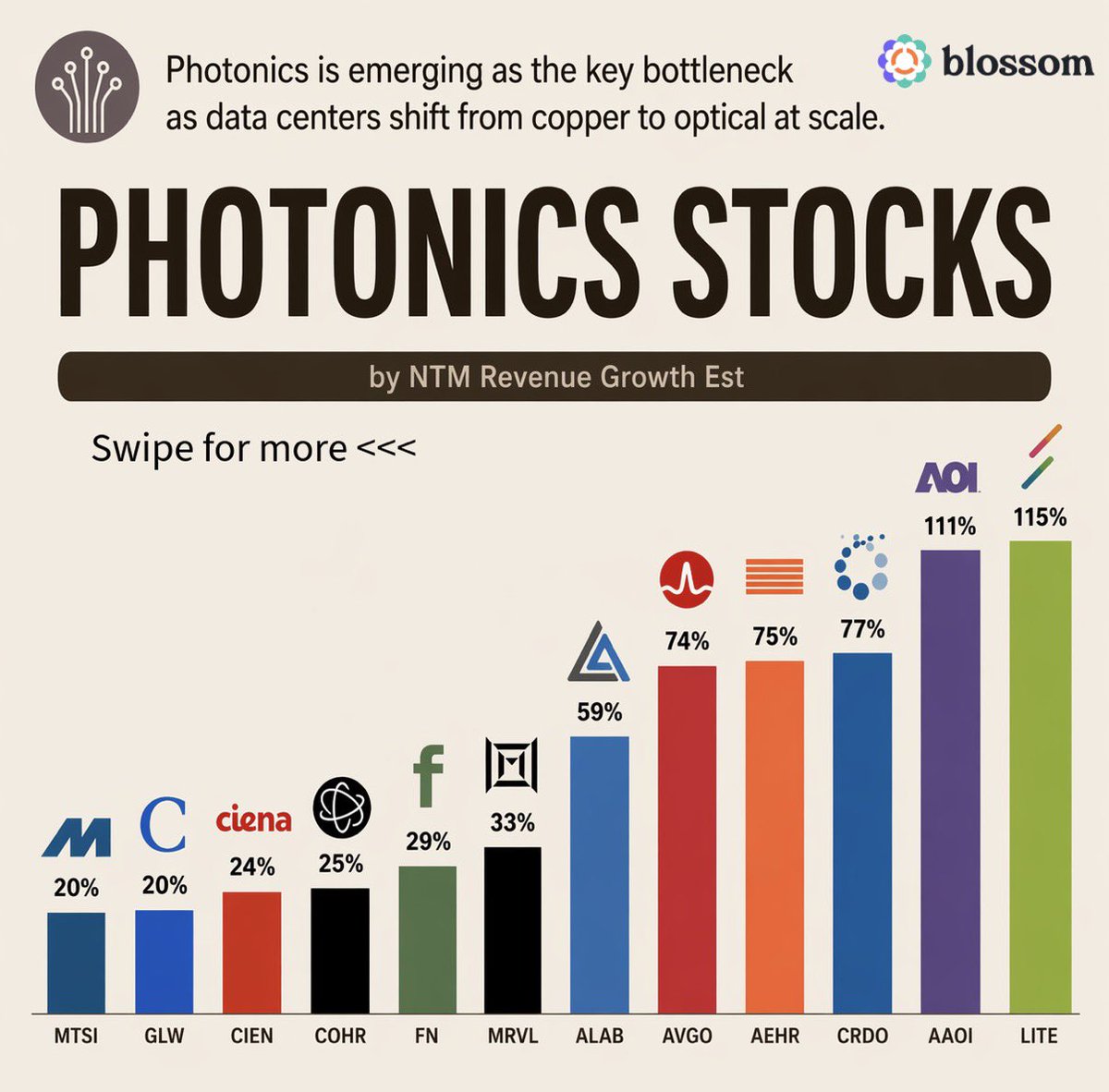
2026 IS THE YEAR OF PHOTONICS
• $GLW glass fiber & cable infrastructure for optical networks
• $MRVL optical DSPs & custom interconnect silicon for AI clusters
• $CRDO retimers, DSPs & active cables for rack-level signal integrity
• $AEHR burn-in & reliability test systems for photonics & AI hardware
• $CIEN optical transport systems that move long-distance data traffic
• $ALAB PCIe & CXL connectivity chips linking CPUs, GPUs & memory
• $FN contract manufacturing for optical modules & networking hardware
• $AAOI data center optical transceivers with in-house laser manufacturing
• $LITE high-speed lasers & optical components for data center transceivers
• $COHR photonic materials, lasers & components across industrial & AI systems
• $AVGO Ethernet switch chips, custom ASICs & optical components for AI networks
Shay Boloor@StockSavvyShay
THE 7 LAYERS OF PHOTONICS 1. Materials & Wafers (substrate layer) $AXTI, $IQE $WOLF, $COHR, $LWLG 2. Tools (fabrication layer) $ASML, $AMAT, $LRCX 3. Lasers (light generation layer) $LITE, $COHR, $LASR, $SMTC 4. Foundries (manufacturing layer) $TSM, $TSEM, $GFS, $UMC, $INTC 5. Test, Inspection & Packaging (reliability layer) $AEHR, $VIAV, $ONTO, $AMKR, $FN 6. Optics (module layer) $AAOI, $POET, $GLW 7. Networking (connectivity layer) $CRDO, $MRVL, $AVGO, $ANET, $CIEN
English