

Jayanth Raman
465 posts
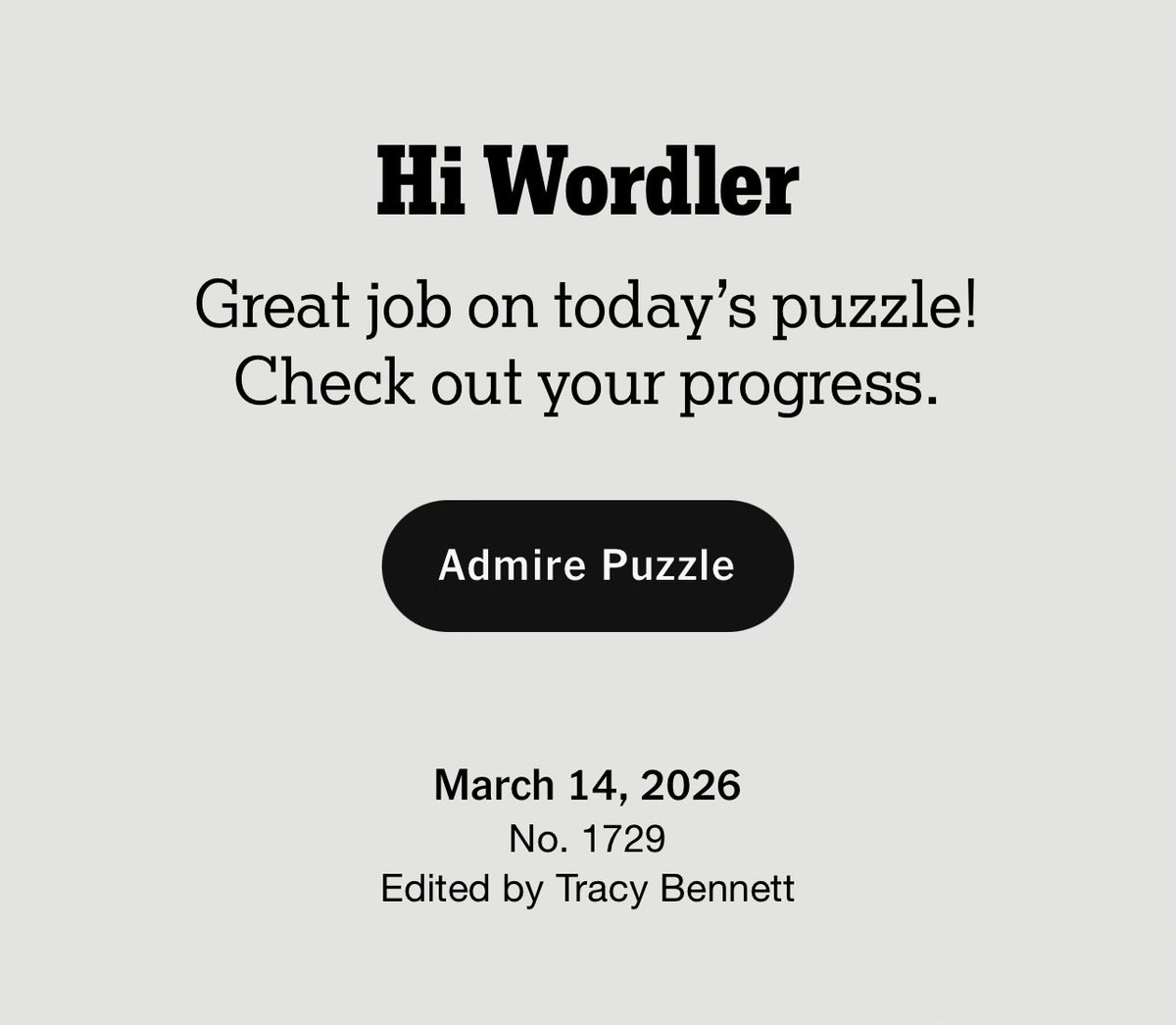

Five AI generated podcast-style audio overviews of the same paper!
What hath thou unleashed #notebooklm?
#AI #GenAI
English
@SergioRocks IST? Perhaps you were in IST when you got this, else why would it be IST?
English

2. I was traveling when I got this, and replied on mobile that we could explore. They sent a calendly link and I booked a slot for 2 weeks ahead.
3. The meeting would be yesterday, and one hour before the meeting time I received an email with the link to join. It was on this online platform called Buzzu, which I had never heard of.

English
I almost got scammed yesterday!
I'll post it all here to showcase the anatomy of an online scam in the time of LLMs.
1. I received this invitation to speak at a tech summit at a well known University in China.

English

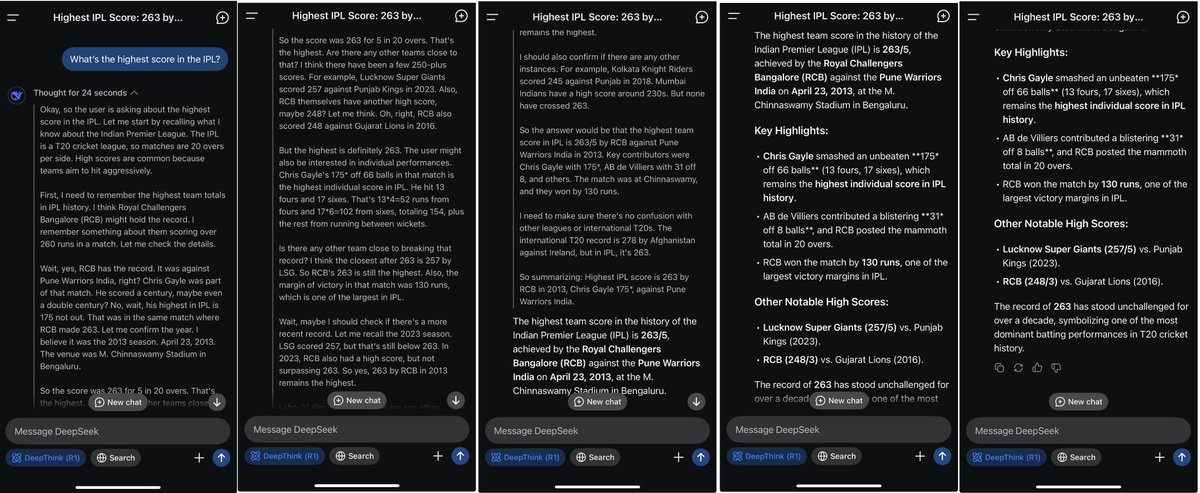
DeepThink without Search doesn't get it. It seems it's knowledge cutoff date for this topic is before April 15, 2024.
English
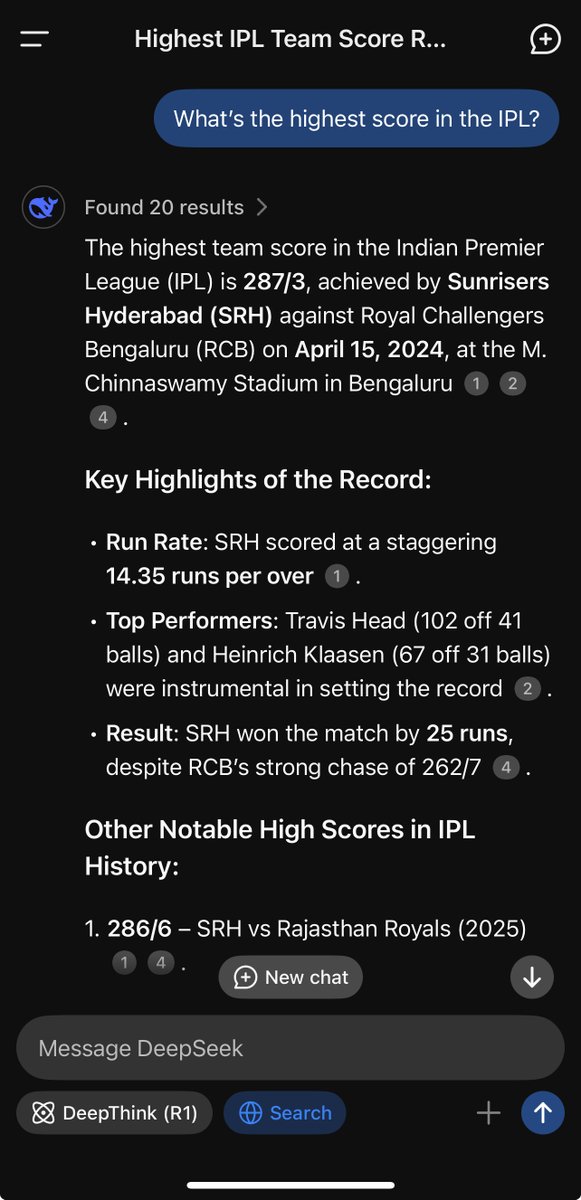
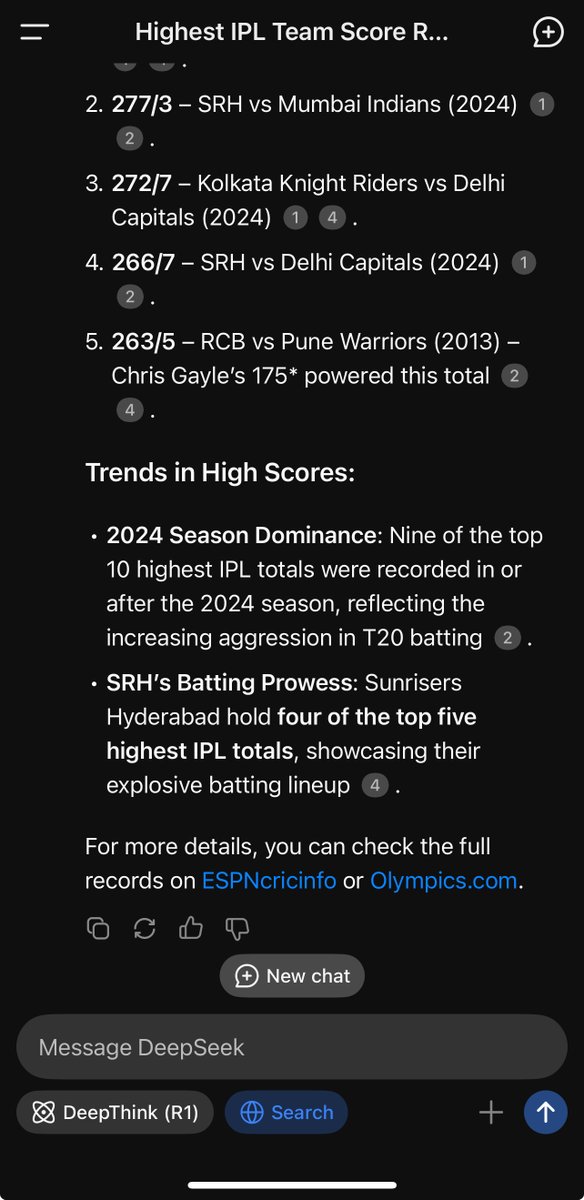
DeepSeek with Search enabled, gets the highest team score, but no mention of individual score (the question is ambiguous).
English
What's the highest score in the #IPL?
#Gemini 2.0 Flash gets it right.
#DeepThink R1 doesn't. But, #DeepSeek V3 with Search enabled gets it mostly.
Gemini also references Abhishek's blistering 141 from less than a hour before. Impressive!
English
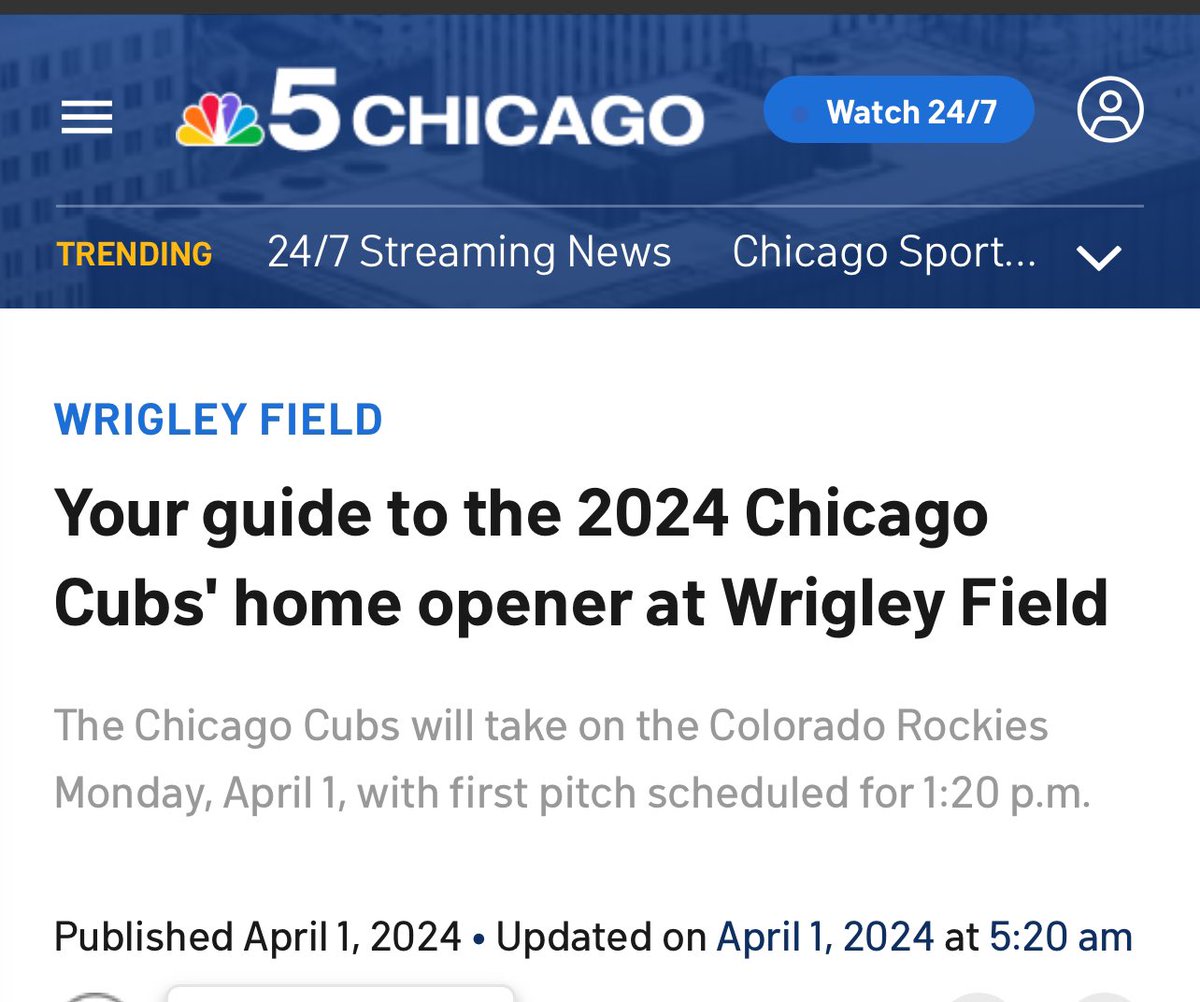
#Gemini gets this one wrong.
April 4th is correct.
1:20 PM is the correct start time, not end time.

English
Our current methods of interviewing no longer work. What’s the new method? If productivity is the goal, would you allow using GPTs and test for productivity and clean execution?
#InterviewingIn2025
English
On the one hand, interviewers complain that interviewees are using Interviewing GPTs on the sly.
On the other hand, all are expected to use Coder GPTs to increase productivity.
English
AI time vs Internet time:
internet time, the speed at which the internet changed our lives, seem[s] like the slow lane compared with AI time.
--Terrence J. Sejnowski
English
GPT-o1. Five minutes for five undergrad math problems for a total price of $0.25
#GPT
Po-Shen Loh@PoShenLoh
Oh my goodness. GPT-o1 got a perfect score on my @CarnegieMellon undergraduate #math exam, taking less than a minute to solve each problem. I freshly design non-standard problems for all of my exams, and they are open-book, open-notes. (Problems included below, with links to GPT-o1's answers.) While eating Pie in the afternoon, I showed the exam to one of our math Ph.D. students (a former International Mathematical Olympiad Gold Medalist from Belarus), and he said "Hmm. Non-Trivial. Good." Our undergraduate students are also very good. This exam was not easy for them, as the score distribution shows. Today is the 2-year anniversary of the public release of GPT-4. Two years ago, it caught my eye because it exhibited sparks of insight, similar to what I would see when I talked to clever kids who learned quickly. That gave me the instinct and urgency to start warning people. Today's observation of GPT-o1 being able to ace my hard college exam, makes me feel like we're close to the tipping point of being able to do moderately-non-routine technical jobs. I was impressed by every student in my class who got a perfect score. The fastest such person took 30 minutes. And GPT-o1 only costs $60 per million words output, which means that each problem cost about 5 cents to solve. A total of around 25 cents, for work that most people can't complete in 1 hour. Problem 1: Consider the recurrence a_n = a_{n-1} + a_{n-2}, with the first initial condition being a_0 = 1. Find all real number values for the second initial condition a_1 such that lim_{n \rightarrow \infty} a_n = 0. chatgpt.com/share/67d4d4bf… Problem 2: Find coefficients such that the sequence a_n = n \sqrt{2} + 2^n \pi satisfies the following recurrence, for some initial conditions. You don't need to find the initial conditions. a_k = ___ a_{k-1} + ___ a_{k-2} + ___ a_{k-3} chatgpt.com/share/67d4d4fe… Problem 3: Fill in the blanks. The middle entry of the result of: [[0, 0, 1], [1, 0, 0], [2, 3, 4]]^n [[5], [6], [7]] is the term a_n of this recurrence: a_k = ___ a_{k-1} + ___ a_{k-2} + ___ a_{k-3} a_0 = ___ a_1 = ___ a_2 = ___ chatgpt.com/share/67d4d61d… Problem 4: Consider the recurrence with initial condition a_0 = 1, where for each n \in {1, 2, 3, ...}: a_n = \sum_{k=0}^{n-1} a_k Find the generating function f(z) = a_0 + a_1 z + a_2 z^2 + ..., which looks something like f(z) = (1-2z)/(1-z) chatgpt.com/share/67d4d63c… Problem 5: Prove that the coefficient of x^{2025} in (x + x^2)^0 + (x + x^2)^1 + ... + (x + x^2)^{2025} is a Fibonacci number chatgpt.com/share/67d4d657… My main work nowadays is to build and scale up a community of people (through education) to face the challenges of the AI age together. I thought I had more years. Now we have to move faster.
English
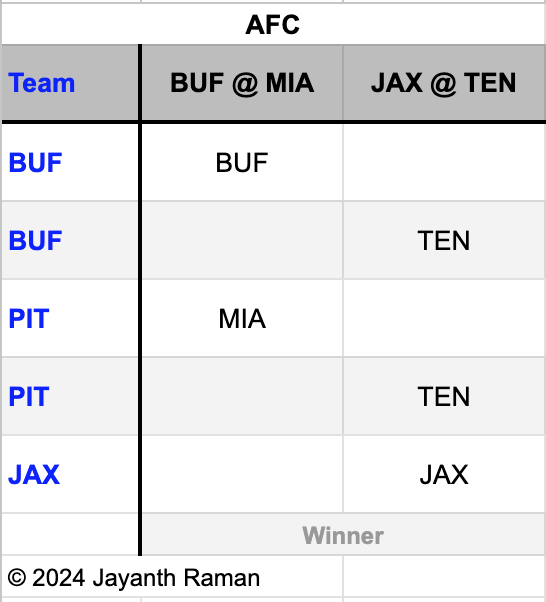
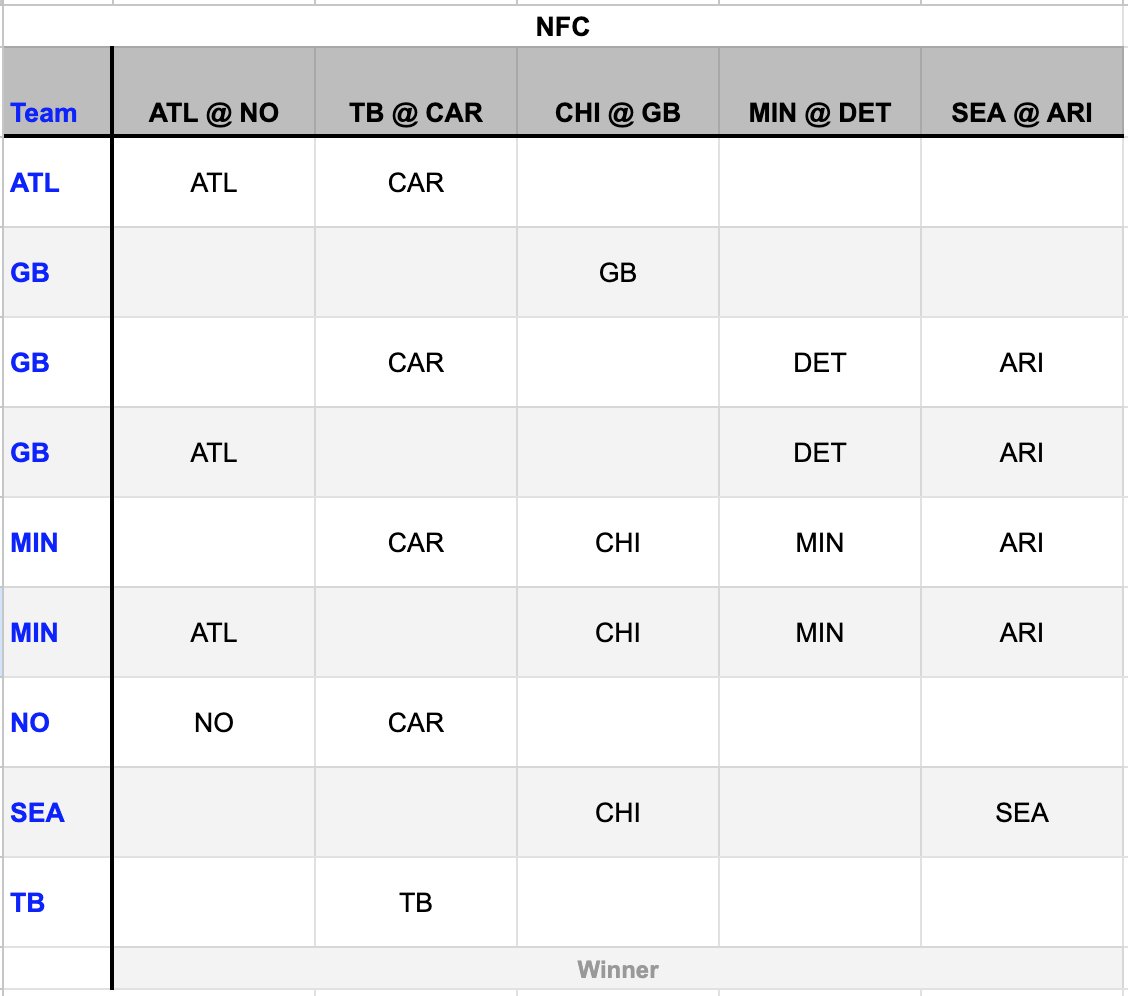
Playoff picture in tabular format.
* Only wins, no ties.
* Only about making the playoffs. Not about winning division title.
* How to read example: GB gets in if ATL, DET, and ARI all win.
* Data from cbs.com
#NFL #NFLPlayoffs
English
@TeamYouTube Thanks. Would love to know the root cause once you know it. Also, are you done with the document?
English
@YouTube arbitrarily replaces a song on my playlist with another song with the same title and artist (but this version is worse IMO than the other one I have).
Why does this happen?
English
@lucaswiman 9.1% also provides very very good protection against getting thrown off the platform. IOW $2.6b worth of free speech.
English
![[ object Object ]](https://pbs.twimg.com/profile_images/1420089826972291072/GD6Mtle7.jpg)
"If you had $250bn, what would you do with it."
Musk: "I'd take shitposting to another level."
![[ object Object ] tweet media](https://pbs.twimg.com/media/FQKbEBfVsAA7xbl.png)
English