JIBLET

317 posts

JIBLET

JIBLET

@jibletj

Katılım Ağustos 2015
149 Takip Edilen9 Takipçiler
JIBLET
JIBLET@jibletj·
@BladeoftheS And they are also slowly stripping the food out of food as well
English
0
0
0
275
BladeoftheSun
BladeoftheSun@BladeoftheS·
Before Brexit the UK was the 5th cheapest for Food in Europe. Now we are 25/28. And it is not just Brexit that has done that, the Supermarkets are ripping you off as well.
English
118
1.2K
4.2K
57.6K
DaveYatesLDN
DaveYatesLDN@DaveYates86·
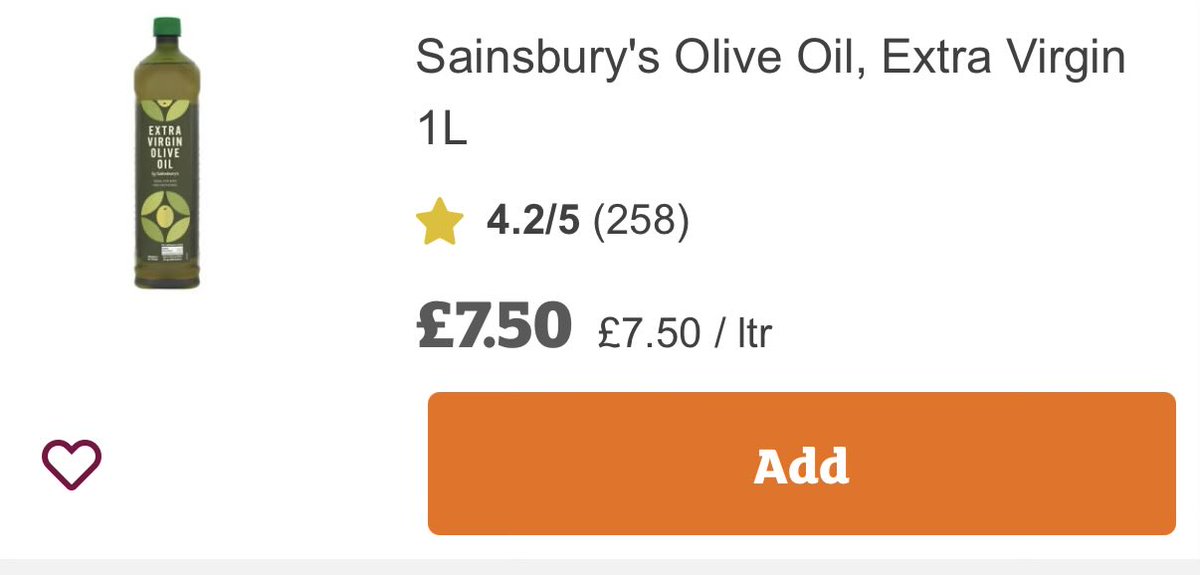
@David__Osland If you’re paying £12 for a bottle of olive oil you don’t deserve to keep your money
DaveYatesLDN tweet media
English
4
1
62
1.5K
David__Osland
David__Osland@David__Osland·
Brexiteers promised us 'cheaper food after Brexit'. It now costs £5 for a bar of Cadbury's Dairy Milk, £8 for a jar of Nescafe and £12 for a bottle of olive oil.
English
1.3K
507
2.6K
124K
JIBLET retweetledi
JIBLET
JIBLET@jibletj·
I do not support the Conservatives in any way but you have to admit that Kemi Bananok has done a great speech just then
English
0
0
0
27
JIBLET
JIBLET@jibletj·
@labourlewis This is 100% the Labour Party that I want. Well done great speech.
English
0
0
0
243
Clive Lewis MP
Clive Lewis MP@labourlewis·
Westminster may finally be about to have the argument it has spent 40 years avoiding. If Andy Burnham returns to Parliament, the political class will know how to cover it. A leadership drama. Who is up, who is down, whether Keir Starmer can survive, whether Labour is once again turning inward. The familiar machinery of Westminster psychodrama will whirr into life. That framing misses the larger point. Burnham’s possible return matters not because of what it says about Labour’s leadership, but because of what it reveals about the British state: what it can still do, what it has forgotten how to do, and what kind of country it must become if it is serious about resilience. Britain is finally having a more serious conversation about national security. The Strategic Defence Review, the pivot back towards Europe, the recognition that hybrid warfare turns citizens, infrastructure and civic institutions into part of the front line: all of it marks a real shift in how the state thinks about its own survival. But at the centre of that conversation lies a question that the defence establishment, and most of Westminster, still does not want to answer. What kind of society do you need to be before resilience is possible? Finland is now the model everyone cites. Comprehensive security. Whole-of-society defence. Civilian preparedness woven into military planning. British strategists admire the Finnish system and ask how it might be copied. But the admiration stops short of the uncomfortable question: why does it work there? The answer is not geography or history or some mysterious quality of Finnish national character. It is structural. Nearly 80% of Finns say they would defend their country if attacked. In Britain, the figure is closer to 33%. That gap is not an accident. It exists because Finland has spent decades building a society in which people have a genuine stake in what they are being asked to defend. Energy is affordable. Housing is available. Public services function. Institutions command trust. The Nordic welfare state is not a sentimental add-on to Finnish security policy. It is the foundation of it. You cannot ask people to defend a country that does not work for them. Britain has spent 40 years building the opposite. The privatisation of essentials – energy, water, transport, housing – transferred wealth upwards from households to shareholders while making the basics of everyday life more expensive. The state, stripped of the tools to control costs at source, has been reduced to compensating after the fact. Out of every pound the Government spends on housing, 88p goes to subsidising private rents. Just 12p goes to building homes. When energy prices spiked in 2022, the Government spent £40bn in a single winter cushioning the blow, not because it had a resilient energy system but because it lacked one. Debt interest now consumes more than £100bn a year. Britain has the highest debt servicing costs in the G7: the compounding price of financing failure rather than eliminating it at source. This is what bond market dependency actually looks like. It is not an abstract fiscal condition. It is the consequence of a state that has been stripped of the supply-side tools that would let it cure the problems it now pays, indefinitely, to manage. And here is the paradox the Treasury refuses to confront. The countries that borrow most cheaply are often those that have retained the public investment model Britain abandoned. The spread between UK and Dutch borrowing costs has widened sharply not because markets fear public investment, but because they have lost confidence in a model that borrows to subsidise private failure while never addressing its causes. This is the connection Britain’s defence debate is missing. The familiar framing, that social spending is what must be sacrificed to meet the NATO target, is not merely politically toxic. It is strategically illiterate. Cutting the foundations of social cohesion to fund the hardware of national defence is self-defeating. You end up with planes and no pilots, submarines and no crew, an army that cannot recruit because the society it is meant to protect has stopped believing in itself. I think Burnham understands this. That is why his programme is more interesting than the leadership gossip suggests. What he has been building in Greater Manchester – public control of transport, expanded social housing, investment in the productive foundations of the city economy – is not a nostalgic rerun of postwar nationalisation. It is a proof of concept for a different kind of state. The Bee Network is the most visible example, but the argument behind it travels. A state that can shape markets is not condemned to subsidise their failures. A state that produces affordable energy through public generation does not need to spend tens of billions cushioning every price shock. A state with a serious public housebuilding programme does not need housing benefit to rise endlessly in line with private rents. A state that builds institutions people can see, use and trust begins to restore the civic confidence on which resilience depends. The real constraint on Britain is not money. It is capacity: the workers, institutions, supply chains and public purpose needed to turn national will into national renewal. Britain’s tragedy is not that it has run out of money. It is that after 40 years of hollowing out the state, it has made itself less able to act. Burnham’s critics will reach for the familiar warning. Borrow more, spend more, spook the gilt markets, repeat the Truss disaster. But this misunderstands both the problem and the opportunity. Bond markets do not have ideological preferences. They have functional ones. They prefer clarity, credible revenue streams, productive investment, and a state with a plan. What they punish is not public ambition but incoherence. A properly designed productive state programme would not be a leap into fiscal fantasy. It would be an attempt to end the much costlier fantasy that Britain can keep borrowing to compensate for broken markets while refusing to repair them. The defence conversation and the economic conversation need to become the same conversation. Finland did not build national resilience by choosing between welfare and security. It built resilience by understanding that they are inseparable: that a country in which the basics work, where people trust one another and the institutions around them, is one that can face danger with something more than anxiety. That is the deeper argument Burnham represents. Westminster will be tempted to treat him as a leadership story. It should resist the temptation. The question is not whether Burnham can return to parliament. It is whether Britain can return to the idea that the state should make life work. Because a country that cannot command the confidence of its people cannot truly defend itself.
English
552
814
3.6K
785.2K
JIBLET
JIBLET@jibletj·
Are we seriously having a go at Keir Starmer for calling Nigel Farage a grifter and a chancer? Nigel Farage is a grifter and a chancer. I don't understand how that is wrong.
English
0
0
0
18
JIBLET retweetledi
Farrukh
Farrukh@implausibleblog·
Keir Starmer vs Kemi Badneoch #PMQs - full exchange Starmer has to justify Labour's changing policies because Brexit is keeping the UK poorer Badenoch complains about the policies, even though our economic weakness is down to the Brexit the Conservatives delivered Neither party really acknowledging that the country is poorer because of Brexit, especially because Labour is trying to make it work - hot take: it's not working In short, two politicians, opposing parties, both trying to make the economic disaster that is Brexit work, and both parties in office and in opposition respectively, failing the British people, making the country poorer, all in pursuit of an ideology that divides the UK from our neighbours in the EU How many more years of this Brexit farce before UK politicians acknowledge that the majority of Brits believe Brexit is a disaster and some politician decides to put what's best for the country first and rejoin the EU
English
8
38
192
19.9K
JIBLET retweetledi
Harry Eccles
Harry Eccles@Heccles94·
Nigel farage wants you to think that Britain has an immigration problem. It doesn't. Britain had a problem with millionaires hoarding wealth, egged on by politicians and the press. Britain has a problem with racism. Britain has a @Nigel_Farage problem. RT if you agree.
Harry Eccles tweet media
English
2.5K
5.6K
13.7K
434.3K
JIBLET retweetledi
Reece Dinsdale
Reece Dinsdale@reece_dinsdale·
Thought this was worth posting today. Fair play to you @ZackPolanski
English
133
1.3K
3.9K
120.2K
JIBLET retweetledi
BladeoftheSun
BladeoftheSun@BladeoftheS·
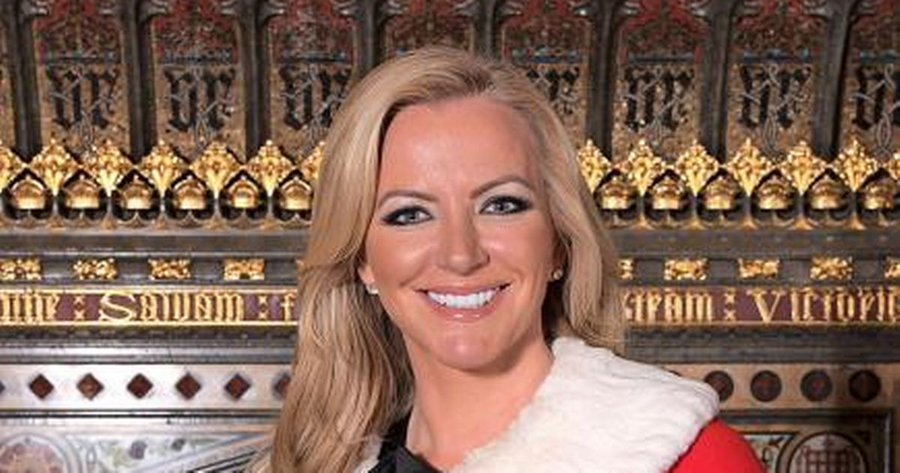
If you want to see Michelle Mone kicked out of the House of Lords and arrested until she pays the £232,000,000 she owes give this a RT. If you want Rishi Sunak's involvement in the £14,900,000,000 PPE Fraud he covered up investigated, LIKE.
BladeoftheSun tweet media
English
107
4.9K
10.8K
229K
JIBLET retweetledi
Jeremy Corbyn
Jeremy Corbyn@jeremycorbyn·
Palestinian statehood is not a bargaining chip. It is not a threat. It is an inalienable right of the Palestinian people. Our demands on this shameful government remain the same: end all arms sales to Israel, impose widespread sanctions, and stop the genocide, now.
English
1.6K
14.5K
54.9K
1.1M
JIBLET
JIBLET@jibletj·
@KemiBadenoch Britain is an asset striped shell of a country. Tories saw to that .
English
0
0
0
5
Kemi Badenoch
Kemi Badenoch@KemiBadenoch·
Britain is our home, not a hotel.
English
2.6K
990
13.7K
3.3M
JIBLET
JIBLET@jibletj·
@KemiBadenoch You’ve been in government for 14 years. And in all that time, you built just 172,000 social homes. That’s barely 12,000 a year. Don’t act like this crisis just landed on your desk — you created it.
English
0
0
0
5
Kemi Badenoch
Kemi Badenoch@KemiBadenoch·
We must build more homes for British families.
English
1.9K
171
2.8K
877.2K
JIBLET retweetledi
BladeoftheSun
BladeoftheSun@BladeoftheS·
After increasing your Water Bills 25-50% this year the Water Companies have nearly doubled the pay for their CEOs. We don't need regulation, we need prison cells.
English
27
657
1.9K
26.6K
JIBLET retweetledi
#GetBrexitUndone 🇪🇺
#GetBrexitUndone 🇪🇺@GetBrexitUndone·
It’s always the same with you, Suella — when you’re short on policies, short on credibility, and short on decency, you reach for the dog whistle. Leaving the ECHR would rip up protections that underpin everyone’s basic rights — from free speech to a fair trial. You’re not defending Britain. You’re dismantling the moral and legal foundations it was built on. All to pander to the swivel-eyed fringe and keep your name in the headlines. Shameful. Dangerous. And utterly transparent.
English
14
62
303
7.6K
JIBLET
JIBLET@jibletj·
9. We’ve been held in contempt. They profit. We pay. And now they want us to pick up the tab for their failures. It’s time to say: No more. Not another penny. Not until water is for the people, not profit.
English
0
0
0
3
JIBLET
JIBLET@jibletj·
8. Imagine a national campaign: – Non-payment protests – Mass petitions – Public pressure for renationalisation This isn’t radical. It’s common sense. Water should belong to the people — not hedge funds.
English
1
0
0
4
JIBLET
JIBLET@jibletj·
1. The Water Bill is set to rise another 30% in the next 5 years. It’s already gone up 30%. We’re paying more — while they dump sewage, pay themselves millions, and got a £3bn bailout. So how did we end up here?
English
1
0
0
5