

Max Metcalfe
536 posts


🚀 We shipped v1.3 yesterday. Here are the highlights!
Terminal Threads have landed.
Open a terminal right in the Threads Sidebar and run claude, codex, or any other CLI agent alongside your built-in agent threads.
zed.dev/blog/terminal-…
English
Max Metcalfe retweetledi


Top 5 bars in the world (objective):
5. Bukowsky (Rio) [Brazilians will laugh]
5. Bar in Bastile that took my €500 bill (Paris)
4. Moby Dick (SF, so gay bar)
4. Blablabar (Tashkent)
4. Bar where everyone was very Angolan (Berlin)
4. Bar where server spoke in Scots (Edinburgh)
4. Bar on Rothschild where hot Polina works (Tel-aviv)
3. Orthodox (St Petersburg)
3. Keanu (Moscow)
2. Mandarin (Moscow)
1. EssThetik (Moscow)
C. Sandbatch (Best Selling Poet)@CSandbatch
Oh man not easy. 5. Hermes Bar (NOLA) 4. Mid City Yacht Club (NOLA) 3. 12 Mile Limit (NOLA) 2. Bar Redux (NOLA) 1. Anna's (NOLA)
English
@ninepixelgrid this idea of "slow mode" seems help: blog.val.town/slow-mode
English

Max Metcalfe retweetledi

it's spooky seeing the requests of .env scanners
/.env
/.env.backup
/.env.backup1
/.env.backup2
/.env.bak
/.env.ci
/.env.dev
/.env.development
/.env.dist
/.env.docker
/.env.example
/.env.live
/.env.local
/.env.old
/.env.prod
/.env.production
/.env.sample
/.env.save
/.env.stage
/.env.staging
/.env.swp
/.env.test
/.env~
/.env1
/.env2
/.env_copy
/.env.txt
/.env.json
/.env.yaml
/.env.yml
/admin/.env
/administrator/.env
/api/.env
/api/dev/.env
/api/staging/.env
/api/v1/.env
/api/v2/.env
/api/v3/.env
/app/.env
/apps/.env
/application/.env
/backup/.env
/backups/.env
/beta/.env
/bin/.env
/bootstrap/.env
/build/.env
/cache/.env
/cakephp/.env
/campaign/.env
/cd/.env
/ci/.env
/circleci/.env
/client/.env
/cloud/.env
/cms/.env
/codeigniter/.env
/config/.env
/config/app/.env
/control-panel/.env
/core/.env
/core/app/.env
/crm/.env
/cron/.env
/cronlab/.env
/current/.env
/dashboard/.env
/database/.env
/deploy/.env
/dev/.env
/development/.env
/dist/.env
/docker/.env
/drupal/.env
/en/.env
/erp/.env
/exapi/.env
/express/.env
/frontend/.env
/gateway/.env
/gcp/.env
/github/.env
/gitlab/.env
/graphql/.env
/html/.env
/htdocs/.env
/infrastructure/.env
/internal/.env
/jenkins/.env
/joomla/.env
/k8s/.env
/kafka/.env
/kubernetes/.env
/laravel/.env
/laravel5/.env
/lib/.env
/live/.env
/local/.env
/logs/.env
/magento/.env
/mail/.env
/mailer/.env
/mailing/.env
/mailgun/.env
/mandrill/.env
/microservice/.env
/mongodb/.env
/mysql/.env
/nest/.env
/newsletter/.env
/next/.env
/node/.env
/notifications/.env
/notify/.env
/nuxt/.env
/old/.env
/opt/.env
/panel/.env
/portal/.env
/postgres/.env
/postmark/.env
/preprod/.env
/prestashop/.env
/preview/.env
/private/.env
/prod/.env
/production/.env
/project/.env
/psnlink/.env
/public/.env
/public_html/.env
/qa/.env
/queue/.env
/rabbitmq/.env
/react/.env
/release/.env
/releases/.env
/resources/.env
/rest/.env
/saas/.env
/scripts/.env
/sender/.env
/sendgrid/.env
/ses/.env
/service/.env
/shared/.env
/shop/.env
/shopify/.env
/sitemaps/.env
/smtp/.env
/sparkpost/.env
/src/.env
/stage/.env
/staging/.env
/store/.env
/svelte/.env
/symfony/.env
/temp/.env
/terraform/.env
/test/.env
/tmp/.env
/tools/.env
/transactional/.env
/travis/.env
/uploads/.env
/uat/.env
/user-panel/.env
/v1/.env
/v2/.env
/v3/.env
/var/www/.env
/var/www/html/.env
/vendor/.env
/vue/.env
/web/.env
/wordpress/.env
/worker/.env
/wp/.env
/www/.env
/yii/.env
/zend/.env
English
Max Metcalfe retweetledi

Max Metcalfe retweetledi

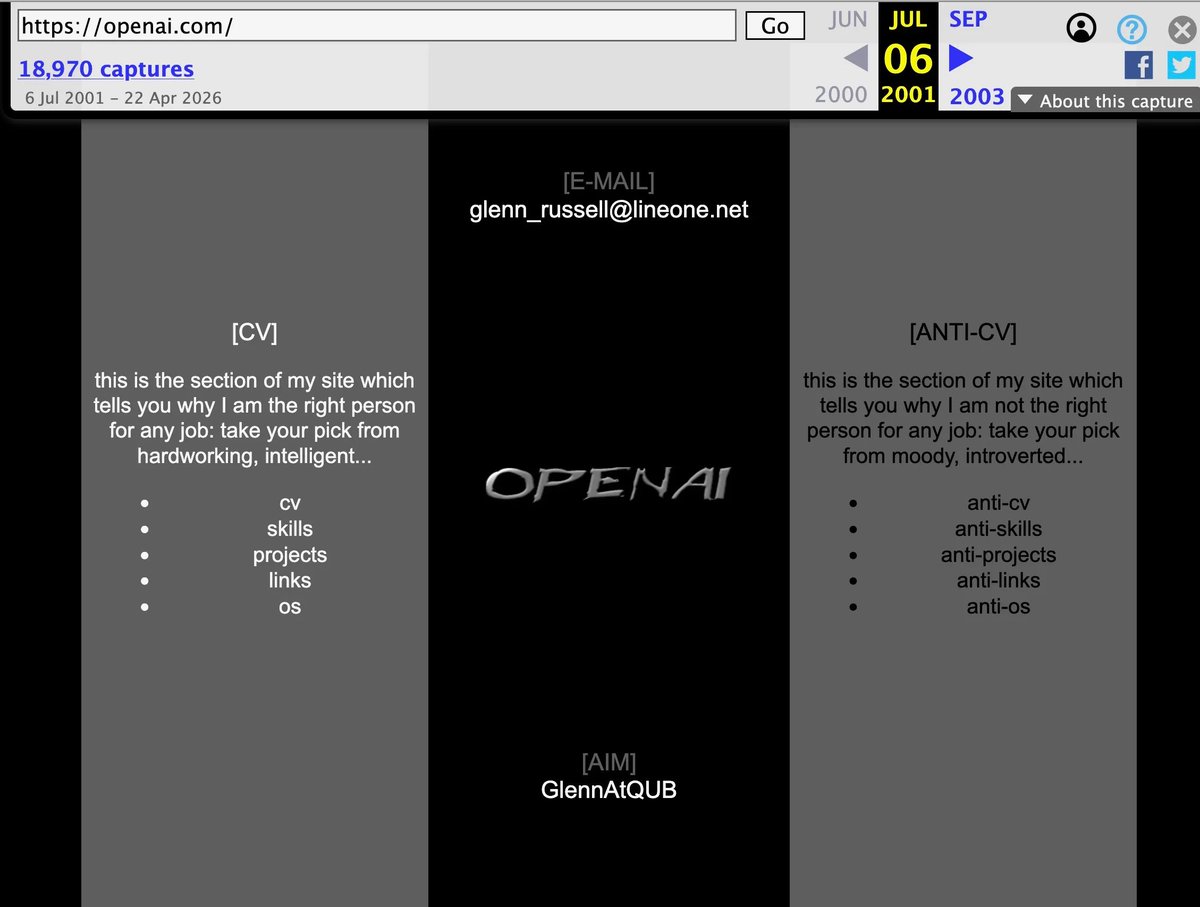
openai․com was once the personal homepage of a guy named glenn (2001), and tiktok․com was the quaint shared homepage of a couple who went from dating to married with a baby (~1998-2001). THREAD!!!

English



this is cool - first malicious session within 2 minutes of configuring a sensor.
Andrew Morris (afk)@Andrew___Morris
Howdy folks! Taking a break from my twitter break to let yall know that we released a new @GreyNoiseIO product yesterday. It's called Project Swarm. We've been quietly not-so-quietly working on it for a few years. You can buy it now. It costs $1. There are lots of vulnerabilities on edge-facing apps. To catch in-the-wild exploitation of them, we @ GreyNoise run sensors on the internet. New AI models means more vulnerabilities being identified and exploited, and FASTER. Long term, software and hardware will probably get better, but in the meantime we're gonna have to deal with A LOT of vulnerabilities. At GreyNoise, the sensors we run are basically honeypots- we bait attackers to scan and exploit them which enables us to learn where the attackers are, which vulnerabilities they are exploiting, what it drops, and what it looks like on the wire. From ~2020-now it took us years to build up our fleet. Now anyone can use our new product to deploy their own sensors on their own networks, or an entire fleet of any size, in a day. You can rip back the data and do whatever you want with it. You can resell it, put it into your product, or just stare at it- whatever you want! On our side, we aggregate the data and pour it into a community dataset that everyone shares. As more people join, the data gets bigger and better. Couple neat features: - Sensor deployment is a single bash command on any modern linux distro that supports iptables and wireguard. - Sensors and vulnerable software (profiles) are abstracted into different logical concepts, which means the "what" and "where" are different things, and the sensor is not constrained by the compute required to run the vulnerable software. Also, no matter how hacked the profile (honeypot) gets, it can't touch your host sensor or the rest of your network. - Sensors can run fake honeypots, real software, or even real hardware (bridged with a raspberry pi) like old crappy routers and modems (or expensive firewalls and VPN gateways 👀) - You can create dynamic blocklists that block IPs sourced from your own sensors in real time, so if a remote IP address *looks at your network* the wrong way, you block them instantly. - All the PCAP data is available to you in a gorgeous and intuitive interface at near real time and fully enriched against all of our (thousands of) rules. We're working on the host metadata (malware, syscalls, host behaviors) as well, but this will come later. - If we don't tag a CVE that's interesting to you, you can write a Suricata rule to tag it yourself once and your data gets tagged with it in real time forever. - You can instantly download PCAPs of any exploits that hit your sensors. - If you don't want your data shared with the community dataset, you can talk to our team and we'll work out rights to make it private. Check it out! There's a lot of moving pieces to make this work and we expect bugs, but it's available right now. Join the fight! greynoise.io/project-swarm
English
@ninepixelgrid claude code now has recaps: x.com/claudedevs/sta…. i also name terminal windows based on how i bucket / name the work in my head.
ClaudeDevs@ClaudeDevs
Claude Code in the terminal will now show recaps when you switch focus away from the session and then come back. This should help you stay more in flow while multi-clauding.
English
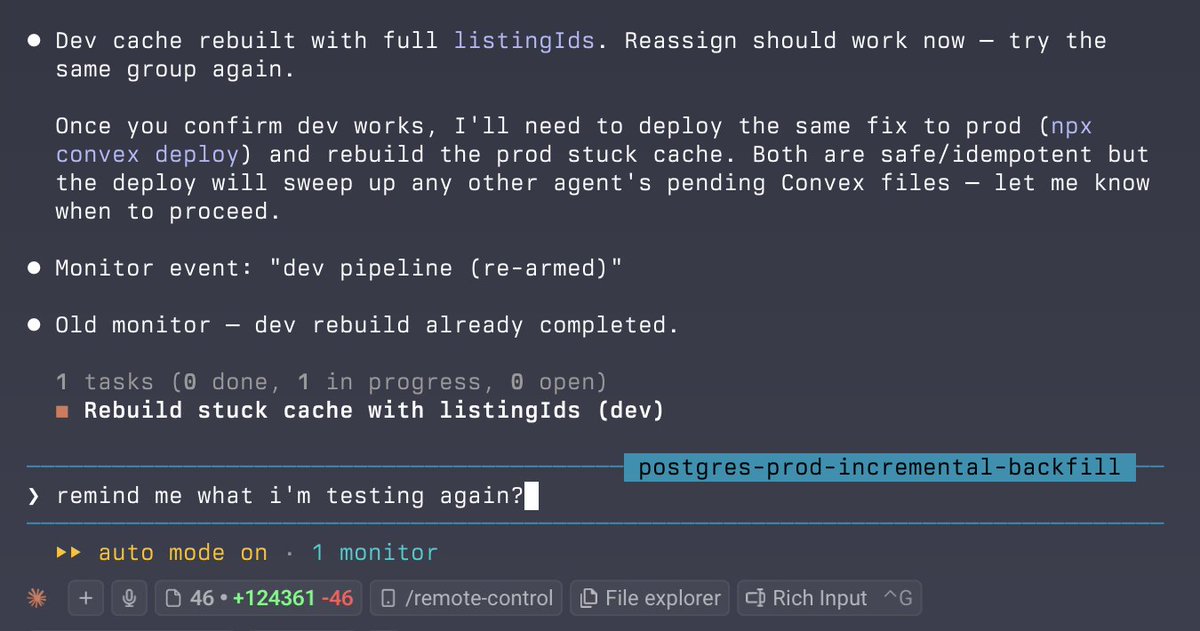
does this happen to anyone else?
i have so many agents running that i forget the context of what they're all doing.
does anyone have a solution for this??
English
Max Metcalfe retweetledi
Max Metcalfe retweetledi

Just found out about recency bias, it's gotta be the best and most interesting kind of bias
English

.@meetgranola is very good, but I have two qualms:
- requiring access to all my calendars, including personal isn't great
- need an export to markdown or some way to make the notes themselves non-proprietary
English