
Nicodemus Ojwee Abooki⚓ retweetledi
Nicodemus Ojwee Abooki⚓
3.2K posts

Nicodemus Ojwee Abooki⚓
@ojaynico
Software Engineer at Pharmanavi. Kotlin developer. Github : ojaynico
kampala Katılım Ağustos 2010
3.9K Takip Edilen2.9K Takipçiler
Nicodemus Ojwee Abooki⚓ retweetledi


📌HERE WE GO! 🔥📌
Done. Signed. SEALED. 🤝
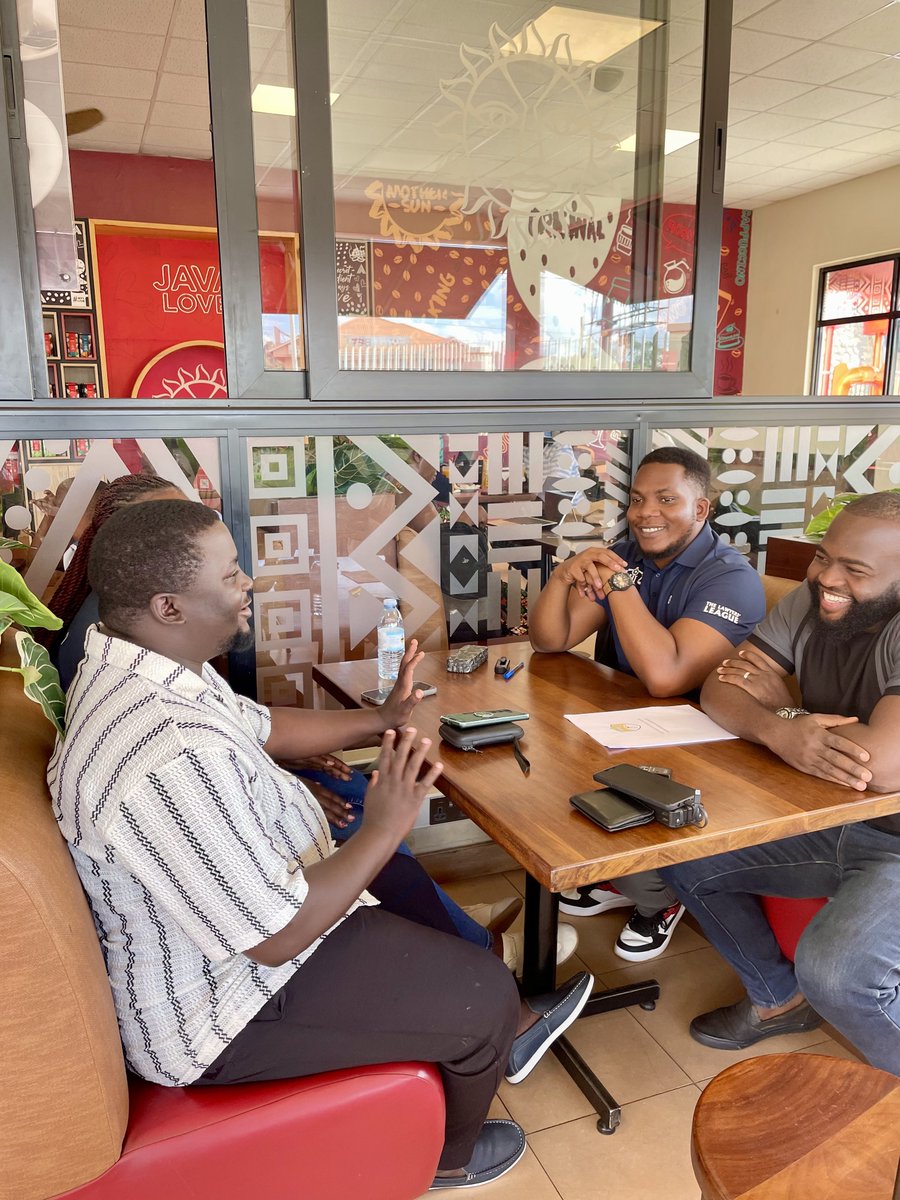
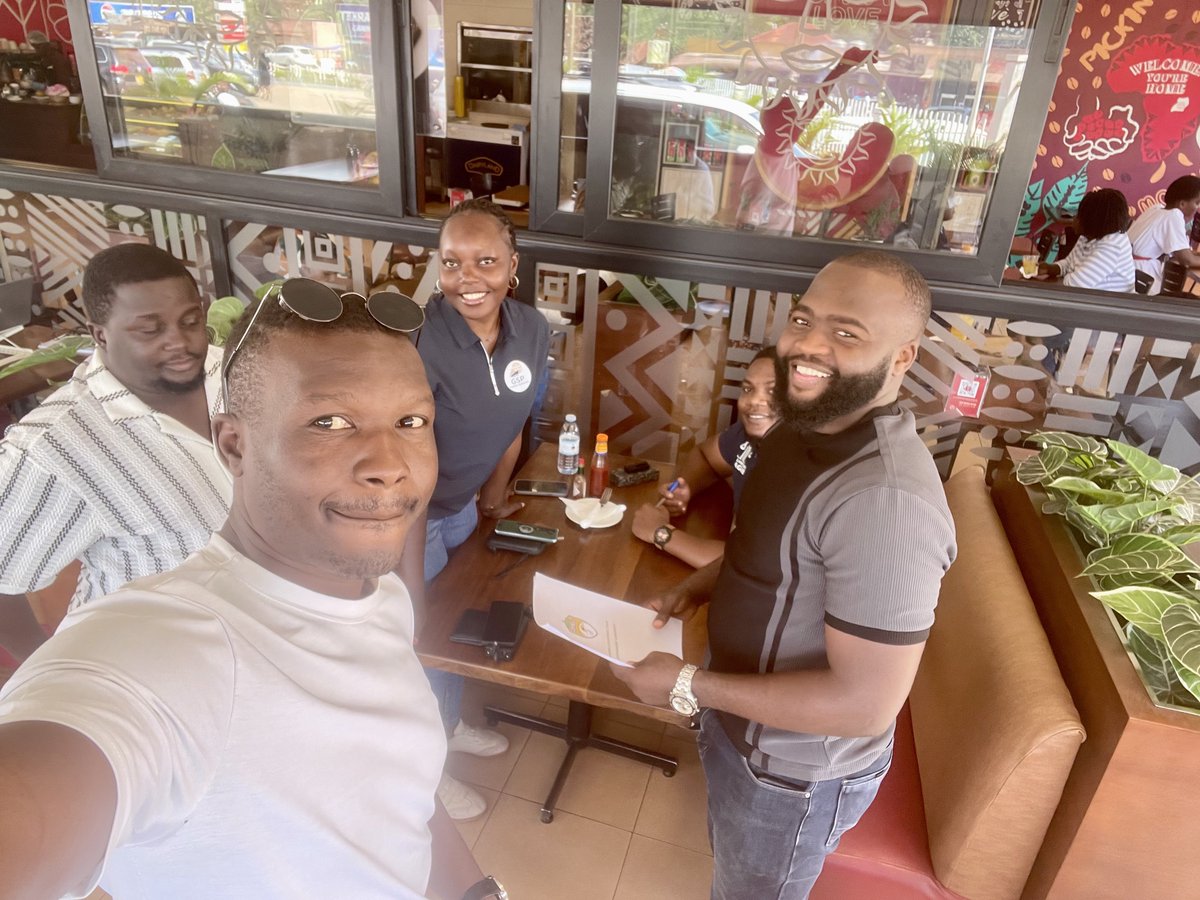
Big welcome to GSP Cargo Services — the best shipping & cargo company in Uganda — as our MAIN sponsor for
#TheNGOLeagueReturns
#TNL6 🚀
#HornbillsInIt


English
Nicodemus Ojwee Abooki⚓ retweetledi

"You know, I was supposed to be @thengoleague chairman this season but my team needed me more on the pitch"
Season 6 starts on 3rd May, 2026📌
#TNL6 #IAmBack

English
Nicodemus Ojwee Abooki⚓ retweetledi

On February 5, 2023, ₦2.9 billion disappeared from Flutterwave accounts.
Not in one transaction. In 63 separate transfers across 107 accounts in 27 different banks.
Each transfer... small enough to avoid triggering fraud alerts.
By the time the system flagged it, the money was already moving through crypto merchants on Binance being converted to USDT. Nigerian traders who had no idea they were receiving stolen funds got their accounts frozen. Some are still in legal battles today.
Flutterwave denied it was a breach.
Then it happened again on March 1, 2023. ₦550 million. Same pattern.
Again on March 14. Same pattern.
Then October 2023, POS merchants exploited a vulnerability. ₦19 billion. 6,000 accounts across 35 banks.
Then April 2024. Fourth breach in fourteen months. ₦11 billion possibly and ₦20 billion moved across five financial institutions over four days.
Same technique as the first attack: keep every deposit just below the threshold that triggers a fraud flag.
Africa's most valuable startup. Processing billions in transactions daily got breached four times in fourteen months.
The lesson is not that Flutterwave is incompetent.
The lesson is that fraud detection thresholds are public knowledge to serious attackers.
If your fraud system flags transactions above ₦X....Attackers will send ₦X minus one. Repeatedly. At scale.
Static thresholds are not fraud prevention.
They are a ceiling that tells attackers exactly how high they can go.
Behavioral detection like flagging unusual patterns, velocity, geography, device fingerprints is what actually catches this.
Four breaches. Billions gone. Court documents public.
Build like someone already knows your limits.
English
Nicodemus Ojwee Abooki⚓ retweetledi

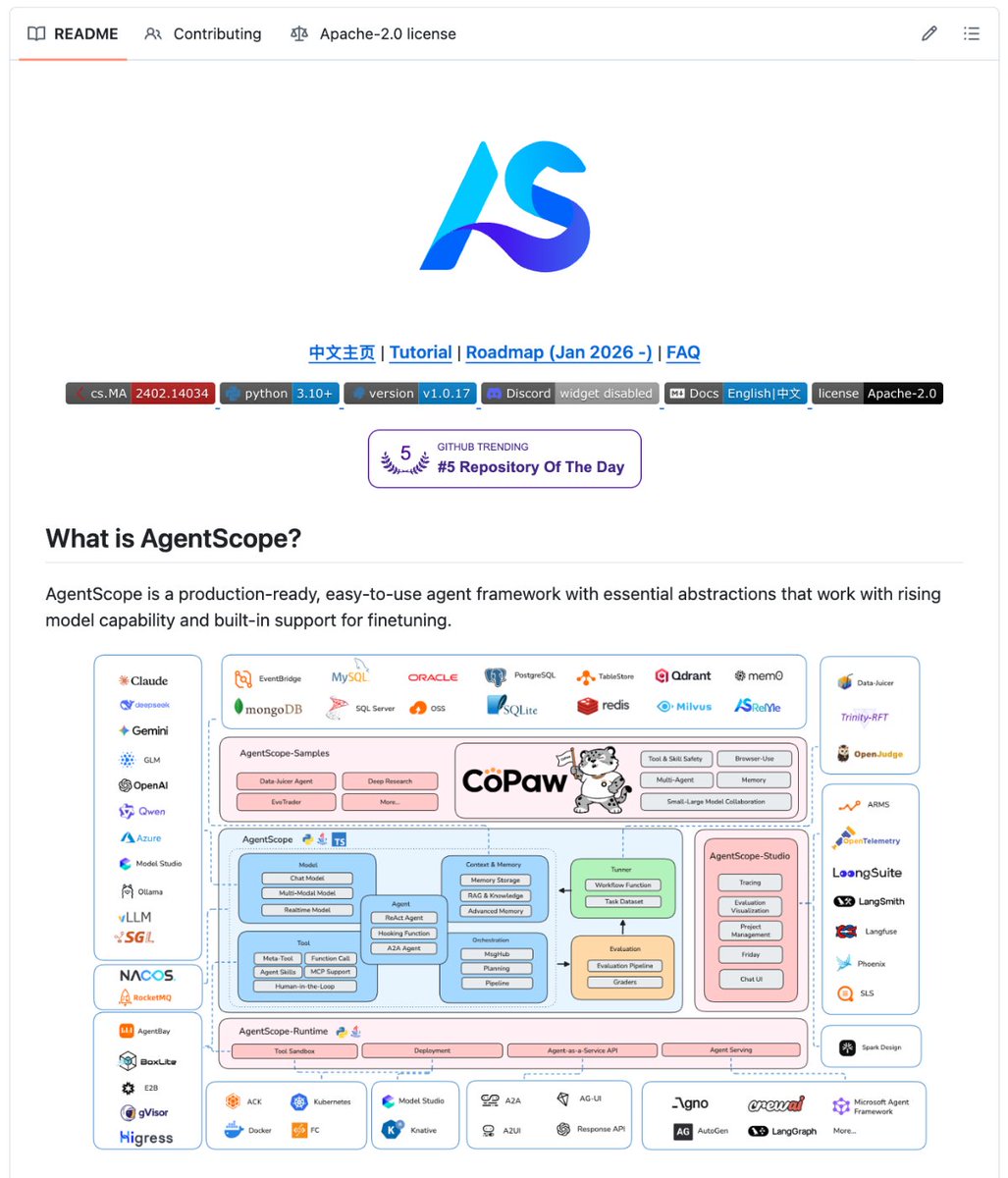
🚨 BREAKING: CHINA just released a Python framework for building AI agents. 100% OPEN SOURCE.
It has visual agent design, MCP tools, memory, RAG, and reasoning. All built in. All working together.
It's called AgentScope.
You describe your agent system. It builds the architecture, wires the tools, and runs the whole thing. You come back and there's a working multi-agent pipeline. Not a prototype. Not a demo. The actual system.
Not a wrapper.
Not a chatbot builder.
A full Agent-Oriented Programming framework that thinks in agents from the ground up.
Here's what it does out of the box:
→ Visual agent builder so you design your entire system before writing a single line of code
→ Native MCP tool support, plug any external tool directly into any agent in your pipeline
→ Built-in memory so every agent remembers context, decisions, and history across sessions
→ RAG pipeline ready to connect your own documents, databases, and knowledge bases
→ Reasoning modules that let agents plan, reflect, and self-correct without human input
→ Multi-agent coordination so your agents collaborate as a system, not a pile of isolated API calls
Here's how it thinks:
You define your goal. AgentScope maps the agent roles. Each agent gets its tools, its memory, its reasoning layer. They coordinate. Results flow back up. You get a finished output.
A single complex task might route through a planner agent, a researcher agent, a coder agent, and a critic agent, each doing its job, then converge into one clean deliverable.
Here's the wildest part:
AgentScope is built by Alibaba DAMO Academy. The same lab behind Qwen. They didn't assemble this from existing pieces. They designed the entire framework from first principles around how agents actually need to think, remember, and work together. Most frameworks give you building blocks. AgentScope gives you an architecture. The community has already started plugging it into data pipelines, research workflows, and full automation systems the team never planned for.
100% Open Source. Apache 2.0 License.

English
Nicodemus Ojwee Abooki⚓ retweetledi

@nikitabier Mine is still under review since last year.
English
Nicodemus Ojwee Abooki⚓ retweetledi

Honestly, if you want to secure a backend role in a fintech company that deals heavily with transactions, these are the things you must understand.
If the company actually knows what they’re doing, their questions will revolve around things like:
Idempotency – preventing duplicate transactions
Concurrency control – handling multiple requests safely
Database transactions (ACID)
Distributed systems basics
A lot of people underestimate this side of backend.
But that’s just the surface…
Bookmark and retweet so people can learn from this too
English