kwame Otiende

23.6K posts

kwame Otiende banner
kwame Otiende

kwame Otiende

@otiendeotiende

In the end, it's not the years in your life that count. It's the life in your years.| Afro-optimist |PoliticalEconomist|Pragmatic Left| +all that Jazz.

Earth Katılım Mayıs 2009
465 Takip Edilen707 Takipçiler
kwame Otiende retweetledi
SHAV★
SHAV★@shavnyuy·
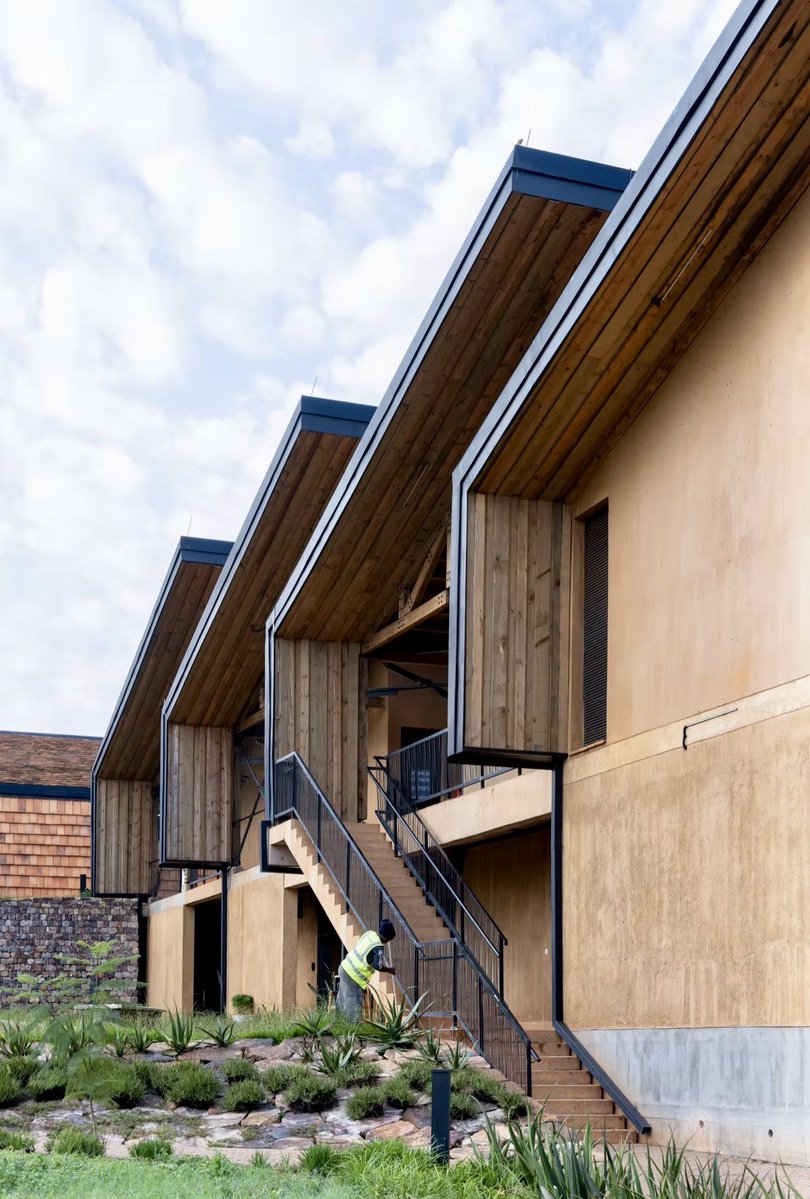
Six years ago, rammed earth was illegal to build with in Rwanda. Today it’s the primary material of a 69-building university campus built almost entirely by local hands. 96% of all construction materials sourced within Rwanda. Rammed earth, compressed earth blocks, locally quarried stone, terracotta roof tiles made from on-site soil and clay. The buildings were literally harvested from the ground they sit on. One cooperative formed by workers trained in rammed-earth techniques during construction now carries that expertise to projects across Rwanda. The building didn’t just train students, it trained builders and changed the local construction economy. Embodied carbon 60% below the global average for institutional buildings. Fully off-grid, powered by a 1.5MW solar array. Projected to become fully climate-positive by 2040, removing more carbon than was produced during its construction. Earth blocks were actually illegal in Rwanda until 2019. MASS worked with the Government of Rwanda to write new standards and guidelines to legalize their use. They didn’t just build a campus, they changed national building policy. This is what it looks like when architecture takes its responsibility seriously. RICA, Rwanda Institute for Conservation Agriculture, Gashora, Rwanda by MASS Design Group. 📷 Iwan Baan
SHAV★ tweet mediaSHAV★ tweet mediaSHAV★ tweet mediaSHAV★ tweet media
English
21
259
1.1K
63K
I. Cox
I. Cox@IanECox·
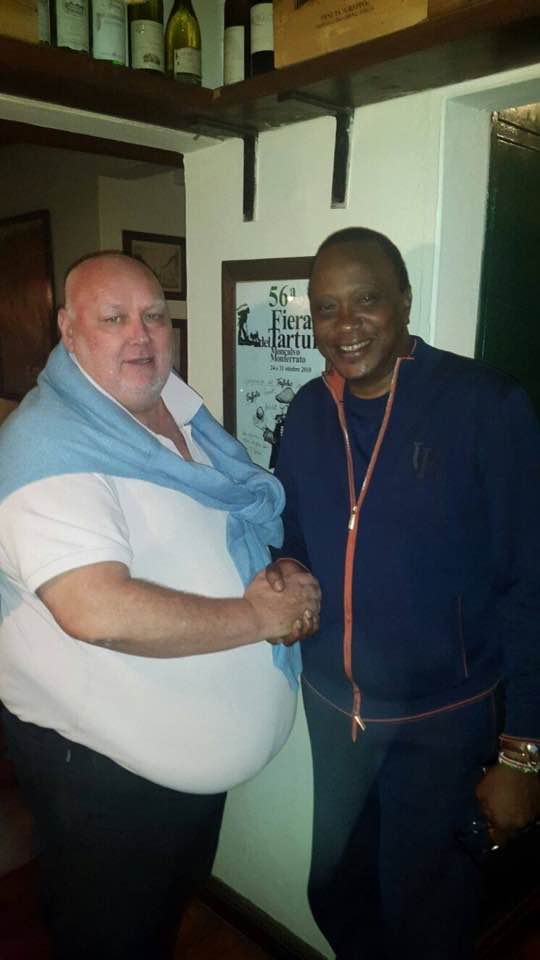
The Rise and Fall of Maurizio Corti: An Italian Dream in Nairobi That Faded into Shadows In the early 2000s, an ambitious Italian entrepreneur from Varese arrived in Nairobi with big dreams and a vision rooted in his family’s heritage. Maurizio Corti, inspired by his grandmother’s humble osteria.. a traditional Milanese tavern captured in a cherished 1946 photograph.. set out to transplant that warm, convivial Italian spirit into Kenya’s bustling capital. What began as a single restaurant would grow into a hospitality empire, only to crumble under the weight of a global pandemic, leaving Corti himself broken in health and finances. Corti’s first major ventures in Nairobi weren’t restaurants but nightlife hotspots. He operated the Acapulco club and, in June 2004, opened Club Casablanca, a discotheque right next door to what would become his flagship eatery on Lenana Road. Casablanca quickly became a lively fixture in the city’s after-dark scene, drawing crowds for music, dancing, and the kind of vibrant energy that defined Nairobi’s expat and local party circuit at the time. The nightclub sat on the very site where Corti soon launched Osteria del Chianti, his pioneering Italian restaurant. The location was no accident: Corti wanted to create a space where fine food, exotic wines (still rare in Kenya then), and genuine Italian ambience met the city’s fast-growing appetite for quality dining. The osteria’s warm lighting, hearty pastas, risottos, pizzas, and osso buco drew expats, tourists, and well-heeled Kenyans alike. It wasn’t just a meal.. it was an experience, a slice of la dolce vita in East Africa. Success came swiftly. Corti expanded under the Osteria Group, opening multiple outlets: three in Nairobi, two in Malindi, and others in Mombasa, Narok (gateway to Maasai Mara), Nanyuki, and Diani. He added the affordable Pizza O takeaway chain in high-traffic spots like Mombasa Road, Narok, and coastal towns, making quality Italian fare accessible to office workers, locals, and travelers. In 2016, the group even won a government tender to manage Buffalo Camp, a safari lodge outside Tsavo East National Park. By the late 2010s, Corti was a fixture in Kenya’s hospitality world.. a “big man” with big ideas, known for his welcoming presence, attention to detail, and relationships that kept the venues buzzing. Media profiles painted him as a success story in a notoriously tough industry, where good food alone wasn’t enough; you needed the right atmosphere, the right connections, and relentless drive. Then came COVID-19. The pandemic devastated Kenya’s tourism and dining sectors with lockdowns, curfews, and travel bans. Osteria Group’s restaurants were hammered. On 4 January 2021, the board passed a resolution to cease operations amid “unfavourable business environment and cash-flow challenges.” One by one, the outlets shuttered. What had been a thriving empire of nine restaurants, takeaways, and a lodge collapsed almost overnight. Former employees filed suits in Nairobi’s Employment and Labour Relations Court, claiming unpaid salaries, unfair termination, and in some cases, verbal abuse or profanities from director Corti himself. Judgments piled up, including one for roughly KSh 1.7 million in favour of claimant Benson Charo Kiboko. By the early 2020s, the company was insolvent. Assets- cookers, fridges, utensils, furniture.. were seized by creditors. In 2025, Osteria Group (Kenya) Limited formally notified the Registrar of Companies of its cessation of business (dated back to the COVID closures), applied to have its name struck from the register, and faced a liquidation petition in Malindi’s High Court (Insolvency Petition No. E001 of 2025). Courts grew frustrated with unpaid decrees; in a December 2025 ruling, the judge ordered Corti (then described as a former director) to appear for examination under oath about the company’s remaining assets and books. Allegations swirled of fraudulent asset transfers to dodge creditors, though Corti denied wrongdoing, insisting the collapse was purely economic. Today, in 2026, Maurizio Corti’s story has reached a quiet, painful coda. The once-prosperous restaurateur fell gravely ill shortly after the restaurants closed. He spent nearly three years bedridden during the height of the crisis and its aftermath, exhausting his personal savings on medical care. Now confined to a wheelchair with no income, savings, or assets left, he survives on a small and irregular stipend from his twin sister. The Italian dream he built in Kenya.. from the pulsing nights at Casablanca to the bustling Osteria empire.. has faded. What remains is a cautionary tale of ambition, boom, and bust in one of Africa’s most unforgiving hospitality markets. Corti’s legacy lingers in the memories of those who dined and danced under his roofs, but the man himself lives in the shadow of what was.
I. Cox tweet mediaI. Cox tweet media
Osteria Group@osteriagroup

Conclude the main meal with a killer dessert course. Welcome to Osteria. #AlexNaJelasTBT #CoopVisaCard #NoOneEatsAlone #PeopleofTheNile

English
22
73
261
86.6K
kwame Otiende retweetledi
Anish Moonka
Anish Moonka@anishmoonka·
That flower is a clone. Every red spider lily in the American South traces back to three bulbs a US Navy officer named William Roberts brought home from Japan in 1854. His sister-in-law planted them in North Carolina. They have been copying themselves ever since. The Japanese version of this plant cannot make seeds. It only reproduces by making copies of itself underground. A bulb splits in two. Those two split into four. Over the years, one bulb becomes a whole patch of identical flowers. Every red spider lily in the American South is part of one giant, slow-motion copy machine that started with Roberts' three bulbs. Roberts came home with them after a treaty opened Japan to American trade. He was a botany enthusiast and sailed with Commodore Matthew Perry. The bulbs sat quietly in the soil for years. They did not flower until the Civil War. Since then, they have been handed from one gardener to the next, one bulb at a time. The bulb underground is poisonous. It carries a chemical called lycorine. A mouse that bites into it gets violently sick, and a big enough bite can kill it. The poison is why people grew the plant in the first place. Japanese farmers have been planting it around their rice fields and houses for over a thousand years because the bulbs keep rats and moles out of the grain. You are looking at natural pest control that has been running since before the printing press was invented. The same bulb also carries a chemical called galantamine. Galantamine is the active ingredient in two FDA-approved drugs for Alzheimer's disease. The FDA approved the first one, Razadyne, in 2001. A follow-up called Zunveyl was approved in 2024. China has entire farms growing red spider lilies just to pull that chemical out and turn it into medicine. The same bulb that will kill a rat is the source of a molecule that helps an 80-year-old remember their grandchildren's names. In the American South, these flowers almost always show up around old homesteads. Since the plant only spreads by bulbs splitting, a patch marks where somebody once lived and gardened. You might be looking at the last trace of a house that burned down in 1930, or a grandmother's flower bed from sixty years ago. So leave it where it is. Don't dig up the bulb, and don't let pets chew the long green leaves that come up after the flower dies in the fall. When the next good rain hits, more will probably pop up out of nowhere, on bare stems with no leaves. That is the flower doing what it has done since the 1850s, one bulb at a time.
cybercore@cybercxre

Found this in my backyard, what should I do?

English
81
2.5K
15.7K
1.7M
kwame Otiende retweetledi
Tope Dada
Tope Dada@TopeDada17·
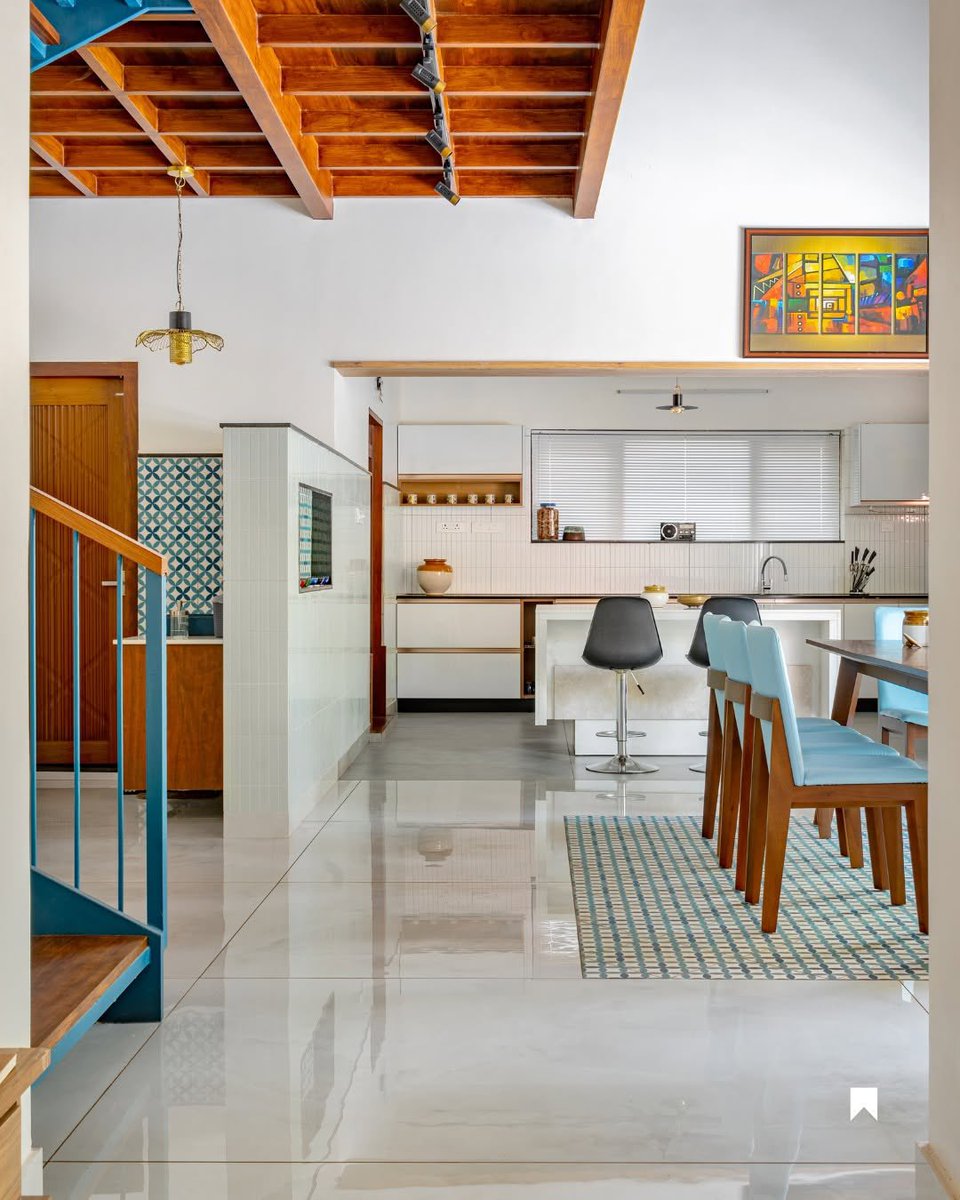
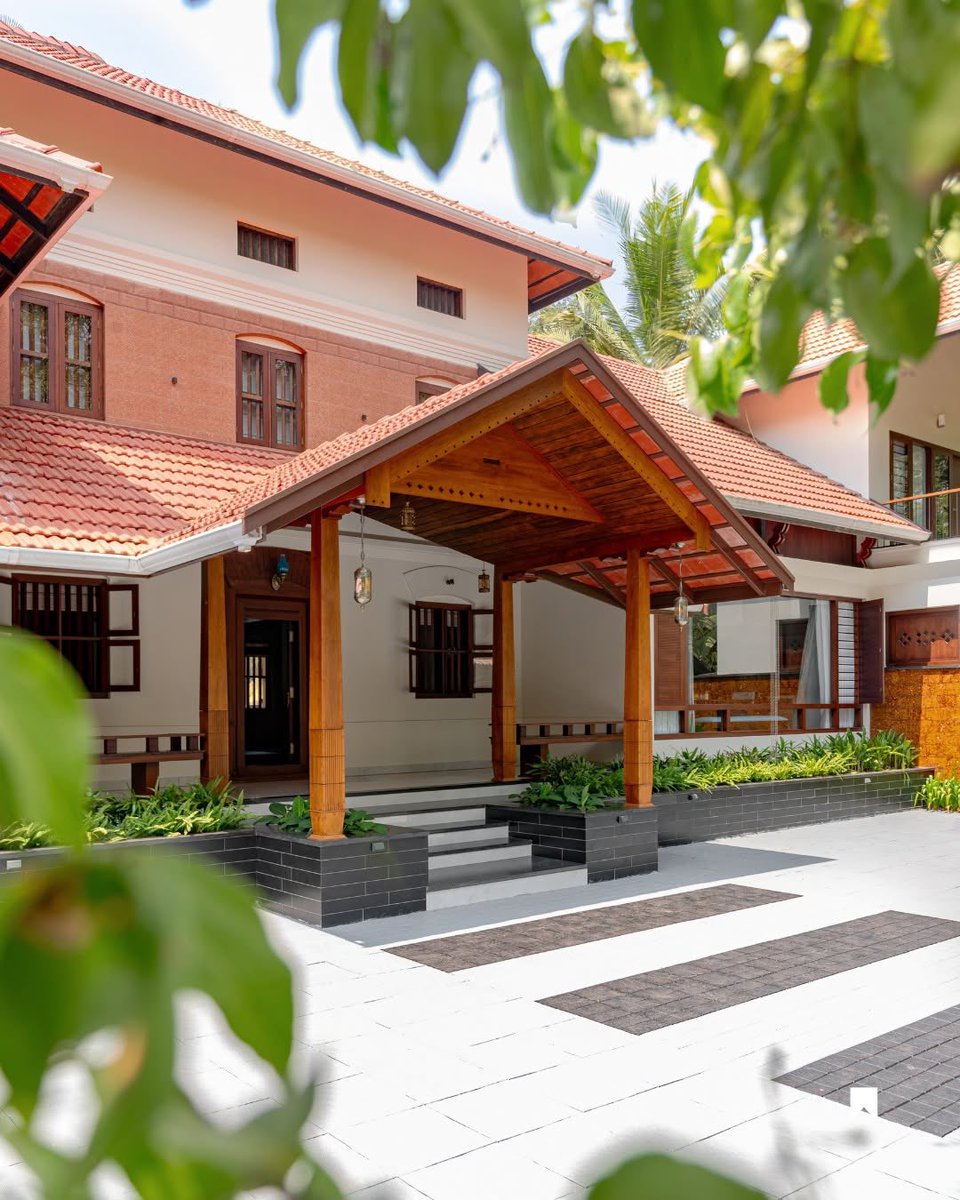
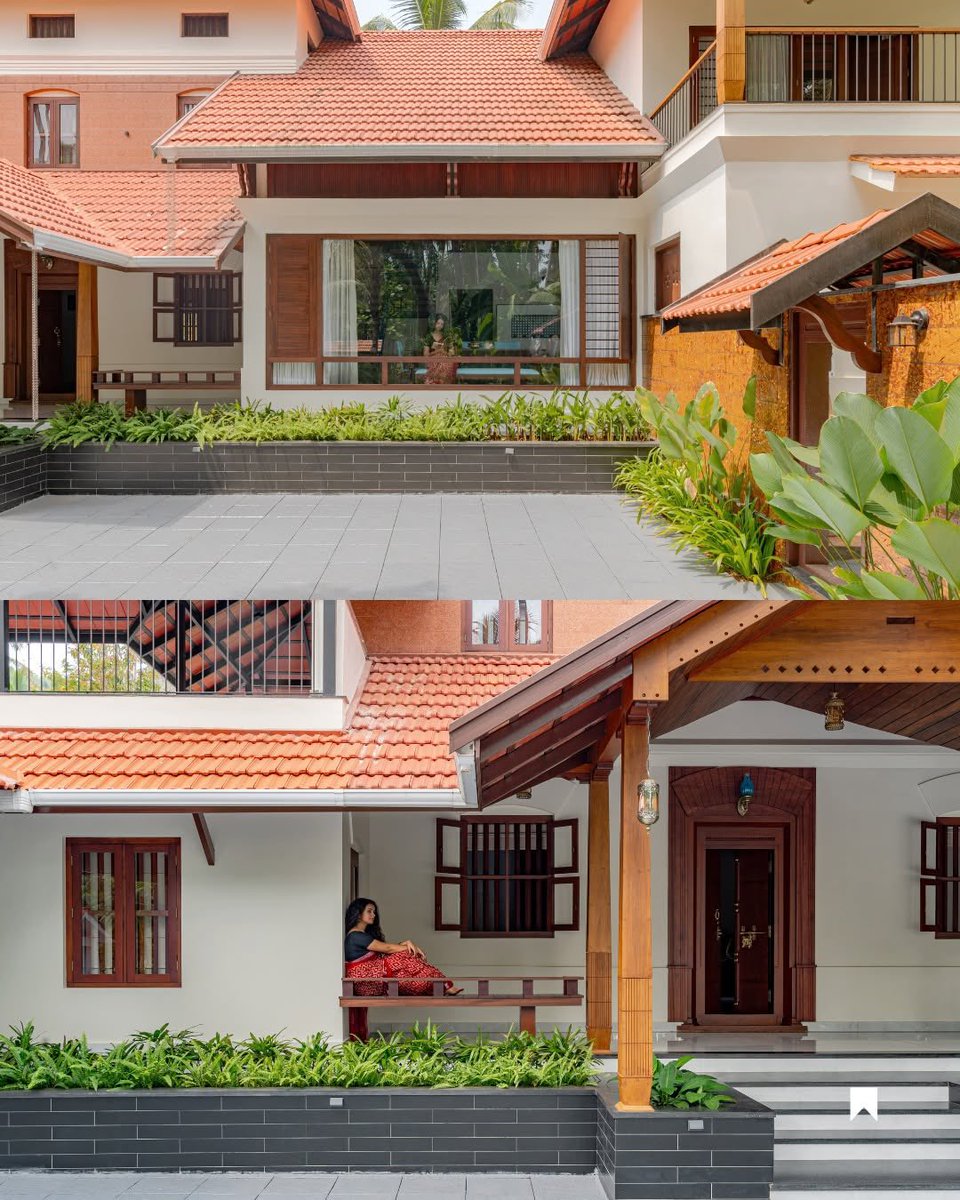
Indian homes serve as compelling case studies for residential design in Nigeria. They demonstrate the power of well-lit spaces that minimize reliance on artificial lighting.
Deep overhangs that shield interiors from intense sun 
Large openings that promote cross ventilation 
And earthy tones that root the architecture in its natural surroundings. 
Simple ideas, thoughtfully applied. And in the Nigerian context, they just make sense. 📍Kerala, India 🇮🇳 Architects :Designature Architects
Tope Dada tweet mediaTope Dada tweet mediaTope Dada tweet mediaTope Dada tweet media
English
7
82
554
29.1K
That one Doakes meme
That one Doakes meme@crias_enough·
@Qs_Manu You don't have a blue checkmark so you're not even engagement farming for clicks, you're stupid for free. I salute you sir
English

1
0
6
1.4K
ODAN PAVERS CABROS EXPERTS KENYA.
@onjolo_kenya Boss 20 million/km how?? The higher it can cost ni ksh 10 million, the entire road.. I installed Cabros on a 35km road and it costed ksh 9.5 million na saa hiyo adi the area MP amekulia
English

5
0
35
8K
ONJOLO KENYA🇰🇪
ONJOLO KENYA🇰🇪@onjolo_kenya·
Pipeline Estate is about 1.2 km². The total length of road in such a densely populated area is roughly 30 km, and even if we give it a generous upper estimate, it would be about 40 km. Considering the average cost of estate roads at KSh 20 million per kilometre, it would take around KSh 800 million to tarmac the entire estate. Do you think the county council and the Kenya Urban Roads Authority don’t have KSh 1 billion to pave all the roads in Pipeline Estate? The answer is no ,they certainly do. In fact ,the resources collected in Pipeline Estate in terms of rental tax ,construction permits ,business permit are enough to make the place look like Nyayo Estate. But why are the roads still not paved? Discussed in political science is the idea of a political poverty trap. In such systems, widespread poverty and poor infrastructure make citizens dependent on politicians for small, immediate assistance ,things like temporary road grading, drainage repairs, food aid, or small development projects before elections. Once a new politician joins politics, the first lesson from peers is often simple: you either work and risk being removed, because they no longer need you or you keep people constantly engaged with token gestures and stand a better chance of surviving politically.
ONJOLO KENYA🇰🇪 tweet mediaONJOLO KENYA🇰🇪 tweet media
English
106
106
528
141.6K
kwame Otiende retweetledi
SHAV★
SHAV★@shavnyuy·
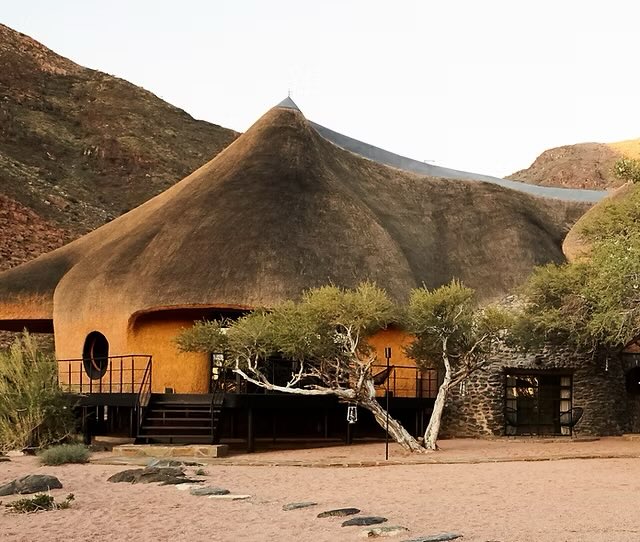
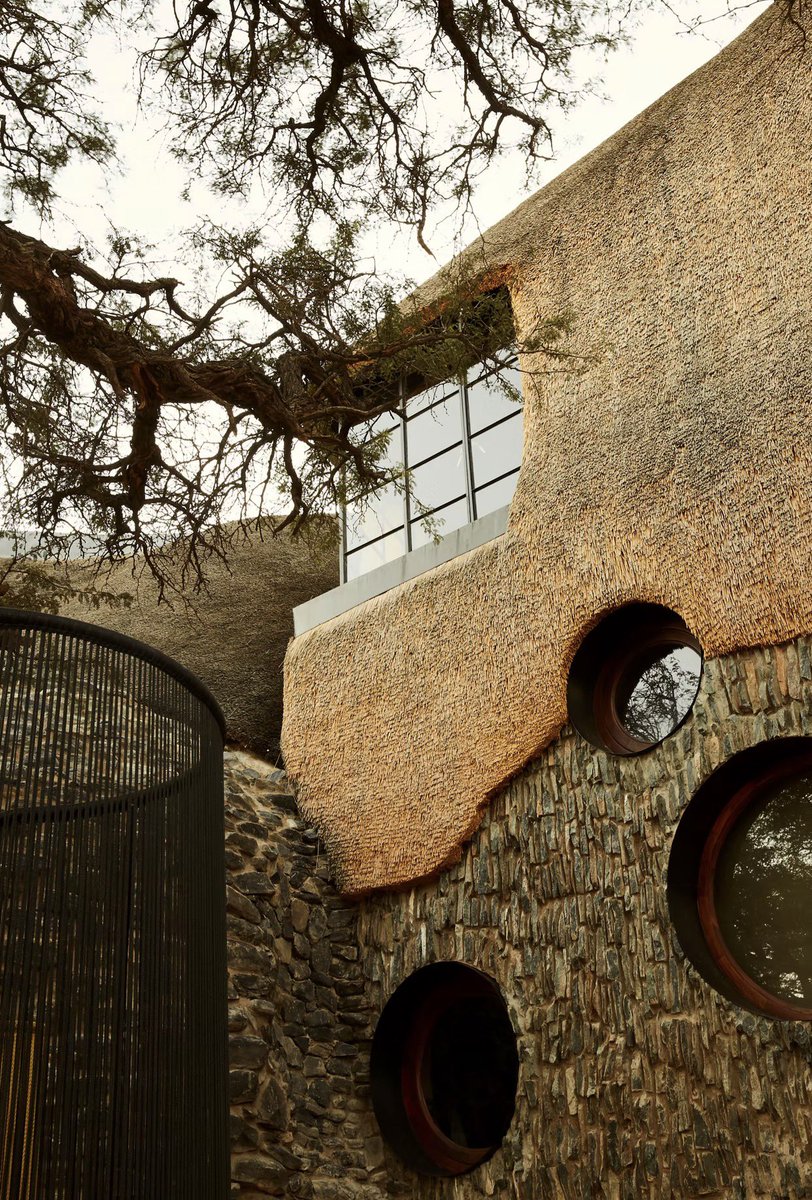
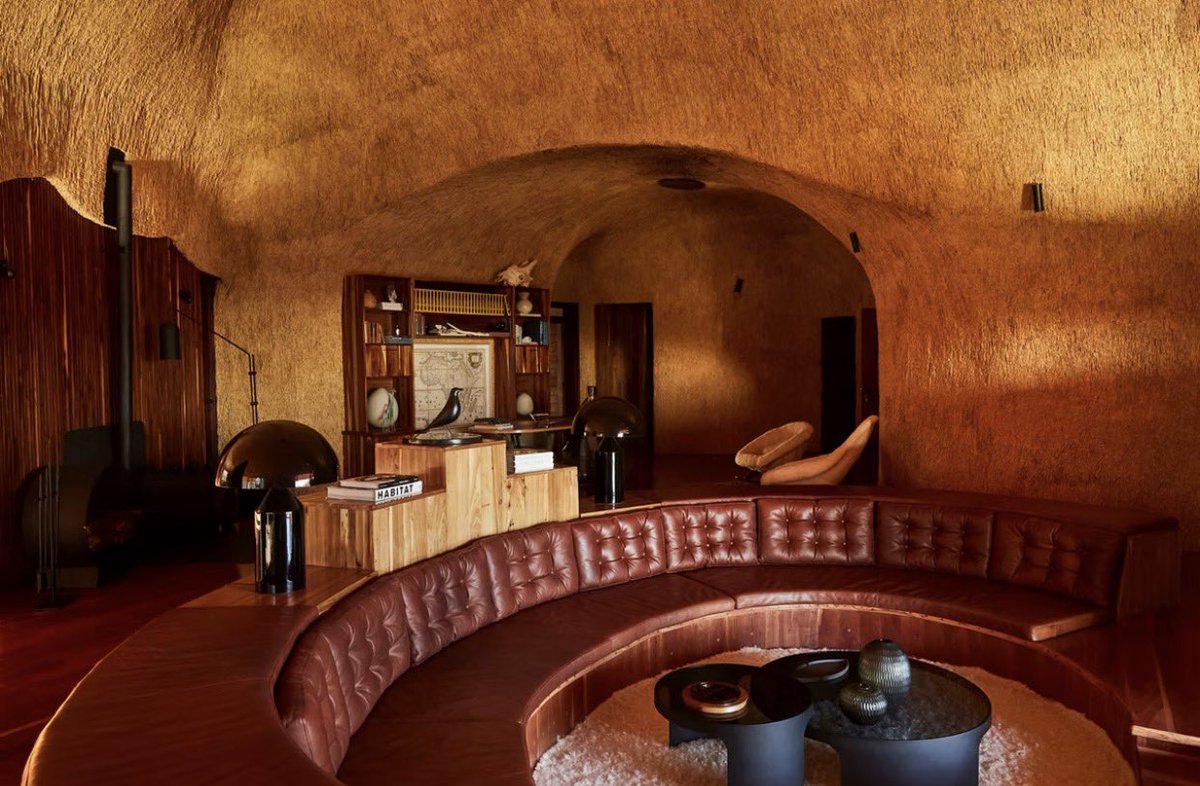
The Sociable Weaver bird builds a nest that houses 500 birds and regulates its own temperature. An architect in Namibia studied it. Then built this. The Nest Sossus is a double-skin thatch structure, reed on the inside and reed on the outside, insulating air gap in between. The desert does the rest. No AC. Just biomimicry done right. This is what happens when Africa stops borrowing solutions and starts reading its own landscape. Architect: Porky Hefer Design 📍 Namib Desert, Namibia 📸 Katinka Bester
SHAV★ tweet mediaSHAV★ tweet mediaSHAV★ tweet mediaSHAV★ tweet media
English

22
571
2.3K
38.4K
kwame Otiende retweetledi
Sony Thăng
Sony Thăng@nxt888·
There is a mythology the U.S. built around the American War in Vietnam. It goes like this: Young idealistic soldiers were sent into an unwinnable situation by confused politicians. They came home broken and unappreciated. It was a tragedy. A mistake. A lesson learned. Notice what that story does. It centers Americans. Their trauma. Their confusion. Their homecoming. Their feelings. In this story, the Vietnamese people are a backdrop. A jungle. An obstacle. An abstraction. Three million dead Vietnamese people are the scenery for a story about American self-discovery. They made hundreds of movies about Vietnam. The Deer Hunter. Apocalypse Now. Platoon. Full Metal Jacket. Born on the Fourth of July. Hamburger Hill. Count how many of them center a Vietnamese character with a full human life, a family, a name you remember after the credits roll. They turned our genocide into their coming-of-age story. They lost the war and still managed to make themselves the main character. And then, with extraordinary arrogance, they put their soldiers' names on a wall in Washington and call it a memorial, as if the dead to be mourned were the people who flew 10,000 miles to do the killing. Where is the wall for our three million? There isn't one. Because in their telling, we were never quite real enough to mourn.
Sony Thăng tweet media
English

638
5.7K
14.8K
293.8K
kwame Otiende
kwame Otiende@otiendeotiende·
@piersmorgan But why does Iran need to tell you what it's capability is or isn't? Surely even the UK doesn't tell everyone all it's capability? Or are we the world police?
English
0
0
0
10
kwame Otiende retweetledi
Captain Kipkorir 🇰🇪
Captain Kipkorir 🇰🇪@CaptainKipkorir·
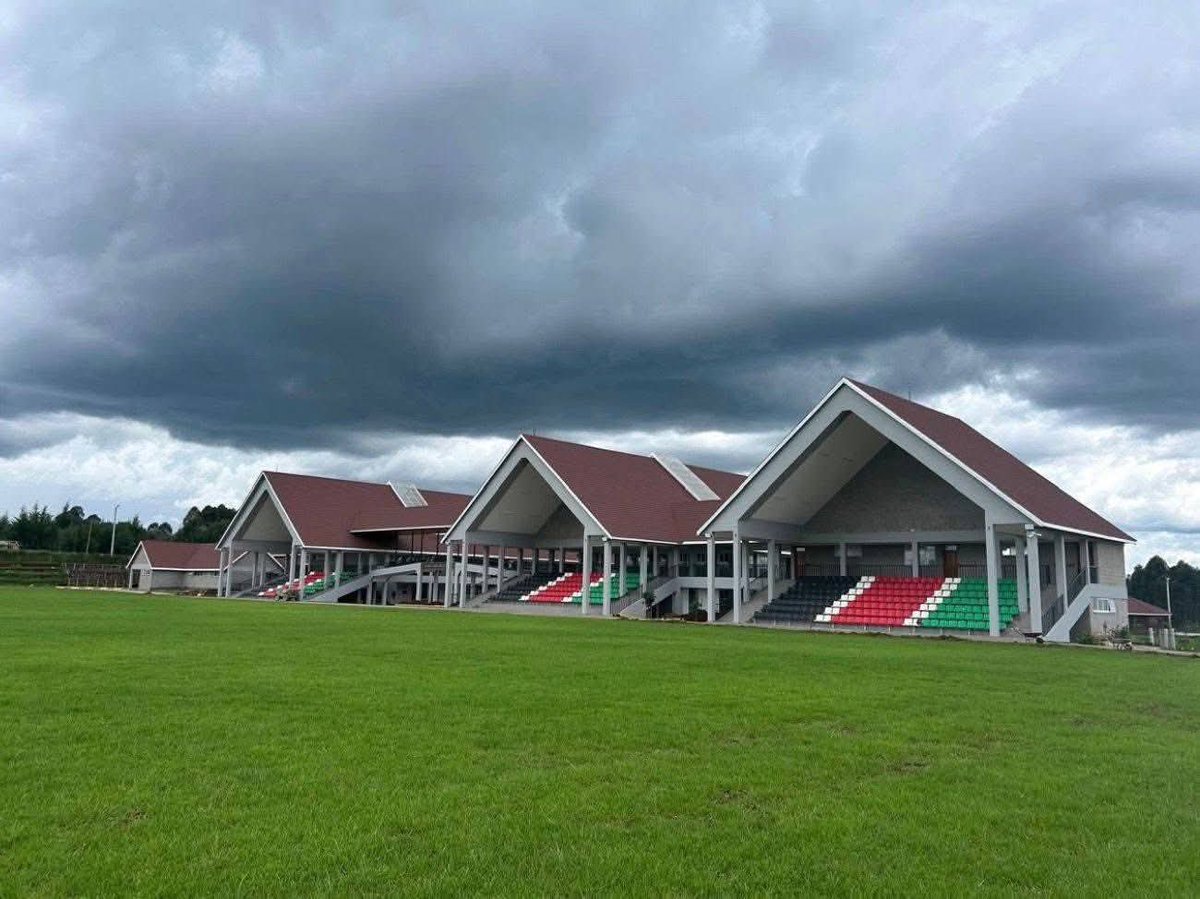
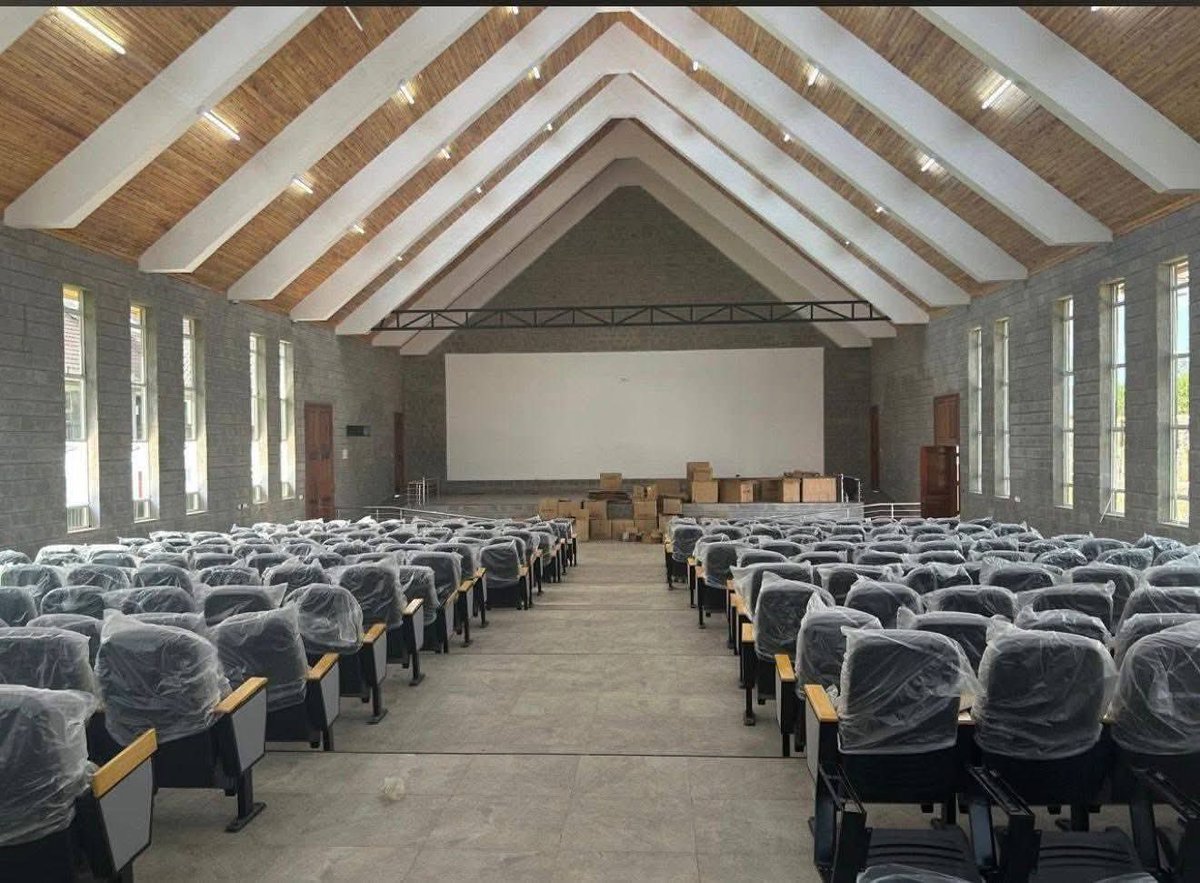
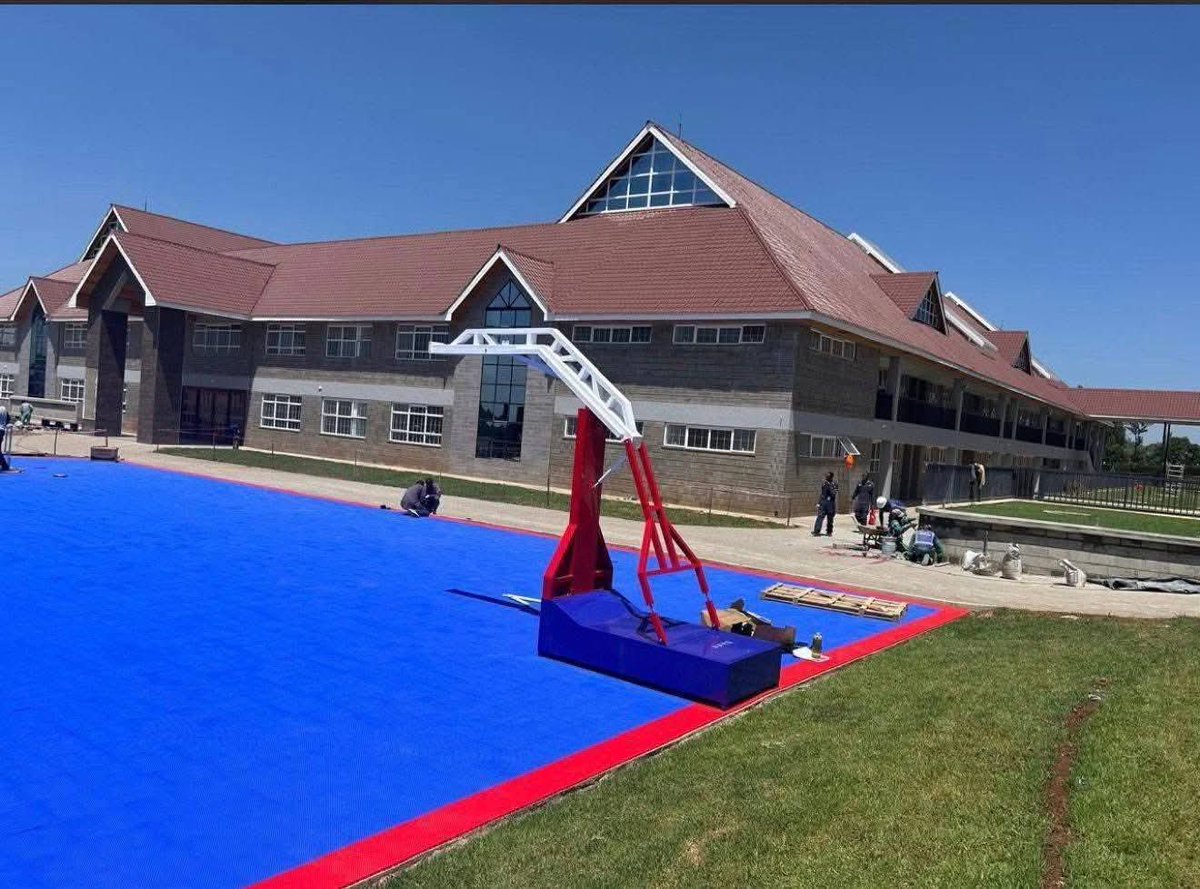
Roads and Transport CS Davis Chirchir is constructing the state-of-the-art Kipketii Primary School in Kipsonoi, Sotik Constituency, Bomet County, as a personal initiative to give back to his community. The public day school features a well-equipped ECDE facility, primary, junior secondary and senior secondary sections all modern and comprehensive.
Captain Kipkorir 🇰🇪 tweet mediaCaptain Kipkorir 🇰🇪 tweet mediaCaptain Kipkorir 🇰🇪 tweet mediaCaptain Kipkorir 🇰🇪 tweet media
English
115
137
976
103.3K
kwame Otiende
kwame Otiende@otiendeotiende·
@JacobsBen No wonder few take AFCON and CAF seriously..it's been on a downward trajectory since the 90s
English
0
0
0
10
Ben Jacobs
Ben Jacobs@JacobsBen·
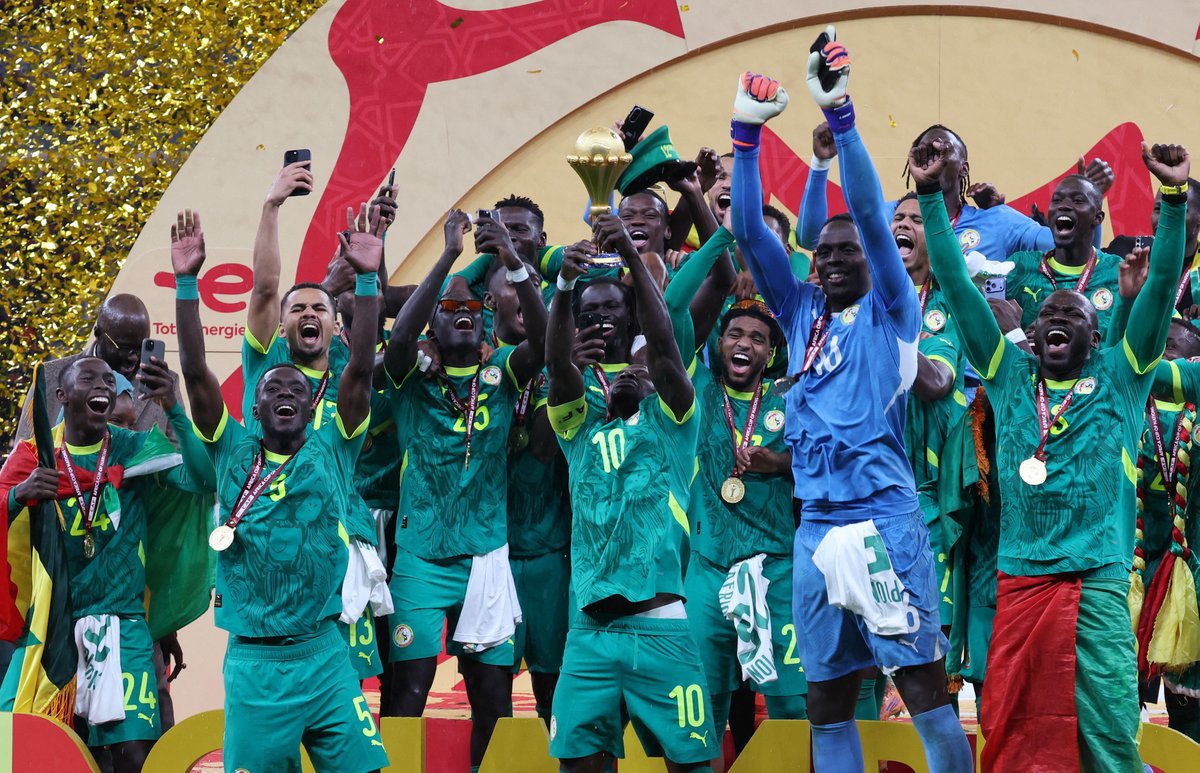
Although AFCON rules state walking off or refusing to play for a prolonged period is grounds for elimination, the decision to strip Senegal of the AFCON title two months after their trophy lift is a bad look for CAF. It should be within the power of the officials in real time to disqualify a team, but it's a hollow victory for Morocco to appeal and win in this manner, weeks after the trophy lift. Morocco accepted Senegal's return from their 10-minute walk off, gladly resumed play and took their penalty. Missing it, losing the game, then appealing to gain the trophy doesn't sit right, even if by the letter of the law there are grounds to do so.
Ben Jacobs tweet media
English
1.3K
7.7K
32.6K
1.4M
kwame Otiende retweetledi
Archaeo - Histories
Archaeo - Histories@archeohistories·
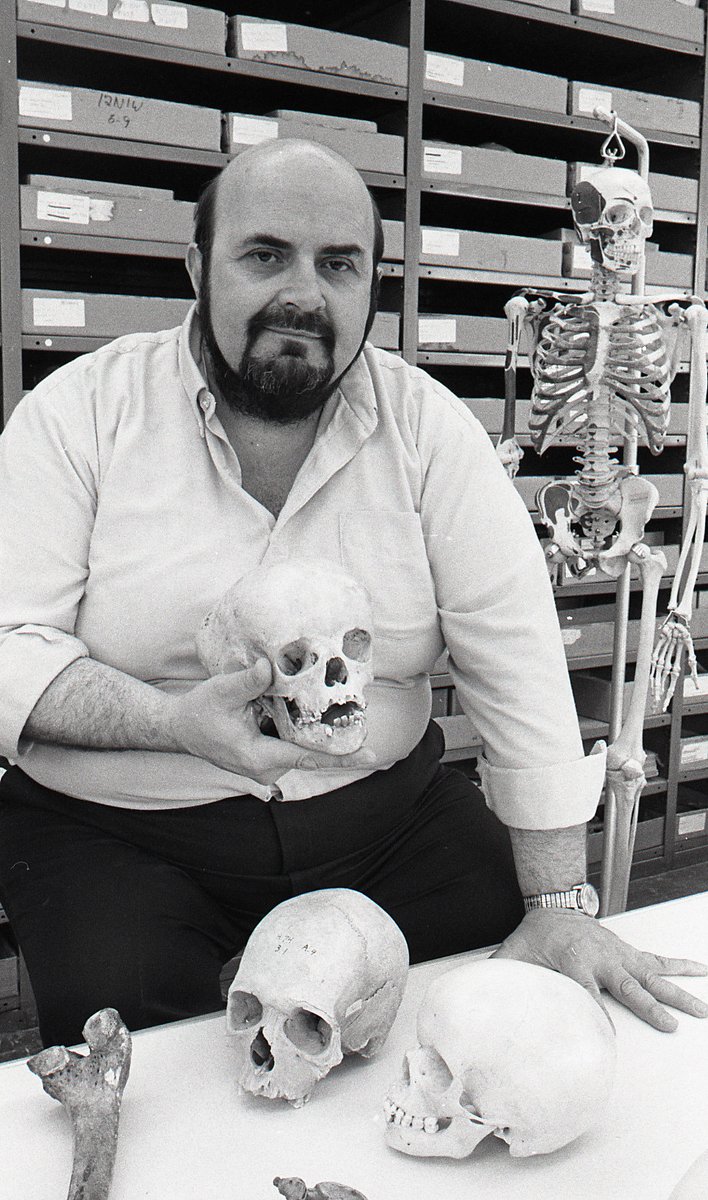
In 1980, a bioarchaeologist at Emory University named George Armelagos was studying ancient human bones from Sudanese Nubia, the kingdom that flourished along the Nile south of Egypt between roughly 350-550 CE, when something stopped him. Under ultraviolet light, the bones glowed. They fluoresced with a distinctive yellow-green color that Armelagos recognized immediately, because the same glow appeared in the bones of modern patients who had been treated with tetracycline. The antibiotic binds tightly to calcium and phosphorus in bone tissue as the body metabolizes it, leaving a permanent fluorescent marker. What Armelagos was seeing in bones nearly two thousand years old was chemically identical to what he saw in twentieth-century medical subjects. The archaeological community was skeptical. The received history of antibiotics began with Alexander Fleming’s discovery of penicillin in 1928, and tetracycline itself was not isolated until 1948. The idea that a pre-literate population in the Nile valley had been routinely ingesting it seemed implausible, and the initial findings were dismissed as post-mortem contamination from soil bacteria. Armelagos spent three more decades building the case. He eventually partnered with Mark Nelson, a leading tetracycline specialist at Paratek Pharmaceuticals, who agreed to perform a definitive chemical analysis. The process required dissolving the ancient bones in hydrogen fluoride, one of the most corrosive and dangerous acids in existence. What the resulting liquid-chromatography mass-spectrometry analysis found was not a trace of tetracycline. The bones were saturated with it. Multiple tetracycline variants were identified, including chlortetracycline and oxytetracycline, in concentrations indicating sustained exposure beginning in early childhood and continuing throughout life. Ninety percent of the Nubian individuals tested showed the labeling. The exposure had not been accidental or occasional. It had been lifelong and deliberate. The source was their beer. Ancient Egyptian and Nubian brewing began with grain, typically emmer wheat or barley, which in that region was naturally contaminated with Streptomyces, a soil bacterium that produces tetracycline as a metabolic byproduct. The grain was germinated, made into bread, then incompletely baked to preserve an active center, and finally fermented in vats of water. The standard practice was to seed each new batch with ten percent of the previous one, which kept the Streptomyces culture alive and active from batch to batch in a continuous chain. The resulting brew was thick, sour, low in alcohol, and highly nutritious. Everyone drank it, including children as young as two years old. The critical question Armelagos could not fully resolve was whether the Nubians understood what they were doing. The consensus among researchers is that they almost certainly did not know the mechanism. They had no concept of bacteria, no understanding of antibiotics as a drug class, and no language for what tetracycline was doing in their bodies. What they likely did know, accumulated through generations of observation and passed down as practical knowledge, was that this particular preparation of beer had medicinal effects. Ancient Egyptian and Jordanian medical texts record beer being used to treat gum disease, wounds, and other infections. The brewing method that produced tetracycline appears to have been deliberately maintained and refined over centuries, not by any understanding of the chemistry involved, but by the accumulated recognition that it worked. #archaeohistories
Archaeo - Histories tweet media
English
155
1.8K
8.5K
390.4K
kwame Otiende retweetledi
The Green Party
The Green Party@TheGreenParty·
Introducing Hannah Spencer MP 💚
The Green Party tweet media
English
2.4K
6.9K
44.3K
1.6M
Sayyid gurey 2.0
Sayyid gurey 2.0@kingSomal7·
@otiendeotiende @Mo_Easy206 why are you subjects to all whites bill gates British vaccine lab rats are so concerned about what's happening in somalia? The days of u.n your owners putting a arms embargo on 🇸🇴 to help it's subjects remain ahead of 🇸🇴 are done thanks to our trillions of $ worth of gas.
English
1
0
0
27
kwame Otiende
kwame Otiende@otiendeotiende·
@kingSomal7 @Mo_Easy206 No I prefer pasta with a banana on the side 😉 on a serious note though someone seriously thinks an airforce can be built overnight? No institutional knowledge or personnel? Heheh
English
1
0
0
14
kwame Otiende retweetledi
George T. Diano
George T. Diano@georgediano·
This Country of Ours is always full of Drama. In Nyeri, Someone took his brother's SHA records and got admitted at Mbagathi Hospital using his brother's name. Unfortunately, he passed on during treatment and the hospital has released the body using his brother's name. Now, the brother has gone to court saying the death notification and certificate should be changed because he's alive. Hii ni Maajabu ya Musa.🤣🤣
English
85
303
2.4K
119.2K
Sacrinos Π 🇰🇪✊🏿
Sacrinos Π 🇰🇪✊🏿@dnahinga·
Dear Home Owner, I want you to pause a little before you build. The pause can be 1 hour before ground breaking or one week before you sign that contract. Take a moment. What if there is a chance you can build a more beautiful, functional and timeless house… On the same budget? ✨📝 Inspired by The Olkeri House. This our signature style🏡 1/5
Sacrinos Π 🇰🇪✊🏿 tweet mediaSacrinos Π 🇰🇪✊🏿 tweet mediaSacrinos Π 🇰🇪✊🏿 tweet media
English
36
145
953
94K
kwame Otiende retweetledi
Mkenya Daima
Mkenya Daima@Ilovekenya·
@MajimajiKenya @Ma3Route @ntsa_kenya @ntsa_kenya @PoliceKE @DCI_Kenya How many lives are put in danger through reckless drivers? Is it possible for you prefer charges against these kind of drivers na wafungwe. Suspension of license, is just too easy. A months ashaa rudi, anagonga mtu ad a whole generation affected
English
0
2
4
194