Sabitlenmiş Tweet
Ra
6K posts

Ra
@raulcuva
Ciudadano de a pie de un mundo en constante cambio
CDMX Katılım Temmuz 2009
3.3K Takip Edilen1.5K Takipçiler

Ra retweetledi
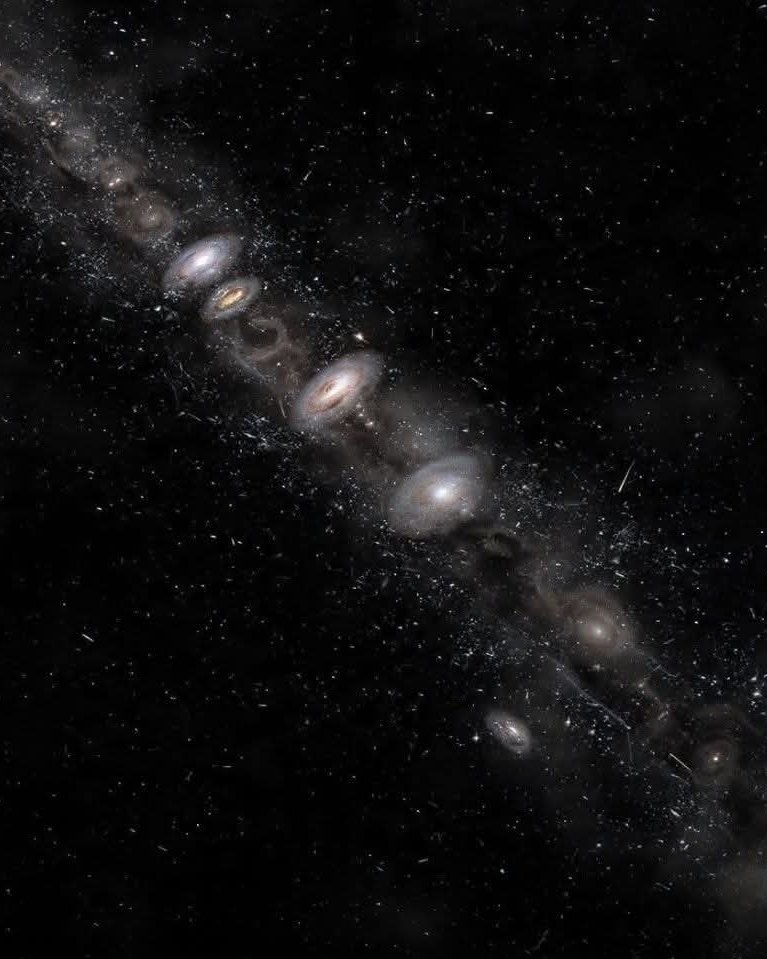
James Webb Just Found a Giant Cosmic Highway of 20 Galaxies Stretching 13 Million Light-Years Across the Infant Universe!
In one of its deepest infrared stares, the James Webb Space Telescope has uncovered something extraordinary: a massive, perfectly aligned chain of roughly 20 galaxies spanning nearly 13 million light-years — a colossal structure that existed when the universe was less than 1 billion years old.This isn’t just a random grouping. Scientists believe they’re looking at a cosmic filament — a thread-like superhighway where gravity, guided by invisible dark matter scaffolding, pulled these young galaxies into a long, connected chain. Individual galaxies in this structure are separated by hundreds of thousands of light-years, yet they all move together as part of the same enormous cosmic web.Webb’s powerful infrared vision pierced through the haze that once hid these ancient systems from Hubble, revealing how the very first large structures in the universe took shape. Instead of being scattered randomly, early galaxies preferred to form along these massive, invisible threads — dark matter acting like cosmic blueprint lines directing where stars and galaxies would be born.The light we’re seeing today left those galaxies over 13 billion years ago and has been racing toward us ever since. What you’re witnessing is a living fossil of the early cosmos, when the universe was still weaving the grand architecture we see today.A breathtaking reminder that the universe wasn’t born chaotic — it was organizing itself into vast, beautiful patterns from the very beginning. How mind-blowing is it that we can now see the cosmic “skeleton” that built everything?
English
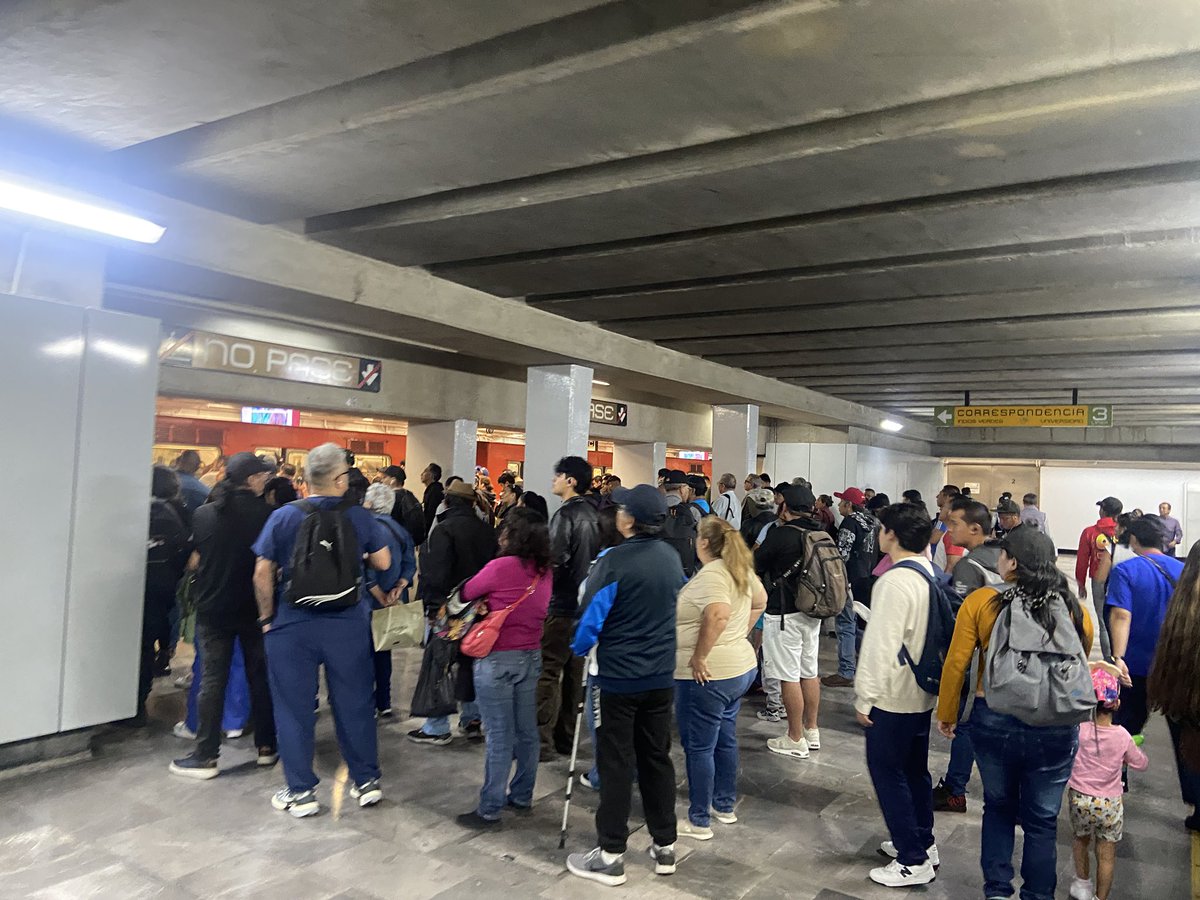
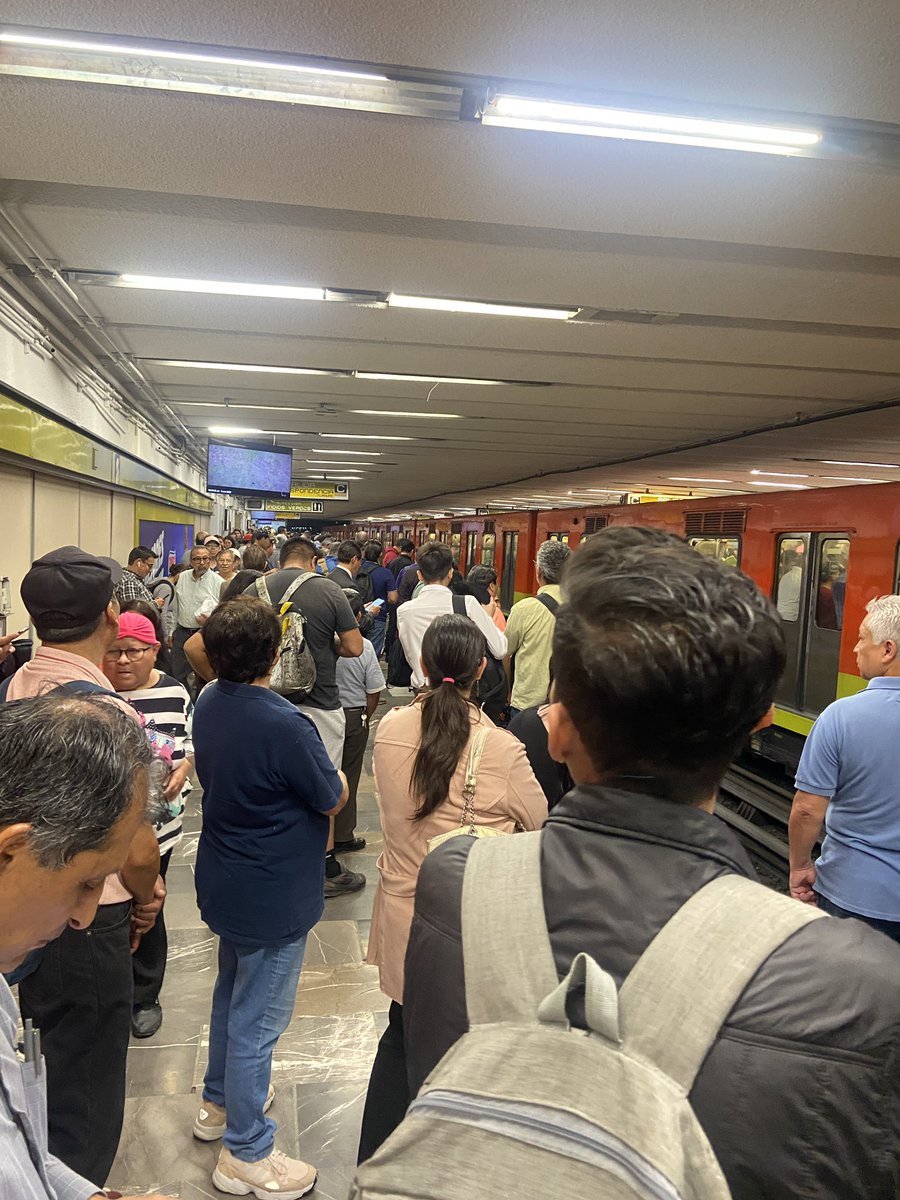
Adrián Rubalcava tu de vacaciones y el @MetroCDMX un caos 🤬si no puedes con el cargo R E N U N C I A!
Español

Ra retweetledi


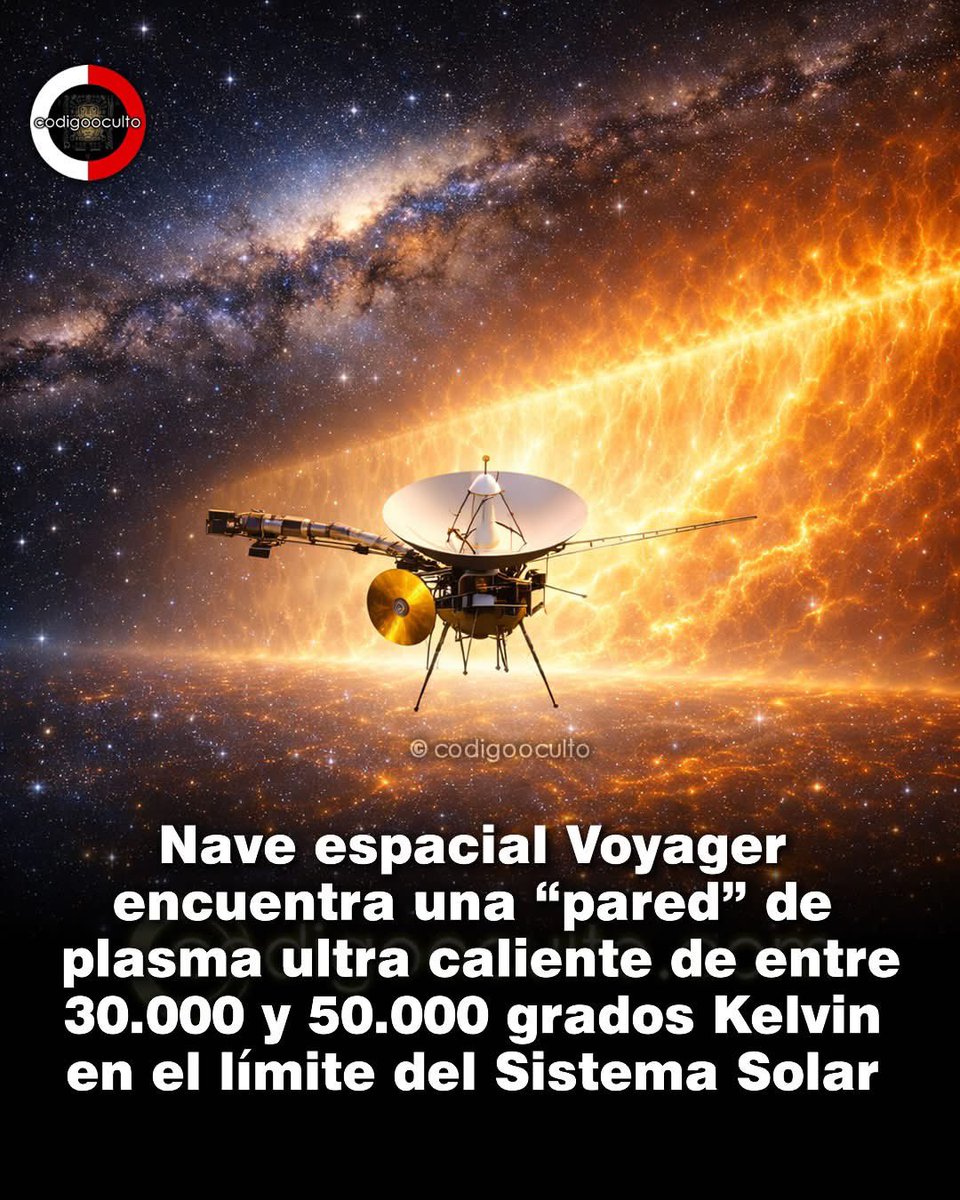


Primero tenemos que explorar nuestra Galaxia irremediablemente, y otros deberán iniciar un viaje más allá de la Vía Láctea 🤗🌻♾️🏁
Black Hole@konstructivizm
Astronomers have found growing evidence that the Milky Way is located inside a vast cosmic void—a region of space roughly 2 billion light-years across that contains significantly less matter than the cosmic average. This underdensity, sometimes called the KBC Void or Local Hole, features a matter density about 20–30% lower than typical regions of the universe.On the largest scales, the universe is not uniform: matter clumps into enormous filaments, walls, and clusters, separated by immense voids where galaxies and gas are sparse. Gravity in these voids is slightly weaker due to the reduced mass.This local underdensity may resolve the long-standing Hubble tension—the discrepancy between two primary measurements of the universe's expansion rate (the Hubble constant). Measurements of the nearby universe, using supernovae and Cepheid variables, suggest a higher value (73 km/s/Mpc) than those derived from the early universe via the cosmic microwave background and baryon acoustic oscillations (67 km/s/Mpc).If we live in a large void, the reduced gravitational pull from surrounding matter allows nearby galaxies to recede faster than expected in an average region. This local "boost" in apparent expansion mimics a higher Hubble constant without requiring revisions to fundamental physics or cosmology.Recent studies, including analyses of baryon acoustic oscillations and galaxy distributions, show that void models fit observational data substantially better than assuming uniform density. If confirmed, this would mean our cosmic neighborhood is atypically empty, biasing local measurements and forcing astronomers to adjust interpretations of expansion history and large-scale structure.Living near the center of such a giant void would mark a profound shift in our understanding of the universe's homogeneity—and a reminder that our vantage point may not be as representative as once thought.
Español