Rodrigo Aranibar Martinez

203 posts

Rodrigo Aranibar Martinez banner
Rodrigo Aranibar Martinez

Rodrigo Aranibar Martinez

@rodaranibarm

Europa Katılım Mayıs 2020
390 Takip Edilen91 Takipçiler
Rodrigo Aranibar Martinez retweetledi
Dr. FEVI🫀🩺
Dr. FEVI🫀🩺@javier20ch·
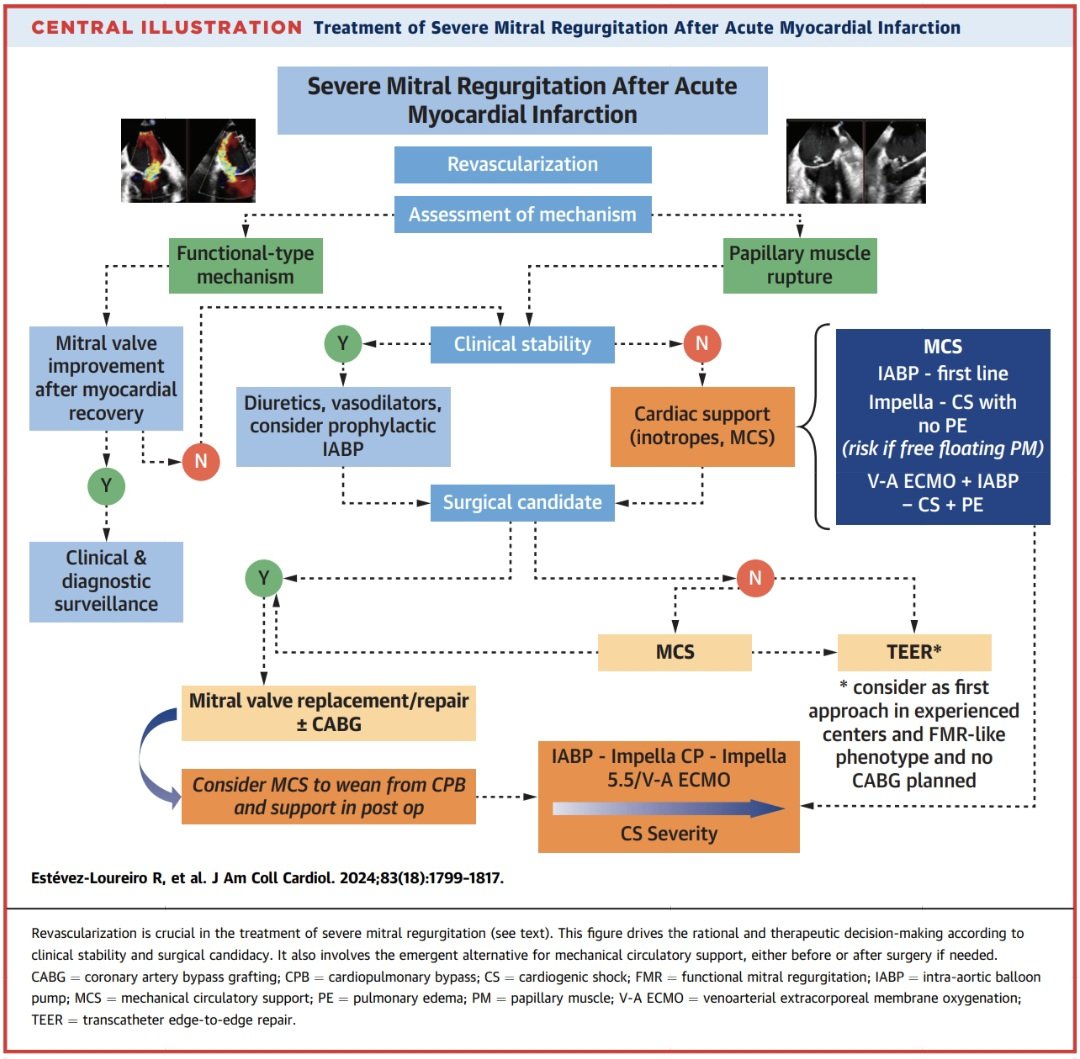
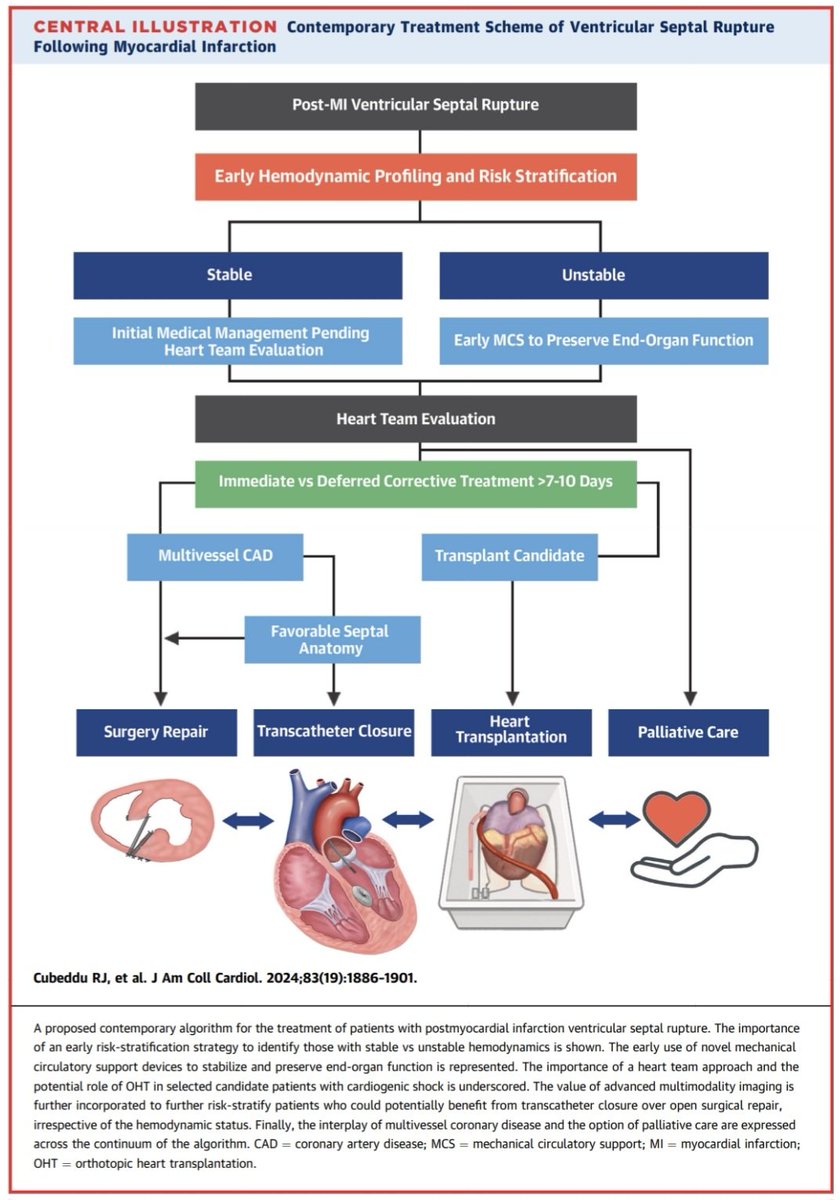
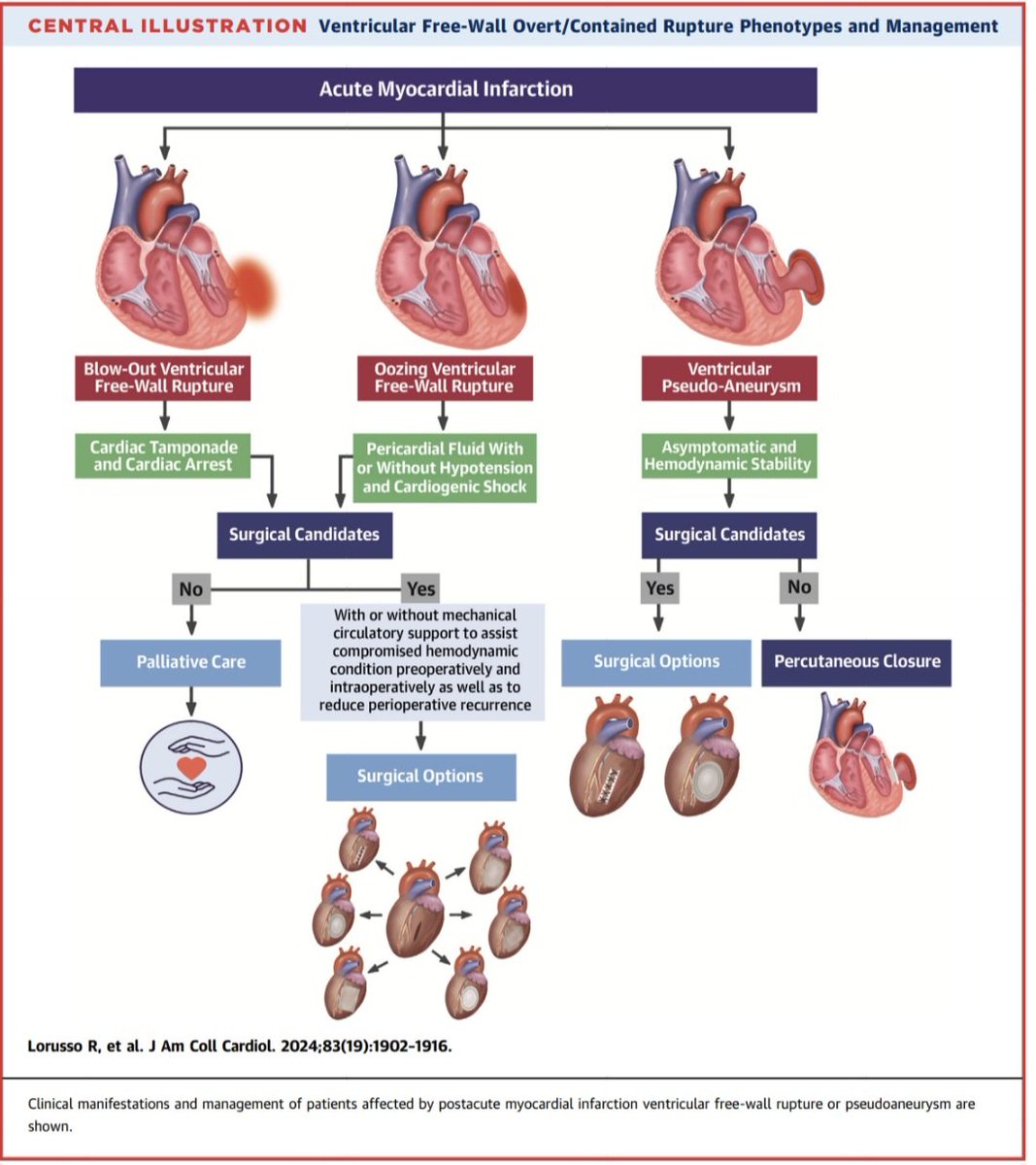
🚨JACC Focus Seminar: complicaciones mecánicas del IAM. 🫀💥🔥 🔹Insuficiencia mitral aguda post-IAM: generalmente secundaria a ruptura del músculo papilar. Produce edema pulmonar y choque cardiogénico rápidamente. La cirugía sigue siendo el estándar, pero el soporte mecánico temprano (Impella/ECMO) y el TEER tipo MitraClip emergen como alternativas en pacientes de alto riesgo. 🔹Ruptura del septum interventricular (CIV postinfarto): complicación devastadora con cortocircuito izquierda-derecha y colapso hemodinámico. El Eco Doppler es clave. La estabilización con soporte circulatorio antes de cirugía puede mejorar supervivencia. El cierre percutáneo se considera en casos seleccionados. 🔹Ruptura de pared libre y pseudoaneurisma: la ruptura libre suele causar taponamiento y muerte súbita. Cuando la ruptura es contenida se forma un pseudoaneurisma, con alto riesgo de ruptura posterior. La imagen multimodal (eco, TC, RM) es fundamental para diferenciarlo de aneurisma verdadero y planear tratamiento. 🔹Aneurisma ventricular: secuela tardía del IAM transmural. Puede causar insuficiencia cardiaca, trombos, embolias y taquicardia ventricular. El manejo incluye terapia médica, anticoagulación, DAI y en algunos casos reconstrucción quirúrgica ventricular. 📜🆓️⤵️ t.me/medicinaintern…
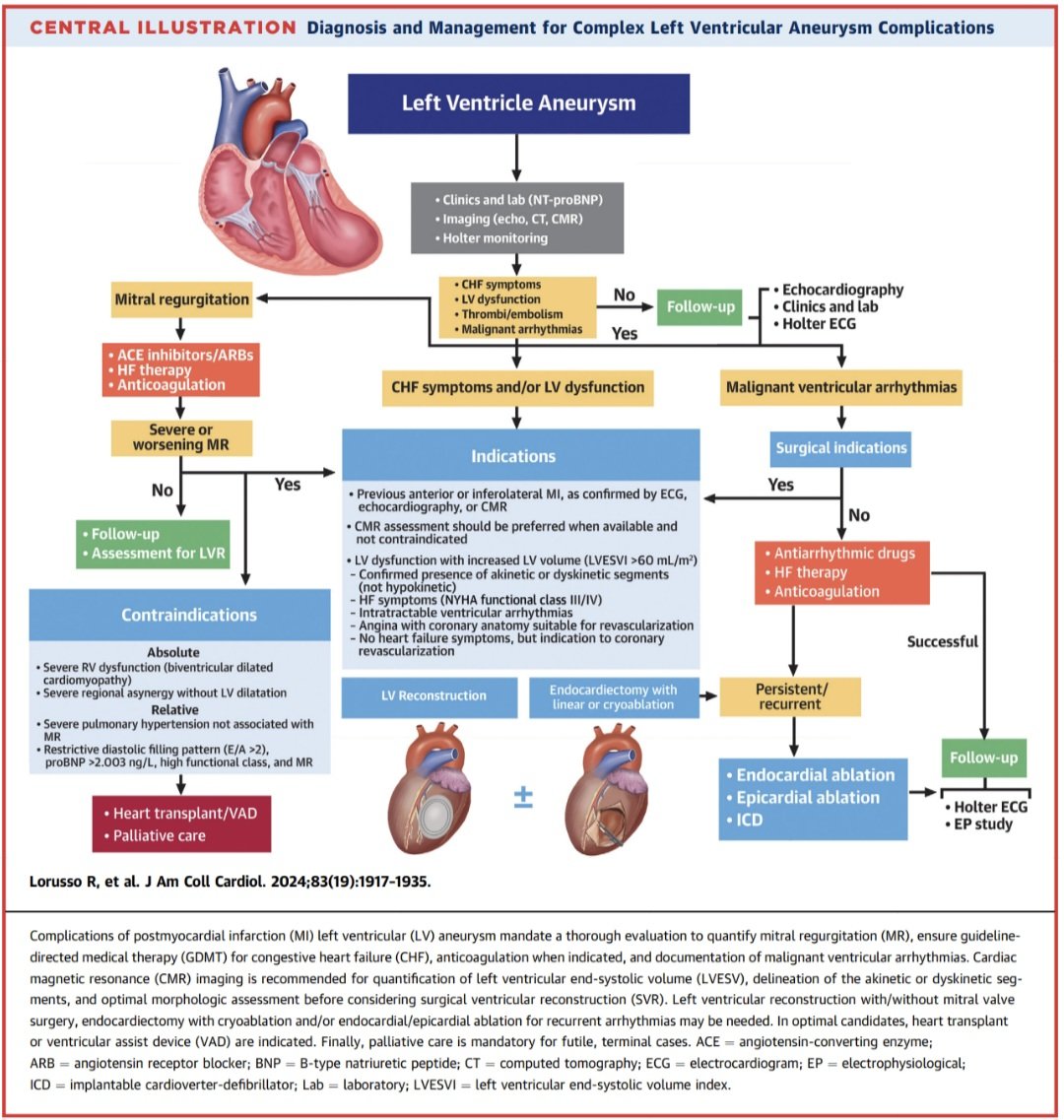
Dr. FEVI🫀🩺 tweet mediaDr. FEVI🫀🩺 tweet mediaDr. FEVI🫀🩺 tweet mediaDr. FEVI🫀🩺 tweet media
Español

2
78
182
6.2K
Rodrigo Aranibar Martinez retweetledi
Ritika Tuli
Ritika Tuli@RitikaTuliMD·
🫀 #CardioNugget: Isorhythmic Dissociation “Same rate, different pacemakers” 🧠 Concept: Sinus node slows (↑ vagal tone/meds) while a junctional focus speeds up → both fire at nearly identical rates but independently 🔍 EKG clues: • P waves present but not consistently before QRS • Variable PR intervals • Atrial ≈ Ventricular rate ⭐ • P waves “march through” ± capture/fusion beats ❗Not CHB #CardioNugget #MedEd
Ritika Tuli tweet media
English
0
31
104
6.7K
Rodrigo Aranibar Martinez retweetledi
aaron tito santiago
aaron tito santiago@santiUCI·
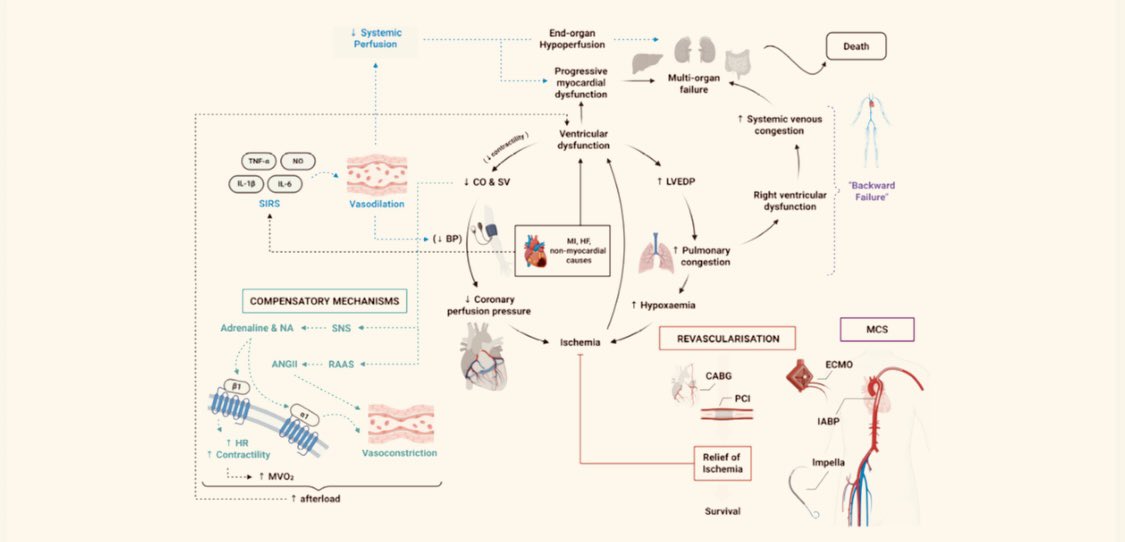
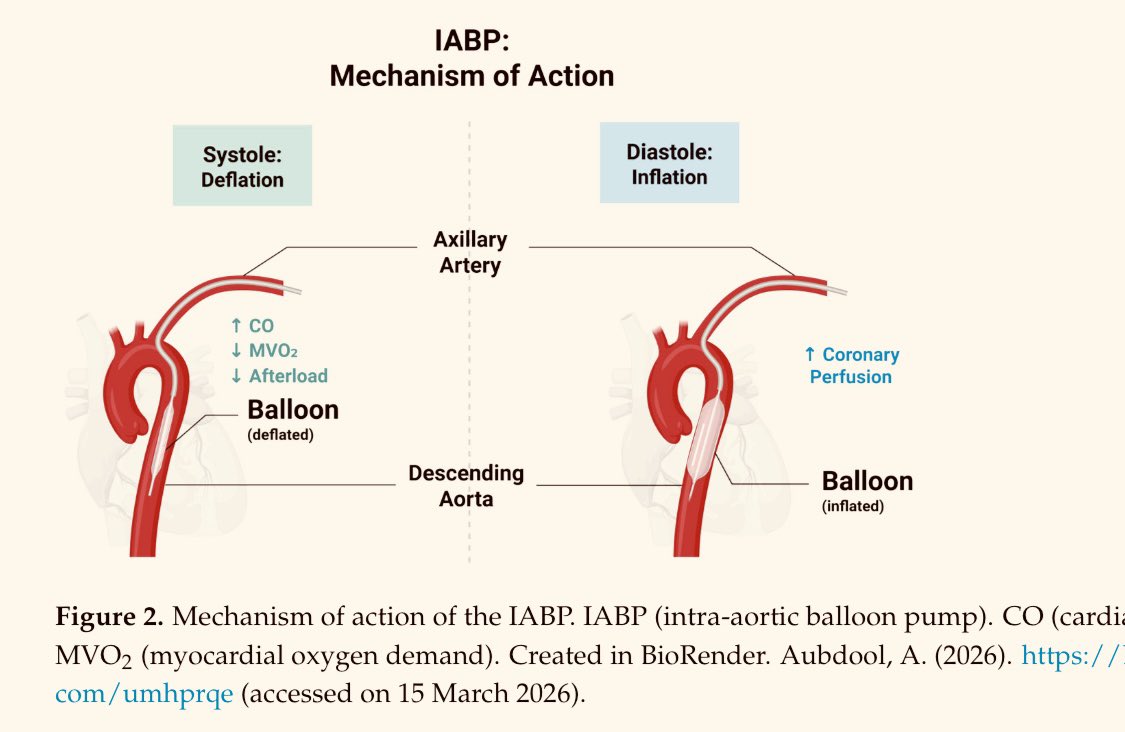
DOREMI Trial: DOBUTAMINA y MILRINONA son igual de eficaces y seguros, son 1a línea en shock 🩶 normotenso (Si hay LRA, es mejor dobuta). El levosimendan no ha demostrado superioridad… mdpi.com/2308-3425/13/4…
aaron tito santiago tweet mediaaaron tito santiago tweet mediaaaron tito santiago tweet mediaaaron tito santiago tweet media
Español
0
111
355
15.8K
Rodrigo Aranibar Martinez retweetledi
Dr. FEVI🫀🩺
Dr. FEVI🫀🩺@javier20ch·
Flujo lento y fenómeno de no reflujo en ICP. 🫀💥🩸 🔴El fenómeno de slow flow/no-reflow sigue siendo una de las complicaciones más frustrantes de la ICP primaria en STEMI. A pesar de abrir exitosamente la arteria epicárdica, hasta 40-50% de los pacientes presentan obstrucción microvascular, traduciéndose en peor remodelado ventricular, insuficiencia cardiaca y mayor mortalidad. 🔴Fisiopatología es multifactorial: embolización distal de trombo y debris, vasoconstricción microvascular mediada por endotelina, edema, daño por reperfusión, NETs e incluso contracción de pericitos. El problema real es la microcirculación. 🔴Factores de riesgo: alta carga trombótica, TIMI 0-1 pre-ICP, lesiones largas, bifurcaciones verdaderas, calcificación severa, DM, ERC e inflamación sistémica. 🔴Tratamiento: Adenosina intracoronaria, nitroprusiato, nicorandil, verapamilo y GP IIb/IIIa pueden mejorar parámetros angiográficos o de reperfusión, pero los resultados clínicos siguen siendo variables. 📜🆓️⤵️ State-Of-The-Art Review @EuroInterventio 👌🏻 DOI: 10.4244/EIJ-D-25-01346 t.me/medicinaintern…
Dr. FEVI🫀🩺 tweet media
Español
1
46
137
5K
Rodrigo Aranibar Martinez retweetledi
Dr.Marlon Villanueva™ 🩺 𝕏
🫁📈 𝐂𝐮𝐫𝐯𝐚 𝐟𝐥𝐮𝐣𝐨–𝐭𝐢𝐞𝐦𝐩𝐨 (𝐕𝐂𝐕) — 𝐢𝐧𝐭𝐞𝐫𝐩𝐫𝐞𝐭𝐚𝐜𝐢𝐨́𝐧 𝐜𝐥𝐢́𝐧𝐢𝐜𝐚 ⬇️⬇️⬇️⬇️ 🔵 𝟏. 𝐅𝐚𝐬𝐞 𝐢𝐧𝐬𝐩𝐢𝐫𝐚𝐭𝐨𝐫𝐢𝐚 ➡️ Flujo constante (cuadrado) ⚙️ Controlado por ventilador 👉 Depende de 𝐟𝐥𝐮𝐣𝐨 𝐩𝐫𝐨𝐠𝐫𝐚𝐦𝐚𝐝𝐨 ⏹️ 𝟐. 𝐂𝐢𝐜𝐥𝐚𝐝𝐨 🔄 Fin inspiración → inicio espiración 👉 Determinado por 𝐯𝐨𝐥𝐮𝐦𝐞𝐧/𝐭𝐢𝐞𝐦𝐩𝐨 🚪 Cierra válvula insp / abre esp 🟠 𝟑. 𝐅𝐚𝐬𝐞 𝐞𝐬𝐩𝐢𝐫𝐚𝐭𝐨𝐫𝐢𝐚 ⬇️ Flujo pasivo (curva descendente) 👉 Depende de 𝐜𝐨𝐦𝐩𝐥𝐢𝐚𝐧𝐜𝐞 + 𝐫𝐞𝐬𝐢𝐬𝐭𝐞𝐧𝐜𝐢𝐚 ⚠️ No debe quedar flujo residual ⚡ 𝟒. 𝐃𝐢𝐬𝐩𝐚𝐫𝐨 (𝐭𝐫𝐢𝐠𝐠𝐞𝐫) 🎯 Inicio de nueva inspiración 👉 Por paciente o tiempo 🚪 Abre válvula inspiratoria 🎯 𝐂𝐥𝐚𝐯𝐞𝐬 𝐫𝐚́𝐩𝐢𝐝𝐚𝐬 👉 Espiración debe llegar a 0 → ❌ si no → 𝐚𝐮𝐭𝐨-𝐏𝐄𝐄𝐏 👉 Espiración prolongada → ↑ resistencia (EPOC, broncoespasmo) 👉 Inspiración fija → típico VCV 🔥 𝐌𝐞𝐧𝐬𝐚𝐣𝐞 𝐜𝐫𝐢́𝐭𝐢𝐜𝐨 👉 La curva flujo-tiempo = ventana a mecánica pulmonar 👉 𝐀𝐮𝐭𝐨-𝐏𝐄𝐄𝐏 𝐲 𝐫𝐞𝐬𝐢𝐬𝐭𝐞𝐧𝐜𝐢𝐚 𝐬𝐞 𝐝𝐞𝐭𝐞𝐜𝐭𝐚𝐧 𝐚𝐪𝐮𝐢́ 𝐩𝐫𝐢𝐦𝐞𝐫𝐨 👉 Leer curvas = evitar asincronías 🧠📊 ‼️Si te sirve: ❤️ Me gusta | 🔁 Repost | ➕ Follow para más #MedED en #ClubCrit 😄🧠🫶 👇🏼👇🏼👇🏼👇🏼 📚📖#ClubCrit #MechanicalVentilation #icu #intensivecare #diagnosis #POCUS #VExUS #management #MedicinaBasadaEnEvidencia #Terapia #MedEd #Medicina #FOAMed #FOAMcc #CuidadoCrítico #MedX #EducaciónMédica #MedIntensiva #MedXCommunity #MedicinaCrítica #MedED #CritCare #ICUManagement #MustRead #LecturaRecomendada
Dr.Marlon Villanueva™ 🩺 𝕏 tweet media
Español
4
50
193
5.7K
Rodrigo Aranibar Martinez retweetledi
Ahmed Bennis MD 🫀
Ahmed Bennis MD 🫀@drbennisahmed·
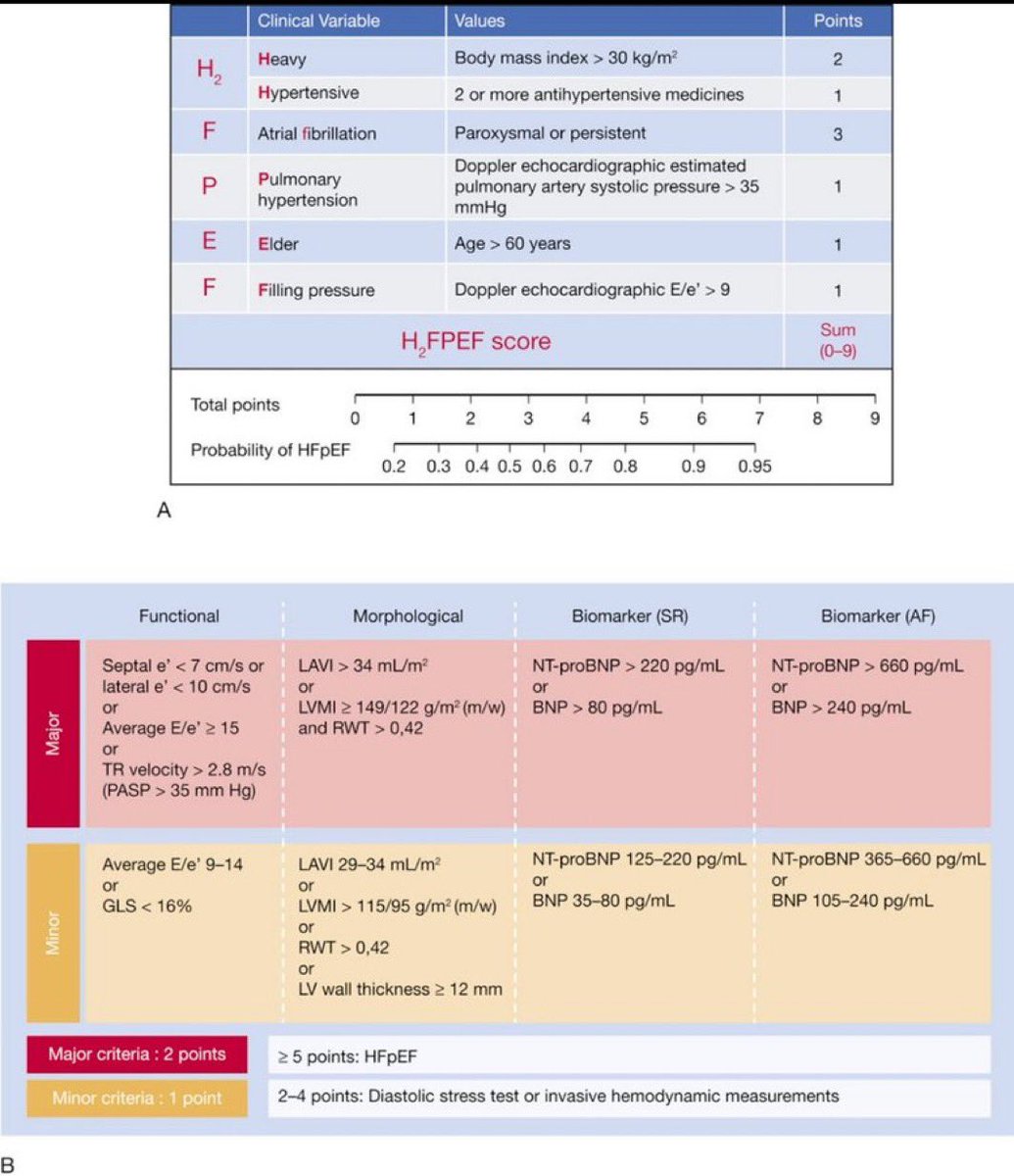
🪥 How to diagnose #HFpEF? Two complementary tools 📊 A) The H₂FPEF Score (0–9 points): • BMI > 30 kg/m² → 2 pts • ≥ 2 antihypertensives → 1 pt • Atrial fibrillation → 3 pts • Pulmonary HTN (PASP > 35 mmHg) → 1 pt • Age > 60 years → 1 pt • E/e’ > 9 → 1 pt → Score ≥ 6: probability of HFpEF ≥ 0.90 🦴 B) ESC Criteria (Major + Minor): ✅ Major (2 pts each): • Septal e’ < 7 or lateral e’ < 10 cm/s • E/e’ ≥ 15 or TR velocity > 2.8 m/s • LAVI > 34 mL/m² or LVMI ≥ 149/122 g/m² • NT-proBNP > 220 pg/mL (SR) / > 660 (AF) 🟡 Minor (1 pt each): • E/e’ 9–14, GLS < 16% • LAVI 29–34, LVMI > 115/95, RWT > 0.42 • NT-proBNP 125–220 (SR) / 365–660 (AF) → ≥ 5 pts = HFpEF → 2–4 pts = diastolic stress test or invasive hemodynamics #Cardiology #HFpEF #HeartFailure #Echocardiography #CardioTwitter
Ahmed Bennis MD 🫀 tweet media
English
0
85
283
10K
Rodrigo Aranibar Martinez retweetledi
CardiovascularCorner
CardiovascularCorner@TrackYourHeart·
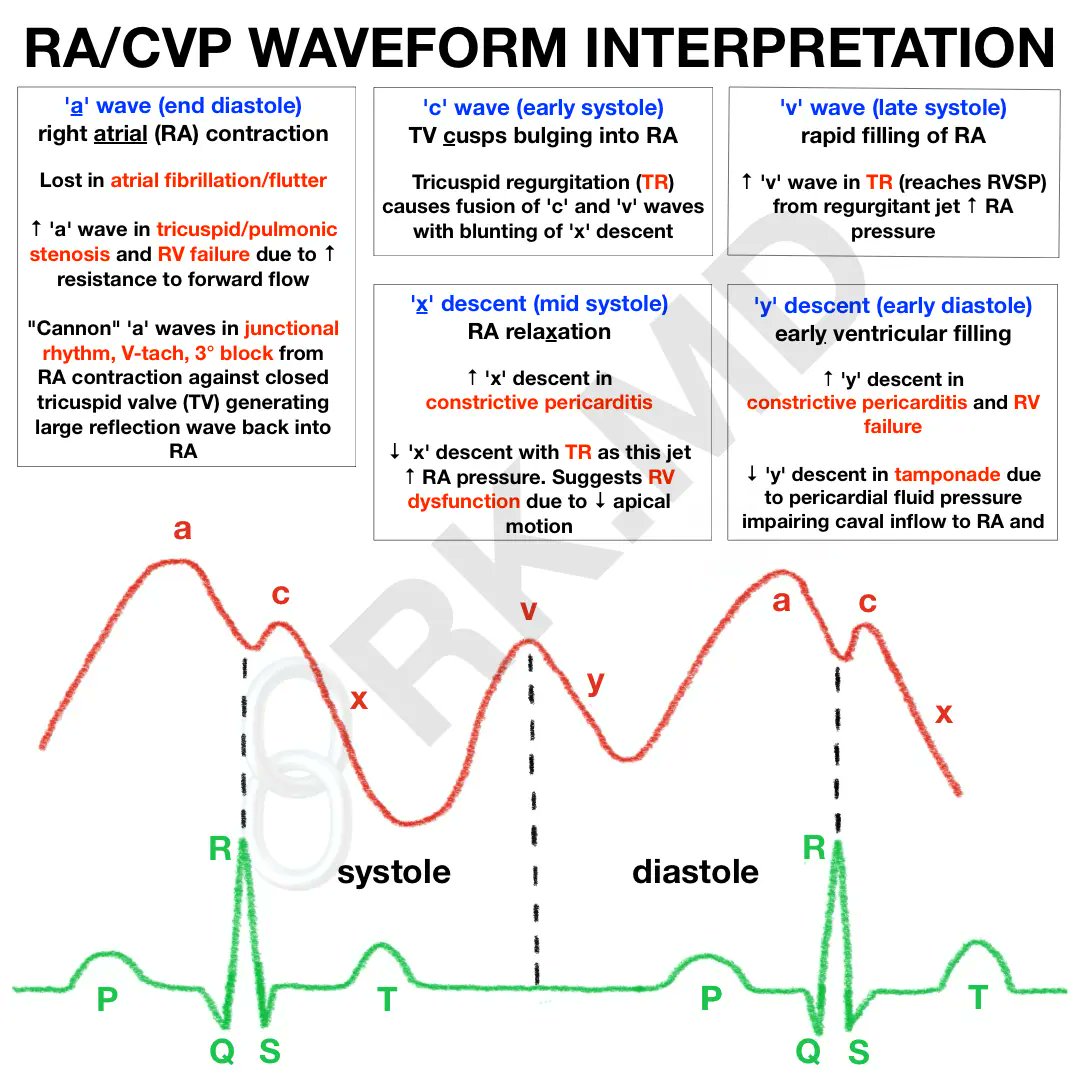
Mastering RA/CVP Waveform Interpretation Central Venous Pressure (CVP) waveforms provide key insights into right atrial (RA) pressure dynamics and can help diagnose various cardiac conditions. Let's break it down! The Key Waves & Descents: 🔹 'a' wave (End Diastole): RA contraction ⬆️ Increased in: Tricuspid stenosis, pulmonary stenosis, RV failure (due to increased resistance to forward flow). Absent in: Atrial fibrillation/flutter (no organized atrial contraction). Cannon 'a' waves in junctional rhythm, V-tach, and 3° AV block (RA contracts against a closed tricuspid valve). 🔹 'c' wave (Early Systole): - Tricuspid valve bulging into RA - Blunted with TR (Tricuspid Regurgitation) due to fusion with the ‘v’ wave. 🔹 'x' descent (Mid-Systole): RA relaxation - ⬆️ Increased in: Constrictive pericarditis (due to preserved RA relaxation). - ⬇️ Decreased in: Tricuspid regurgitation (TR), RV dysfunction (jet flow into RA increases pressure). 🔹 'v' wave (Late Systole): RA filling - ⬆️ Prominent in: TR, as regurgitant flow from RV increases RA pressure. 🔹 'y' descent (Early Diastole): Early ventricular filling - ⬆️ Increased in: Constrictive pericarditis, RV failure (rapid RA emptying). - ⬇️ Decreased in: Cardiac tamponade (pericardial fluid restricts venous return). Mastering these waveforms can save lives in critical care & cath lab settings. 📸: @rishikumarmd
CardiovascularCorner tweet media
English
1
62
202
11.8K
Rodrigo Aranibar Martinez retweetledi
CardiovascularCorner
CardiovascularCorner@TrackYourHeart·
Understanding Qp/Qs Ratio: How We Measure Blood Flow Across the Heart The Qp/Qs ratio is used to determine the presence and severity of cardiac shunts, especially left-to-right shunts such as ASDs, VSDs, and PDAs. 🔹 Qp = Pulmonary Blood Flow 🔹 Qs = Systemic Blood Flow Qp/Qs = 1 → No shunt (normal) Qp/Qs > 1 → Left-to-right shunt (e.g., more blood flows to lungs) Qp/Qs < 1 → Right-to-left shunt (e.g., Eisenmenger physiology) How do we calculate Qp and Qs? From Doppler echocardiography: ⚫ Qp = CSAPA × VTIPA (CSA = cross-sectional area of the pulmonary artery, VTI = velocity-time integral from pulsed-wave Doppler in the PA) ⚫ Qs = CSALVOT × VTILVOT (CSA of the LVOT × VTI from Doppler in the LV outflow tract) This method helps estimate shunt magnitude noninvasively using echocardiography. Reference: Otto CM. Textbook of Clinical Echocardiography. 6th ed. Elsevier; 2018. #Cardiology #Echo #MedTwitter
CardiovascularCorner tweet media
English
2
86
317
19.3K
Rodrigo Aranibar Martinez retweetledi
Dr. FEVI🫀🩺
Dr. FEVI🫀🩺@javier20ch·
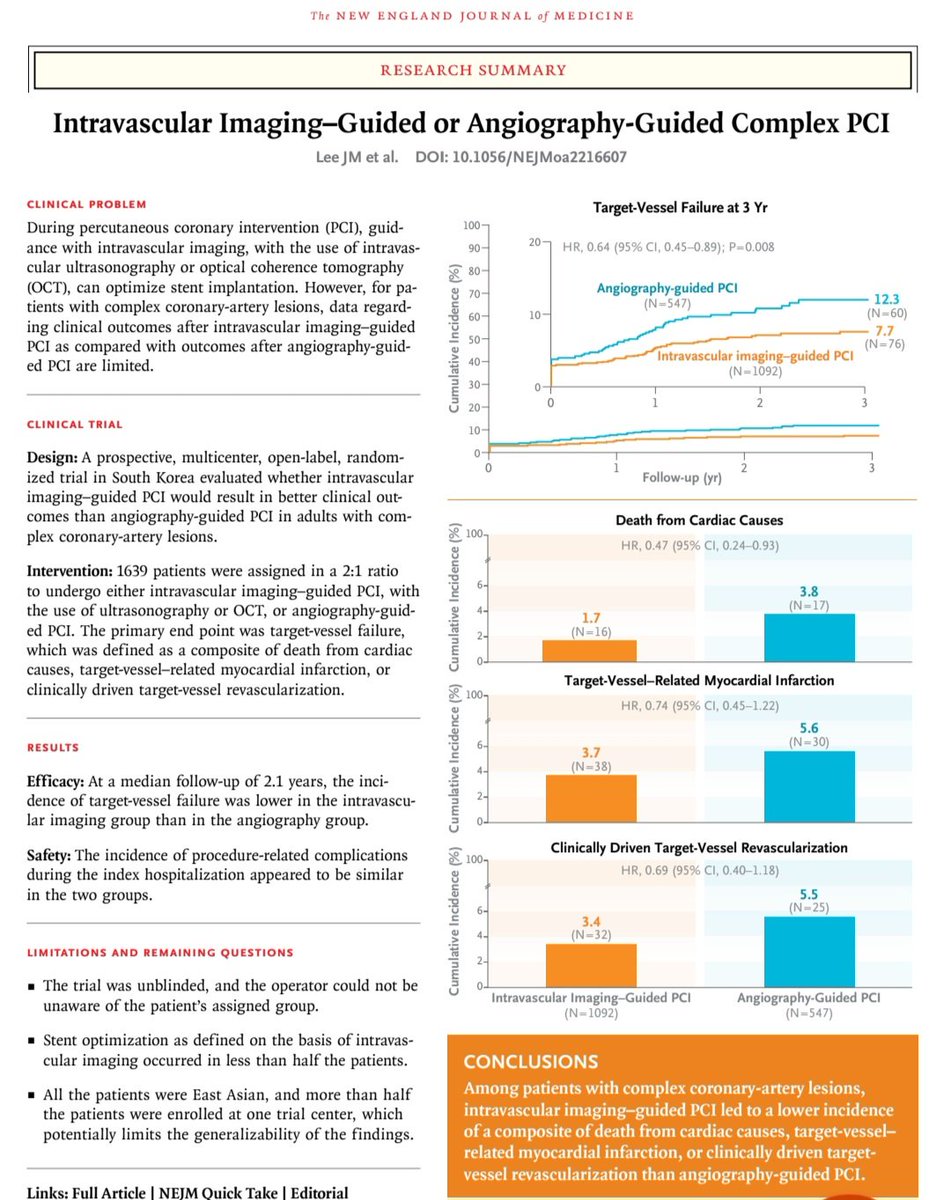
ICP compleja guiada por IVUS/OCT🆚️Angiografía.🧐🫀 ✨️Art. Original (RENOVATE-COMPLEX-PCI trial) by @NEJM💯 ✅️En este estudio, el uso de imágenes intravasculares durante la ICP compleja redujo outcome1️⃣(☠️🫀, IAM, falla Revasc.): ⬇️RR 36٪ (HR: 0.64). nejm.org/doi/full/10.10…
Dr. FEVI🫀🩺 tweet media
Español
0
14
30
2.1K
Rodrigo Aranibar Martinez retweetledi
Matheus Alves
Matheus Alves@mathalveslim·
Na UTI, você olha a pressão arterial o tempo todo. Mas, você está realmente usando TODA a informação que ela te dá? Ou só a PAM? Segue o fio 🧶
Matheus Alves tweet media
Português
3
40
197
38.5K
Rodrigo Aranibar Martinez retweetledi
CardioNova
CardioNova@AppCardioNova·
Aunque el patrón clásico del Síndrome de Takotsubo es Apical (80%), existen forma atípicas: 🔸Basales (invertidas) 🔸Medioventriculares 🔸Focales 📎Circulation. 2022;145:1002–1019
CardioNova tweet media
Español
0
12
44
1.9K
Rodrigo Aranibar Martinez retweetledi
Aitor Uribarri
Aitor Uribarri@Auribarri·
No se puede explicar mejor! Con los resultados que han ido saliendo, al cierre de orejuela se le están acabando las vidas! #acc26
John Mandrola, MD@drjohnm

#acc26 Six reasons why CHAMPION AF should not change oral anticoagulation for AF I will have a formal post up on @theheartorg but here is a short summary 1) Stroke and Ischemic Stroke went the wrong way. All S -> 33 vs 50 [HR 1.46 95% CI, 0.94-2.27)] IS -> 27 vs 45; [HR = 1.61; 95% CI, 1.00-2.59)] Look at those upper-bounds. 2) NI would not have been met for efficacy had they used a margin with both rate ratio and risk difference, which is standard practice. The margin of 4.8% is based on event rates at 12%, which is 1.4 in relative terms (40% higher). But when event rates come in lower, as they did: 4.8% vs 5.7%, the 4.8% margin is too lenient. The 0.9% higher rate of the primary endpoint has a 95% CI of (-0.8-2.6%), so 2.6% is less than the margin of 4.8%. Now do it with relative risk. It's in table 2. The relative risk is 1.20. The 95% confidence intervals were 0.87-1.66. Note that 1.66> 1.40 so LAAC is not noninferior based on rate ratio margins 3) The primary safety endpoint is flawed because it excludes periprocedural bleeding and uses nonmajor bleeds, such as gum bleeds and bruising. It's open label trial so who which group will complain of more nonmajor bleeding? 4) When counting all events, Watchman barely reduced major bleeds. Also in the main results table is that major bleeds were 83 vs 87 (5.5% vs 5.8%; HR 0.92 95% CI 0.68-1.24) 5) Net Clinical Benefit was also flawed because they used nonprocedural bleeding and nonmajor bleeds. A normal patient would simply say, there were 17 more strokes and only 4 less bleeds. Hardly a good trade. 6) Bayes: trials don't give answers, they update priors. For Watchman, you have PREVAIL failing against warfarin, CLOSURE AF clearly failing against best med Rx (mostly DOACs) so priors are pessimistic. To go from pessimistic priors to enthusiastic posteriors you'd need hugely positive data. CHAMPION is not that. Don't believe the stories that CLOSURE failed due to them using other LAAC devices. In the AMULET IDE trial, Watchman and Amulet were similar. Also, if you believe that German operators are worse than US authors, you need to travel more. Conclusion: Oral anticoagulation for AF is one of the most evidence-based practices in all of medicine. To upend that would take much stronger data. Don't be bamboozled by this trial, which was designed to be positive before the first patient was enrolled. #ACC2026

Español
2
1
3
3.3K
Rodrigo Aranibar Martinez retweetledi
Ahmed Ata
Ahmed Ata@Ahmedata7777·
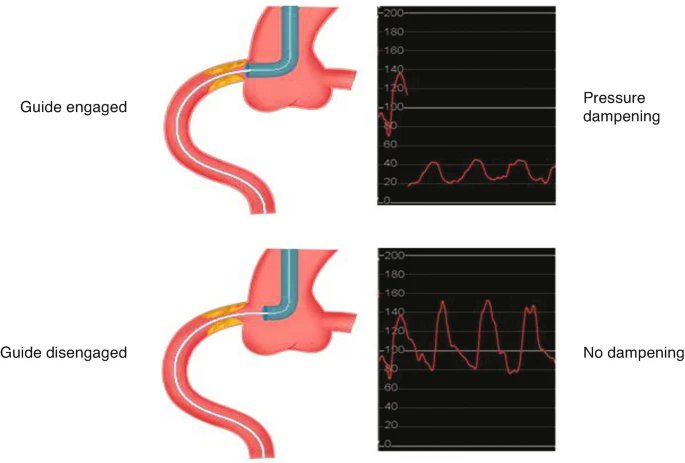
Pressure Damping in Ostial Lesions – Key Points ⚠️ Ostial stenosis can cause pressure damping even without deep catheter engagement. 📉 The catheter tip + tight ostial lesion → functional obstruction. 🔻 Waveform becomes damped: ▪︎ Low amplitude ▪︎ Blunted systolic upstroke ▪︎ Reduced pulse pressure 🔍 How to Suspect Ostial Lesion □ Damping occurs with minimal or gentle engagement. □ Persists despite slight catheter pullback □ May see pressure drop when engaging and recovery when disengaging. ⚠️ Clinical Implications ● Indicates hemodynamically significant ostial disease. ● High risk of ischemia and dissection if contrast injected forcefully. ● Can mask true aortic pressure. 🔄 What to Do ● Avoid deep intubation ● Use gentle, non-coaxial engagement ● Consider: ▪︎ Small test injections. ▪︎ Pressure monitoring carefully. ▪︎ Adjunct imaging (IVUS/OCT) if needed. ✅ Key Pearl 👉 Damping with proper catheter position = think ostial stenosis, not just deep seating.
Ahmed Ata tweet media
English
1
8
59
3.8K
Rodrigo Aranibar Martinez retweetledi
CardioNova
CardioNova@AppCardioNova·
🫀 Arterias, dominancia y vistas angiográficas explicadas de forma clara con ilustraciones vectoriales. Dentro hilo 👇#CardioEd
CardioNova tweet media
Español
3
204
641
31.7K
Rodrigo Aranibar Martinez retweetledi
NEJM
NEJM@NEJM·
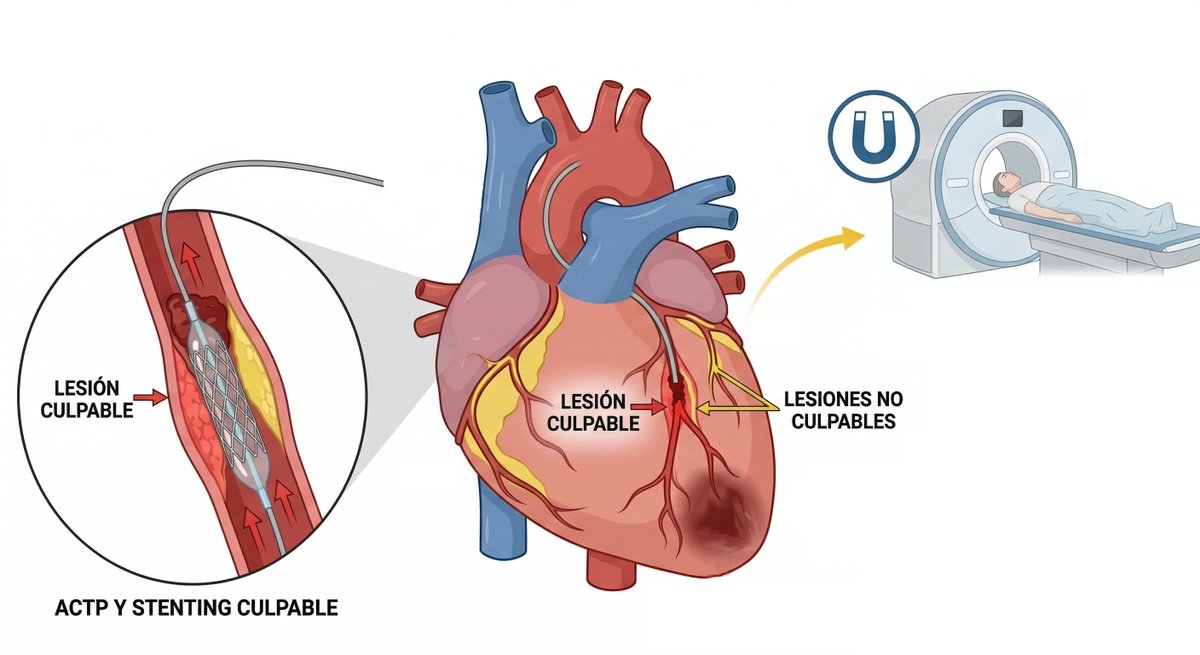
In STEMI with multivessel disease, immediate iFR-guided PCI of nonculprit lesions was not superior to deferred cardiac stress MRI–guided PCI in reducing death, reinfarction, or hospitalization for heart failure at 3 years. Full iMODERN trial and Research Summary: nejm.org/doi/full/10.10…
NEJM tweet media
English
1
27
119
12.6K
Rodrigo Aranibar Martinez retweetledi
CardioNova
CardioNova@AppCardioNova·
En el IAMCEST tratamos la lesión culpable… Pero 🤔 ¿Qué hacemos con el resto? El ensayo iMODERN reabre este debate clave 👇🧵
CardioNova tweet media
Español
1
9
40
3.1K
Rodrigo Aranibar Martinez retweetledi
Ahmed Ata
Ahmed Ata@Ahmedata7777·
FFR vs iFR Both are invasive physiological measurements used to assess the significance of coronary artery stenosis during coronary angiography. ● FFR (Fractional Flow Reserve): Ratio of the maximum achievable blood flow in a diseased coronary artery to the theoretical maximum flow in a normal coronary artery. ● iFR (Instantaneous wave-Free Ratio): Measures pressure gradient across a coronary stenosis during a specific part of the cardiac cycle (diastole's "wave-free period") when resistance is naturally low. When to Use Each? ✅ Use iFR for simpler, faster assessment without drugs. ✅ Use FFR when hyperemic data is critical or in borderline cases.
Ahmed Ata tweet media
English
0
34
127
7K
Rodrigo Aranibar Martinez retweetledi
Dr.Marlon Villanueva™ 🩺 𝕏
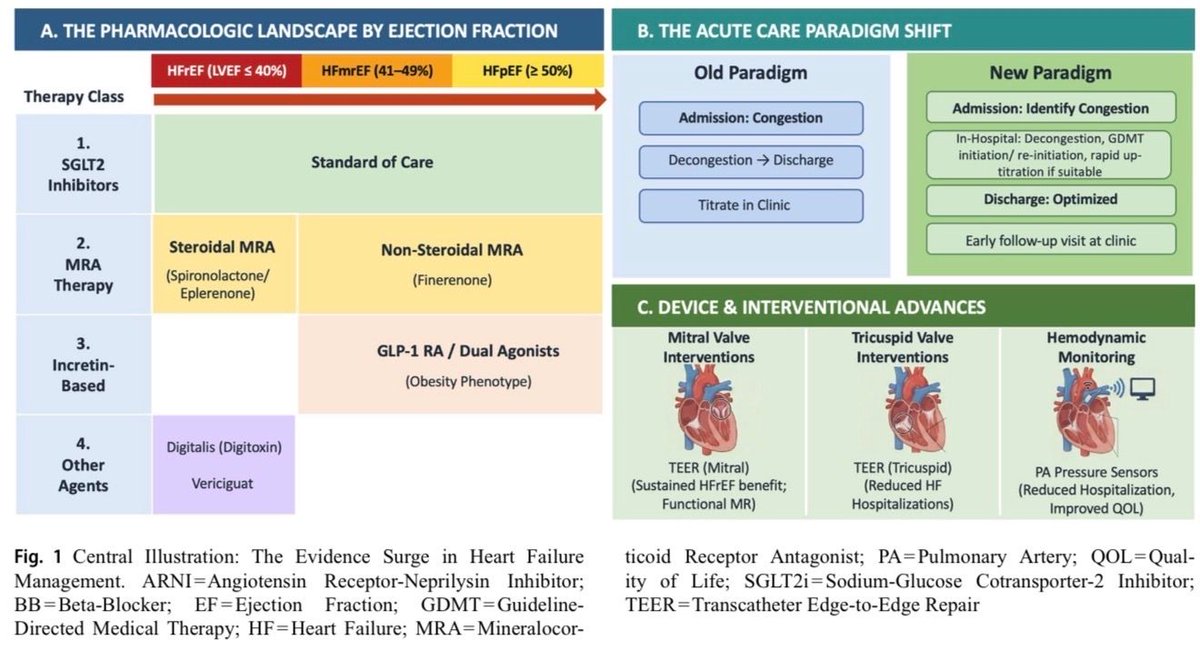
🫀✨𝗜𝗻𝘀𝘂𝗳𝗶𝗰𝗶𝗲𝗻𝗰𝗶𝗮 𝗖𝗮𝗿𝗱𝗶́𝗮𝗰𝗮 𝟮𝟬𝟮𝟲🫀‼️ @SpringerNature 👇🏼👇🏼👇🏼👇🏼 📑🔗🔑🔓 t.me/ClubCrit ⬇️⬇️⬇️⬇️ 🧵👇 📌Desde las últimas guías, el panorama de IC explotó en evidencia 🚀📚. Los cambios grandes: ✅ nuevas terapias en 𝙃𝙁𝙢𝙧𝙀𝙁/𝙃𝙁𝙥𝙀𝙁 ✅ enfoque más agresivo en 𝙄𝘾 𝙖𝙜𝙪𝙙𝙖 ✅ más peso de intervenciones transcatéter y monitoreo remoto 📟. 🫁💧 𝙄𝘾 𝙖𝙜𝙪𝙙𝙖: 𝙮𝙖 𝙣𝙤 𝙗𝙖𝙨𝙩𝙖 “𝙙𝙚𝙨𝙘𝙤𝙣𝙜𝙚𝙨𝙩𝙞𝙤𝙣𝙖𝙧 𝙮 𝙖𝙡𝙩𝙖” El nuevo paradigma hospitalario es: 🏥 identificar congestión 💊 𝙞𝙣𝙞𝙘𝙞𝙖𝙧/𝙤𝙥𝙩𝙞𝙢𝙞𝙯𝙖𝙧 𝙂𝘿𝙈𝙏 𝙙𝙪𝙧𝙖𝙣𝙩𝙚 𝙡𝙖 𝙝𝙤𝙨𝙥𝙞𝙩𝙖𝙡𝙞𝙯𝙖𝙘𝙞𝙤́𝙣 📈 titular precozmente 📅 asegurar seguimiento temprano tras el alta 👉 Menos “parche diurético”, más tratamiento modificador de enfermedad. 💉🧂 𝘿𝙚𝙨𝙘𝙤𝙣𝙜𝙚𝙨𝙩𝙞𝙤́𝙣: 𝙢𝙖́𝙨 𝙥𝙧𝙚𝙘𝙞𝙨𝙞𝙤́𝙣, 𝙢𝙖́𝙨 𝙣𝙖𝙩𝙧𝙞𝙪𝙧𝙚𝙨𝙞𝙨, 𝙢𝙚𝙣𝙤𝙨 𝙞𝙣𝙚𝙧𝙘𝙞𝙖 Los estudios recientes empujan: 🧪 usar 𝙨𝙤𝙙𝙞𝙤 𝙪𝙧𝙞𝙣𝙖𝙧𝙞𝙤 𝙨𝙥𝙤𝙩 para guiar respuesta 💊 escalar diuréticos IV a tiempo ➕ pensar antes en 𝙗𝙡𝙤𝙦𝙪𝙚𝙤 𝙨𝙚𝙘𝙪𝙚𝙣𝙘𝙞𝙖𝙡 𝙙𝙚 𝙣𝙚𝙛𝙧𝙤𝙣𝙖 📌 El problema real muchas veces no es “resistencia”, sino 𝙙𝙤𝙨𝙞𝙨 𝙞𝙣𝙞𝙘𝙞𝙖𝙡 𝙞𝙣𝙨𝙪𝙛𝙞𝙘𝙞𝙚𝙣𝙩𝙚. 🟢 𝙎𝙂𝙇𝙏2: 𝙮𝙖 𝙨𝙤𝙣 𝙩𝙚𝙧𝙖𝙥𝙞𝙖 𝙗𝙖𝙨𝙚 𝙖 𝙡𝙤 𝙡𝙖𝙧𝙜𝙤 𝙙𝙚 𝙩𝙤𝙙𝙤 𝙚𝙡 𝙚𝙨𝙥𝙚𝙘𝙩𝙧𝙤 𝙙𝙚 𝙁𝙀𝙑𝙄 Los SGLT2i se consolidan como 𝙛𝙪𝙣𝙙𝙖𝙘𝙞𝙤𝙣𝙖𝙡𝙚𝙨 🧱: ✅ HFrEF ✅ HFmrEF ✅ HFpEF Y en IC aguda, iniciarlos en hospital parece 𝙨𝙚𝙜𝙪𝙧𝙤 y mejora natriuresis/diuresis sin aumentar hipotensión o daño renal de forma relevante ⚖️🫀🫘. 🟠 𝙃𝙁𝙥𝙀𝙁/𝙃𝙁𝙢𝙧𝙀𝙁: 𝙥𝙤𝙧 𝙛𝙞𝙣 𝙢𝙖́𝙨 𝙤𝙥𝙘𝙞𝙤𝙣𝙚𝙨 𝙧𝙚𝙖𝙡𝙚𝙨 Dos avances enormes: 🧂 𝙛𝙞𝙣𝙚𝙧𝙚𝙣𝙤𝙣𝙖 (MRA no esteroideo) en FE ≥40% 💉 𝙞𝙣𝙘𝙧𝙚𝙩𝙞𝙣𝙖𝙨 en fenotipo obesidad-HFpEF: •𝙨𝙚𝙢𝙖𝙜𝙡𝙪𝙩𝙞𝙙𝙖 → mejor síntomas, peso y capacidad funcional •𝙩𝙞𝙧𝙯𝙚𝙥𝙖𝙩𝙞𝙙𝙖 → además ↓ eventos de empeoramiento de IC 👉 HFpEF ya no es un “desierto terapéutico” 🌵❌. 🫀📡 𝙃𝙁𝙧𝙀𝙁: 𝙩𝙖𝙢𝙗𝙞𝙚́𝙣 𝙝𝙖𝙮 𝙣𝙤𝙫𝙚𝙙𝙖𝙙𝙚𝙨 𝙛𝙪𝙚𝙧𝙖 𝙙𝙚𝙡 “𝙗𝙞𝙜 𝟰” Se suma evidencia para: 🟣 𝙙𝙞𝙜𝙞𝙩𝙖́𝙡𝙞𝙘𝙤𝙨 en HFrEF más avanzado y bien tratado 🔵 𝙫𝙚𝙧𝙞𝙘𝙞𝙜𝙪𝙖𝙩 con señales favorables al combinar evidencia 🩸 𝙝𝙞𝙚𝙧𝙧𝙤 𝙄𝙑 con selección más fina (ojo con TSAT/ferritina y contexto) 📡 𝘾𝙖𝙧𝙙𝙞𝙤𝙈𝙀𝙈𝙎 y otros sensores de presión pulmonar: ↓ hospitalizaciones y mejor calidad de vida en seleccionados. 🛠️🫀 𝙄𝙣𝙩𝙚𝙧𝙫𝙚𝙣𝙘𝙞𝙤𝙣𝙚𝙨: 𝙚𝙡 𝙗𝙚𝙣𝙚𝙛𝙞𝙘𝙞𝙤 𝙩𝙧𝙖𝙣𝙨𝙘𝙖𝙩𝙚́𝙩𝙚𝙧 𝙨𝙞𝙜𝙪𝙚 𝙘𝙧𝙚𝙘𝙞𝙚𝙣𝙙𝙤 ✅ 𝙏𝙀𝙀𝙍 𝙢𝙞𝙩𝙧𝙖𝙡 mantiene beneficio sostenido en MR funcional ✅ 𝙏𝙀𝙀𝙍 𝙩𝙧𝙞𝙘𝙪𝙨𝙥𝙞́𝙙𝙚𝙤 ya muestra reducción de hospitalizaciones por IC 📌 Mensaje final: la IC 2026 va hacia un modelo 𝙢𝙖́𝙨 𝙥𝙚𝙧𝙨𝙤𝙣𝙖𝙡𝙞𝙯𝙖𝙙𝙤, 𝙢𝙖́𝙨 𝙥𝙧𝙚𝙘𝙤𝙯 𝙮 𝙢𝙖́𝙨 𝙞𝙣𝙩𝙚𝙣𝙨𝙞𝙫𝙤 𝙚𝙣 𝙞𝙢𝙥𝙡𝙚𝙢𝙚𝙣𝙩𝙖𝙘𝙞𝙤́𝙣. El verdadero reto ya no es solo “qué sirve”, sino 𝙡𝙡𝙚𝙫𝙖𝙧𝙡𝙤 𝙖 𝙩𝙞𝙚𝙢𝙥𝙤 𝙖𝙡 𝙥𝙖𝙘𝙞𝙚𝙣𝙩𝙚 𝙘𝙤𝙧𝙧𝙚𝙘𝙩𝙤 🎯. ‼️Si te sirve: ❤️ Me gusta | 🔁 Repost | ➕ Follow para más #MedED en #ClubCrit 😄🧠🫶 📚📖 Más en el blog #ClubCrit 👉 [buff.ly/8lj2jLy] #ClubCrit #HeartFailure #Cardiology #AcuteHeartFailure #Diuretics #SGLT2 #HFpEF #Obesity #GLP1 #HFrEF #POCUS #VExUS #Echo #echofirst #ultrasound #HemodynamicMonitoring #Diagnosis #ICU #CriticalCare #CuidadoCrítico #MedTwitter #CritCare #Diagnóstico #icu #intensivecare #diagnosis #management #UCI #Tratamiento #MedicinaBasadaEnEvidencia #POCUS #MedEd #Medicina #Emergencias #FOAMed #FOAMcc #MedX #IntensiveCare #EducaciónMédica #MedIntensiva #MedXCommunity #MedicinaCrítica #MedED #CritCare #ICUmanagement #MustRead #LecturaRecomendada
Dr.Marlon Villanueva™ 🩺 𝕏 tweet mediaDr.Marlon Villanueva™ 🩺 𝕏 tweet mediaDr.Marlon Villanueva™ 🩺 𝕏 tweet media
Español
0
84
256
9.1K