Turkey Toe
2.9K posts

@mikepat711 Still haven't found AI that useful for designing buildings - I think I'm training it
English


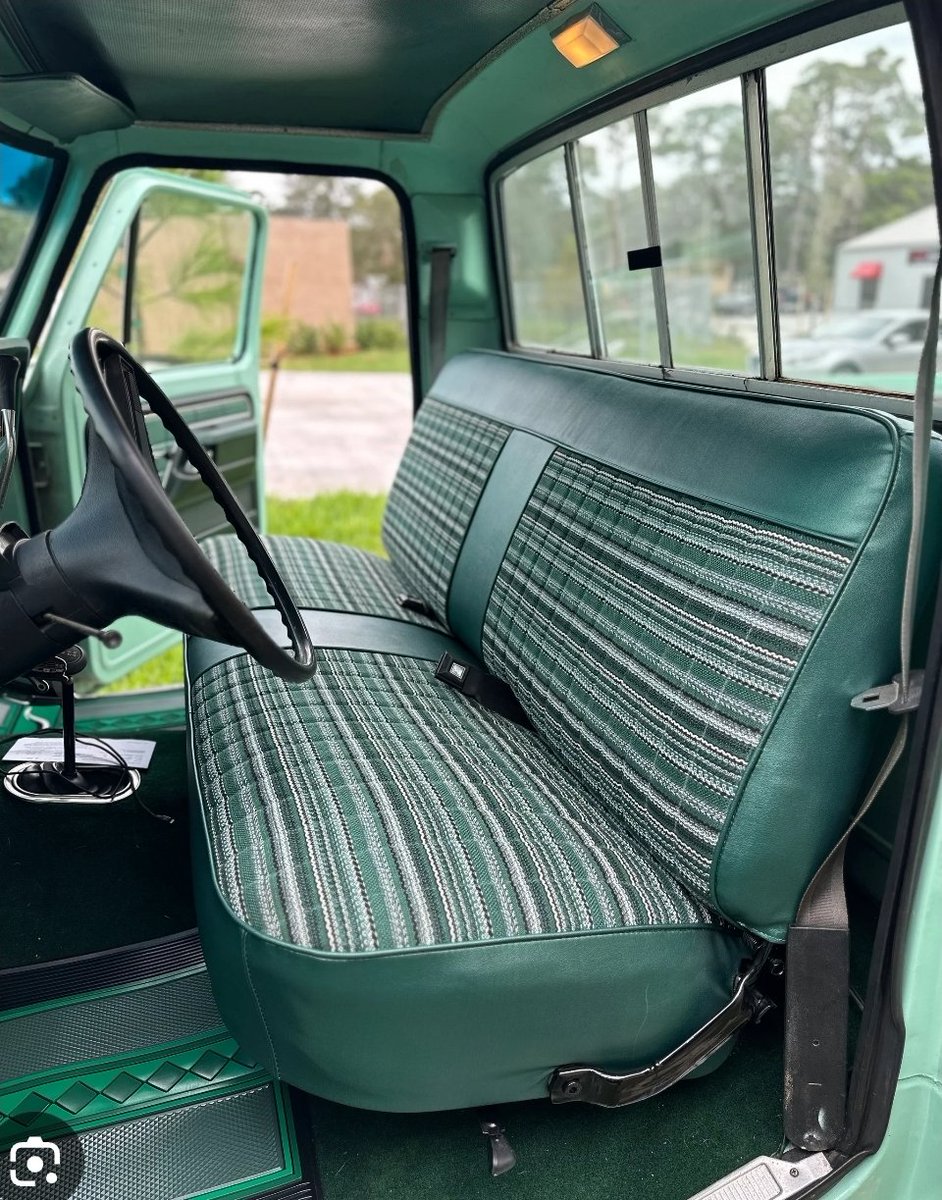
Every Saturday morning I have breakfast with a bunch of old farmers.
Discussion today was population decline and replacement rate in the US.
They've come up with a very simple yet elegant solution to increase birth rates.
Bring back bench seats in pickup trucks.
English

I like this.
I think this is a very good example of a kind of engineering that is good enough.
Using nuts to route the wire.
𝔾𝕝𝕠𝕓𝕒𝕝 𝔹𝕣𝕒𝕟𝕕♛@Brand_Anuj
Installing the indicator light of the tractor
English
@DylworksXRP_FLR @SDSLLC_USA Would Arizona give you the daniel penny treatment if you did that?
English

@SDSLLC_USA Whoever was filming it instead of just opening a can of whoopass should fined as well...
English

I won't be happy until they are all arrested, prosecuted, heavily fined, and serve a significant amount of time in prison.
That's what would happen to any of us if we did this.
Paturious Wilhelm Grey@paturious
Video now circulating shows a group of Indian nationals allegedly defacing Cathedral Rock in Sedona, Arizona, a site considered sacred by many Native American tribes. This is exactly why Americans are fed up with tourists treating protected land and historic sites like disposable content farms for social media. If identified and charged, prosecute them. Fine them. Revoke visas if applicable. Deport if the law allows it. Cathedral Rock is not your graffiti wall. I already had a banger in place. #Sedona #Arizona #CathedralRock #NationalParks #PublicLands
English

Unironically don’t wear deodorant
Lainey💐@Laineytales
Every now and then I find my husband's under arm like this… What's the solution to this problem?
English

i am begging you to learn how to change your own oil for that kinda money
🦋@___MicahJ
Just paid $167 for a oilchange for my Nissan, they finessed me for sure.
English
@marcorandazza How do you know the restaurant isn't lying when they say "wild caught" ?
English

When you order “salmon” if it isn’t from Alaska it’s garbage
There is no commercial fishery for wild salmon anywhere else. Not Norway, not Canada, nit Maine. If it’s not from Alaska, don’t eat it.
(sure, if your uncle buck caught it himself in Anacortes, it’s probably OK)
Sama Hoole@SamaHoole
In the 1980s, the Norwegian salmon farming industry ran into a colour problem. Wild salmon are pink because they eat krill and small crustaceans containing a pigment called astaxanthin. The pigment accumulates in the muscle tissue and gives the flesh its colour. That colour is one of the cues a diner uses, consciously or otherwise, to decide whether the fish on the plate is appetising. Farmed salmon, raised on soy protein, corn meal, fish meal from wild-caught smaller fish, and stabilisers, do not eat krill. They do not accumulate astaxanthin. Without intervention, their flesh is grey. Washed-out, unappealing grey. Nobody buys a grey salmon. So the industry adopted synthetic astaxanthin, manufactured by Hoffmann-La Roche, originally developed as a feed additive to brighten poultry yolks. It is added to salmon feed in measured doses. The doses are calibrated against a colour chart called the SalmoFan, produced by the same company, which the farmer holds against a slice of flesh from a slaughtered fish to confirm the pigmentation has reached the commercially desirable shade. The SalmoFan has fifteen shades. The farmer picks the target shade based on what the supermarket buyer in the destination country considers appealing. Norwegian salmon, sitting on the ice in a British supermarket, has been colour-graded to match the expectations of a marketing department in Hoddesdon. The fish you're looking at is the colour the company chose. The fish didn't pick it. The krill didn't provide it. The pigment came from a Swiss laboratory. You're eating a paint sample. The paint is fish-flavoured. The fish remembers krill. It has never tasted krill. The krill is in a different part of the supply chain.
English
@SeanALarabee What if its just a white person with and Indian accent?
English

I made a decision today.
When I call for customer support I will no longer speak with ANY Indians.
From now on, I will tell them politely, but firmly that I will not engage with an Indian and that I will need any other support personnel they have that is not an Indian.
I am under no obligation as a consumer to deal with Indians.
And I just won’t do it anymore.
English
@kylaschwaberow Im pretty sure i asked and it could be covered, just get in policy and in writing. call your agent
English

@toe_turkey Thats who I use. I need to ask.
English
What happens if you paid for FSD upfront for the life of the car…
Then you get T-boned by some drunk motherfckr?
Will Tesla reinstate FSD for the life of the new car?
English
English

Coming on day 10 of my cross country roadtrip and sleeping in the Tesla with a Snuuzu mattress, the last paragraph you mentioned is what I’ve been dealing with hahah
I’d also like to mention, we need the ability for SENTRY MODE to be enabled while in CAMP MODE too! Currently we cannot have sentry mode + camp mode together
I love sleeping and hearing the raindrops on the roof. It’s so freaking peaceful
English

Very small feedback for Tesla:
I’ve been living in my Tesla for two weeks now, and every single day I fall in love with the car and the company all over again.
The technology and the level of control through the app are simply unmatched — no other company in the world offers anything close to this. If I had to choose again, I’d pick the Model Y over and over and over.
That said, here’s some quick feedback:
It would be amazing if we could completely turn off the rear screen, not just lock it. Even when locked, it still generates heat, and I often have to put a towel over the center armrest when I’m working from the car.
The climate preservation modes (Camp, Keep, etc.) are fantastic features, but it would be really useful if we could choose between automatic and manual operation ourselves — and have the car remember our preference. Being able to adjust the fan directly through the app would make it even better.
One more small thing regarding driver seat memory:
In Camp mode, most of us move the seats forward to inflate the mattress (we even create a dedicated driver profile named “Camp” to make seat adjustment easier). However, opening the driver’s door sometimes triggers the Easy Entry memory setting (when it’s enabled), which automatically slides the seats back and requires manual readjustment. It would be great if this could be smarter in Camp mode.

English
@TheCaptainEli @Tesla Also needs to be able to control fan speed from phone in camp mode, or am i missing something?
English
@FrontierBDesign Any idea the nationality of the one who bought the oil change company?
English

Best oil change biz in our city sold out 4 years ago. Incredible service.
Price jumped from $69 up to $112.
Same car. Same location. Terrible service.
Non-compete expired last year.
Previous owner started same shop again. Right by our house.
Price went from $120 down to $70. Same incredible service as before.
Is this common?
Build a great biz, sell, expiring non-compete, build the same great biz.
English
@martin13334649 @DawnsMission Nope. Crybaby women wont let you, and they will vote and scream and cry all the way to the polls to outlaw it.
English


ONE TICK BITE JUST ENDED HIS LIFE AS HE KNEW IT
This man is choking back tears in his truck, staring into the camera, completely broken...He can NEVER eat red meat or dairy again. No steak. No burgers. No cheese. No ice cream.
It's in everything. "This is Alpha Gal syndrome... This is fucked up, man."
Now OVER 450,000 Americans are living this nightmare — and the numbers are exploding higher every single day. A tiny tick bite. Permanent consequences. Summer’s here. One hike, one backyard moment... and it could happen to you.
This is terrifying. Watch the raw video
English

One of our most frequent requests is Bamboo removal. It’s a pain in the ass to get rid of and nobody else will do it.
You can dig it out and install metal plates but that’s very expensive.
We’ve been testing another method with success, but… one hiccup and you’re back to square one.
We clear it with the mulcher, hit into the soil as much as we can, and subcontract a multi step spray treatment.
If you miss a treatment by a week, it looks like this again and the mulcher has to come back out.
Might just throw in the towel on bamboo entirely and the city will be back to 0 people who will try.

English

Every summer there's tragic stories of children that drown falling into pools
Our house has one,
first priority when we moved in was building a 6 foot fence around it
next was swim lessons.
Normally we're "free range parents" but around water you've got to be hawk
English

@toe_turkey @dictionaryhill If it pop, it pops. What if anything happen….
English


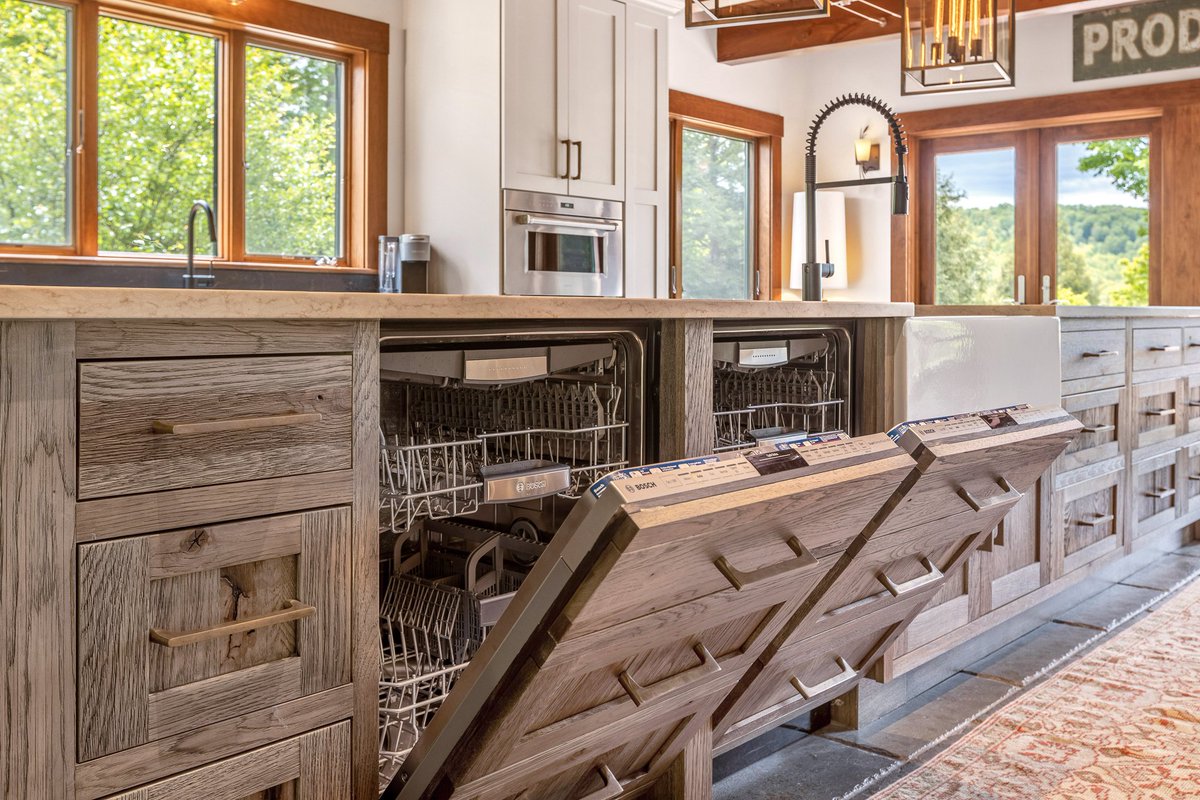
Is it better to have fewer cabinets and two dishwashers instead?
Had to think this one through when building. At first, it seems exorbitantly decadent. But cabinetry is expensive, too, and you never need to unload.
We went with only one because if one breaks, your system fails.
English

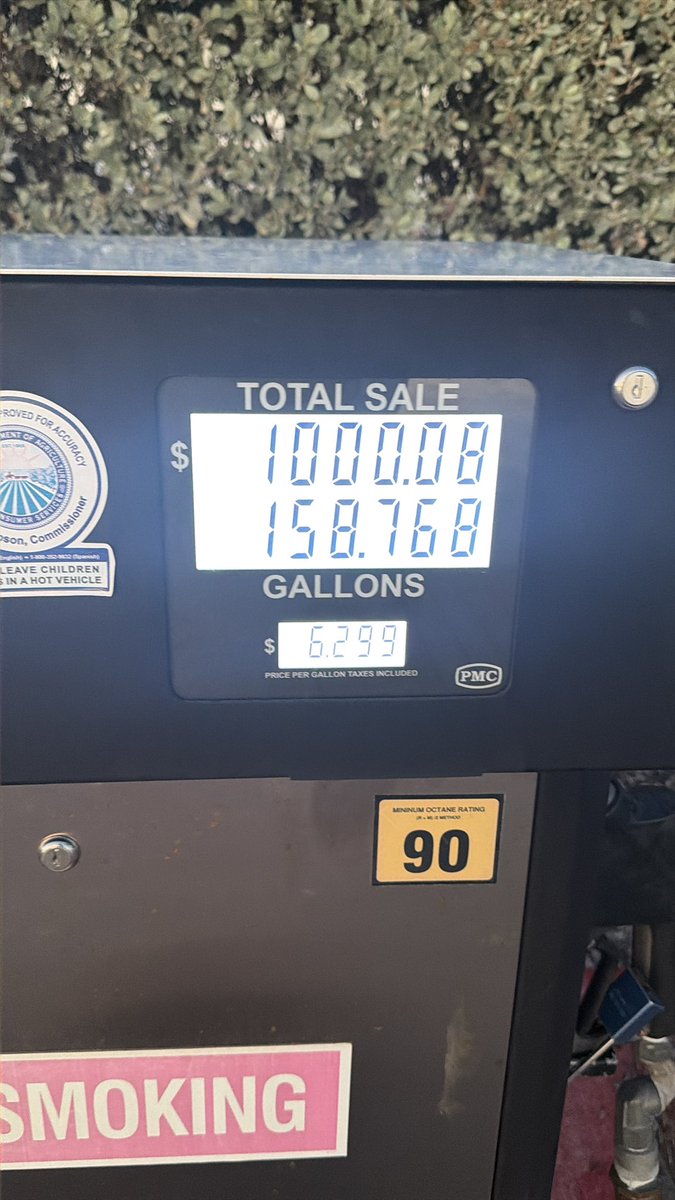
“Let’s go out on the boat.”
“Awesome I’ll pay for gas”.
Oof.
English