Sabitlenmiş Tweet
TraderLion
22.6K posts

TraderLion
@TraderLion
The most trusted trading education platform in the world.
Katılım Haziran 2013
75 Takip Edilen223.6K Takipçiler
TraderLion retweetledi

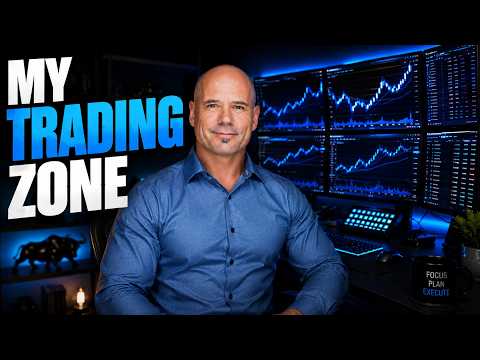
I visited @alphatrends in person and we sat down for a 2+ hour interview (coming out tomorrow)
He also walked me through his full trading desk
Check out the tour here 👇
youtu.be/6N__ubdbfgs

YouTube
English

What does @alphatrends 's Trading Setup look like? 👀
Join him here as he walks through his Trading Desk and how he keeps ideas organized after 30+ Years
youtu.be/6N__ubdbfgs

YouTube
English

A systematic trading routine built over 60 years looks like this: seasonals first, then COT reports, then valuation models, then the daily chart.
Larry Williams walks through each layer of his weekly and daily analysis process in this clip — not as a list of tools, but as a sequenced framework where each input feeds the next. The order matters as much as the inputs.
Most traders jump straight to the chart. Larry Williams builds context first, every time.
English

Most swing traders size off a daily chart stop. That wide stop forces a small position to keep risk in check.
Shake drops to the 30-minute chart for the entry. The stop tightens, and the math allows three times the shares on the identical risk budget.
Same trade idea, same dollar risk — the only difference is where you measured your stop.
English

The habit that built Linda Raschke's edge over 20 years wasn't a better strategy. It was record keeping — done every night, without exception.
She explains that records are the only tool that holds you accountable to yourself. They show you what's working, what isn't, and where your discipline is actually breaking down.
Linda Raschke has run her own trading firm and traded professionally for over four decades. Her message in this clip is direct: process is the edge most traders overlook.
English

Most traders react to trend changes. Lance Breitstein — professional trader and systematic market educator — teaches you to anticipate them.
In this clip, Lance Breitstein catalogs the forces on both ends of a trend: the news catalysts, institutional breakouts, and volume surges that ignite moves, and the climactic exhaustion, extended prices, and late-buyer capitulation that end them. Each signal becomes part of a concrete checklist rather than a judgment call made under pressure.
Knowing what starts a trend and what kills it is the closest thing trading has to a repeatable edge.
English

CoreWeave's IPO base registered an RMV reading of zero. The stock moved 300% in 35 days.
Richard Moglen built the RMV indicator specifically to find this kind of setup — maximum volatility compression in a clean IPO base where there is no overhead supply from long-term holders fighting you on the way up.
Zero on the RMV scale is not just a number. It defines the entry, the stop, and the potential energy stored in the base before the breakout.
English

The best trades don't make you sweat. That's not a feeling — it's a signal.
Lance, a professional trend-following trader, makes the case that serious drawdown is diagnostic information, not bad luck. When a trade bleeds and doesn't recover quickly, it almost always means the position is structured against the dominant trend. The market delivers that verdict fast. Waiting it out rarely changes the answer.
If the trade is giving heat, it's already telling you what you need to know.
English

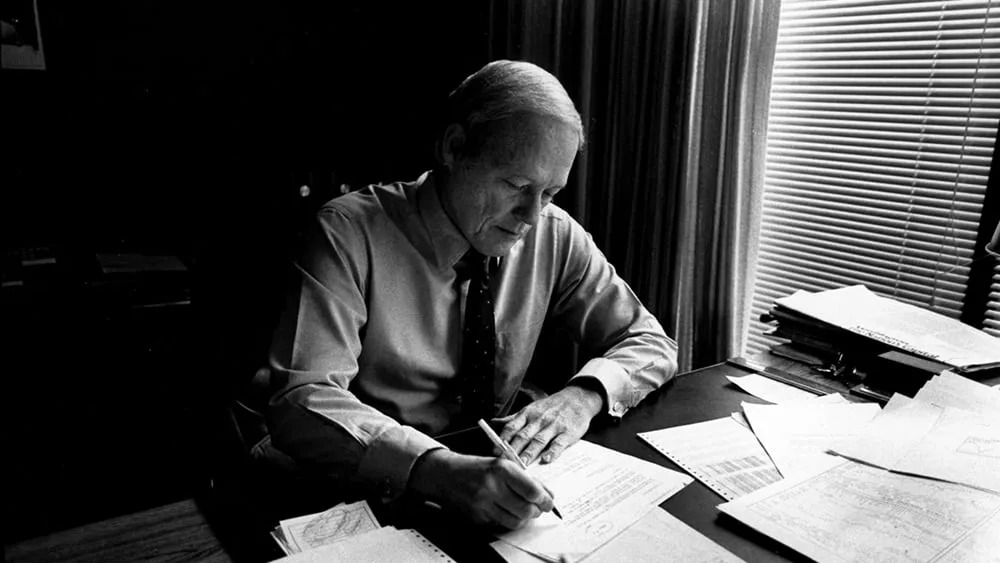
Dancer-turned-trader Nicolas Darvas explains how he turned $36,000 into $2.25 million from hotel rooms around the world, using only closing prices and a telegraph:
"I learned to trade by reading only the closing prices, sent to me by telegram from my broker — from hotel rooms around the world."
— Nicolas Darvas, How I Made $2,000,000 in the Stock Market

English

A tight area on a chart is not automatically worth trading. The setup needs to pass a checklist first.
Richard Moglen breaks it down into four filters: a compelling fundamental story, relative strength during the base, confluence with a key technical level, and inside days compressing volatility to a decision point.
All four together is a high-conviction entry. Missing pieces means cutting size — not skipping the trade, but respecting the difference in quality.
English

Most traders handle drawdowns wrong. They either go quiet or swing bigger trying to recover fast. Both approaches dig the hole deeper.
Goverdhan Gajala, a Minervini Master Trader Program graduate and U.S. Investing Championship participant, follows a specific rule drawn from Minervini's framework: after a significant drawdown, cap the next five trades so total combined risk cannot exceed 5%. You trade deliberately small — not out of fear, but to rebuild your decision-making and your account health at the same time before sizing back up is warranted.
The account follows the process. Fix the process first.
English

Most traders react to trend changes. Lance Breitstein — professional trader and systematic market educator — teaches you to anticipate them.
In this clip, Lance Breitstein catalogs the forces on both ends of a trend: the news catalysts, institutional breakouts, and volume surges that ignite moves, and the climactic exhaustion, extended prices, and late-buyer capitulation that end them. Each signal becomes part of a concrete checklist rather than a judgment call made under pressure.
Knowing what starts a trend and what kills it is the closest thing trading has to a repeatable edge.
English

A tight area on a chart is not automatically worth trading. The setup needs to pass a checklist first.
Richard breaks it down into four filters: a compelling fundamental story, relative strength during the base, confluence with a key technical level, and inside days compressing volatility to a decision point.
All four together is a high-conviction entry. Missing pieces means cutting size — not skipping the trade, but respecting the difference in quality.
English

Most traders watch price. Lance Breitstein watches the crowd — and built a -20 to +20 sentiment scale to know exactly when the crowd is wrong.
Lance Breitstein, a professional trader known for blending technical and psychological discipline, explains that euphoria readings above +15 are a signal to reduce risk, not add it. Panic readings near -20 are where the best mean-reversion setups live. The scale is updated daily using price behavior, news flow, and positioning together — no single indicator required.
Knowing where sentiment sits changes every sizing decision you make.
English