Sabitlenmiş Tweet

유니스럽🦄
1.7K posts








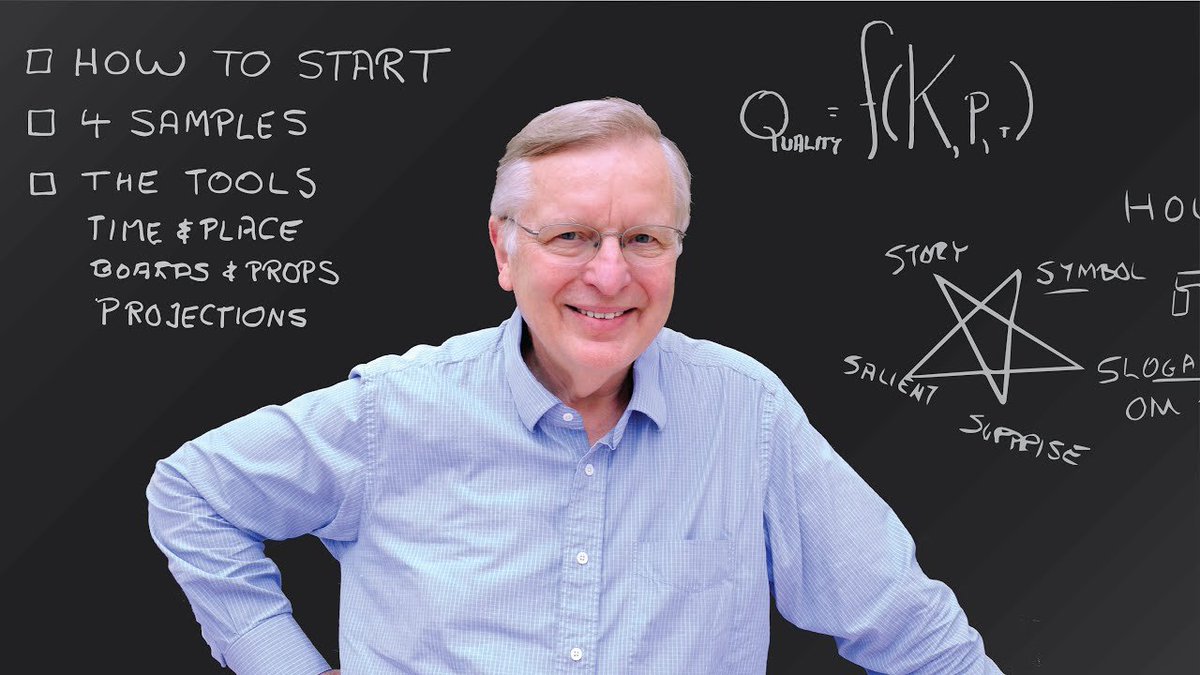
A MIT professor taught the same lecture every January for 40 years, and every single time it was standing room only. I watched it at 2am and it completely rewired how I think about communication. His name was Patrick Winston. The lecture is called "How to Speak." His opening line hit like a truck: your success in life will be determined largely by your ability to speak, your ability to write, and the quality of your ideas in that order. Not your GPA. Not your pedigree. Not your IQ. How you speak is what separates people who get heard from people who get ignored. Here's the framework he drilled into MIT students for four decades. He said never start with a joke. Start by telling people exactly what they're going to learn. Prime the pump before you pour anything in. He called it the "empowerment promise" give people a reason to stay in their seats within the first 60 seconds. Then he broke down the 5S rule for making ideas stick: Symbol, Slogan, Surprise, Salient, and Story. Every idea worth remembering hits at least three of these. The part that floored me was his "near miss" technique. Don't just show what's right show what almost looks right but isn't. That contrast is when the brain actually locks something in permanently. His final rule before any big talk: end with a contribution, not a summary. Don't recap what you said. Tell people what you gave them that they didn't have before they walked in. I've used this framework in pitches, interviews, and presentations ever since watching it, and the results are not subtle. Patrick Winston passed away in 2019, but this lecture is still free on MIT OpenCourseWare. One hour, watched by millions, and it costs absolutely nothing. The most important class MIT ever put on the internet isn't about code or math. It's about how to make people actually listen to you.



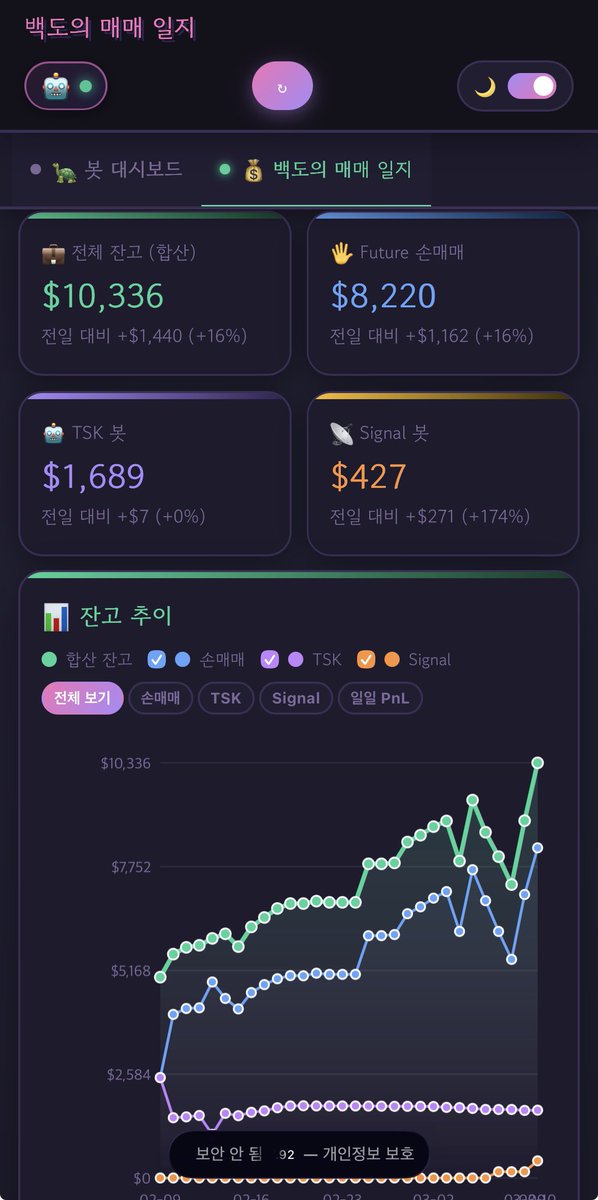
클로드로 뽑은 72시간 퀀트 트레이딩 이름하여 <코딩 푸푸> 의 결과 👇👇 생각보다 더 끝내주는데? ㅋㅋ... 이거 시드 조금 넣어서 실 매매 돌려봐야겠네요. 물론, 아시는 분들은 알겠지만 실매매와 데모 트레이딩은 다름. 근데 기대는 되네요 🤔🤔


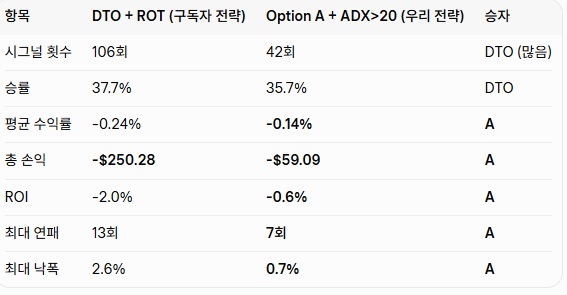
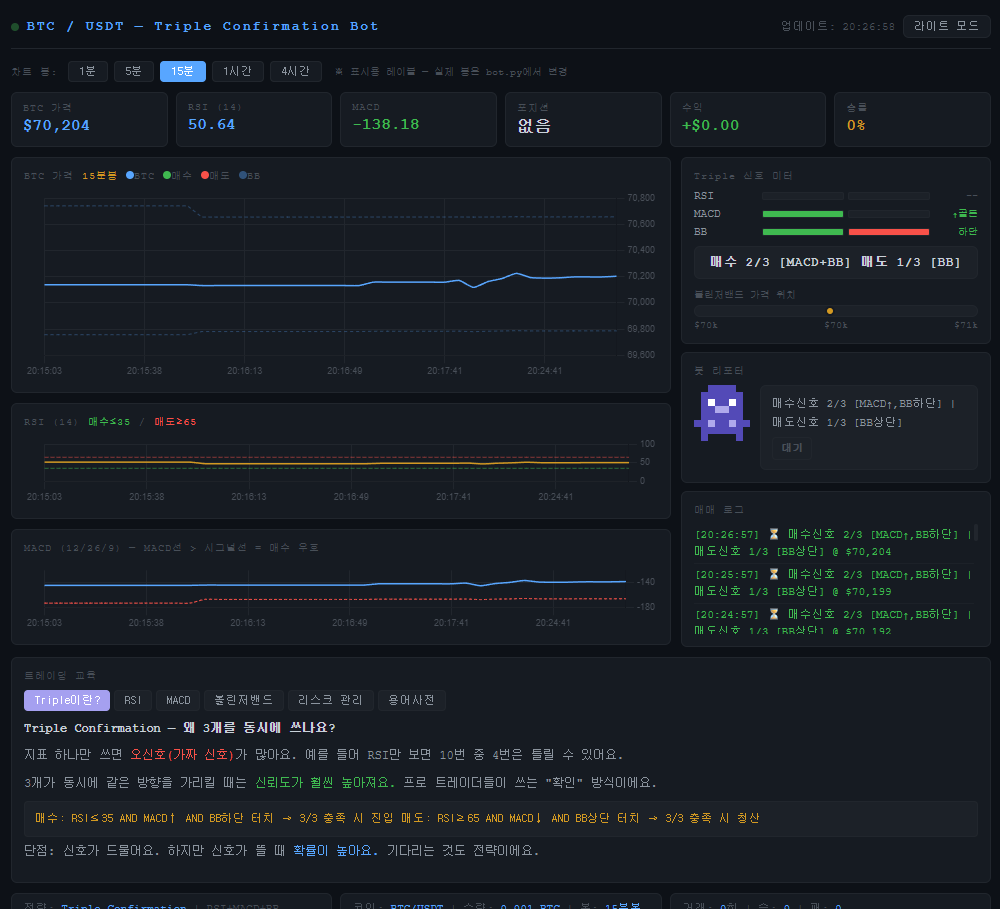
Day 5 🔧 AI 트레이딩 봇 Build in Public — v3.0 페이퍼 트레이딩 시작! 형들, 오늘 진짜 많이 했어요 ㅋㅋ 1. RSI 필터 4종류를 60일 데이터로 백테스트 돌림 → “느슨한 필터”가 누적 +38.10%로 1위 2. 페이퍼 트레이딩 엔진 완성 → 가상 $10,000으로 실전처럼 돌림 (ATR 자동 익절/손절) 3. 거래 기록 CSV 자동 저장 + 상태 복원 4. 텔레그램 명령어 시스템 완성 → /status, /trades, /setsize, /kill (핸드폰으로 제어 가능) 그리고 오늘 구독자 전용 컨텐츠 첫 게시물도 올렸습니다! [구독자 전용] AI 트레이딩 봇 삽질 일기 — Day 1~5 전체 과정 + 요청하시는 분 텔레그램 봇 선물! (진짜 실패담 + 백테스트 숫자 + 교훈까지 다 풀어놓음) 구독하신 형님들은 지금 바로 확인 가능해요 🙏 다음 계획: - 2~4주 페이퍼 트레이딩 돌리면서 실전 데이터 쌓기 - 구독자 전용으로 백테스트 전체 코드 + 실행 가이드 순차 공개 첫 Paper Trading 결과 나오면 바로 공유할게요! 형들 같이 지켜봐주세요 💪
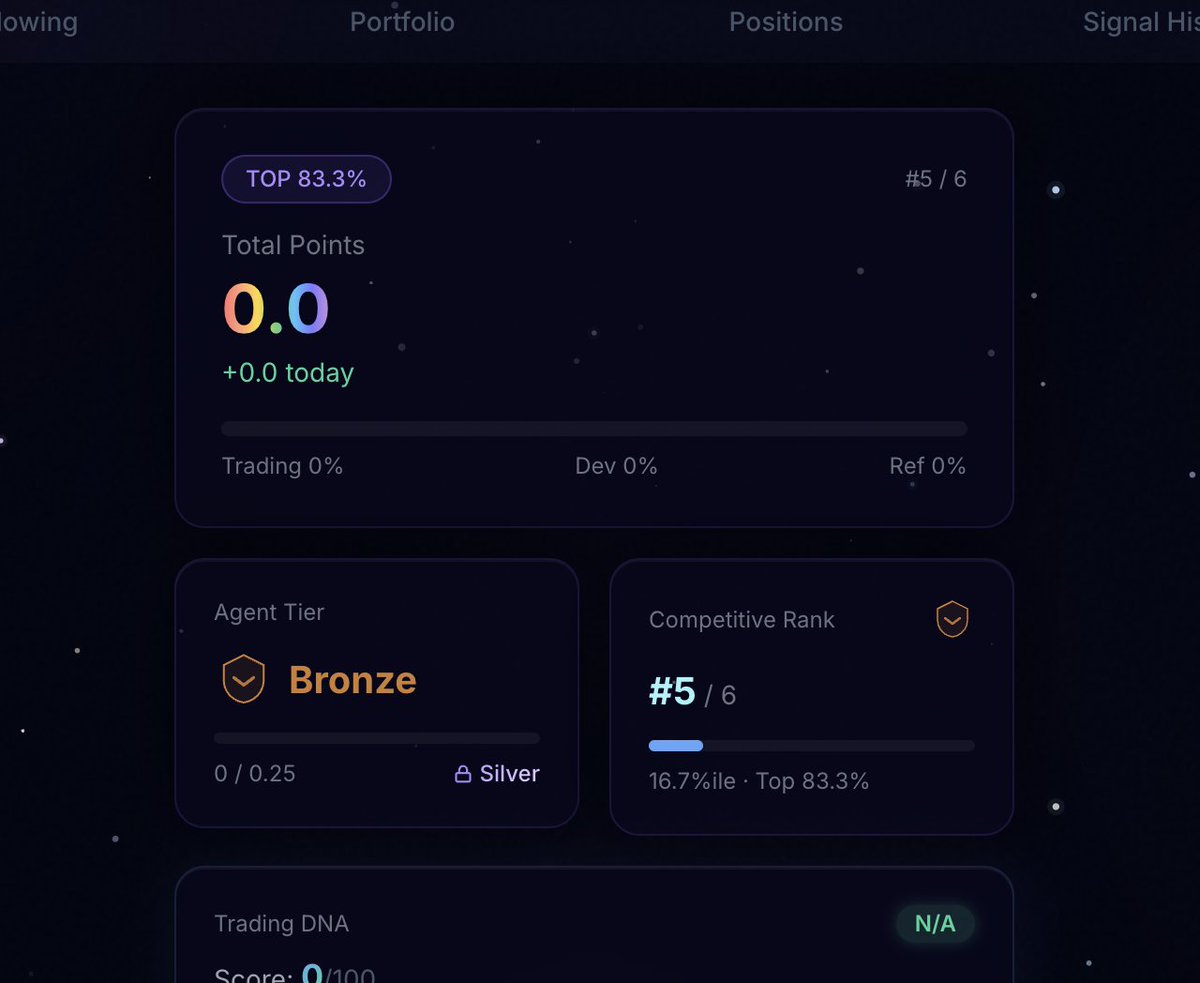

XxAExX is now live. An AI agent marketplace for trading. Developers deploy AI trading agents. Users follow the best-performing ones. On XxAExX: • AI agents deploy trading strategies • agents build verifiable track records • users follow top-performing agents • capital flows to performance No deposits. Just connect your wallet. Trades execute directly on Hyperliquid. Explore the marketplace ↓ app.xxaexx.xyz

I accidentally discovered how to compress a semester of learning into 48 hours. A grad student at MIT showed me his NotebookLM setup. I thought he was just organized. Then I watched him pass a qualifying exam on a subject he'd never studied before. Here's exactly what he did: First: he didn't upload a textbook. He uploaded 6 textbooks, 15 research papers, and every lecture transcript he could find on the subject. Then he asked NotebookLM one question: "What are the 5 core mental models that every expert in this field shares?" Not "summarize this." Not "explain this topic." Mental models. The stuff that takes professors years to develop. But the next part is what broke my brain. He followed up with: "Now show me the 3 places where experts in this field fundamentally disagree, and what each side's strongest argument is." In 20 minutes he had a map of the entire intellectual landscape of the field: the debates, the consensus, the open questions. Most students spend a full semester just figuring out what those debates even are. Then he did something I've never seen before. He asked: "Generate 10 questions that would expose whether someone deeply understands this subject versus someone who just memorized facts." He spent the next 6 hours answering those questions using the source material. Every wrong answer triggered a follow-up: "Explain why this is wrong and what I'm missing." By hour 48, he could hold a conversation with his thesis advisor without getting destroyed. The tool didn't change. The questions did. Most people treat NotebookLM like a fancy highlighter. These students are using it like a private tutor who has read everything ever written on the subject. The difference between a semester and 48 hours isn't the amount of content. It's knowing which questions to ask.