MuvennKannan

531 posts

MuvennKannan

MuvennKannan

@MuvennK

IM Physician.

Malaysia Entrou em Ekim 2019
836 Seguindo204 Seguidores
MuvennKannan retweetou
Ritika Tuli
Ritika Tuli@RitikaTuliMD·
A #CardioNuggets 🧵👇 🫀Not all HOCM hearts are shaped the same. There are 5 distinct LV cavity phenotypes, each with unique implications for obstruction, arrhythmia risk & management.
Ritika Tuli tweet media
English
7
43
142
13.1K
MuvennKannan retweetou
Dr. Chacón-Lozsán F .'.
Dr. Chacón-Lozsán F .'.@franciscojlk·
🫁 Why I always ask for paired blood gases! CO2 and hemodynamics 🧪 For years, we have relied on: ▪️ Lactate ▪️ ScvO₂ / SvO₂ ▪️ Clinical perfusion But all of them share a critical limitation: 👉 They do not reliably detect ongoing tissue hypoperfusion ⚠️ The problem You can have: ✔️ Normal ScvO₂ ✔️ Decreasing lactate ✔️ “Stable” hemodynamics …and still have microcirculatory failure 👉 This is where CO₂ enters the game 🧠 The physiology in short CO₂ behaves differently from oxygen: ➡️ ~20x more diffusible than O₂ ➡️ Accumulates when flow is insufficient ➡️ Reflects flow adequacy, not just oxygenation 👉 Pv-aCO₂ ≈ inverse of cardiac output 🔥 What the CO₂ gap really tells you 🟢 Pv–aCO₂ < 6 mmHg → Likely adequate flow 🔴 Pv–aCO₂ ≥ 6 mmHg → Suggests low flow / impaired perfusion BUT: ❗ It is NOT a marker of hypoxia alone ❗ It is a marker of flow–metabolism mismatch ⚡ The real upgrade: the CO₂/O₂ ratio 👉 Pv-aCO₂ / Ca-vO₂ This is the missing piece. ✔️ Approximates respiratory quotient ✔️ Detects anaerobic metabolism ✔️ Reacts faster than lactate 📈 >1 = ongoing anaerobic metabolism 🚨 Clinical implications 🩸 Septic shock High CO₂ gap despite ScvO₂ >70% → hidden hypoperfusion Persistent Pv–aCO₂ ≥6 mmHg → ↑ mortality 🫀 Fluid responsiveness ↓ Pv–aCO₂ after fluids → likely responder 🫁 Weaning failure ↑ CO₂ gap during SBT → inadequate DO₂ vs VO₂ 🏥 Post-op patients Elevated CO₂ gap predicts complications better than lactate ❌ Common mistakes ❌ Using lactate alone ❌ Ignoring normal ScvO₂ “false reassurance” ❌ Interpreting CO₂ gap without context (pH, Hb, ventilation) ❌ Treating numbers instead of physiology 🚀 Modern hemodynamic approach We should integrate: 1. Macrocirculation → MAP, CO 2. Oxygen markers → ScvO₂ 3. Metabolic markers → Lactate 4. Flow markers → Pv–aCO₂ 5. Anaerobic markers → Pv–aCO₂ / Ca–vO₂ 👉 Not one variable 👉 A physiology-driven bundle 🎯 Take-home CO₂ is not a waste product. 👉 It is a real-time marker of perfusion adequacy 👉 It detects what oxygen variables miss 👉 It bridges macro and microcirculation 📚 Mallat J et al. (2025) Annals of Intensive Care DOI: 10.1186/s13613-025-01569-2
Dr. Chacón-Lozsán F .'. tweet media
English
5
65
206
9.8K
MuvennKannan retweetou
William Aird
William Aird@WilliamAird4·
IRON DEFICIENCY AND THROMBOCYTOSIS Iron deficiency biases the marrow toward platelet production. But most patients don’t develop thrombocytosis. Why? Because bias isn’t enough. You also need a second signal. Iron deficiency sets the direction. Cytokines help set the volume.
English
0
20
94
5.6K
MuvennKannan retweetou
William Aird
William Aird@WilliamAird4·
FERRITIN AS A PROBABILITY SIGNAL <20 → iron deficiency is essentially certain 100 → iron deficiency is unlikely In inflammation: The extremes hold. The middle shifts.
William Aird tweet media
English
10
50
234
14K
MuvennKannan retweetou
Dr. Shiv_Kumar
Dr. Shiv_Kumar@Dr_Shiv_kumar_·
Calcium stabilizes the cardiac membrane in hyperkalemia. We’ve all been taught this: Turns out… that’s probably not true. A 2024 study by Piktel et al. challenges decades of dogma. Hyperkalemia → ↑ Resting membrane potential → ↓ Sodium channel activity → Slowed conduction + wide QRS + arrhythmias This much we know.. Traditionally, we said: Calcium works by “membrane stabilization” (i.e., restoring resting membrane potential) But this study shows: 👉 RMP does NOT improve with calcium 🔻What actually happens? 1. Calcium → Improves conduction velocity (44%) 2. Narrows QRS 3. Does NOT fix action potential duration 4. Does NOT restore RMP Mechanism shift 🔄 Instead of “stabilizing membrane,” Calcium: 👉 Enables Ca²⁺-dependent conduction pathways (when Na⁺ channels are impaired) Clinical takeaway: Calcium still saves lives in Hyperkalemia but for the right reason. Use when there is ECG evidence of conduction delay (wide QRS) Time to retire the phrase “membrane stabilization. #MedX
Dr. Shiv_Kumar tweet media
English
6
39
119
5.5K
MuvennKannan retweetou
CardiovascularCorner
CardiovascularCorner@TrackYourHeart·
ST Segment Morphology: What It Tells Us Clinically 🔺 ST Elevation ◾Concave upward ("smiley"): Common in early repolarization or acute pericarditis, especially when diffuse and not localized to a coronary territory. Often seen in younger patients and typically resolves without intervention. ◾Convex upward ("frowny" or domed): Worrisome. Strongly suggests acute transmural myocardial infarction (STEMI), especially when localized and associated with reciprocal ST depressions. 🔻 ST Depression ◽Horizontal depression: Highly specific for myocardial ischemia, especially during stress testing or in the setting of chest pain. ◽Downsloping depression: Also indicates ischemia and may be seen in more severe or ongoing cases. ◽Upsloping depression: Less specific. It may appear during exercise and can sometimes be a normal variant, though it should not be ignored if symptoms are present.
CardiovascularCorner tweet media
English
0
45
211
10.1K
MuvennKannan retweetou
Dr. Chacón-Lozsán F .'.
Dr. Chacón-Lozsán F .'.@franciscojlk·
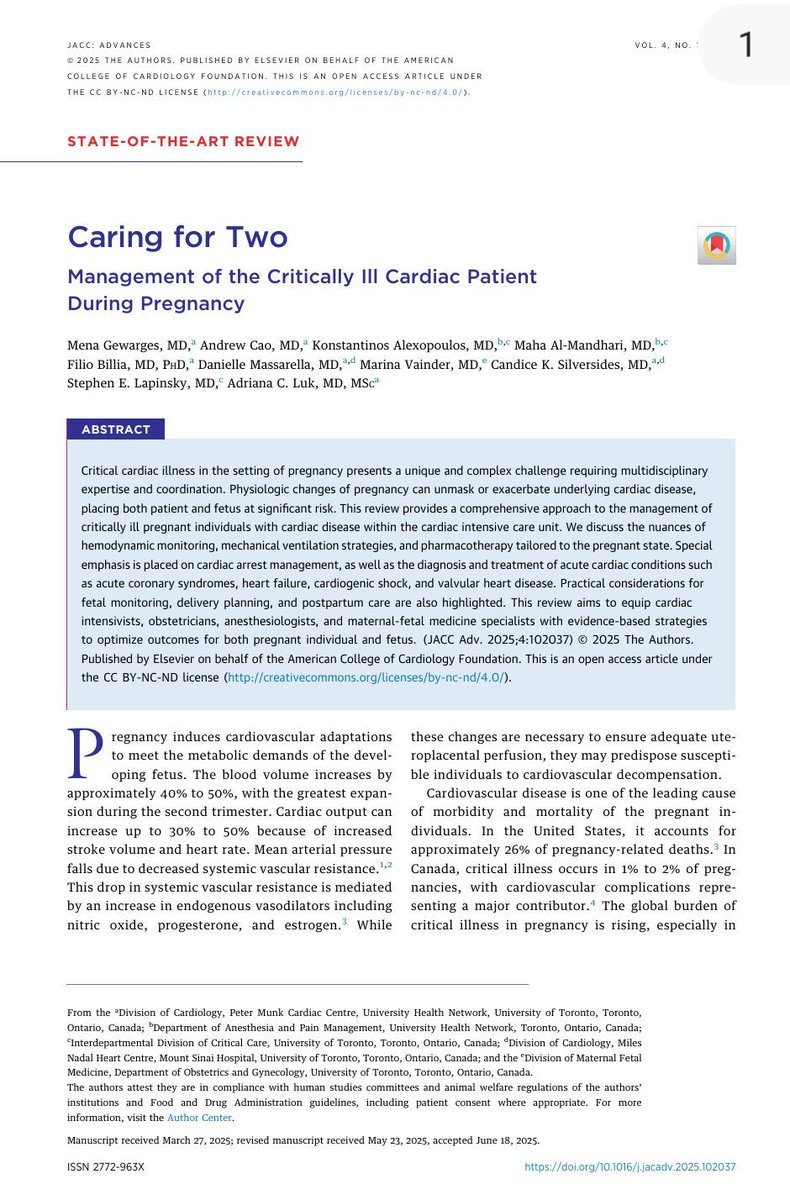
🤰🏼❤️Caring for Two: Hemodynamics Redefined in Pregnancy Pregnancy is not just a physiological state. It is a cardiovascular stress test. Blood volume increases by 40 to 50 percent. Cardiac output rises by 30 to 50 percent. Systemic vascular resistance falls. These changes are essential for uteroplacental perfusion. But they can unmask or worsen underlying cardiac disease. 🤔Now consider this: Cardiovascular disease accounts for around 26% of pregnancy-related deaths. This is why managing the critically ill cardiac patient in pregnancy requires a completely different mindset. Not just treating a patient. But balancing two circulations, two physiologies, and one fragile equilibrium. 🤓For intensivists and anesthesiologists, the key is simple: Understand physiology first. Intervene second. Because in this setting, small errors are amplified. And precision saves two lives. 📃Reference Gewarges, M., et al (2025). Caring for two: Management of the critically ill cardiac patient during pregnancy. JACC: Advances, 4, 102037. doi.org/10.1016/j.jaca…
Dr. Chacón-Lozsán F .'. tweet media
English
2
18
57
3.1K
MuvennKannan retweetou
Dr mohamed Said Elgamal
Dr mohamed Said Elgamal@msaidelgamal·
Hepatitis C doesn’t cause just one vasculitis 👇 • Cryoglobulinemic vasculitis (most common) • PAN-like medium-vessel disease • Immune-complex renal involvement Treating inflammation alone is not enough - treat the virus. #Vasculitis
Dr mohamed Said Elgamal tweet media
English
2
31
89
3.6K
MuvennKannan retweetou
Ahmed Ammar
Ahmed Ammar@Dr_Ahmed_Ammar·
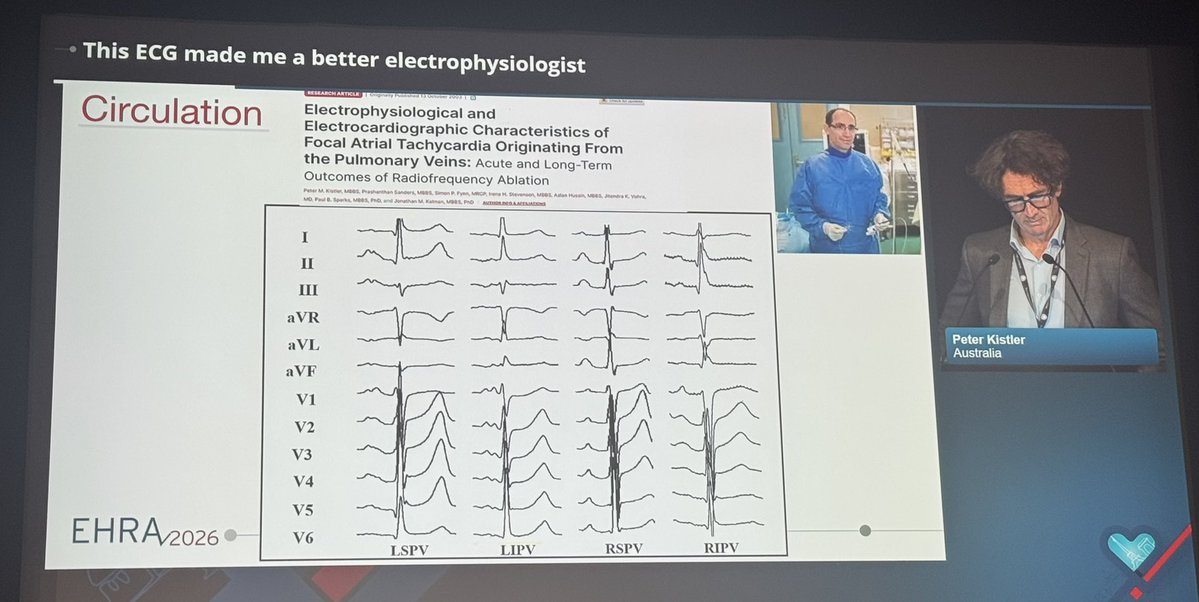
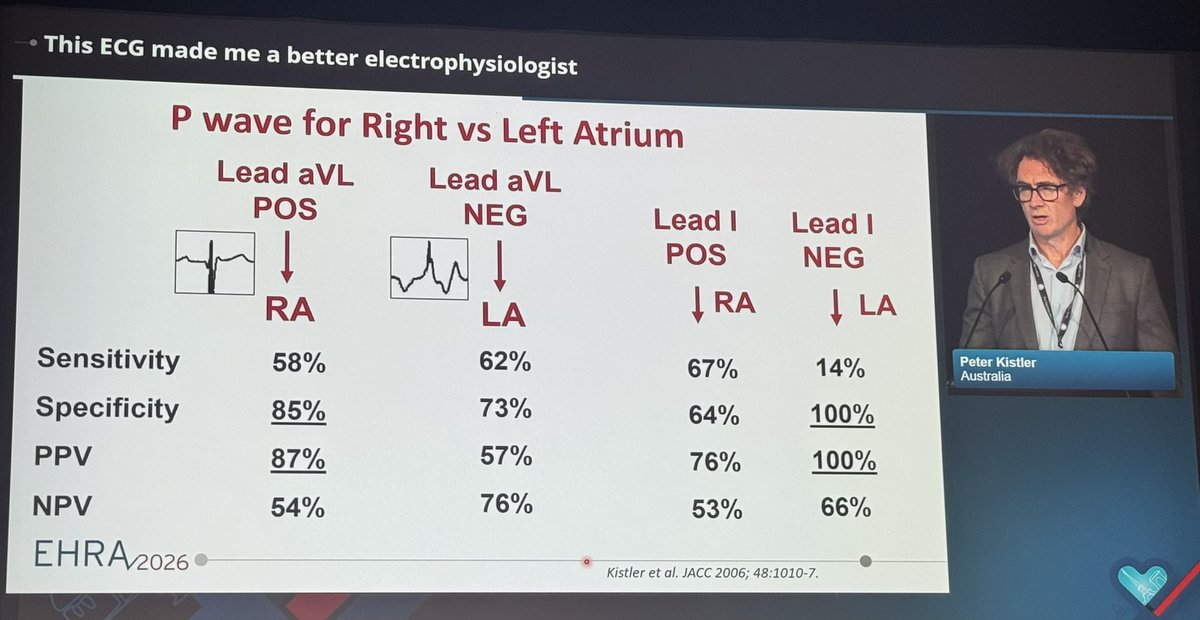
This ECG made me a better electrophysiologist Fascinating talk by Dr Peter kistler at #EHRA26
Ahmed Ammar tweet mediaAhmed Ammar tweet mediaAhmed Ammar tweet mediaAhmed Ammar tweet media
English
2
40
150
8.3K
MuvennKannan retweetou
ريان | MD1TALK🌟
مريض قلب وعنده عوامل خطورة كثيرة تشخص ب UTI وراح يجيك تساؤل عن ادوية ال SGLT-I هل نوقفه او لا ؟! افضل ارتكل خيالية راح تجاوب على هذا التساؤل لان المشكله ذي شائعه بالعيادات!
ريان | MD1TALK🌟 tweet mediaريان | MD1TALK🌟 tweet media
العربية
2
41
433
38.5K
MuvennKannan retweetou
Dr. FEVI🫀🩺
Dr. FEVI🫀🩺@javier20ch·
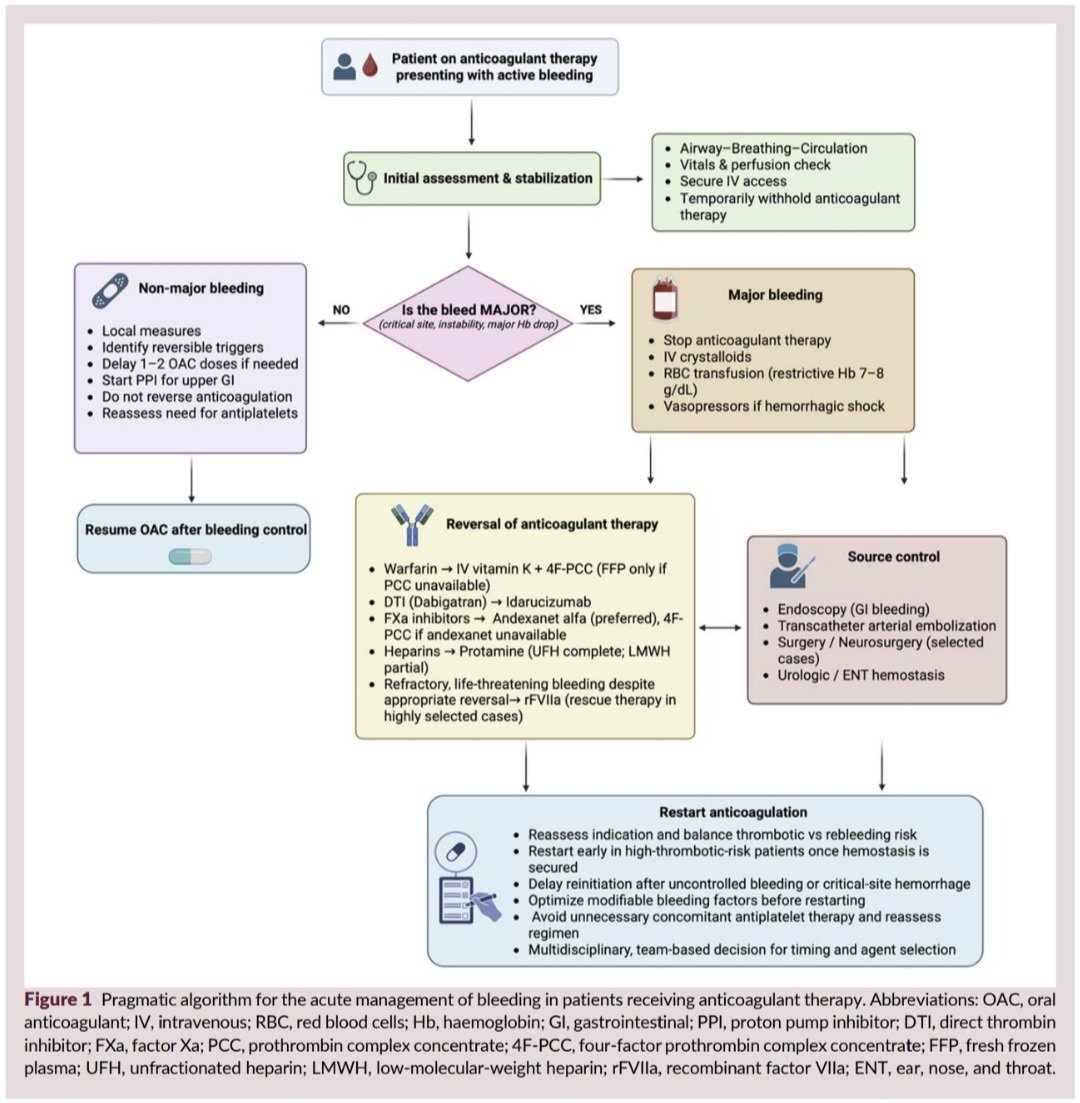
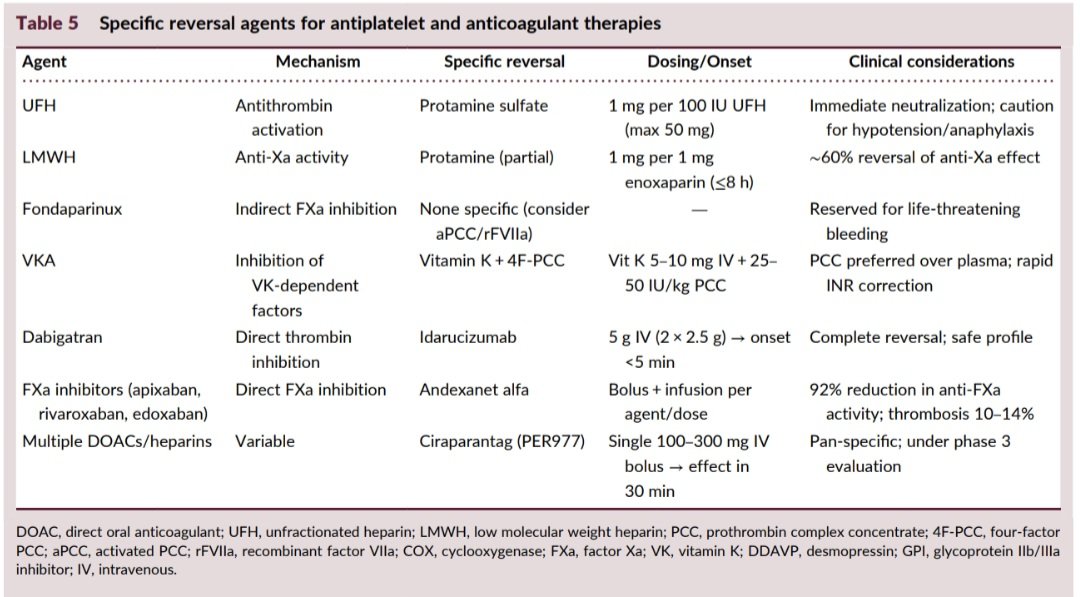
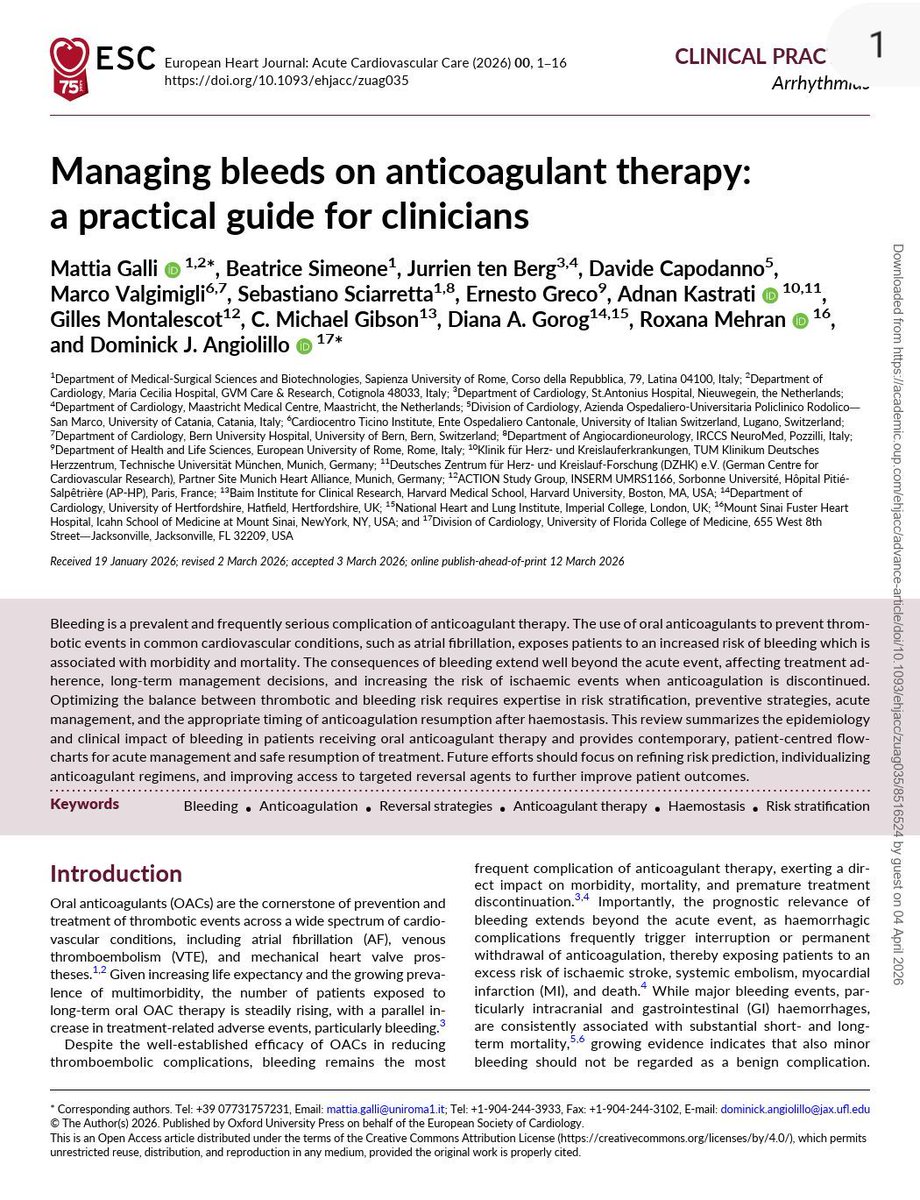
Manejo del sangrado asociado con anticoagulantes. 🫀💥🩸 🔴El sangrado es la complicación más frecuente y relevante en pacientes bajo anticoagulación oral, con un impacto pronóstico que incluso puede superar al de los eventos trombóticos. No solo incrementa la mortalidad (especialmente en hemorragias intracraneales o gastrointestinales), sino que además condiciona la suspensión del tratamiento, aumentando el riesgo subsecuente de eventos isquémicos. 📈🩸☠️ 🔴Factores como edad avanzada, ERC, anemia, antecedentes de sangrado y el uso concomitante de AINE, esteroides o antiagregantes potencian significativamente este riesgo. 👥️💊 🔴Ante un evento hemorrágico, la evaluación inicial debe centrarse en la estabilidad hemodinámica más que en parámetros de laboratorio. La clasificación de la severidad (BARC) orienta el manejo, desde medidas conservadoras en sangrados menores hasta estrategias agresivas con reversión de anticoagulación y soporte hemodinámico en casos graves.✍️🏻👨‍⚕️ 📄🆓️⤵️ @ESC_Journals 💯 doi.org/10.1093/ehjacc… t.me/medicinaintern…
Dr. FEVI🫀🩺 tweet mediaDr. FEVI🫀🩺 tweet media
Español
0
85
246
8.8K
MuvennKannan retweetou
Dr. Chacón-Lozsán F .'.
Dr. Chacón-Lozsán F .'.@franciscojlk·
🩸 Bleeding on anticoagulation is NOT a complication… it’s a turning point ⚠️ The problem We prescribe anticoagulants to prevent: 👉 Stroke 👉 MI 👉 VTE But the most frequent complication is: 👉 Bleeding And here’s the uncomfortable truth: > Bleeding often determines prognosis more than thrombosis 🧠 Why this matters Bleeding is NOT just an event. It triggers: ❌ Treatment interruption ❌ Fear-driven underdosing ❌ Permanent discontinuation 👉 Leading to ↑ stroke, ↑ MI, ↑ mortality 🔥 Key clinical reality 📊 Major bleeding: ~1-3% per year 30-day mortality >15% 1-year mortality >25% 👉 That’s NOT benign ⚖️ The real battlefield Every anticoagulated patient lives here: 👉 Thrombosis vs Bleeding And we often focus on only one side. 🧠 What experts are telling us (ESC) This is the new paradigm 👇 1️⃣ Risk is dynamic Bleeding risk is highest: 👉 Early after starting anticoagulation 👉 In elderly / multimorbid patients 👉 Reassess continuously, not once 2️⃣ Not all bleeding is equal 🚨 Critical sites = high mortality: Intracranial GI Retroperitoneal Pericardial 👉 Even small volumes can kill 3️⃣ Combination therapy is dangerous 👉 OAC + antiplatelet = 2–3× ↑ bleeding ✔️ De-escalate EARLY ✔️ Avoid triple therapy when possible 4️⃣ Prevention is powerful Simple interventions: ✔️ PPI for GI protection ✔️ Avoid NSAIDs / SSRIs when possible ✔️ Correct dosing (DOAC underdosing = worse outcomes) 👉 Most bleeding is preventable 🚨 When bleeding happens Think in 3 steps: 🩸 1. Stabilize Stop anticoagulant Airway, oxygen, access Fluids + transfusion 🧪 2. Reverse (if needed) VKA → PCC + Vitamin K Dabigatran → Idarucizumab FXa inhibitors → PCC (± Andexanet) 🔎 3. Find and control the source Endoscopy IR embolization Surgery ⚠️ The biggest mistake > “Let’s stop anticoagulation and never restart” 🧠 The evidence says: 👉 NOT restarting = ↑ stroke + ↑ death ✔️ Restart early when safe ✔️ Individualize timing + dose 🔄 The future We are moving toward: 👉 Personalized anticoagulation 👉 Dose tailoring 👉 Drug selection based on bleeding profile 🎯 Take-home message Anticoagulation is NOT binary. It is: 👉 A continuous balance 👉 A dynamic decision 👉 A personalized therapy 🤓 Final thought > The goal is not to avoid bleeding The goal is to survive both bleeding AND thrombosis 📚 Reference Galli, M., Simeone, B., ten Berg, J., et al. (2026). European Heart Journal: Acute Cardiovascular Care. doi.org/10.1093/ehjacc…
Dr. Chacón-Lozsán F .'. tweet media
English
2
112
320
23.4K
MuvennKannan retweetou
Dr mohamed Said Elgamal
Dr mohamed Said Elgamal@msaidelgamal·
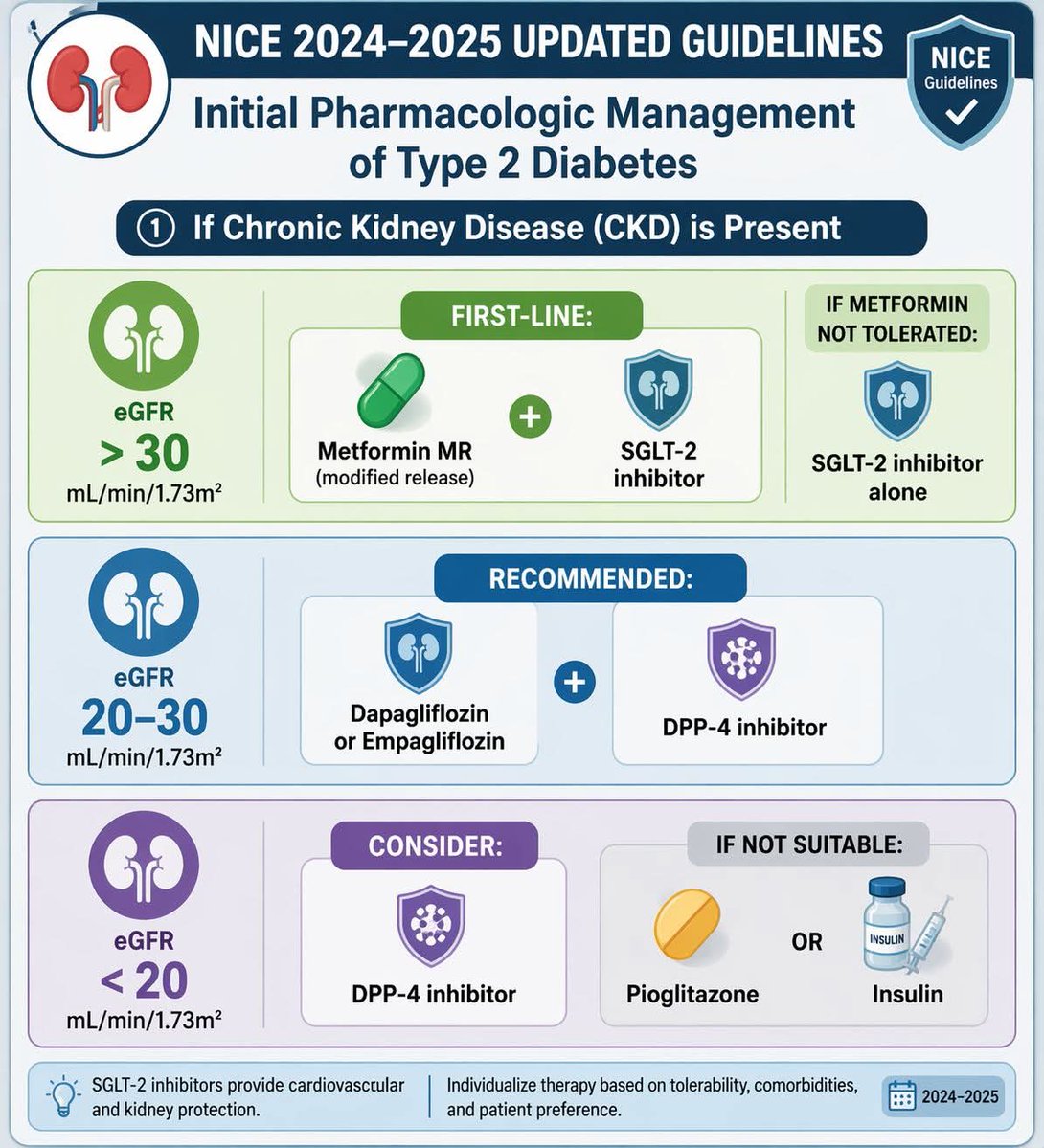
**Updated NICE Guidelines (2024–2025): Initial Pharmacologic Management of Type 2 Diabetes** If Chronic Kidney Disease is Present 🔵 eGFR > 30 mL/min/1.73m² First-line: Metformin MR + SGLT-2 inhibitor If metformin not tolerated: SGLT-2 inhibitor alone 🔵
Dr mohamed Said Elgamal tweet media
English
2
83
226
9.1K
MuvennKannan retweetou
Dr. Shiv_Kumar
Dr. Shiv_Kumar@Dr_Shiv_kumar_·
Hypokalemia → delayed ventricular repolarization (↓ K⁺ conductance, prolonged phase 3) 🔻ST ↓ → repolarization delay 🔻Flat T → reduced repolarization gradient 🔻Prominent U → after-potentials (Purkinje/M cells) 🔻Prolonged QT → arrhythmia risk (esp. torsades) Electrolytes shape ECG. #MedX
C.Alberto Ortega@albertoortegana

Do you know the correct answer ?? Drop your answer in the Comment ..... @dr_manish_ydv @Dr_Shiv_kumar_ @DrNovinoTailor @drobiy12 @hemo_shk @fzn733
English
2
19
86
5.8K
MuvennKannan retweetou
Dr. Chacón-Lozsán F .'.
Dr. Chacón-Lozsán F .'.@franciscojlk·
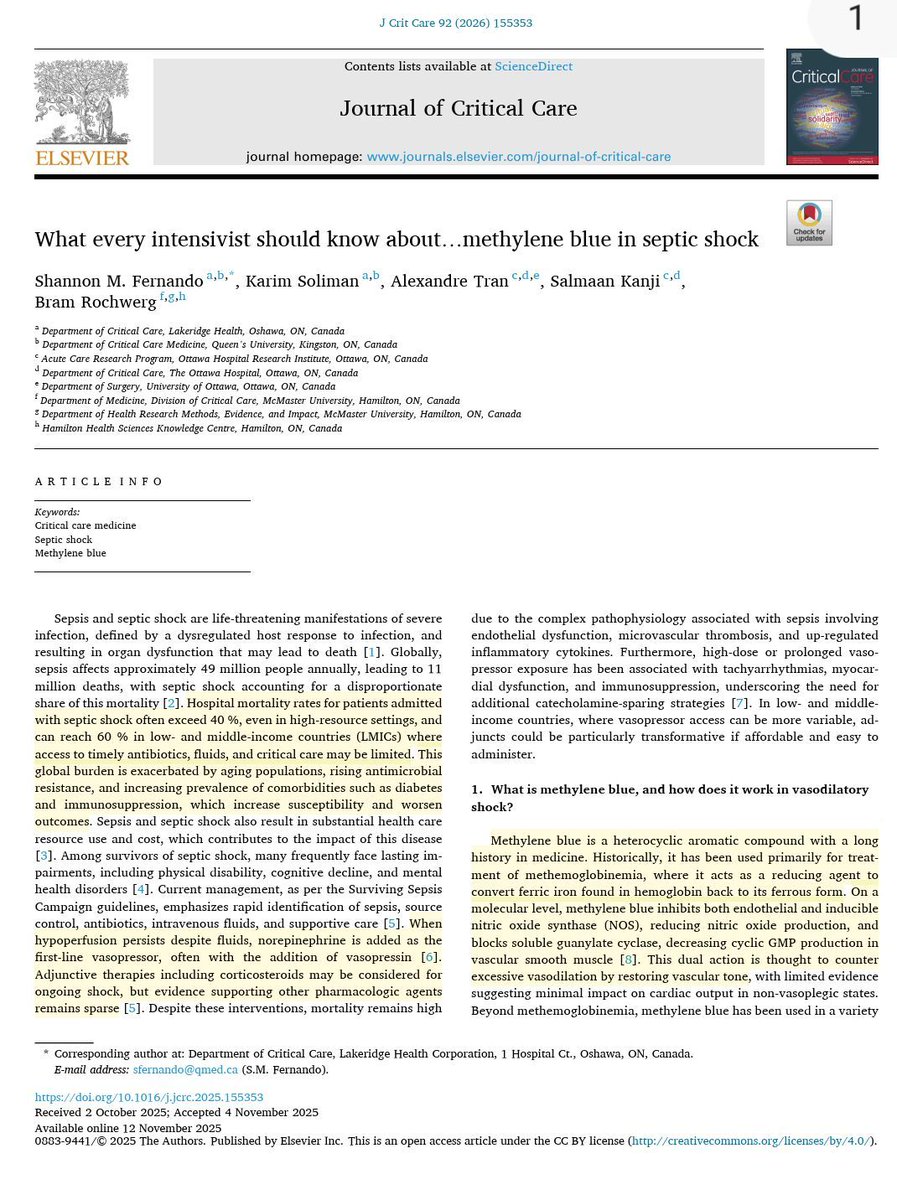
💙 Methylene blue in septic shock: miracle, myth… or misunderstood tool? We all know the scenario: 👉 Refractory vasoplegic shock 👉 Escalating norepinephrine 👉 Vasopressin, steroids… still hypotensive At some point, the question comes: Should we use methylene blue? ⚡ Mechanism Septic shock = NO-driven vasoplegia Methylene blue acts by: ❌ Inhibiting nitric oxide synthase (NOS) ❌ Blocking soluble guanylate cyclase ⬇️ Reducing cGMP ➡️ Restoring vascular tone 👉 A true catecholamine-sparing strategy 📊 What does the evidence say? Reality check: Use in practice is rare (~0.5% of septic shock patients) Often used as late salvage therapy Dosing strategies = highly variable But RCT signals are interesting: ↓ Vasopressor duration ↓ ICU / hospital length of stay Possible ↓ mortality (low certainty) 👉 Evidence is promising… but still weak 🚨 The clinical dilemma Timing is everything: Early use → potential physiologic benefit Late use → often too late to change trajectory 👉 Current practice is probably backwards ⚠️ What about safety? Potential concerns: Serotonin syndrome (with SSRIs) Pulmonary vasoconstriction G6PD-related hemolysis Interference with pulse oximetry 👉 Most serious effects seen with high doses 🧠 Take-home message > Methylene blue is not a “magic drug” but it may be a physiology-driven adjunct in vasoplegic shock ❓The real questions are: Who benefits? When to give it? At what dose? 🚀 Where we’re heading Ongoing trials (e.g., BLUSH trial) will clarify: ✔️ Early vs late use ✔️ Optimal dosing strategy ✔️ True impact on mortality 👉 This could redefine vasoplegic shock management 💡 Clinical reflection Next time you face refractory shock, ask: 👉 Is this still “fluid + catecholamine problem”… 👉 or already a NO-mediated vasoplegia problem? 📚 Reference Fernando, S. M.et al. Journal of Critical Care, 92, 155353. doi.org/10.1016/j.jcrc…
Dr. Chacón-Lozsán F .'. tweet media
English
3
66
249
15.6K
MuvennKannan retweetou
Dr. Chacón-Lozsán F .'.
Dr. Chacón-Lozsán F .'.@franciscojlk·
🩻Contrast-induced AKI: one of the biggest myths still shaping clinical decisions For decades we were taught: 👉 “Contrast damages the kidneys” 👉 “Avoid CT with contrast in CKD” 👉 “Hydrate, protect, delay imaging if needed” But what if… most of this is wrong?🤔 ->The uncomfortable reality Modern evidence shows: 👉 Low-osmolar contrast rarely causes true nephrotoxicity 👉 Even in CKD, AKI, and ICU patients 👉 The risk is often overestimated—or nonexistent So where did the fear come from? 📍 1950s high-osmolar contrast (actually toxic) 📍 Poorly controlled observational studies 📍 “Creatinine rise = contrast injury” assumption 👉 Correlation became causation 👉 And the dogma stayed ⚠️What recent data tells us ✔ No difference in AKI rates with vs without contrast ✔ No benefit from bicarbonate, NAC, or aggressive hydration ✔ Even ICU and AKI patients show no worsening outcomes ->Translation to real life 👉 The patient was going to develop AKI anyway...Not because of contrast!! ->The real problem: “Renalism” 👉 Avoiding necessary imaging 👉 Delaying diagnosis 👉 Choosing inferior tests And that leads to: ❌ Missed PE ❌ Delayed sepsis source control ❌ Worse outcomes ->Clinical mindset shift Instead of asking: 👉 “Will contrast harm the kidneys?” We should ask: 👉 “Will NOT doing the scan harm the patient?” ->Who still deserves caution? ✔ eGFR <30 ✔ Severe hemodynamic instability ✔ Multiple nephrotoxins Even then: 👉 Optimize volume 👉 Minimize dose 👉 Don’t delay critical imaging 🤓Bottom line ✔ Contrast nephrotoxicity exists… but is rare ✔ The fear is bigger than the risk ✔ The harm of NOT imaging is often greater In critical care 👉 We don’t treat creatinine 👉 We treat patients And sometimes… 👉 The most dangerous thing is NOT the contrast 👉 It’s hesitation. 📃Reference Florens N, Demiselle J. Kidney360 7: 445–449, 2026. doi: doi.org/10.34067/KID.0…
Dr. Chacón-Lozsán F .'. tweet media
English
20
407
987
218.3K
MuvennKannan retweetou
Shreshta Tripathi
Shreshta Tripathi@ShreshtaT·
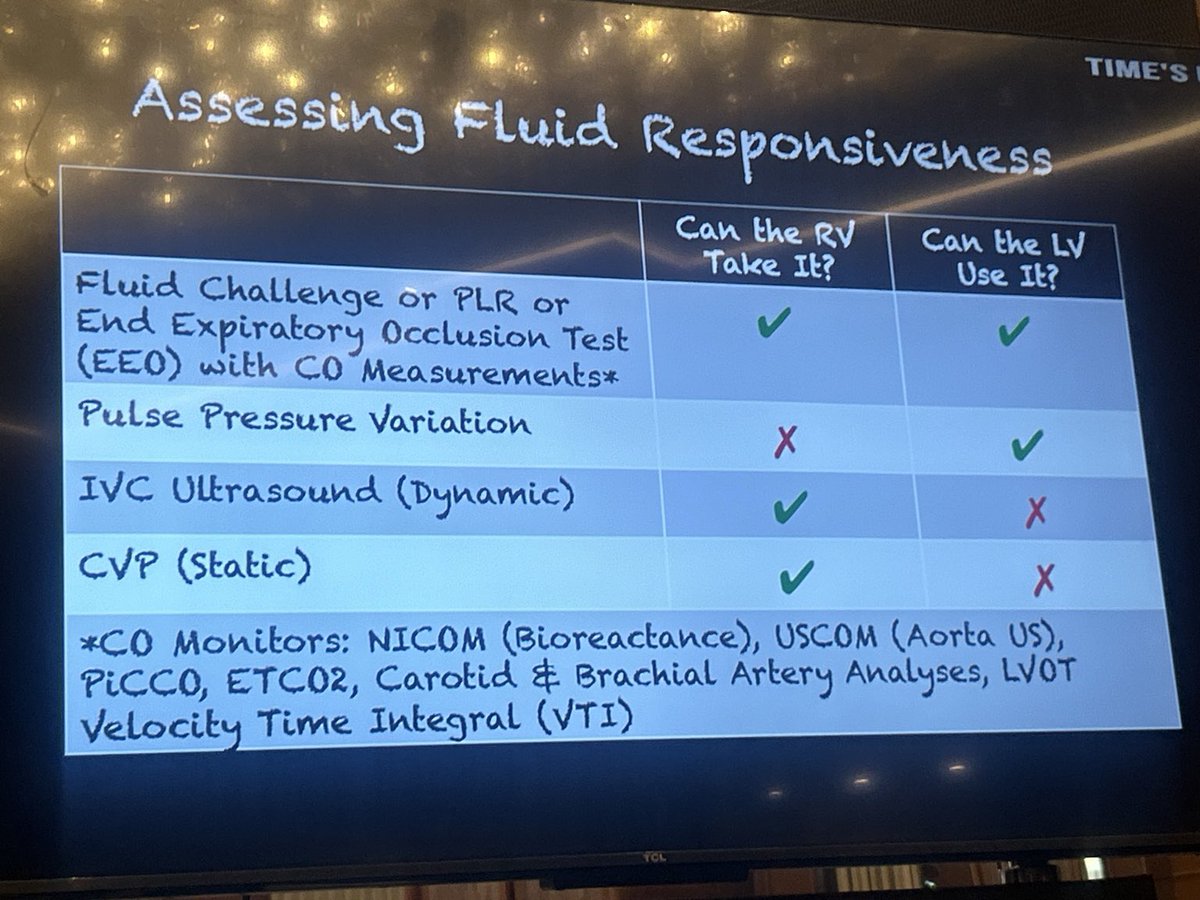
💧 Assessing Fluid Responsiveness 👉 Will the patient benefit from fluids? Think in 2 steps: 1.Can RV take fluid? 2.Can LV use it? Bedside Tests: 🧵 1️⃣PLR / Fluid Challenge ✔ RV preload ✔ LV output → Gold standard dynamic assessment
Shreshta Tripathi tweet media
English
3
43
179
12.9K
MuvennKannan retweetou
William A. Wallace, Ph.D.
William A. Wallace, Ph.D.@drwilliamwallac·
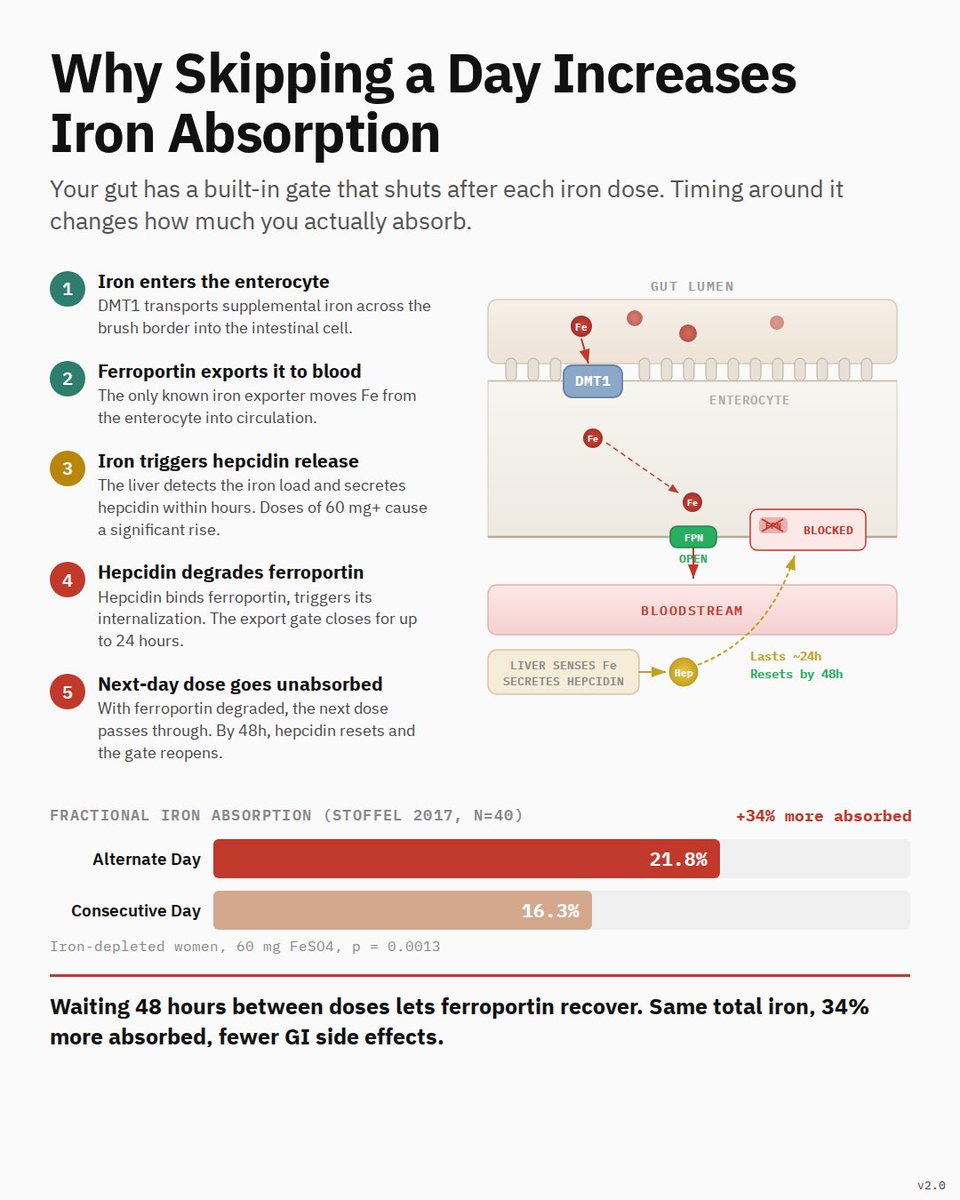
Iron supplements are typically dosed daily, sometimes split into two doses. Both strategies fight the body's own regulatory system. When you take 60 mg or more of elemental iron, the liver releases hepcidin, a hormone that binds ferroportin, the only iron export channel on intestinal cells, and degrades it. With ferroportin gone, the next dose sits in the enterocyte and never reaches the bloodstream. This shutdown lasts about 24 hours. By 48 hours, hepcidin clears and ferroportin is restored. Stoffel et al. (2017) tested this in 40 iron-depleted (but not anemic) women given 60 mg ferrous sulfate on consecutive vs alternate days. The alternate-day group absorbed 21.8% per dose versus 16.3% for consecutive dosing. Total iron absorbed was also higher: 175 mg vs 131 mg. A 2019 follow-up tested women with iron-deficiency anemia, a population where hepcidin is already partially suppressed by the body's demand for red blood cells. Even there, fractional absorption was 40-50% higher on alternate days. That's the stronger finding: the hepcidin rebound still limits absorption even when the body is actively trying to override it. Caveat: all studies used ferrous sulfate in women. Whether the effect holds for other iron forms or in men is untested. Moretti et al., Blood, 2015. Stoffel et al., Lancet Haematology, 2017. Stoffel et al., Blood, 2019.
William A. Wallace, Ph.D. tweet media
English
10
138
462
30.8K
MuvennKannan retweetou
Dr. Nikhil Agrawal
Dr. Nikhil Agrawal@DrNikhilMD·
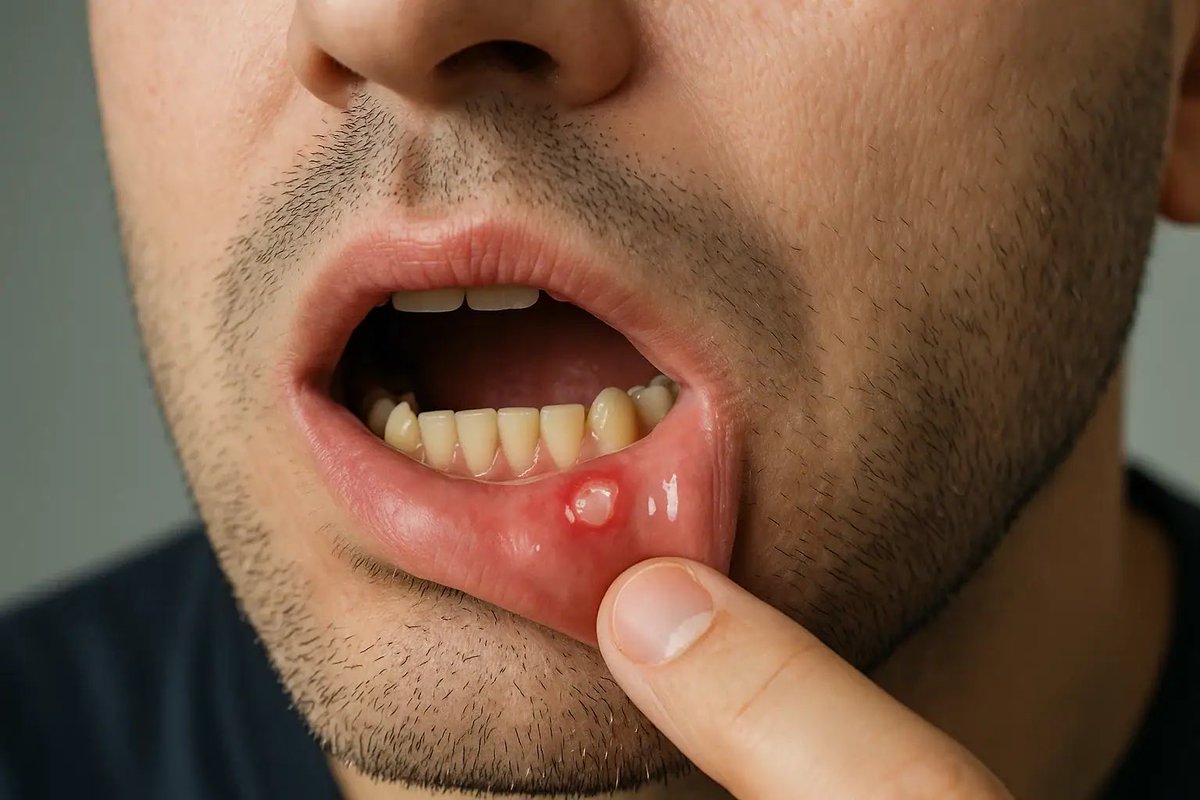
A patient with “recurrent mouth ulcers” walks into your OPD Most get symptomatic treatment Few get evaluated properly And almost everyone assumes “Mouth ulcers = vitamin deficiency” Reality? Recurrent aphthous stomatitis is primarily a T-cell mediated disease Let’s decode what we’re actually missing 👇
Dr. Nikhil Agrawal tweet media
English
51
322
1.1K
383.5K