Applying the principles of risk management in male professional football...
Introducing the Aspetar Sports Injury and Illness Risk Management Tool.
➡️➡️ If you work in sports medicine, sports performance, or athlete health and safety, explore the paper and download the tool
🔗 bjsm.bmj.com/content/60/1/11
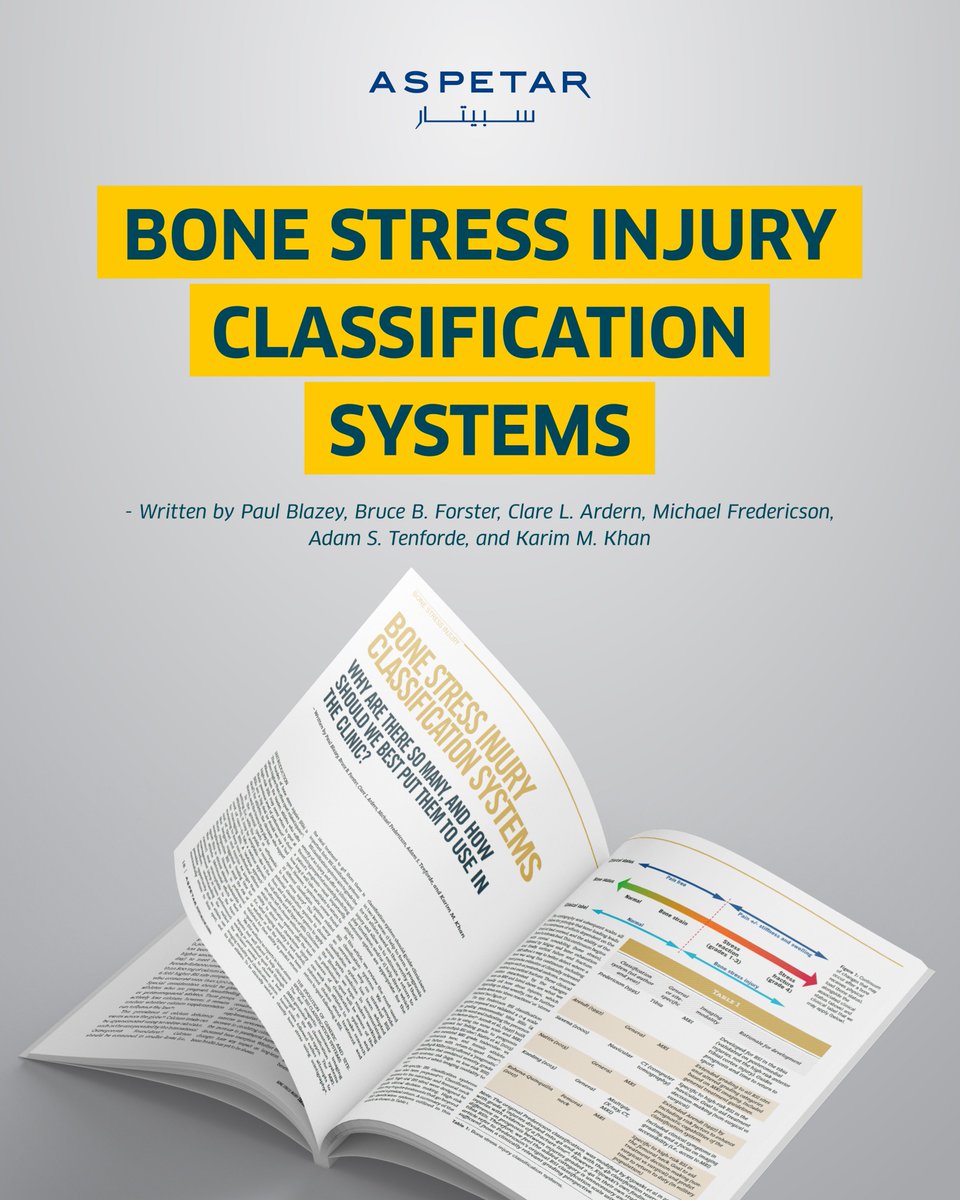
BONE STRESS INJURY CLASSIFICATION SYSTEMS
✍️ – Written by Paul Blazey, Bruce B. Forster, Clare L. Ardern, Michael Fredericson, Adam S. Tenforde, and Karim M. Khan
➡️ This article outlines a perspective on best practice decision-making using what we currently know about BSI classification systems with athletes. Although much of what we recommend may also apply to the general public, there are often additional barriers outside of professional sport, such as diagnostic delays (related to imaging accessibility).
We suggest two main takeaway points for clinicians in professional sport (or anyone with the resources to follow these suggestions):
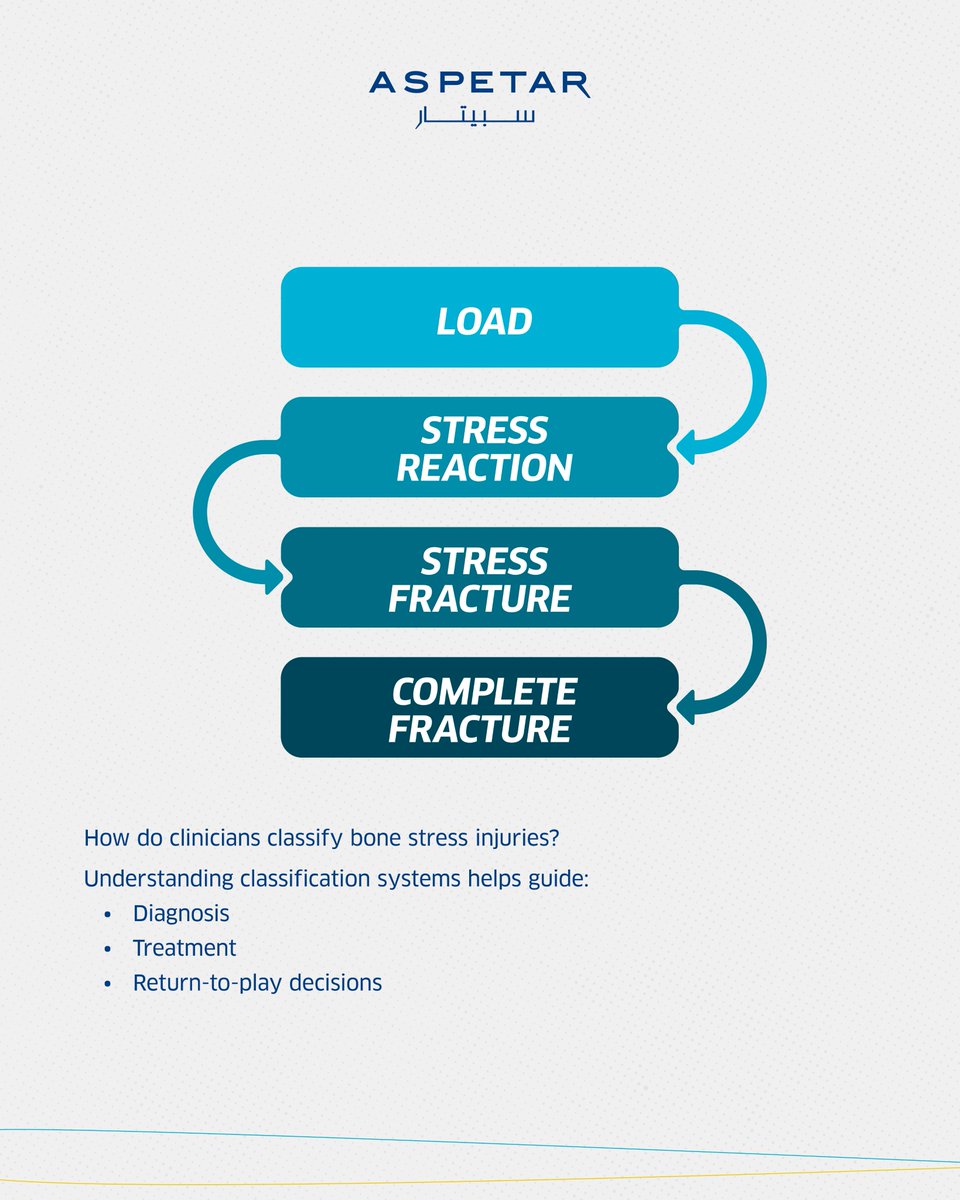
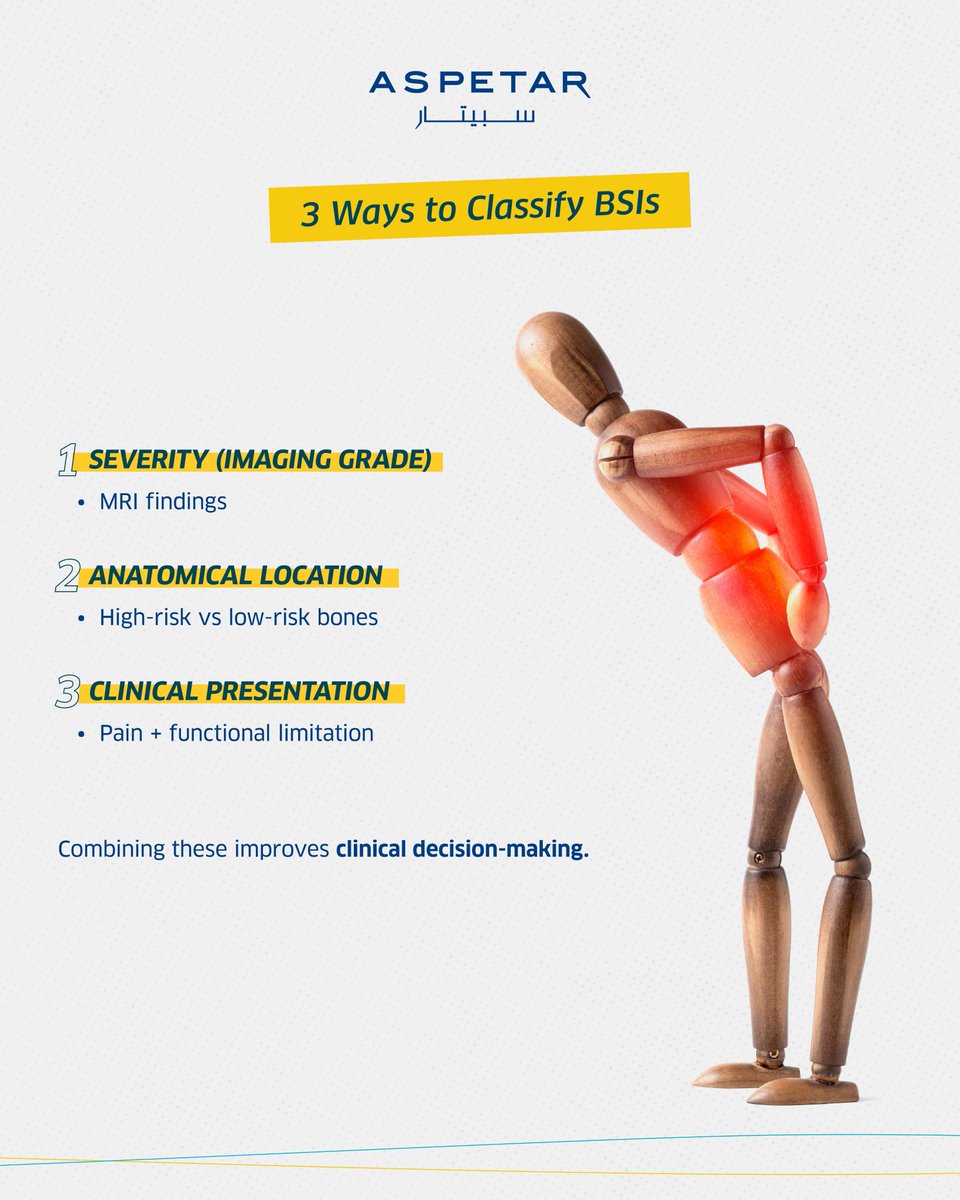
That a unified classification system based upon those proposed by Fredericson/Arendt/Nattiv be used for all BSIs (low- and high-risk), to establish a severity score (between 0-4). This classification system can be used to provide a guideline on the time needed to return to sport, although factors such as the bone injured and individual athlete factors (e.g., low total bone mineral density) may impact the accuracy of time predictions.
In addition to the first recommendation, BSIs that occur at high-risk sites (except the femoral neck) may benefit from a CT scan if imaging is non-diagnostic or for navicular BSI. The CT scan being used specifically to measure the extent of any fracture line.
🔗 Read More 👉 journal.aspetar.com/en/journals/vo…
Bone Health in Athletes
Bone health is a critical, yet often overlooked determinant of athletic performance and resilience.
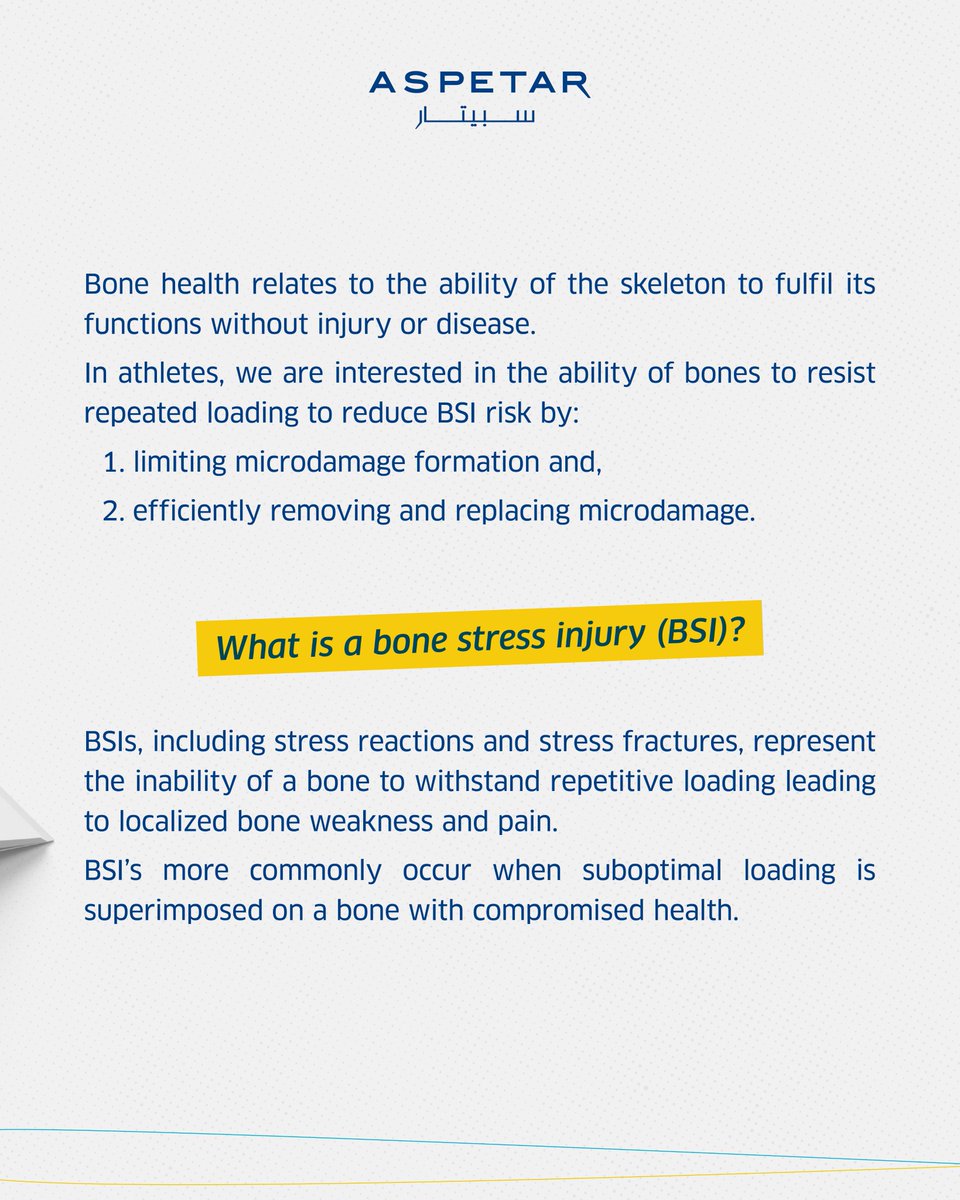
While bones operate quietly in the background to support movement and withstand repetitive loading, their capacity to resist injury is influenced by a complex interplay of biological, nutritional, hormonal, mechanical, and lifestyle factors. Because bone strength cannot be measured directly, clinicians and researchers must rely on surrogate assessments such as DXA-derived BMD, alongside indicators of energy availability, hormonal function, nutritional intake, and lifestyle habits.
Recognizing and addressing these factors is essential not only for reducing the risk of BSI during an athlete’s career, but also for safeguarding long-term skeletal health and reducing the future burden of osteoporosis and fracture risk.
✍️ Written by: Robyn K. Fuchs, Claire M. Mehling, Elli J. Ertl, Diana R. Heyden, Stuart J. Warden.
🔗 Read the full article 👉 journal.aspetar.com/en/journals/vo…
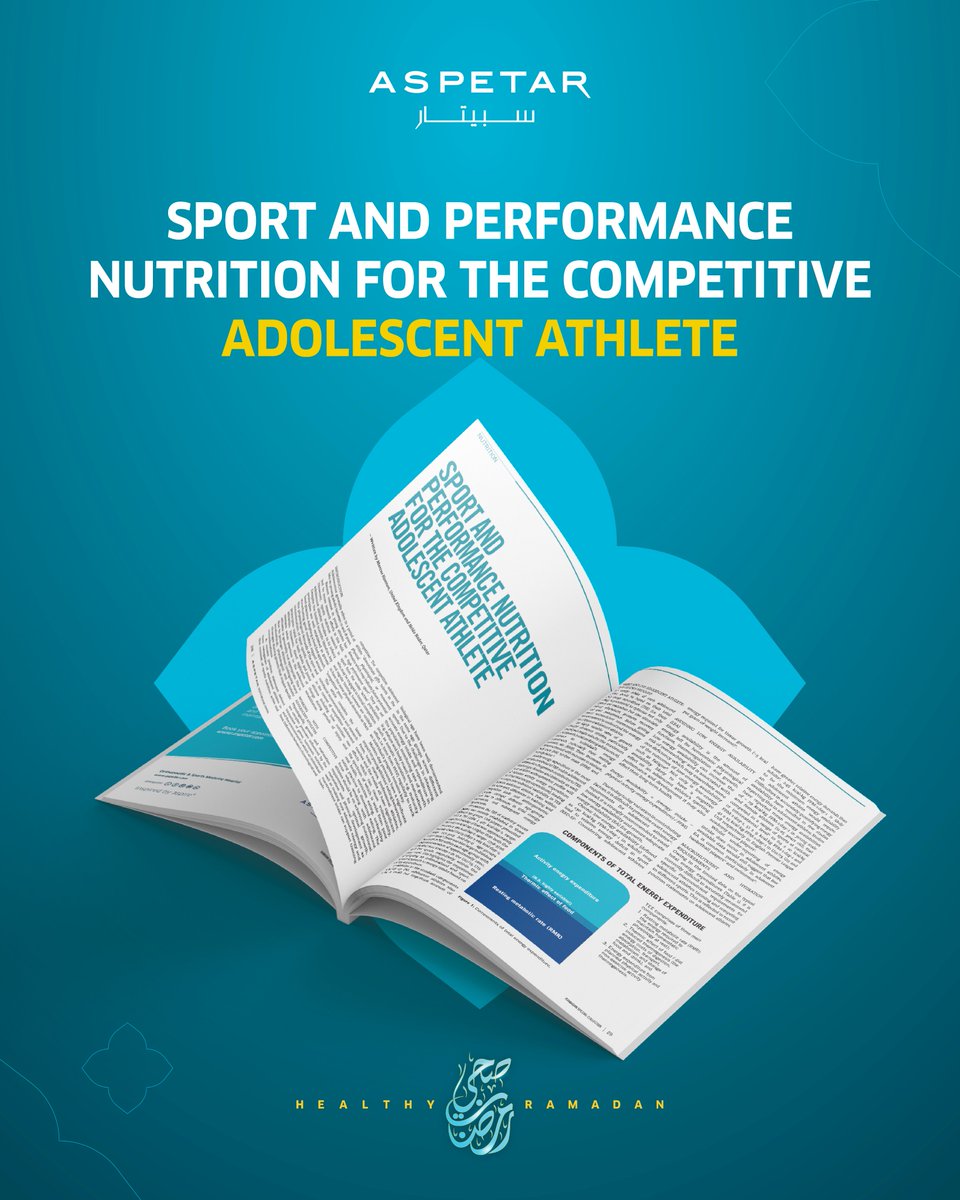
Sport and Performance Nutrition for the Competitive Adolescent Athlete.
➡️ The energy intake of each adolescent athlete should be adequate to optimise not only growth and maturation but also stimulate training adaptations, promote recovery and enhance sporting performance.
➡️ Before specific macronutrient recommendations can be provided it is first essential to understand the total daily energy expenditures of adolescent athletes competing in different sports.
➡️ There is currently a lack of evidence to suggest that adolescent athletes have additional micronutrient requirements compared to their non-athletic peers. Certain micronutrients including calcium, vitamin D and iron are of paramount importance for the growing and developing athlete.
➡️ Whilst dietary supplements are advocated to and consumed by many adolescent athletes, a ‘food first’ approach is strongly advised.
➡️ Coaches, parents/guardians and practitioners should be made aware of potential health risks associated with consuming dietary supplements that are not part of a third-party testing program.
🔗 Read the full article 👉 journal.aspetar.com/en/journals/vo…
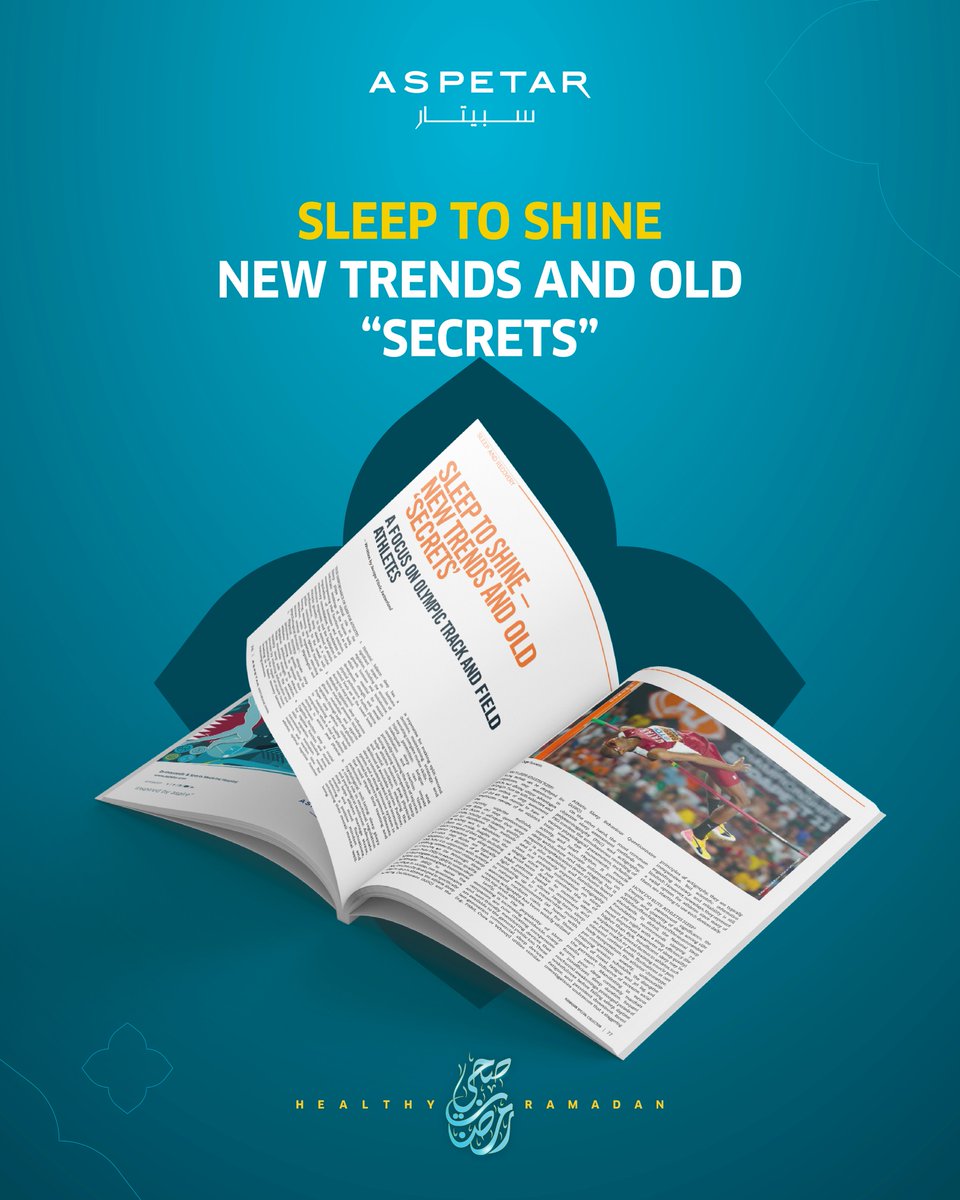
Sleep to Shine – New Trends and Old ‘Secrets’: A Focus on Olympic Track and Field Athletes.
Coaches and medical staff should be aware that sleep quality and quantity characteristics are typically suboptimal in elite athletes.
Sleep shows huge inter- and intra-individual variability in humans and many factors need to be evaluated, or controlled, to better picture the sleep behaviour in athletes, such as: athletes’ chronotype, the training schedules, and the different sport disciplines.
Nowadays, there are several cost-effective methods to collect sleep data and so athletes’ staff should monitor sleep characteristics during the different periods of the competitive season (in-, off-, and pre-season) to highlight potential areas of improvement.
The correct “administration” of daytime napping and the implementation of sleep hygiene strategies represent two non-invasive and non-pharmacological solutions to sleep issues that should be included in the daily routine of elite athletes.
🔗 Read the full article 👉 journal.aspetar.com/en/journals/vo…
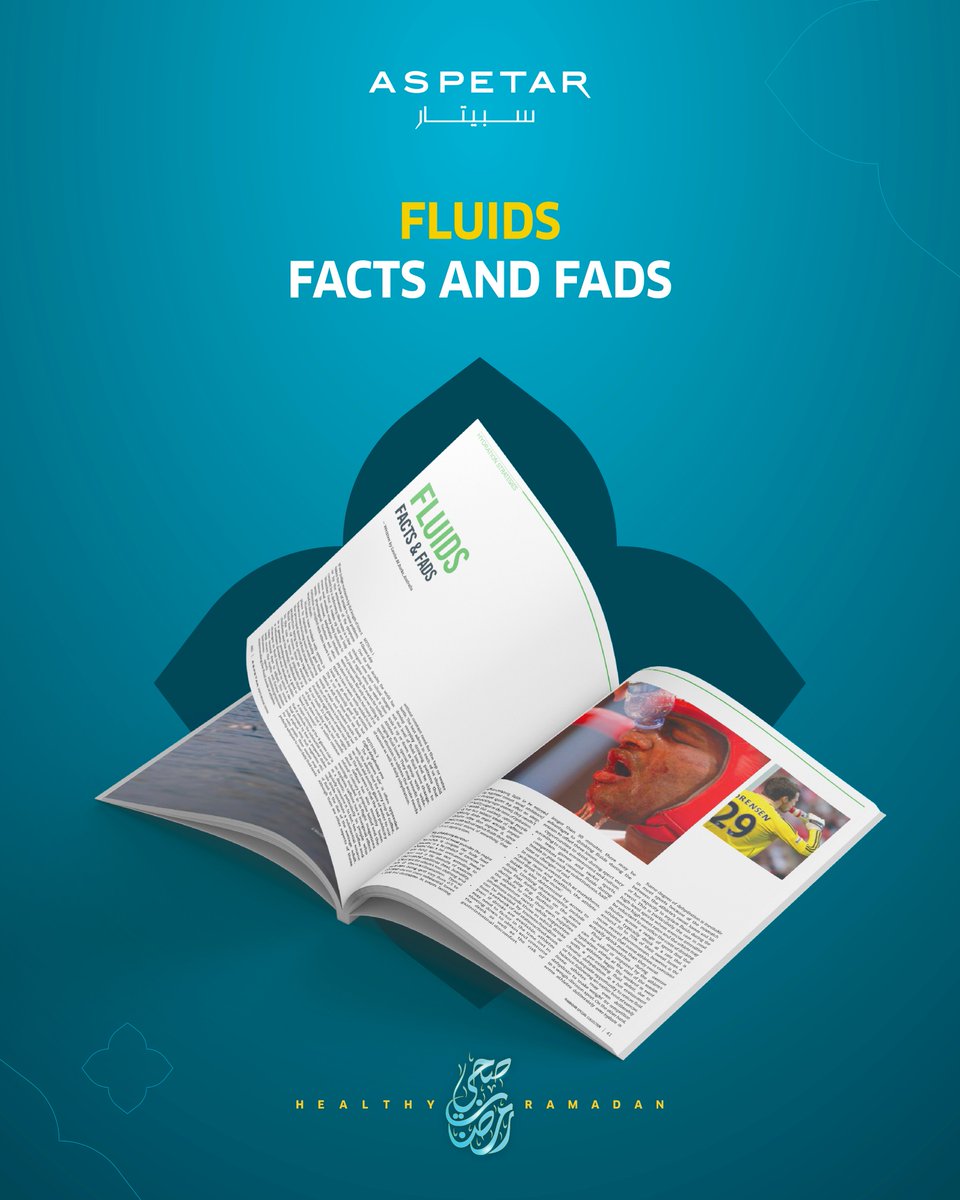
Fluids: Facts & Fads
✍️ Written by Louise M Burke.
If we judge nutrients by the length of time it takes for a lack of intake to cause problems, or by the seriousness of the symptoms caused by a deficiency, then water is a clear ‘Number One’.
It makes up half our body mass and enables many body functions to occur. In contrast, dehydration interferes with physiological functions and when extreme or coupled with other issues it can lead to death.
Humans have evolved with systems in place to maintain remarkably good fluid balance over the long-term, with thirst being the principal driver of fluid intake and urine production being the principle regulator of fluid loss. Of course, there are exceptions to the rule in terms of populations (e.g. children and the elderly), individuals (there is a genetic predisposition to be a good or a reluctant drinker) and situations (sudden changes in fluid loss/need to which it can take several days to adjust).
This review will cover the myths and furious debates between sports scientists/physicians surrounding the fluid needs of athletes.
🔗Read the full article 👉 journal.aspetar.com/en/journals/vo…
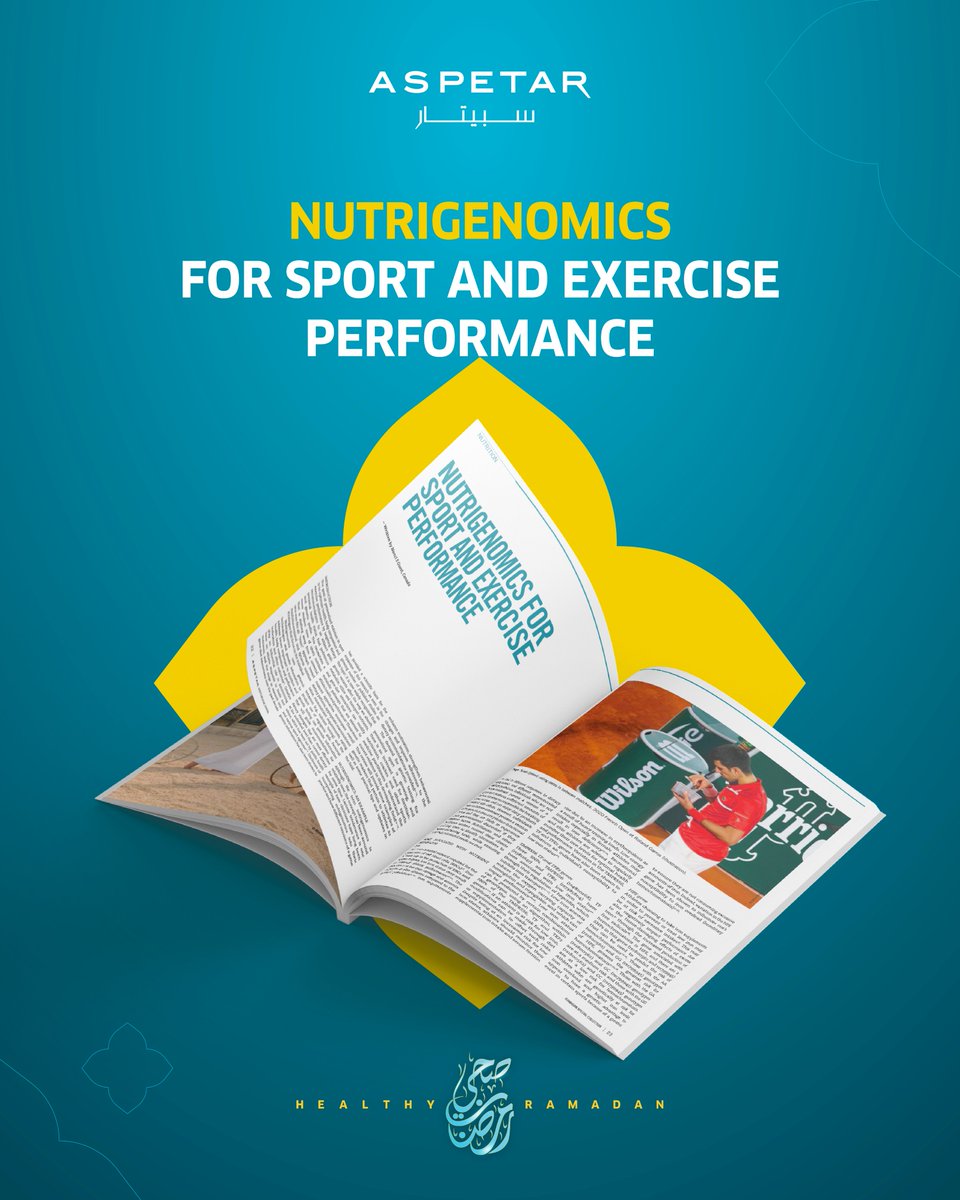
Nutrigenomics for sport and exercise performance
✍️ Written by: Nanci S Guest.
The ultimate goal of personalized sport nutrition is to offer tailored dietary recommendations that directly (performance) and indirectly (health, body composition) improve athletic performance.
Personalized nutrition strategies for athletes will continue to develop as research identifies new genetic markers that enable these valuable targeted interventions.
Genetic testing for personalized sport nutrition is an effective and widely available non-invasive tool that can be implemented into the practice of sport clinicians, nutritionists and coaches to guide nutritional strategies and meal planning with the aim of optimizing athletic performance.
🔗Read the full article 👉 journal.aspetar.com/en/journals/vo…
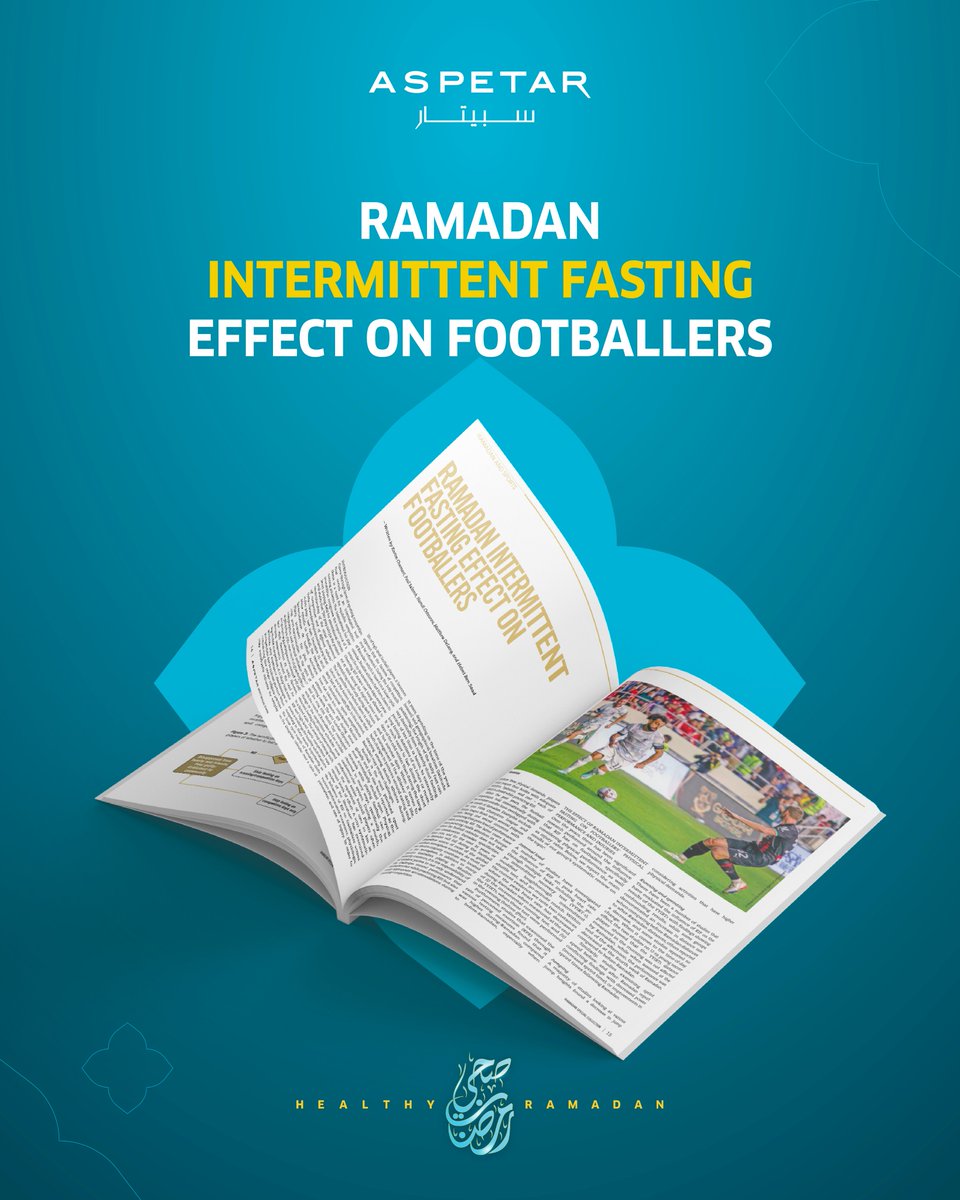
Ramadan intermittent fasting: effect on footballers
✍️Written by : Karim Chamari, Paul Salamh, Hamdi Chtourou, Matthew DeLang, and Helmi Ben Saad
The scientific studies on the Muslim footballers observing RIF during the holy month of Ramadan and its’ impact on performance is reported in the current literature and will certainly continue to develop given the fact that timing of the competitive seasons for domestic football leagues in the northern hemisphere will be coinciding with Ramadan within the next two decades.
The religious beliefs and cultural differences of athletes should not be allowed to create an unequitable playing field for footballers, deserving more attention from international sport governing bodies.
Finally, it seems that “lab-based studies” reported decreases in football players’ performance but that “match-based studies” seem to suggest coping strategies, of some sort mitigating performance deficits.
🔗Read the full article 👉 journal.aspetar.com/en/journals/vo…
Hydration strategies for football
✍️Written by Ron Maughan and Susan Shirreffs
It is hard to measure individual performance in football, so it is hard to produce convincing evidence that any nutrition or hydration intervention will be beneficial in a competitive situation. Nevertheless, there is sufficient evidence to warrant attention to hydration, especially when the weather is hot and even more so when the humidity is also high. Players will benefit from a personalised hydration plan but will need professional help to develop an effective strategy.
🔗Read the full article 👉 journal.aspetar.com/en/journals/vo…
نشرة أخبار التاسعة | نافذة خاصة -
المستشفى العالمي سبيتار وفي للتقاليد .. وثيقة طبية جديدة تحدد التغذية السليمة والممارسة الصحية الأنسب على مدار الشهر الفضيل
#قنوات_الكاس || #منصة_شووف
Injury & illness surveillance isn’t just about data, it’s about structure, people, trust, and long-term commitment.
When done right, it protects athletes, supports teams, and safeguards the future of sport. 📊⚽
🔗Read more on lessons learned from implementing IIS in professional football and the new implementation framework 👉 bit.ly/3OwEq8j